
Tokyo’s wagashi culture is often judged less by dining-room theatre than by restraint, queue discipline, and the ability to make a small purchase feel exacting. Ozasa sits in that older Kichijoji register: takeaway only, selected for Tabelog 100 Japanese traditional sweets / Japanese sweets cafe Tokyo 2023, and priced in the sub-JPY 999 band.
Pearl is the En Primeur Club membership app — saves, bookings, and concierge access live there. Same editors, same standards.
- Address
- 東京都武蔵野市吉祥寺本町1-1-8
- Phone
- +81422227230
- Website
- ozasa.co.jp
 Saves & bookings on Pearl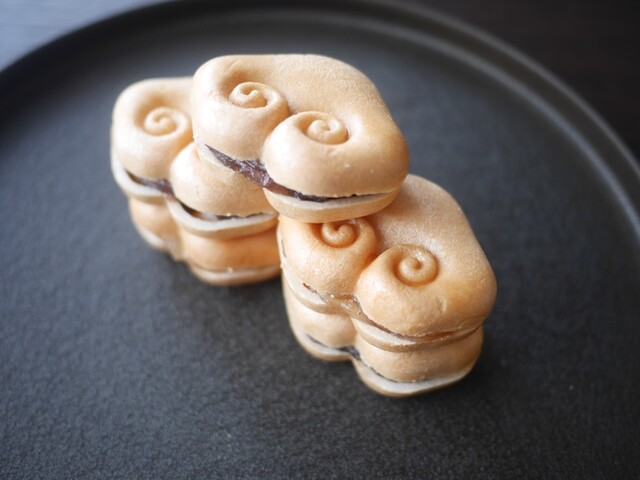
On Kichijoji’s north side, the first impression is retail rhythm rather than dining room: a compact sweets counter, purposeful shoppers, and the old Tokyo habit of taking wagashi home rather than consuming it as spectacle. This is far from long tasting menus and cocktail bars. The measure is not stemware, linen, or a cellar; it is small-scale curation, where a narrow sweets selection can carry the seriousness of a restaurant wine list.
That matters because wagashi sits between daily purchase and formal gift culture. Department-store basements offer abundance, train-station counters offer speed, and specialist shops survive by narrowing the field. Ozasa belongs to the last category. Its recognition on the Tabelog 100 Japanese traditional sweets / Japanese sweets cafe Tokyo 2023 list places it in a competitive citywide field where technique, consistency, and local loyalty matter more than room design.
Kichijoji wagashi, judged by edit rather than abundance
Kichijoji is not Ginza, and the distinction is useful. The neighborhood’s food culture mixes commuter convenience with independent habits: kissaten, curry shops, bakeries, sweets counters, and family shopping routes rather than only reservation-led dining. Here, Japanese traditional sweets become everyday precision. The purchase is small and brief, but the standard is not casual.
Ozasa’s format makes that editorial point clear. Takeaway-only sweets remove the usual luxury signals, leaving product category, queue system, and reputation to work. Yokan is available only in store, and numbered tickets are required, a logistical detail that says more about demand than ornament could. Reservations are unavailable, and the spending band sits below JPY 999, so the constraint is access and timing, not price.
Tokyo’s sweets scene rewards this specialization. Amane operates in the same sub-JPY 999 band, COFFEE HALL Kugutsusou occupies a cafe lane at JPY 1,000 to JPY 1,999, and woodberry’s Honten returns to the lower everyday range. Together they show how Kichijoji supports micro-formats at once: purchase counter, seated coffee room, yogurt or dessert stop, each with its own tempo. Ozasa sits nearer the edited retail end than a lingering cafe.
The analogy is a compact cellar rather than a banquet. A long wine list impresses through breadth; a serious short list must show judgment. Wagashi counters work similarly. A narrower selection forces attention onto house style, shelf life, gifting purpose, and disciplined repeat production. In Tokyo, where choice can overwhelm, a specialist with a short transaction can feel more exacting than a larger venue with categories to hide behind.
Recognition without restaurant theatre
The Tabelog 100 selection is the relevant trust signal because it matches the category. This is not a Michelin-style fine-dining frame. Japanese traditional sweets and sweets cafes are assessed through portability, repeatability, seasonal habits, and reputations built among locals who buy regularly rather than tourists planning one dinner.
That distinction changes how to read price. Sub-JPY 999 in Tokyo can mean convenience-store simplicity, but in traditional sweets it can also mean focused craft. The small ticket does not flatten hierarchy; it makes hierarchy more demanding, because the shop must justify attention without a long service arc. For travelers equating status with menu price, wagashi is a useful corrective.
The contrast with reservation-led dining is instructive. Sushi to Shuko Tomikawa sits in a JPY 10,000 to JPY 14,999 bracket, a different universe of commitment, pacing, and staff attention. Ozasa moves the other way: low-price, high-specificity, with the decision compressed into minutes. Both depend on trust, but one builds it through seat and sequence, the other through repetition and a narrow retail promise.
Kichijoji’s appeal is that these modes coexist. A day can move from sweets to coffee to casual food with little ceremony, making the area useful for travelers seeking Tokyo texture, not only trophy reservations. For a wider city map, Our full Tokyo restaurants guide gives the broader dining frame, while Our full Tokyo hotels guide, Our full Tokyo bars guide, Our full Tokyo wineries guide, and Our full Tokyo experiences guide place the city’s eating, drinking, sleeping, and cultural choices in separate lanes.
How to read the counter before planning the rest of the day
Approach a specialist wagashi counter as a timed errand, not a fallback dessert stop. Numbered tickets for yokan change the psychology: arrival order matters, and the reward is tied to a specific item rather than browsing. The venue therefore makes sense early in a Kichijoji plan, before cafe or lunch decisions absorb time.
Payment and service also anchor the experience in older retail habits. Credit cards, electronic money, and QR code payments are not accepted, and there are no seats. That lack of hospitality theatre is not a weakness; it is tradition. Tokyo wagashi culture has long treated package, handover, and recipient at home as part of the experience, rather than asking every purchase to perform on site.
For broader Tokyo itineraries, contrast helps. Kichijoji’s compact sweets logic pairs with other tightly defined city formats, from. 鮪と炭火焼き うお炭 秋葉原店 and 12/10 Shinjuku ten to 124. KAGURAZAKA (Yakitori), 2D Cafe, and 3 Chome no Curry Ya San. Beyond Tokyo, the same search for focus extends to -Grilled beef Sukiyaki- KAMAKURA TANUKIAN 鎌倉 たぬき庵 in Kamakura.cafe in Osaka.know in Kumamoto, (Shoku) Vietnam in Kawasaki, [Curry Senmon Ten] Maruyama Kyoju. in Sapporo, [ki:] in Kyoto, Jōdo Saké Bar in Los Angeles, and Onigiri Time in Pasadena.
Ozasa compels because it refuses the inflated grammar around Tokyo food. The address is modest, the format brief, the price low, and the reputation category-specific. That is why it belongs in a serious Tokyo itinerary: it shows how much culinary authority a small counter can carry when the city understands the code.
A Tight Comparison
Comparable venues for orientation by cuisine and category.
| Venue | Cuisine | Price | Notes |
|---|---|---|---|
| OzasaThis venue — the venue you are viewing | Not listed | $ | Not listed |
| Umemura | Koto, Japanese Soul Food | $ | Not listed |
| Café Trois Chambres | Not listed | $ | Setagaya, Traditional Japanese kissaten café |
| Curry Rice Senmon Ten Brother | Shinjuku, Japanese Curry Counter | $ | Not listed |
| Chuka Soba Ibuki | Itabashi, Niboshi-focused ramen | $ | Not listed |
| E-chan Shokudo | Not listed | $ | Meguro, Early-morning Tokyo ramen counter |
Recognition history
Dated appearances from independent guides and award organizations, with the underlying list record or original source where available.
Tabelog 100 #88 · No. 88
Tabelog · Tabelog 100 - Japanese traditional sweets / Japanese sweets cafe - TOKYO - 2023
Continue exploring
More in Tokyo
Restaurants in Tokyo
Browse all →



Bars in Tokyo
Browse all →



Hotels in Tokyo
Browse all →




Wineries in Tokyo
Browse all →
At a Glance
- Well Known
- Classic
- Cozy
- Solo
- Family
- Casual Hangout
- After Work
- Standalone
- Historic Building
A tiny, traditional Japanese sweets shop front on Kichijoji Sun Road with a simple takeaway counter, bright shop lighting, and a classic neighborhood feel focused on efficient service rather than lingering in‑store dining.