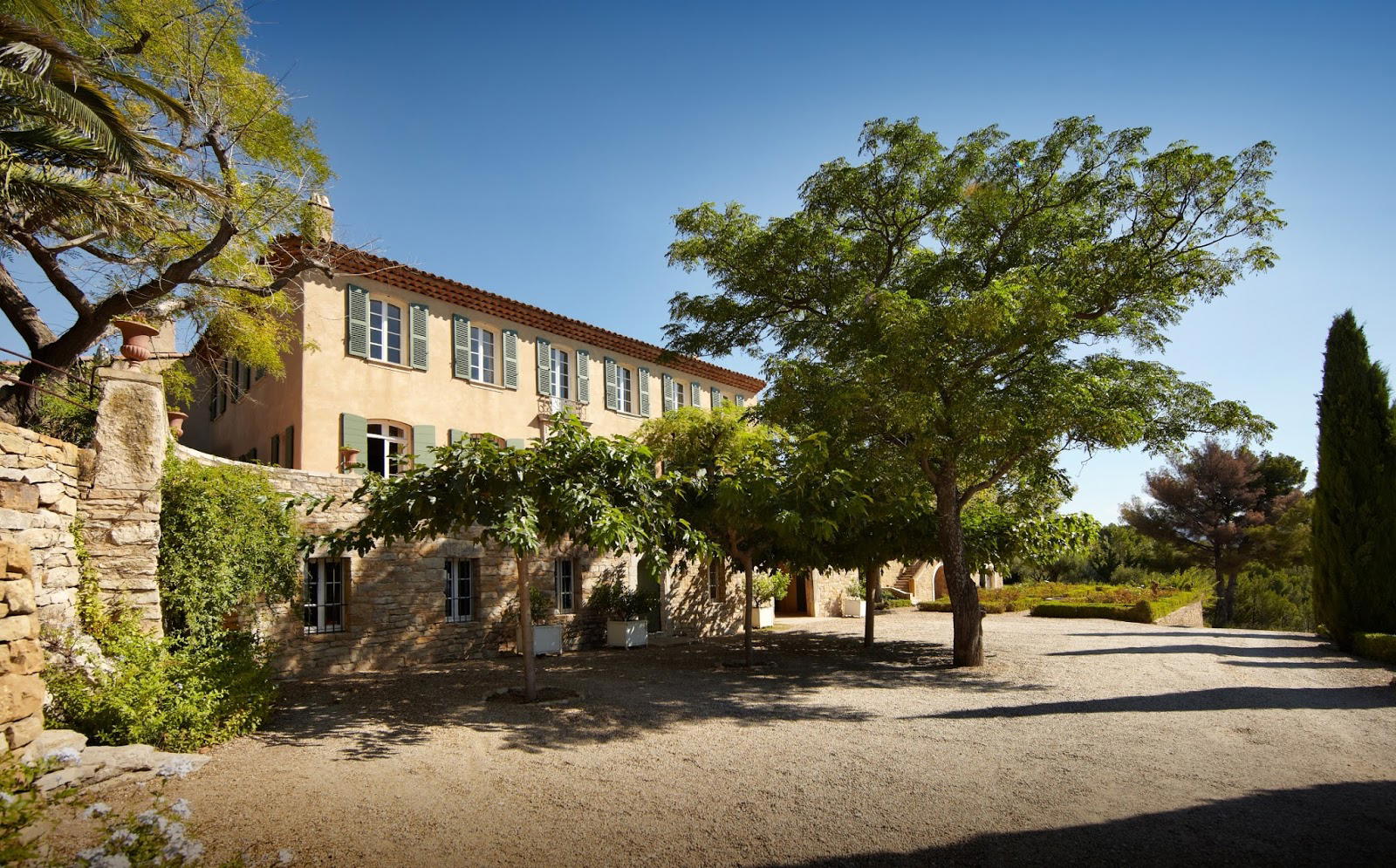
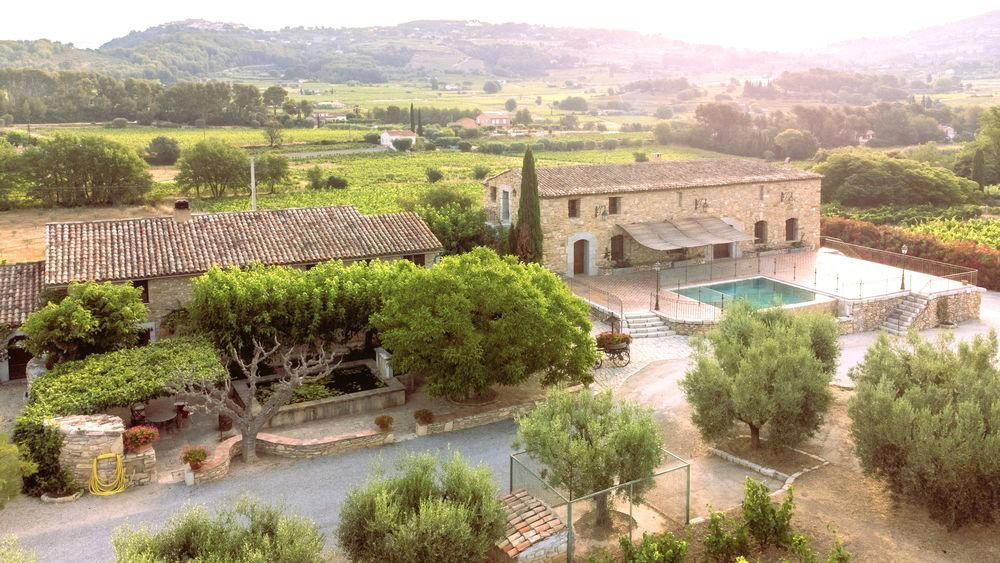
Our verdict
Otto occupies a quiet address on Rue Jean Mermoz in Marseille's 13th arrondissement, a part of the city that rewards those willing to look beyond the Vieux-Port circuit.

Pearl is the En Primeur Club membership app, where members save venues, book tables and use the concierge.
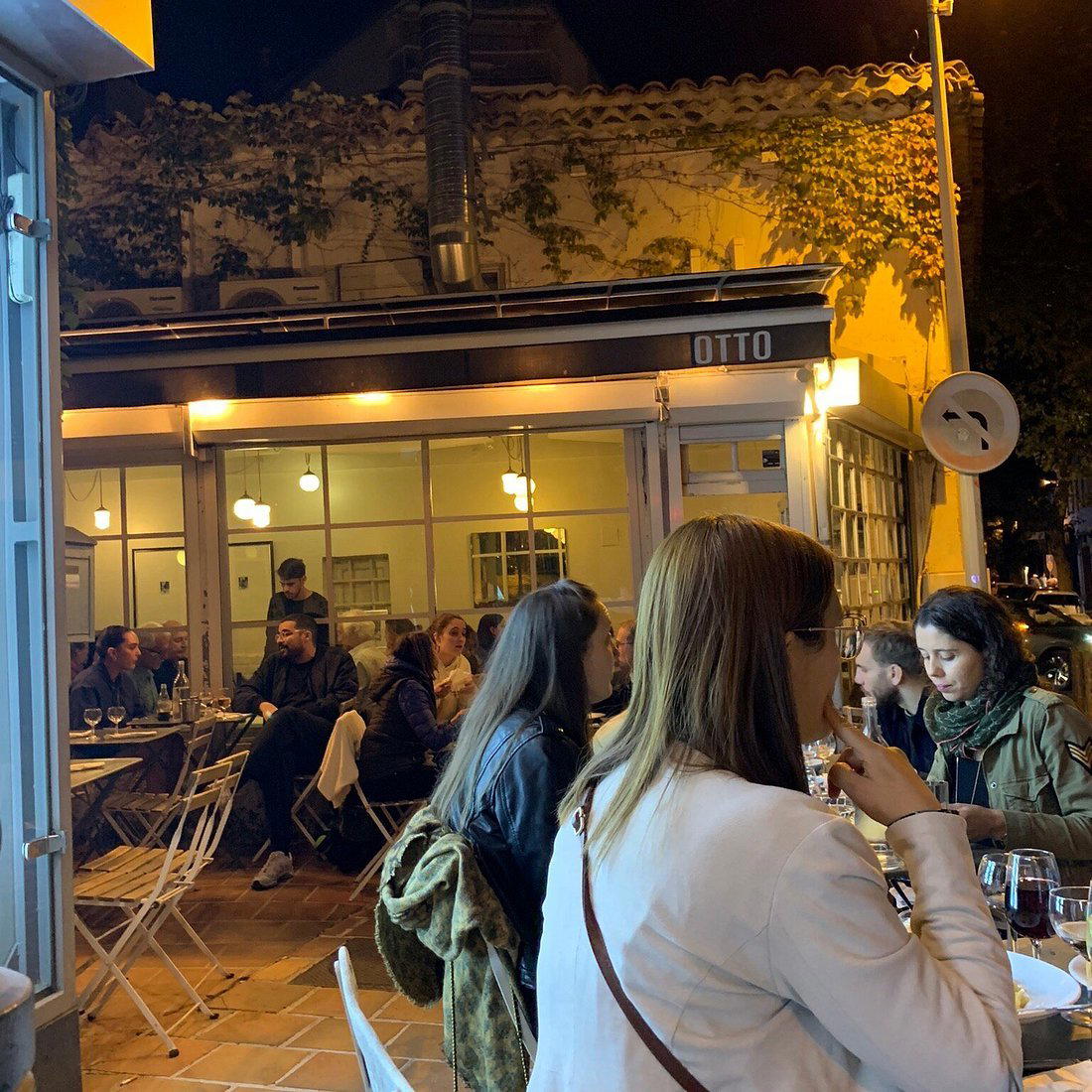
Planning Around the Unknown: What Otto's Sparse Footprint Tells You
Marseille's dining conversation tends to concentrate around a handful of well-documented addresses. At the certified end of the spectrum, AM par Alexandre Mazzia holds three Michelin stars and a reputation that extends well beyond the city. Le Petit Nice anchors the city's seafood fine-dining tradition with similar institutional weight. Then there are restaurants like Une Table, au Sud, which sit in documented modern cuisine territory with a clear awards trail and public-facing infrastructure to match.
Otto at 150 Rue Jean Mermoz operates differently. In a city where the most talked-about restaurants generate significant search volume and review depth, that absence is informative. It places Otto in a category of Marseille addresses that circulate primarily through local networks rather than international editorial pipelines, a pattern common enough in France's second city that it has its own logic.
For the traveller planning around a confirmed reservation, this matters practically. Unlike booking at Une Table, au Sud or a Michelin-tracked room, where booking windows, tasting menu formats, and cancellation policies are publicly documented, approaching Otto requires direct contact and a tolerance for less structured advance planning. The address on Rue Jean Mermoz, in the 13th arrondissement, places it away from the tourist-facing density of the Vieux-Port area, a neighbourhood signal worth noting when mapping an evening around it.
The 13th Arrondissement as Context
Marseille's 13th sits south of the city centre, in a residential stretch that does not typically anchor restaurant itineraries for visitors. Compared to the Vieux-Port adjacencies or the addresses grouped around the Corniche, the 13th operates at a lower commercial intensity. Restaurants here tend to serve a local catchment rather than a tourist circuit, which shapes everything from the room's atmosphere to the booking dynamic.
France has many such rooms. Some are intentionally outside the awards conversation; others are simply too recent or too locally embedded to have attracted it yet.
What the address does suggest is that arriving here is a decision, not a default. You will not stumble across Rue Jean Mermoz on the way to somewhere else. That kind of deliberateness tends to self-select the room's clientele, which in turn tends to shape the atmosphere in a particular direction: fewer large groups, fewer tables treating the meal as a backdrop for something else.
How Marseille's Dining Tier Structure Applies Here
Understanding where Otto might sit in Marseille's broader structure requires mapping the city's dining categories with some care. At the leading, the Michelin-tracked addresses represent a small, expensive tier. AM par Alexandre Mazzia is the clearest example: three-star territory, with pricing and booking complexity to match. Le Petit Nice occupies similar institutional ground from a seafood tradition angle.
Below that, Marseille has a denser mid-tier of serious neighbourhood bistros, Provençal-inflected rooms, and modern cuisine addresses like Alivetu and 1860 Le Palais, which draw on Mediterranean and regional identity without positioning themselves against the starred rooms. A third tier, looser, harder to document externally, comprises the word-of-mouth neighbourhood restaurants that French cities produce reliably and that international review infrastructure captures inconsistently.
Otto's available data places it closest to that third tier by default. Whether that means it belongs there by design or simply by lack of external documentation is a distinction only direct experience resolves. For the purposes of planning, it means approaching with the framework you would apply to any restaurant operating outside the formal credentialing system: contact directly, ask about format and booking requirements, and build the rest of the evening around its location rather than assuming the kind of structured dining infrastructure that Michelin-tracked rooms publish as a matter of course.
For a broader view of where these tiers sit relative to each other, and how Marseille's dining scene distributes across neighbourhood and format lines, the EP Club Marseille guide maps the full picture. Elsewhere in France, rooms that have moved through similar phases of low-footprint local reputation before attracting formal recognition include addresses as varied as Auberge du Vieux Puits in Fontjoncouse, a room that built its reputation in geographic isolation long before its Michelin acknowledgement, and Bras in Laguiole, which operated on distinctly local terms before its international profile solidified. Neither comparison implies equivalence; both illustrate that France's most interesting restaurants have not always announced themselves through conventional channels first.
The broader French fine dining context, ranging from Mirazur in Menton and Flocons de Sel in Megève to institutionally weighted rooms like Troisgros, Auberge de l'Ill, Paul Bocuse, Assiette Champenoise, Au Crocodile, and Alléno Paris au Pavillon Ledoyen, is a spectrum where local, underdocumented rooms occupy one end without being lesser for it. Internationally, rooms like Le Bernardin in New York and Atomix demonstrate how differently a low-profile approach plays in markets built around formal recognition infrastructure; the comparison underlines how specifically French, and specifically Marseillais, Otto's operating mode appears to be.
Planning Your Visit
Build the visit around an early evening arrival to allow for the possibility that format and availability require more flexibility than a conventionally bookable room would. The 13th arrondissement is accessible from central Marseille but not walkable from the Vieux-Port; factor transport time into the evening's structure.
Frequently asked questions
Is Otto suitable for children?
Otto's address at 150 Rue Jean Mermoz places it in a residential neighbourhood in Marseille's 13th arrondissement, which tends to draw a local rather than tourist crowd. Without published menus or a documented service format, it is difficult to assess the setup for families with young children. Visiting directly or calling ahead is the practical route to confirm.
How would you describe the vibe at Otto?
Otto sits in Marseille's 13th arrondissement, a southern residential stretch that does not typically feature on visitor itineraries. That address alone suggests something closer to a neighbourhood room than a destination dining set piece. The absence of a published website or documented press presence reinforces that reading: this is not a venue positioning itself for outside attention.
Is Otto in Marseille's 13th arrondissement worth seeking out if I'm based in the city centre?
Otto's location at 150 Rue Jean Mermoz, 13008 Marseille, puts it south of the centre in a district that does not appear on most visitor dining maps. That positioning alone distinguishes it from the Vieux-Port and Noailles addresses that dominate Marseille's documented restaurant conversation.
What's the must-try dish at Otto?
No menu or dish information is published for Otto at 150 Rue Jean Mermoz, and the venue has no documented online presence to draw from. Marseille's 13th arrondissement dining scene tends toward local, produce-driven cooking rather than set tasting formats, but confirming what Otto serves requires direct contact at the address.
Nearby-ish Comparables
Comparable venues nearby, for context on price, style, and recognition.
| Venue | Cuisine | Price | Notes |
|---|---|---|---|
| OttoThis venue (the venue you are viewing) | Modern Italian-Mediterranean | $20–30 | Not listed |
| L'Eau à la Bouche | Authentic Neapolitan-Style Pizzeria | $20–30 | Endoume |
| La Cantinetta | Italian Trattoria | $20–30 | Thiers |
| Caterine | Modern Mediterranean French Bistro | $30–50 | Notre Dame Du Mont |
| Chez Etienne | Marseillaise Pizza | $20–30 | Grands Carmes |
| La Parenthèse | Mediterranean Tapas with Natural Wine Focus | $30–50 | Bonneveine |