La Cantinetta sits on Cours Julien, Marseille's most creatively charged street, where Italian trattoria tradition meets the port city's appetite for honest, ingredient-led cooking. The address places it inside a neighbourhood that has long drawn artists, musicians, and locals who eat seriously without ceremony. It occupies a tier of Marseille dining defined by cultural rootedness rather than fine-dining ambition.
Pearl is the En Primeur Club membership app — saves, bookings, and concierge access live there. Same editors, same standards.
- Address
- 24 Cr Julien, 13006 Marseille, France
- Phone
- +33491481048
- Website
- restaurantlacantinetta.fr
- Directions
- Get directions
 Saves & bookings on Pearl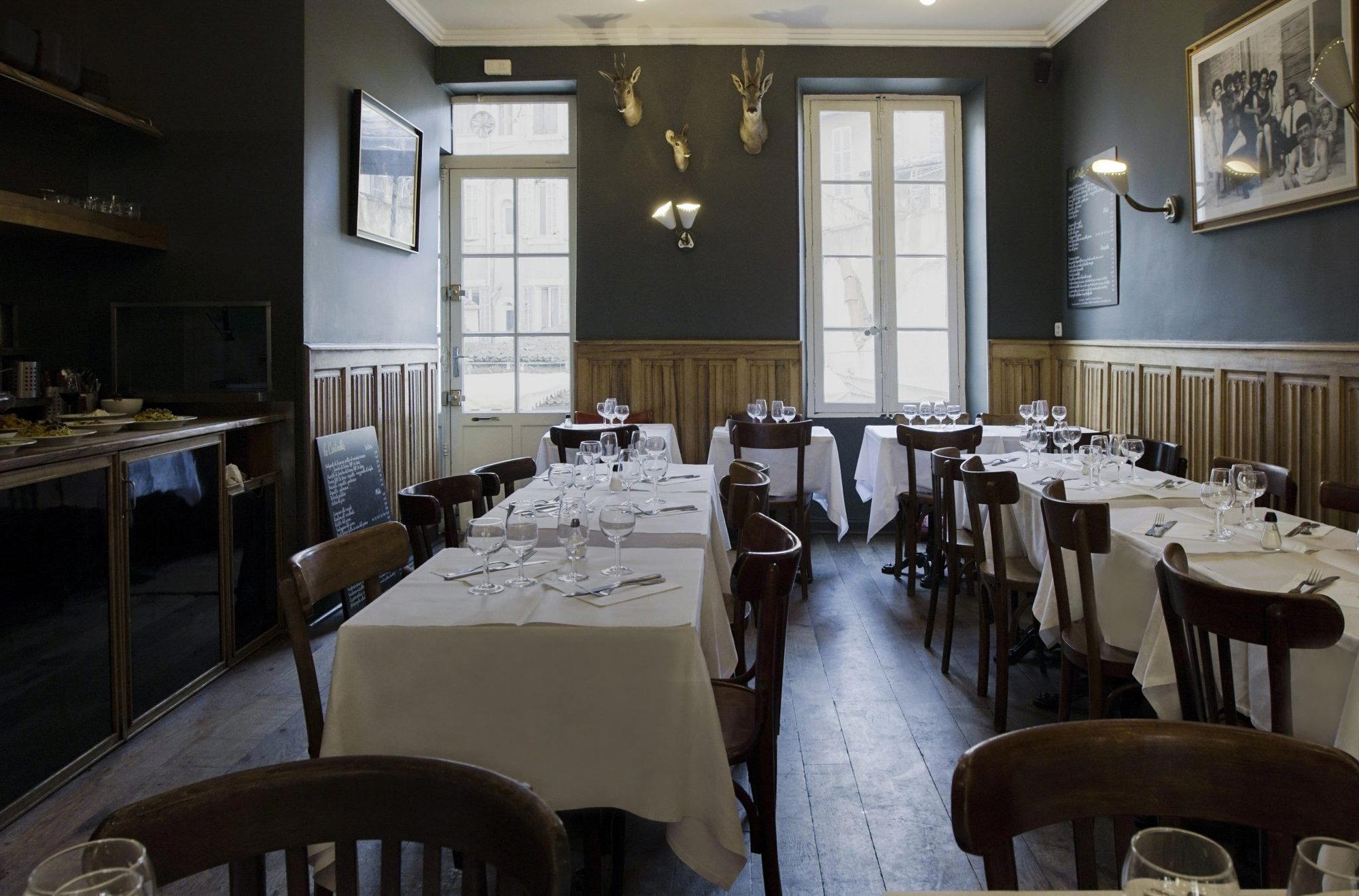
Cours Julien and the Tradition Behind the Table
Cours Julien is one of those streets that resists easy categorisation. Lined with independent galleries, record shops, and café terraces that fill from mid-morning onward, it functions as Marseille's cultural connective tissue in the 6th arrondissement, a counterpoint to the tourist-facing Vieux-Port a short walk south. In a city where the dining conversation is frequently dominated by haute-cuisine addresses like AM par Alexandre Mazzia or Le Petit Nice, the restaurants along this street operate on a different register. They are neighbourhood anchors, places where the question is not what the chef is trying to say but whether the food is good and the welcome genuine.
La Cantinetta occupies number 24 on that street. The name itself signals cultural intent: cantinetta is the diminutive of cantina in Italian, carrying connotations of a small cellar or unpretentious wine-forward dining room, a word that Italian-speaking communities across southern France have used for generations to describe something between a wine shop and a table. In Marseille, where Italian immigration through the nineteenth and early twentieth centuries left a permanent imprint on the city's food culture, the reference is not decorative. It is a positioning statement.
Italian Roots in a Provençal Port City
To understand what a place like La Cantinetta means in Marseille, it helps to understand how thoroughly Italian culinary culture shaped this city. From the mid-1800s onward, waves of Genoese, Neapolitan, and Sicilian workers arrived through the port, settling in neighbourhoods like Le Panier and Cours Julien, bringing with them preserved traditions around pasta, cured meats, olive oil, and the rhythms of the Italian table. That influence never fully assimilated into Provençal cooking; it coexists with it, running parallel. The Italian cantinetta model, where wine is as central as food and neither is treated with excessive solemnity, sits comfortably inside that tradition.
Marseille's dining spectrum today runs from three-Michelin-star ambition (Alexandre Mazzia's creative laboratory on Avenue du Prado) to the rigidly local bouillabaisse houses of Vallon des Auffes, with a broad middle tier of neighbourhood addresses that serve the city's actual eating habits. Une Table, au Sud operates at the technically accomplished end of that middle tier; addresses on Cours Julien, including La Cantinetta, tend toward something less mediated between kitchen and plate. In French dining terms, this places them closer to the bistronomy model that became the dominant format for serious-but-casual eating across French cities from the 2000s onward, though in Marseille the Italian inflection gives it a character distinct from the Parisian version of that format.
What the Address Implies
Cours Julien as a dining street selects for a particular kind of diner. The neighbourhood draws people who are comfortable in rooms where the décor is lived-in rather than designed, where the wine list skews natural or small-producer, and where a long lunch on a weekday is considered a reasonable use of time. In that context, the restaurant's positioning at number 24 places it among a comparable set that includes independent operators across several European cities that have adopted the cantinetta format as a vehicle for Italian regional cooking served without the white-tablecloth apparatus of more formal Italian restaurants.
Across France, the Italian trattoria and cantinetta format has proven more durable than many imported dining models, in part because it aligns with French expectations around conviviality and wine-centrism, and in part because the ingredient overlap between southern Italian and Provençal cooking is substantial. The same olive oils, the same anchovy tradition, the shared vocabulary of tomato, aubergine, and fresh herbs mean that the cantinetta format lands naturally in a city like Marseille in a way it might not in Lyon or Strasbourg. For context on how French regional dining traditions elsewhere develop their own distinct characters, the itineraries around Auberge du Vieux Puits in Fontjoncouse or Au Crocodile in Strasbourg illustrate how differently French cities anchor their restaurant identities.
Marseille's Wider Dining Context
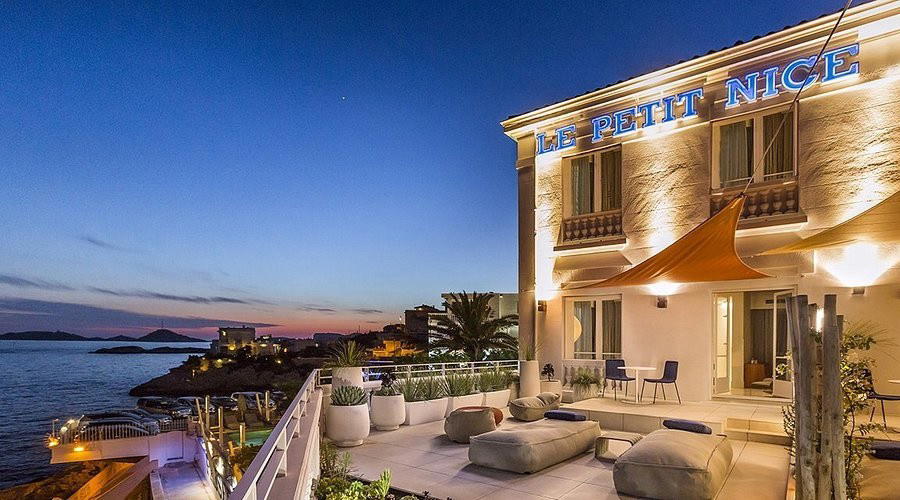
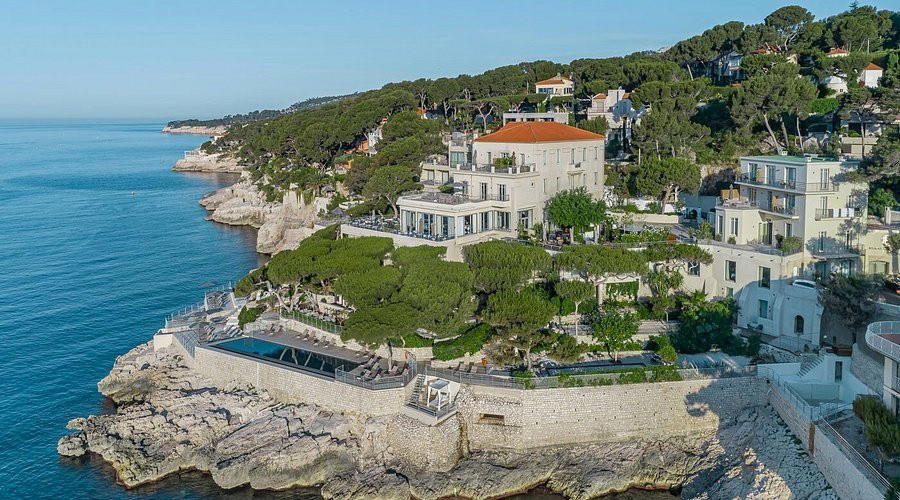
Visitors arriving in Marseille with a restaurant list that only covers the Michelin tier are missing the majority of what makes the city's food scene coherent. The awarded addresses, including Le Petit Nice with its seafood tasting menus above the calanques, represent one version of Marseille dining. But the city's character as a working port with a genuinely multicultural population means that particularly revealing meals often happen in rooms that seat fewer than forty people and charge prices that reflect neighbourhood economics rather than destination-restaurant positioning.
Within that context, Alivetu represents the Mediterranean-cuisine iteration of neighbourhood seriousness, while 1860 Le Palais anchors a different part of the city's dining map. The restaurant on Cours Julien sits within a cluster of addresses that serve the neighbourhood's creative and professional population, a cohort that tends to eat with some regularity rather than on special-occasion logic, which shapes what these kitchens prioritise. Consistency and value-per-quality, rather than spectacle, are the relevant metrics.
For those building a broader picture of what ambitious French cooking looks like at different scales and price points, the contrast with destination restaurants like Mirazur in Menton, Bras in Laguiole, or Paul Bocuse's Auberge du Pont de Collonges is instructive. Those addresses are pilgrimages; places like La Cantinetta are weekly habits for people who live nearby. Both categories matter, and a complete picture of French dining requires spending time in both.
Planning a Visit
The restaurant is located at 24 Cours Julien in the 6th arrondissement, a neighbourhood that is walkable from the Réformés-Canebière and Notre-Dame-du-Mont metro stations. Cours Julien is most active from late morning through the evening, with the restaurant district settling into its rhythm from lunch service onward. As a neighbourhood address where calling ahead for evening visits is sensible given the street's popularity with locals.
Booking and Cost Snapshot
Comparable venues nearby, for context on price, style, and recognition.
| Venue | Cuisine | Price | Notes |
|---|---|---|---|
| La CantinettaThis venue — the venue you are viewing | Thiers, Italian Trattoria | $$ | Not listed |
| L'Eau à la Bouche | Not listed | $$ | Endoume, Authentic Neapolitan-Style Pizzeria |
| Lima Lemon | Castellane, Peruvian Cevicheria | $$ | Not listed |
| La Parenthèse | Not listed | $$ | Bonneveine, Mediterranean Tapas with Natural Wine Focus |
| La Bonne Mère | Vauban, Authentic Neapolitan Pizza | $$ | Not listed |
| Chicoulon | Opera, French Bistronomic | $$ | Not listed |
Continue exploring
More in Marseille
Restaurants in Marseille
Browse all →
Bars in Marseille
Browse all →
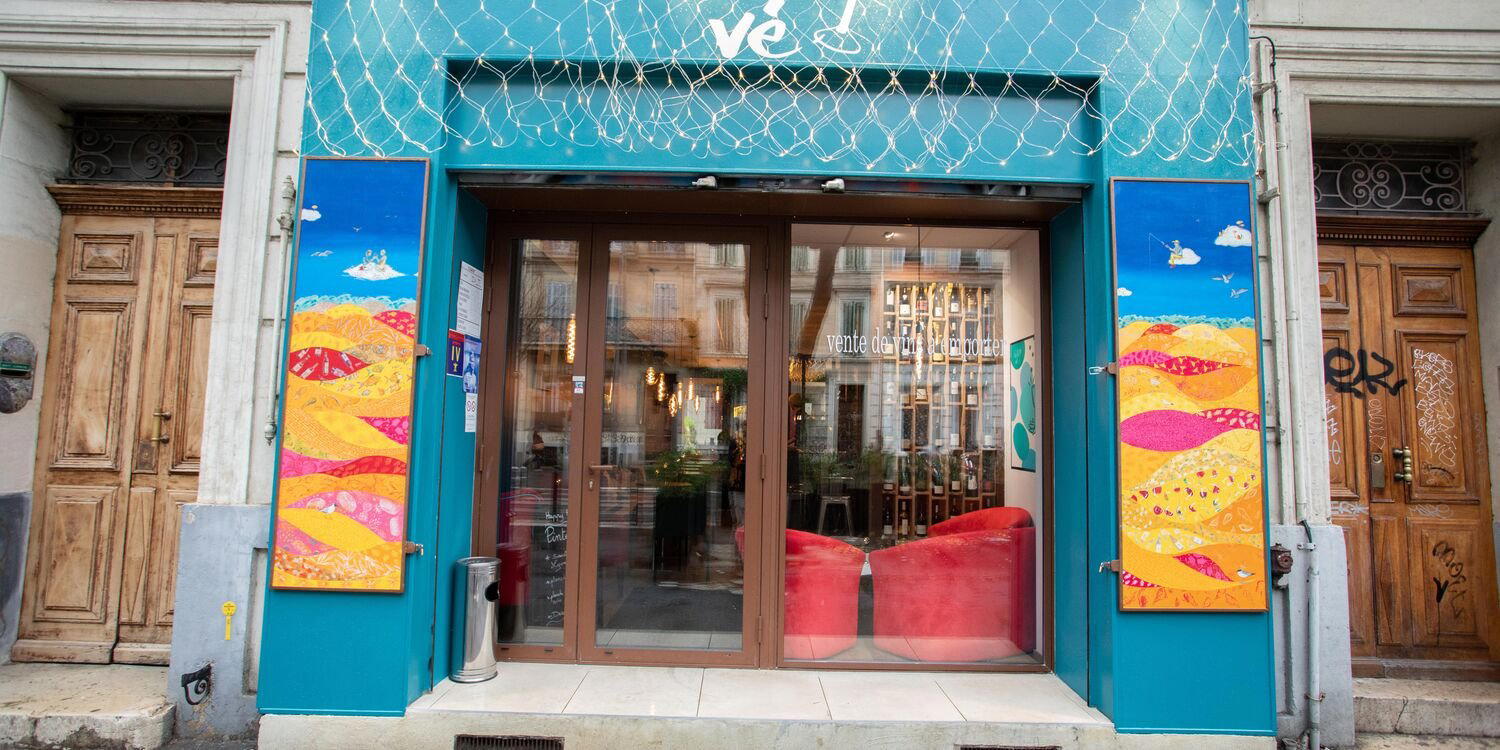
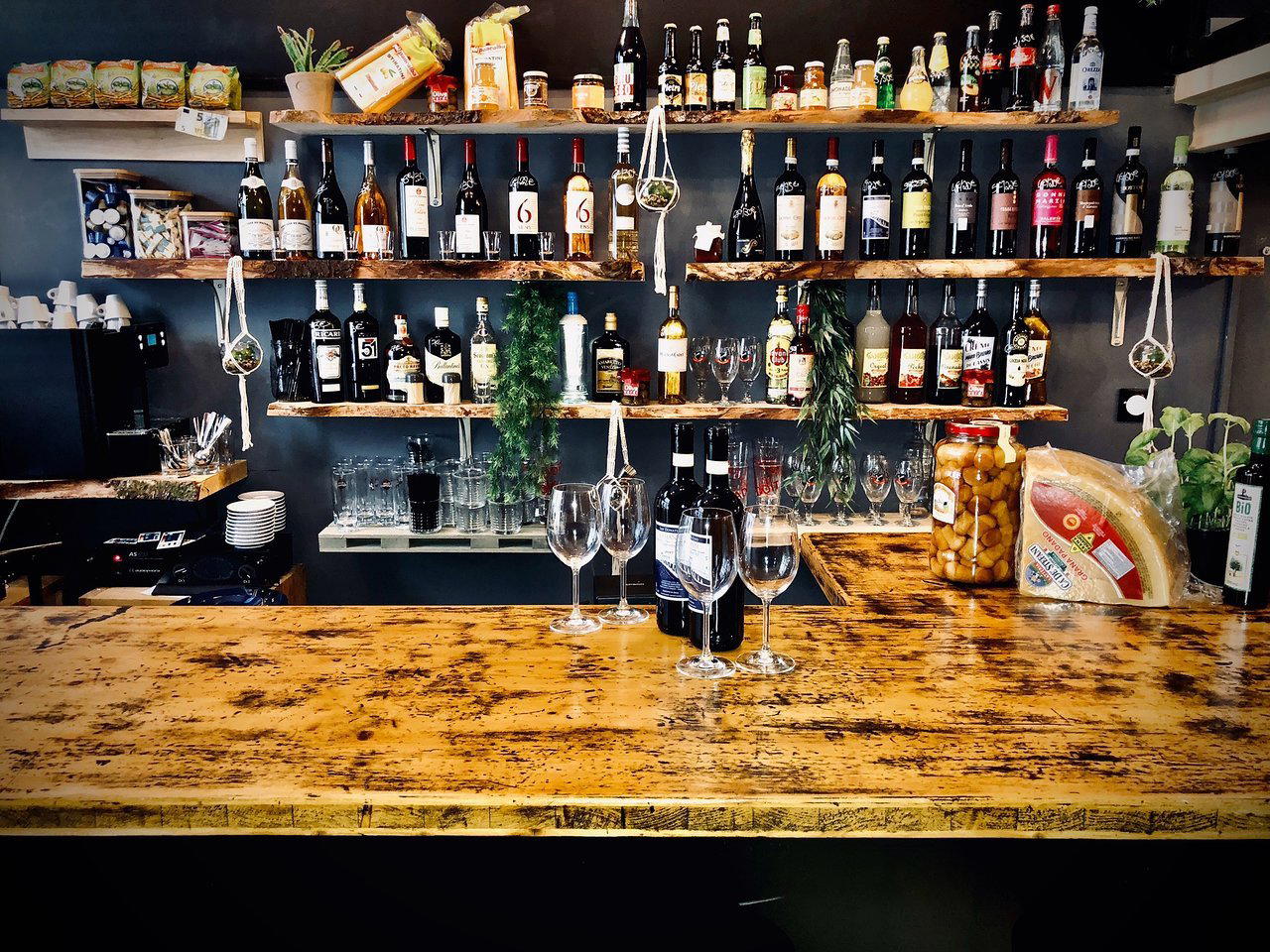
Hotels in Marseille
Browse all →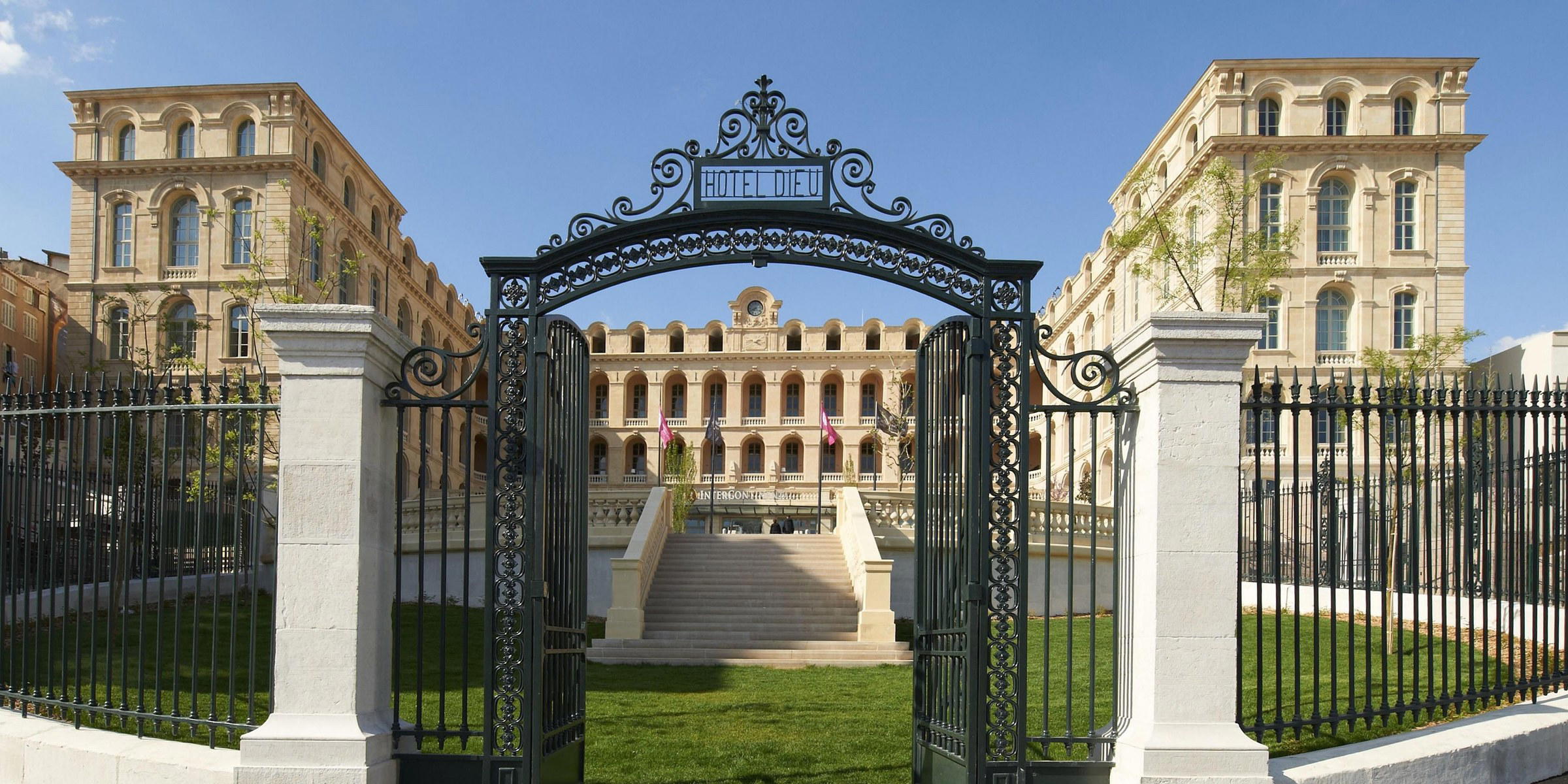
At a Glance
- Lively
- Cozy
- Rustic
- Casual Hangout
- Group Dining
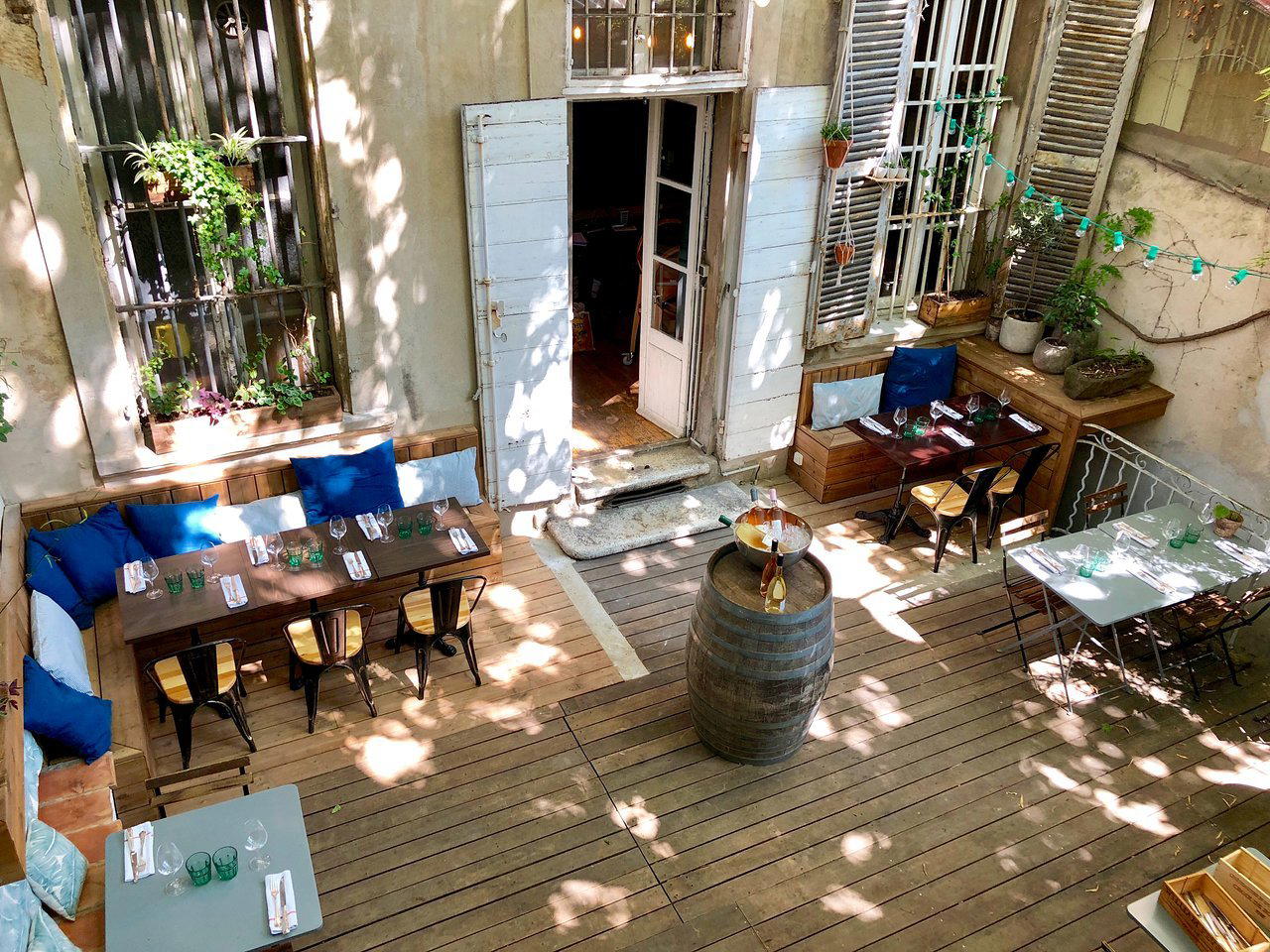
- Terrace
Current opening hours
- Monday
- 12–2 PM, 7:30–10:30 PM
- Tuesday
- 12–2 PM, 7:30–10:30 PM
- Wednesday
- 12–2 PM, 7:30–10:30 PM
- Thursday
- 12–2 PM, 7:30–10:30 PM
- Friday
- 12–2 PM, 7:30–10:30 PM
- Saturday
- 12–2 PM, 7:30–10:30 PM
- Sunday
- Closed
Hours can change for holidays and private events. Last verified .
Lively bistro atmosphere with a convivial dining room and secluded summer patio; cozy indoor clubhouse feel in winter with pine walls and vintage chairs.