Our verdict
On Rue Fontange in Marseille's 6th arrondissement, Caterine occupies a slice of the city's neighbourhood dining culture that sits well outside the Vieux-Port tourist circuit. The address draws a loyal local following shaped by the rhythms of the 13006 postcode, a residential district where restaurants earn repeat business through consistency rather than spectacle. For visitors willing to look past the Michelin-flagged names, it represents the kind of table that regulars rarely discuss publicly.

Pearl is the En Primeur Club membership app, where members save venues, book tables and use the concierge.
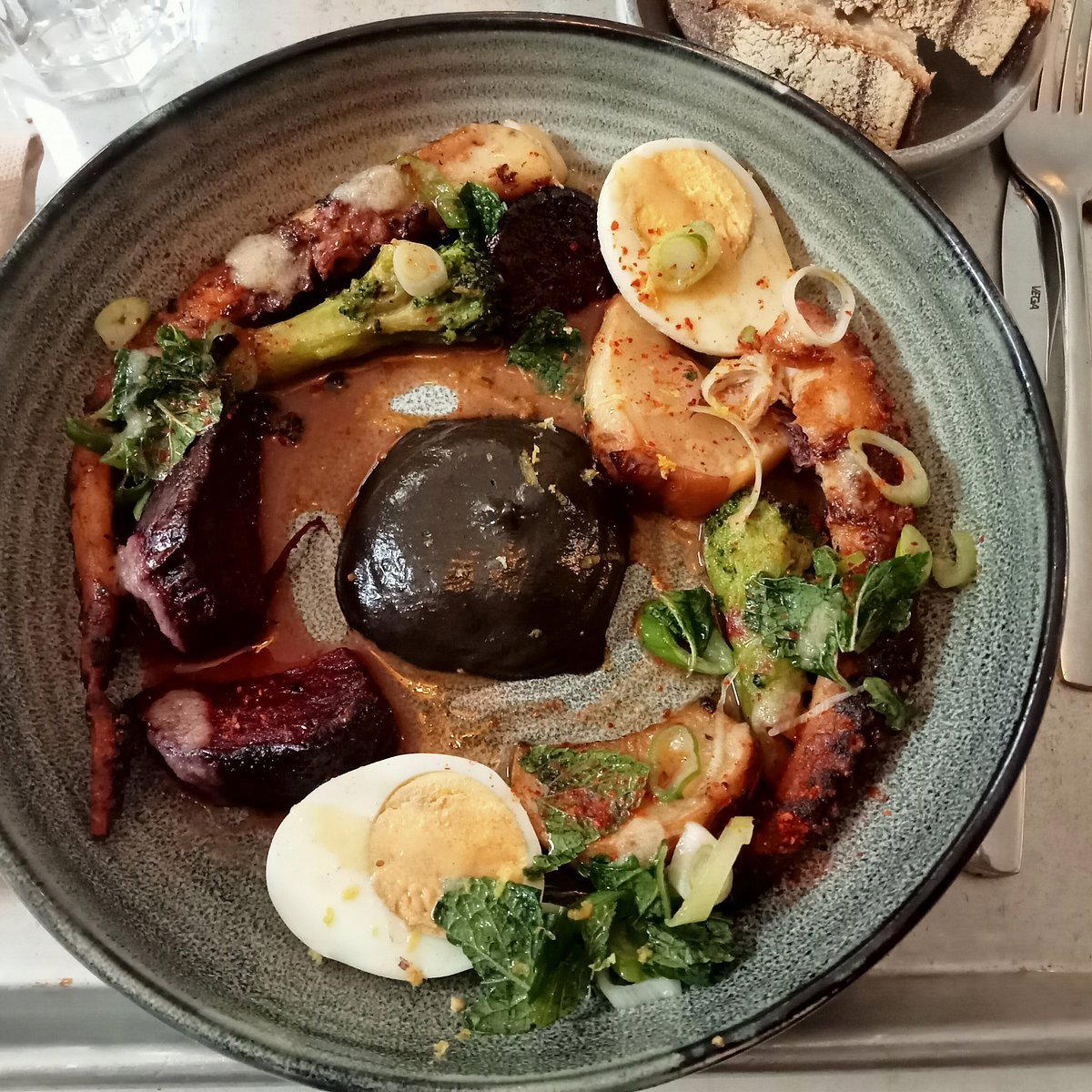
The menu
What to order
- Octopus kebab
- Pavlova
- Spicy roast cauliflower
The 6th Arrondissement Table That Locals Keep to Themselves
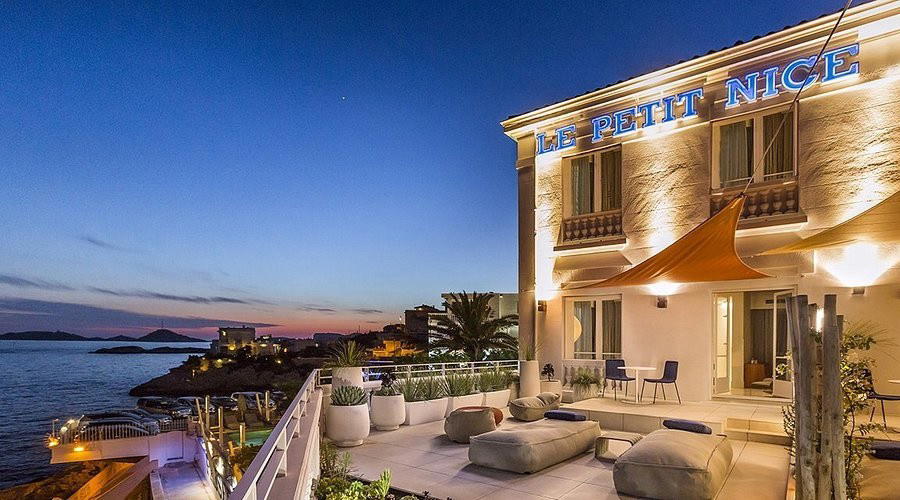
Marseille's dining identity is often told through its most photogenic extremes: the bouillabaisse houses on the Corniche, the ambitious tasting menus at AM par Alexandre Mazzia, the celebrated terrace at Le Petit Nice. But the 13006 postcode, the residential 6th arrondissement stretching inland from the Préfecture, runs on a different logic. Here, restaurant survival depends less on destination appeal and more on what regulars are willing to return to every few weeks. Caterine, at 27 Rue Fontange, occupies that quieter tier of the city's food culture, and it is precisely this positioning that makes it worth understanding.
Rue Fontange itself sits in a part of the 6th that functions as a genuine neighbourhood rather than a dining district. The streets around it are filled with pharmacies, bakeries, and the kind of mid-century apartment buildings that house working professionals and long-established families. A restaurant that survives here is not surviving on tourist footfall or on press attention, it is surviving because people who live within walking distance keep choosing it over the alternatives. That is a harder test to pass than a Michelin inspection, in some respects, because it is cumulative and unforgiving.
What the Regulars Are Actually Returning For
In French neighbourhood dining, the distinction between a place that locals tolerate and one they actively champion is usually visible in the details: whether the menu shifts with the market, whether the room feels like it belongs to its quartier rather than performing for outsiders, whether the staff recognise faces after a second visit. These are the signals that drive loyal clientele in cities like Marseille, where the bar for everyday dining is set by a Mediterranean produce culture that makes mediocrity obvious.
The 6th arrondissement sits at a useful remove from both the tourist-facing restaurants of the Vieux-Port and the high-ticket creative kitchens that draw international attention. Une Table, au Sud and AM par Alexandre Mazzia operate in a different economic and conceptual register altogether. In Marseille, this cohort is substantial and underreported.
For regulars at this kind of address, the draw is rarely a single dish or a headline tasting menu. It is the accumulated reliability: a room that feels the same on a Tuesday as it does on a Saturday, a prix-fixe or short carte that does not try to be everything, and the sense that the kitchen is cooking for people it expects to see again. This is the unwritten contract at the heart of French neighbourhood dining, and it is one that the most decorated addresses in the country, from Auberge de l'Ill in Illhaeusern to Bras in Laguiole, have largely moved away from in favour of destination formats.
Marseille's Neighbourhood Dining in Context
France's most celebrated restaurant addresses, Troisgros in Ouches, Paul Bocuse outside Lyon, Les Prés d'Eugénie in the southwest, have all evolved into pilgrimage formats that bear little resemblance to their origins as places where a community ate regularly. The same shift has happened within Marseille itself: Le Petit Nice on the Corniche Kennedy is now firmly in the destination tier, drawing diners from across Europe rather than from the surrounding streets. 1860 Le Palais and Alivetu occupy their own distinct positions within the city's mid-range and Mediterranean-focused offer.
What this means in practice is that the neighbourhood-serving restaurant, the address that holds a postcode rather than a national or international audience, has become a smaller and more specific category. Caterine's position on Rue Fontange places it squarely in that category. It is not competing with the creative tasting menus that have put Marseille on the international dining map, nor with the bouillabaisse institutions on the waterfront. It is competing for the weeknight and weekend lunch trade of a residential arrondissement, which is both a narrower brief and, for the right diner, a more honest one.
This is a dynamic visible in other French cities too. In Paris, the arrondissement-loyal bistro has undergone considerable pressure from rising rents and the consolidation of attention around a small number of high-profile addresses. In Marseille, the geography of the city, spread across 16 arrondissements with distinct residential characters, has kept neighbourhood restaurants more viable. The 6th, with its density of permanent residents and relative distance from the Vieux-Port circus, is better positioned than most to support this kind of table. For a broader map of where Caterine sits within the city's dining offer, the full Marseille restaurants guide provides useful orientation.
Planning Your Visit
Caterine is located at 27 Rue Fontange in the 6th arrondissement, reachable on foot from the Castellane metro station in under ten minutes. For those arriving from further afield, whether from other parts of France, or from further destinations where neighbourhood French cooking has moved decisively upmarket, as it has at addresses like Flocons de Sel in Megève or Mirazur in Menton, the contrast in format and register will be immediate. Pricing, dress code, and seat count are similarly unconfirmed, though the address and residential context suggest a format that sits well below the €€€€ tier occupied by Marseille's Michelin-recognised kitchens. For dining at that upper tier, see also Alléno Paris au Pavillon Ledoyen or Georges Blanc in Vonnas as reference points for what that investment level signals in a French context.
Frequently asked questions
Where is Caterine located?
Caterine is located at 27 Rue Fontange, 13006 Marseille, France, Marseille.
Is Caterine in Marseille suitable for a long dinner with wine, or is it more of a quick neighbourhood stop?
Caterine operates from a residential block in Marseille's 6th arrondissement, a district where the dining culture runs closer to unhurried evening meals than fast covers. The Rue Fontange address places it away from the tourist-facing waterfront, which typically means a room paced for locals who stay through dessert rather than turn tables quickly.
What's the signature dish at Caterine?
No single dish has been documented publicly as the house centrepiece. What draws regulars back to 27 Rue Fontange tends to be consistency across the menu rather than one showpiece item. For specifics, contacting the restaurant directly before your visit is the most reliable approach.
Can I walk in to Caterine?
Caterine is a neighbourhood table in the 6th arrondissement, the kind of address where walk-ins are possible on slower weekday evenings but uncertain on weekends when locals fill the room. The restaurant sits less than ten minutes on foot from Castellane metro, so arriving early in service is a reasonable strategy if you haven't booked ahead.
Where It Fits
Comparable venues nearby, for context on price, style, and recognition.
| Venue | Cuisine | Price | Awards | Notes |
|---|---|---|---|---|
| CaterineThis venue (the venue you are viewing) | Modern Mediterranean French Bistro | $30–50 | Not listed | Not listed |
| Emile 1933 | Classic French Brasserie | $20–30 | Not listed | Le Rouet |
| La Baleine | Seasonal Mediterranean Bistro | $30–50 | Not listed | Notre Dame Du Mont |
| La Cave de Baille | French Bistro | $20–30 | Falstaff Wine Bar - Listed | La Conception |
| Mouné | Contemporary Lebanese | $20–30 | Not listed | Opera |
| Bistrot Mimi | Provençal & Mediterranean Bistro | $20–30 | Not listed | Hotel De Ville |
Continue exploring
More in Marseille
Restaurants in Marseille
All restaurants in Marseille →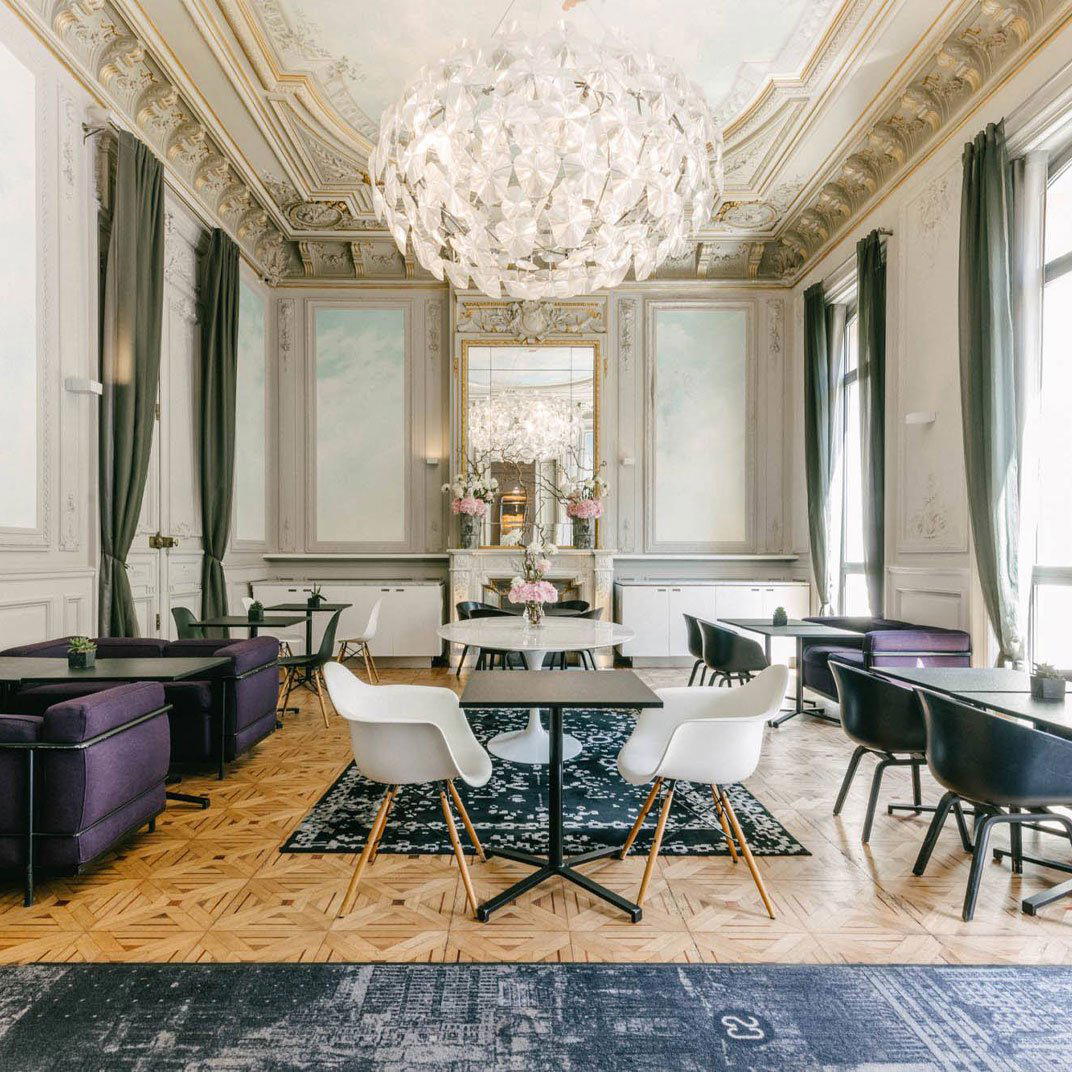
Bars in Marseille
All bars in Marseille →
Details
- Bohemian
- Cozy
- Trendy
- Casual Hangout
- Date Night
- Garden
- Open Kitchen
- Natural Wine
- Garden
- Small Plates
- A La Carte
- Natural Wine
Current opening hours
- Monday
- Closed
- Tuesday
- 12–2 PM, 7:30–10 PM
- Wednesday
- 12–2 PM, 7:30–10 PM
- Thursday
- 12–2 PM, 7:30–10 PM
- Friday
- 12–2 PM, 7:30–10 PM
- Saturday
- 12–3 PM
- Sunday
- Closed
Hours can change for holidays and private events. Hours as of .
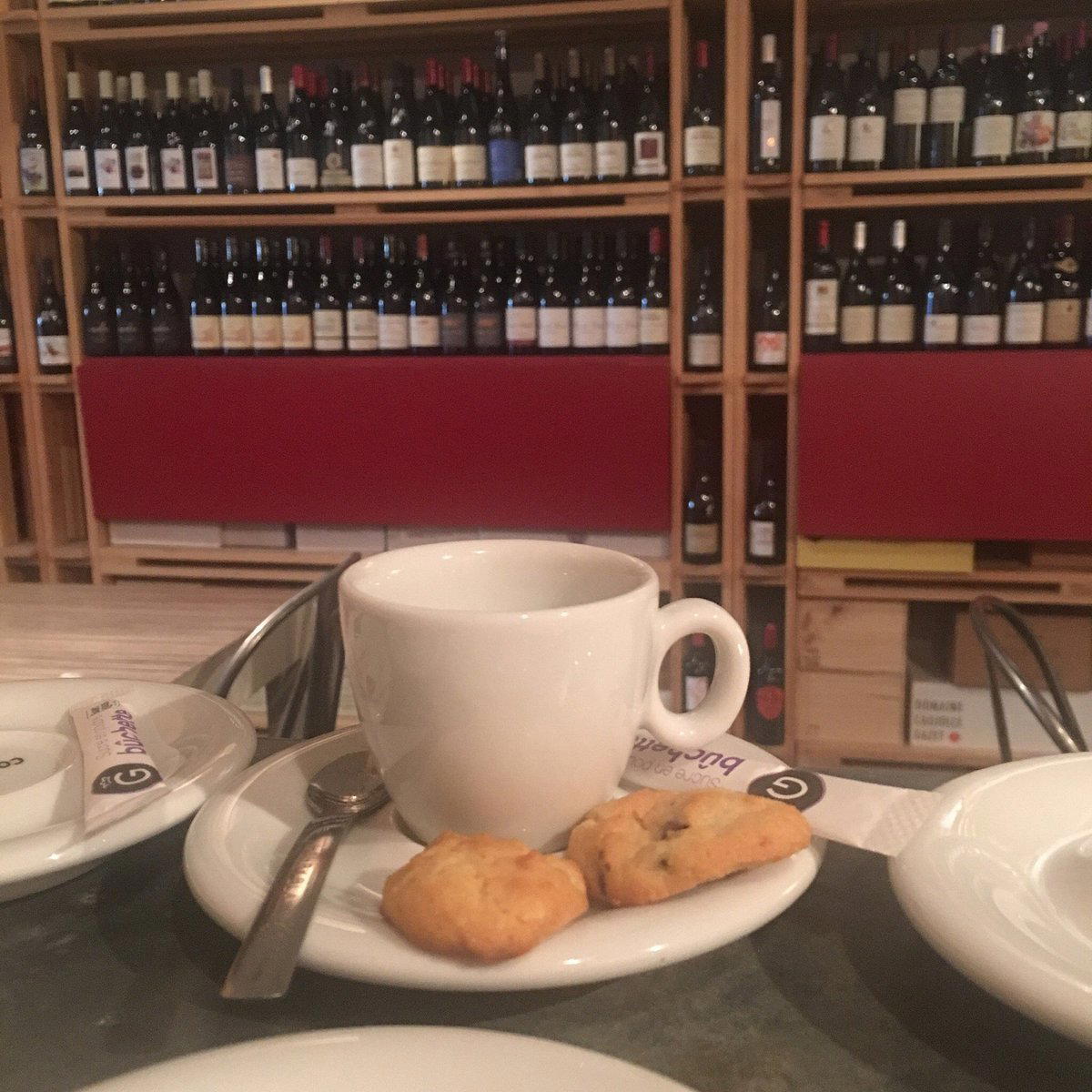
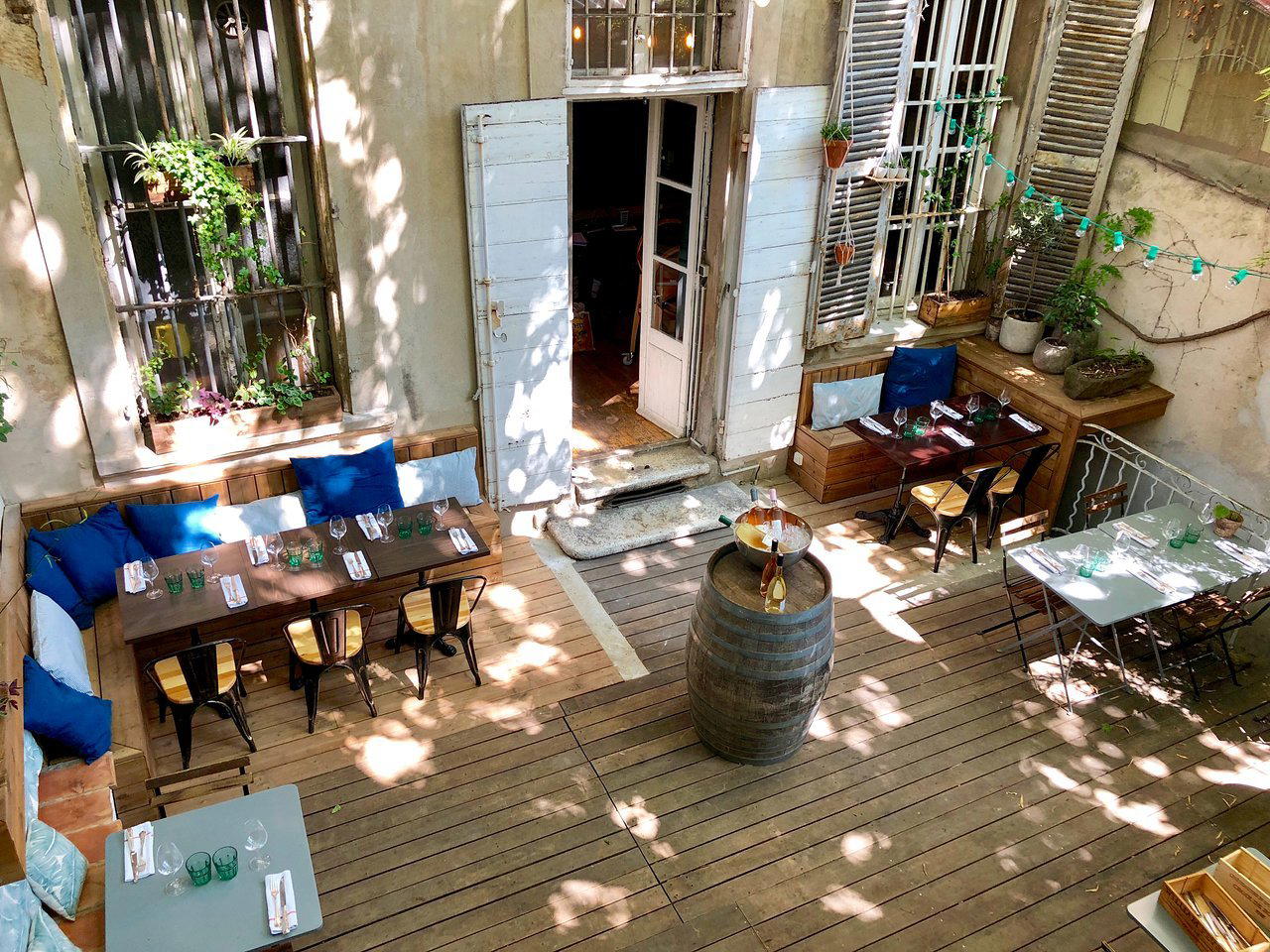
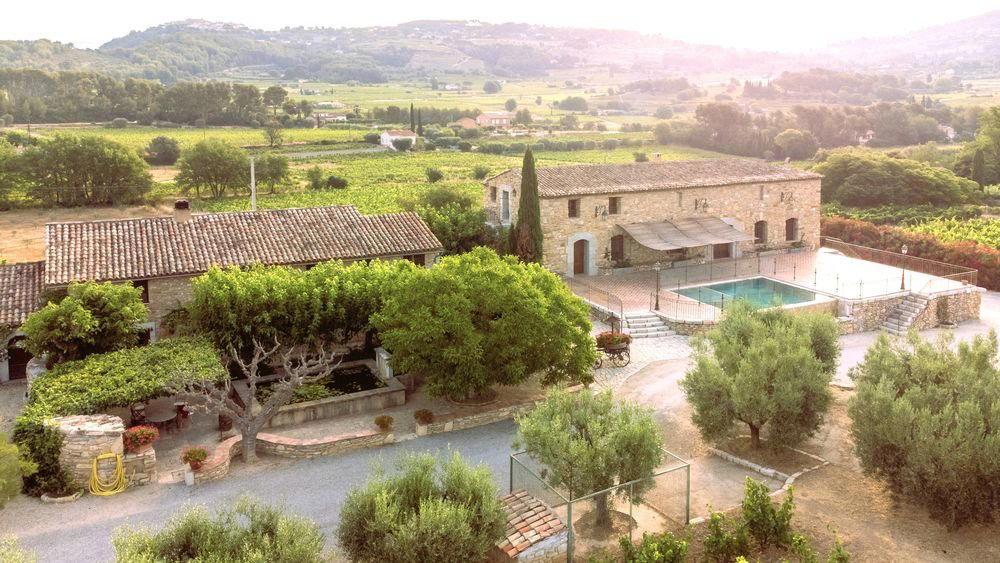
Informal bohemian atmosphere with indoor and garden seating, warm and friendly service under Mediterranean sun vibes.