
Ota Nawanoren belongs to Yokohama’s more formal hot-pot tradition, where sukiyaki, Japanese cuisine, and steak sit closer to occasion dining than casual station eating. Its selection for Tabelog 100 Hot Pot 2024 places it in a national conversation around shabu-shabu and sukiyaki, while the house-restaurant setting and private rooms point to a slower, group-oriented meal.
Pearl is the En Primeur Club membership app — saves, bookings, and concierge access live there. Same editors, same standards.
- Address
- 神奈川県横浜市中区末吉町1-15
- Phone
- +81452610636
- Website
- ohtanawanoren.jp
 Saves & bookings on Pearl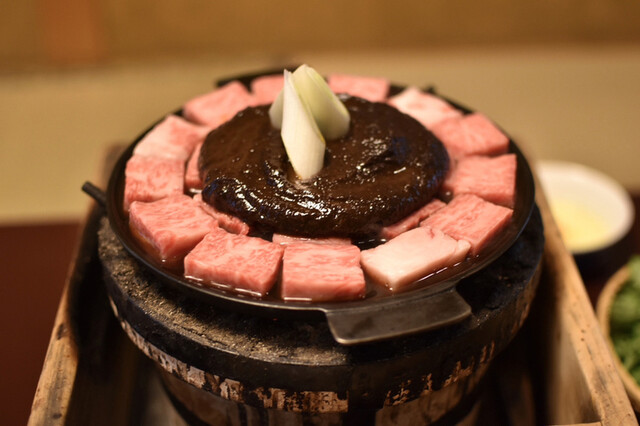
Approaching a house restaurant in Sueyoshicho slows a Yokohama meal. Around its stations, the city can feel quick and practical; this corner of Naka-ku calls for shoes-off formality, low seating, hot-pot pacing, and shared beef rather than individual plates. Ota Nawanoren sits in an older rhythm of Japanese dining, where sukiyaki is not just a dish but a social structure.
Yokohama’s restaurant identity is often read through Chinatown, port-city Westernization, ramen shops, and late-night drinking streets. Hot pot occupies a quieter lane. Sukiyaki carries Meiji-era associations: beef as modern appetite, soy and sugar as domestic comfort, and table cooking in full view. That history matters because the format rewards patience: sequencing, heat control, and balance between richness and restraint, not speed or novelty.
The concrete recognition is Ota Nawanoren’s selection for Tabelog 100 Hot Pot 2024. In a category often dominated by Tokyo names, a Yokohama address with that badge signals serious local weight. It also separates the restaurant from everyday neighborhood counters such as 1000 (Yakitori (Grilled chicken skewers)), curry houses like Ajowan, and casual city staples such as Aichun or Alpenjiro Honten. Yokohama has room for all of them; this is the one to read through ceremony.
Sukiyaki as Yokohama occasion dining, not quick comfort food
Sukiyaki depends on balance. Beef brings luxury; warishita, the sweet soy-based sauce, brings familiarity; vegetables and tofu prevent monotony. In casual settings, the dish can feel hearty and direct. In an occasion restaurant, it becomes a study in proportion, with the table watching ingredients move through heat instead of waiting for finished plates.
That is why the category sits apart from Yokohama’s casual dining map. Compared with lower-priced local options such as Ganso Juhachiban, Ryuho, Suzukiya Akebono chou ten, or Ramen Jiro Yokohama kannai ten, the distinction is not only cost. It is duration, privacy, and the expectation that the meal plays a host-like role. Arai Ya Honten, another Yokohama beef-dining name, sits nearer this ceremonial side than quick service, but Ota Nawanoren’s hot-pot format gives the table more of the action.
The listed categories, sukiyaki, Japanese cuisine, and steak, explain its position. This is not a broad izakaya where beef is one section among many, nor a Western steakhouse transplanted into Japanese service. It is a beef-led Japanese meal in which hot pot sets the tone and side categories support that identity. Drinks run from Japanese to international, with sake, shochu, and wine all listed, fitting a table where sweetness, fat, and soy need different relief.
The house-restaurant format gives the meal its social grammar
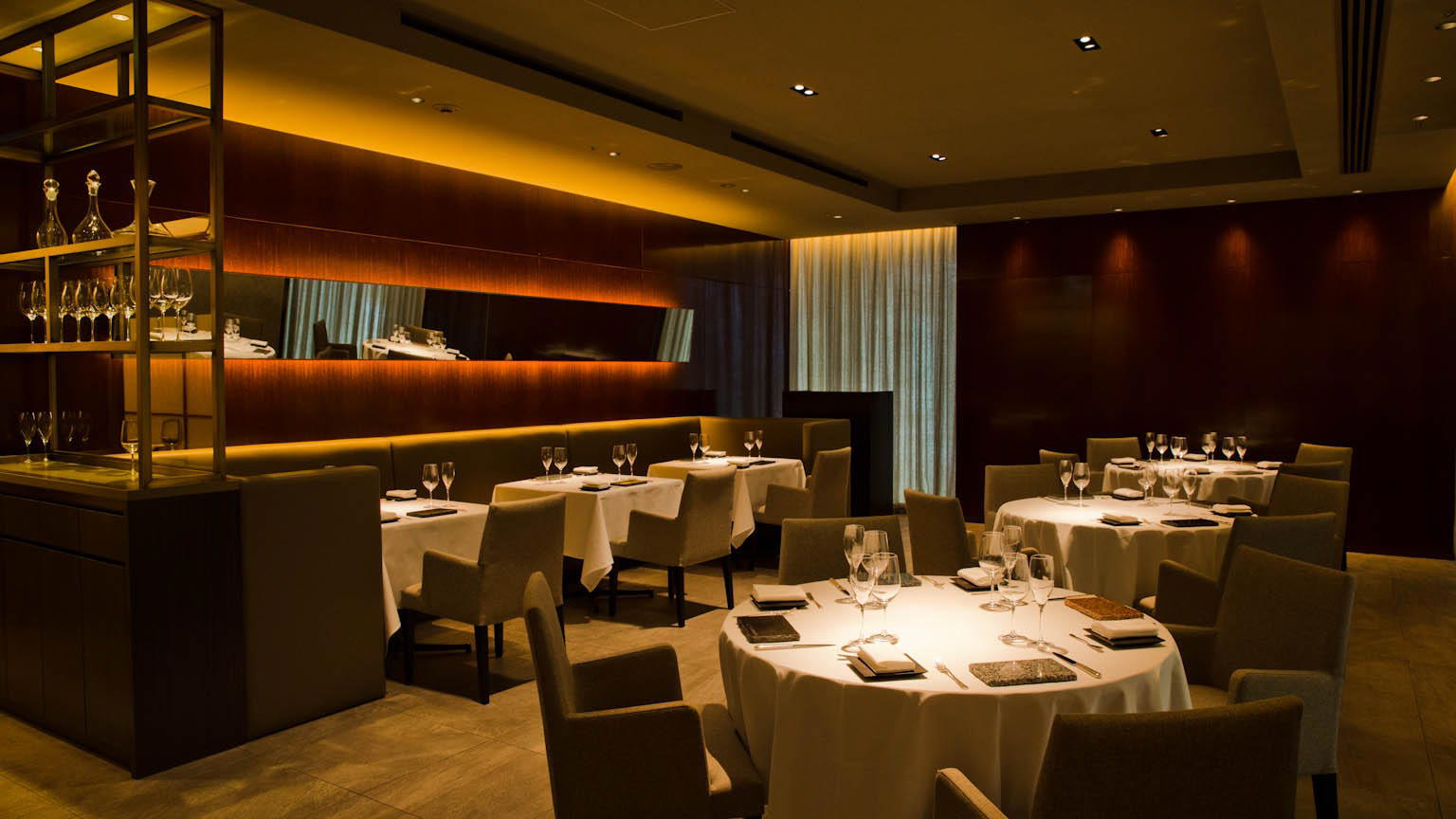
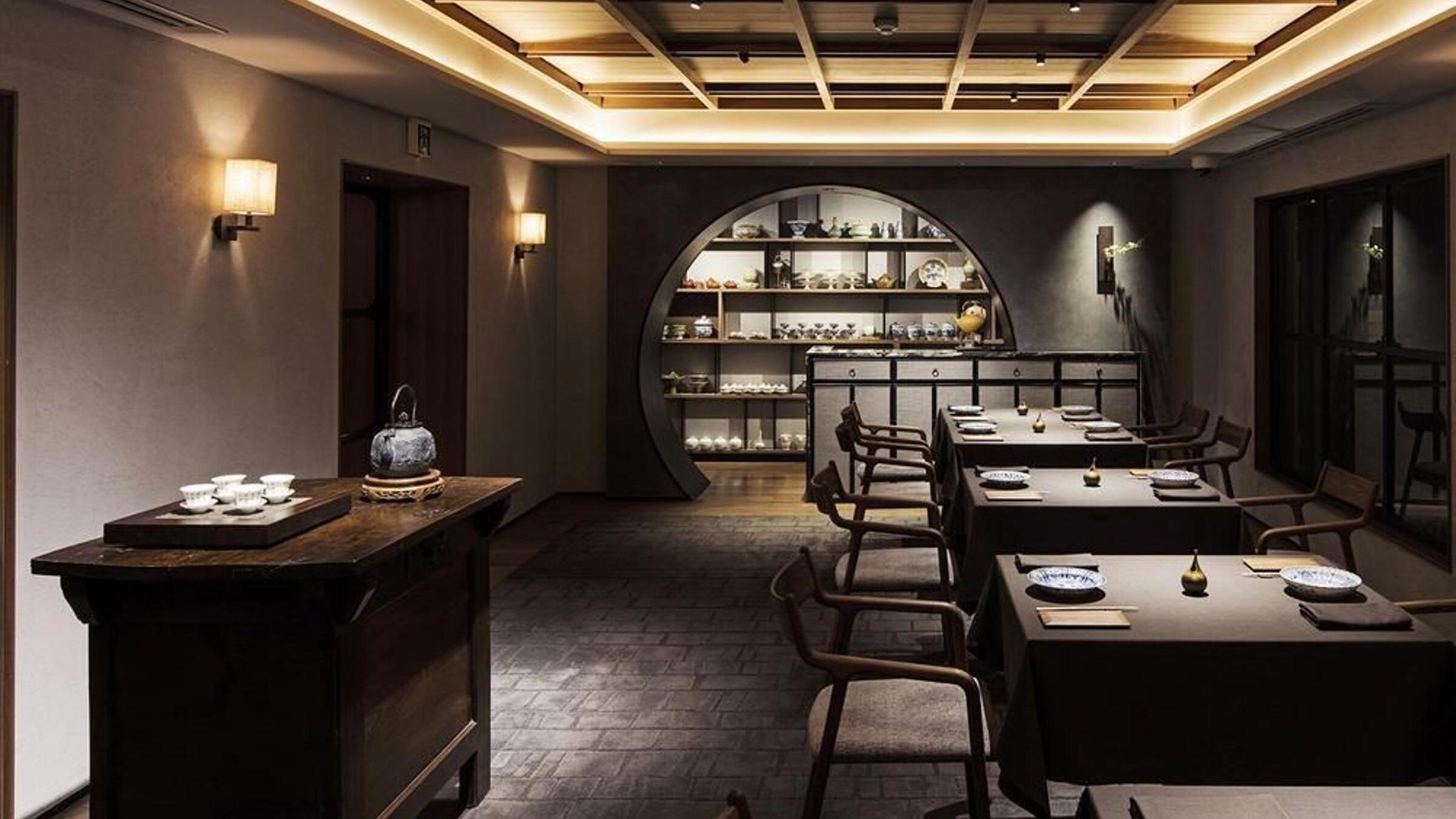
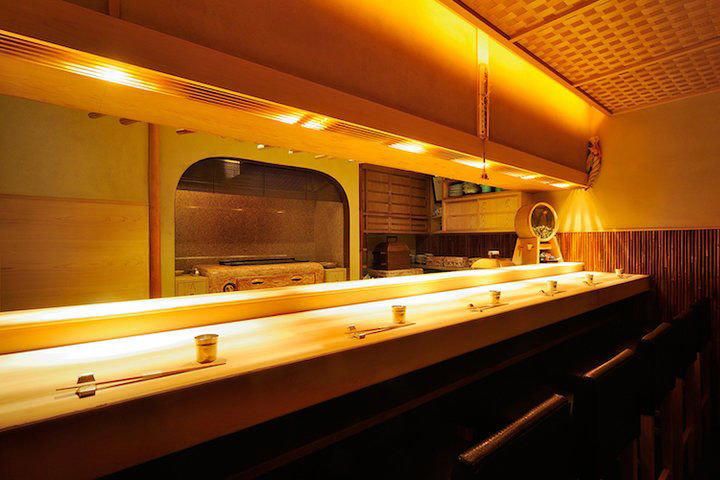
Physical format is not decoration in Japanese hot-pot dining; it determines the meal. A house restaurant with tatami and sunken seating invites slower composition than a counter or open dining room. Private rooms for four and six push the experience toward family meals, business hosting, and small celebrations, the settings where sukiyaki has long made cultural sense. Children are welcomed, pointing to the dish’s domestic roots rather than a strictly hushed fine-dining code.
The no-smoking policy and unavailable private use sharpen the reading. This is not a party venue in disguise, but a controlled, seated restaurant for contained groups, with private-room intimacy rather than a large dining floor’s anonymity. Take-out exists, but the core argument remains the in-room ritual: a shared pot, a paced meal, and the old-fashioned pleasure of letting beef anchor the evening.
Yokohama travelers often organize eating around breadth: a ramen stop, a Chinatown meal, a coffee break, and something near the waterfront. For a deeper city read, hot pot adds another layer, connecting Yokohama’s port history and appetite for beef with a codified Japanese table tradition. Readers building a broader itinerary can place this meal alongside the city’s casual restaurant map in Our full Yokohama restaurants guide, then widen the trip through Our full Yokohama hotels guide, Our full Yokohama bars guide, Our full Yokohama wineries guide, and Our full Yokohama experiences guide.
How to place it within a Japan dining itinerary
For travelers moving across Japan, the restaurant works as a counterpoint to faster regional specialties. It has little in common with a casual Vietnamese stop such as (Shoku) Vietnam in Kawasaki, a curry specialist like [Curry Senmon Ten] Maruyama Kyoju. in Sapporo, or café-led Osaka browsing at.cafe in Osaka. It also differs from the contemporary sake-bar lens outside Japan at Jōdo Saké Bar in Los Angeles and the everyday rice-ball focus of Onigiri Time in Pasadena. The value is specificity: a Yokohama beef table, recognized in a national hot-pot list, with a format that privileges private conversation over culinary theater.
Within the wider sukiyaki conversation, regional comparisons help but require care. -Grilled beef Sukiyaki- KAMAKURA TANUKIAN 鎌倉 たぬき庵 in Kamakura shows how nearby cities frame beef through place and occasion, while Tokyo’s range, from formal Japanese rooms to casual charcoal concepts such as. 鮪と炭火焼き うお炭 秋葉原店 in Tokyo, shows how quickly the capital disperses attention across formats. Yokohama’s advantage is narrower: a port city with enough dining depth to support specialist houses, but not so much noise that tradition gets buried.
The critical case is not that every traveler needs a sukiyaki dinner in Yokohama. It is that this style explains a side of the city that ramen queues and harbor views do not. The restaurant belongs where context matters: the house setting, hot-pot recognition, private-room structure, and beef-led Japanese menu all point in the same direction. For an itinerary built around cultural dining rather than checklist eating, that coherence is the reason to pay attention.
For additional contrast across Japanese city dining, the broader EP Club map includes small-format and regional references such as Anzen Shokudo and.know in Kumamoto. Those links are useful not because they compete directly, but because they show how Japanese meals change meaning with format: counter, café, bar, family restaurant, private room. Sukiyaki in Yokohama belongs to the last of those, and should be judged on its ability to carry that tradition with clarity.
Cost and Credentials
Comparable venues by cuisine and price in the same metro.
| Venue | Cuisine | Price | Notes |
|---|---|---|---|
| Ota NawanorenThis venue — the venue you are viewing | Not listed | $$$$ | Not listed |
| Yakitori Midori | Naka, Yakitori Omakase | $$$ | Not listed |
| Teppanyaki Hanagoyomi | Nishi, Luxury Japanese Teppanyaki | $$$$ | Not listed |
| Ukai-tei Azamino | Aoba, French-Japanese Teppanyaki Fusion | $$$$ | Not listed |
| Arai Ya Honten | Not listed | $$$ | Naka, Traditional Japanese Gyunabe / Sukiyaki |
| Teuchi Soba Fuurai Kyo | Not listed | $$$ | Aoba, Seasonal Handmade Soba & Soba Kaiseki |
Recognition history
Dated appearances from independent guides and award organizations, with the underlying list record or original source where available.
Tabelog 100 #61 · No. 61
Tabelog · Tabelog 100 - Hot Pot - 2024









At a Glance
- Classic
- Elegant
- Well Known
- Cozy
- Special Occasion
- Business Dinner
- Group Dining
- Date Night
- Family
- Historic Building
- Garden
- Private Dining
- Standalone
- Sake Program
- Local Sourcing
- Garden
A calm, traditional Japanese house-restaurant with tatami rooms overlooking a seasonal garden, creating an intimate, quietly elegant atmosphere suited to leisurely meals and special gatherings.