Osteria Mozza


Wine Spectator Best of Award of Excellence · Resy Best of the Hit List
Our verdict
Osteria Mozza brings the Nancy Silverton-founded California-Italian template to Georgetown's M Street corridor, landing on Resy's 2025 Best of the Hit List in its first full year of operation. The format sits in Washington D.C.'s upper-casual tier: serious pasta and mozzarella bar technique without the formality of the city's tasting-menu circuit. A useful address for the neighbourhood and a credible signal in the city's Italian dining conversation.

Pearl is the En Primeur Club membership app, where members save venues, book tables and use the concierge.
The menu
What to order
- Mozzarella Di Bufala & Condimenti
- Burrata & Artichokes
- Chicken Alla Diavola
- Rigatoni Carbonara
- Butterscotch Budino
Georgetown Gets a California-Italian Anchor
M Street NW has long been Georgetown's commercial spine, lined with the kind of addresses that serve the neighbourhood's residential density as much as any destination diner. The arrival of Osteria Mozza at 3276 M St NW shifts the register slightly. The brand originates in Los Angeles, where the original Mozza opened as a collaboration between Nancy Silverton, Mario Batali, and Joe Bastianich and established a California-Italian template that proved more durable than many of its mid-2000s peers. That template, built around a mozzarella bar format and house-made pasta programs rooted in Italian regional technique, is now operating in a city with a genuinely competitive Italian and broader European dining scene.
Washington D.C.'s upper-casual tier has tightened considerably over the past five years. Restaurants like Jônt and minibar occupy the tasting-menu end of the spectrum, while addresses such as Albi and Causa have built reputations on single-cuisine depth at a price point that rewards repeat visits. Osteria Mozza slots into a different position: it brings an externally validated brand identity and a specific Italian-Californian methodology into a market that has historically been underserved by that particular combination.
The California-Italian Approach in a Mid-Atlantic Context
The editorial angle worth examining here is what happens when a technique-forward California-Italian format lands in Washington D.C. rather than staying on the West Coast. California's Italian dining tradition developed alongside the state's produce infrastructure: the ability to source burrata, in-season stone fruit, and specific artisan imports shaped how chefs like Silverton approached Italian regional cooking. The mozzarella bar concept, in particular, depends on sourcing quality that is more readily available in Southern California's supply chain than in most other American cities.
D.C.'s food supply system has matured substantially. The city's farm-to-table movement, which gained momentum through operators like Oyster Oyster, has developed supplier relationships across the Mid-Atlantic that give restaurants access to produce, dairy, and proteins outside the standard broadline channels. Whether the Mozza format fully adapts to that infrastructure or imports elements of its California supply chain is the kind of operational question that shapes how convincingly the template translates. The dishes that work leading in the Silverton model, rich, dairy-led starters and long-fermented pasta doughs, require ingredients that hold up on their own terms, not just technique applied to commodity product.
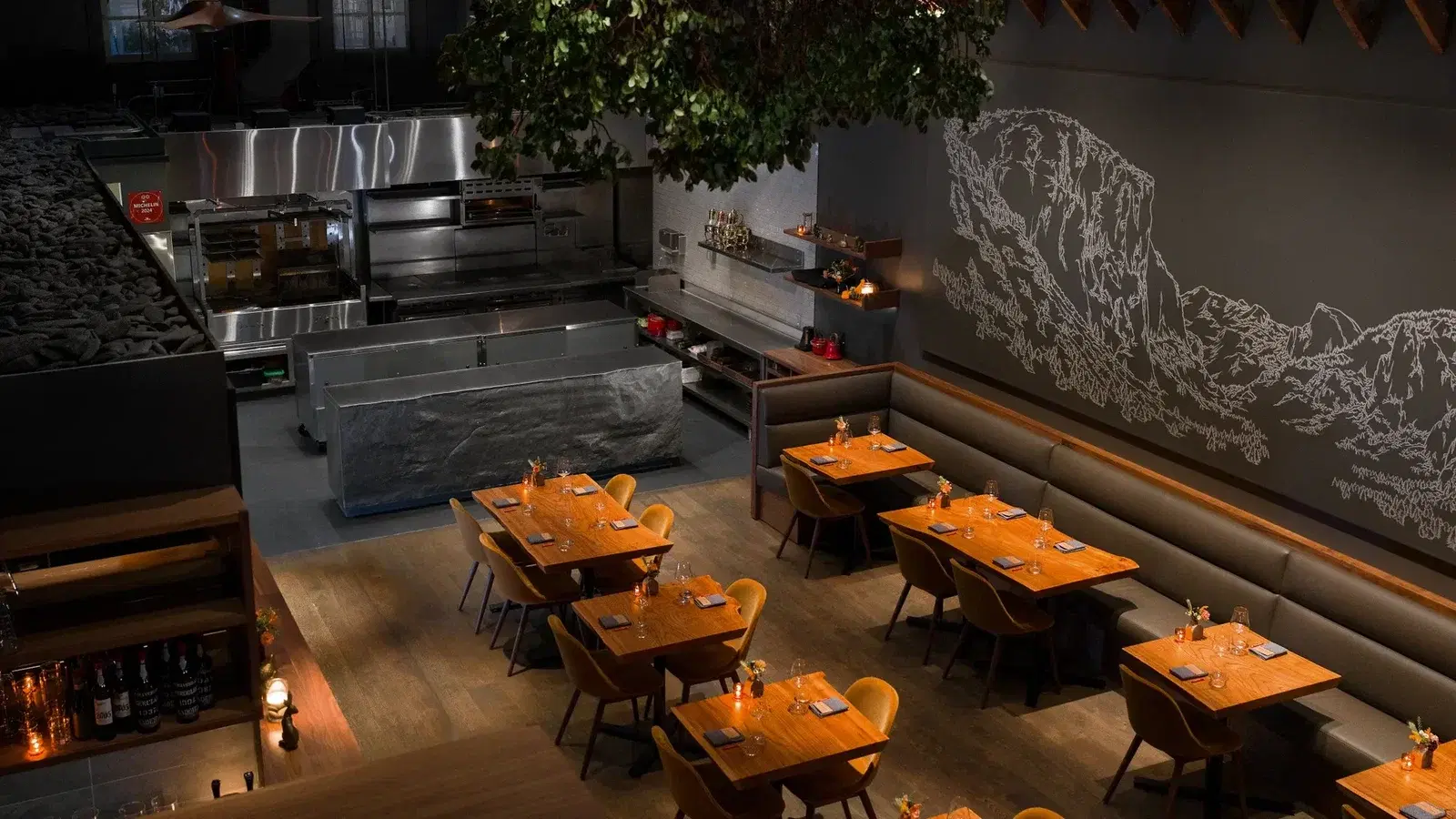
Italian technique applied to American regional ingredients has precedent at the highest levels. Single Thread Farm in Healdsburg demonstrates how Japanese kaiseki discipline applied to Northern California agriculture can produce something that reads as neither purely imported nor purely local. The same logic applies at a more accessible price point: a mozzarella bar in D.C. succeeds when the cheese arrives at the right temperature and the accompaniments reflect what the region actually produces well, not when they approximate a Los Angeles original.
Where It Sits in the D.C. Dining Conversation
Resy's 2025 Best of the Hit List recognition is a meaningful early signal. Resy's Hit List functions as a current-moment indicator rather than a lifetime achievement marker: it tracks what the reservation-holding dining public is treating as essential right now. For a transplanted brand in its first or second year of D.C. operation, landing on that list suggests the local audience has absorbed it into the city's active dining circuit rather than treating it as a novelty.
It is closer to the serious casual addresses that combine a defined culinary identity with a format that accommodates both solo diners and group meals. In that bracket, the competition includes Italian-adjacent addresses across the city's neighbourhoods and newer arrivals like Causa, which has built a following around Peruvian technique at a comparable price commitment.
For broader context on how Osteria Mozza's California lineage compares to other American fine-casual programs, the output of restaurants like Lazy Bear in San Francisco and the French classicism maintained at Le Bernardin in New York City illustrate how transplanted culinary identities either deepen or dilute when they move markets. The Mozza brand has demonstrated longevity in Los Angeles and expanded internationally, including the 8 1/2 Otto e Mezzo Bombana model in Hong Kong, which shows how Italian fine dining travels across very different supply and cultural contexts. The D.C. outpost is a more proximate test: same country, different culinary culture.
Restaurants built around a specific product format, the mozzarella bar being the clearest example, carry a built-in editorial clarity that menus-of-everything lack. Alinea in Chicago and The French Laundry in Napa have maintained singular identities over decades partly because their format discipline signals intent before a single dish arrives. Osteria Mozza operates at a different scale and price tier, but the same principle applies: a restaurant that leads with a mozzarella bar is making a declaration about what it values and where it places its sourcing investment.
Planning Your Visit
Georgetown is accessible by multiple routes from central D.C. though the neighbourhood sits outside the Metro system; the nearest stations are Foggy Bottom-GWU and Rosslyn, each requiring a bus connection or a 15-20 minute walk depending on your starting point. The M Street corridor concentrates most of the neighbourhood's restaurant activity, and the address at 3276 places Osteria Mozza toward the western end of that stretch.
For context on the wider D.C. dining scene, see our full Washington, D.C. restaurants guide. For accommodation recommendations near Georgetown and central D.C. our Washington, D.C. hotels guide covers the city's current hotel tier. Readers planning an evening that extends beyond dinner will find our Washington, D.C. bars guide and our Washington, D.C. experiences guide useful companions. Wine-focused readers can also consult our Washington, D.C. wineries guide for regional context.
Know Before You Go
- Address: 3276 M St NW, Washington, DC 20007
- Neighbourhood: Georgetown
- Recognition: Resy Best of the Hit List (2025)
- Getting there: No direct Metro access; nearest stations are Foggy Bottom-GWU and Rosslyn, both requiring onward transit or a walk
- Phone: Not publicly listed; check the restaurant's website or Resy for current booking availability
- Bookings: Given the 2025 Resy Hit List recognition, advance reservations are advisable, particularly for weekend evenings
Frequently asked questions
What is the overall feel of Osteria Mozza?
Osteria Mozza sits in Georgetown's upper-casual tier: a format with clear Italian regional references and a mozzarella bar at its centre, operating at a price point that places it alongside D.C. addresses like Albi rather than the city's tasting-menu circuit. Its 2025 Resy Hit List recognition indicates it has established itself as an active part of the D.C. dining conversation rather than a legacy brand coasting on reputation.
What do people recommend at Osteria Mozza?
The mozzarella bar format is the clearest entry point: it is the element that most directly expresses the Silverton-originated California-Italian identity and the area where technique and sourcing quality are most immediately legible. The pasta program, rooted in Italian regional tradition, is the second pillar. Specific dish recommendations are leading drawn from current visitor accounts on Resy, where the Hit List designation makes the restaurant easy to track.
Can I walk in to Osteria Mozza?
Given the Resy Best of the Hit List recognition for 2025, walk-in availability will depend heavily on the day and time. The designation signals consistent demand from D.C.'s reservation-active dining public. Booking ahead, particularly for dinner on Thursday through Saturday, is the more reliable approach. The restaurant's current booking status is leading checked directly through Resy.
What has Osteria Mozza built its reputation on?
The Mozza brand, originating in Los Angeles, built its identity around two elements: a mozzarella bar that treated fresh cheese as a serious dining format rather than an appetiser afterthought, and a pasta program grounded in Italian regional technique. The 2025 Resy Hit List recognition in D.C. suggests that identity has translated convincingly to the Georgetown location. For comparison with other restaurants that have carried a strong culinary identity across markets, see Emeril's in New Orleans and Atomix in New York City.
What if I have allergies at Osteria Mozza?
C. location. If you have dietary restrictions or allergies, the most direct route is to contact the restaurant through its Resy booking page, where messaging functions often allow pre-visit communication. Given the dairy-forward nature of the mozzarella bar format, guests with dairy sensitivities should confirm menu options before arrival. Washington D.C. restaurants at this tier are generally accustomed to allergy enquiries, but advance notice is always the more practical approach.
Side-by-Side Snapshot
| Venue | Cuisine | Price | Awards | Notes |
|---|---|---|---|---|
| Osteria MozzaThis venue (the venue you are viewing) | Traditional Italian Osteria with Mozzarella Bar | $50–100 | Wine Spectator Best of Award of Excellence · Resy Best of the Hit List | Not listed |
| Albi | Modern Levantine Fine Dining | $300–500 | 1 Michelin Star · World's 50 Best #6 | United States, Middle Eastern |
| Causa | Modern Peruvian Fine Dining | $150–200 | 1 Michelin Star · James Beard Award Best Chef: Mid-Atlantic | Peruvian |
| Oyster Oyster | Modern Vegetable-Focused Tasting Menu | Not listed | 1 Michelin Star · James Beard Award Outstanding Chef #1 | New American, Vegetarian, Vegetarian (Sustainable) |
| Bresca | Modern French Bistronomy | $150–200 | 1 Michelin Star · James Beard Award Semi Finalist | Modern French, Contemporary |
| Gravitas | Modern American Fine Dining | $150–200 | 1 Michelin Star | New American, Contemporary |
Recognition history
Dated appearances from independent guides and award organizations, with the underlying list record or original source where available.
Wine Spectator Best of Award of Excellence
Wine Spectator
Resy Best of the Hit List
Resy
Osteria Mozza
Featured Guides
Continue exploring
More in Washington DC
Restaurants in Washington DC
All restaurants in Washington DC →
Bars in Washington DC
All bars in Washington DC →

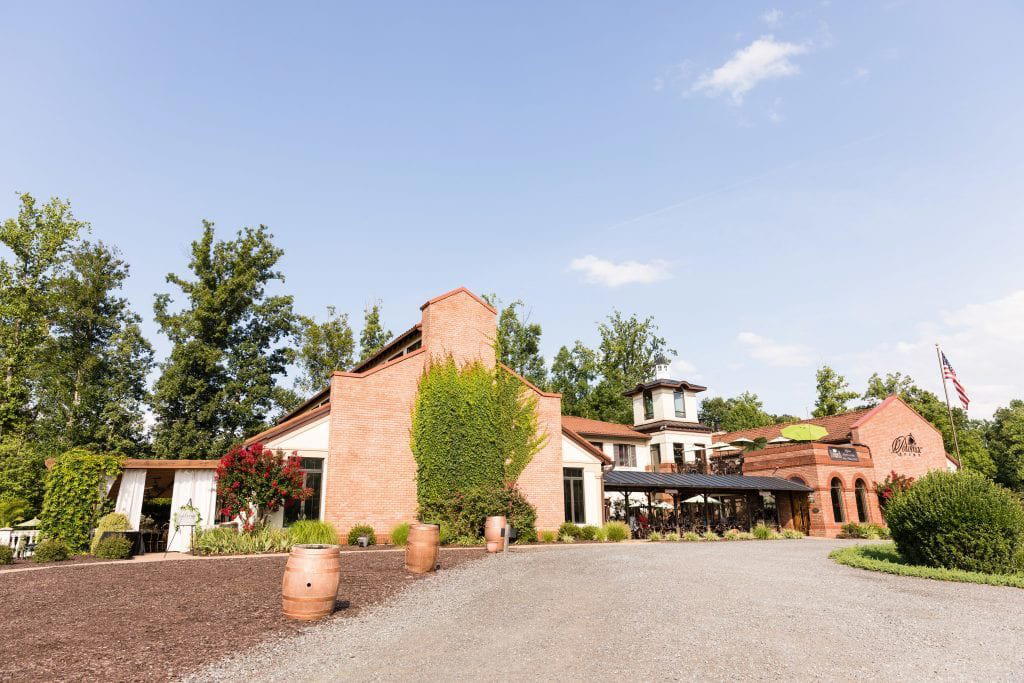
Osteria Mozza
The wine
Osteria Mozza holds the Wine Spectator Best of Award of Excellence, which Wine Spectator gives to lists of usually 350 or more selections.
- Wine Spectator
- Wine Spectator Best of Award of Excellence
- Extensive wine list
- Sommelier-led
Details
- Elegant
- Rustic
- Sophisticated
- Well Known
- Date Night
- Special Occasion
- Business Dinner
- Open Kitchen
- Private Dining
- Extensive Wine List
- Sommelier Led
- Street Scene
Current opening hours
- Monday
- 11 AM–11 PM
- Tuesday
- 11 AM–11 PM
- Wednesday
- 11 AM–11 PM
- Thursday
- 11 AM–11 PM
- Friday
- 11 AM–11 PM
- Saturday
- 9:30 AM–11 PM
- Sunday
- 9:30 AM–11 PM
Hours can change for holidays and private events. Hours as of .
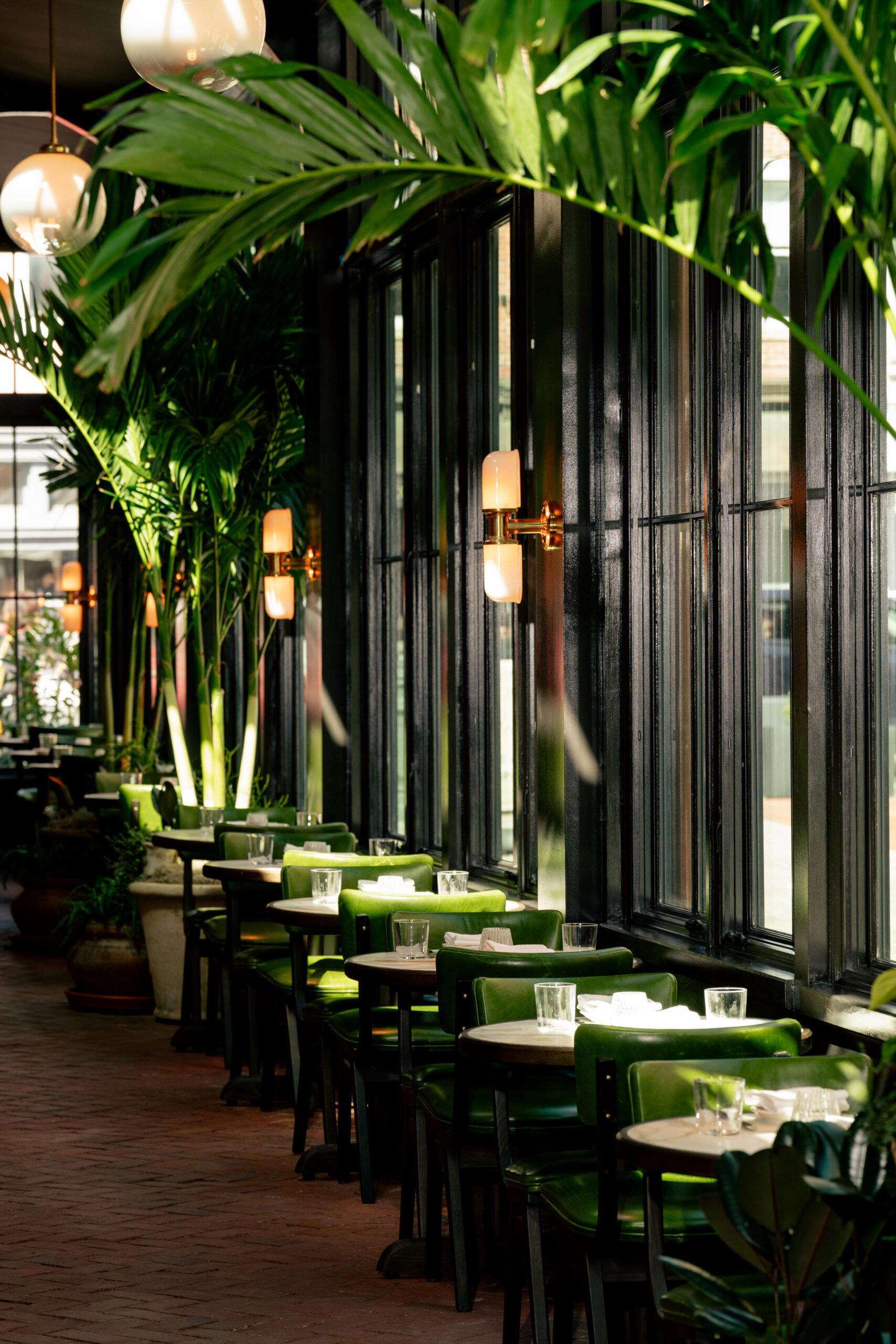
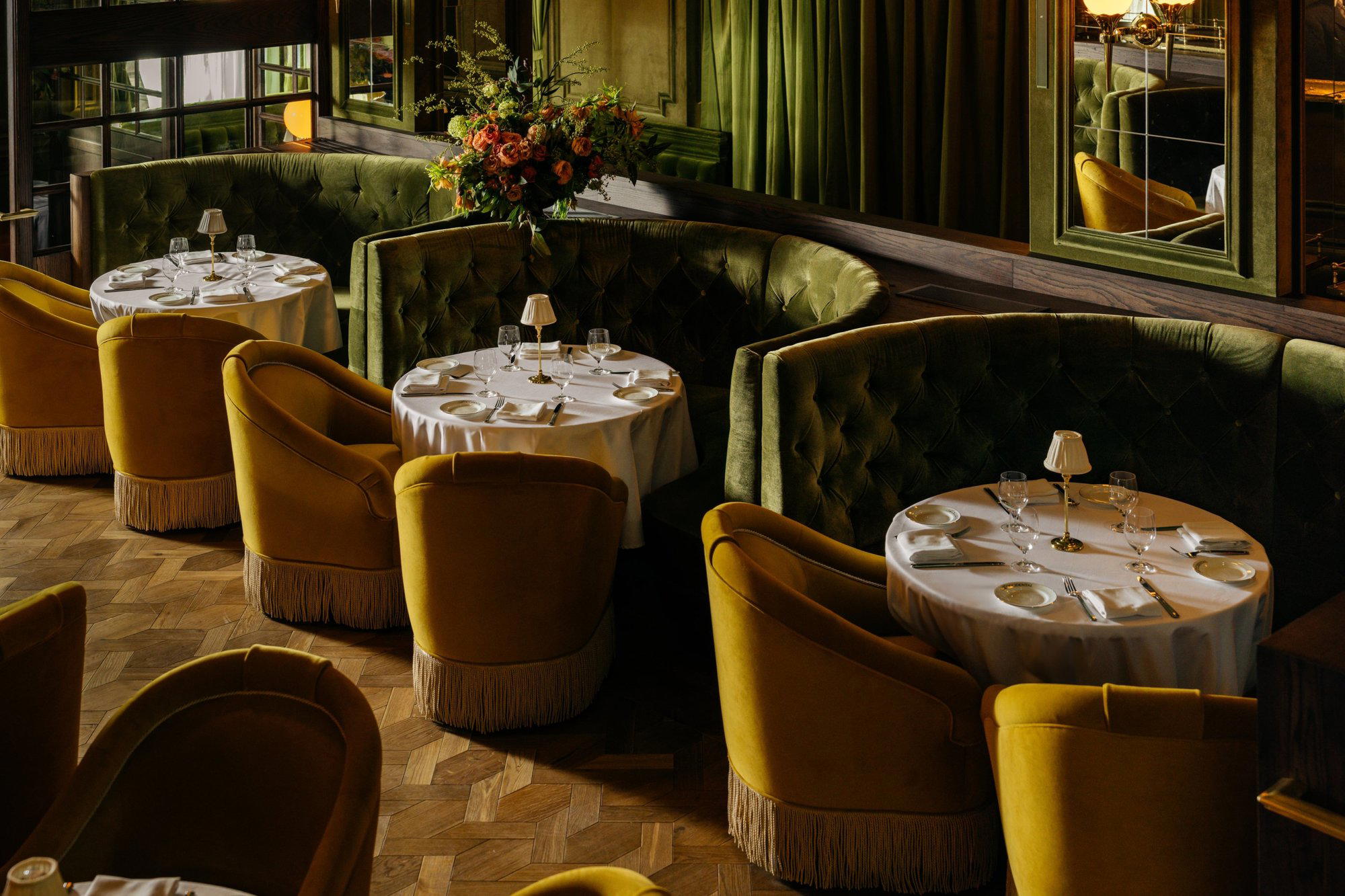
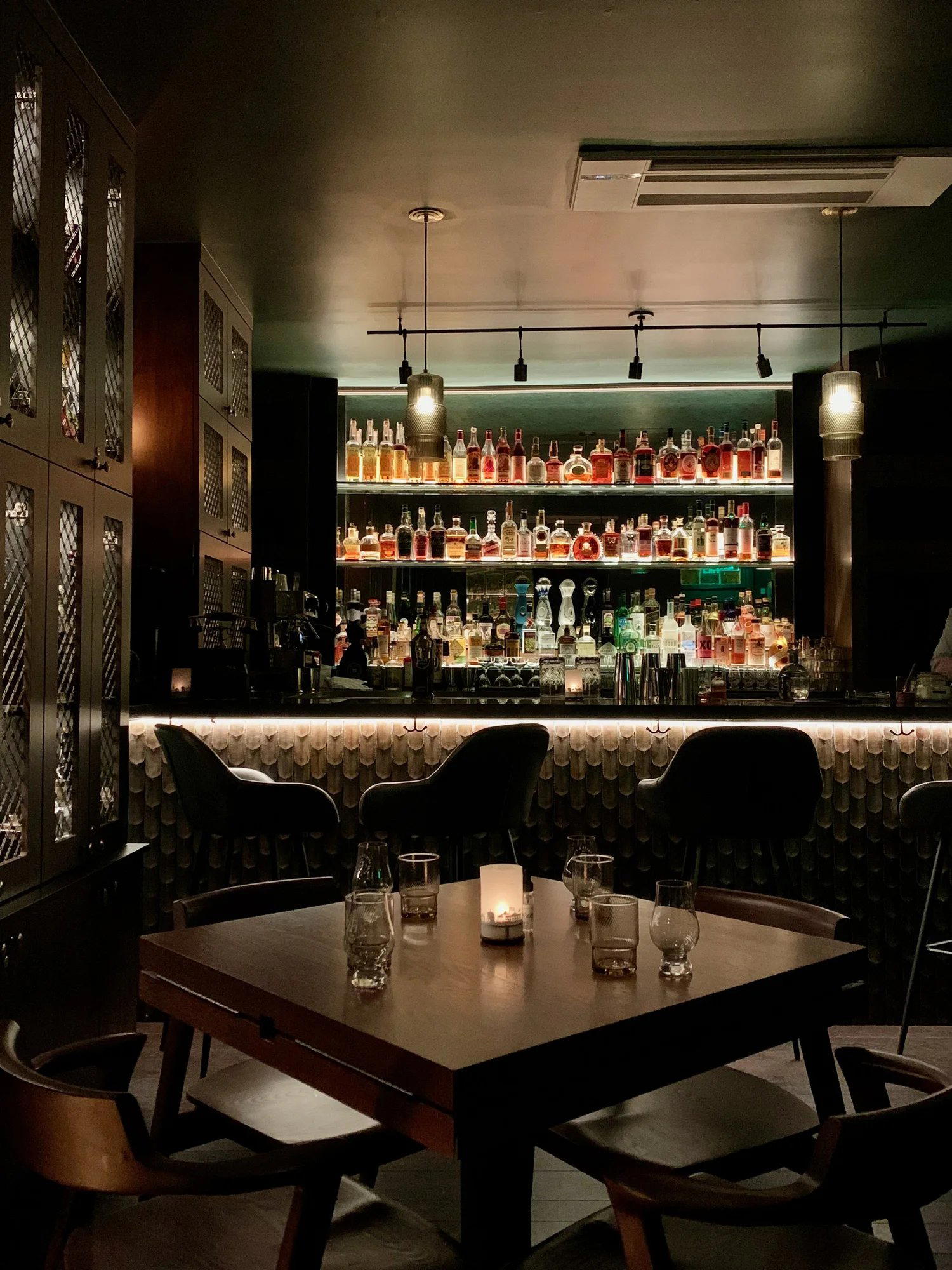
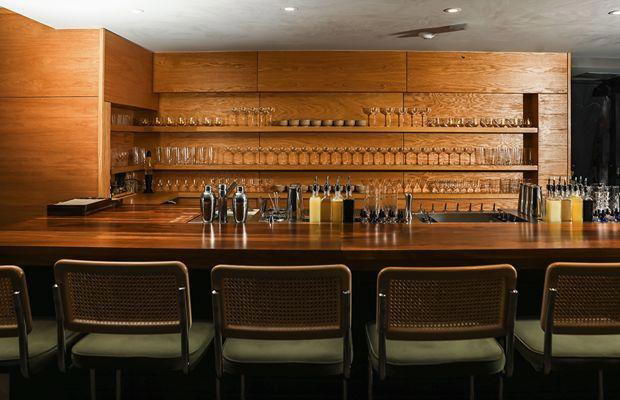
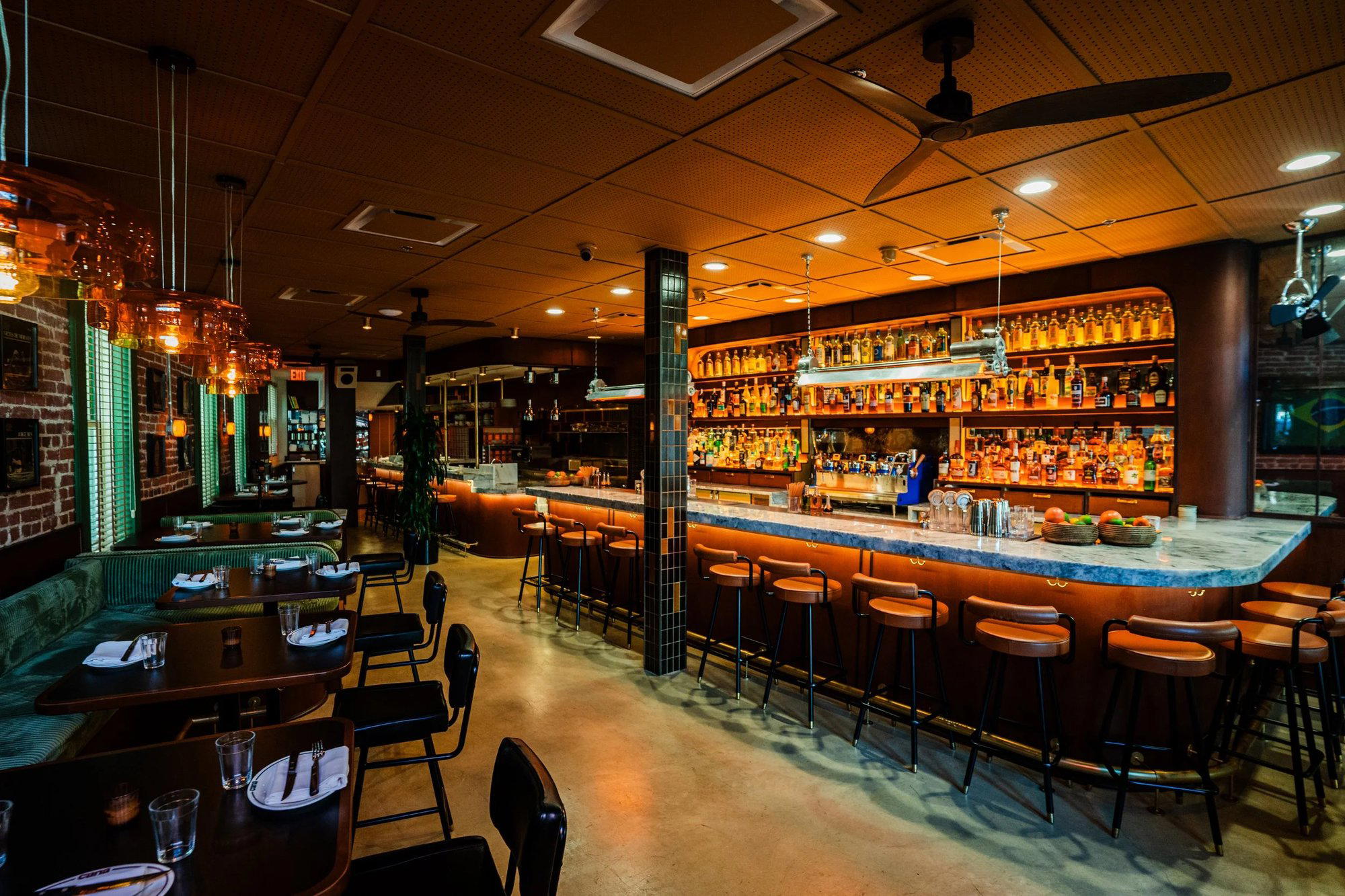
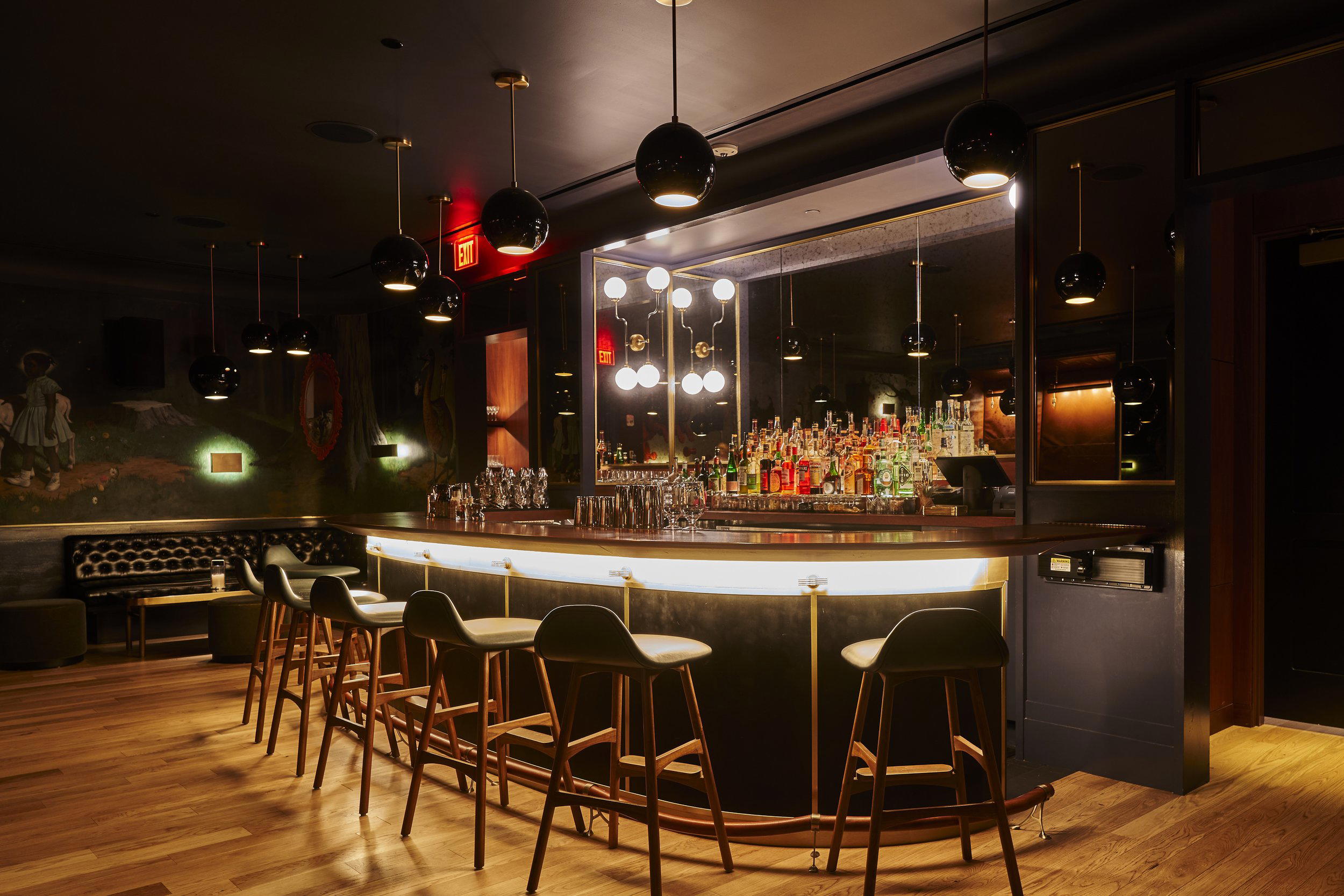
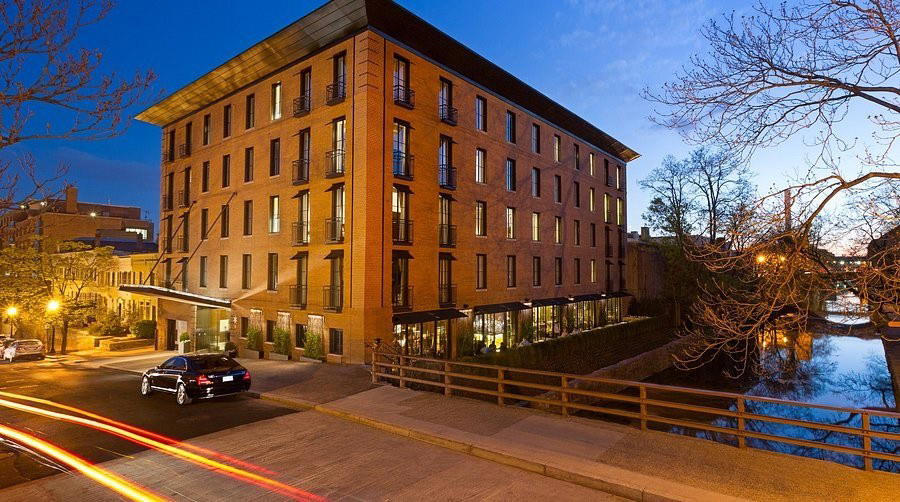
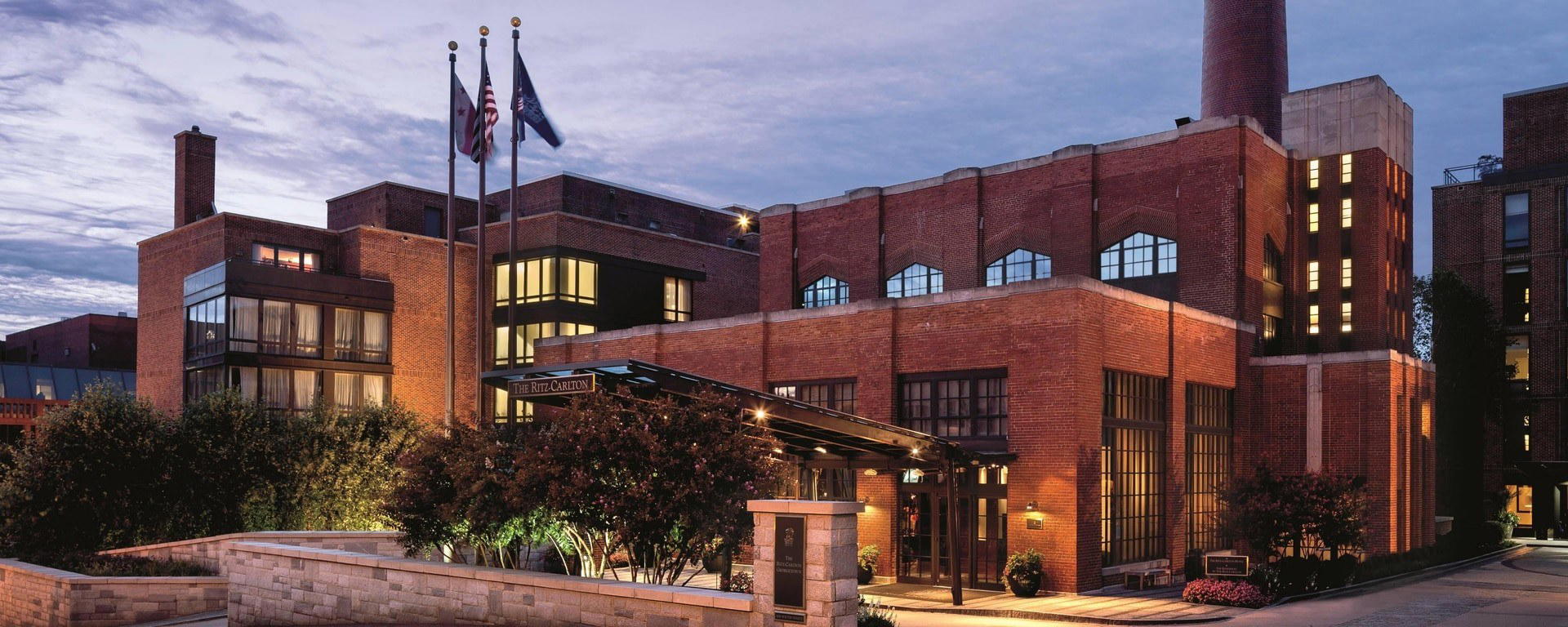
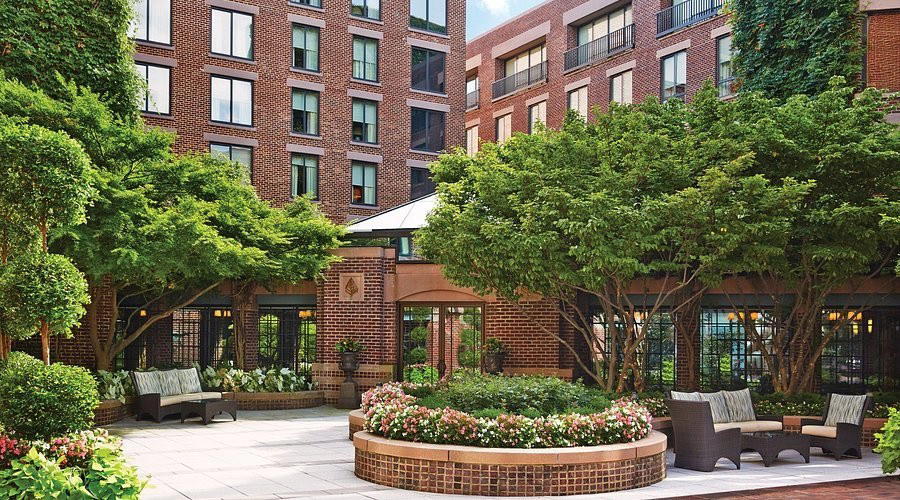
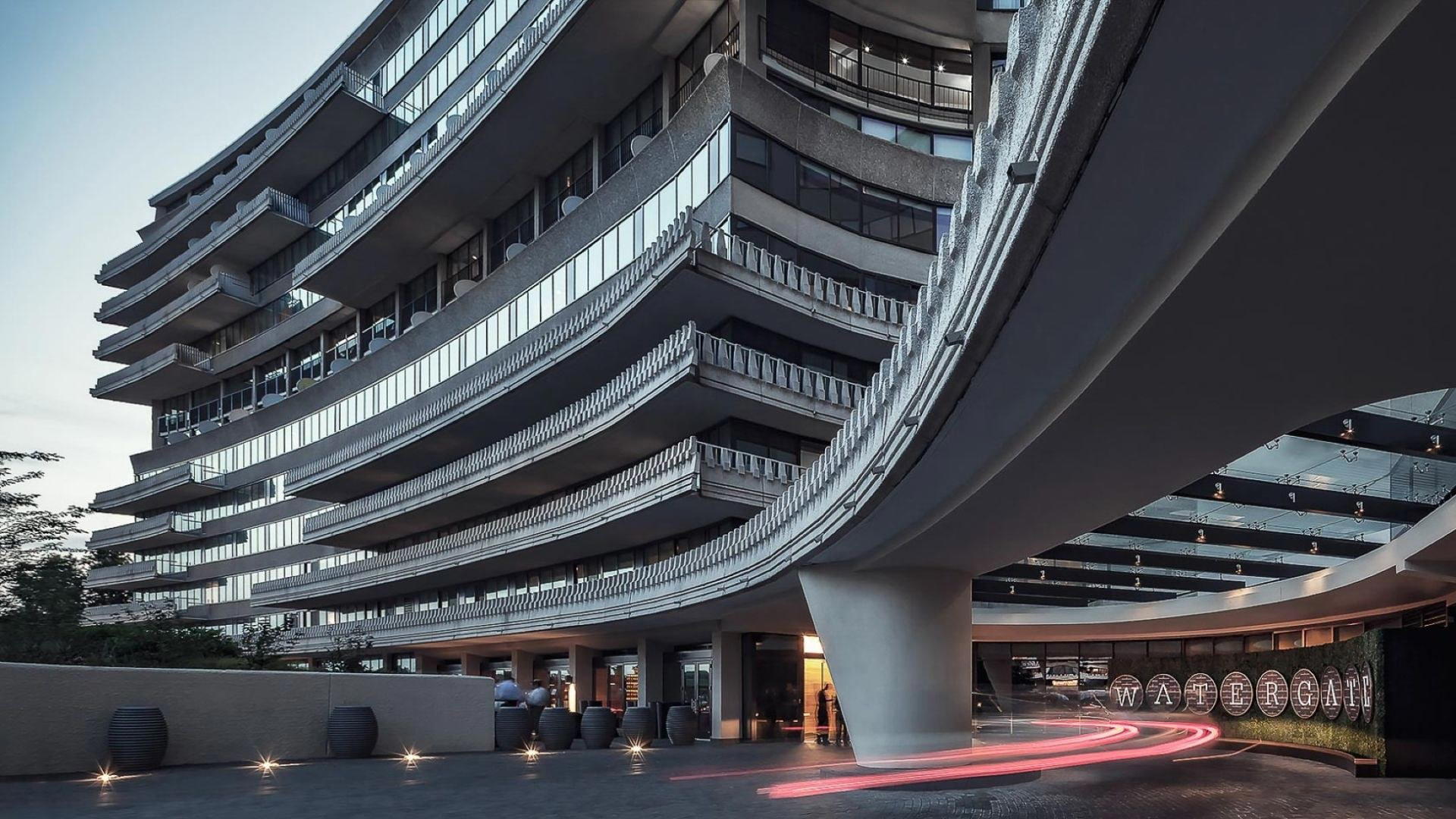
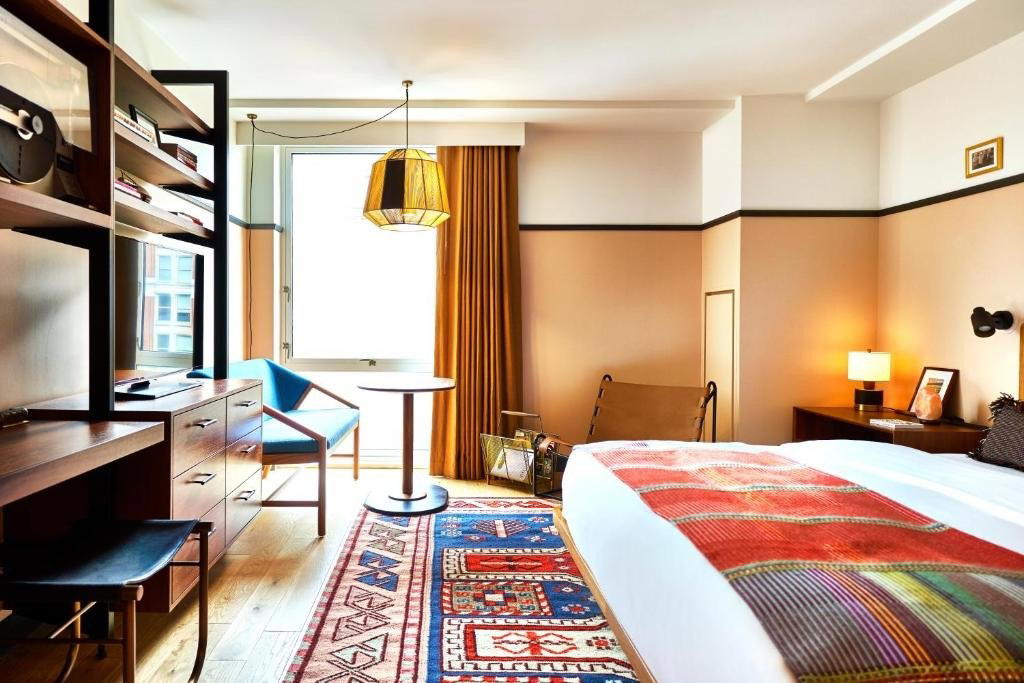
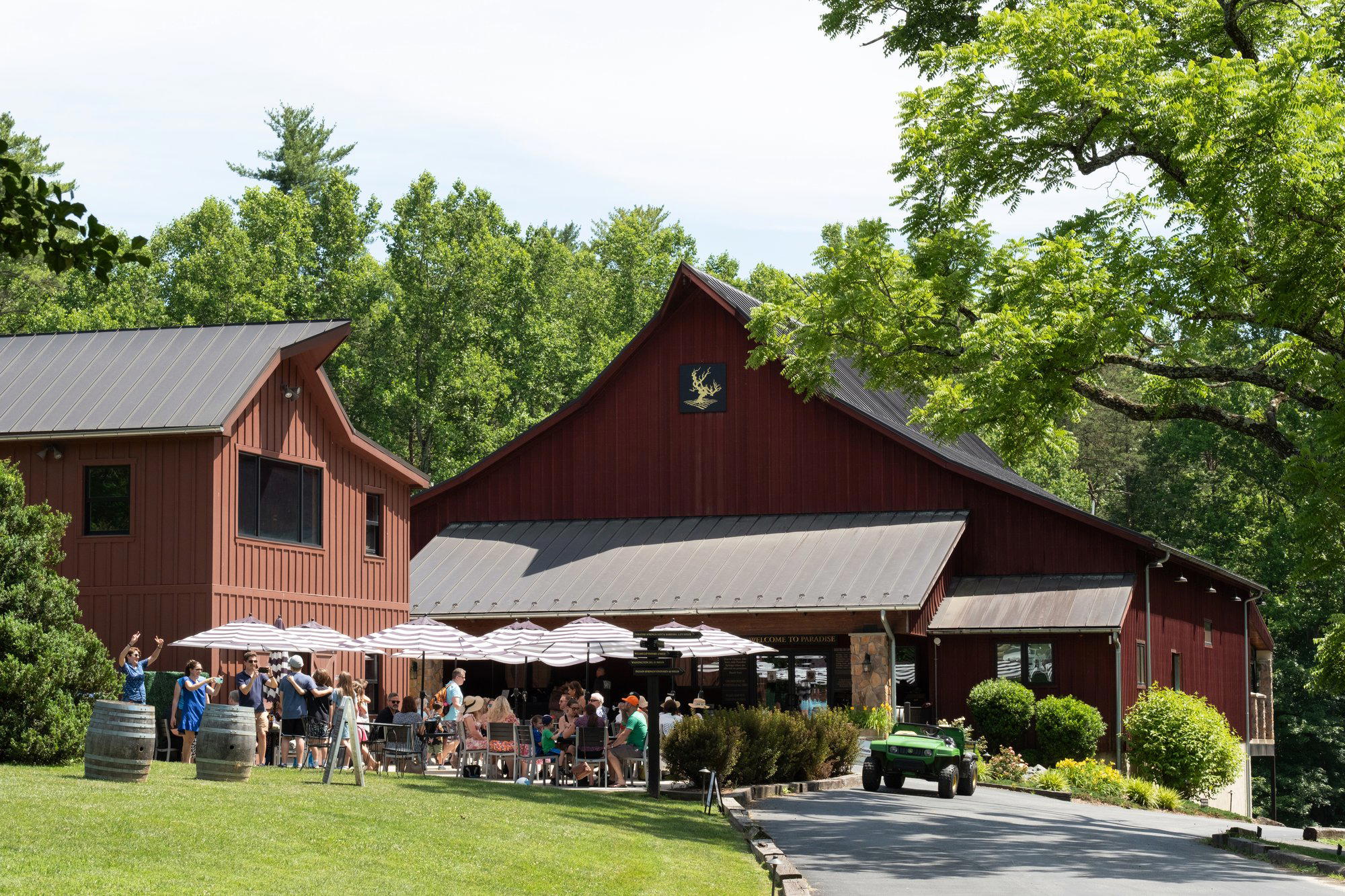
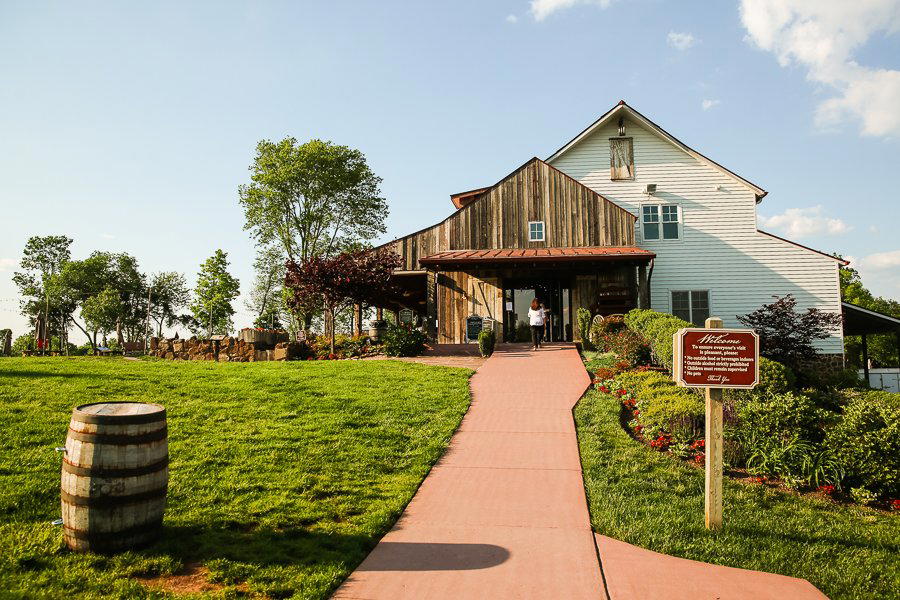
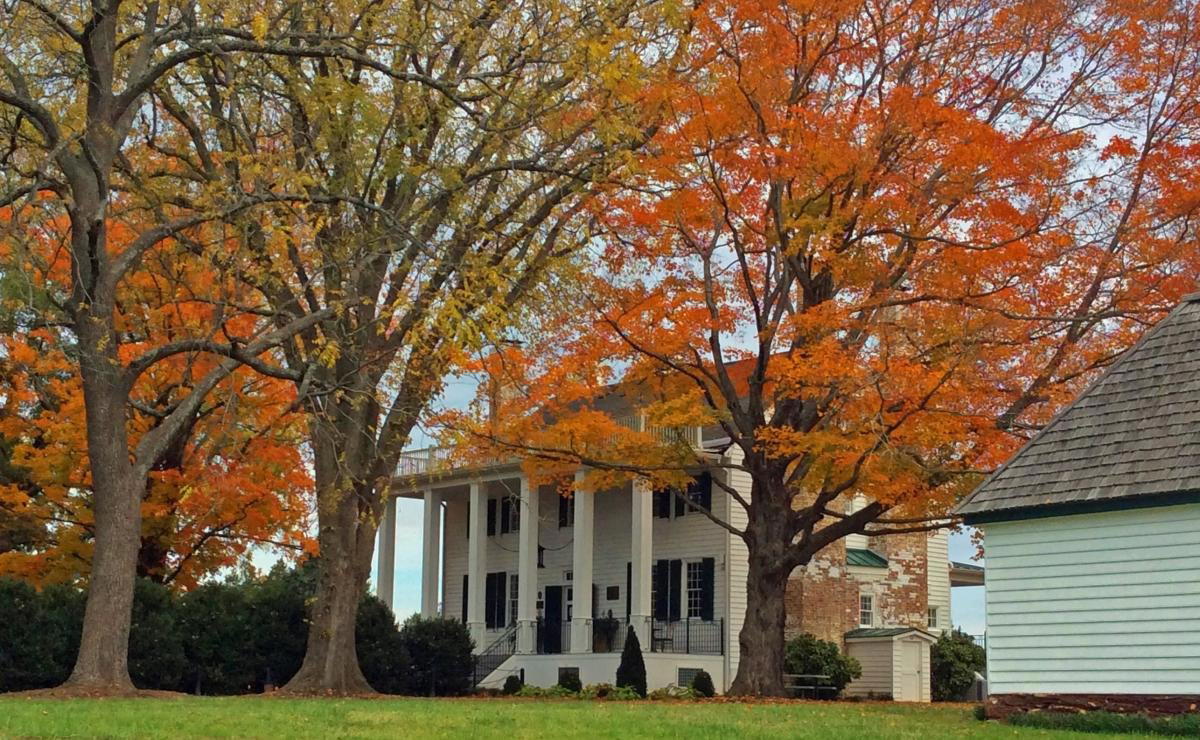
Refined rusticity with warm woods, leather banquettes, copper-clad open kitchen, and sunlit solarium under palms and olive trees.