Ulivo

Italian cooking in Columbia Heights has found a precise, neighborhood-scaled expression at Ulivo, a Sherman Avenue address that draws on the structure and discipline of the peninsula's regional traditions. The format suits both solo diners and small groups, with a meal that moves through courses rather than landing all at once. For Washington's Italian dining scene, it represents the quieter, more considered end of the spectrum.
Pearl is the En Primeur Club membership app — saves, bookings, and concierge access live there. Same editors, same standards.
- Address
- 2737 Sherman Ave NW, Washington, DC 20001
- Website
- ulivodc.com
- Directions
- Get directions
 Saves & bookings on Pearl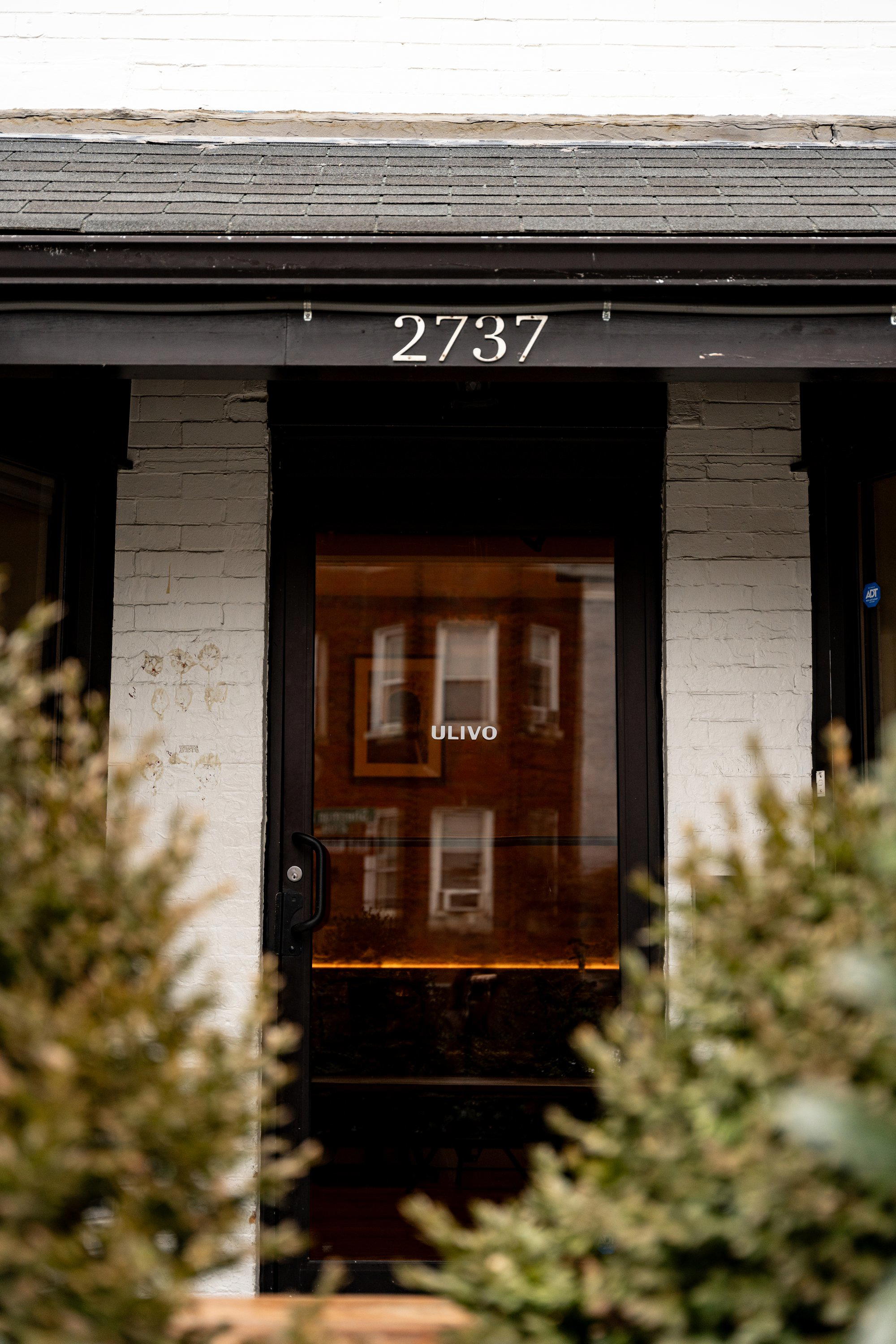
Columbia Heights and the Geometry of the Italian Meal
Ulivo is a neighborhood Italian trattoria in Washington, DC, with. There is a particular kind of Italian restaurant that does not announce itself loudly. No theatrical open kitchen, no sommelier in a bespoke suit hovering at the table, no amuse-bouche trolley to signal ambition. The room on Sherman Avenue NW where Ulivo operates belongs to that category. The address sits in Columbia Heights, a neighborhood that has moved through several identities over the past two decades and now holds a mix of long-established Latino businesses, newer residential development, and a dining scene that skews local rather than destination-seeking. Walking toward the restaurant, the surroundings read as residential and unhurried, which is roughly the register Ulivo itself occupies.
That register matters because it sets up the meal correctly. Italian cooking, at its disciplined core, is a sequenced argument: antipasto establishes intent, a primo course (pasta or risotto) carries the structural weight, a secondo shifts to protein and depth, and dessert either punctuates or lingers. When that progression works, you leave feeling full but not defeated, satisfied but still thinking about what you ate. Ulivo's Italian identity places it in a tradition where the architecture of the meal is as important as any individual dish.
How the Courses Build
Across the better Italian tables in American cities, the tasting arc has become a point of differentiation. At the high end of the national spectrum, places like 8½ Otto e Mezzo Bombana in Hong Kong and cenci in Kyoto demonstrate how Italian structure can be transplanted into entirely different culinary cultures and still hold its logic. In Washington itself, the Italian dining tier is thinner than the city's broader restaurant depth would suggest. The capital's most recognized tables lean New American or international, with venues like The Inn at Little Washington operating at a different price point and register entirely. That creates a gap for mid-register Italian cooking that takes its sequencing seriously.
At Ulivo, the Italian framework is the organizing principle. A meal that starts with something light and acidic, moves through a pasta course that carries most of the creative weight, and finishes with a protein that lets the kitchen's sourcing show, follows the peninsula's logic rather than the American habit of protein-first, everything-at-once service. The Sherman Avenue address is not competing with the tasting-menu flagships listed in national guides. It is serving the neighborhood while holding to a set of culinary commitments that those guides often overlook at this scale.
Washington's Italian Table in Context
Washington has historically been a city where the dining conversation centers on power lunch formats and international influence rather than regional Italian specificity. The city's restaurant scene has broadened considerably, with venues like Rosselli adding to the Italian presence, and the broader landscape including ambitious operators across multiple cuisines, from Alfie's and its permanent Georgetown location (Thai, natural wines) to the more theatrical register of Bazaar Meat by José Andrés. Within that mix, a neighborhood Italian restaurant that treats course progression as a structural commitment rather than a menu convention occupies a specific and underserved position.
The comparison points that matter for Ulivo are not the national benchmarks. Le Bernardin in New York, Alinea in Chicago, The French Laundry in Napa, or Lazy Bear in San Francisco are operating in an entirely different tier of formality, price, and ambition. Even Single Thread Farm in Healdsburg or Emeril's in New Orleans carry institutional weight that changes the nature of the meal. Ulivo's comparable set is the competent, committed neighborhood Italian that a city like Washington still needs more of: a place where the cuisine's internal logic holds even when the room is modest.
The Neighborhood as Context
Columbia Heights brings a particular energy to any restaurant operating within it. The neighborhood's demographics are genuinely mixed, its main commercial corridor runs along 14th Street NW, and Sherman Avenue sits slightly off that axis, in a quieter residential pocket. That positioning tends to filter the clientele toward locals who have made a deliberate choice rather than visitors working through a list. The dining atmosphere in rooms like this is usually less performative than destination restaurants elsewhere in the city, which suits a cuisine that rewards attention over spectacle.
Italian cooking does not need a dramatic room to make its case. The argument is made through pasta texture, sauce reduction, the timing of a secondo arriving after the primo has settled. A room on Sherman Avenue that lets the food carry the evening without competing with its own interior design is, in that sense, a reasonable match for the cuisine it is serving.
Planning Your Visit
Ulivo sits at 2737 Sherman Ave NW, Washington, DC 20001, in the Columbia Heights neighborhood. Given the residential character of the block and the format of Italian service that moves through courses with some deliberation, evening visits suit the experience better than a rushed midweek lunch.
A Quick Peer Check
Comparable venues nearby, for context on price, style, and recognition.
| Venue | Cuisine | Price | Notes |
|---|---|---|---|
| UlivoThis venue — the venue you are viewing | Neighborhood Italian Trattoria | $$ | Not listed |
| LiLLiES Italian | Farm-Fresh Italian & Mediterranean | $$ | National Zoological Park |
| Sette Osteria | Authentic Italian Osteria | $$ | Logan Circle |
| Menomale | Authentic Neapolitan Pizza & Italian | $$ | Brookland |
| Angolo Ristorante | Traditional Italian Trattoria | $$ | East Village Georgetown |
| We, The Pizza | New York-Style Pizza | $$ | Eastern Market |
Recognition history
Dated appearances from independent guides and award organizations, with the underlying list record or original source where available.
Star Wine List
Star Wine List
Continue exploring
More in Washington DC
Restaurants in Washington DC
Browse all →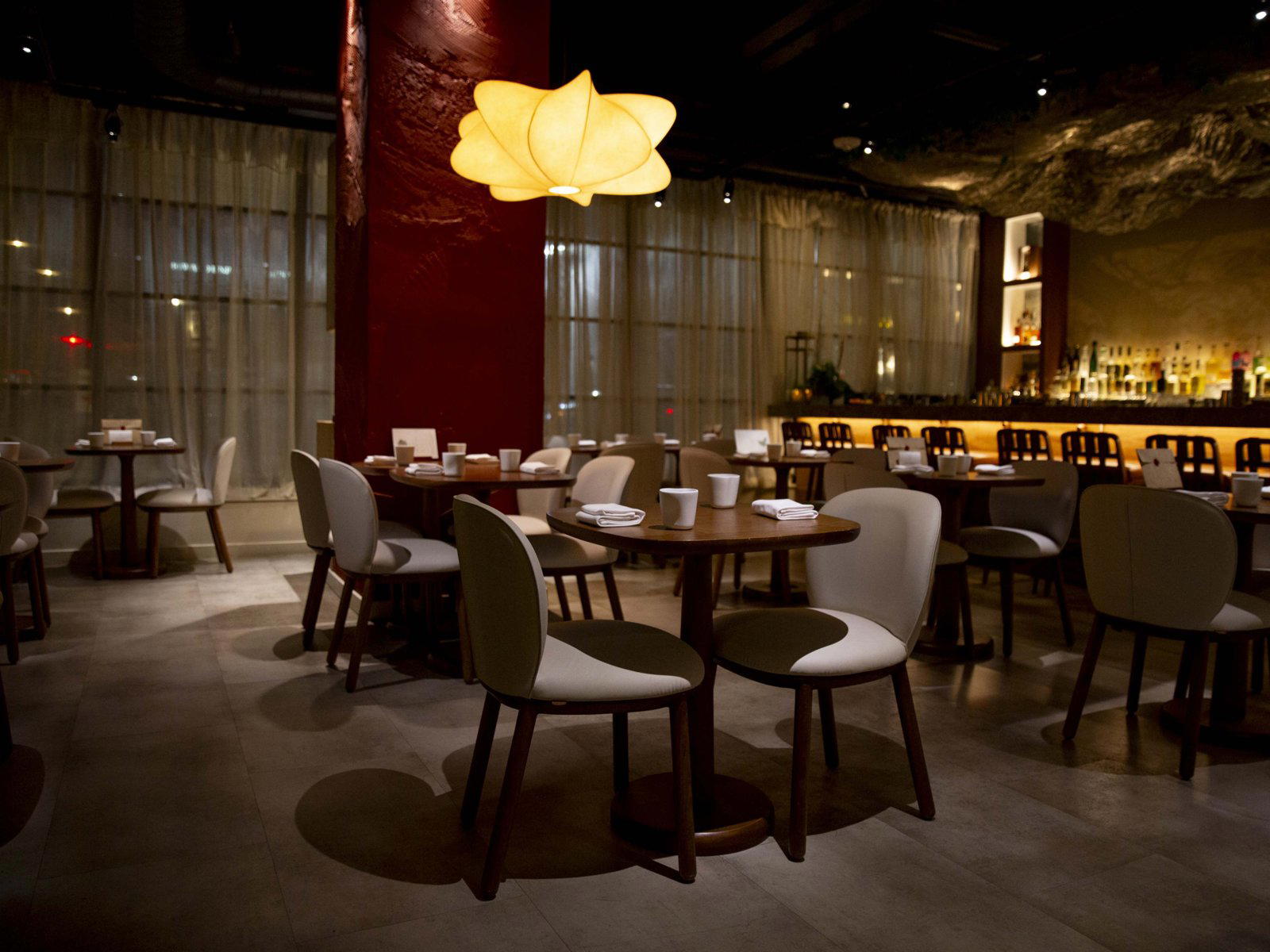
Bars in Washington DC
Browse all →
Hotels in Washington DC
Browse all →
At a Glance
- Cozy
- Romantic
- Intimate
- Elegant
- Casual Hangout
- Date Night
- Group Dining
- Family
- Standalone
- Open Kitchen
- Craft Cocktails
- Natural Wine
- Local Sourcing
Current opening hours
- Monday
- Closed
- Tuesday
- Closed
- Wednesday
- 3–9 PM
- Thursday
- 3–9 PM
- Friday
- 3–9 PM
- Saturday
- 11 AM–9 PM
- Sunday
- Closed
Hours can change for holidays and private events. Last verified .
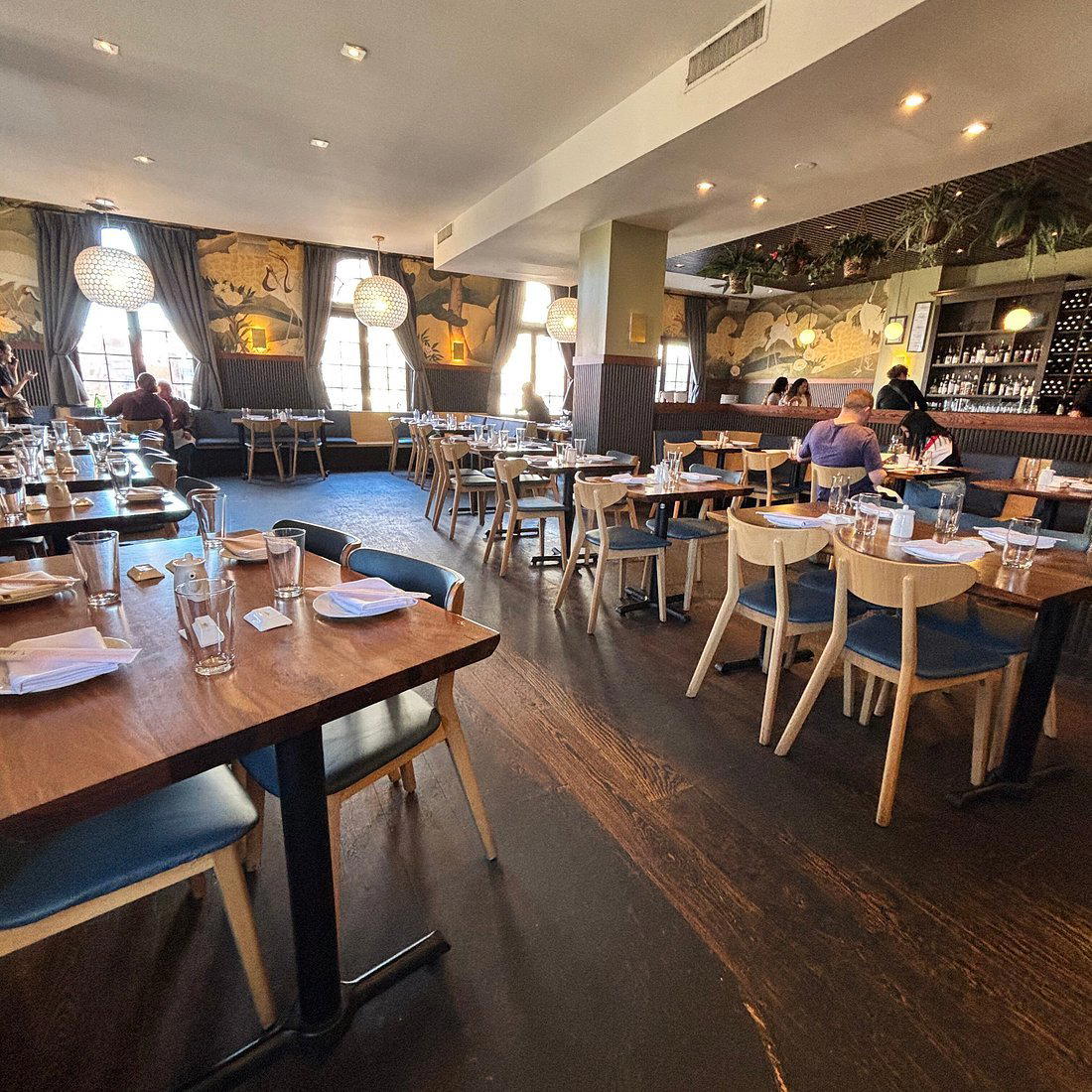
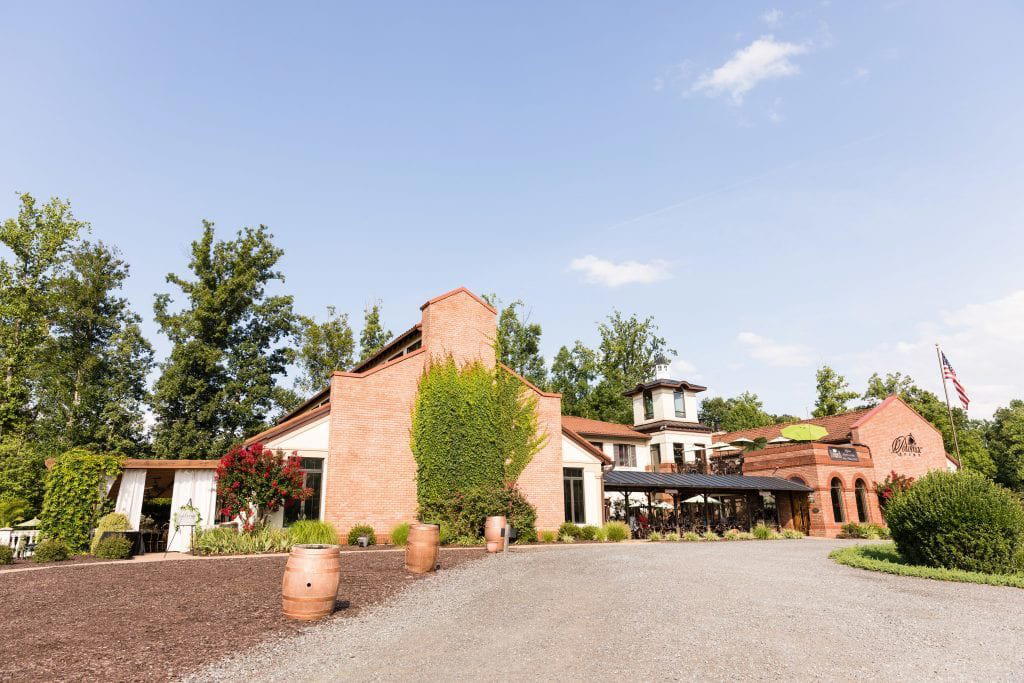
Refined but approachable with warm, candle-lit dining room featuring 65-70 seats inside and 20 on the patio; cozy and intimate atmosphere with natural light and elegant decor.