Hostaria del Monte Croce sits on Mittenwalder Strasse in Kreuzberg, a neighbourhood whose Italian restaurant scene spans everything from neighbourhood trattoria to destination dining. The address places it squarely in one of Berlin's most food-literate districts, where regulars eat out of habit rather than occasion and menus tend to reflect genuine regional Italian cooking rather than a pan-European approximation of it.
Pearl is the En Primeur Club membership app — saves, bookings, and concierge access live there. Same editors, same standards.
- Address
- Mittenwalder Str. 6, 10961 Berlin, Germany
- Phone
- +4949306943968
- Website
- hostaria.de
- Directions
- Get directions
 Saves & bookings on Pearl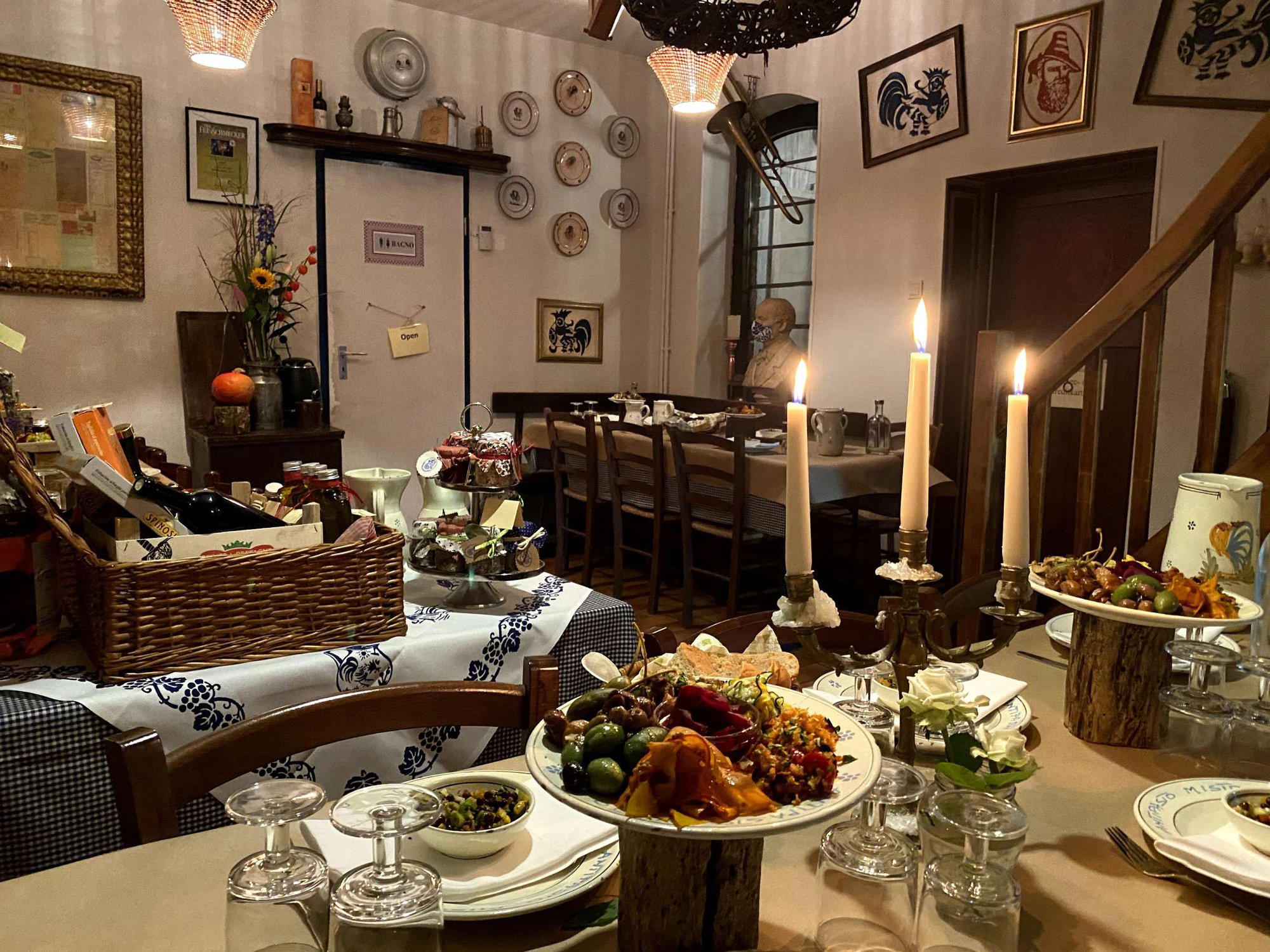
Kreuzberg's Italian Dining Register
Berlin's Italian restaurant scene has never been monolithic. The city has long supported a spread from fast-casual pizza counters in Neukölln to white-tablecloth southern Italian kitchens in Charlottenburg, and the gap between those poles tells you something useful about what a given neighbourhood values. Kreuzberg sits in an interesting middle position: the area attracts a food-literate crowd that distrusts performance for its own sake, which tends to reward restaurants that let the cooking speak without theatrical framing. Hostaria del Monte Croce, on Mittenwalder Str. 6, operates inside that register. The address is residential in character, a few minutes from the Landwehrkanal, and the approach on foot from Mehringdamm U-Bahn sets expectations accordingly: this is a street-level room embedded in the neighbourhood rather than positioned above it.
What the Menu Structure Reveals
The editorial angle worth pressing on at an Italian restaurant in Berlin is always the same question: which Italy is this kitchen cooking from? The answer shapes everything, from how antipasti are composed to whether pasta is treated as a first course in the Italian sense or a main in the German sense. Hostaria del Monte Croce's name invokes the Roman trattoria tradition, specifically the kind of neighbourhood hostaria that has historically served a fixed progression of small plates, pasta, and secondi to a local clientele who return weekly rather than occasionally. That lineage, where it holds, produces menus structured around restraint and repetition: a short list of antipasti, two or three pasta options, protein-led mains, and desserts that don't overstay their welcome.
That architecture matters because it disciplines the kitchen. Shorter menus in the trattoria model carry higher stakes per dish; there is no depth of bench to absorb a weak execution. The leading Italian rooms in this price tier in Berlin, places like the trattoria-inflected spots scattered across Prenzlauer Berg and Kreuzberg, have understood this for years. The restaurants that lose the thread are typically those that expand the menu to cover every Italian region simultaneously, producing something geographically incoherent and technically diluted. Kreuzberg's dining culture tends to punish that approach over time, which is why the longer-running Italian addresses in the district are usually the ones with particularly constrained menus.
Kreuzberg in the Broader Berlin Dining Frame
Berlin's recognized fine dining tier sits largely outside Kreuzberg. The city's Michelin-starred rooms, including Rutz in Mitte, Nobelhart & Schmutzig on Friedrichstrasse, FACIL in the Potsdamer Platz hotel belt, Restaurant Tim Raue in Kreuzberg itself, and the dessert-forward counter at CODA Dessert Dining, represent a different tier of ambition and price. Hostaria del Monte Croce belongs to a separate category: the neighbourhood-anchored specialist that competes on consistency and regional authenticity rather than tasting menu architecture or international press attention. These two tiers serve different reader needs, and conflating them produces bad decisions. If you want to understand where Berlin's starred restaurants sit relative to their German peers, the relevant comparisons are places like Aqua in Wolfsburg, JAN in Munich, Schwarzwaldstube in Baiersbronn, or Vendôme in Bergisch Gladbach. The restaurant is not competing in that conversation, which is precisely what makes it a different kind of useful.
Italian cooking in Berlin also occupies a specific cultural position. Germany has one of the largest Italian diaspora communities in Europe, which means the city's Italian restaurants have been tested by an audience with genuine reference points for decades. That creates a more demanding filter than you find in cities where Italian food is primarily consumed as a novelty. Kreuzberg, with its historically dense migrant communities, has been inside that filter longer than most Berlin districts. The restaurants that have lasted in this neighbourhood have done so because they satisfy regulars, not tourists.
Reading the Room: Atmosphere and Format
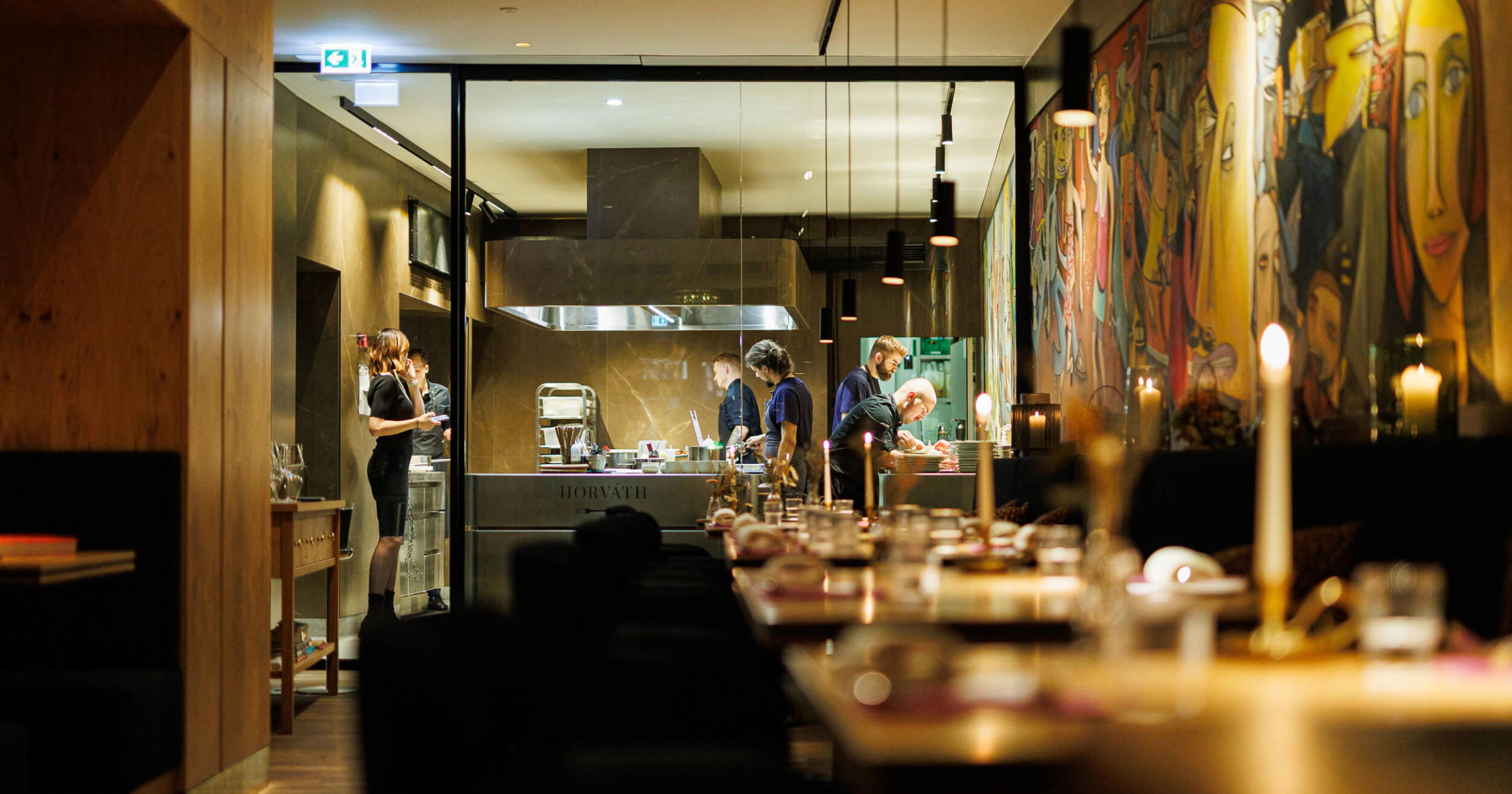
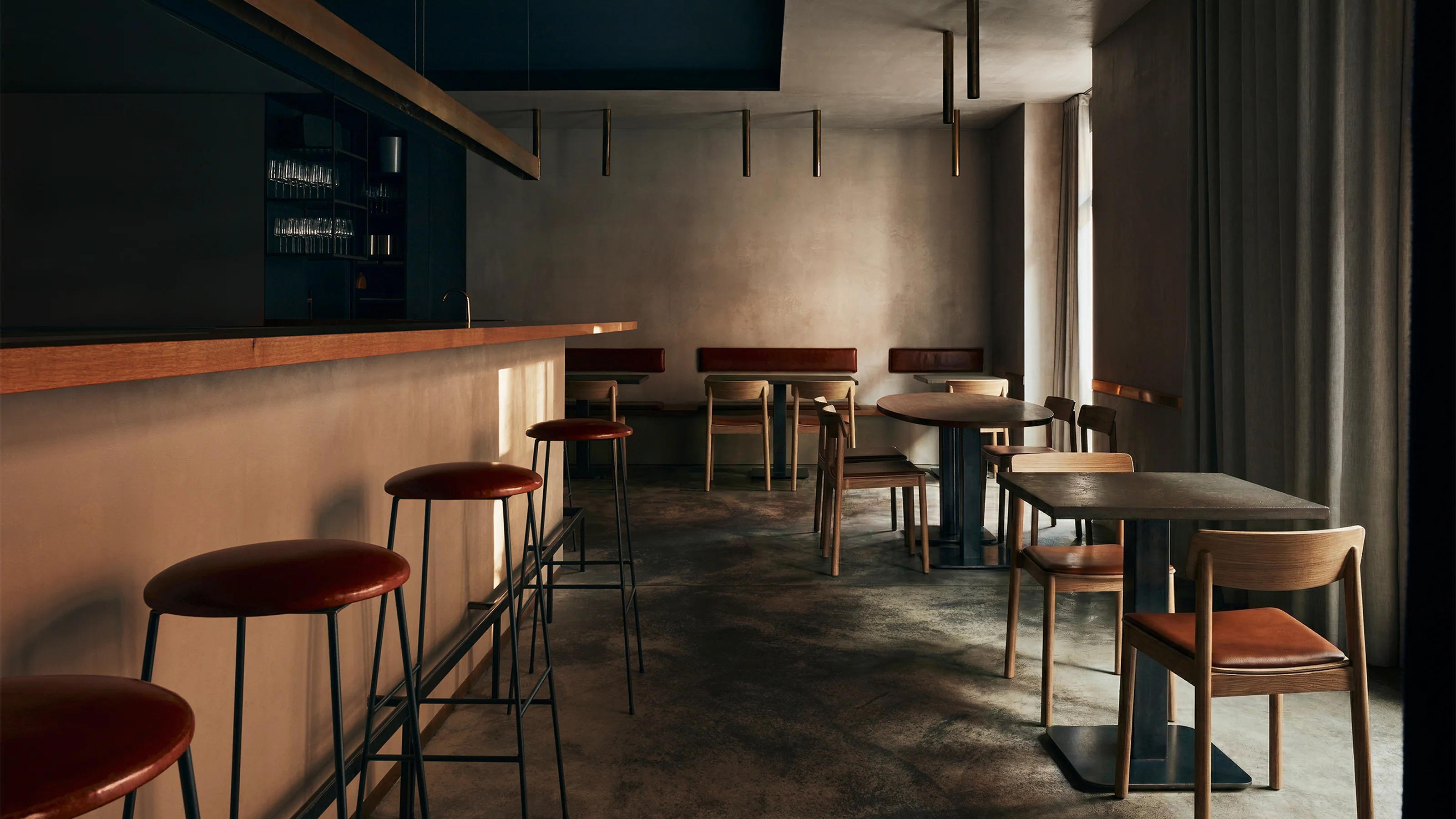
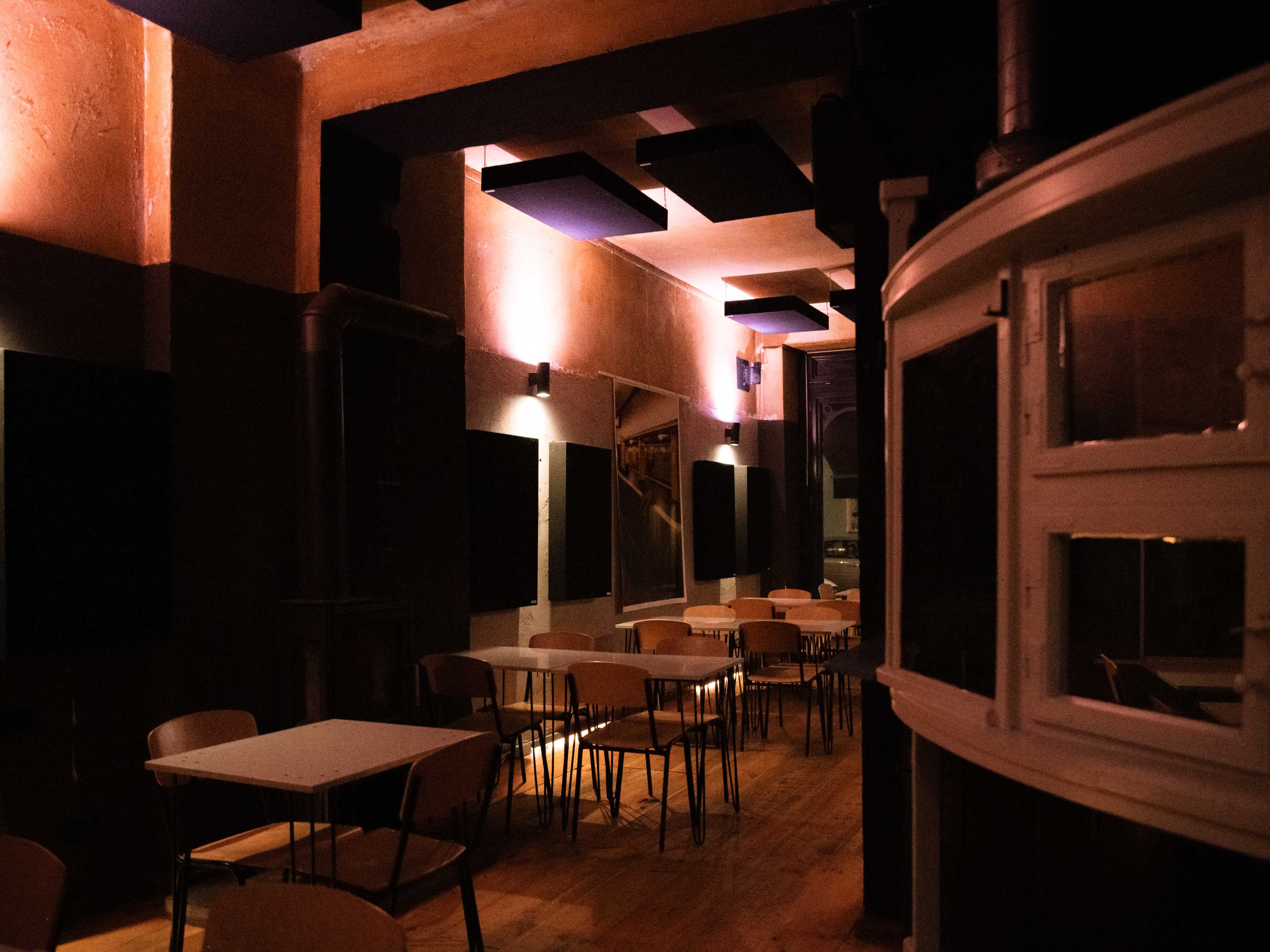
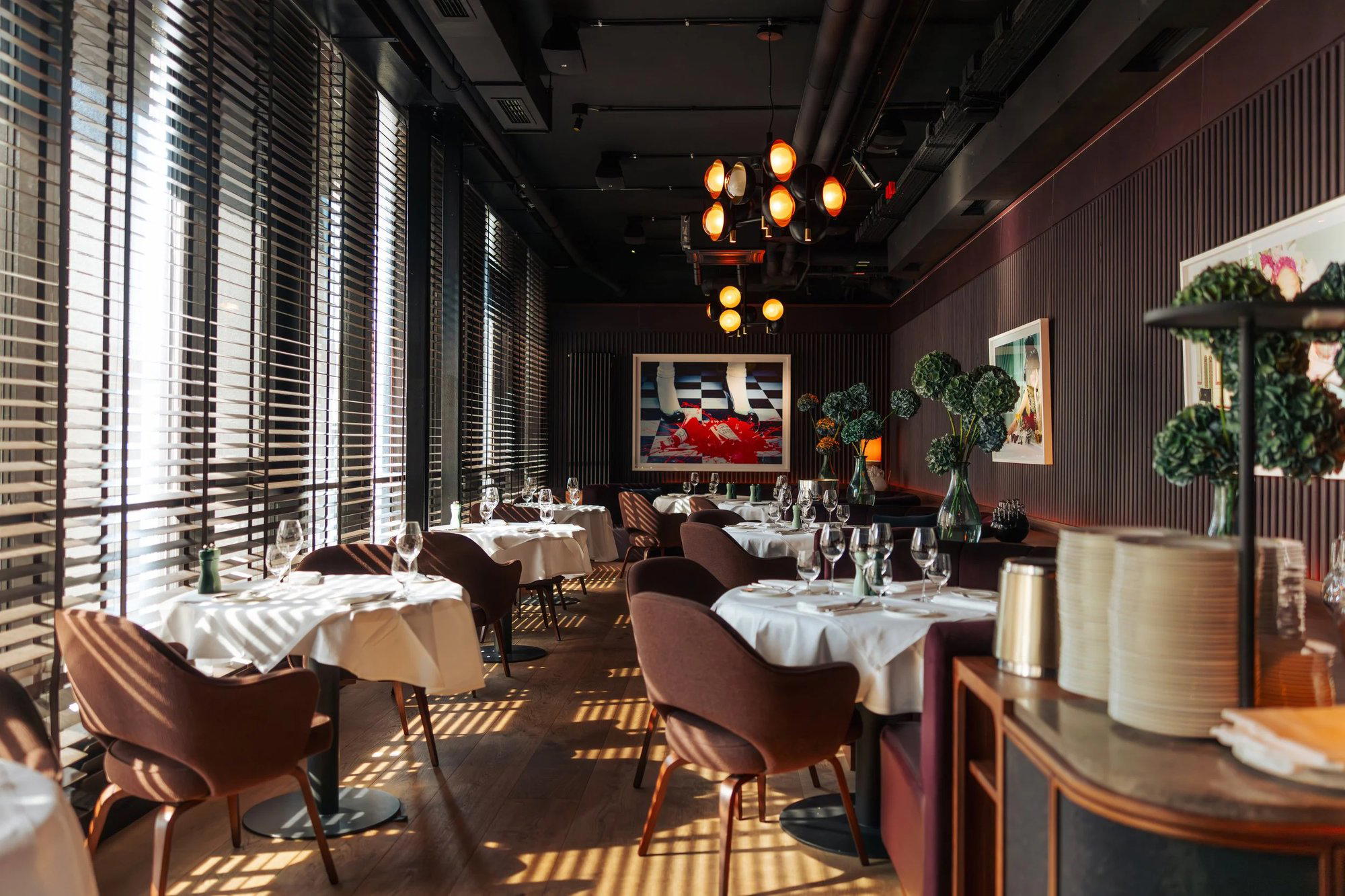
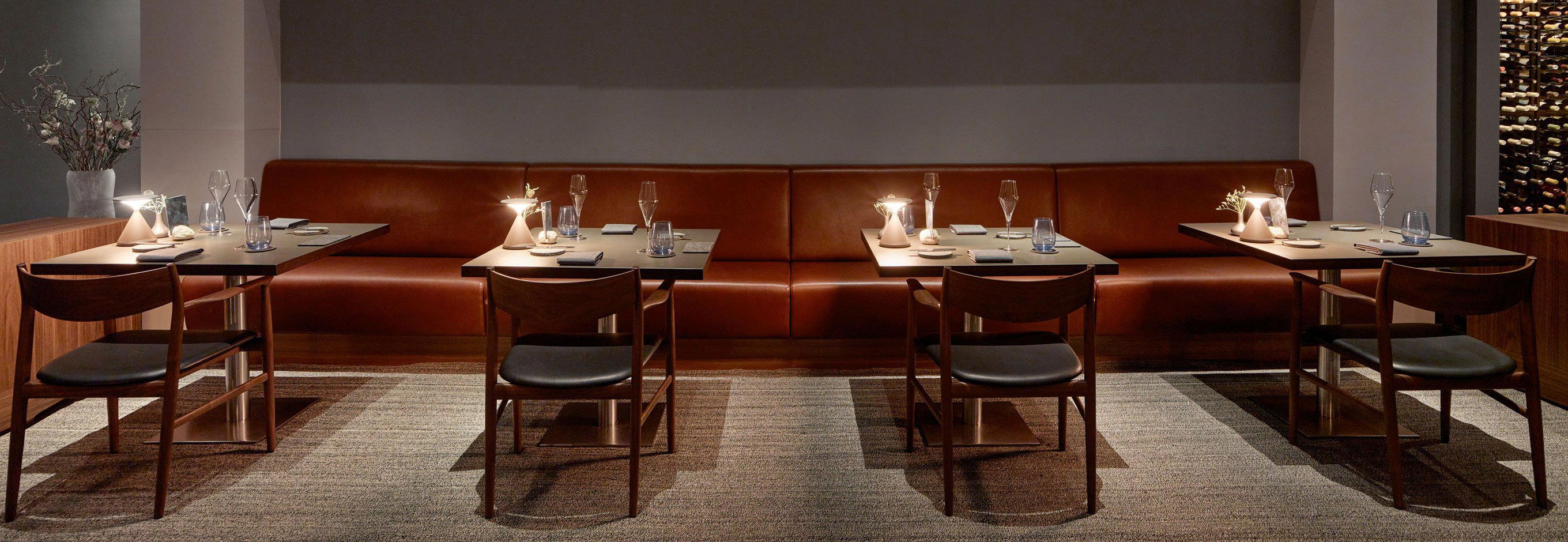
Mittenwalder Str. 6 is a ground-floor address in a typical Berlin Altbau building, the late-19th-century residential stock that defines much of inner Kreuzberg. This building type carries a particular acoustic and visual character: high ceilings, deep window reveals, a certain solidity to the walls that larger modern restaurant spaces rarely replicate. Italian trattorie in Rome and in many German cities with established Italian communities have long occupied exactly this kind of inherited urban space, which means the room's proportions, whatever the current fit-out, are likely to feel calibrated to a certain intimacy. The experience of eating in a room this scale differs from a fifty-cover contemporary restaurant in ways that matter: pace slows, noise levels tend to stay manageable, and the relationship between table and kitchen feels less mediated.
Kreuzberg evenings tend to start later than in many European cities; the neighbourhood's eating culture has always been more aligned with a Mediterranean rhythm than a North German one. That pattern holds across the district's better Italian and Spanish addresses, where full tables before 8pm are the exception rather than the rule. For visitors arriving from other European cities, that timing is worth factoring into any evening plan that includes a walk along the canal beforehand.
Planning a Visit
The restaurant is located at Mittenwalder Strasse 6, 10961 Berlin. The nearest U-Bahn access is Mehringdamm on the U6 and U7 lines, placing the restaurant within easy reach of both central Berlin and the northern Neukölln border. For context on how Berlin's neighbourhood-level dining compares to German dining elsewhere in the country, the range of restaurants covered across Germany is considerable, from ES:SENZ in Grassau and Schanz in Piesport to Waldhotel Sonnora in Dreis, Victor's Fine Dining by Christian Bau in Perl, Restaurant Haerlin in Hamburg, and Bagatelle in Trier. International reference points for disciplined menu architecture include Le Bernardin in New York City and the Korean tasting counter Atomix, both of which demonstrate, in different ways, how a limited and deliberate menu structure communicates kitchen confidence more clearly than breadth ever can.
Cuisine and Recognition
Comparable venues nearby, for context on price, style, and recognition.
| Venue | Cuisine | Price | Notes |
|---|---|---|---|
| Hostaria del Monte CroceThis venue — the venue you are viewing | Traditional Italian Trattoria | $$$ | Not listed |
| Ponte | Modern Italian Trattoria | $$$ | Schoneberg |
| Lavanderia Vecchia | Rustic Italian Trattoria | $$$ | Neukolln |
| Lovebirds | Contemporary Neapolitan Pizza | $$ | Scheunenviertel |
| CRUST Pizza | Neapolitan Pizza | $$ | Mitte |
| Café Botanico | Italian Farm-to-Table | $$ | Neukolln |
At a Glance
- Romantic
- Cozy
- Intimate
- Rustic
- Well Known
- Date Night
- Special Occasion
- Celebration
- Courtyard
- Standalone
- Historic Building
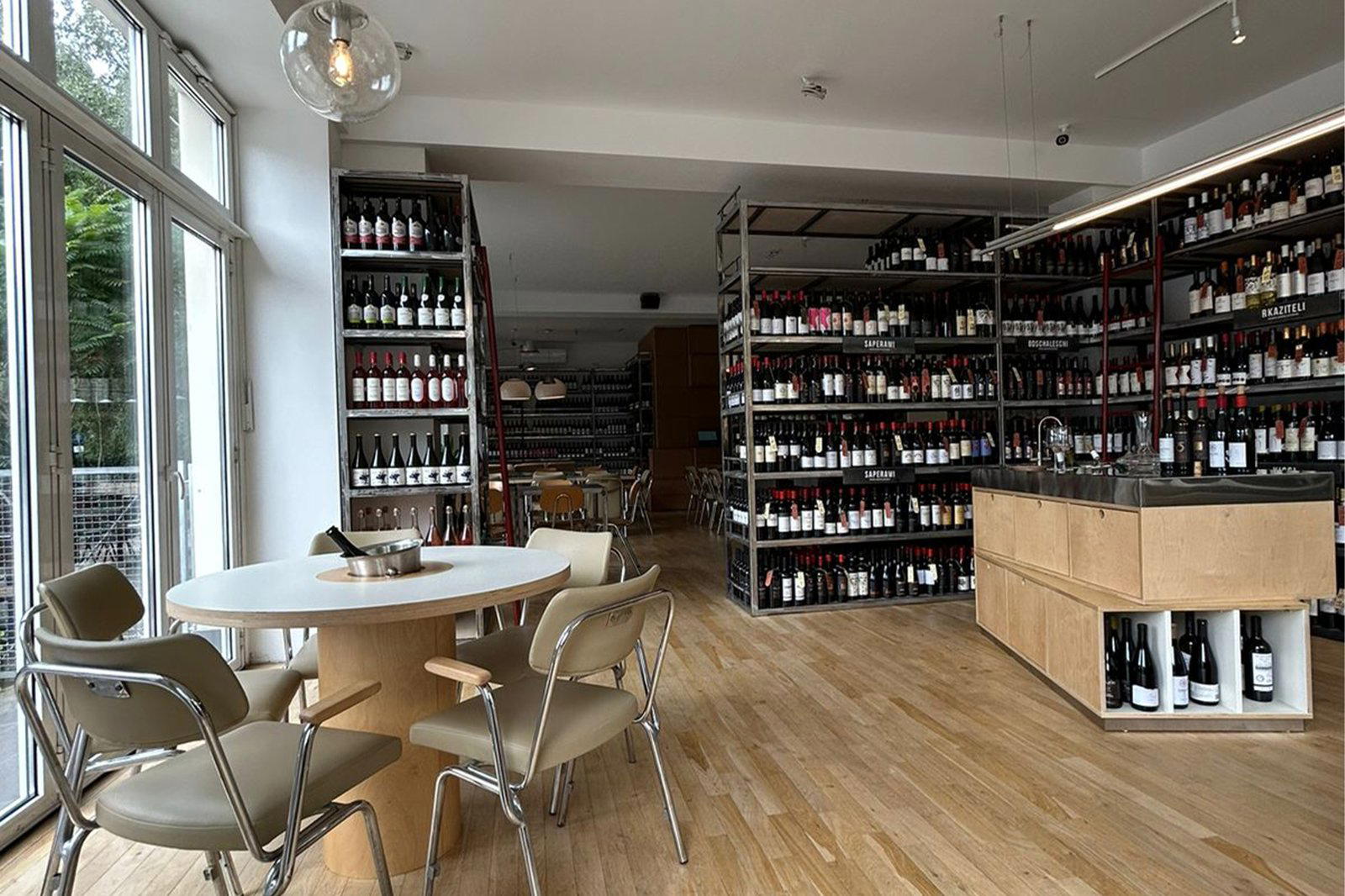
- Extensive Wine List
- Local Sourcing
- Garden
Current opening hours
- Monday
- Closed
- Tuesday
- 7–11 PM
- Wednesday
- 7–11 PM
- Thursday
- 7–11 PM
- Friday
- 7–11 PM
- Saturday
- 7–11 PM
- Sunday
- Closed
Hours can change for holidays and private events. Last verified .
Enchanting brick remise with warm, intimate lighting that transports diners to Italy; cozy, family-style atmosphere with rustic charm.