On Piazza Santa Maria Novella, La Buona Novella places Tuscan cooking in one of Florence's most historically charged settings. The kitchen works within a tradition that prizes provenance over invention, drawing on the DOP-certified ingredients and artisan networks that define serious regional Italian cooking.
Pearl is the En Primeur Club membership app — saves, bookings, and concierge access live there. Same editors, same standards.
- Address
- P.za di Santa Maria Novella, 16, 50123 Firenze FI, Italy
- Phone
- +39 055 27230
- Website
- thefork.it
- Directions
- Get directions
 Saves & bookings on Pearl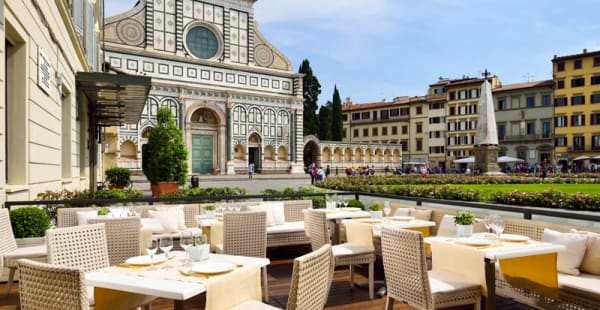
Where Piazza Santa Maria Novella Sets the Table
The piazza itself does a lot of the work before you sit down. Santa Maria Novella is one of Florence's great civic spaces, framed by the marble facade of the 13th-century basilica on one side and the measured rhythm of Renaissance architecture on the other. Restaurants that occupy this address inherit that backdrop whether they earn it or not. Its argument is made not by theatrical presentation or boundary-pushing technique, but by the quality of what arrives on the plate and where it came from.
This approach places the restaurant firmly within a broader Tuscan dining philosophy that has resisted the international trend toward abstraction. While Florence's upper tier, represented by three-Michelin-starred Enoteca Pinchiorri and two-starred Santa Elisabetta, pursues a creative dialogue between classical French technique and Italian ingredients, La Buona Novella operates in a register closer to the osteria tradition: Tuscan cuisine understood as a set of obligations to the land rather than a platform for individual expression.
Provenance as the Kitchen's Governing Logic
Tuscan cooking is, at its most serious, a provenance argument. The region's attachment to DOP-certified products, from Chianina beef to Lardo di Colonnata to Pecorino Toscano, reflects a conviction that the ingredient is already the statement. When a kitchen works within this framework honestly, the sourcing decisions carry as much weight as the cooking decisions. Olive oil pressed from Frantoio or Moraiolo cultivars in the Chianti hills tastes materially different from generic Italian blends, and a kitchen that tracks those distinctions signals something about its priorities.
La Buona Novella's alignment with Tuscan Italian cuisine positions it within this tradition. The cuisine type in itself is a commitment: not "Italian Contemporary" with its license for reinterpretation, not "Modern Italian" with its appetite for international reference points, but Tuscan Italian, which carries regional specificity as both constraint and credential. Across Italy, the restaurants that have made the strongest cases for this kind of cooking, from Il Canto in Siena to the regional anchors of Emilia-Romagna like Osteria Francescana in Modena, have done so by treating the supply chain as a form of editorial curation.
Florence's Mid-Tier: Where Most Honest Meals Happen
The conversation about Florentine dining tends to cluster at the extremes: the Michelin-starred rooms where a meal represents a significant financial commitment, and the tourist-facing trattorias around the Duomo where the cooking is often made for throughput rather than attention. The more interesting territory lies between those poles, where Pearl-recognized restaurants like La Buona Novella operate with enough resources to source properly but without the pressure of a starred format that can sometimes pull kitchens toward performance over substance.
It places the restaurant outside the Michelin conversation without dismissing it: the recognition is calibrated for venues where the cooking is serious and consistent, even if the ambition is regional rather than international.
For comparison, the Michelin-starred options on Florence's restaurant map, including Borgo San Jacopo, Atto di Vito Mollica, and Gucci Osteria da Massimo Bottura, occupy a different price register and a different culinary ambition. None of them are trying to be the honest neighbourhood expression of Tuscan cooking that restaurant appears to be. Those starred kitchens are in dialogue with international fine dining; the restaurant is in dialogue with the Tuscan countryside.
The Regional Tradition Behind the Menu
Tuscan Italian cooking, at its core, is built on a small number of techniques applied to a large number of carefully chosen primary ingredients. Ribollita, the twice-cooked bread and vegetable soup, is the region's argument against food waste and for depth of flavour. Bistecca alla Fiorentina, the T-bone cut from white Chianina cattle raised in the Valdichiana, is its argument for breed specificity and dry-aging over any sauce or garnish. Pappardelle with wild boar ragu is its argument for slow cooking and the specificity of game from the Maremma. A kitchen working honestly within this tradition does not need to invent: it needs to select, to source, and to execute with technical discipline.
Italy's most thoughtful regional kitchens have been making this case for years. Dal Pescatore in Runate holds to Lombardian tradition with comparable fidelity. Piazza Duomo in Alba grounds its cooking in Piedmontese ingredients even at three-star ambition. Le Calandre in Rubano and Enrico Bartolini in Milan demonstrate that rigorous regional framing and fine-dining ambition are not mutually exclusive. Atelier Moessmer Norbert Niederkofler in Brunico has taken Alpine provenance thinking to its logical extreme. The restaurant operates in a less rarefied register than these, but the underlying logic is the same: cook the region, not the trend.
Planning a Visit
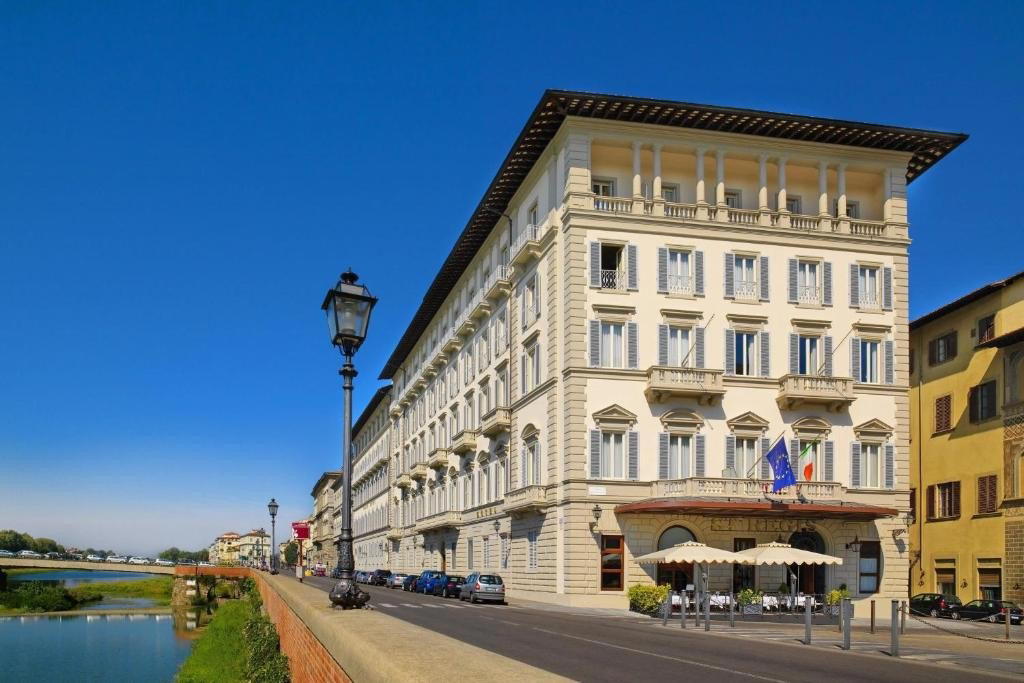
The restaurant sits at Piazza di Santa Maria Novella 16, directly on the square and within walking distance of the train station of the same name, which makes it accessible from central Florence on foot. The piazza address means outdoor seating, if available, comes with the full visual weight of the basilica facade across the cobblestones, a position that few restaurants in the city can match for sheer setting. Given the modest review volume to date, booking ahead rather than arriving speculatively is advisable, particularly during the spring and autumn high seasons when Florence's visitor numbers compress availability across the mid-tier.
Cuisine Context
Comparable venues nearby, for context on price, style, and recognition.
| Venue | Cuisine | Price | Awards | Notes |
|---|---|---|---|---|
| La Buona NovellaThis venue — the venue you are viewing | Modern Italian Fine Dining | $$$ | Not listed | Not listed |
| Coquinarius Fiesole | Refined Tuscan Bistro | $$$ | Not listed | San Niccolo |
| Il Vecchio e il Mare | Neapolitan Pizza and Seafood | $$ | Not listed | Ricorboli |
| L'Insolita Trattoria Tre Soldi | Modern Tuscan Tasting Menu | $$$ | Michelin Plate | San Salvi |
| Cantinetta Antinori | Traditional Tuscan Trattoria | $$$ | Not listed | Santo Spirito |
| BABAE | Modern Italian Bistro | $$ | Not listed | Santo Spirito |
Continue exploring
More in Florence
Restaurants in Florence
Browse all →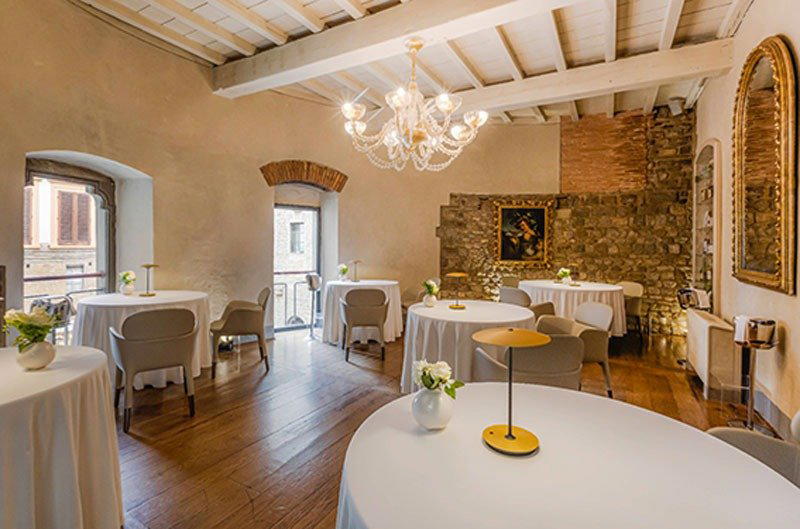
Bars in Florence
Browse all →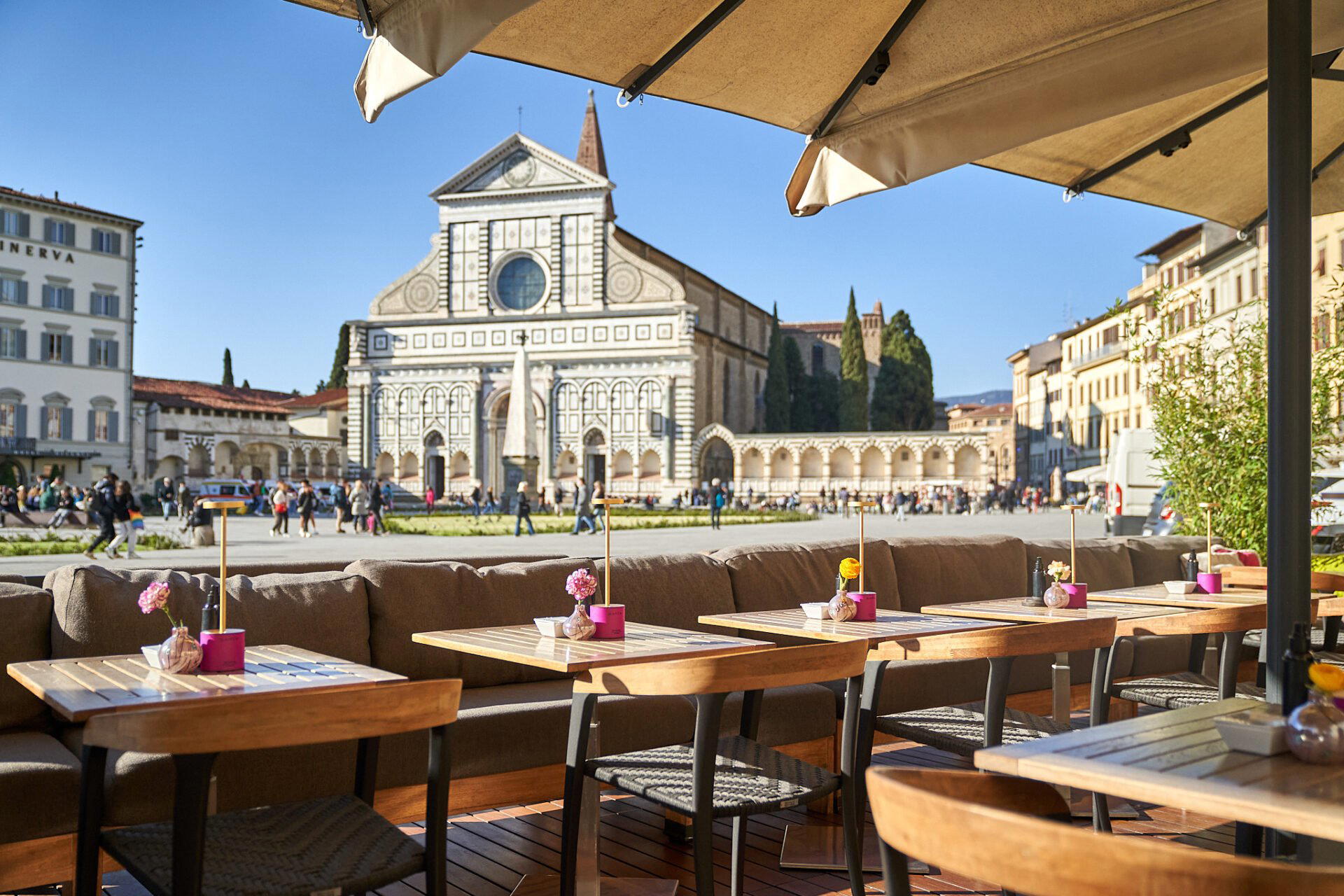
Hotels in Florence
Browse all →
At a Glance
- Romantic
- Elegant
- Scenic
- Sophisticated
- Intimate
- Date Night
- Special Occasion
- Celebration
- Terrace
- Panoramic View
- Hotel Restaurant
- Historic Building
- Extensive Wine List
- Sommelier Led
- Local Sourcing
- Street Scene
Current opening hours
- Monday
- 12:30–10:30 PM
- Tuesday
- 12:30–10:30 PM
- Wednesday
- 12:30–10:30 PM
- Thursday
- 12:30–10:30 PM
- Friday
- 12:30–10:30 PM
- Saturday
- 12:30–10:30 PM
- Sunday
- 12:30–10:30 PM
Hours can change for holidays and private events. Last verified .
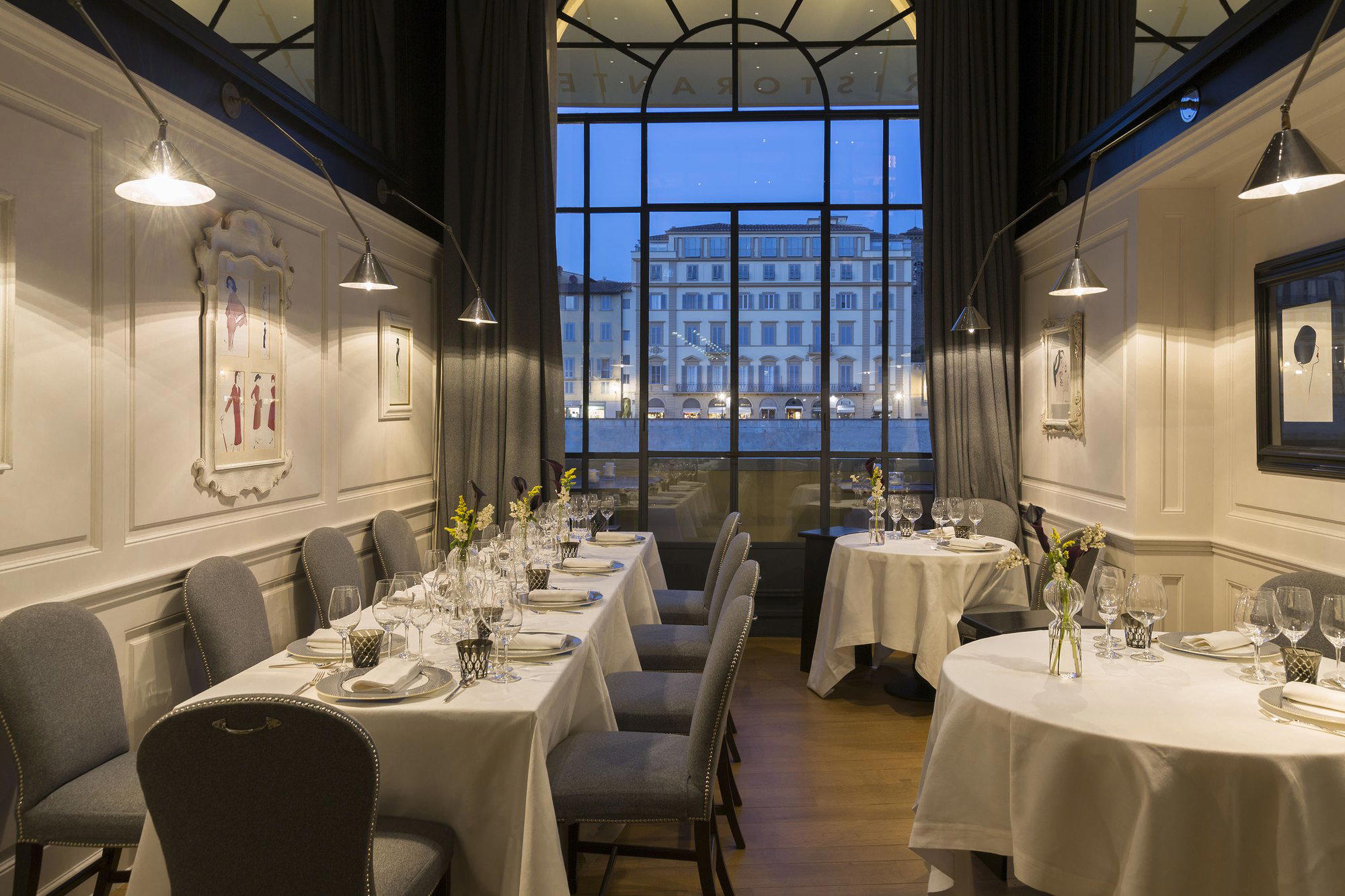
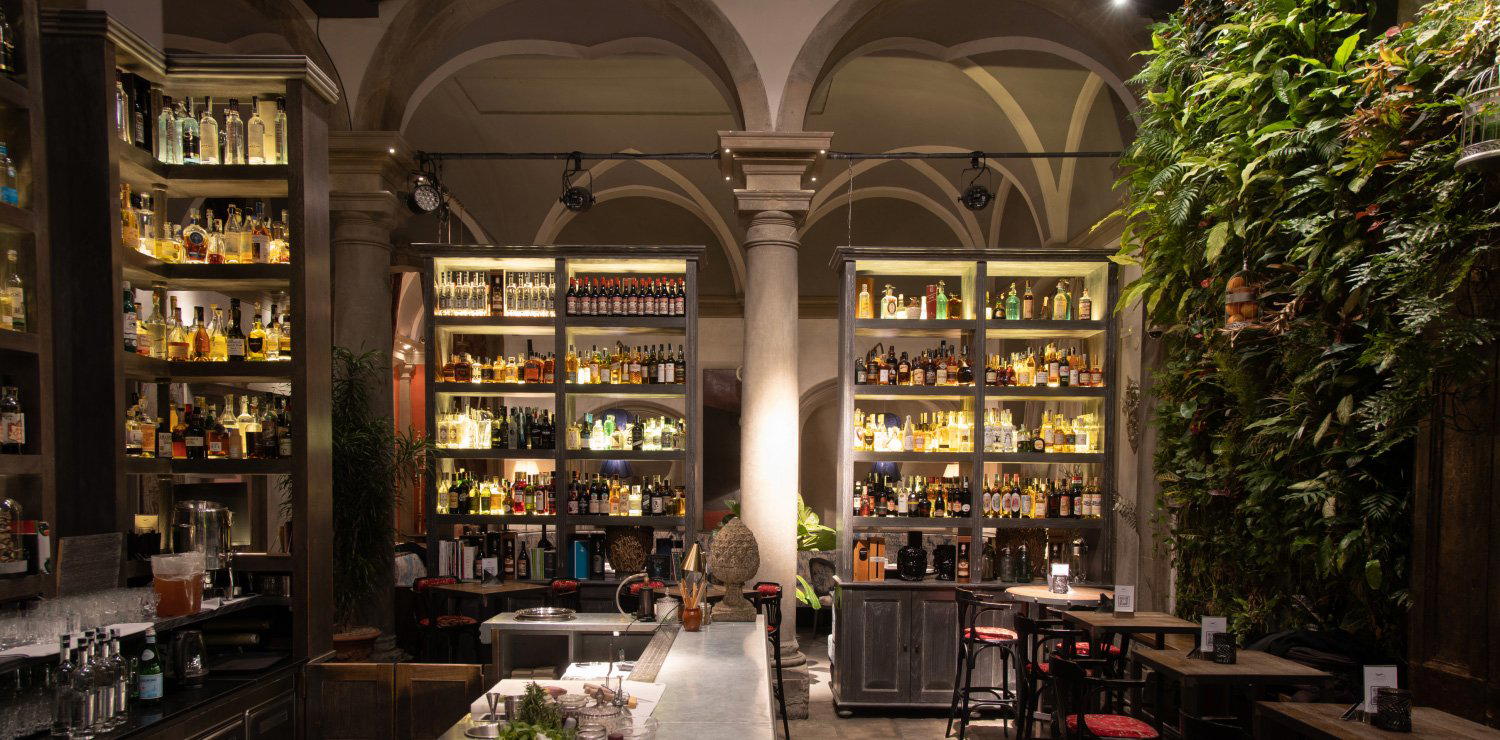
Classy yet cozy with elegant dining room featuring interesting artwork and simple table settings; outdoor terrace offers beautiful views of the piazza with soft ambient lighting and unobtrusive background music creating a refined, intimate atmosphere.