
La Liste Top Restaurants
Our verdict
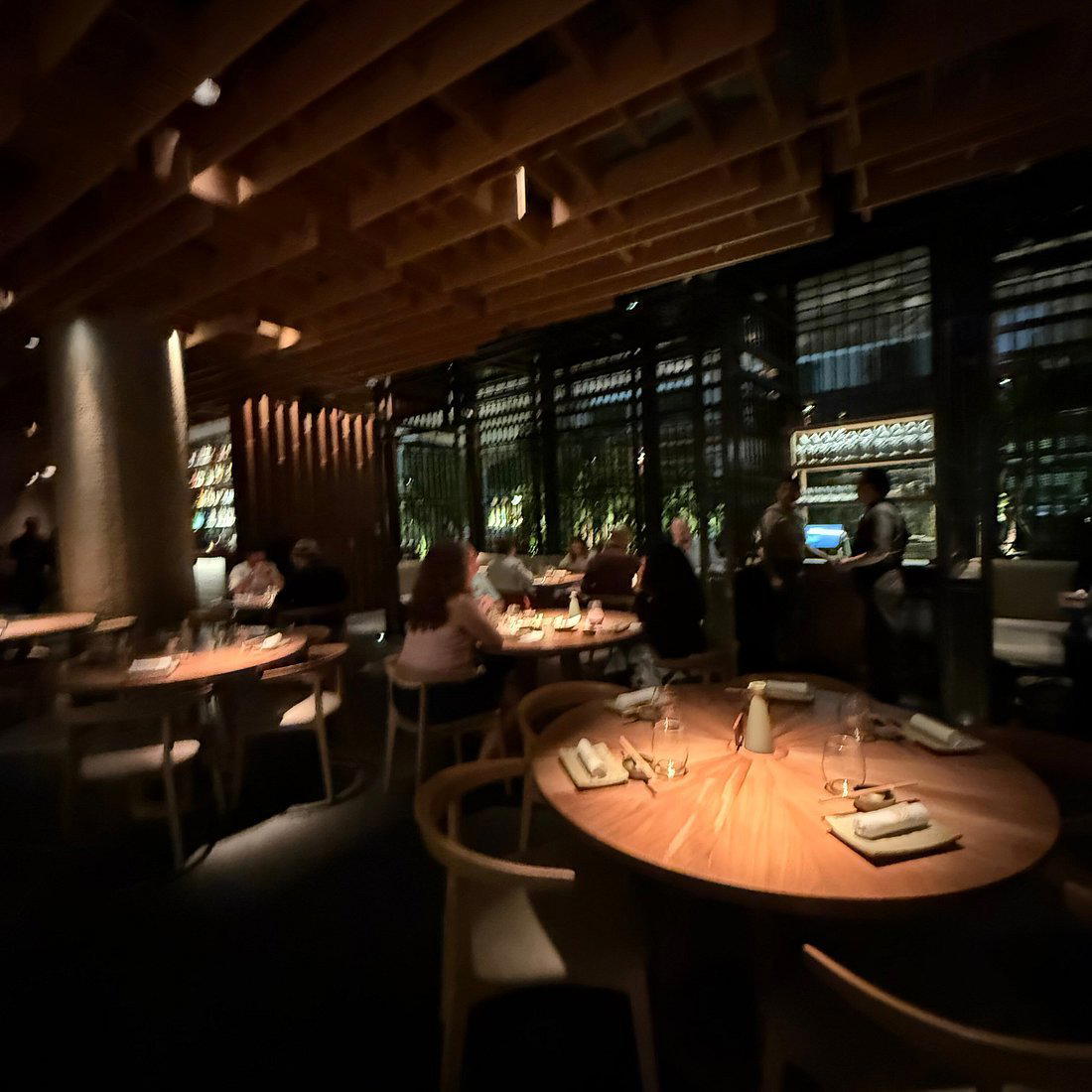
Osaka in Lima's San Isidro district sits at the intersection of Peruvian produce culture and Japanese culinary discipline, representing the Nikkei tradition that has shaped Lima's dining identity for over a century. Located on Avenida Felipe Pardo y Aliaga, it operates in a neighbourhood that concentrates several of Lima's most serious dining rooms, making it a natural reference point for visitors mapping the city's Japanese-Peruvian cooking scene.

Pearl is the En Primeur Club membership app, where members save venues, book tables and use the concierge.
San Isidro and the Geography of Lima's Nikkei Tradition
Lima's reputation as one of South America's most serious dining cities rests on several foundations, but none is more structurally interesting than the Nikkei tradition: the collision of Japanese technique with Peruvian ingredient culture that began when Japanese immigrants arrived in Peru in the late nineteenth century. That fusion is not a recent culinary trend engineered for international appeal. It is a century-old process of adaptation, substitution, and eventual synthesis, and its results now sit at the centre of Lima's restaurant identity alongside the modern Peruvian movement led by names such as Central (Progressive Peruvian) and Astrid & Gastón (Modern Peruvian).
San Isidro, the financial and diplomatic district where Osaka operates on Avenida Felipe Pardo y Aliaga, is where Lima concentrates its formal dining rooms. The neighbourhood's wide tree-lined streets and low-rise residential architecture create an environment distinct from Miraflores's coastal energy or Barranco's creative density. Restaurants here tend to draw a mixed crowd of business lunchers, international visitors staying in the district's hotels, and Lima residents who treat the area as the city's default address for occasion dining. Osaka at Av. Felipe Pardo y Aliaga 660 occupies that context directly.
The Sourcing Logic Behind Nikkei Cooking
Understanding what makes the Nikkei format interesting requires looking at the ingredient side first. Japanese cooking in Japan operates within a narrow bandwidth of approved produce, aged techniques, and regional specificity honed over centuries. Transplanted to Peru, that discipline encountered one of the most biodiverse larders on the planet: Amazon river fish, coastal seafood from the cold Humboldt Current, dozens of potato varieties from the Andes, citrus that behaves differently from anything found in Asia, and chillies that carry heat profiles Japanese cuisine had never encountered.
The early Nikkei cooks did not import Japanese ingredients at scale. They adapted Japanese methods to Peruvian produce, which meant that dishes evolved organically rather than through deliberate fusion. Leche de tigre, the acidic marinade central to Peruvian ceviche, entered the Nikkei register alongside miso and soy. Tiradito, Peru's answer to sashimi but dressed with ají amarillo rather than wasabi-soy, became a canonical example of how two culinary traditions can produce something neither would have reached alone. This sourcing reality, produce-first rather than technique-first, is what gives Nikkei cooking its specificity and what separates it from the broader category of pan-Asian fusion that proliferated globally through the 1990s and 2000s.
For the reader planning a Lima itinerary, this distinction matters when choosing between dining rooms. The Nikkei register at a restaurant like Osaka sits in a different conceptual space from the altitude-and-ecosystem framework deployed at Kjolle (Modern Peruvian) or the fermentation-led sourcing philosophy visible at Central Restaurante. These are not competing versions of the same idea. They are different answers to the question of what Peruvian cooking is, and a thoughtful Lima visit benefits from engaging with more than one of them. You can find the full range mapped in our full Lima restaurants guide.
The Competitive Set in San Isidro
Lima's serious Nikkei dining market is not crowded, but it is competitive at the leading. Maido (Nikkei), which has spent multiple years in the Latin America's 50 Best Restaurants list and reached the global leading ten, sets the benchmark for what the format can achieve at its highest expression. Osaka operates in the same tradition but with a different positioning: its San Isidro address and its relationship to the Acurio group's wider hospitality infrastructure place it closer to the premium-casual tier that serves business and hotel dining alongside the dedicated restaurant-goer.
That positioning is not a compromise. In Lima's dining structure, the mid-to-upper tier of Nikkei restaurants serves an important function: it is where the tradition becomes accessible to visitors who want to engage with the format without the booking complexity or price ceiling of the city's tasting-menu rooms. The comparison set here includes the modern Peruvian dining rooms of San Isidro and Miraflores rather than the avant-garde tasting formats that have given Lima its international press. Restaurants such as Mayta and Fiesta operate in adjacent territory with their own sourcing emphases, while venues outside Lima like Mil Centro in Moray take the ingredient-sourcing premise in a radically different direction, tying menus directly to a single geographical zone.
What to Expect at the Table
Nikkei menus at this tier typically move through cold preparations, raw fish dishes built on the tiradito and ceviche template, followed by hot dishes that bring Japanese technique to Peruvian proteins: wok-cooked reductions, glazed cuts, and dishes where soy and citrus operate in combination rather than opposition. The coastal sourcing that defines Lima's seafood identity, fed by the Humboldt Current which drives cold, nutrient-rich water along the Peruvian coast and produces unusually firm, flavourful fish, gives Nikkei kitchens better raw material than almost any equivalent in the world.
For a wider frame on how sourcing defines Peruvian dining across the country, El Rey in Oxapampa and Marañón Province in Maranon show how regional ingredient culture shapes menus far from Lima's coast, while Insumo Rooftop in Miraflores operates in the same city with a different altitude and view. In Cusco, KUSHKA Restaurant and LIMO Cocina Peruana & Pisco Bar represent how Andean sourcing reframes the same national produce conversation.
Planning Your Visit
Osaka is located at Av. Felipe Pardo y Aliaga 660, San Isidro 15073, in a district well-served by taxis and Lima's growing ride-hail infrastructure. San Isidro sits between Miraflores to the south and the city centre to the north, making it a practical anchor for visitors staying in either zone. The neighbourhood's concentration of business hotels means Osaka draws a lunch trade that can make midweek midday visits busier than the equivalent dinner slot. For visitors combining Lima with regional Peru, the contrast between the coastal Nikkei format here and the Andean-sourced menus at properties like Inti House in Aguas Calientes, La Nueva Palomino in Yanahuara District, or Mapacho Craft Beer Restaurant in Urubamba illustrates how radically ingredient sourcing changes across Peru's vertical geography. For those contextualising Lima within a global fine-dining frame, the technical rigour visible in the Nikkei tradition here connects to the broader precision-cooking movements that animate rooms like Le Bernardin in New York City and Atomix in New York City, where ingredient sourcing and technique discipline are equally foundational. Pricing details, current hours, and reservation availability are best confirmed directly with the venue before visiting, as these can shift with season and demand. For reference, Bistrot Bastille in Ica District offers another data point on regional pricing structures outside Lima's premium core.
Frequently asked questions
Where is Osaka in Lima?
Osaka is located at Felipe, Av. Felipe Pardo y Aliaga 660, San Isidro 15073, Peru, Lima.
How does Osaka fit into Lima's Nikkei dining scene compared to restaurants like Maido?
Lima's Nikkei dining circuit is concentrated and competitive at the top, with Maido holding multiple years of Latin America's 50 Best recognition as the reference point. Osaka operates in San Isidro, the district that anchors most of Lima's serious restaurant infrastructure, which places it within the same geography as the city's established Nikkei addresses. The Nikkei format itself, Japanese technique applied to Peruvian coastal and highland ingredients, is the common thread, but execution and sourcing priorities distinguish individual kitchens within that shared framework.
What do regulars order at Osaka?
Osaka sits within Lima's Nikkei tradition, where the menu architecture typically moves from cold preparations and raw fish through tiradito and ceviche-format dishes before arriving at hot courses. Regulars at this tier of Nikkei dining in San Isidro tend to anchor on the raw fish section, where Japanese precision applied to Peruvian sourcing produces the sharpest results. Given the address on Av. Felipe Pardo y Aliaga, the clientele skews toward regular San Isidro diners who know how to work the menu rather than treat it as a single pass through.
Do they take walk-ins at Osaka?
No phone or booking policy data is currently confirmed for Osaka at Av. Felipe Pardo y Aliaga 660, San Isidro. At the competitive tier where Lima's serious Nikkei restaurants operate, walk-in availability on weekends is generally limited, and advance reservations are the standard approach. Arriving early on a weekday gives the best chance of securing a table without prior booking, though confirming directly before visiting is advisable.
Comparable Spots, Quickly
Comparable venues nearby, for context on price, style, and recognition.
| Venue | Cuisine | Price | Awards | Notes |
|---|---|---|---|---|
| OsakaThis venue (the venue you are viewing) | Nikkei Fusion | $50–100 | La Liste Top Restaurants | Not listed |
| Malabar | Modern Amazonian Peruvian | Not listed | Not listed | San Isidro |
| Restaurant SONIA | Traditional Peruvian Cevicheria | $20–30 | Not listed | Chorrillos |
| Restaurante Chez Philippe | French Bistro with Pizza | Not listed | Not listed | San Isidro |
| Bonbons Confits et Chocolats | Peruvian Confectionery and Chocolates | Not listed | Not listed | San Isidro |
| Arlotia | Peruvian-Basque Fusion | Not listed | Not listed | Barranco |
Recognition history
Dated appearances from independent guides and award organizations, with the underlying list record or original source where available.
La Liste Top Restaurants
La Liste
Full recognition history (2 entries)
La Liste Top Restaurants
La Liste
Osaka
Featured Guides
Continue exploring
More in Lima
Restaurants in Lima
All restaurants in Lima →
Bars in Lima
All bars in Lima →
Hotels in Lima
All hotels in Lima →

Wineries in Lima
All wineries in Lima →
Details
- Trendy
- Elegant
- Modern
- Date Night
- Special Occasion
- Open Kitchen
- Terrace
- Sake Program
- Craft Cocktails
- A La Carte
- Vegetarian Friendly
- Vegan Options
- Gluten Free Options
Current opening hours
- Monday
- 12:30 PM–12 AM
- Tuesday
- 12:30 PM–12 AM
- Wednesday
- 12:30 PM–12 AM
- Thursday
- 12:30 PM–12 AM
- Friday
- 12:30 PM–12 AM
- Saturday
- 12:30 PM–12 AM
- Sunday
- 12:30–10 PM
Hours can change for holidays and private events. Hours as of .
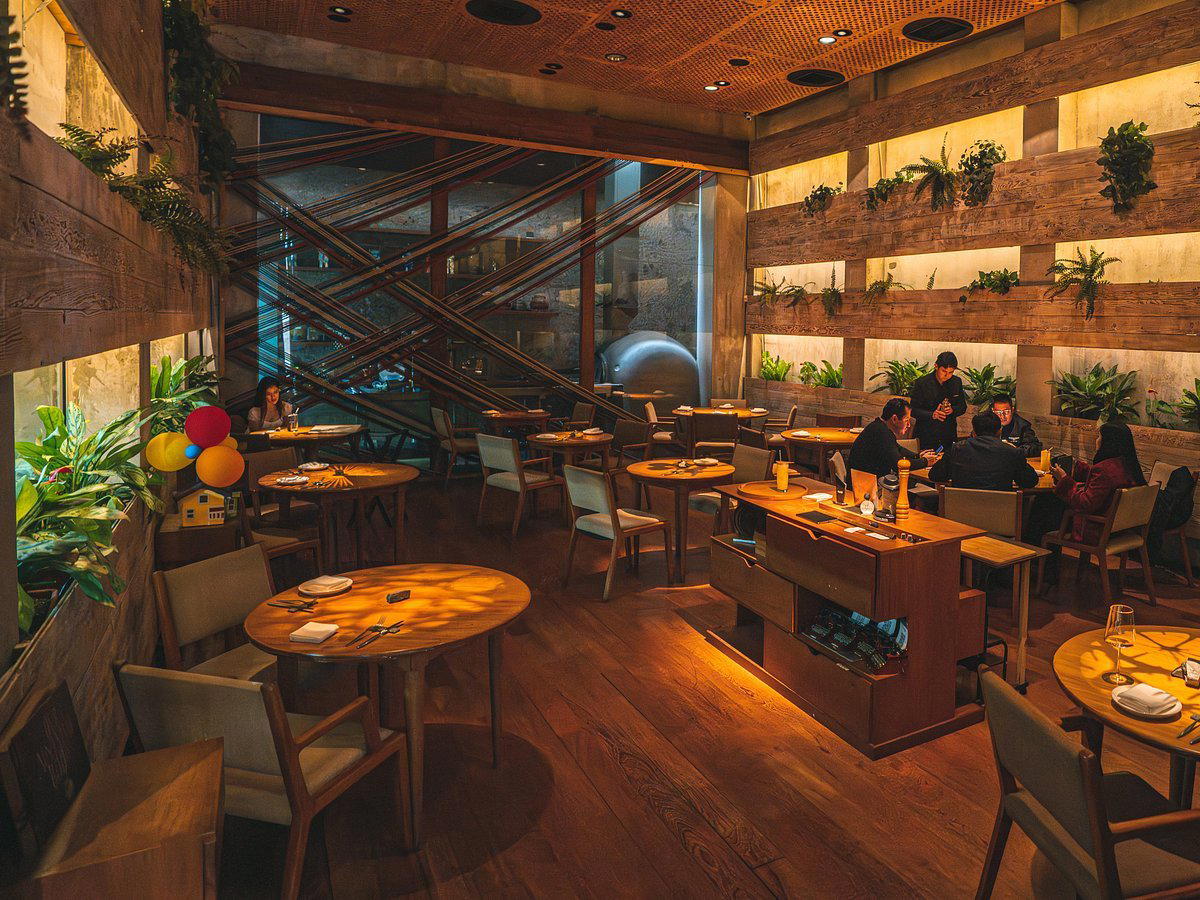
Captivating decor fusing Japanese and Peruvian influences with chill music and palo santo aroma.