Belo Bar sits on Malecón de la Reserva in Miraflores, placing it in Lima’s coastal drinking circuit rather than the colonial-centre hotel-bar tradition. Public venue data does not list awards, chef, price range, booking method, or signature drinks, so the useful read is contextual: use it as a Miraflores bar reference point within a city increasingly defined by serious back bars, pisco literacy, and destination cocktail rooms.

Pearl is the En Primeur Club membership app — saves, bookings, and concierge access live there. Same editors, same standards.
- Address
- Mal. de la Reserva 1035, Miraflores 15074, Peru
- Phone
- +51 1 6104000
- Hours
- Mon–Thu 10 AM–12 AMFri–Sat 10 AM–1 AMSun 10 AM–12 AM
- Website
- belmond.com
- Directions
- Get directions
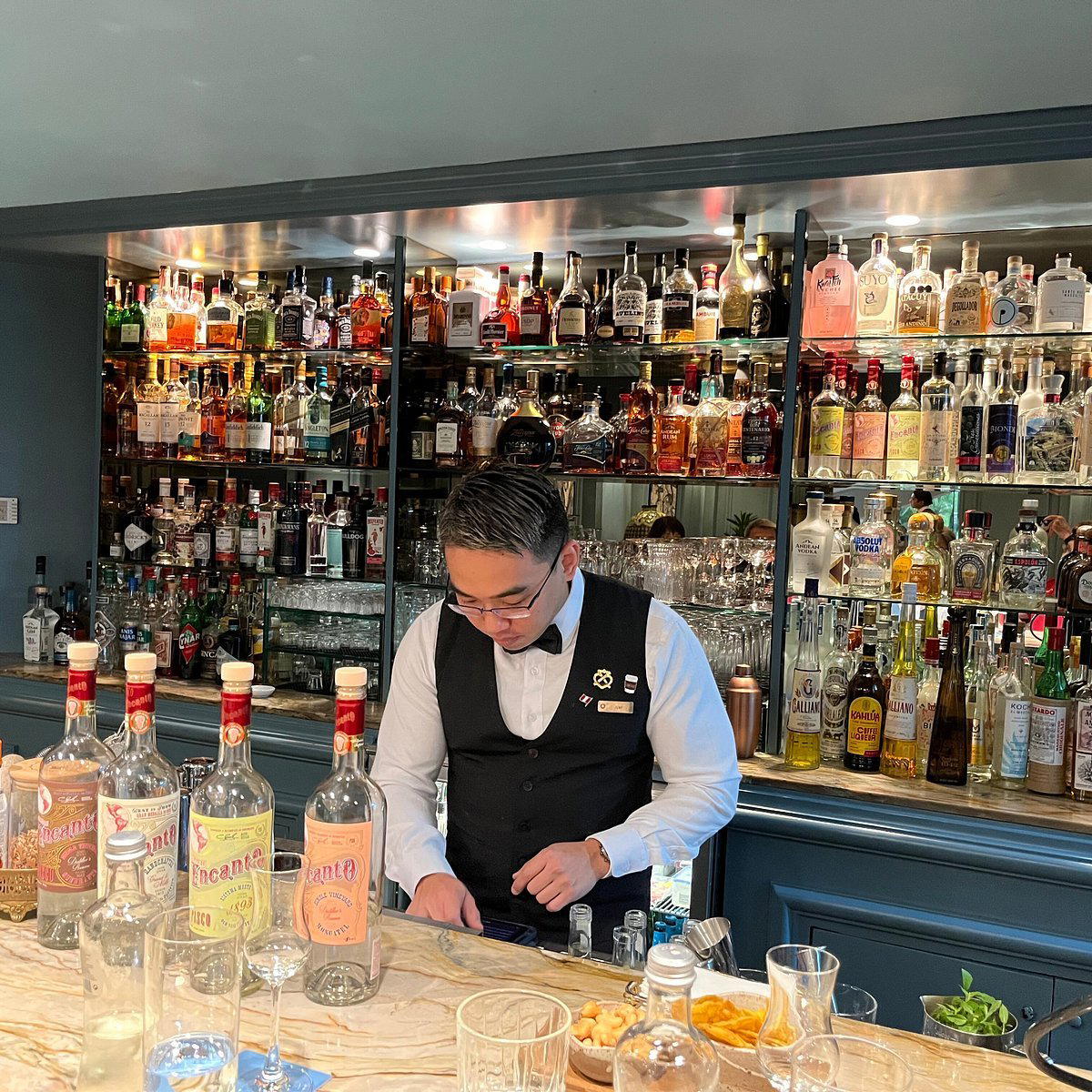
Miraflores, the Pacific edge, and Lima's bottle-led bar culture
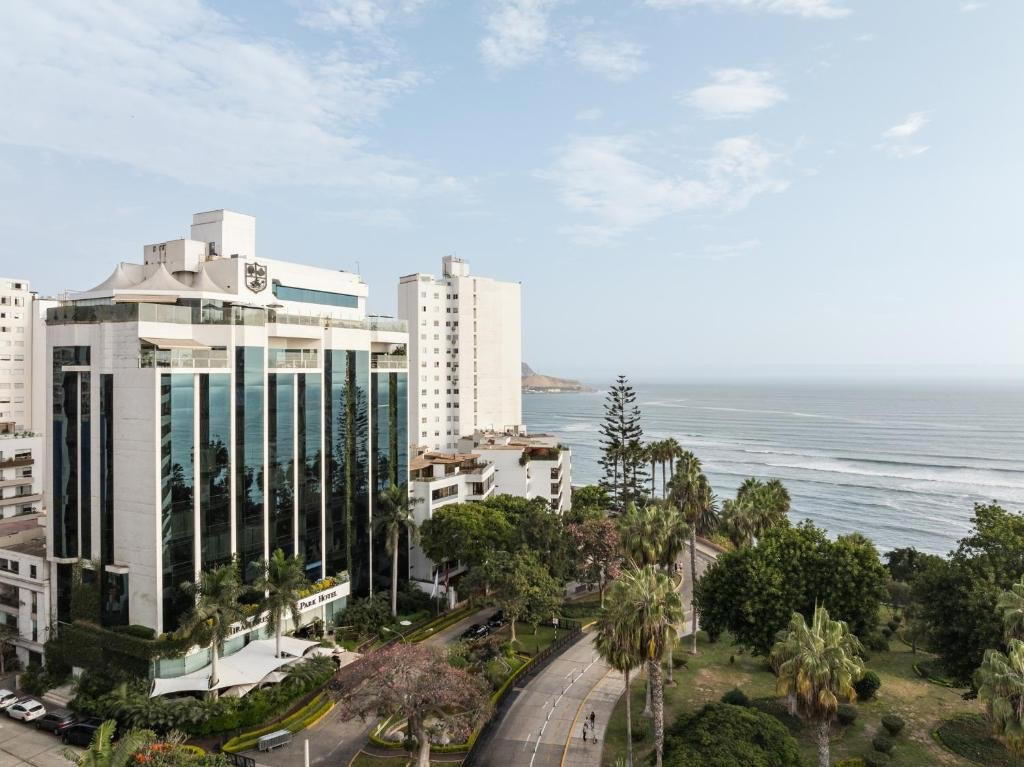
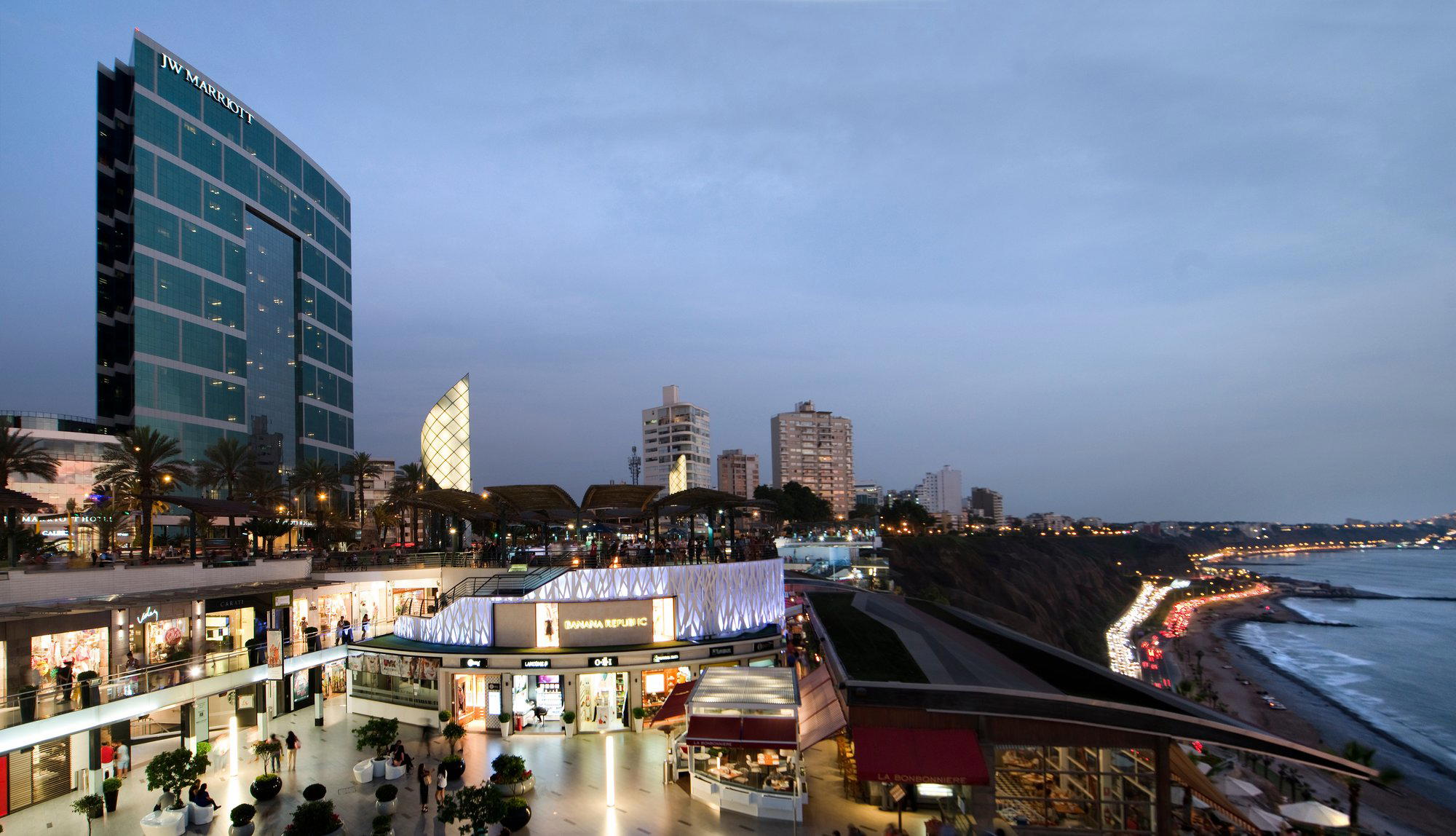
Approaching Malecón de la Reserva means entering Lima through its coastal frame: traffic running parallel to the cliffs, hotel lobbies and apartment towers facing the Pacific, and a dining public that treats Miraflores as a practical meeting ground between visitors, residents, and the city’s restaurant circuit. Belo Bar belongs to that geography. Its address at Mal. de la Reserva 1035 places it in Miraflores, a district where the bar decision is rarely only about a drink. It is about whether the night is built around the oceanfront, a restaurant reservation, a hotel stay, or a late stop after dinner.
Lima’s cocktail scene has changed from a pisco-sour shorthand into a more serious conversation about spirits, technique, and bar identity. The city has high-recognition cocktail rooms, hotel bars with old-world service codes, and restaurants whose bar programs have become destinations in their own right. In that context, a bar on the Miraflores waterfront competes for a different kind of attention than a basement speakeasy or a dining-room bar attached to a tasting menu. The question is not only what is shaken or stirred, but how deep the back bar runs, how confidently Peruvian spirits are handled, and whether the room can hold its own before or after a meal.
That absence matters editorially. It places the bar outside the award-led shorthand that now dominates travel planning, where readers often sort Lima by international rankings before they sort it by neighbourhood.
The spirits collection as the real test in modern Lima
Lima’s serious bars increasingly live or die by the shelf behind the counter. Pisco remains the national reference point, but the stronger programs now treat it as one part of a broader collection: grape-distillate styles from different valleys, aged rum, agave spirits, vermouths, bitters, liqueurs, and non-Peruvian bottles that allow a bartender to move between local identity and international cocktail grammar. A room with a meaningful spirits collection can explain Peru without trapping the guest in a single national drink.
That is the editorial lens for Belo Bar. The more useful way to read the venue is by asking how it fits into Miraflores’ wider spirits economy. Coastal Lima attracts a guest who may have already eaten ceviche at lunch, booked a tasting menu for dinner, or come from a hotel bar where the pisco sour is treated as a ritual. A bar in this location needs breadth: aperitif drinks for early evening, stronger spirit-forward pours later, and enough Peruvian reference points to avoid feeling interchangeable with any international lounge.
Across the city, the benchmark set is visible. Carnaval helped define Lima’s theatrical, technique-forward cocktail identity for international drinkers, while Lady Bee has sharpened the conversation around Peruvian ingredients and contemporary bar craft. Astrid y Gastón shows how restaurant heritage can give a bar program cultural weight, and Bar Inglés represents the older hotel-bar vocabulary of polished service, dark wood, and classic-drink continuity. Belo Bar sits in conversation with these models by geography rather than by published accolades. Its Miraflores address puts it close to the city’s visitor infrastructure, but the bar has to be judged on how it handles the collection behind the counter, not on borrowed prestige from the district.
Atmosphere before the first order
The first read of a Miraflores bar near the malecón is environmental. This part of Lima gives drinkers a specific rhythm: early-evening movement before dinner, sunset-adjacent foot traffic when the coastal weather cooperates, and a later crowd that often moves between hotels, restaurants, and bars without crossing the city. Atmosphere here is less about clandestine entrance theatre and more about whether the room can absorb that flow without feeling transient.
For readers planning a night around Belo Bar, the useful expectation is coastal urban rather than colonial or bohemian. Miraflores does not behave like Barranco, where art spaces, older houses, and late-night music give the district a looser texture. It also does not behave like Lima’s historic centre, where hotel bars and grand rooms carry a different social code. Miraflores is more efficient: safer-feeling for many visitors, easier to pair with dinner, and better suited to a night that needs clear logistics. That practicality is part of its appeal, especially when the drinking plan is attached to a reservation elsewhere.
The better critical frame is this: in a district with a large visitor audience, atmosphere should be assessed by the bar’s discipline. Does the space encourage a proper drink rather than a rushed stop? Does the staff steer guests through bottles and house serves with clarity? Does the bar carry enough depth to interest someone who already knows the difference between a simple sour and a more precise pisco program? Those are the questions that separate a useful Miraflores bar from a generic address with a view nearby.
What the absence of awards does, and does not, tell you
That should not be inflated into a negative judgment. Lima’s bar culture contains two overlapping systems: the visible international-ranking circuit and the practical city circuit used by people who make decisions by neighbourhood, hotel proximity, and the structure of the evening. Award recognition can be a strong trust signal, but its absence does not mean a bar is irrelevant. It means the reader should avoid treating the venue as a trophy booking and instead evaluate it by fit.
This distinction matters in Lima because the city’s global reputation was built first through restaurants and then extended into bars. Many visitors arrive with dining plans already fixed, then choose drinks around geography. That makes Miraflores valuable. A bar on Malecón de la Reserva can function as a pre-dinner anchor, a post-dinner decompression point, or a controlled first stop for travellers who do not want to cross districts late at night. Those are logistical strengths, not award claims.
Comparatively, award-led rooms often ask guests to accept higher friction: tighter booking windows, more rigid formats, or menus designed as performances. A neighbourhood-facing bar in a premium district has a different job. It needs to be legible, consistent, and sufficiently stocked to satisfy guests who care about spirits but may not want a multi-course cocktail format.
How to place it within a Lima night
Lima is a city where dinner can dominate the itinerary. The capital’s restaurants have trained visitors to plan weeks ahead, build nights around tasting menus, and think seriously about neighbourhood sequence. A bar choice should therefore solve a timing problem. Miraflores works well when the evening needs fewer transfers, especially for travellers staying near the coast or eating within the district. Belo Bar’s listed address gives it that advantage: it can be folded into a Miraflores plan without turning the night into a cross-city exercise.
For a broader dining map, Our full Lima restaurants guide is the better starting point, because the city’s restaurant geography affects where drinks make sense. Hotels matter as well. Readers staying in Miraflores, San Isidro, or Barranco will experience the bar scene differently depending on transfer times and late-night comfort; Our full Lima hotels guide helps place those decisions. For a wider drinking itinerary, Our full Lima bars guide gives the necessary comparison set rather than treating any single room as the whole story.
The city’s broader hospitality categories also shape expectations. Wine travellers should look beyond the cocktail bar frame through Our full Lima wineries guide, while visitors building a cultural schedule around food, markets, museums, and private formats should use Our full Lima experiences guide. Belo Bar makes the most sense when treated as one component in that larger grid: a Miraflores bar address useful for a spirits-led stop, not a substitute for understanding Lima’s full drinking and dining structure.
Peru's drinking grammar: pisco, classics, and the back bar
Any serious Lima bar exists under the shadow of pisco. That does not mean every good order has to be a pisco sour, and it certainly does not mean the national drink should be handled as tourist shorthand. The stronger Peruvian programs tend to respect pisco as a category with variation: grape variety, valley, production style, and texture all matter. A bar with a thoughtful collection can make that variation visible, while a weaker program reduces it to a single sweet-acid-foam template.
The second layer is international technique. Lima drinkers, like cocktail drinkers in Miami, Seattle, New York, and Mexico City, now expect a bar to move between classics and house drinks without losing precision. For comparison outside Peru, Café La Trova in Miami shows how a bar can organize itself around cultural memory and live hospitality, while Happy Accidents in Albuquerque reflects a more experimental American model where format and play carry the room. Roquette in Seattle offers another useful counterpoint: a bar can build authority through a serious bottle program without needing theatrical excess.
That comparison clarifies what to look for at Belo Bar. The question is not whether the bar imitates Lima’s award-recognized rooms or an American craft-cocktail template. The question is whether the spirits collection has a point of view. A serious back bar should make ordering easier, not harder. It should give guests a reason to choose a Peruvian spirit, a classic cocktail, or a neat pour with equal confidence. The editorial standard is category intelligence: range, condition, and guidance.
Planning notes for Belo Bar
The confirmed practical information is limited but useful. Belo Bar is listed at Mal. de la Reserva 1035, Miraflores 15074, Peru. That means planning should be conservative: verify current hours through a reliable live source before crossing the city, avoid assuming walk-in availability at peak evening times, and treat the address as the primary fixed detail. In Lima, Thursday through Saturday nights generally create more pressure across popular bar districts, so earlier timing is the safer strategy when no booking channel is documented.
Price should also be handled carefully. The record does not list a range, and Miraflores contains everything from casual bars to premium hotel lounges. Readers should not infer cost from the neighbourhood alone. The same caution applies to dress. Coastal Miraflores tends to reward smart-casual choices because nights often move between restaurants, hotels, and bars, but no formal dress code is listed for the venue. For a spirits-focused stop, the practical move is to arrive with enough time to speak to the bar rather than ordering in haste. A back bar only matters if the guest gives the staff room to guide the first round.
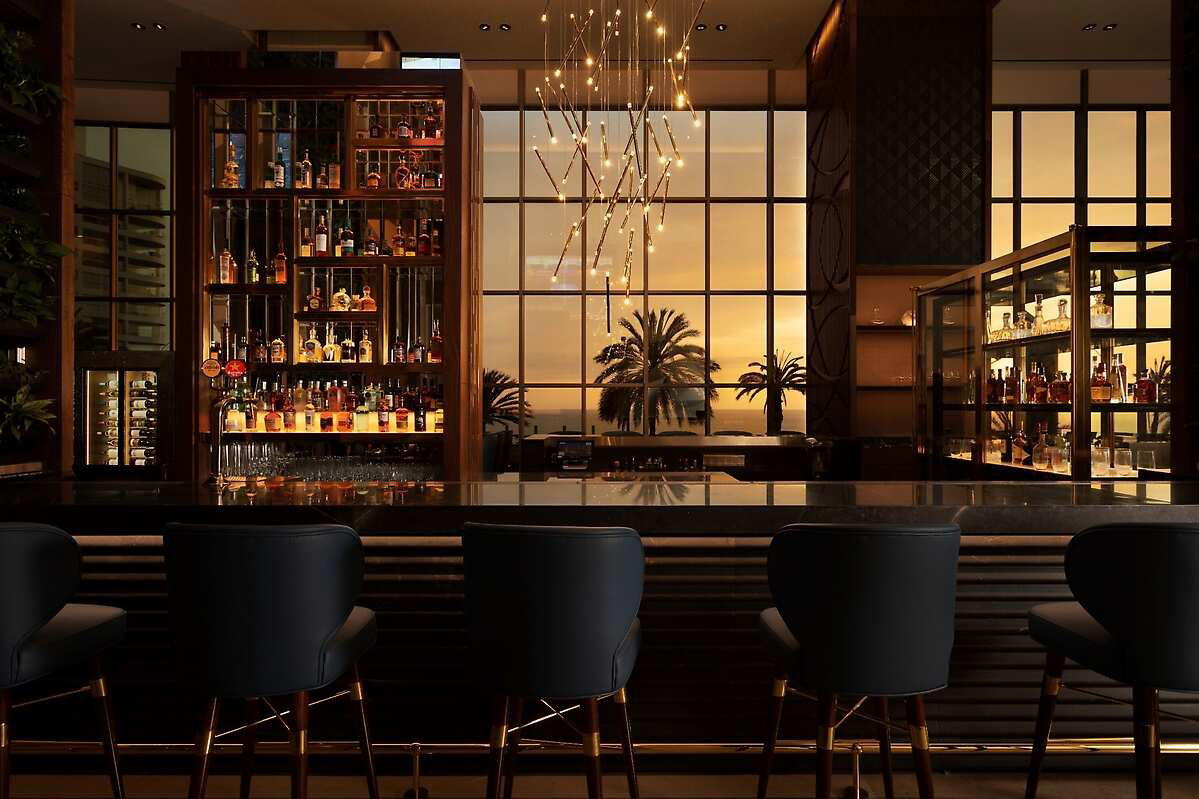
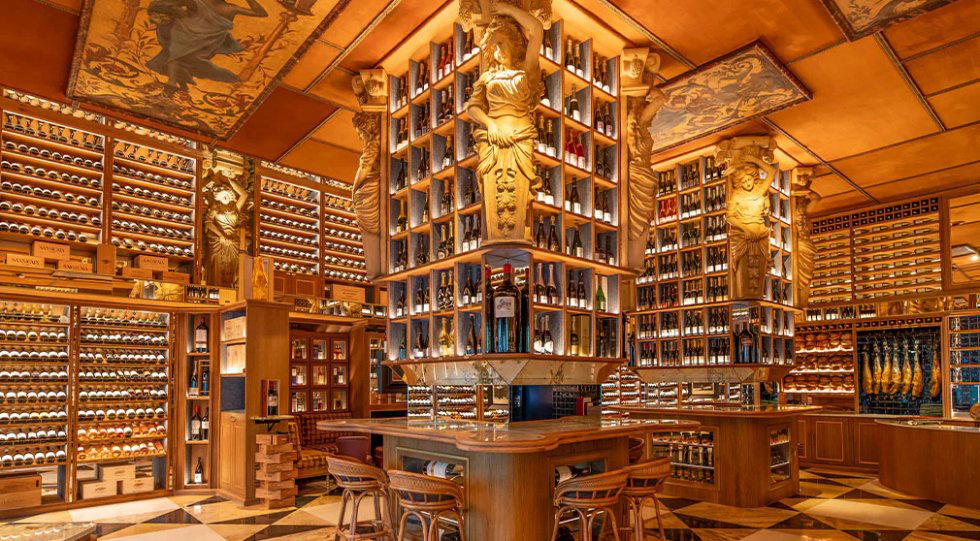
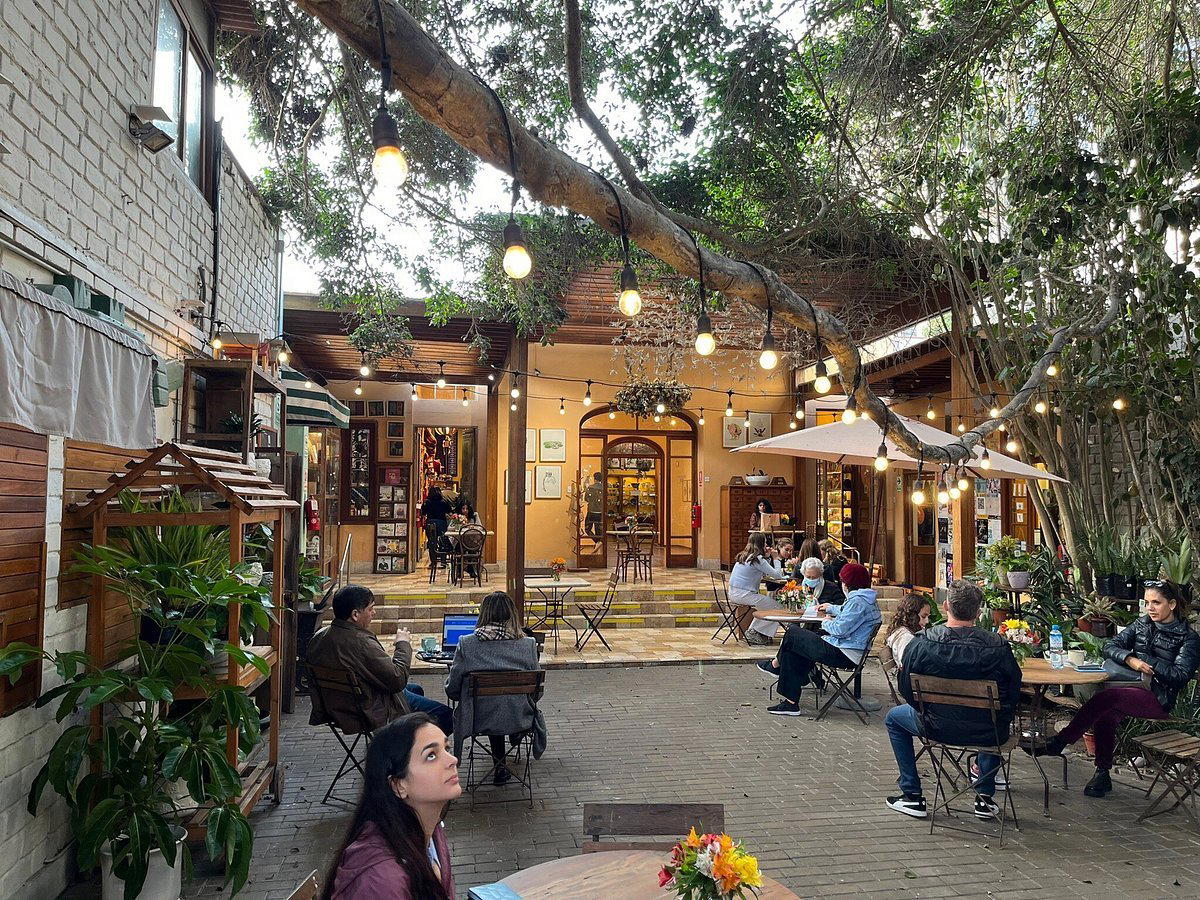
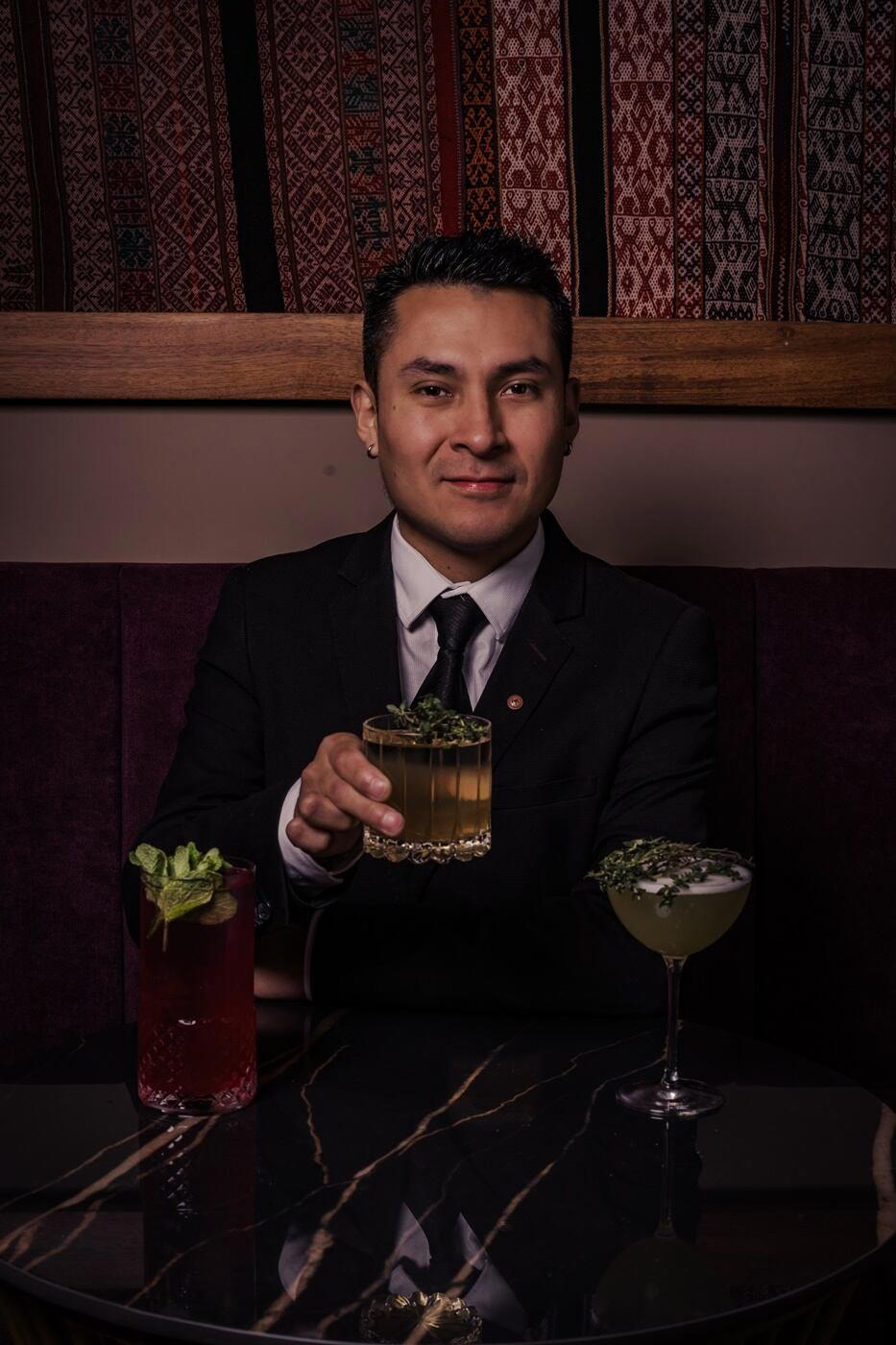
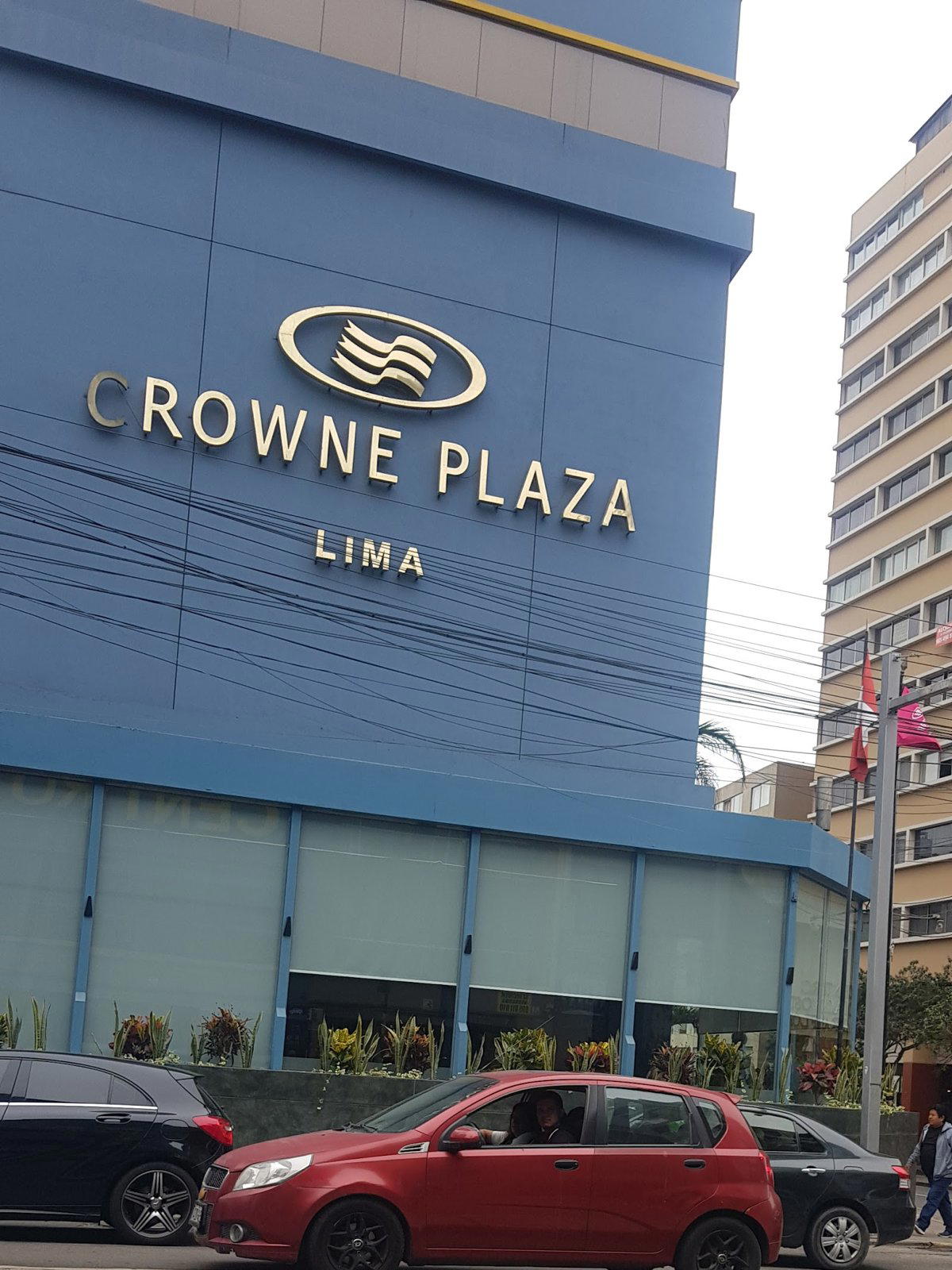
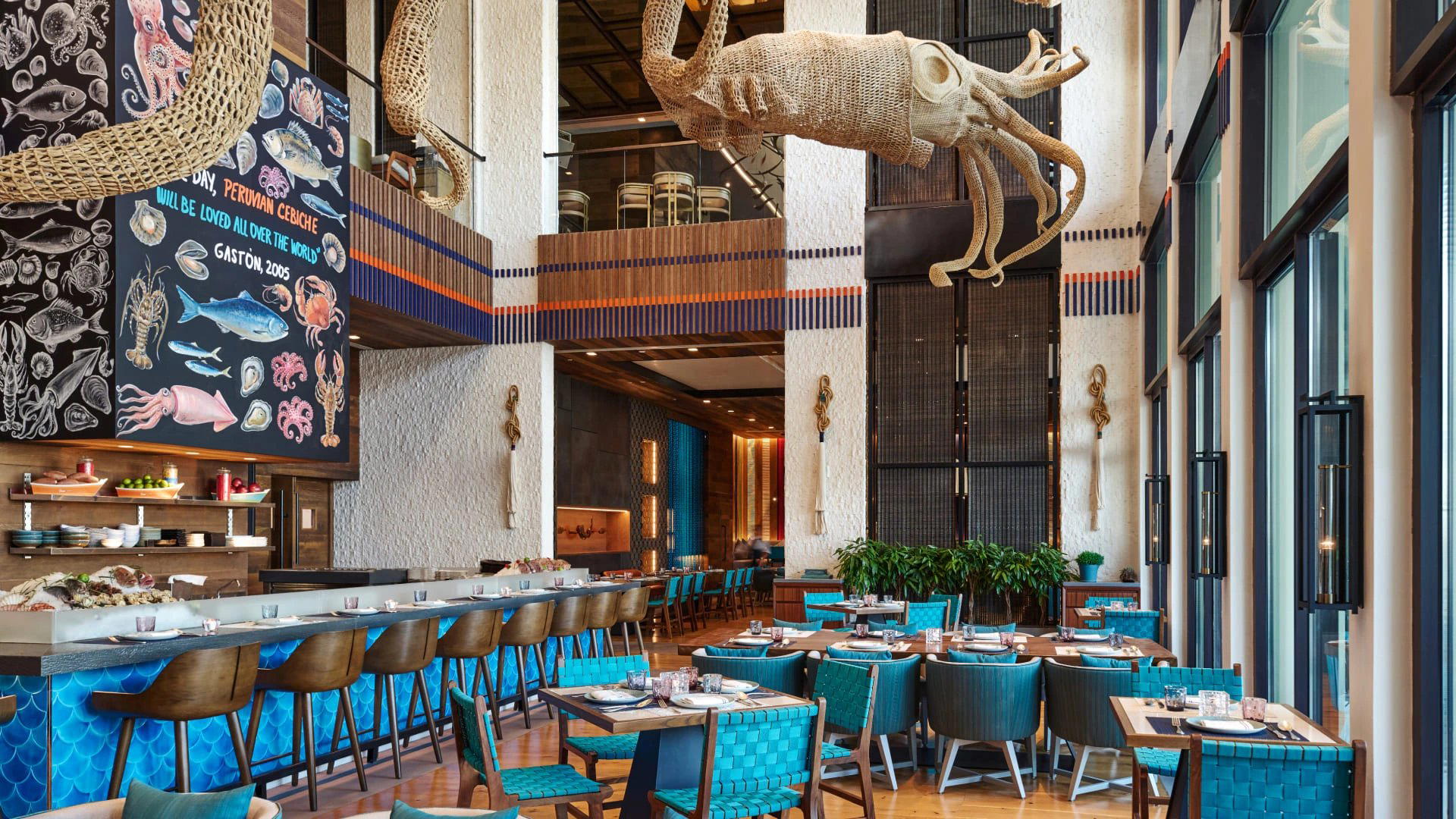
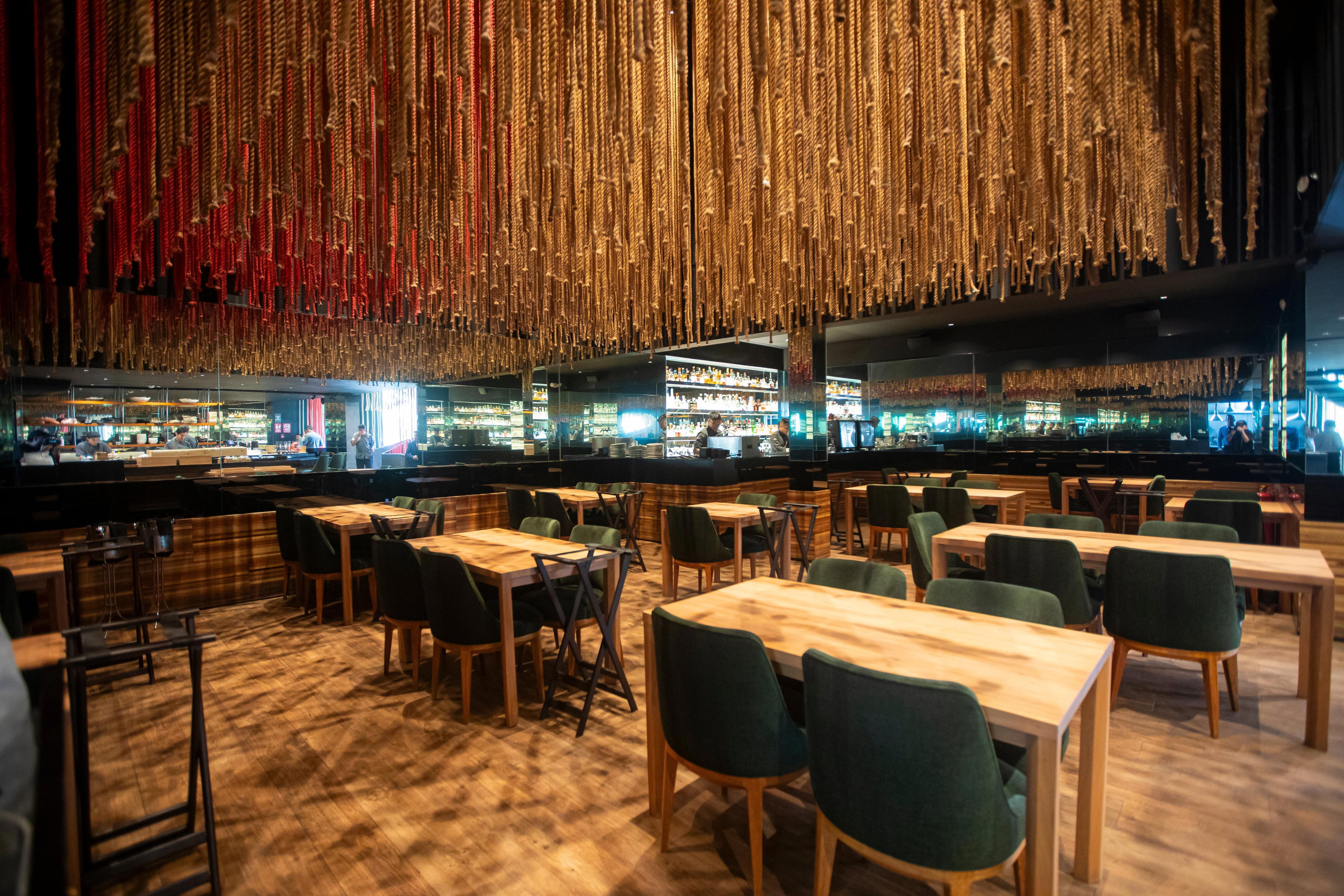
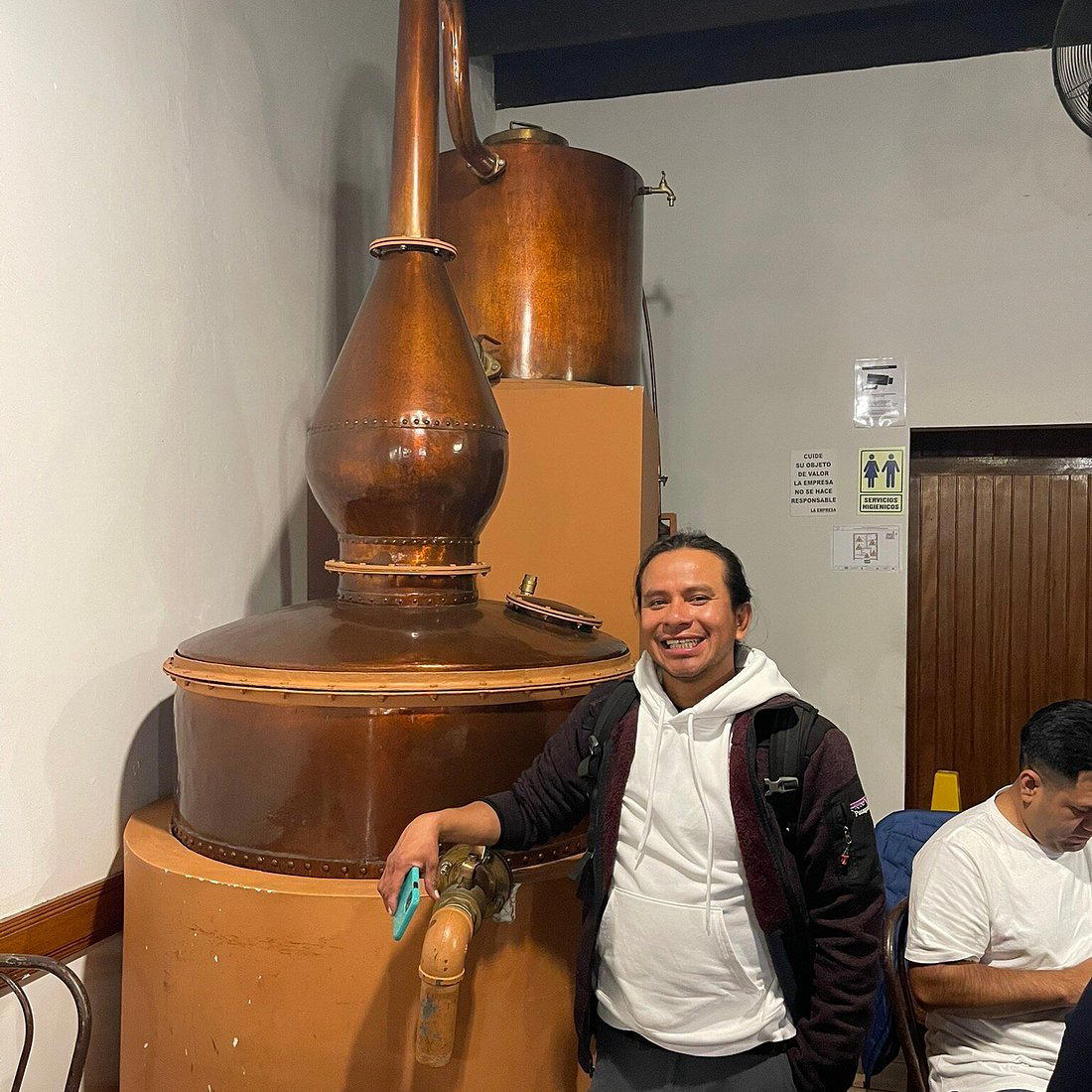
Belo Bar
The drinks
- Craft cocktails
- Classic cocktails
- Tequila
Signature drinks: Pisco Sour.
Details
- Elegant
- Sophisticated
- Romantic
- Modern
- Scenic
- Intimate
- Date Night
- After Work
- Late Night
- Group Outing
- Special Occasion
- Casual Hangout
- Hotel Bar
- Terrace
- Design Destination
- Seated Bar
- Lounge Seating
- Outdoor Terrace
- Classic Cocktails
- Craft Cocktails
- Tequila
- Whiskey
- Low Abv
- Waterfront
- Skyline
Current opening hours
- Monday
- 10 AM–12 AM
- Tuesday
- 10 AM–12 AM
- Wednesday
- 10 AM–12 AM
- Thursday
- 10 AM–12 AM
- Friday
- 10 AM–1 AM
- Saturday
- 10 AM–1 AM
- Sunday
- 10 AM–12 AM
Hours can change for holidays and private events. Last verified .
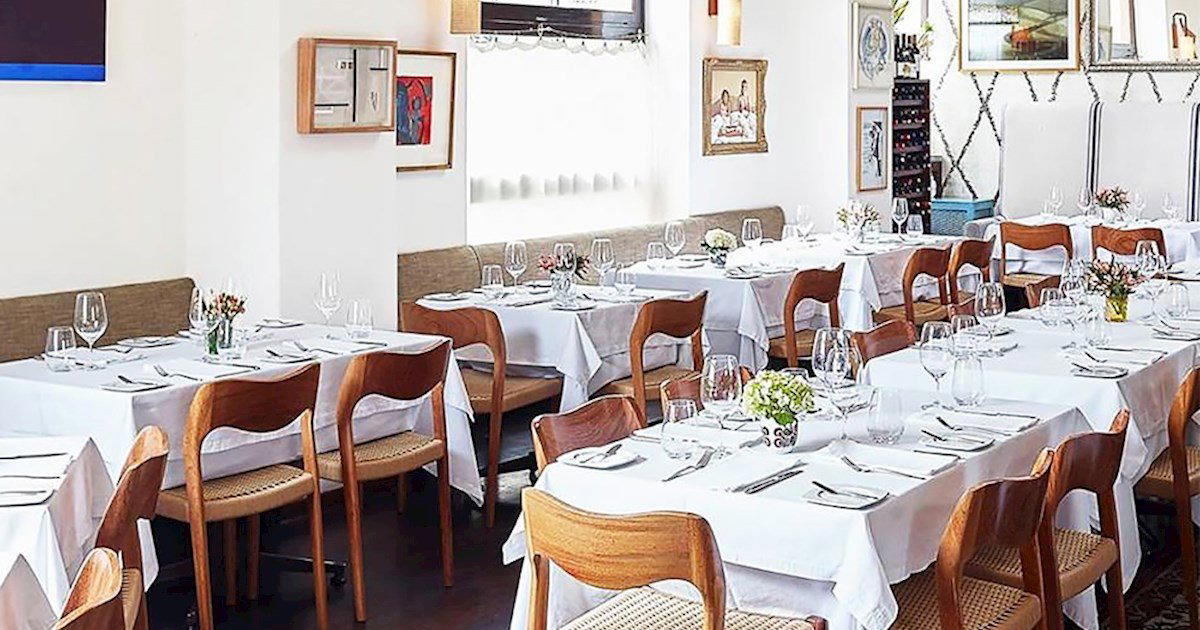
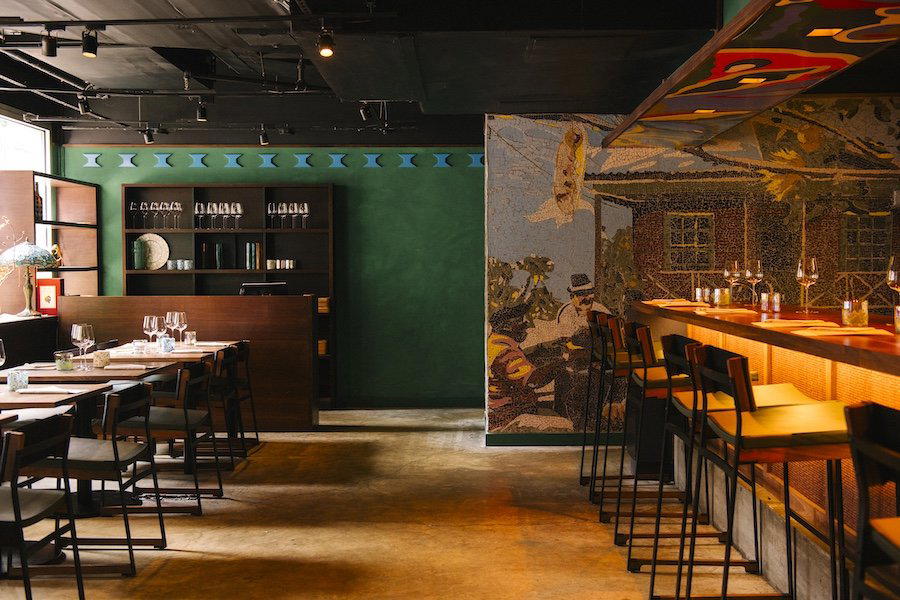
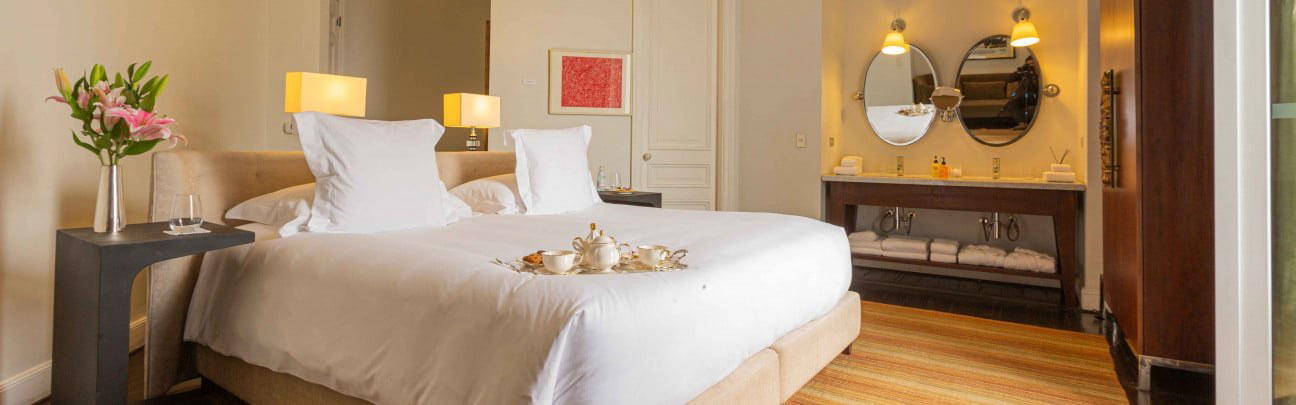
Subtle lighting, turquoise wood paneling and low tables create an intimate, refined lounge feel, complemented by live music on select nights and a lively yet relaxed hotel-bar buzz.