On Av. Dos de Mayo in Lima, Restaurante Chez Philippe occupies a corner of the city where French culinary tradition meets the depth of Peru's indigenous pantry. The address places it within reach of San Isidro's established dining circuit, situating it in a conversation about how European technique has long shaped Lima's restaurant culture from the inside out.
- Address
- Av. Dos de Mayo 748, Lima 15073, Peru
- Directions
- Get directions
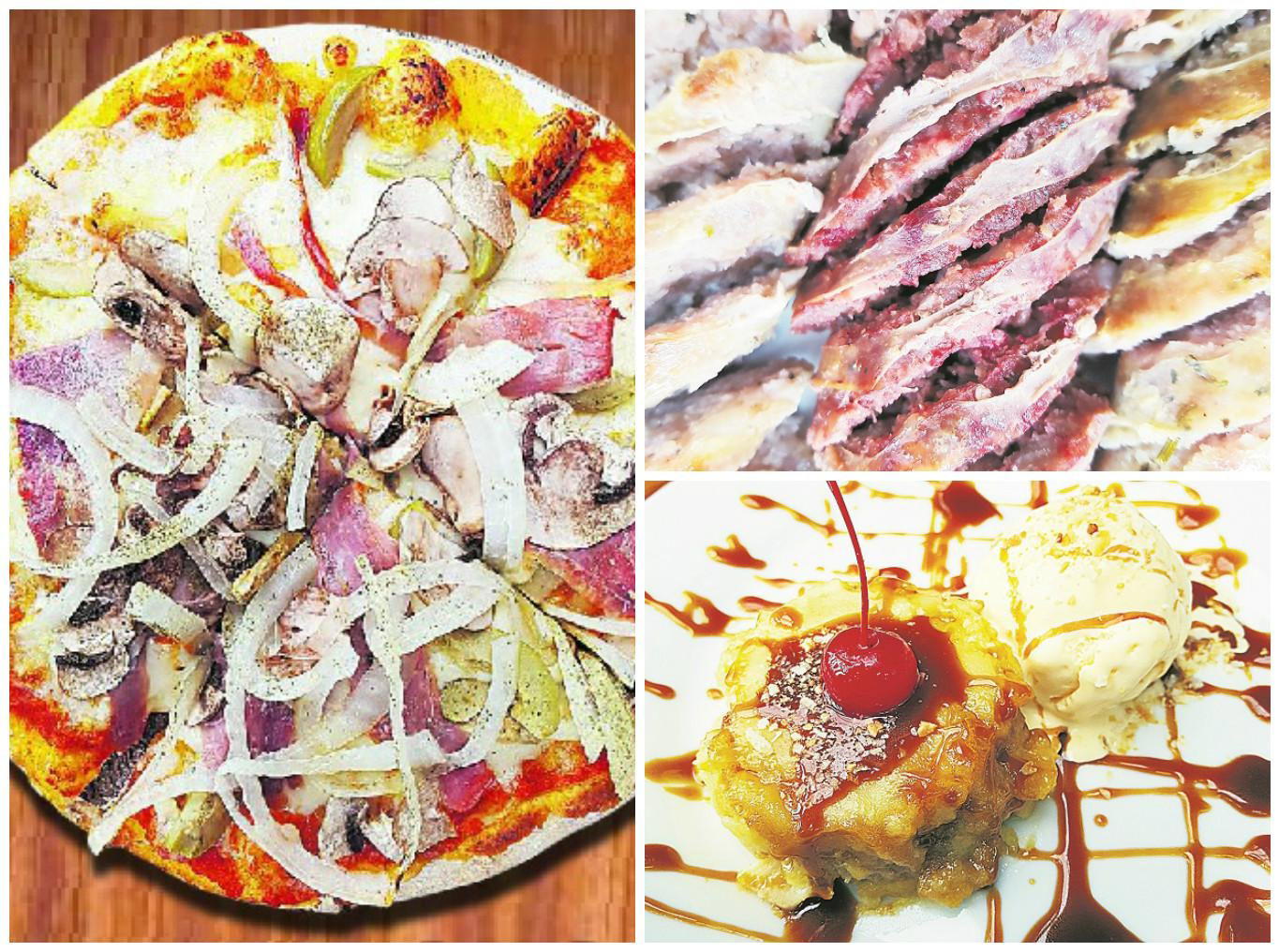
Where French Method Meets the Andean Pantry
Lima has spent decades absorbing European culinary grammar while quietly insisting on its own vocabulary. The city's French-inflected restaurants represent one chapter in that story. Restaurante Chez Philippe, located at Av. Dos de Mayo 748 in the San Isidro corridor, sits within that tradition. The address places it in San Isidro.
San Isidro's residential streets buffer the noise of the wider city, and the transition from the boulevard to a restaurant entrance here carries the kind of quiet authority that Miraflores' more commercial strip rarely achieves. You arrive expecting a certain formality, and Lima's French-coded rooms have historically delivered it, though strong examples among them have long since dropped the Gallic stiffness in favour of something warmer and more Limeño in spirit.
The Technique-and-Terroir Argument Lima Has Been Having for Decades
To understand where Chez Philippe fits, it helps to understand the arc of Lima's broader restaurant development. The city's first generation of fine dining was largely European in orientation, with French cuisine at the summit of the hierarchy. That changed dramatically over the past twenty-five years as chefs trained at the classical level began redirecting their technique toward Peruvian ingredients. Restaurants like Astrid & Gastón (Modern Peruvian) and later Central (Progressive Peruvian) formalised that reorientation, turning altitude, ecosystem, and indigenous crop diversity into the primary subject of serious cooking. Kjolle (Modern Peruvian) extended this work with a focus on heritage ingredients from across Peru's distinct ecological zones.
French-named establishments in Lima now occupy a specific cultural position within that trajectory: they are either places where European form still dominates, or places where French training has been absorbed into a distinctly Peruvian output. One interesting version of this story is the latter. Peru's native potato varieties alone run to over three thousand cultivars; its coastal ceviche tradition, Andean grain culture, and Amazonian botanical depth give any technically fluent kitchen more raw material than most European cuisines can claim in total. When French preparation discipline is applied to this pantry, the results tend to be more interesting than either tradition would produce independently.
The same logic applies across Lima's current dining conversation. Maido (Nikkei) demonstrates how a non-European technique tradition, in that case Japanese, can absorb Peruvian ingredients with equal authority. The comparison is worth making because it clarifies what technique-import actually produces when the ingredient base is strong enough to redirect it. Lima's dining scene has become one of the few in the world where the local pantry consistently wins the argument over the imported method. See our full Lima restaurants guide for a broader map of where that conversation is happening right now.
Seasonal Timing and the Lima Dining Calendar
Lima's coastal climate, defined by the garúa fog season running roughly April through November, shapes the city's dining rhythms in ways visitors often underestimate. The summer months, December through March, bring brighter produce from the highlands and coast alike, and restaurants operating with any seasonal awareness adjust accordingly. For a French-tradition kitchen working with Peruvian ingredients, this matters: the sweetness of coastal tomatoes, the availability of specific Andean tubers, and the quality of Pacific catch all shift across the year in ways that influence what a technically precise kitchen will put on the plate. Arriving in Lima during the shoulder months of November or March catches a useful transition, when both the summer produce and the cooler-season staples overlap.
San Isidro's established rooms, particularly those with a longer local reputation, tend to fill on Thursday through Saturday evenings from local clientele who treat them as regular fixtures rather than special-occasion destinations. That regularity means tables at the popular services are not always available on short notice, regardless of a venue's public profile.
The Wider Peru Context
Lima is the obvious entry point into Peru's serious restaurant culture, but the country's ingredient geography extends the conversation well beyond the capital. Mil Centro in Moray operates at altitude in the Sacred Valley with an explicit focus on Andean ecosystem ingredients. Further afield, El Rey in Oxapampa and Mapacho Craft Beer Restaurant in Urubamba represent the provincial end of Peru's emerging food culture. The Amazon dimension is covered at the other extreme by operations like Delfin Amazon Cruises in Iquitos and Delfin I dining room in Nauta. Each of these positions makes clear that Lima's French-technique tradition, however refined, is drawing from a pantry that begins at sea level and extends to over four thousand metres of Andean elevation.
Within Lima itself, the San Isidro and Miraflores corridor hosts the densest concentration of technique-driven cooking. Osaka Nikkei in San Isidro and Costanera 700 in Miraflores represent parallel tradition lines to the French-inflected rooms. Internationally, the argument about classical European technique applied to local product finds parallels at places like Le Bernardin in New York City, where French seafood discipline operates at a level that clarifies what formal training can produce when applied with precision, and at Lazy Bear in San Francisco, which applies technique rigor to a different regional pantry. Cirqa in Arequipa extends this comparison into Peru's second culinary city, where a distinct regional ingredient tradition produces a different version of the same conversation.
Planning Your Visit
Restaurante Chez Philippe is located at Av. Dos de Mayo 748, Lima 15073, in San Isidro. Reservations are recommended. Dress expectations in this part of Lima's restaurant scene tend toward smart casual as a baseline, with the more formal end of the local clientele erring toward business attire on weekday evenings.
Same-City Peers
Comparable venues nearby, for context on price, style, and recognition.
| Venue | Cuisine | Price | Notes |
|---|---|---|---|
| Restaurante Chez PhilippeThis venue — the venue you are viewing | French Bistro with Pizza | $$$ | Not listed |
| El Restaurant | Modern Peruvian Seafood | $$$ | Lima |
| Bar de Ocho Asientos by Marco Palma | other | Not listed | Lima |
| Siete | Modern Peruvian-Mediterranean Fusion | $$ | Barranco |
| Matsuei | Nikkei Japanese | $$$ | Miraflores |
| La Perlita | Contemporary Peruvian seafood tavern (criolla de mar) | $$$ | Barranco |
Continue exploring
More in Lima
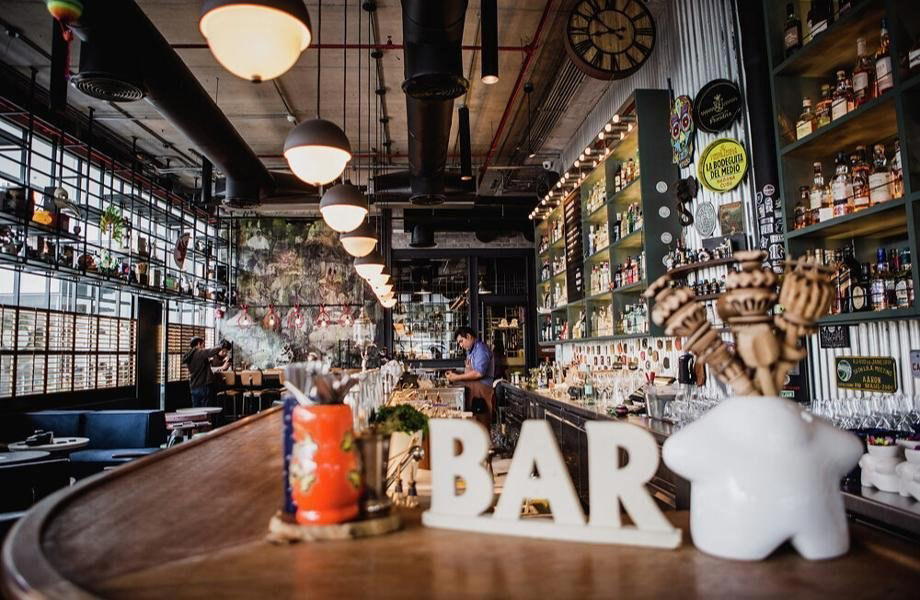
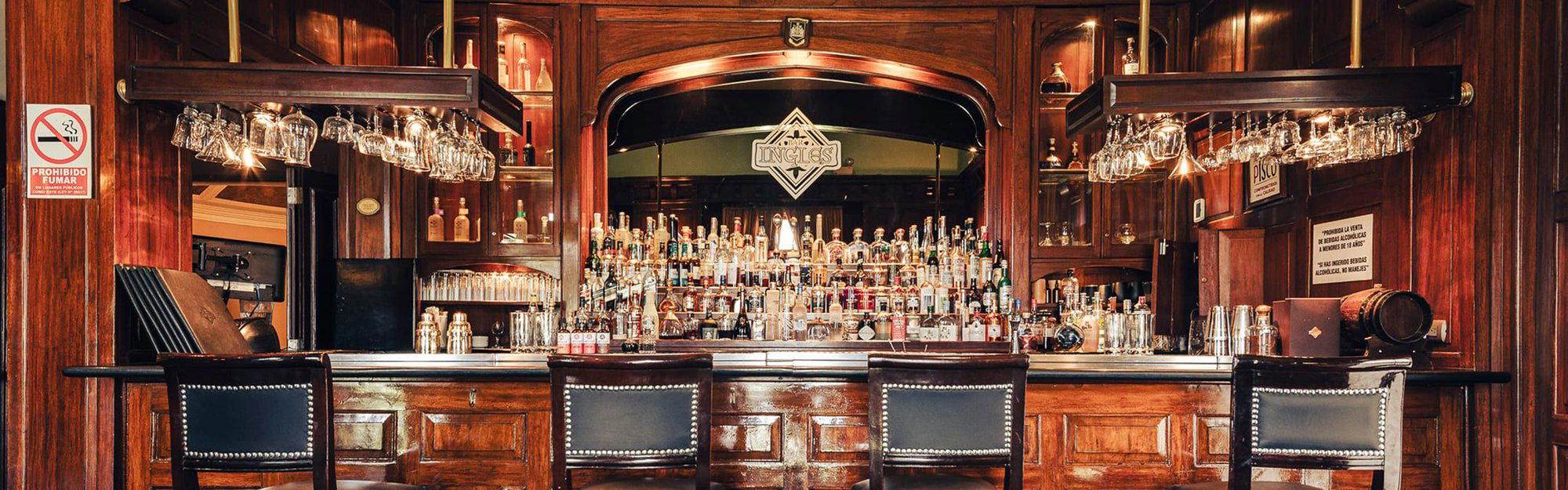
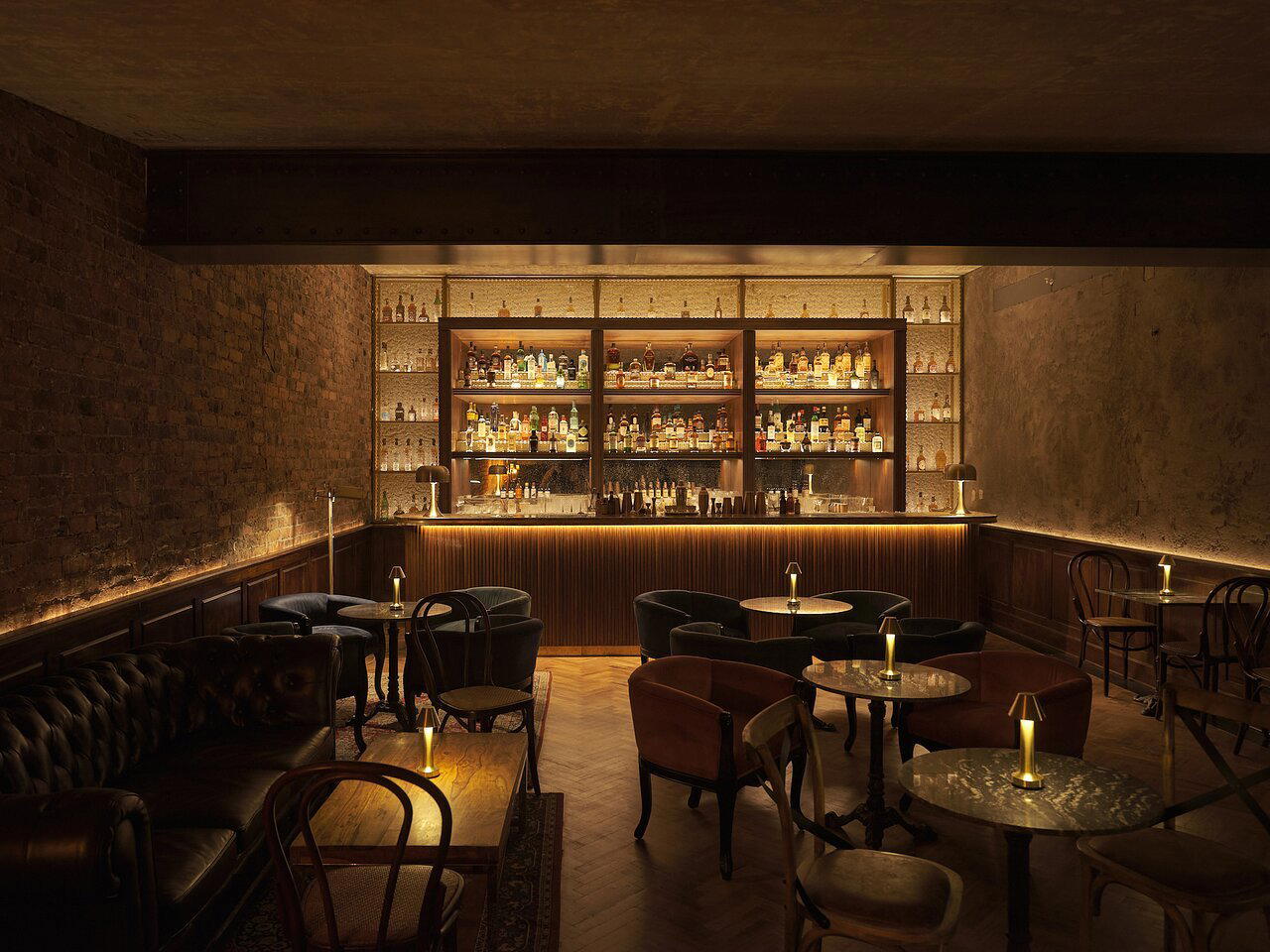
Bars in Lima
Browse all →
Hotels in Lima
Browse all →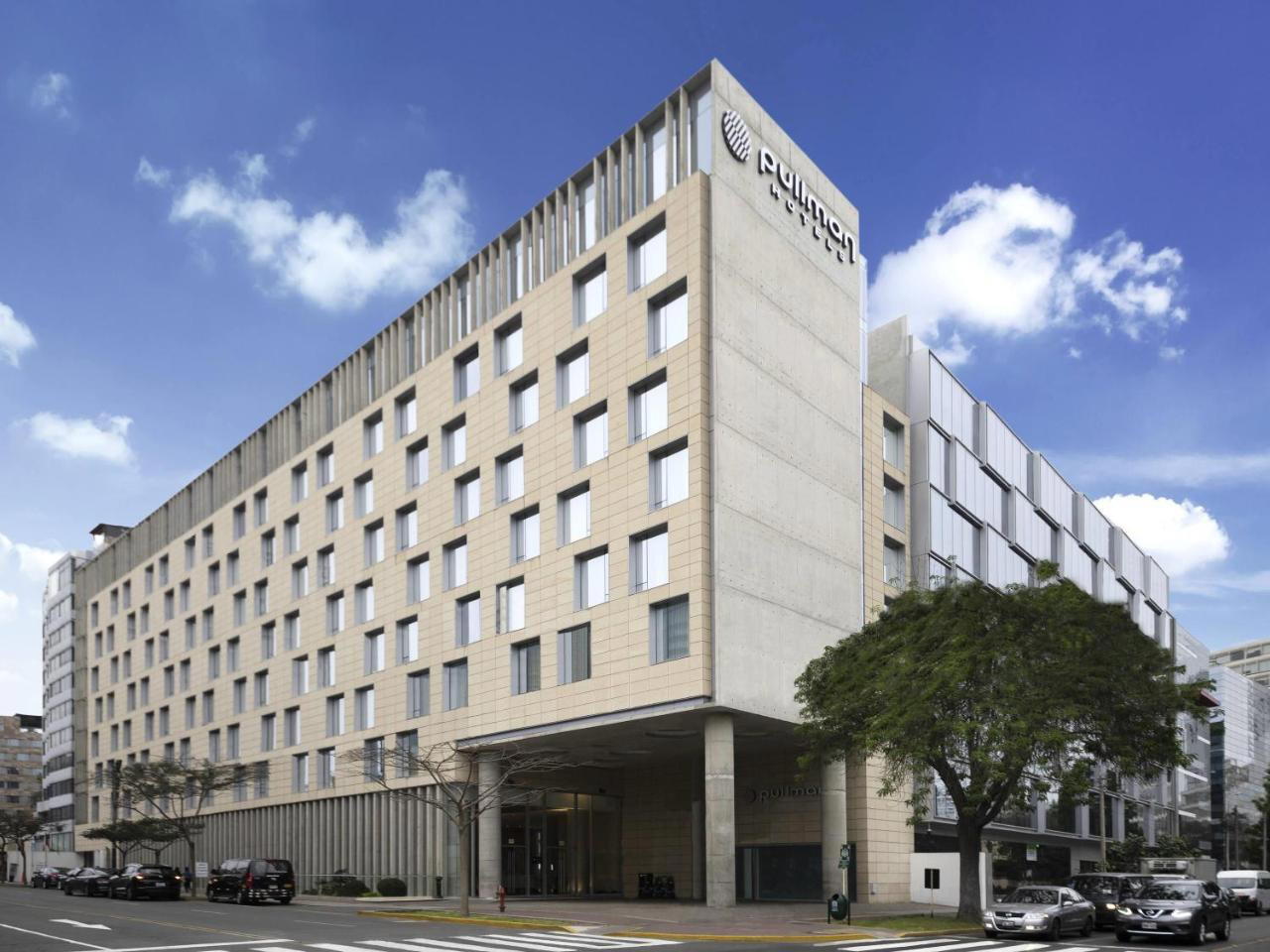
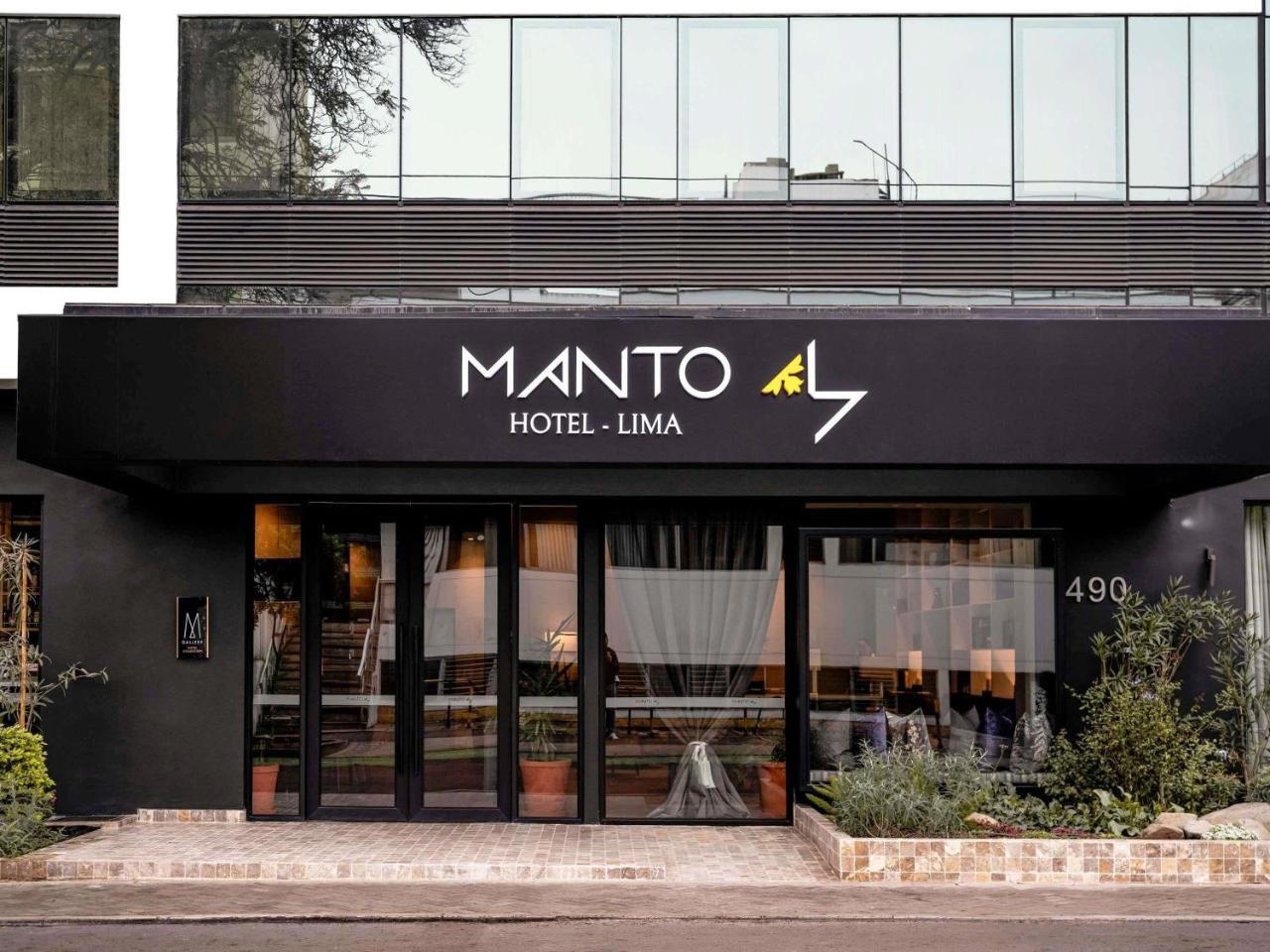
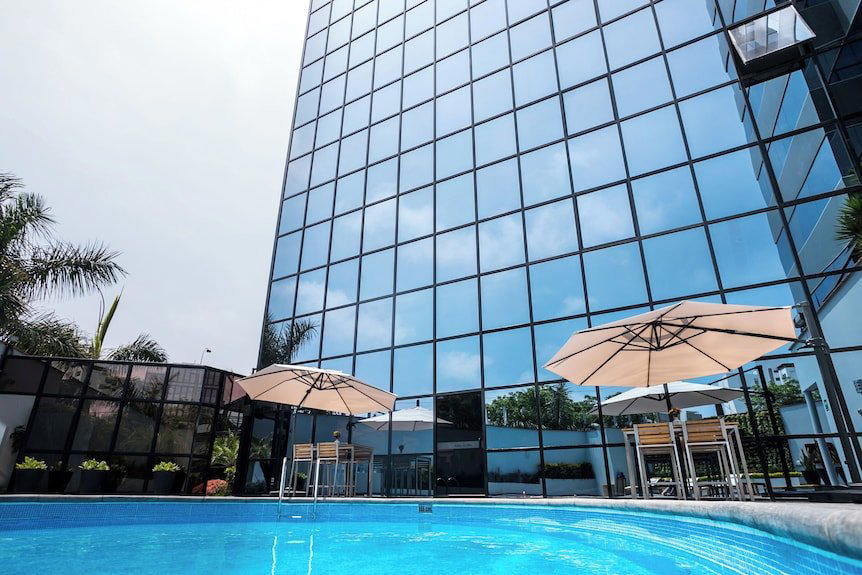
Wineries in Lima
Browse all →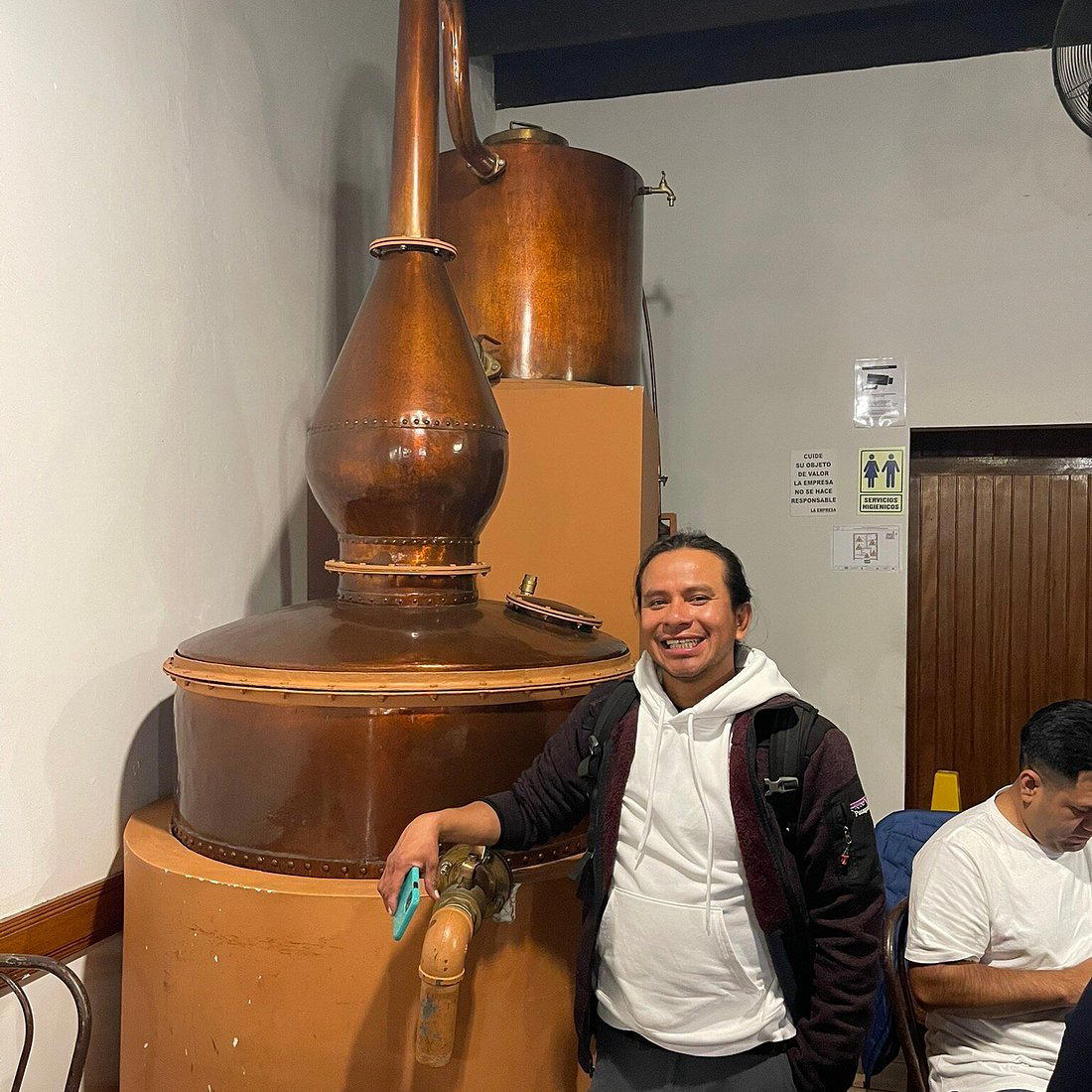
At a Glance
- Romantic
- Cozy
- Elegant
- Date Night
- Special Occasion
- Standalone
- Beer Program
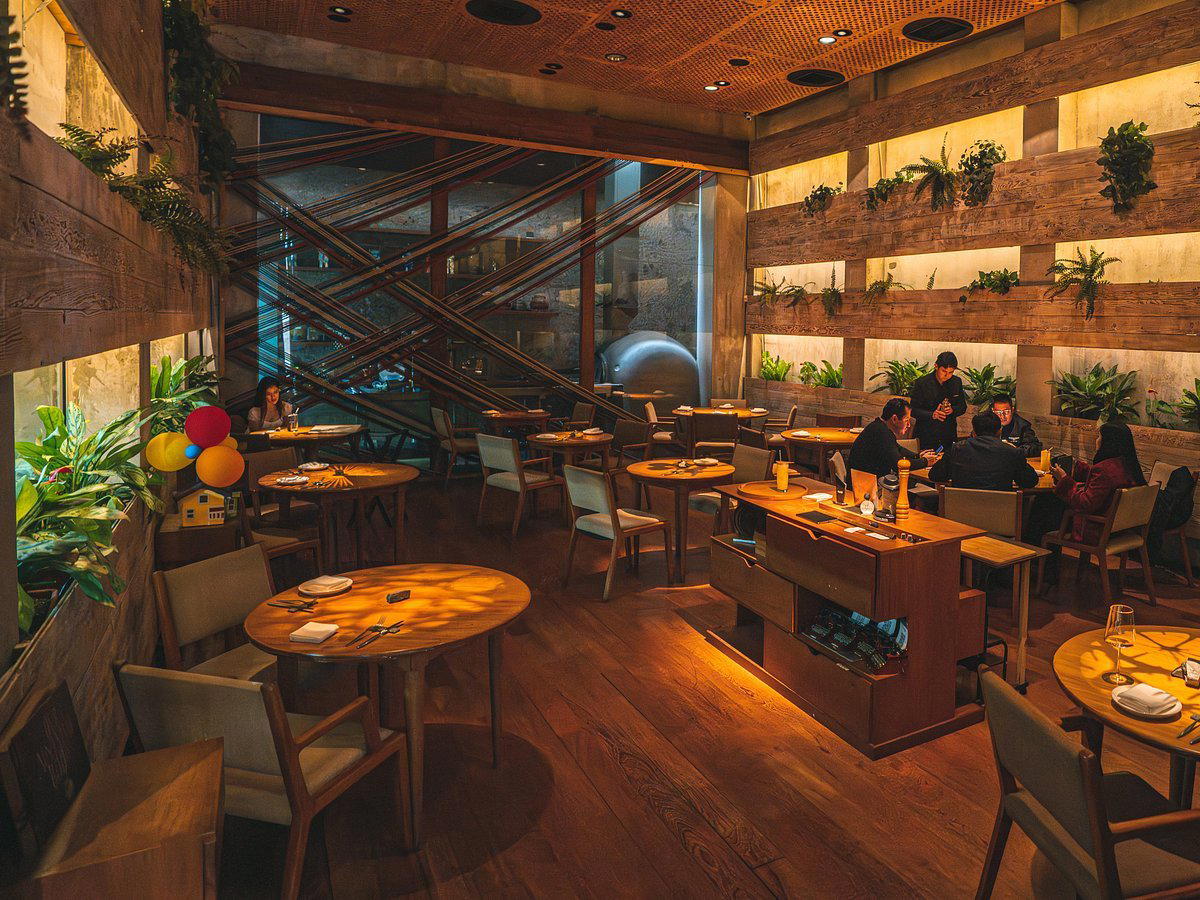
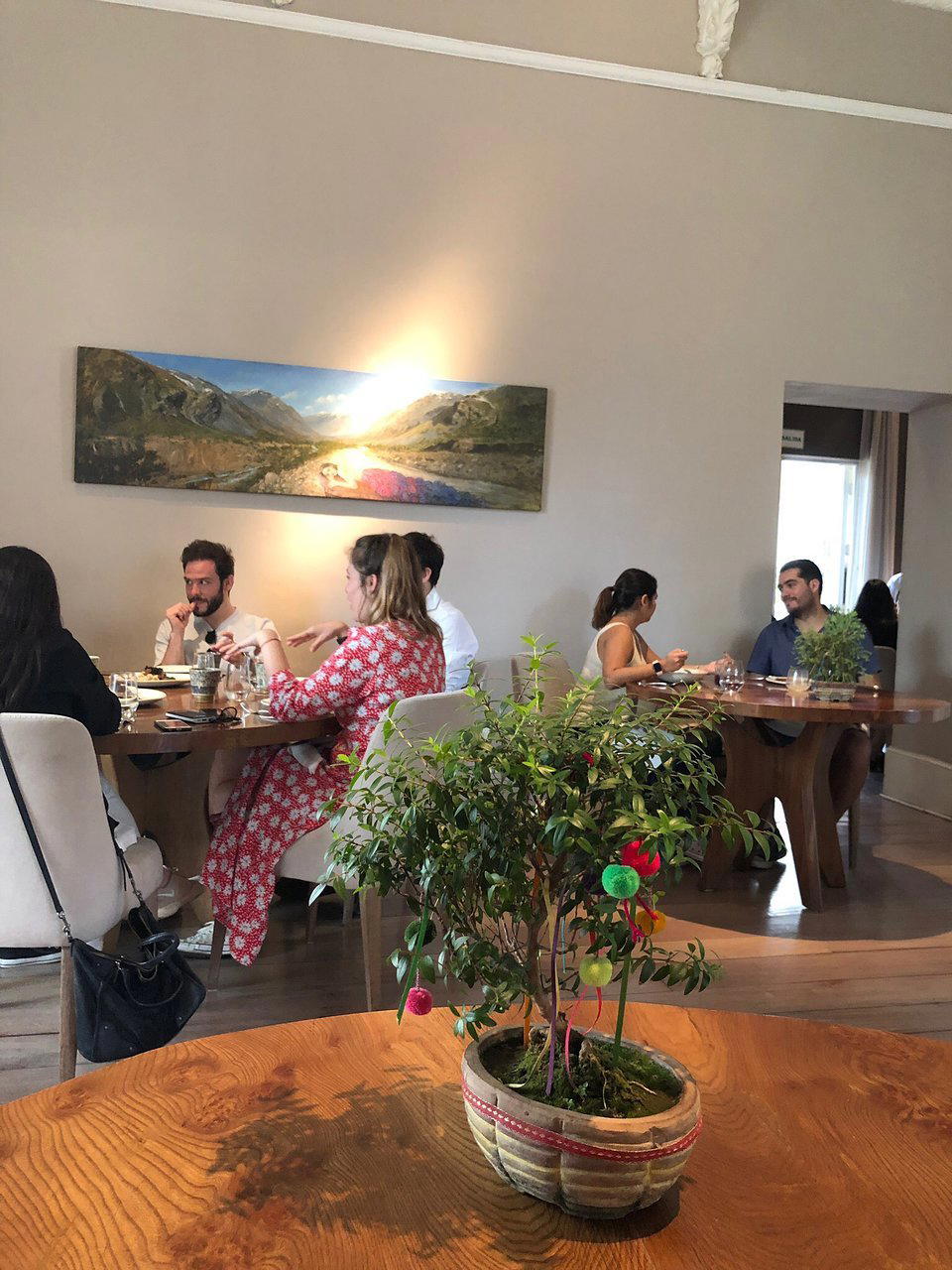
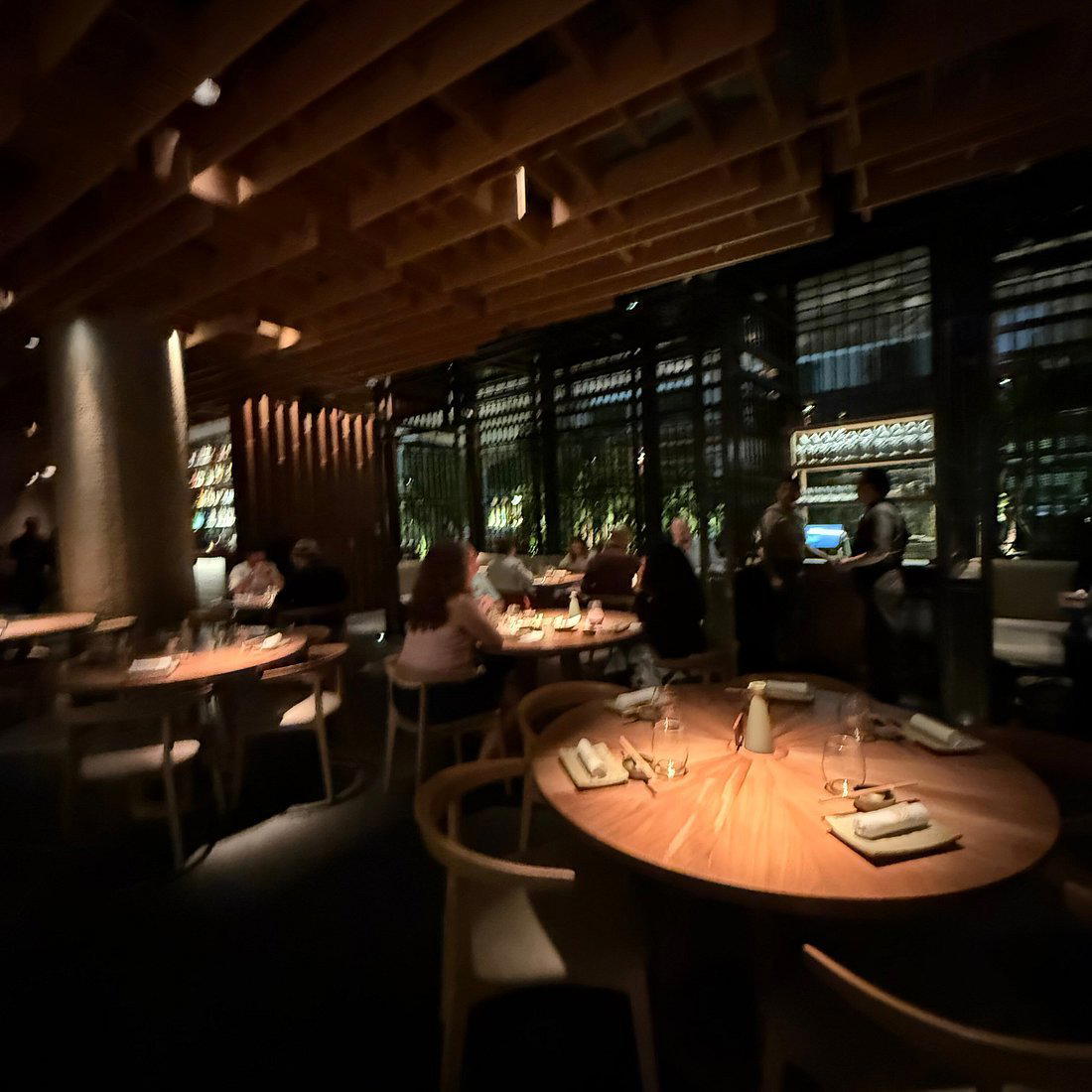
Romantic and charming with cozy atmosphere highlighted in guest reviews.