
Our verdict
Demo is a Lima café entry that makes sense within the city’s broader daytime dining culture rather than as a trophy booking. With Juan Luis Martinez attached, the editorial interest lies in how a chef-led café can read against Peru’s ingredient-driven cooking without borrowing the language of a formal tasting-menu room.

Pearl is the En Primeur Club membership app, where members save venues, book tables and use the concierge.
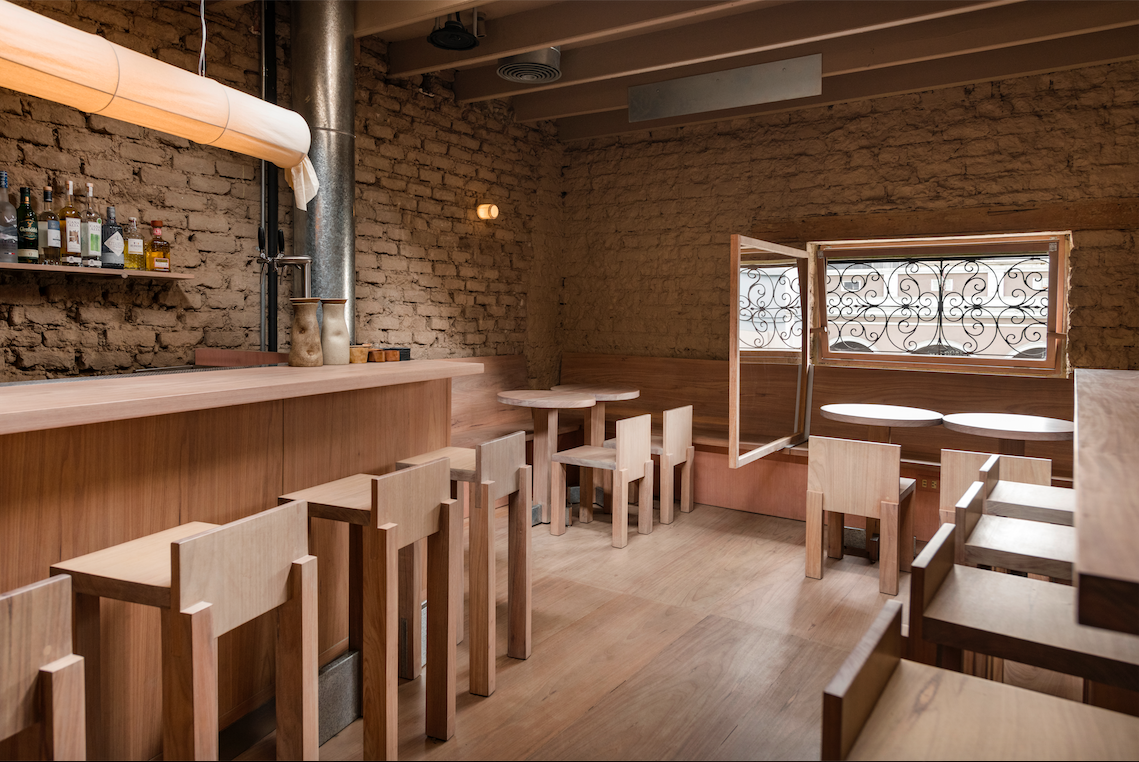
The menu
What to order
- Arepa Benedict
- Avocado Eggs Benedict
- Cruffins
- Specialty coffee with house pastries
In Lima, the café is rarely just a pause between meals. It is where morning bread, coastal humidity, office rhythms and long conversations meet in a city that treats daytime eating with unusual seriousness. Demo belongs in that frame: a café category address associated with chef Juan Luis Martinez, better understood through Lima’s appetite for casual formats with culinary ambition than through the vocabulary of grand dining.
A chef-led café in a city that takes casual food seriously
Lima’s restaurant culture is often discussed through its high-end Peruvian dining rooms, but the more revealing story sits in the middle ground: bakeries, cafés, anticucho counters, picanterías and market-adjacent rooms that carry technique without demanding ceremony. A café with a named chef attached enters that conversation differently from an anonymous coffee stop. It signals that the format can support considered sourcing, tighter execution and a clearer point of view while remaining accessible in mood.
That distinction matters in Peru, where culinary identity is not confined to a single service style. The same city can treat skewers, regional stews, seafood, criollo plates and modern tasting menus as part of one continuous dining culture. For broader context on that range, EP Club’s full Lima restaurants guide maps the city’s restaurant spread, while the wider travel frame sits across the Lima hotels guide, Lima bars guide, Lima wineries guide and Lima experiences guide.
Martinez’s presence gives Demo its useful editorial angle, but the chef biography should not overwhelm the format. In a café, the test is not spectacle. It is whether the room can make everyday habits feel intentional: the timing of breakfast, the role of coffee, the transition from a light daytime plate to something more structured, and the way a city’s produce and pantry show up without the pressure of a long-form menu.
Where Lima's daytime formats meet Peru's regional confidence
Lima has become shorthand for Peruvian culinary ambition, yet its strength comes from absorbing regional foodways rather than flattening them. Northern picantería cooking, anticucho culture, Japanese-Peruvian influence, Andean ingredients and European café habits all sit inside the city’s dining grammar. A café format can either dilute that complexity or make it easier to read. The better version keeps the service rhythm relaxed while letting the kitchen’s choices carry the argument.
Readers building a Lima itinerary should think in categories rather than rankings. Regional cooking, anticucho culture and modern Peruvian dining each occupy different registers across the city, while other Lima dining rooms add further points on the map. Demo sits in the café lane of that larger picture, useful for understanding how Lima’s culinary seriousness has moved beyond dinner.
The café label also changes expectations around time. This is not the format to approach with the same mindset as a formal restaurant reservation built around ceremony, course progression and cellar depth. The more intelligent reading is as part of a daytime circuit: a way to see how Lima handles casual polish, how chef attention can shape a lighter format, and how the city’s dining confidence appears when the room is not trying to announce itself too loudly.
How to place Demo inside a Peru itinerary
For travellers moving beyond Lima, the café category becomes even more useful as a contrast point. Peru’s dining geography shifts quickly, with regional cooking, coastal dining and travel-oriented formats changing tone outside the capital. Within Lima itself, the wider restaurant scene points to the city’s cross-cultural appetite, while Demo occupies a more focused café position inside that broader map.
International café comparisons should be handled carefully, because Lima’s café culture does not need validation from elsewhere. Still, travellers who think in café formats may find it useful to compare the category’s range generically, from compact urban bakery-cafés to more European daytime dining styles. Demo’s relevance is local: it belongs to Lima’s expanding confidence that casual rooms can carry serious culinary intent.
The practical approach is simple: treat Demo as a daytime anchor rather than the whole dining plan. Pair it with one regional Peruvian meal, one street-food or counter-format stop, and one more formal Lima dinner to understand the city’s range. That sequence gives the café its proper role, not as an isolated destination, but as evidence of how broadly Lima now defines good eating.
Frequently asked questions
What distinctions does Demo have?
Demo is ranked by Opinionated About Dining in its South America Top Restaurants 2026 list.
What should I expect cuisine-wise at Demo?
Demo serves Café cuisine.
Who runs the kitchen at Demo?
The chef associated with Demo is Juan Luis Martinez.
What's the best way to book Demo?
For Demo in Lima, the most practical approach is to plan ahead and contact the café before your visit. The venue is a chef-led café associated with Juan Luis Martinez, so treating it like a small-format dining room is the safest bet.
Comparable Venues Nearby
Comparable venues nearby, for context on price, style, and recognition.
| Venue | Cuisine | Price | Notes |
|---|---|---|---|
| DemoThis venue (the venue you are viewing) | Modern cafe-bakery with Venezuelan & Peruvian influences | $10–20 | Not listed |
| Popurrí | Peruvian Food Hall | Not listed | San Isidro |
| Alegrîa Picantería Piurana | Traditional Piuran Peruvian Picantería | $20–30 | Miraflores |
| El Rincón Que No Conoces | Traditional Peruvian Criolla | $10–20 | Lince |
| Arlotia | Peruvian-Basque Fusion | Not listed | Barranco |
| Cevichería Chicho | Authentic Peruvian Cevicheria | Not listed | Chorrillos |
Recognition history
Dated appearances from independent guides and award organizations, with the underlying list record or original source where available.
Opinionated About Dining Top Restaurants in South America Ranked #82
Opinionated About Dining
Continue exploring
More in Lima
Restaurants in Lima
All restaurants in Lima →
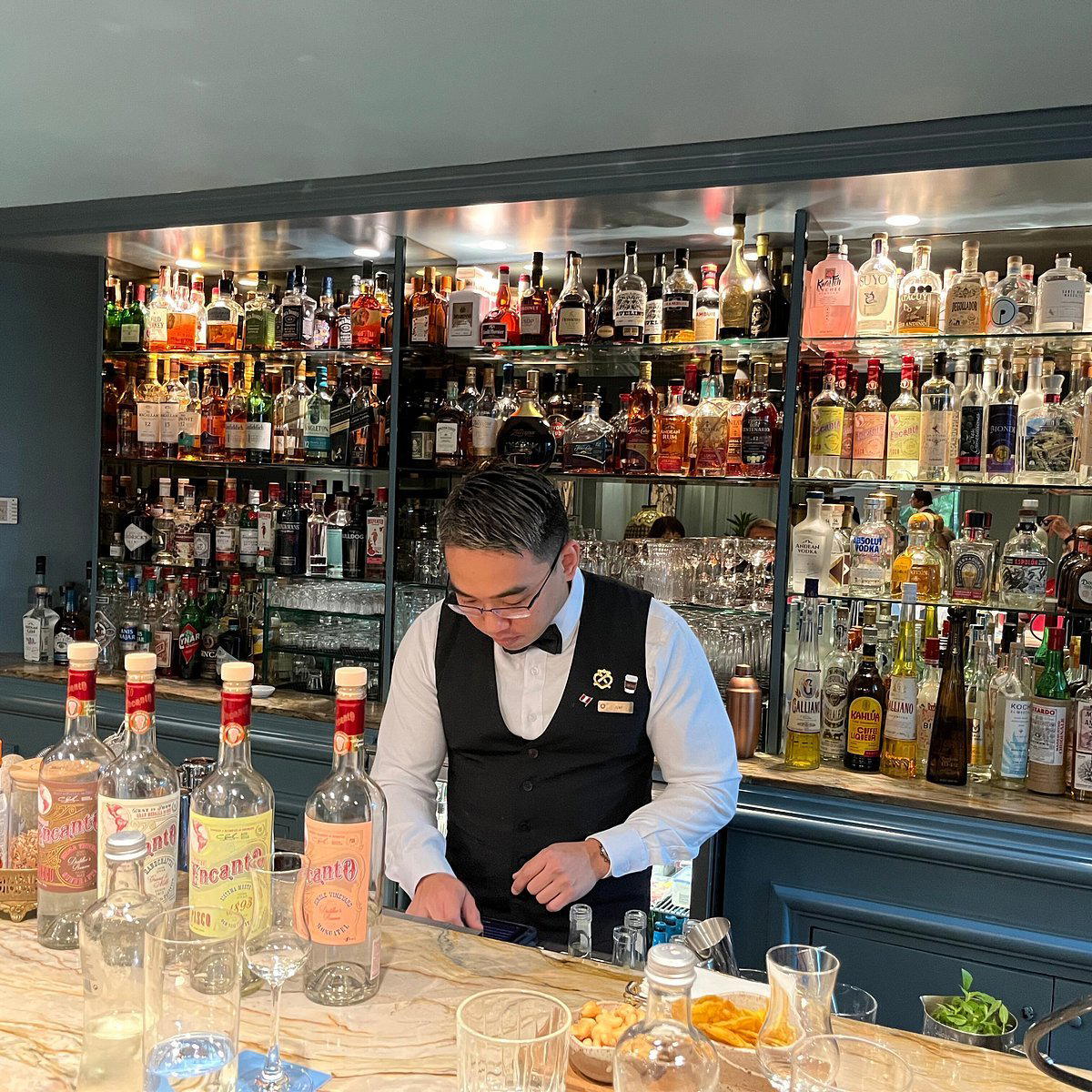
Bars in Lima
All bars in Lima →
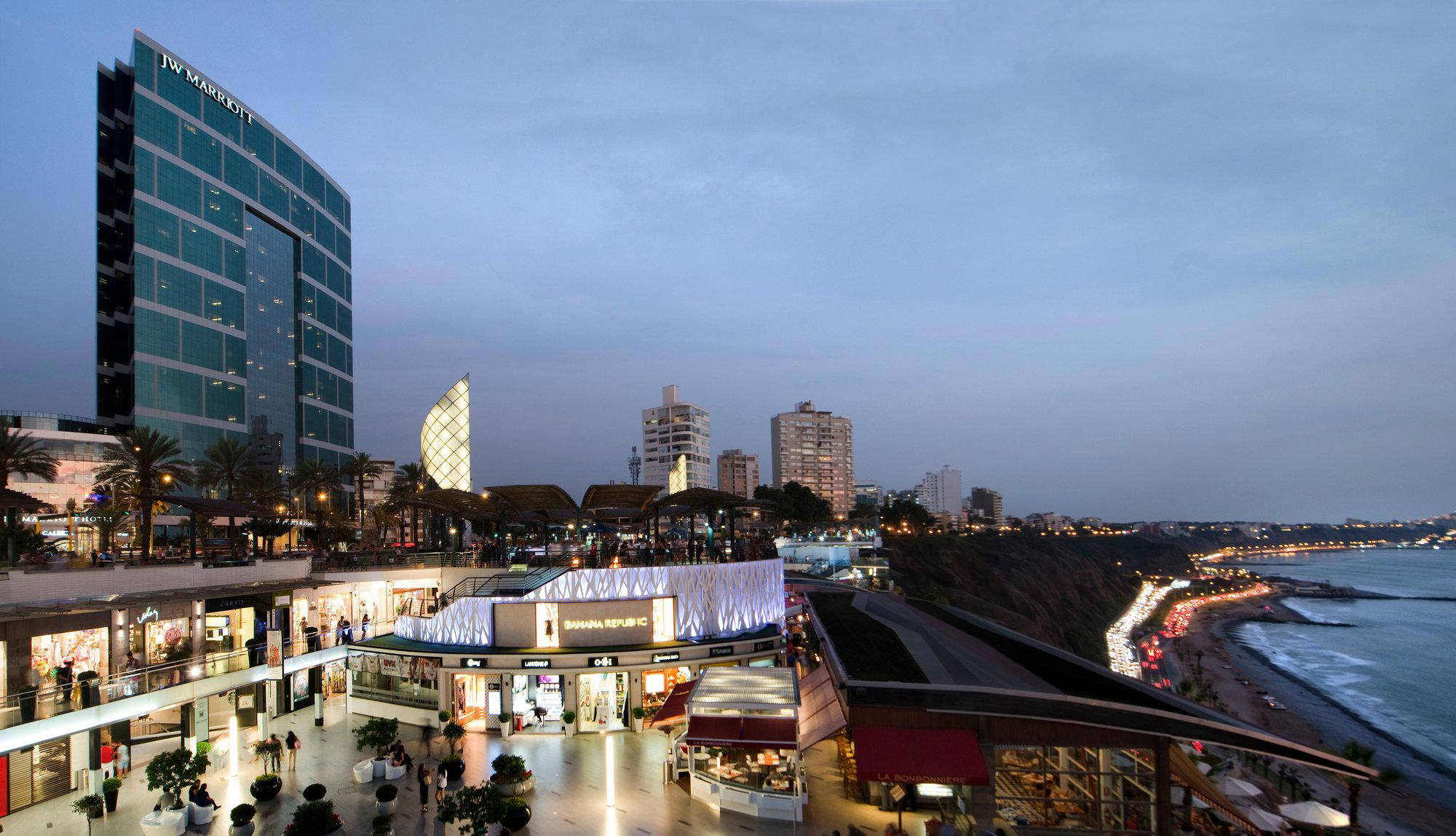
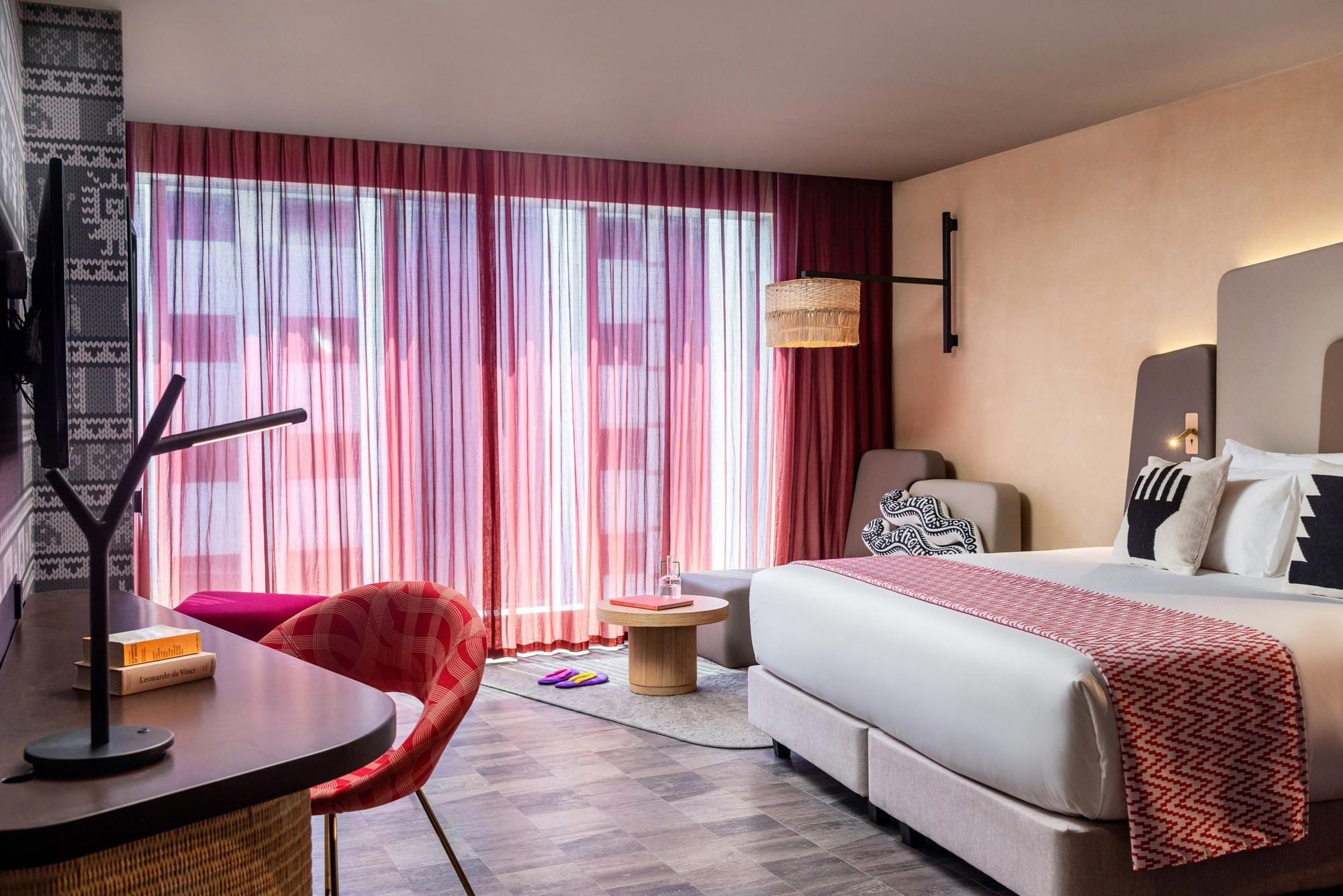
Hotels in Lima
All hotels in Lima →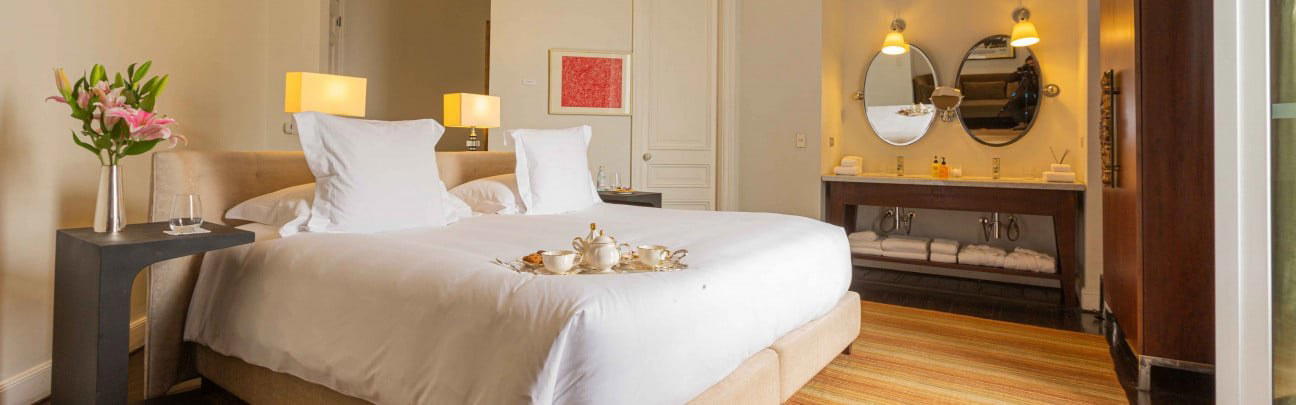
Wineries in Lima
All wineries in Lima →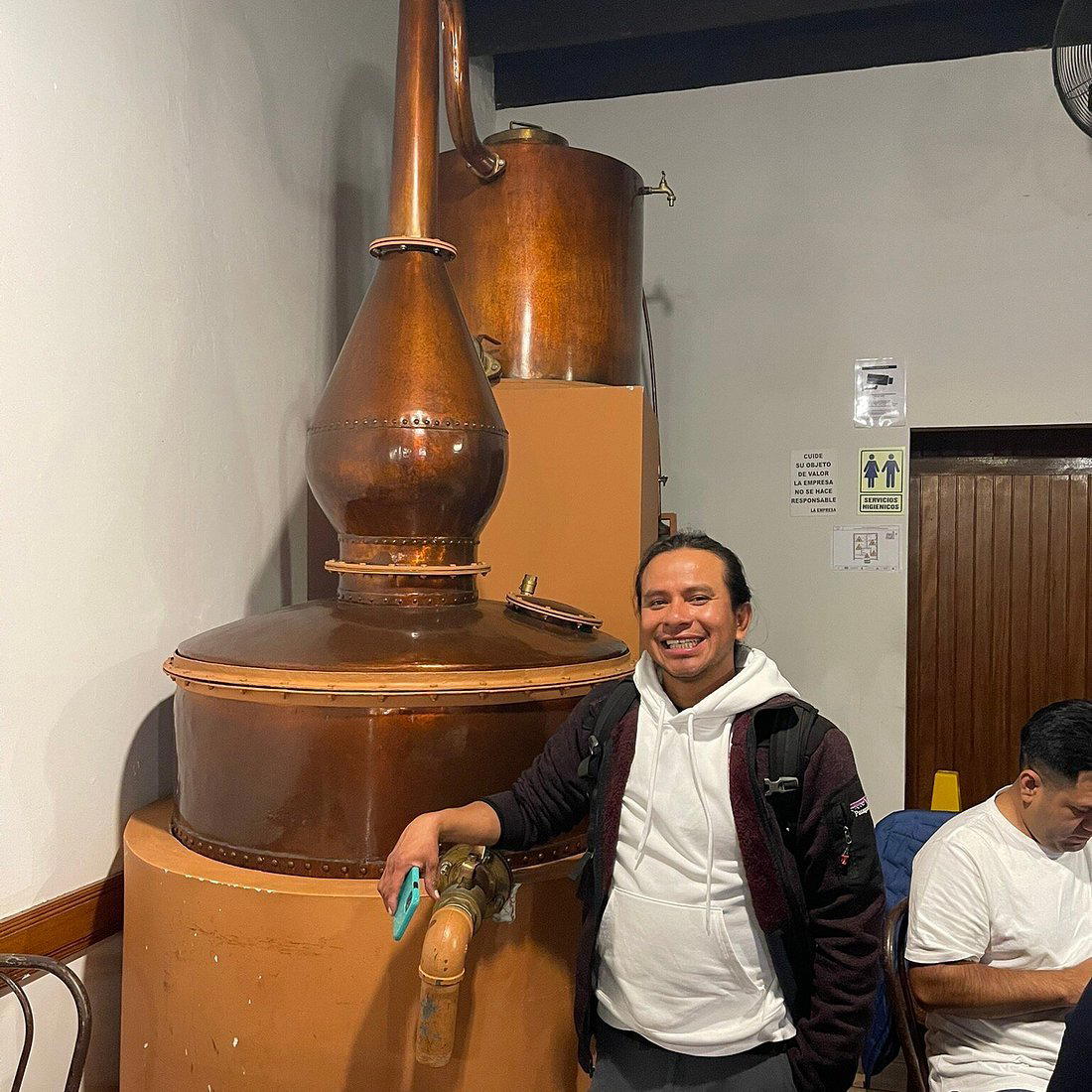
Details
- Cozy
- Modern
- Trendy
- Bohemian
- Casual Hangout
- Brunch
- Solo
- Family
- After Work
- Group Dining
- Terrace
- Standalone
- Design Destination
- Beer Program
- Local Sourcing
- Street Scene
- A La Carte
- Counter Dining
- Coffee
- Tea
- Beer
- Vegetarian Friendly
Current opening hours
- Monday
- 8 AM–9 PM
- Tuesday
- 8 AM–9 PM
- Wednesday
- 8 AM–9 PM
- Thursday
- 8 AM–9 PM
- Friday
- 8 AM–9 PM
- Saturday
- 8 AM–9 PM
- Sunday
- 8 AM–9 PM
Hours can change for holidays and private events. Hours as of .
A minimalist, modern cafe with the warm aroma of bread from the oven, a cozy terrace, and a relaxed neighborhood feel that works equally well for quiet breakfasts, lingering brunches, or coffee breaks with friends.