Our verdict
The Ica Valley as Pantry: Where French Form Meets Desert Terroir Peru's southern coast doesn't announce itself with the altitude drama of the Andes or the dense protein wealth of the Amazon. What the Ica region offers instead is a more specific...

Pearl is the En Primeur Club membership app, where members save venues, book tables and use the concierge.
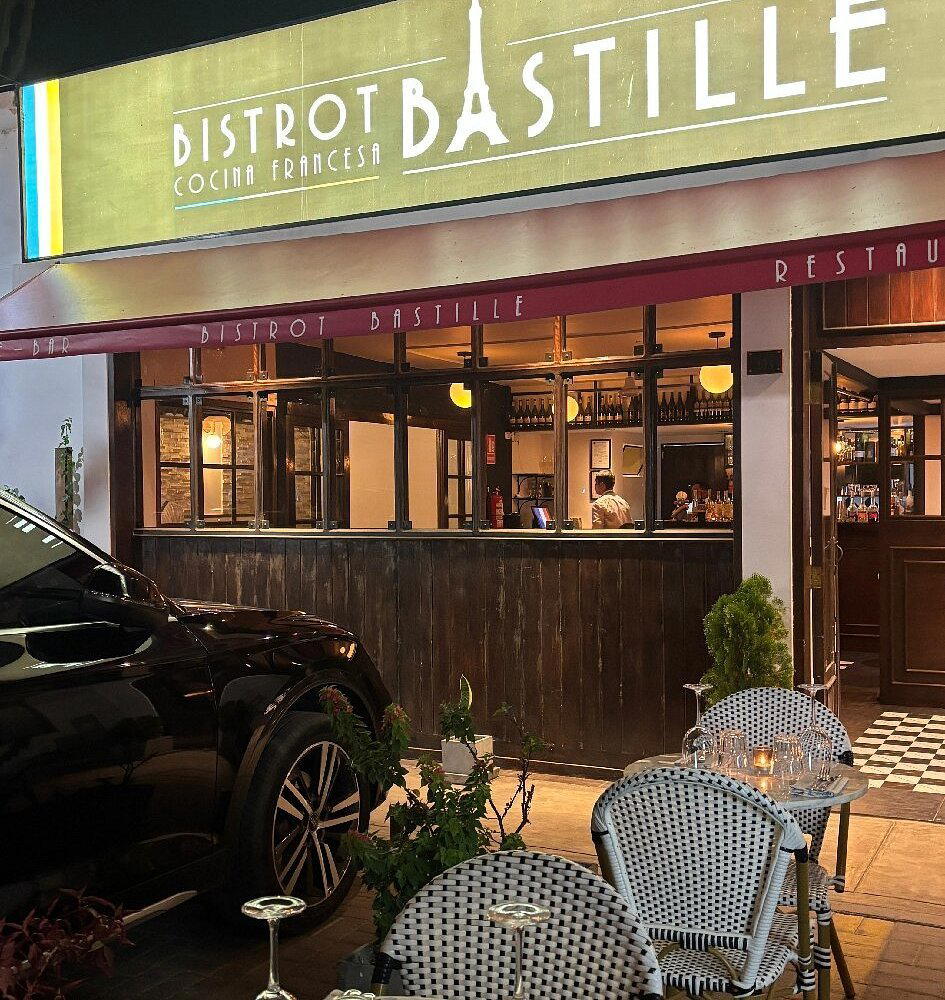
The Ica Valley as Pantry: Where French Form Meets Desert Terroir
Peru's southern coast doesn't announce itself with the altitude drama of the Andes or the dense protein wealth of the Amazon. What the Ica region offers instead is a more specific abundance: sun-dried peppers, vine-grown grapes fed by subterranean aquifers, coastal fish arriving from Paracas, and a pisco tradition that has defined this valley for four centuries. Bistrot Bastille, at Av. La Angostura 203 in Ica, positions itself at the intersection of that local larder and a French bistrot framework, a format that historically thrives when the sourcing does the heavy lifting and the kitchen steps back from fuss.
The French bistrot, at its most coherent, is an argument about ingredients. Not technique as spectacle, not tasting-menu theatre, but the idea that a well-sourced product treated with restraint will outperform an engineered dish built from mediocre components. In Ica, that premise has real geographic backing. The valley sits at roughly 420 metres above sea level, sheltered from Pacific fog by coastal ranges, which produces growing conditions that supply Lima's premium dining circuit, including addresses like Astrid & Gastón in Lima, with a reliable stream of quality produce. A bistrot format planted here has access to a supply chain that most French provincial restaurants would find enviable.
Sourcing Depth in a Desert Region
Ica's agricultural identity is more layered than its reputation as a pisco-producing zone suggests. The valley's irrigated farmland yields asparagus, avocado, and citrus that reach export markets across Europe and North America, which is a reasonable proxy for produce quality. The Paracas Peninsula, roughly an hour's drive to the northwest, provides access to Pacific seafood, corvina and sea bass being the most commercially consistent, that arrives with a freshness profile closer to dockside fishing than to cold-chain distribution. For a kitchen operating in a French bistrot idiom, where a sole meunière or a butter-finished fish dish lives or dies by the quality of the primary ingredient, that proximity matters structurally, not incidentally.
Compare this with the sourcing logic behind coastal Peruvian restaurants operating further from the primary supply. Navegante in Punta Hermosa works directly off the Lima coastline; Costanera 700 in Miraflores runs a ceviche and seafood program within Lima's distribution network. Bistrot Bastille operates from a different geographic logic, one where desert-valley agriculture and southern coastal fish converge at a single address, rather than either being imported into an urban kitchen. That's a sourcing argument worth understanding before you consider the menu itself.
Where Bistrot Bastille Sits in Peru's Dining Conversation
Peru's restaurant scene has been pulled in two directions over the past fifteen years. The internationally recognized tier, represented by the modern Peruvian kitchens that appear on lists like Latin America's 50 Best, has pursued a high-concept native-ingredients program: alta cocina with Andean tubers, Amazonian fruits, and multi-course tasting formats. Mil Centro in Moray and Campo Cocina Andina in Cuzco represent that tradition at high altitude. The other direction is the regional everyday restaurant, the cevichería or caldo de gallina spot that serves a neighbourhood function without pretension toward a broader audience.
A French bistrot in Ica occupies a third position. It isn't attempting to compete with Lima's modern Peruvian circuit, and it isn't a casual local canteen. The bistrot model, when executed with discipline, offers fixed or limited menus, wine by the carafe or short list, and cooking calibrated to repeat visits rather than single-occasion dining. That's a format more common in European cities than in Peru's regional towns, which makes Bistrot Bastille an outlier by category even before the food arrives. For context on how French-influenced dining traditions play out in non-European settings, the sourcing rigor of addresses like Le Bernardin in New York City illustrates how a French culinary framework can anchor itself credibly in a non-French ingredient environment.
Ica as a Dining Destination
Ica remains underrepresented in Peru's food-travel conversation, which concentrates attention on Lima, Cusco, and increasingly the Amazon. That imbalance reflects a tourism infrastructure weighted toward ancient sites and multi-day treks rather than food-specific travel. The Huacachina oasis and the Nazca Lines pull visitors through the region on schedules that don't build in much table time. Restaurants like As De Oro in Pisco, operating nearby in the coastal corridor, have begun to give the area more dining coherence, but the region's food scene is still in an earlier stage of recognition than its agricultural output would justify.
For the traveller moving between Lima and Paracas, or making a dedicated trip into the Ica valley for pisco distillery visits, Bistrot Bastille at Av. La Angostura 203 functions as a sit-down address that engages with the valley's ingredient story rather than ignoring it. For comparison with the broader regional picture across Peru's more remote dining scenes, Delfin Amazon Cruises in Iquitos and Marañón Province in Maranon show how sourcing discipline operates at the edges of Peru's culinary map.
Planning a Visit
Ica sits approximately five hours south of Lima by road, with the Pan-American Sur highway providing the most direct route. The town itself is compact, and Av. La Angostura is accessible from the central district without significant navigation complexity. Daytime temperatures in the valley run high through the Peruvian summer (December through March), which makes evening dining the more comfortable choice during those months. Given the venue's French bistrot format, which typically implies limited covers and a service pace built around unhurried meals, arriving with a reservation rather than as a walk-in reflects the format's logic. For travellers building a broader Peruvian itinerary around serious food, pairing Ica with Lima's established circuit, including Osaka Nikkei in San Isidro and Cirqa in Arequipa, creates a south-coast route with genuine dining range.
Frequently asked questions
Is Bistrot Bastille a family-friendly restaurant?
The bistrot format at Av. La Angostura 203 tends to suit a broad range of diners, and French-style table service generally accommodates families without issue.
Is Bistrot Bastille better for a quiet night or a lively one?
Bistrot Bastille sits in Ica District, a provincial city rather than a capital dining hub, which shapes the pace. A French bistrot operating in that context typically runs at a measured tempo rather than the high-energy register of a Lima cevichería or cocktail-forward bar. Expect a setting more conducive to conversation than to late-night noise.
Does Bistrot Bastille use local Ica valley produce in its French-style cooking?
Ica's irrigated farmland produces asparagus, table grapes, and stone fruits at commercial scale, making it one of Peru's more agriculturally productive coastal valleys despite the desert climate. A French bistrot operating at Av. La Angostura 203 in this context has direct access to that supply, and the intersection of classical French form with desert-valley ingredients is what distinguishes the Bistrot Bastille proposition from both Lima's fine-dining tier and the region's more casual criollo restaurants.
What's the signature dish at Bistrot Bastille?
What is clear from the broader context is that Bistrot Bastille works within a French bistrot framework in a region known for asparagus, stone fruit, and pisco-country produce, suggesting a kitchen that draws on Ica valley ingredients. For the current menu, check the venue's official channels at Av. La Angostura 203, Ica.
Where is Bistrot Bastille in Ica District?
Bistrot Bastille is located at Av. La Angostura 203, Ica 11004, Peru, Ica District.
Should I book Bistrot Bastille in advance?
Ica remains a secondary stop on Peru's food-travel circuit compared to Lima or Cusco, which means walk-in availability at most Ica restaurants is more realistic than in the capital. That said, Bistrot Bastille's positioning as a French bistrot in a city with limited comparable options makes a reservation sensible, particularly on weekends or during the high-season influx of Huacachina-bound visitors.
Comparison Snapshot
Comparable venues nearby, for context on price, style, and recognition.
| Venue | Cuisine | Price | Notes |
|---|---|---|---|
| Bistrot BastilleThis venue (the venue you are viewing) | French Bistro with Peruvian Fusion | Not listed | Not listed |
| Bar de Ocho Asientos by Marco Palma | other | Not listed | Lima |
| Bonbons Confits et Chocolats | Peruvian Confectionery and Chocolates | Not listed | San Isidro |
| Siete | Modern Peruvian-Mediterranean Fusion | $20–30 | Barranco |
| Mapacho Craft Beer Restaurant | Traditional Peruvian with Craft Beers | $1–10 | Aguas Calientes |
| Matria | Modern Peruvian Fusion | $30–50 | Miraflores |
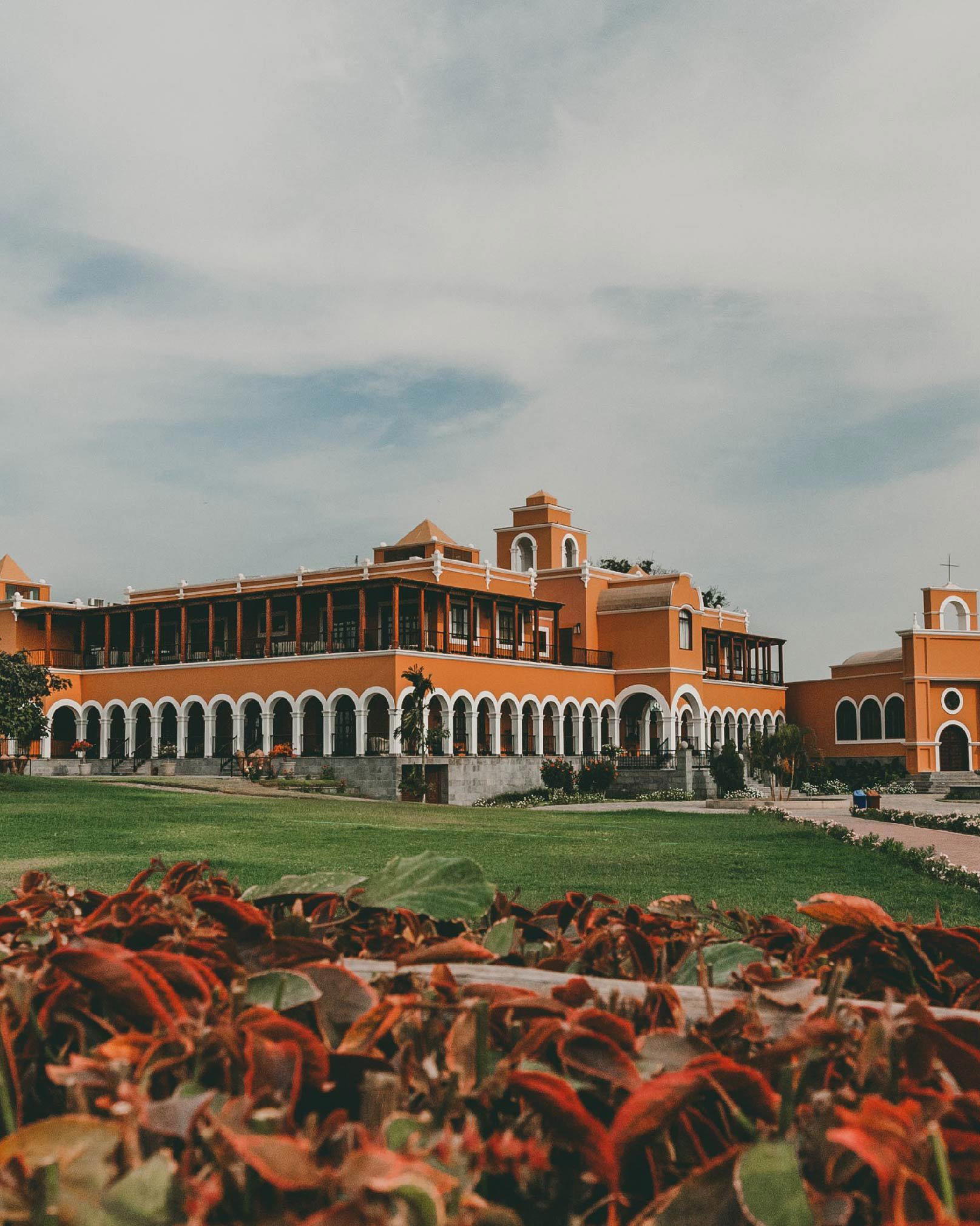
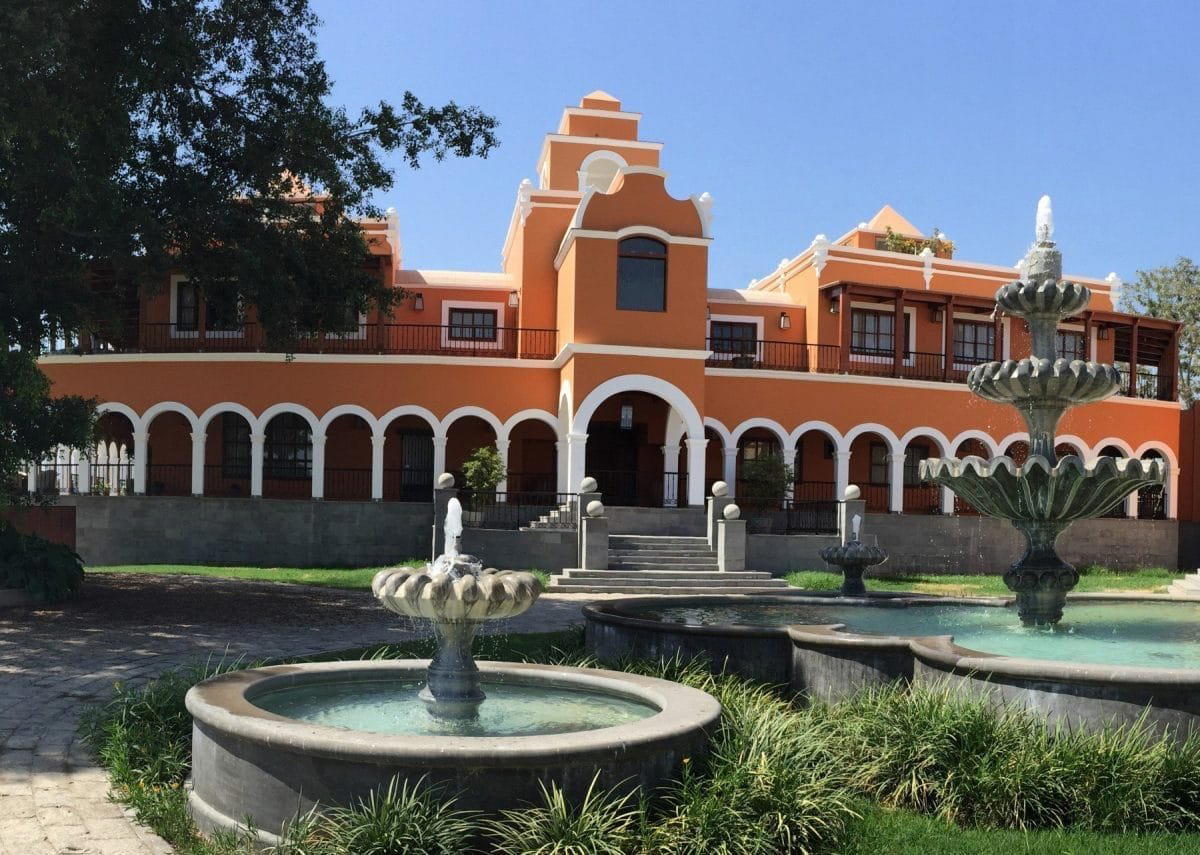
Details
- Cozy
- Classic
- Intimate
- Date Night
- Casual Hangout
- Standalone
- A La Carte
Current opening hours
- Monday
- Closed
- Tuesday
- 6:30 PM–12 AM
- Wednesday
- 6:30 PM–12 AM
- Thursday
- 6:30 PM–12 AM
- Friday
- 6:30 PM–12 AM
- Saturday
- 6:30 PM–12 AM
- Sunday
- 12–11:30 PM
Hours can change for holidays and private events. Hours as of .
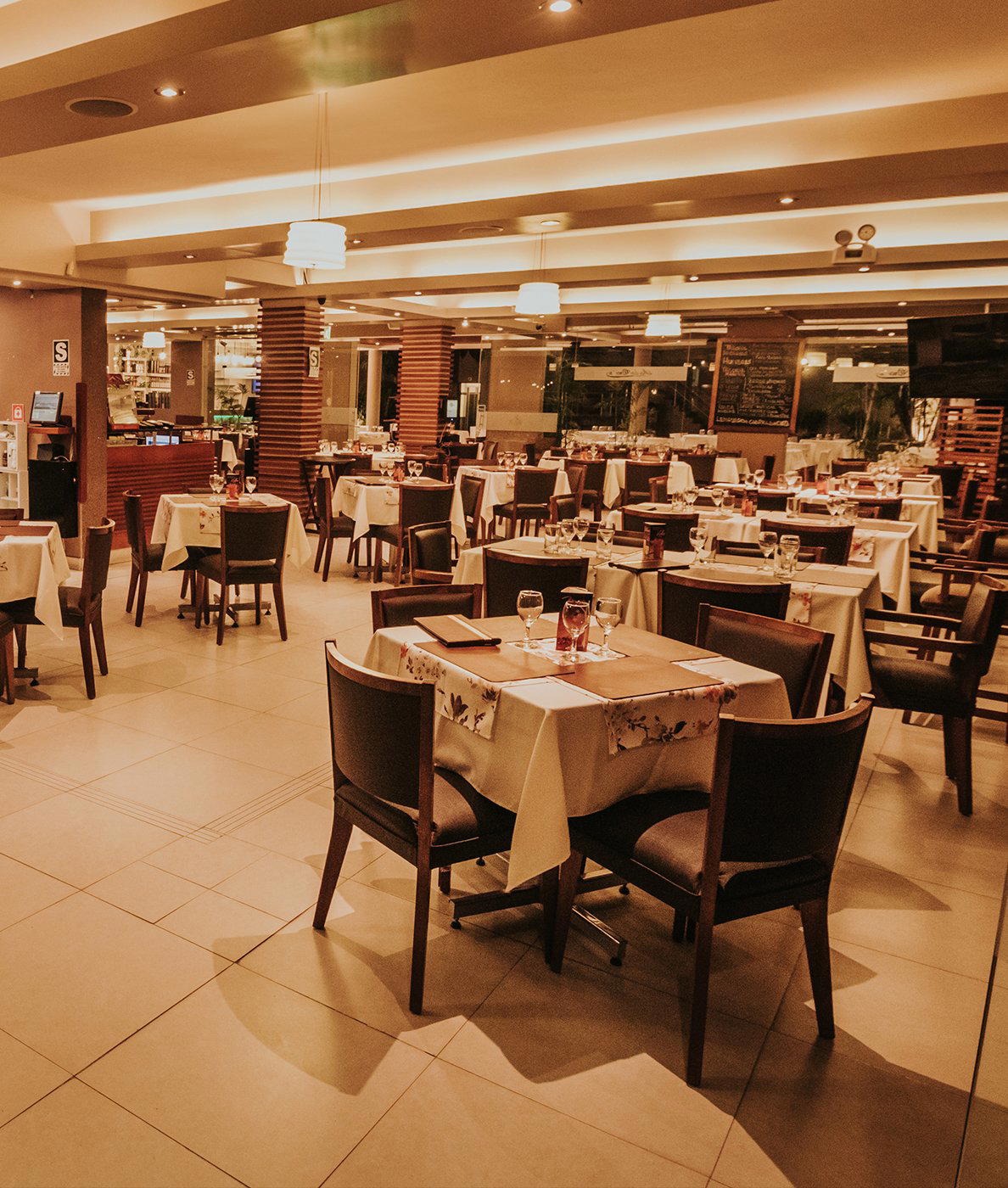
Cozy atmosphere evoking a true French bistrot with authentic decor, music, and welcoming charm.