Inti House
On Aguas Calientes' main pedestrian artery, Inti House sits at the point where Andean ingredient traditions meet the town's role as the last meal before Machu Picchu. The kitchen draws on the high-altitude produce corridor stretching from the Sacred Valley floor to the cloud-forest elevations above the Urubamba River, placing it in a distinct tier among the town's restaurants for ingredient sourcing depth.
Pearl is the En Primeur Club membership app — saves, bookings, and concierge access live there. Same editors, same standards.
- Address
- Ave Pachacutec 703, Aguas Calientes 08681, Peru
- Phone
- +51 984 040 295
- Website
- intihouse.rest
- Directions
- Get directions
 Saves & bookings on Pearl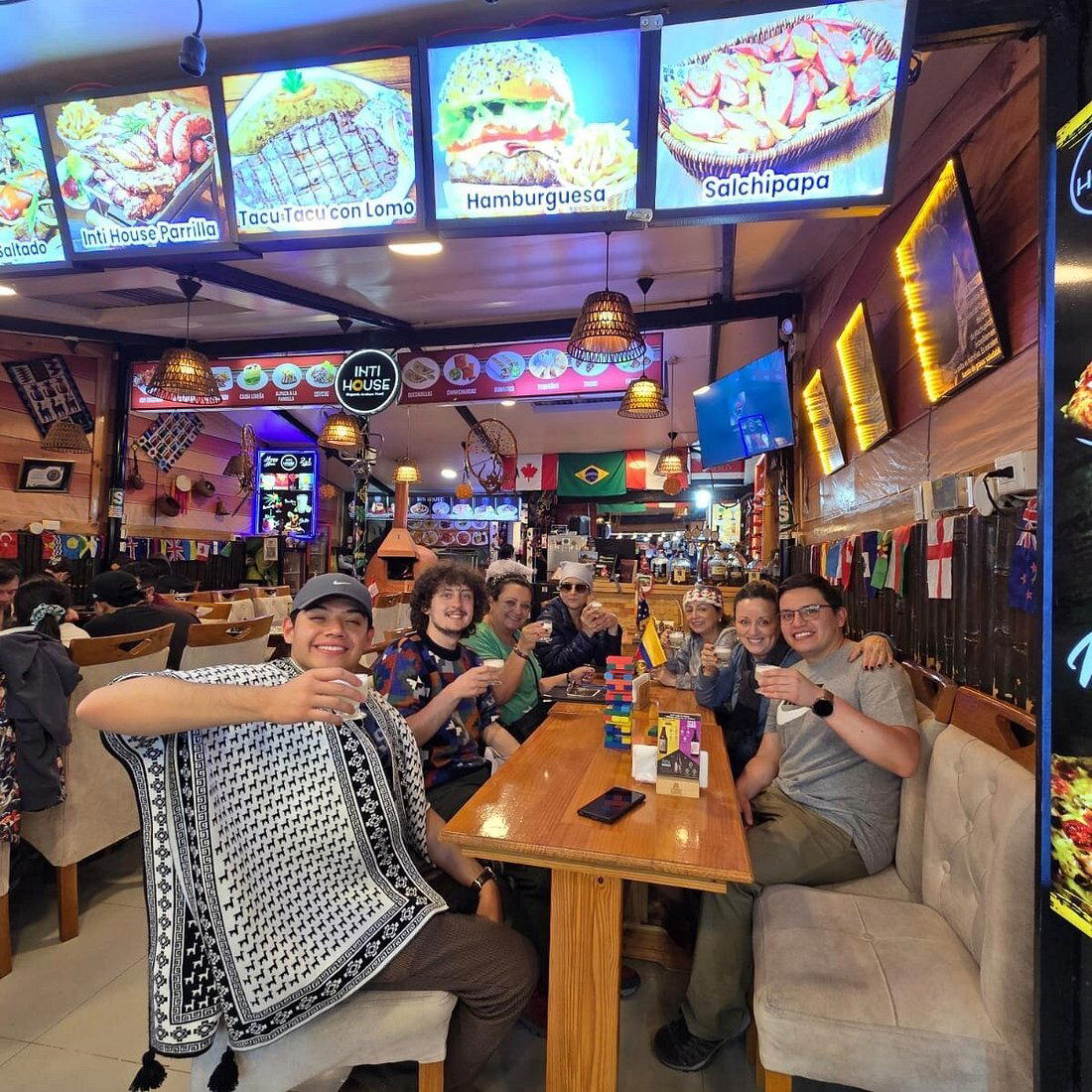
Where the Ingredient Chain Begins
Aguas Calientes occupies an unusual position in Peru's food geography. The town sits at roughly 2,040 metres above sea level, wedged between the subtropical cloud forest and the high puna grasslands that begin above Machu Picchu itself. That altitude band is among the more biodiverse agricultural zones in the Andes, producing potato varieties, Andean grains, and highland herbs that rarely reach Lima's restaurant scene in unprocessed form. Restaurants in Aguas Calientes that pay attention to this supply chain have access to ingredients at a proximity that chefs at Central Restaurante in Lima or Mil Centro in Moray source with more deliberate effort. Inti House, addressed at Ave Pachacutec 703, operates within that context.
Pachacutec Avenue is the spine of the town: a wide pedestrian boulevard that runs from the train station toward the base of the mountain, lined with restaurants competing for the attention of travellers arriving on the Vistadome or Expedition trains from Ollantaytambo. The street is dense and commercial, and the majority of its restaurants function as high-turnover operations serving set menus to tour groups. The tier that interests a more deliberate diner is narrower, and Inti House sits within it.
The Sourcing Argument in a High-Altitude Town
The case for eating with ingredient awareness in Aguas Calientes is direct. The Sacred Valley agricultural corridor, which runs roughly from Pisac through Ollantaytambo and up toward the cloud forest, produces native maize varieties in colours and starch profiles that have no commercial equivalents, along with tubers from the Solanum family that number in the hundreds of cultivated forms. This is the same raw material that informs the menus at KUSHKA Restaurant in Cuzco and LIMO Cocina Peruana & Pisco Bar in Cusco, though at those elevations the produce arrives via established urban supply chains. In Aguas Calientes, proximity to the source is the geographic advantage, even if the town's transient visitor economy has historically worked against kitchens investing in it.
Restaurants elsewhere in Peru's broader dining circuit make explicit arguments about provenance. Chicha Arequipa in Arequipa and La Nueva Palomino in Yanahuara District build their menus around the specific agricultural identities of their regions. The question for Aguas Calientes has always been whether its restaurants can translate geographic proximity into kitchen depth, given the operational pressures of a town that processes thousands of tourists daily on tight turnarounds. Inti House addresses that question from its position on Pachacutec.
Atmosphere and Physical Setting
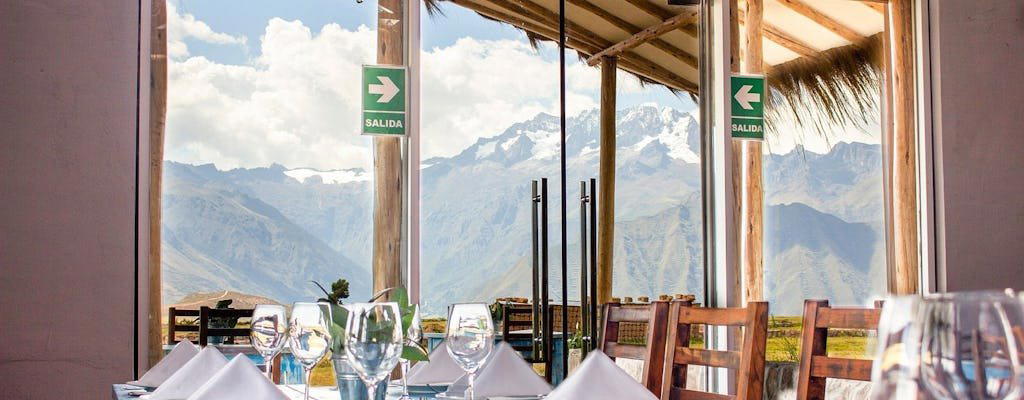
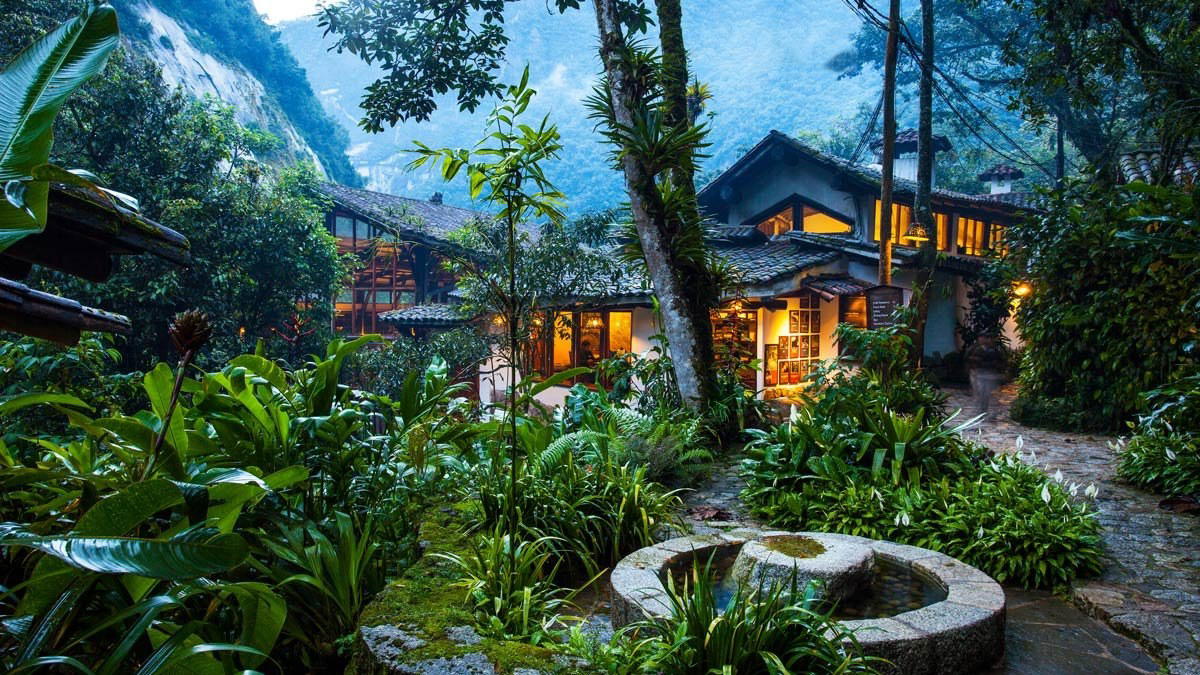
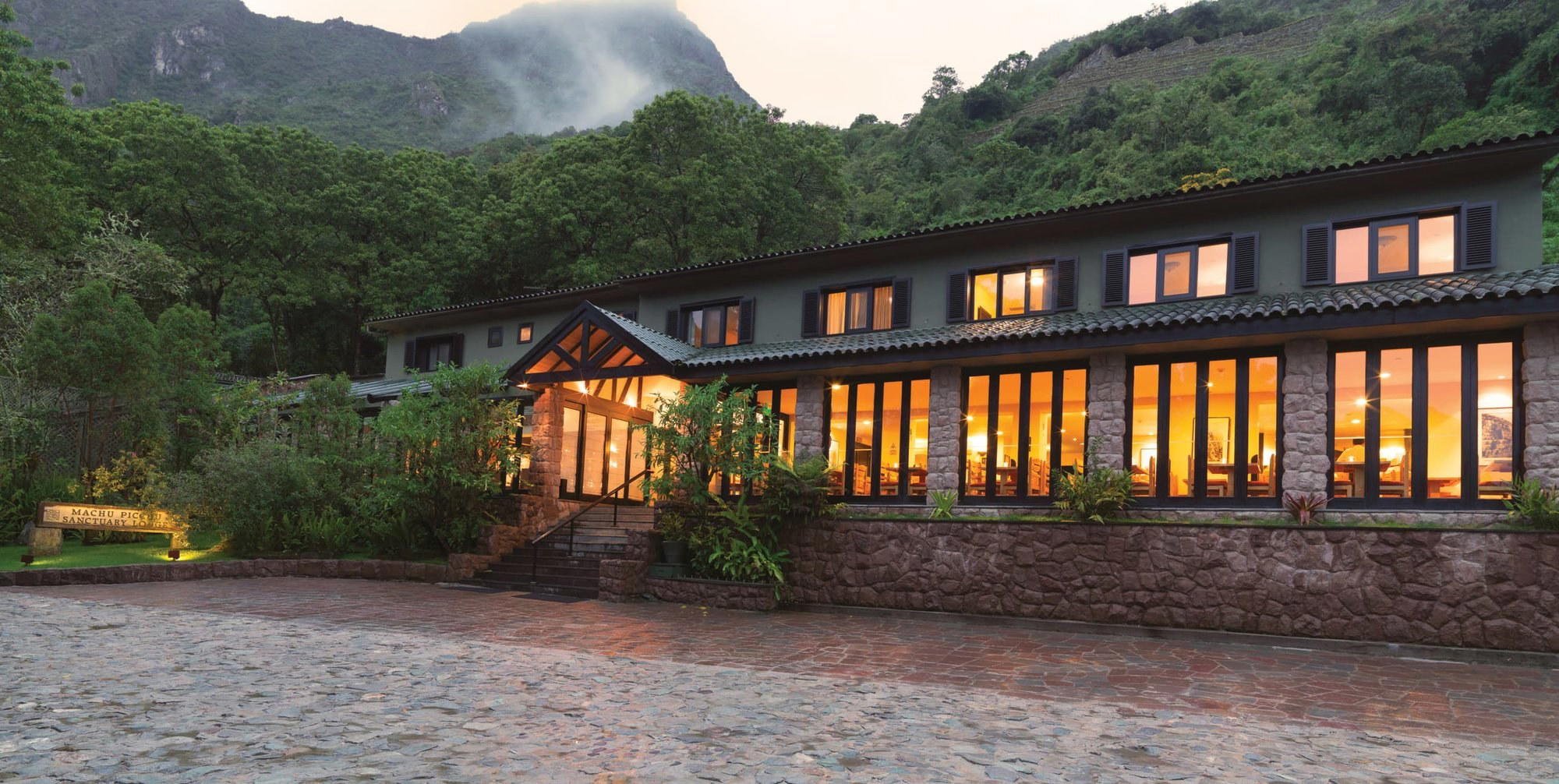
Approaching from the train station end of Pachacutec, the street narrows toward the market district and the sound of the Urubamba River becomes more present. The cloud forest humidity settles into the town by mid-morning and intensifies through the afternoon, giving Aguas Calientes a damp, green quality that distinguishes it sharply from Cusco's dry highland air. Dining here carries that environmental context: the moisture in the air, the proximity of steep forested slopes, and the transition from high-altitude cold to cloud-forest warmth are all part of the experience of the town itself.
That setting means kitchens working with cloud-forest herbs, chicha-based preparations, and highland grain dishes are cooking in their native atmospheric context rather than importing it. For a traveller returning from a morning at the citadel, or waiting for a late train back to Ollantaytambo, the rhythm of eating on Pachacutec has a particular logic. The street is walkable and compact, and most of the town's dining options are within a few minutes of one another, which makes comparison easy. Los Inkas Pub represents the casual end of the same street's offer, while Inti House sits in a different register.
Peru's Broader Kitchen Context
Understanding where Aguas Calientes fits in Peru's dining map requires some distance. Lima has accumulated the formal recognition: multiple entries in the World's 50 Best, Michelin attention in the form of critical commentary even without a local guide, and a generation of chefs who trained internationally and returned to work with Andean ingredients. The provinces have responded with their own strong regional traditions, from Arequipa's rocoto-heavy cuisine to the Amazon basin preparations found at places like Delfin I dining room in Nauta and the jungle-influenced cooking at Marañón Province in Maranon.
Aguas Calientes sits apart from both of those poles. It is not a culinary destination in the way Lima or Arequipa functions, but it is not culinarily irrelevant either. Its position at the base of the visited archaeological site in South America means it feeds a volume of internationally aware travellers who have often just experienced something significant. That audience creates demand for cooking that matches the weight of the experience above, rather than simply filling time before the train departs. The restaurant, positioned on the main avenue, operates at the intersection of those pressures and that opportunity.
For a fuller picture of how the town's dining options divide between the transient and the considered, see our full Aguas Calientes restaurants guide. The Sacred Valley corridor also rewards exploration beyond the town itself: Mapacho Craft Beer Restaurant in Urubamba anchors the valley floor offer, while the coast and jungle present entirely different supply-chain logics at venues like Navegante in Punta Hermosa and El Rey in Oxapampa.
Planning Your Visit
Aguas Calientes is accessible only by train from Ollantaytambo or Poroy, with Peru Rail and Inca Rail operating the routes. Most travellers arrive in the late morning after the Machu Picchu bus connection, or in the late afternoon after a full day at the site, which concentrates dining demand between roughly noon and 3pm and again from 6pm onward. Pachacutec Avenue becomes pedestrian-heavy in both windows. The restaurant at Ave Pachacutec 703 is within easy walking distance of the train station and the central plaza. Given the town's visitor volume during the April-to-October high season, arriving outside peak lunch hours is the practical approach. For wider Peruvian context at opposite ends of the price and formality range, Insumo Rooftop in Miraflores, Osaka Nikkei in San Isidro, and Bistrot Bastille in Ica District each represent distinct positions in the country's dining spread, as do international reference points like Le Bernardin in New York City and Atomix in New York City for travellers calibrating against a global benchmark.
Quick Comparison
Comparable venues nearby, for context on price, style, and recognition.
| Venue | Cuisine | Price | Notes |
|---|---|---|---|
| Inti HouseThis venue — the venue you are viewing | Traditional Peruvian Grill & Pizza | $$ | Not listed |
| Los Inkas Pub | Traditional Peruvian with Wood-Fired Pizzas | $$ | Aguas Calientes |
| Demo | Modern cafe-bakery with Venezuelan & Peruvian influences | $$ | Barranco |
| Mapacho Craft Beer Restaurant | Traditional Peruvian with Craft Beers | $$ | Aguas Calientes |
| Organika Restaurant | Organic Peruvian Farm-to-Table | $$ | San Blas |
| KUSYKAY Peruvian Craft Food | Peruvian Craft Food | $$ | Plaza de Armas |
Continue exploring
More in Aguas Calientes
Restaurants in Aguas Calientes
Browse all →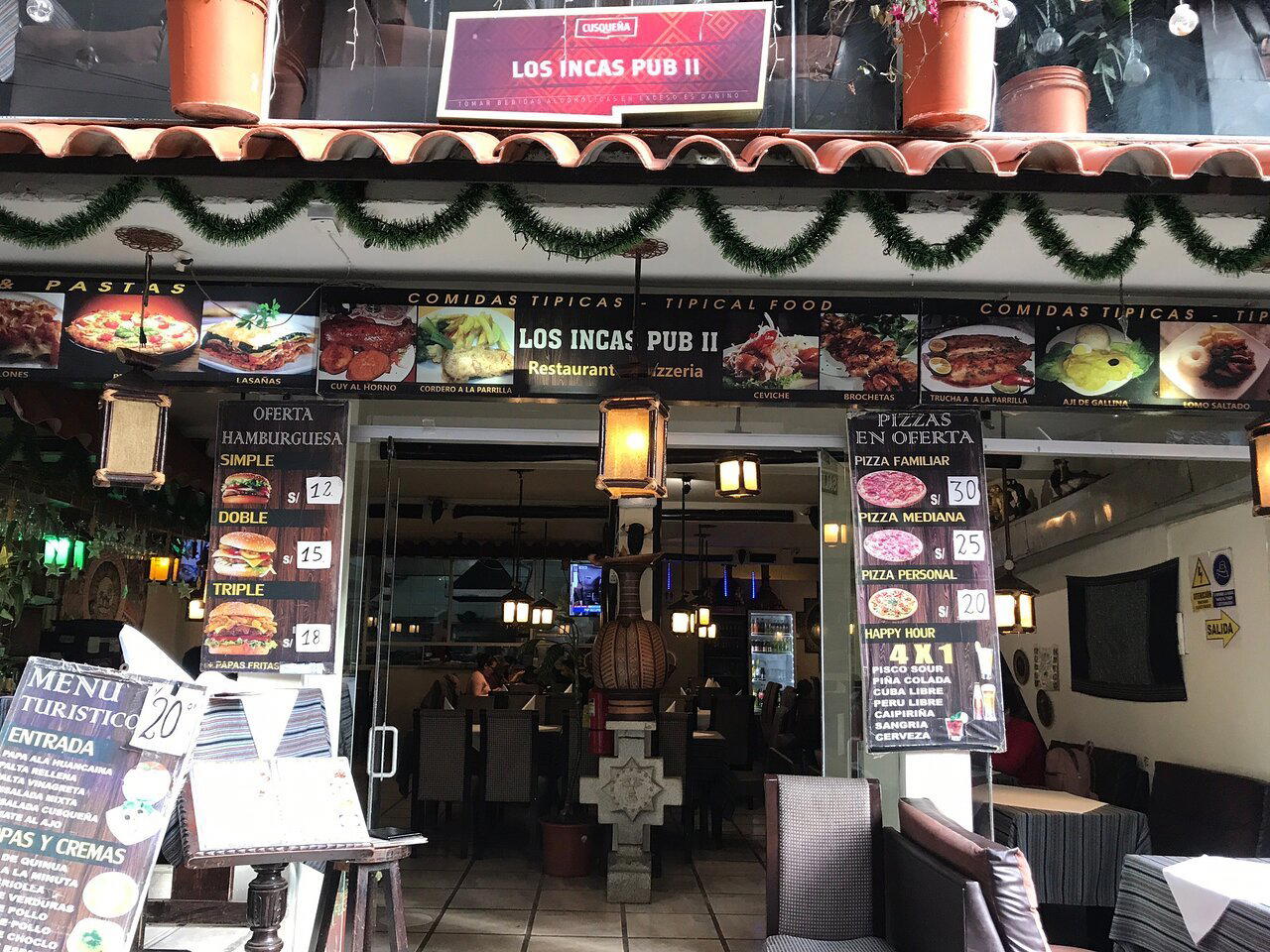
Bars in Aguas Calientes
Browse all →
At a Glance
- Cozy
- Rustic
- Classic
- Casual Hangout
- Group Dining
- Family
- After Work
- Live Music
- Standalone
- Beer Program
- Local Sourcing
Current opening hours
- Monday
- 10 AM–11 PM
- Tuesday
- 10 AM–11 PM
- Wednesday
- 10 AM–11 PM
- Thursday
- 10 AM–11 PM
- Friday
- 10 AM–11 PM
- Saturday
- 10 AM–11 PM
- Sunday
- 10 AM–11 PM
Hours can change for holidays and private events. Last verified .
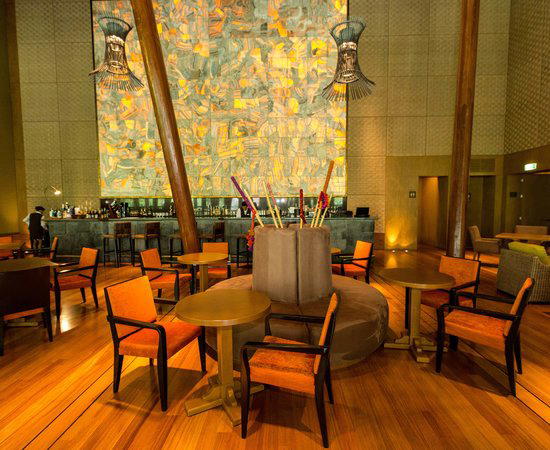
Warm and welcoming atmosphere with attentive service, featuring traditional Peruvian decor reflecting Cusco region cultural customs.