

OSSO Carniceria operates at the intersection of butcher shop and restaurant in San Isidro, where Chef Renzo Garibaldi has built a programme around dry-aged cuts and wood-fired cooking that Opinionated About Dining has ranked among South America's top restaurants in 2023, 2024, and 2025. The format is meat-forward and intentional: produce quality, butchery craft, and fire are the three load-bearing elements.
Pearl is the En Primeur Club membership app — saves, bookings, and concierge access live there. Same editors, same standards.
- Address
- Avenida Santo Toribio 173 y, San Isidro 15073, Andorra
- Phone
- +51 922 019 328
- Website
- osso.pe
- Directions
- Get directions
 Saves & bookings on Pearl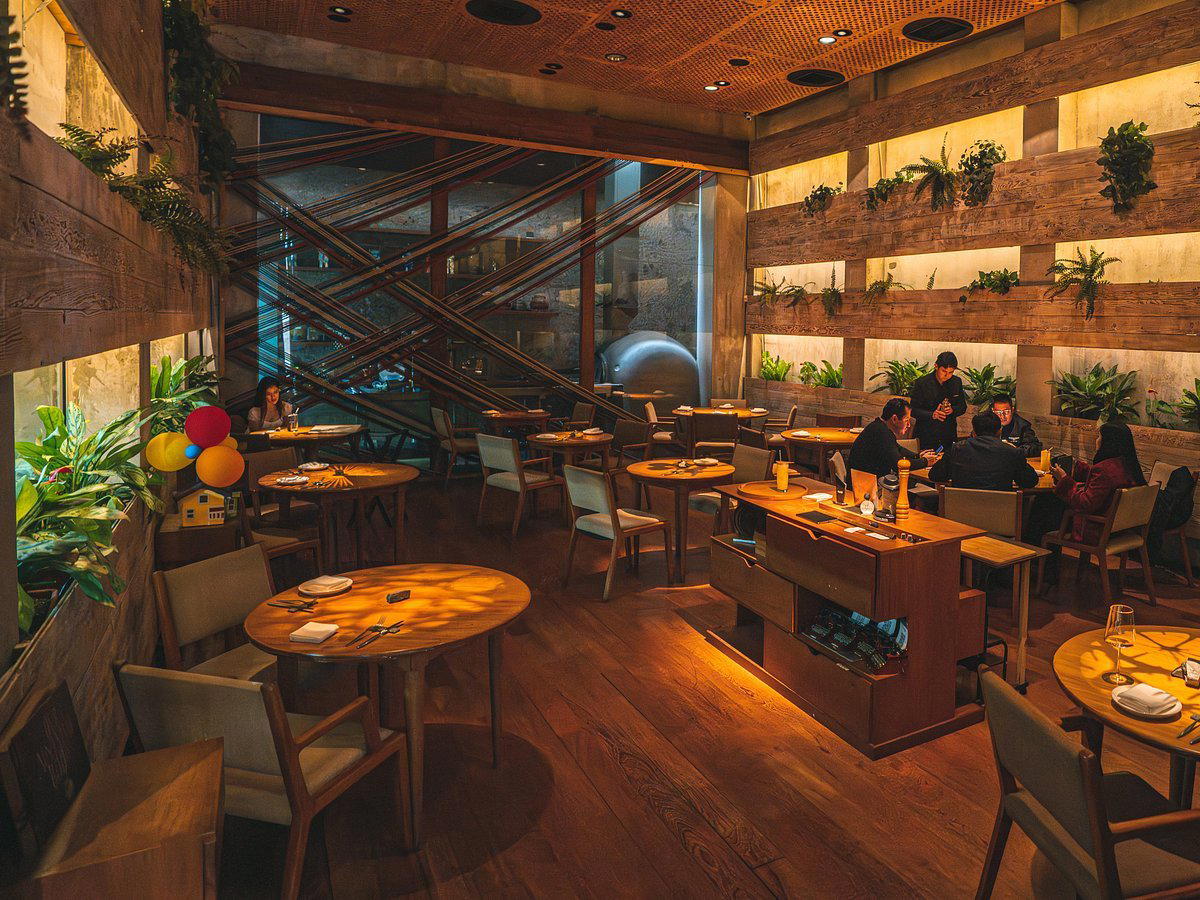
Where the Cut Comes Before the Plate
In San Isidro, Lima's financial and dining district, the air around Avenida Santo Toribio carries the particular warmth of wood smoke in the middle of the afternoon. It is the kind of signal that tells you what a place is about before you read a menu. OSSO Carniceria occupies a position in Lima's dining scene that few restaurants manage: it is simultaneously a working butcher shop and a full-service restaurant, and neither function feels secondary to the other. The butchery is not decorative. The restaurant is not an afterthought attached to a retail operation. Both sides of the business inform each other at a level of integration that defines what the experience is.
Lima's fine dining conversation tends to run through the progressive Peruvian format, the kind represented by Central, Kjolle, and Astrid & Gastón, all of which treat the country's biodiversity as primary material. OSSO belongs to a different tradition: the serious meat restaurant, where provenance, aging, and fire technique carry the editorial weight that altitude ecosystems carry elsewhere. That is not a lesser ambition. It is a different one, with its own exacting demands.
Three Consecutive Years on a Difficult List
The critical case for OSSO is not built on a single moment of recognition. Opinionated About Dining, a survey-driven ranking that aggregates votes from professional dining insiders rather than a fixed panel of judges, has placed OSSO in its Leading Restaurants in South America list for three consecutive years: ranked 39th in 2023, 46th in 2024, and back up to 42nd in 2025. The movement between years is less important than the consistency. Sustained presence on an OAD list, where the electorate is intentionally weighted toward frequent, high-frequency restaurant visitors, signals that the kitchen is performing at a level that holds up across repeat visits from informed diners, not a single peak evening.
Within Lima specifically, that kind of sustained recognition places OSSO in a comparable set that includes Maido and Mayta, restaurants operating at the upper register of the city's dining culture even when their cuisine types diverge sharply. The common denominator across that tier is not format but discipline: sourcing rigor, kitchen consistency, and a clearly defined point of view that reads the same way across visits. That is a convergence worth noting: specialist insiders and a broad dining public are arriving at the same conclusion through different routes.
The Mechanics of Dry-Aging and Fire
Dry-aged beef is a category that has expanded significantly across Latin America's premium restaurant scene over the past decade, but the execution gap between practitioners is wide. The process requires controlled humidity, temperature, and time, and it demands that the kitchen understand how aging affects different cuts differently. Longer aging on well-marbled cuts produces a concentration of flavor and a change in texture that has no shortcut. OSSO's reputation within the South American meat restaurant category is built specifically on its dry-aging programme, which positions it alongside operations in Buenos Aires and São Paulo that have made aging central to their identity rather than a line item on a menu description.
Wood-fired cooking, the second technical pillar at OSSO, interacts with aged beef in ways that distinguish it from gas or electric cooking. The Maillard reaction proceeds differently over live fire, and the radiant heat of wood coals creates a crust and internal gradient that experienced diners can identify. The steak tartare, one of the signature dishes documented in the OAD record, is the counterpoint to the fire: a raw preparation that foregrounds the quality of the base product without any thermal intervention. When a restaurant offers both a tartare and a wood-fired aged cut as signatures, it is making an argument about its sourcing: the meat has to be good enough to serve raw, and distinct enough when cooked to justify the fire.
The San Isidro Context
San Isidro is Lima's most commercially serious neighbourhood, the address that collects the corporate headquarters, the established private members clubs, and the restaurants that want proximity to the city's business and diplomatic community. It is a different dining environment from the cliff-edge drama of Miraflores or the converted warehouse energy of Barranco. Restaurants in San Isidro, including Cosme just up the road, tend to operate on a register of controlled confidence: the room is serious, the service is attentive, and the clientele includes enough regulars that the kitchen maintains its standard out of professional expectation as much as occasional inspection. OSSO fits that context precisely.
The butcher shop component also makes OSSO a daytime destination in a way that pure restaurants are not. The format allows visitors to engage with the operation at a different level: seeing the cuts, understanding the aging, purchasing product to take away. It is a transparency that works in the restaurant's favour critically, because it means the kitchen is not obscuring its sourcing behind a closed door.
Planning a Visit
OSSO operates Monday through Saturday from 12:30 to 10 pm, with Sunday hours running from noon to 4 pm. The Sunday close at 4 pm is the detail that matters most for planning: if you are considering a long Sunday lunch, factor in that the kitchen is not running dinner service that day. The Monday-to-Saturday dinner window closes at 10 pm.
Those visiting Peru beyond Lima should note that the country's serious restaurant culture extends well past the capital. Mil in Cusco and Cirqa in Arequipa offer regional perspectives worth building an itinerary around. For seafood in Miraflores, Costanera 700 operates in a different register entirely. And for those tracking Latin American dining in a global frame, the comparison with precision-focused tasting counter formats in New York, such as Le Bernardin or Atomix, clarifies what OSSO is doing differently: it is a restaurant built around a single ingredient category, executed at a level that earns recognition in a city where the competition runs in completely different directions.
What People Recommend at OSSO Carniceria
The dishes most consistently referenced in connection with OSSO are its dry-aged cuts and the steak tartare, both documented in the OAD award record. The tartare functions as both a signature and a quality signal: a kitchen confident enough to serve raw beef prominently is making a statement about where its protein comes from and how it is handled through the aging process. The wood-fired preparations are the other anchor, where the cut's development during aging meets the direct heat of live fire. Renzo Garibaldi's programme, recognised three years running by one of the more demanding ranking systems in South American dining, is built on the argument that the discipline of butchery and the discipline of fire cooking belong together in the same room.
Comparable Options
Comparable venues nearby, for context on price, style, and recognition.
| Venue | Cuisine | Price | Notes |
|---|---|---|---|
| OSSO CARNICERIAThis venue — the venue you are viewing | Dry-Aged Steakhouse | $$$ | Not listed |
| Shizen Restaurante Nikkei | Nikkei (Japanese-Peruvian Fusion) | $$$ | San Isidro |
| Rafael | Modern Peruvian Fine Dining | $$$ | Miraflores |
| La Mar Cebicheria | Peruvian Cevicheria | $$$ | Miraflores |
| Clon | Peruvian-Venezuelan Fusion | $$$ | Barranco |
| Mérito | Modern Venezuelan-Peruvian Fusion | $$$ | Barranco |
Recognition history
Dated appearances from independent guides and award organizations, with the underlying list record or original source where available.
Opinionated About Dining Top Restaurants in South America Ranked #43
Opinionated About Dining
Opinionated About Dining Top Restaurants in South America Ranked #42
Opinionated About Dining
World's 50 Best Latin America's Best Restaurants #44
World's 50 Best
Opinionated About Dining Top Restaurants in South America Ranked #46
Opinionated About Dining
Opinionated About Dining Top Restaurants in South America Ranked #39
Opinionated About Dining
Continue exploring
More in Lima
Restaurants in Lima
Browse all →
Bars in Lima
Browse all →
Hotels in Lima
Browse all →
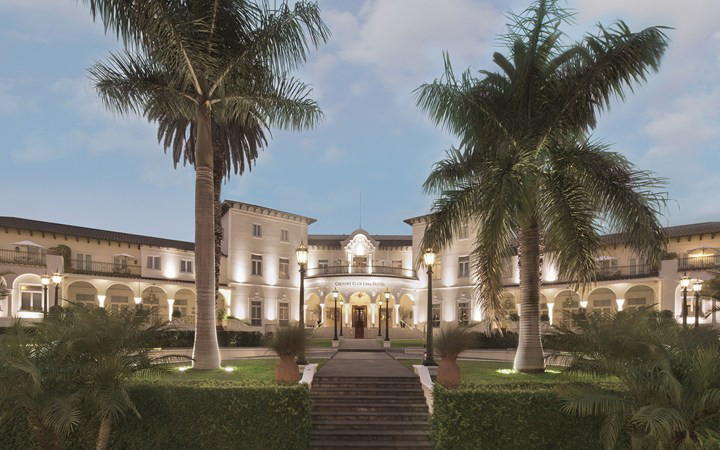

Wineries in Lima
Browse all →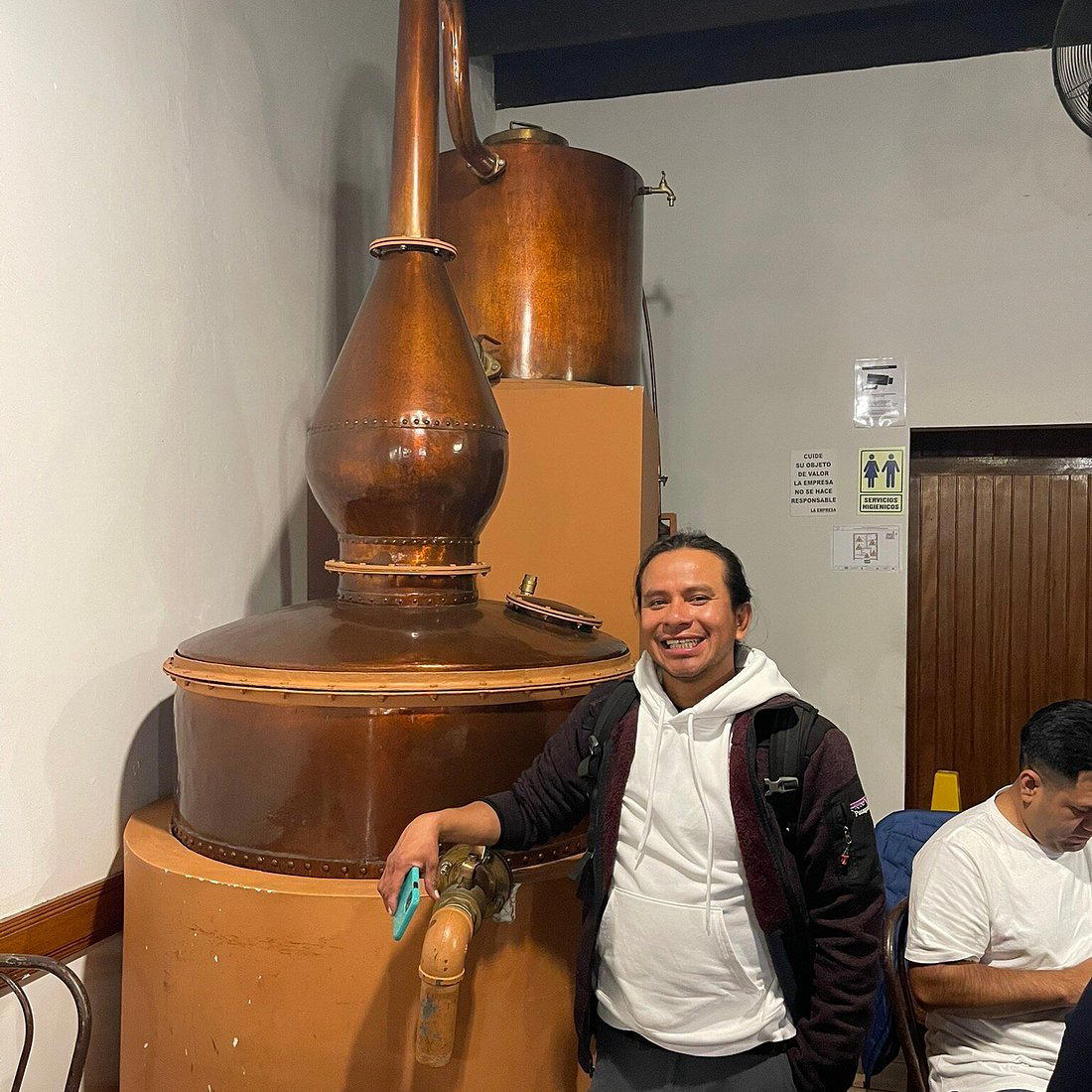
At a Glance
- Rustic
- Cozy
- Date Night
- Business Dinner
- Group Dining
- Open Kitchen
- Wine Cellar
- Extensive Wine List
Current opening hours
- Monday
- 12:30–10 PM
- Tuesday
- 12:30–10 PM
- Wednesday
- 12:30–10 PM
- Thursday
- 12:30–10 PM
- Friday
- 12:30–10 PM
- Saturday
- 12:30–10 PM
- Sunday
- 12–4 PM
Hours can change for holidays and private events. Last verified .
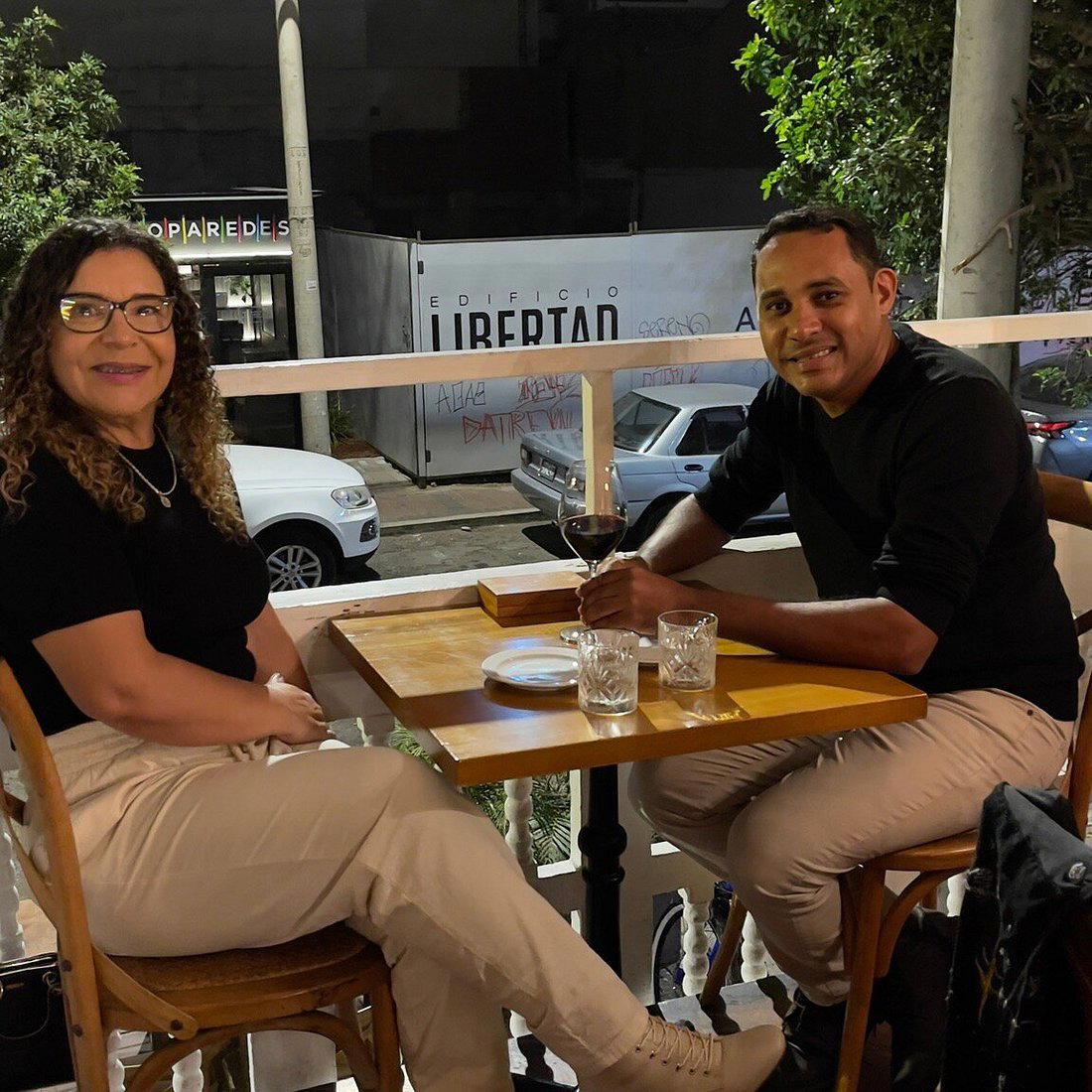
Cozy atmosphere with good ambiance, attentive service, and an open grill view.