
On Miraflores' busiest dining street, Don Nico positions itself within Lima's small but serious steakhouse tier, sourcing premium Aberdeen Angus from the US and applying Argentine-style flame-grilling to the cut. The address on Avenida Mariscal La Mar places it at the intersection of neighbourhood foot traffic and destination dining, making it a practical choice for carnivores working through Lima's broader restaurant scene.
Pearl is the En Primeur Club membership app — saves, bookings, and concierge access live there. Same editors, same standards.
- Address
- Avenida Mariscal La Mar 901, Miraflores, Lima
- Phone
- +51942 224 552
- Website
- donnicosteakhouse.com
- Directions
- Get directions
 Saves & bookings on Pearl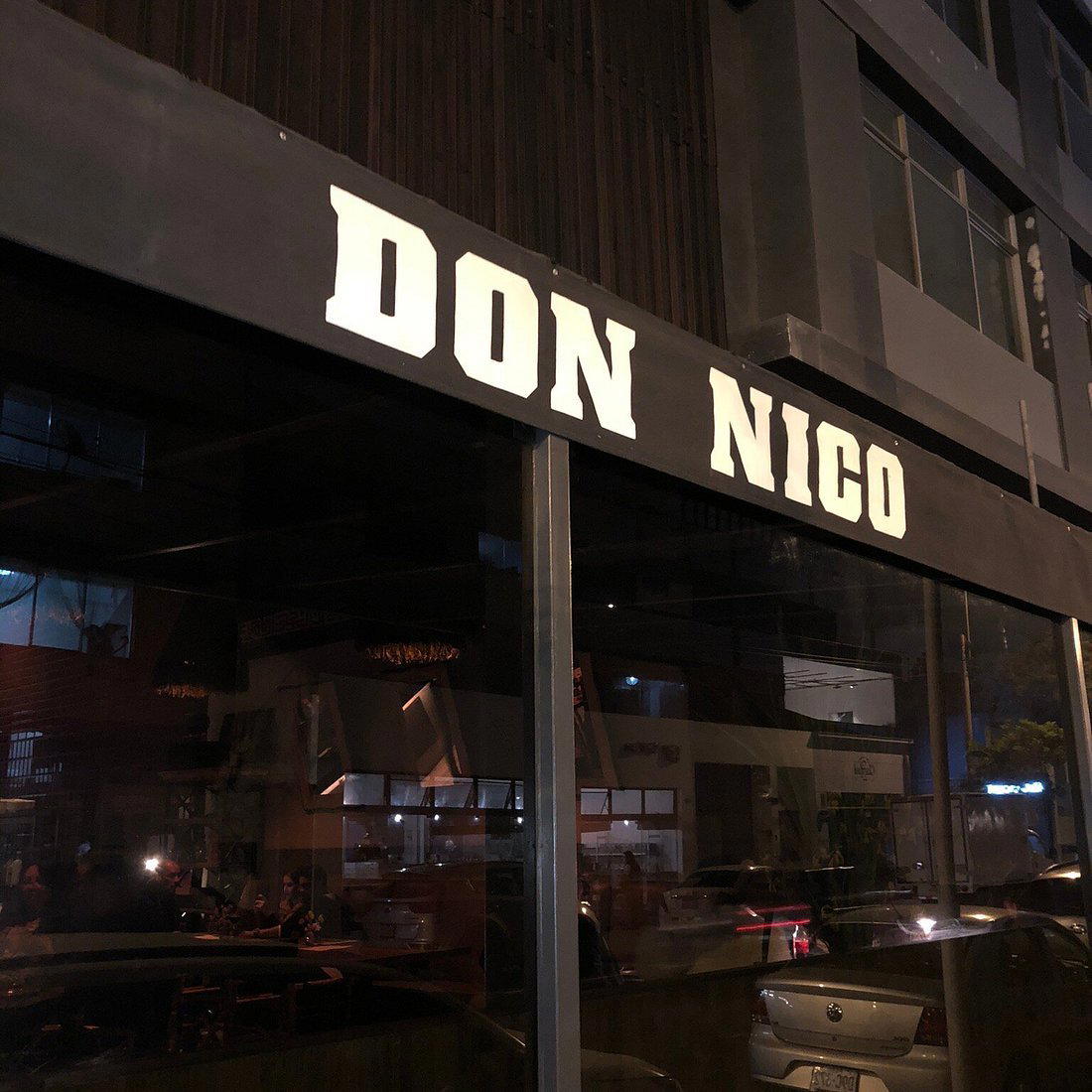
Avenida Mariscal La Mar and the Case for Serious Beef in Lima
Avenida Mariscal La Mar in Miraflores is one of the more concentrated stretches of restaurant real estate in Lima, and concentration here means competition. The street draws a mix of neighbourhood regulars and visitors staying in the district's hotels, and the range runs from ceviche counters to Nikkei specialists. What it has not historically been is a destination for premium beef. Don Nico occupies that gap deliberately as a modern steakhouse at Avenida Mariscal La Mar 901 in Miraflores, Lima, with a recommended reservation policy and a price point of about US$40 per person.
That framing matters in Lima's dining context. The city's international reputation is built almost entirely on seafood, ceviche, and the wave of Peruvian modern cooking represented by places like Central (Progressive Peruvian) and Kjolle (Modern Peruvian). Beef plays a secondary role in that conversation, which means the restaurants willing to make it the main subject tend to have a well-defined point of view. At Don Nico, that point of view is sourcing: only Aberdeen Angus from the United States enters the kitchen, and the cooking method is Argentine flame-grilling rather than the more common plancha approach.
The Argentine Parrilla Tradition and What It Means in a Peruvian Context
Argentine asado culture is built on the principle that quality beef, given sufficient fire and time, needs little else. The parrilla, a grill typically fuelled by hardwood or quebracho charcoal, cooks meat slowly and at a distance from the flame, producing a crust and interior that direct-heat cooking rarely replicates. It is a tradition that has migrated across South America with varying degrees of fidelity, and the difference between a serious parrilla and a casual grill claiming Argentine influence tends to be visible in the equipment, the fuel, and the patience applied to the cook.
Lima has a small number of restaurants that apply this method with genuine commitment, and they operate in a different register from the city's prominent Peruvian-modern scene. Where Maido (Nikkei) or Mayta (Peruvian Modern) draw on Peru's biodiversity and its layered culinary history, a parrilla-focused restaurant draws on a neighbouring country's livestock tradition and its own deeply codified cooking culture. The two conversations rarely overlap, which means Don Nico competes within a narrower comparable set than its address on a high-traffic street might suggest.
Aberdeen Angus Sourcing as a Restaurant Position
The choice to source Aberdeen Angus exclusively from the United States, rather than domestic Peruvian beef or Argentine product, is a positioning decision with practical and reputational dimensions. US Aberdeen Angus, particularly from certified programs, carries consistent marbling grades and a traceable production chain that premium steakhouses around the world use as a baseline guarantee. It is the same sourcing logic that applies at high-end steakhouses from Le Bernardin in New York City to destination meat restaurants across South America, where the conversation about provenance has become central to the restaurant's identity.
In Lima specifically, importing premium US beef places the restaurant in a tier above restaurants using local commodity cuts while also distinguishing it from the Argentine-beef imports that some regional parrilla restaurants favour. It is a narrow but coherent position: American provenance, Argentine cooking method, Peruvian address. The combination is less contradictory than it might sound. Peru's food culture has always absorbed external influences and recombined them on its own terms, from the Japanese-Peruvian fusion that produced Nikkei cuisine to the Spanish, Chinese, and African threads running through Lima's broader table.
Where Don Nico Sits in the Miraflores Dining Picture
Miraflores is Lima's most restaurant-dense district, and its dining options now span price points and cooking traditions with enough depth that a visitor could spend a week eating in the neighbourhood without exhausting it. The street-level concentration on Avenida Mariscal La Mar makes it particularly accessible: restaurants here are walkable from most of the district's major hotels, and the foot traffic sustains a range of formats from quick lunch counters to longer dinner formats.
The restaurant's recent arrival on this street positions it as an addition rather than an institution, which means it enters a market where reputation builds through word-of-mouth and repeat visits rather than legacy.
Within Miraflores itself, the comparison set for a premium beef-focused restaurant includes Costanera 700 in Miraflores, which occupies a different culinary lane but a similar premium neighbourhood tier. For the city's seafood tradition, Central Restaurante remains the reference point, though the two restaurants are not in direct competition. The restaurant's comparable set is smaller and more specific: restaurants where the sourcing decision and the fire are the main acts.
Those crossing further into Latin American beef territory might also note the comparison available at Emeril's in New Orleans and Delfin Amazon Cruises in Iquitos for a sense of how sourcing and cooking tradition play out in different regional contexts. For coastal Peruvian cooking of a different register, Cosme in San Isidro provides a useful comparison point within the city.
Planning a Visit
The restaurant sits at Avenida Mariscal La Mar 901 in Miraflores, directly on the street that concentrates much of the neighbourhood's dining activity. The address is walkable from the district's main hotel corridor and within easy reach of Parque Kennedy. Given the restaurant's recent opening and its position on one of Lima's higher-traffic dining streets, reservations during weekend evenings are advisable. Phone and online booking details were not available at the time of writing; confirming directly through the restaurant's current channels before visiting is recommended.
Cost and Credentials
Comparable venues nearby, for context on price, style, and recognition.
| Venue | Cuisine | Price | Notes |
|---|---|---|---|
| Don NicoThis venue — the venue you are viewing | Miraflores, Modern Steakhouse | $$$ | Not listed |
| Osso - La Molina | La Molina, Modern Peruvian Steakhouse | $$$ | Not listed |
| Malabar | San Isidro, Modern Amazonian Peruvian | $$$ | Not listed |
| Osaka | San Isidro, Nikkei Fusion | $$$ | Not listed |
| Central Restaurante | Not listed | $$$$ | Barranco, Modern Peruvian Biodiversity Tasting Menu |
| Saqra | Miraflores, Modern Peruvian Fusion | $$$ | Not listed |
Recognition history
Dated appearances from independent guides and award organizations, with the underlying list record or original source where available.
Star Wine List
Star Wine List
Continue exploring
More in Lima
Restaurants in Lima
Browse all →
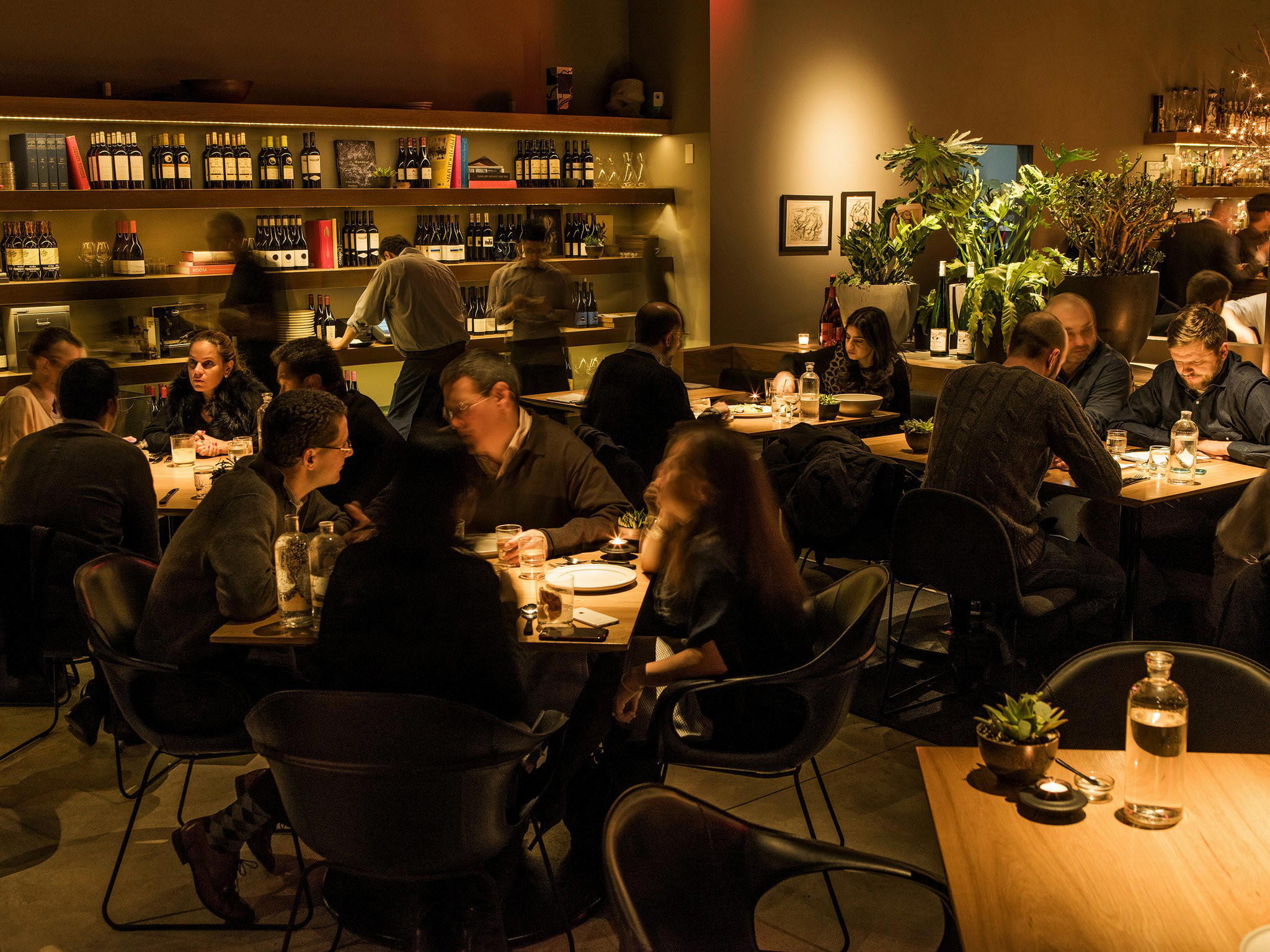
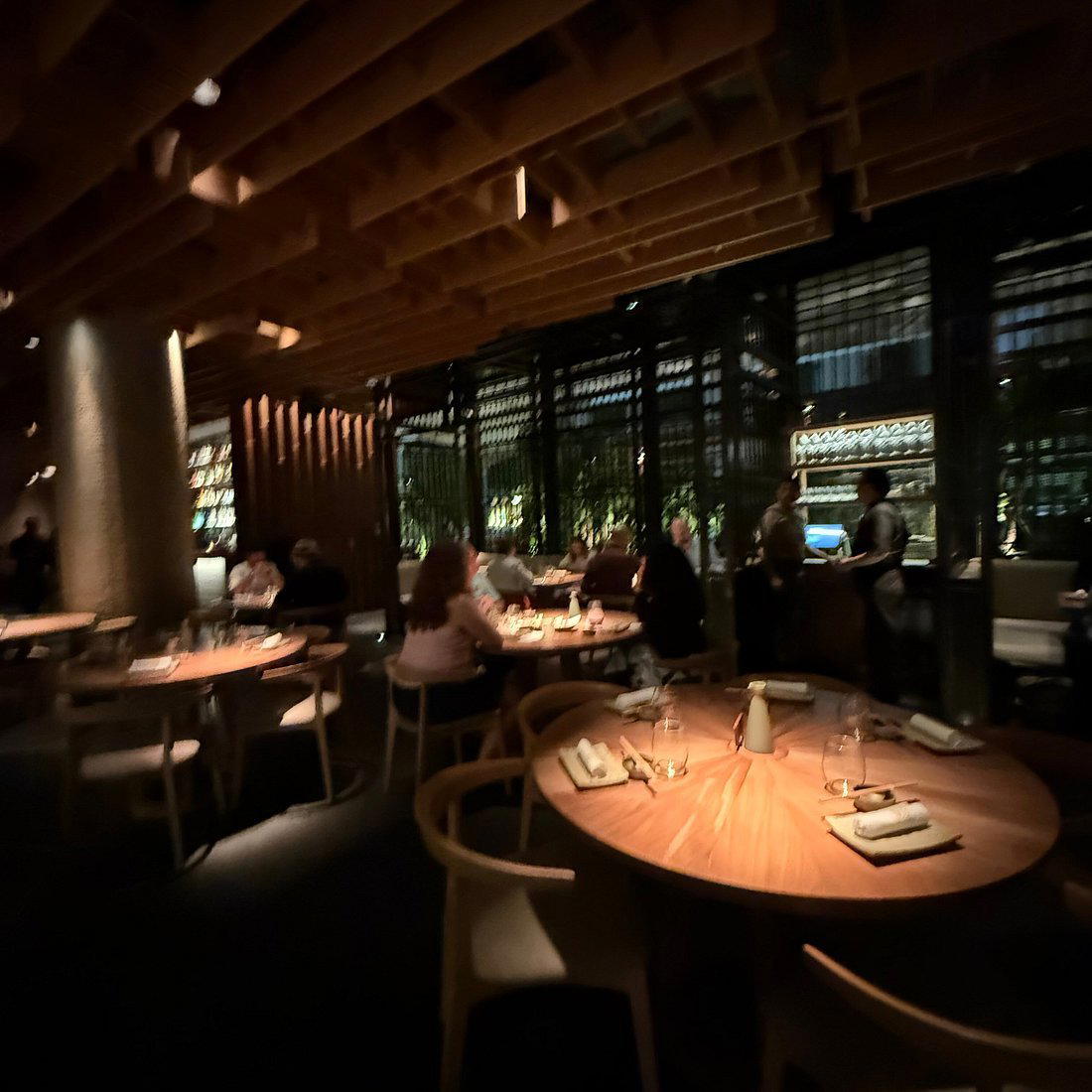
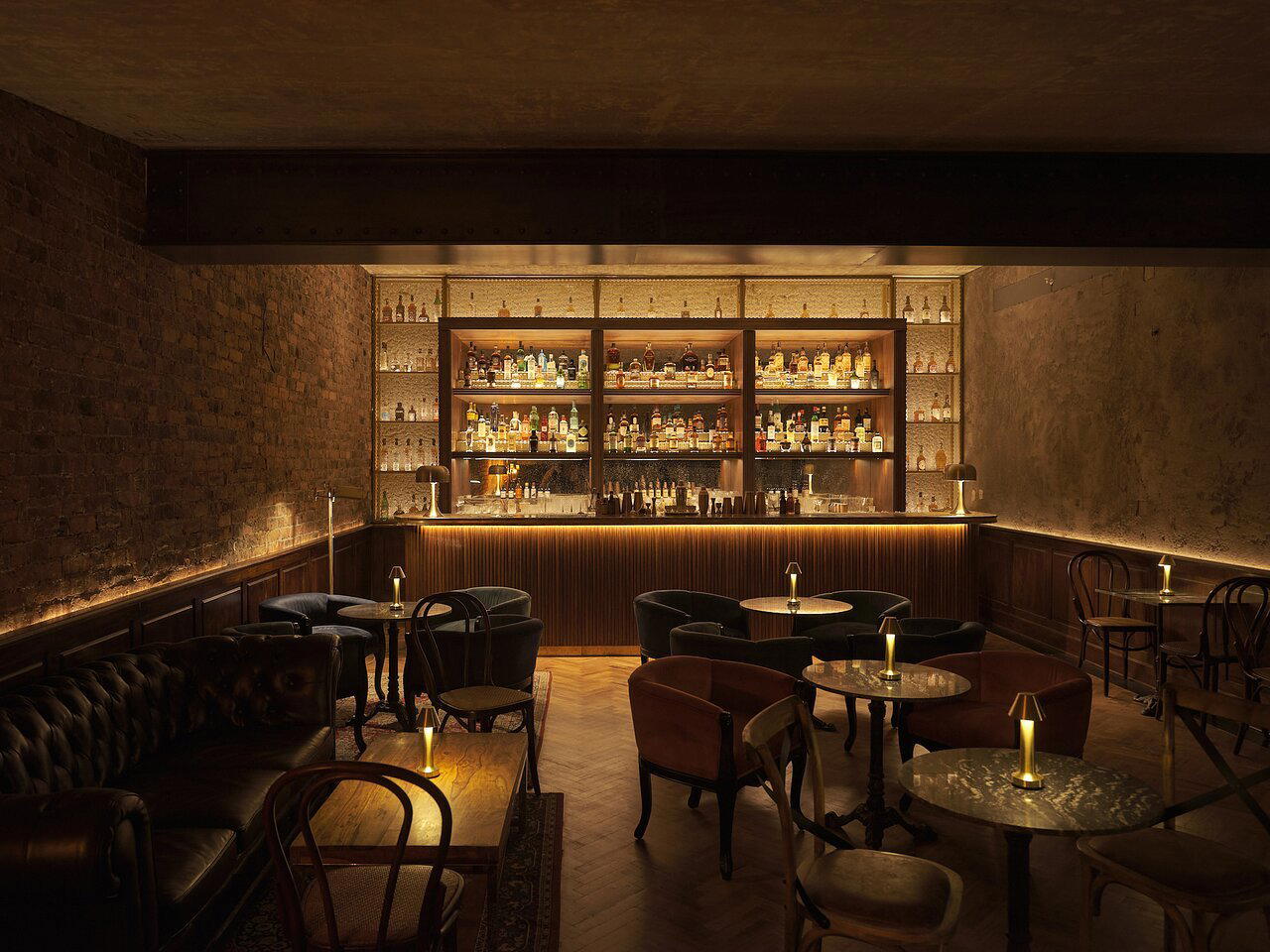
At a Glance
- Romantic
- Modern
- Intimate
- Cozy
- Elegant
- Date Night
- Group Dining
- Family
- Celebration
- Open Kitchen
- Craft Cocktails
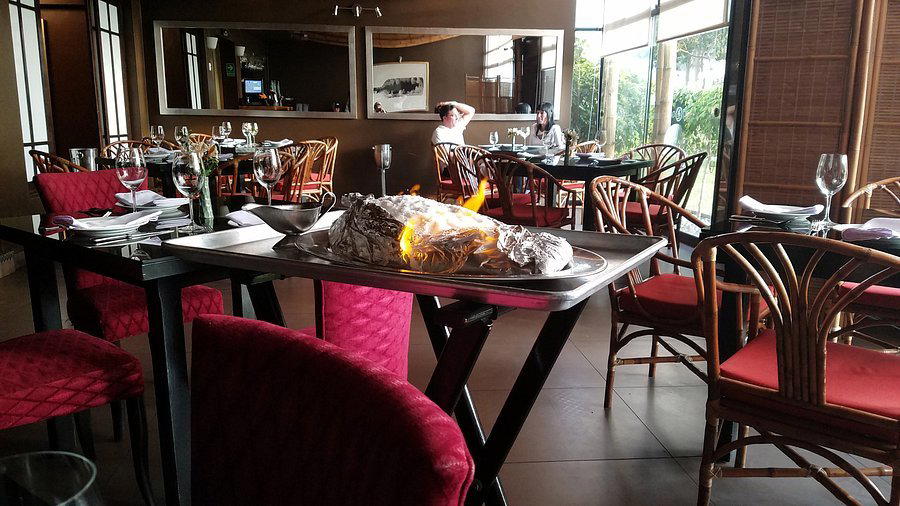
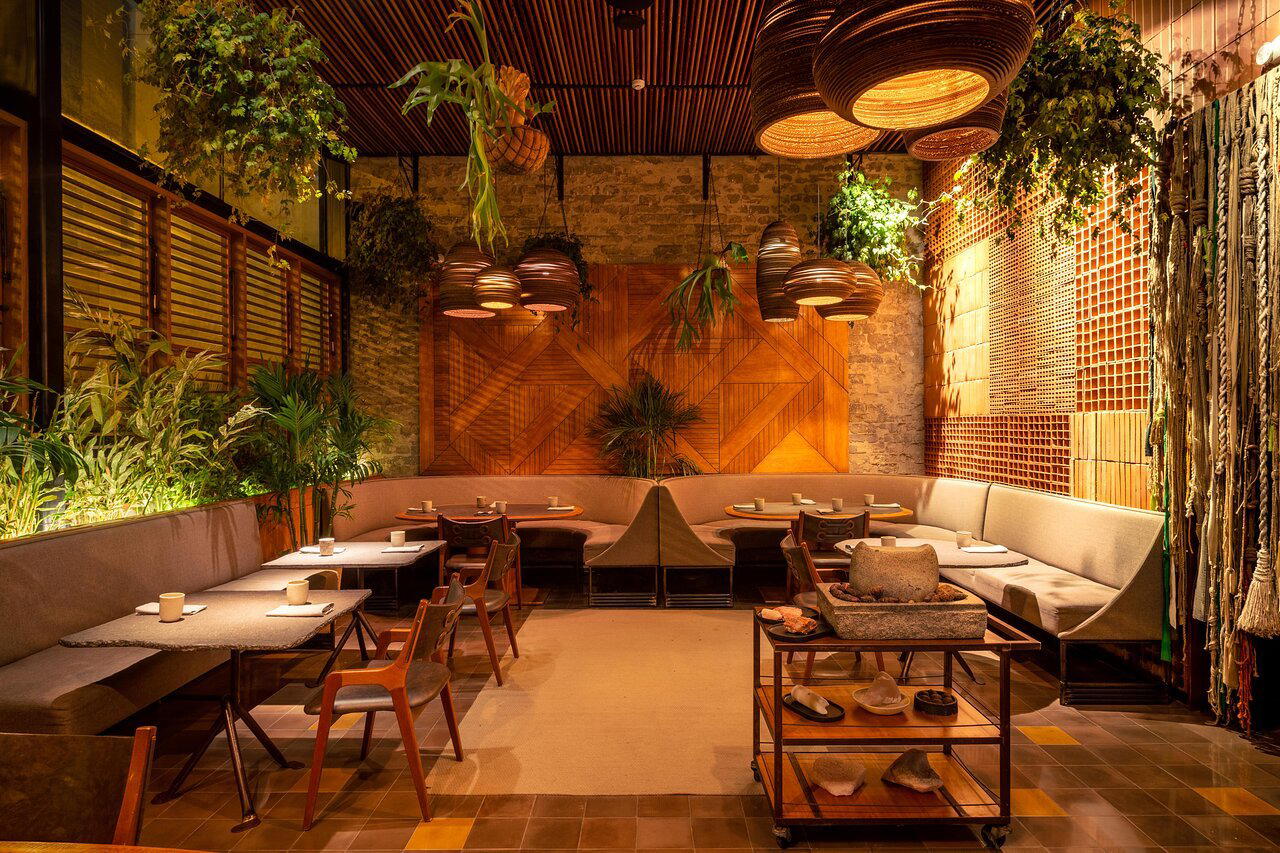
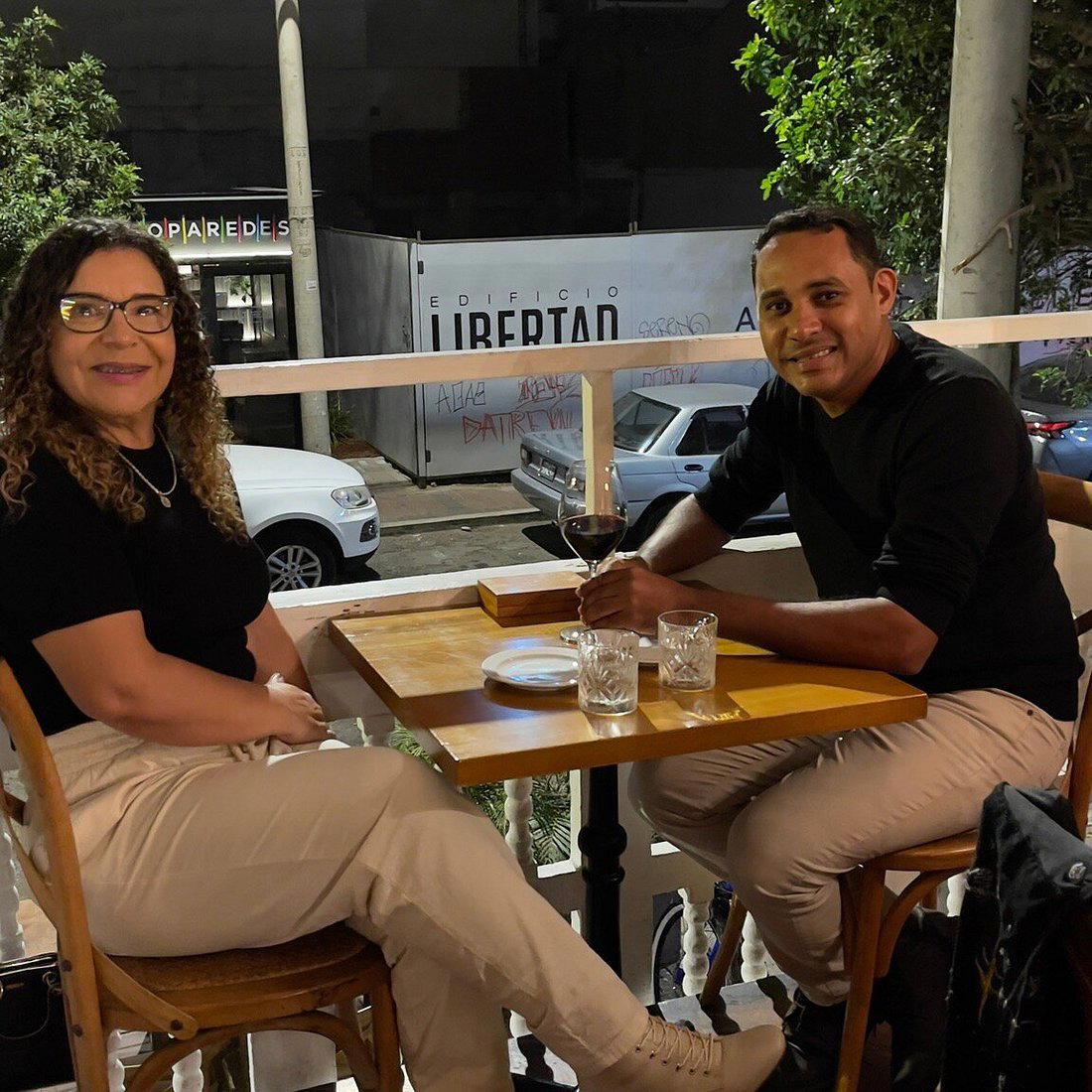
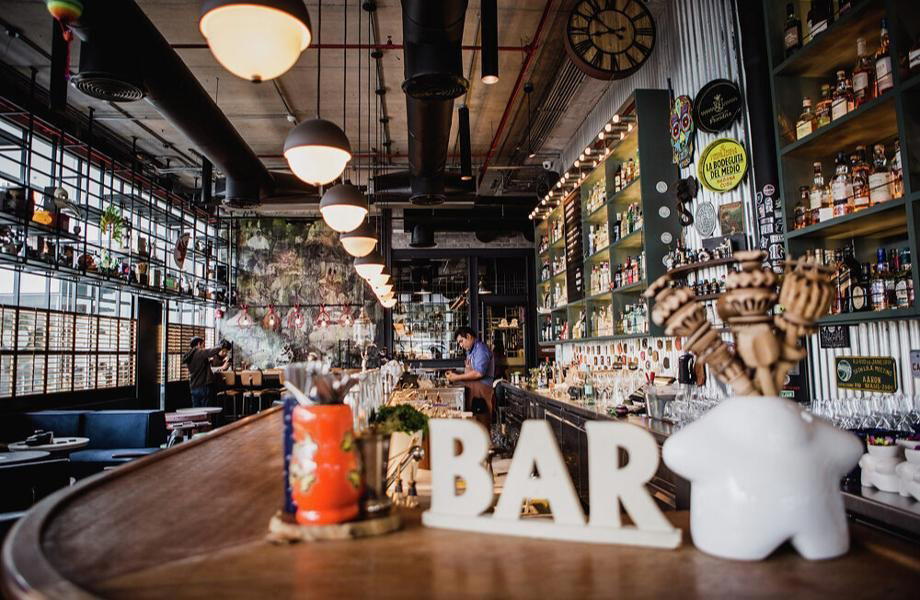
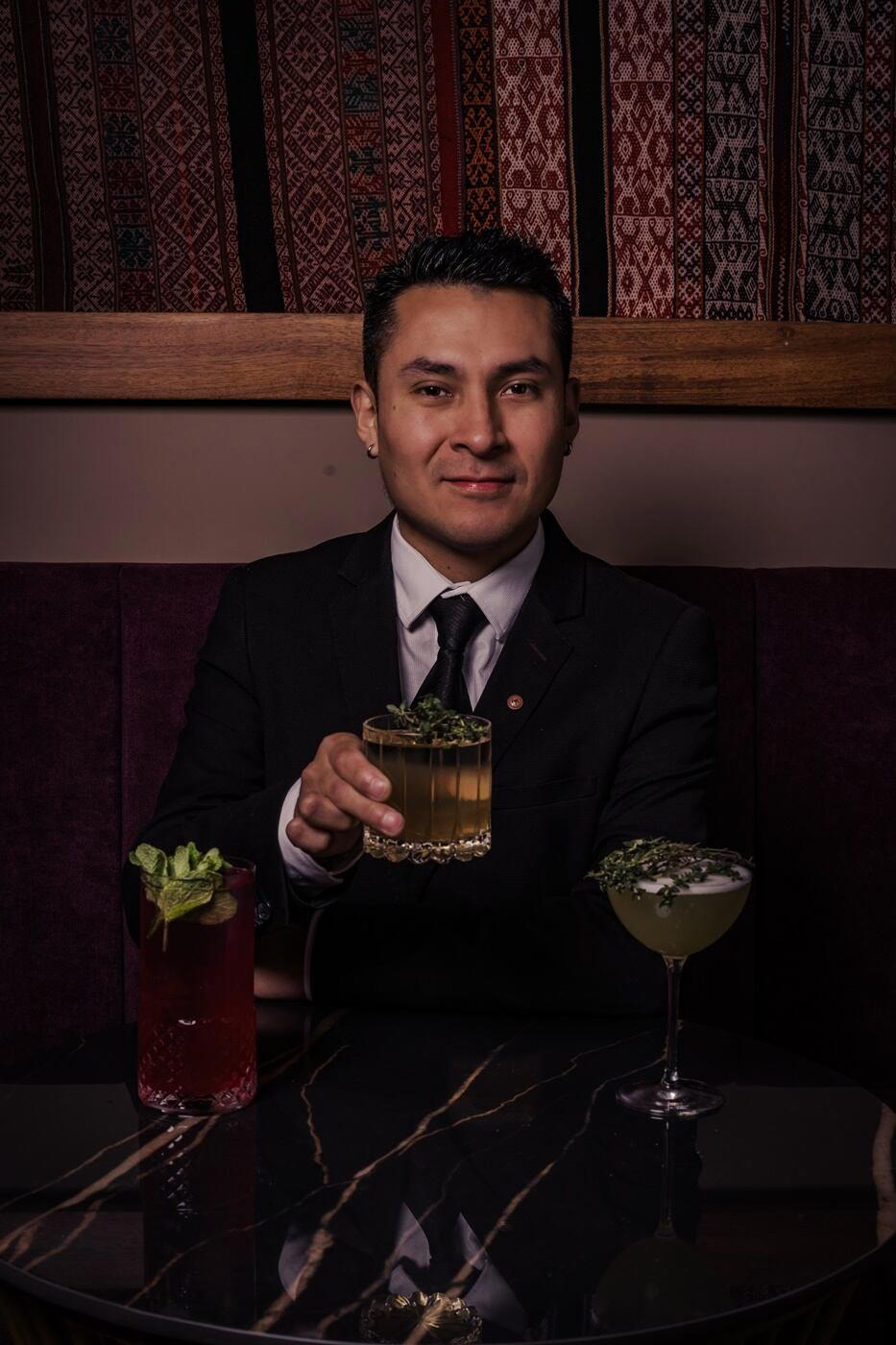
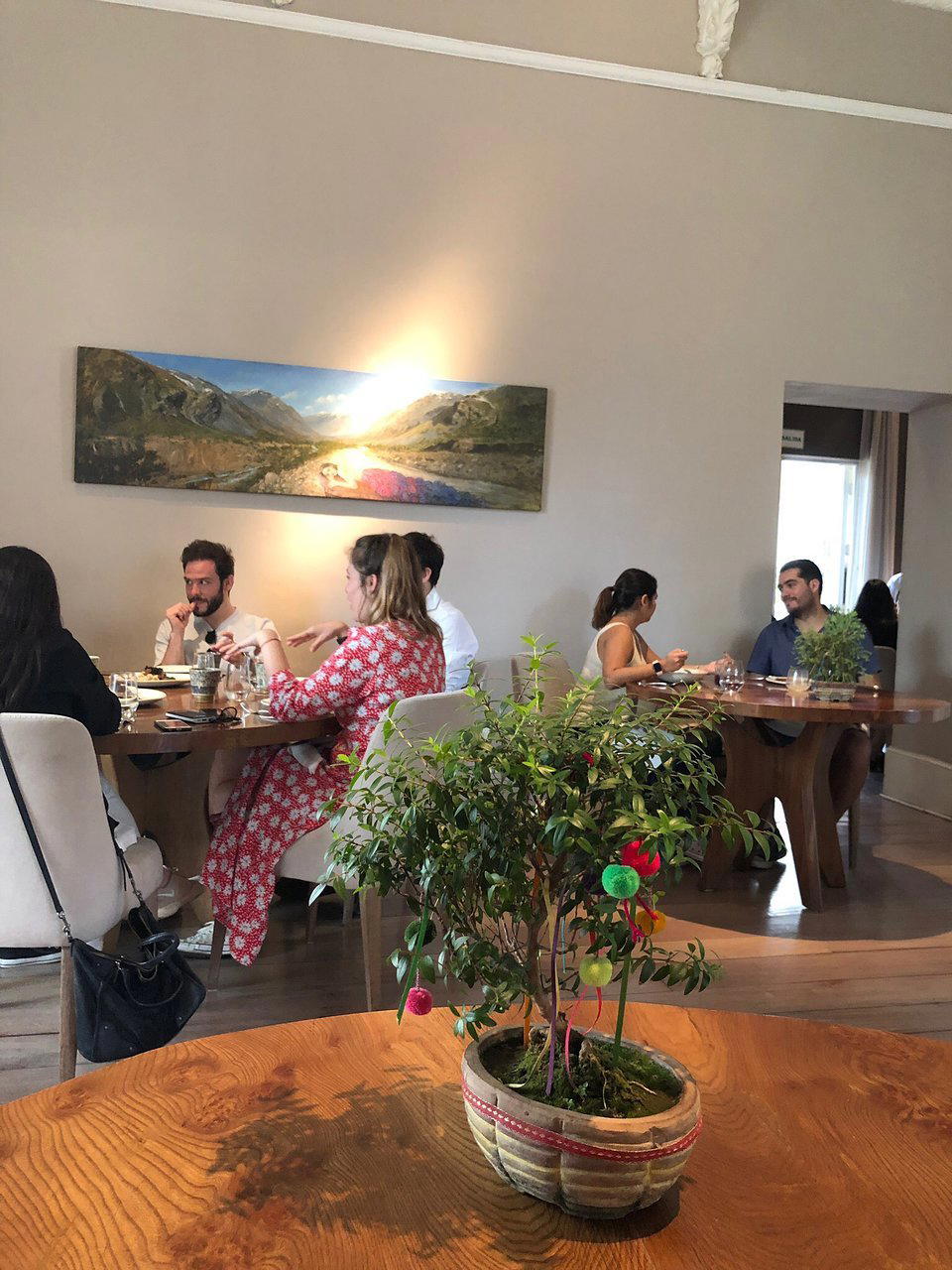
Cozy and intimate lighting creating a romantic and upscale atmosphere, with mellow music and comfortable seating noted in guest reviews.