Meliá Collection Lima sits in a city where hotel dining competes with serious standalone restaurants, not just lobby convenience. With for price, awards, rooms, or restaurants, it is better read as a Lima hotel prospect to verify directly, especially if dining access, booking terms, and neighbourhood fit are central to the stay.

Pearl is the En Primeur Club membership app — saves, bookings, and concierge access live there. Same editors, same standards.
- Address
- Lima, Peru
- Website
- meliahotelsinternational.com
- Directions
- Get directions
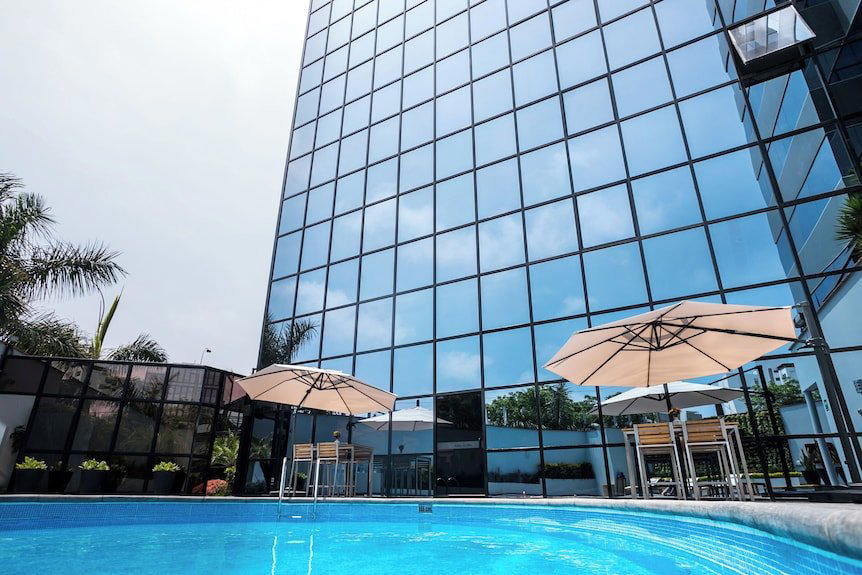
First impressions in a restaurant city
Lima changes the expectations placed on a hotel before a guest reaches the front desk. In cities where dining is peripheral to the hotel experience, a restaurant or bar can function as an amenity. In Lima, that approach is exposed quickly. The capital’s reputation rests on cevicherías, Nikkei counters, criollo kitchens, tasting-menu rooms, pisco bars, and a public that treats lunch and dinner as part of civic identity rather than background service. Meliá Collection Lima enters that context with an immediate editorial question: does the hotel operate as a serious base for eating through the city, or does it ask the city’s dining culture to do the heavy lifting?
That absence matters. In Lima, where hotel choice often depends on proximity to restaurants, bar districts, traffic patterns, and airport timing, missing practical data is not a small gap. It means the hotel should be assessed with direct verification before any stay is planned around a meal, a bar programme, or a specific neighbourhood routine.
What can be said with confidence is broader and useful: Lima is not a hotel-dining backwater. The stronger properties in the city increasingly understand that a guest may arrive with restaurant reservations already forming the itinerary, then expect the hotel to supply a credible breakfast, a calm bar, precise concierge handling, and an easy return after dinner. The dining programme is not only about what sits inside the building. It is also about how the hotel connects guests to the city’s eating rhythms.
Why hotel dining has a different burden in Lima
Lima’s restaurant culture gives hotels little room for vague culinary gestures. The city has spent decades converting Peru’s coastal, Andean, Amazonian, Japanese, Chinese, Spanish, African, and Italian influences into a restaurant language with international reach. Ceviche is only the opening argument. Nikkei cooking has reshaped the way many visitors understand fish, soy, citrus, and heat. Chifa remains an everyday inheritance rather than a novelty. Pisco sour service can be formal, casual, or technical, depending on the room. A hotel dining programme in this city has to understand those expectations, even when it chooses restraint over ambition.
That is the comparative pressure around Meliá Collection Lima. A hotel restaurant in Lima does not compete only with other hotel restaurants. It competes with the guest’s lunch reservation, the late pisco bar, the Miraflores or Barranco table secured weeks ahead, and the cevichería that may only make sense at midday.
This is also where Lima differs from resort destinations. In a remote coastal or mountain hotel, the property may define the dining arc from morning to night. In Lima, the hotel is usually one node in a larger food itinerary. A property can win loyalty by being efficient, calm, and well connected rather than theatrical. It can lose relevance if its dining operation feels detached from the city outside. The dining programme, then, should be judged by both ambition and usefulness.
Reading Meliá Collection Lima against the city's hotel set
The Lima hotel set divides into several useful categories. Historic clubs and traditional grand hotels trade on ceremony and established neighbourhood status. Design-led smaller properties lean into Barranco or Miraflores culture, often making art, architecture, and breakfast part of the stay. International business hotels prioritise predictability, meeting facilities, loyalty schemes, and transport convenience. Meliá Collection Lima, based on the available record, cannot be placed precisely inside those categories by verified room count, design language, star rating, or address. That limitation should shape expectations rather than be glossed over.
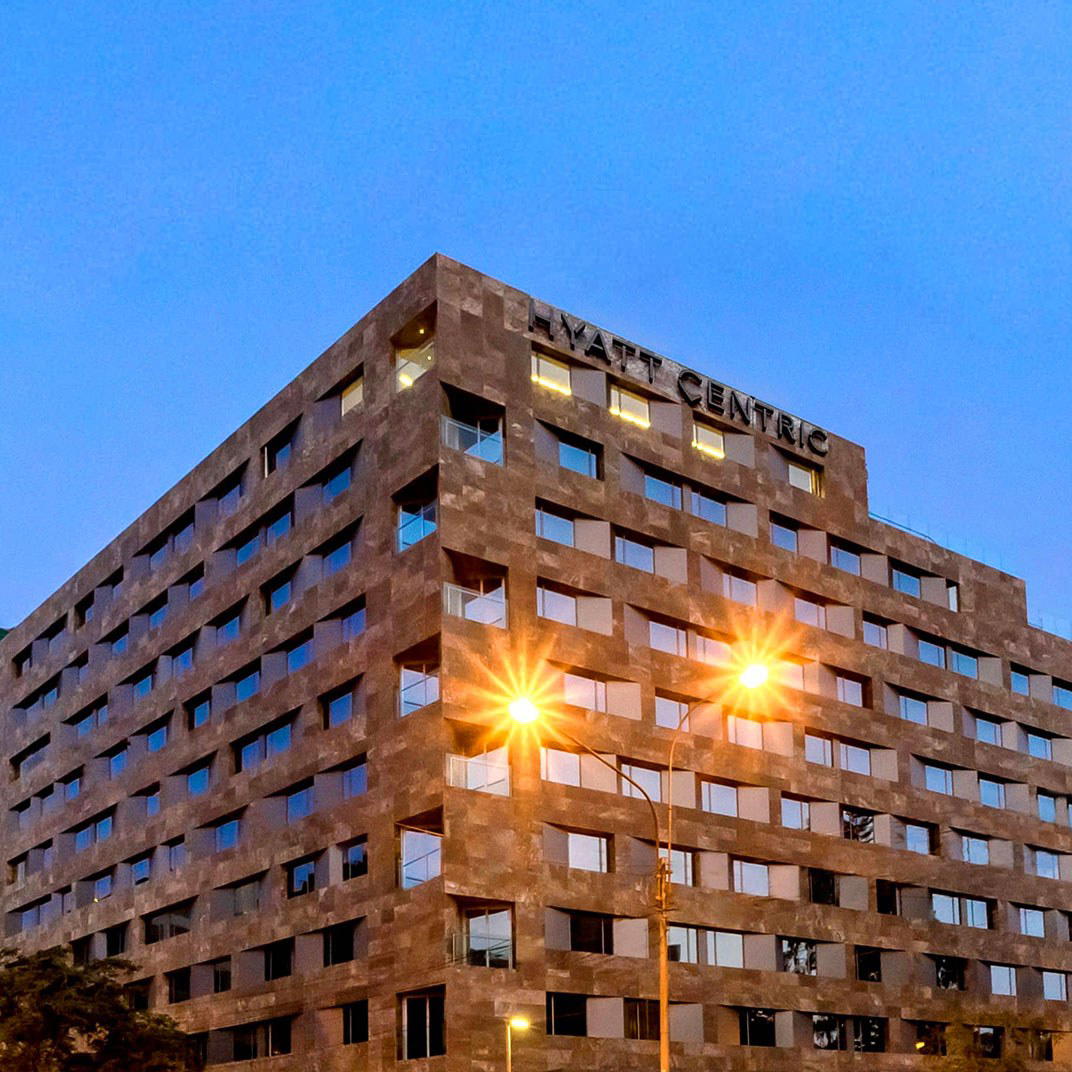
For comparison, EP Club readers looking at Lima can measure the decision against Atemporal, Country Club Lima Hotel, Hotel B, fausto, Hyatt Centric San Isidro Lima, JW Marriott Hotel Lima, Crowne Plaza Lima by IHG, and Belmond Las Casitas. Those comparisons are not decorative. They clarify the trade-off: boutique atmosphere versus international infrastructure, traditional service versus contemporary design, neighbourhood immersion versus business-grade convenience.
The trust signal here is contextual rather than award-led. Lima’s reputation as a dining capital is well established through international restaurant recognition and sustained global attention on Peruvian cuisine. That city-level authority raises the bar for any hotel claiming relevance to food-focused travellers. A sharper editorial stance is more useful: treat the property as a candidate that requires due diligence, especially if restaurant access and bar quality are central to the trip.
The dining programme question
The assigned lens is the dining programme, and the lack of verified restaurant or bar data makes that lens more revealing, not less. In Lima, a hotel’s culinary identity can show up in four places: the breakfast table, the main restaurant, the bar, and concierge intelligence. Breakfast matters because days often begin early, either with meetings, museum plans, coastal walks, or onward travel. The main restaurant matters only if it has a clear reason to compete with the city outside. The bar matters because Lima’s cocktail culture is tied to pisco but no longer limited to it. Concierge intelligence matters because the distance between a good reservation plan and a frustrating evening can be traffic, timing, and neighbourhood sequence.
No menu items should be assumed. No claim should be made about a pisco sour, ceviche, tasting menu, rooftop, lounge, or breakfast service without direct confirmation from the hotel. That restraint is not a lack of editorial confidence. It is the correct standard for a city where culinary claims carry weight.
A food-led traveller should therefore approach the hotel as a base whose value depends on verified logistics. If the hotel can confirm a strong breakfast, useful bar hours, and concierge support for restaurant planning, it may suit a dining-heavy Lima itinerary even without a destination restaurant of its own. If those elements are thin or unclear, the case for staying shifts toward other factors: room comfort, location, transport, rate, and brand preference. The difference is practical, not abstract.
How Lima dining shapes the stay
Planning meals in Lima is often about timing. Ceviche and seafood lunches are usually strongest as a daytime decision, while longer dinners suit a later rhythm. Traffic can make a short distance feel longer than expected, particularly when moving between business districts, coastal neighbourhoods, and Barranco. A hotel that looks convenient on a map may feel less so if the day’s restaurant plan pulls repeatedly in another direction.
This is where broader Lima planning becomes useful. Travellers building a food itinerary should cross-reference hotel choice with Our full Lima restaurants guide, then check drinking plans through Our full Lima bars guide. Hotels can be compared through Our full Lima hotels guide, while broader category planning sits in Our full Lima experiences guide. Wine is not the central calling card of Lima in the way restaurants are, but travellers tracking bottles and regional context can use Our full Lima wineries guide for orientation.
The more serious the dining plan, the earlier the hotel decision should be tied to reservations. Lima rewards a structured sequence: lunch near one zone, rest or work in another, dinner without a cross-city scramble, then a bar within a sensible return route.
Who should consider it
Meliá Collection Lima makes the most sense for travellers who are already comparing Lima hotels and are prepared to verify details before committing. That means the decision should not be made on assumptions about collection standards alone. It should be made on confirmed fit: location, rate, cancellation terms, dining access, breakfast inclusion, transport needs, and the strength of the hotel’s guest support.
For a traveller whose Lima trip is primarily restaurant-led, the property’s internal dining should be treated as an open question. The smarter move is to secure independent restaurant plans, then ask the hotel to confirm whether its breakfast and bar schedule support those plans. For a business traveller, the key issue may be neighbourhood and transport. For a leisure traveller pairing Lima with Peru’s other regions, the question may be whether the hotel provides a calm city interval before or after Cusco, the Sacred Valley, the Amazon, Paracas, or Arequipa.
That wider Peru route matters because Lima is often the hinge of a multi-stop trip. Comparisons beyond the capital include Palacio Nazarenas in Cusco, Andenia Boutique Hotel in Sacred Valley, Las Casitas, A Belmond Hotel in Arequipa, Inkaterra Reserva Amazonica in Tambopata, Delfin Amazon Cruises in Iquitos, Sanctuary Lodge, A Belmond Hotel, Machu Picchu in Machu Picchu, Inkaterra Hacienda Concepción in Puerto Maldonado, Willka T'ika Essential Wellness in Urubamba, and Hotel Paracas in Paracas. Against that national circuit, Lima’s role is different: it is where dining, flights, and urban recovery need to align cleanly.
Planning notes before committing
Because the confirmed venue data does not include a website or phone number, the practical step is direct verification through the hotel’s official channels before relying on any detail that affects the trip. Ask for the current address, check-in and check-out times, restaurant and bar names, opening hours, breakfast format, room categories, cancellation policy, deposit terms, and whether the hotel can assist with restaurant reservations. If dining is the reason for choosing the property, request specifics rather than general assurances: which outlets are open on the dates of stay, whether non-guests use them, whether holiday schedules change service, and whether the bar operates late enough after dinner.
That makes comparison shopping essential. A Lima hotel may look reasonable until transport time, breakfast exclusions, and restaurant logistics are accounted for. Conversely, a higher nightly rate can make sense if the property reduces friction across a tight food itinerary. The correct test is not price alone. It is whether the hotel supports the trip’s actual rhythm.
For travellers who use global hotel references to calibrate service expectations, it can help to compare the role of a city property with peers in other destinations: The Fifth Avenue Hotel in New York City sits in a restaurant-dense urban context, Hôtel de Paris Monte-Carlo in Monte Carlo carries resort-city ceremony, and Badrutt's Palace Hotel in St. Moritz belongs to a seasonal alpine tradition. Lima is its own proposition: less about hotel mythology, more about access to a city that eats with intent.
How It Compares
Comparable venues nearby, for context on price, style, and recognition.
| Venue | Cuisine | Price | Awards | Notes |
|---|---|---|---|---|
| Meliá Collection LimaThis venue — the venue you are viewing | Luxury boutique property housed in a landmark historic residence in Lima’s old town, curated under The Meliá Collection brand with a strong narrative connection to the city’s cultural and intellectual life. | Not listed | Not listed | Not listed |
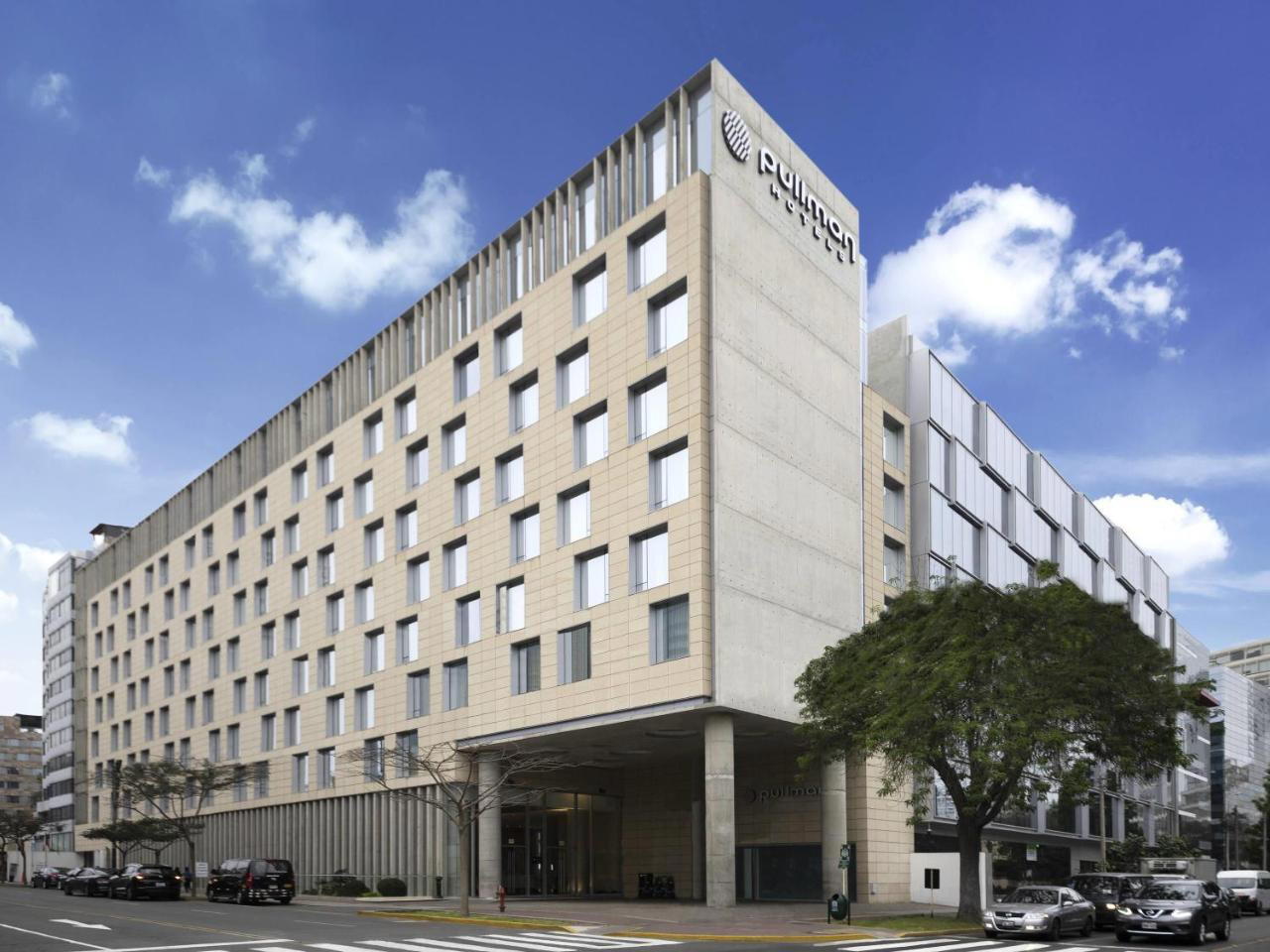
| Pullman Lima San Isidro | Modern business hotel with wellness amenities | Not listed | Michelin Selected | San Isidro |
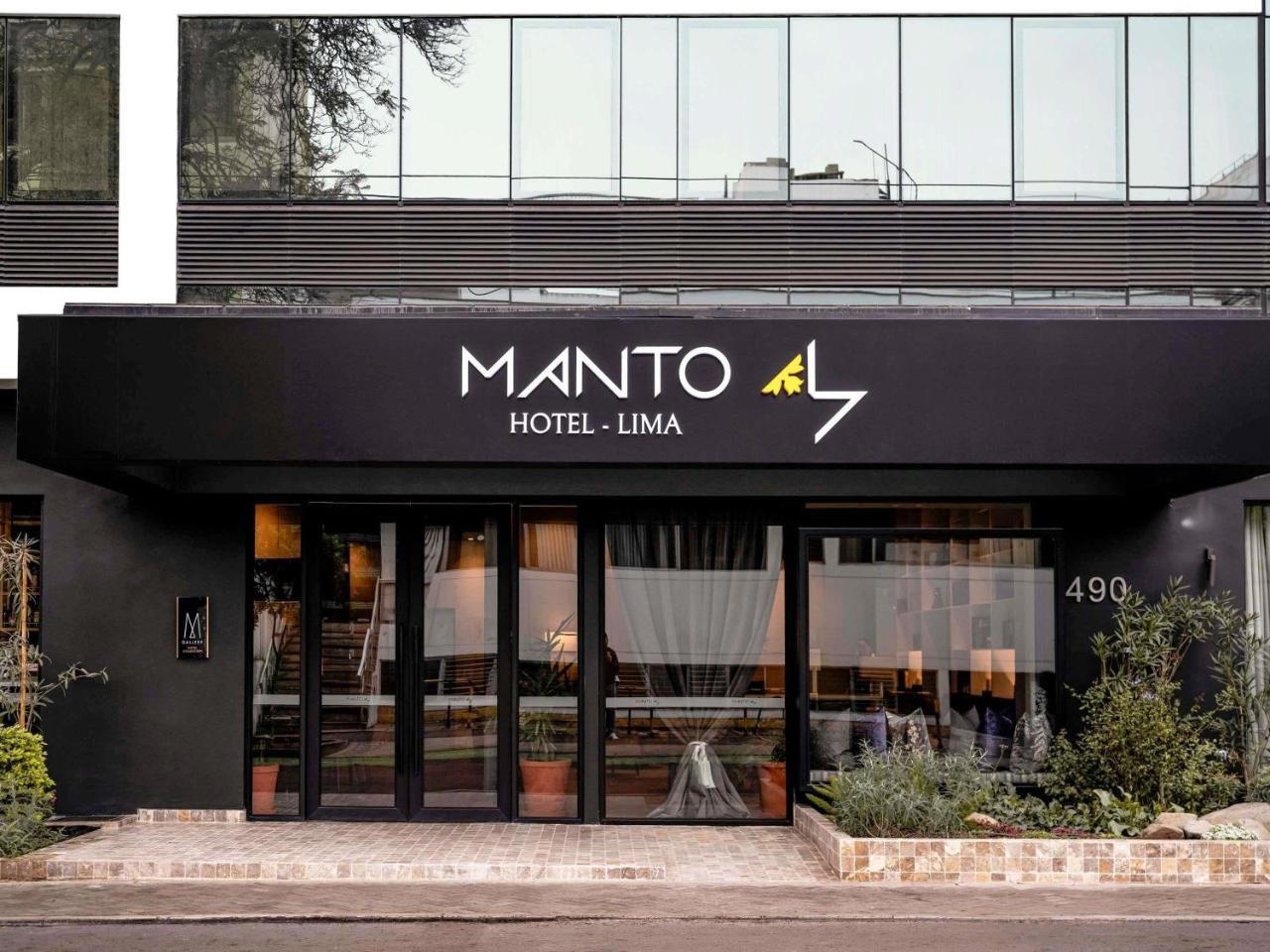
| Manto Lima - MGallery | Heritage-inspired boutique hotel celebrating Lima's Tapada Limeña elegance | $1–100 | Michelin Selected | San Isidro |
| fausto | Restored 1920s neoclassical townhouse with modern creative touches | $200–300 | 1 Michelin Key · Mr & Mrs Smith Seal of Approval | Miraflores |
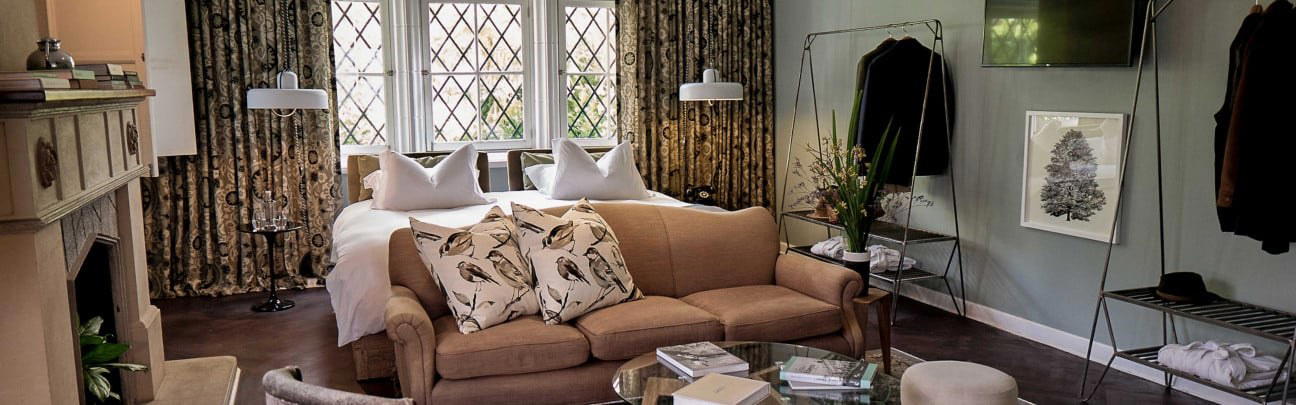
| Atemporal | Restored 1940s Peruvian Tudor mansion with intimate residential luxury. | Not listed | 1 Michelin Key · Mr & Mrs Smith Seal of Approval | Miraflores |
| Iberostar Selection Miraflores | Urban oceanfront luxury hotel with strong sustainability positioning in Lima’s Miraflores district. | $100–200 | Not listed | Miraflores |
Continue exploring
More in Lima
Hotels in Lima
Browse all →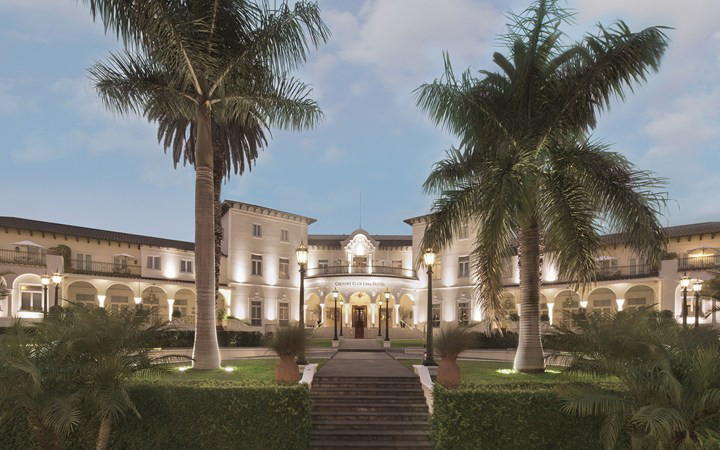
Bars in Lima
Browse all →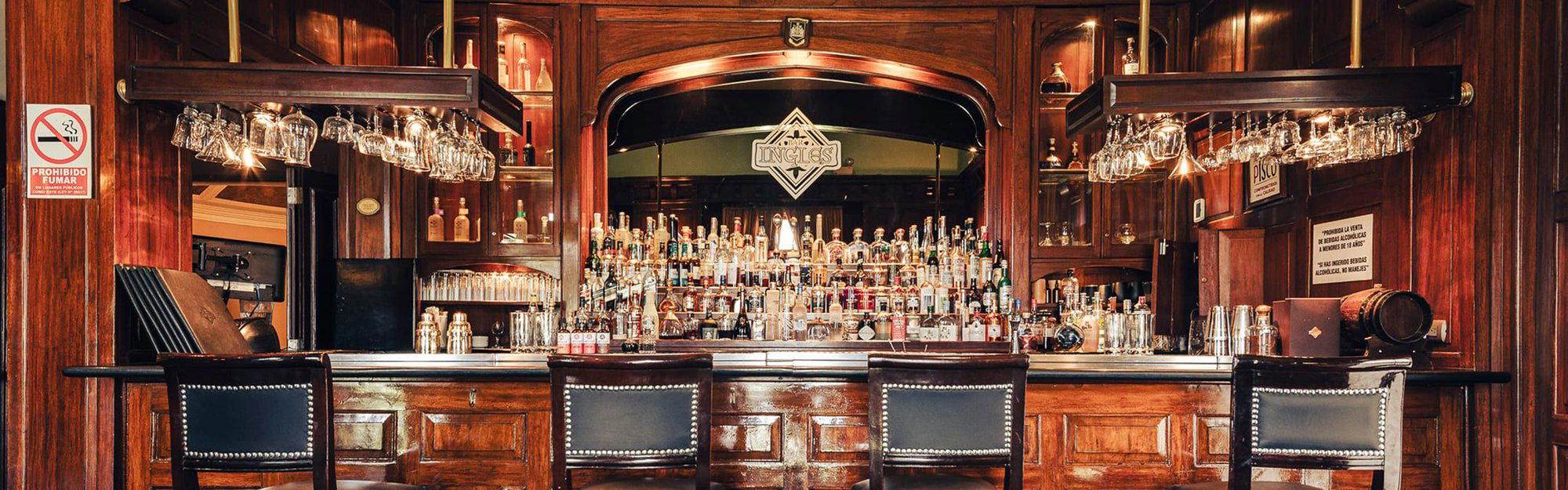
Wineries in Lima
Browse all →
Details
- Elegant
- Classic
- Well Known
- Sophisticated
- Intimate
- Romantic Getaway
- Anniversary
- Weekend Escape
- Celebration
- Group Retreat
- Historic Building
- Design Destination
- Terrace
- Wi Fi
- Concierge
- Street Scene
Intimate luxury boutique atmosphere rooted in Lima’s colonial history, blending restored heritage architecture with refined contemporary comfort and a strong sense of place through art, culture, and storytelling.