

World's 50 Best #66 · We're Smart World 2 Radishes
Our verdict
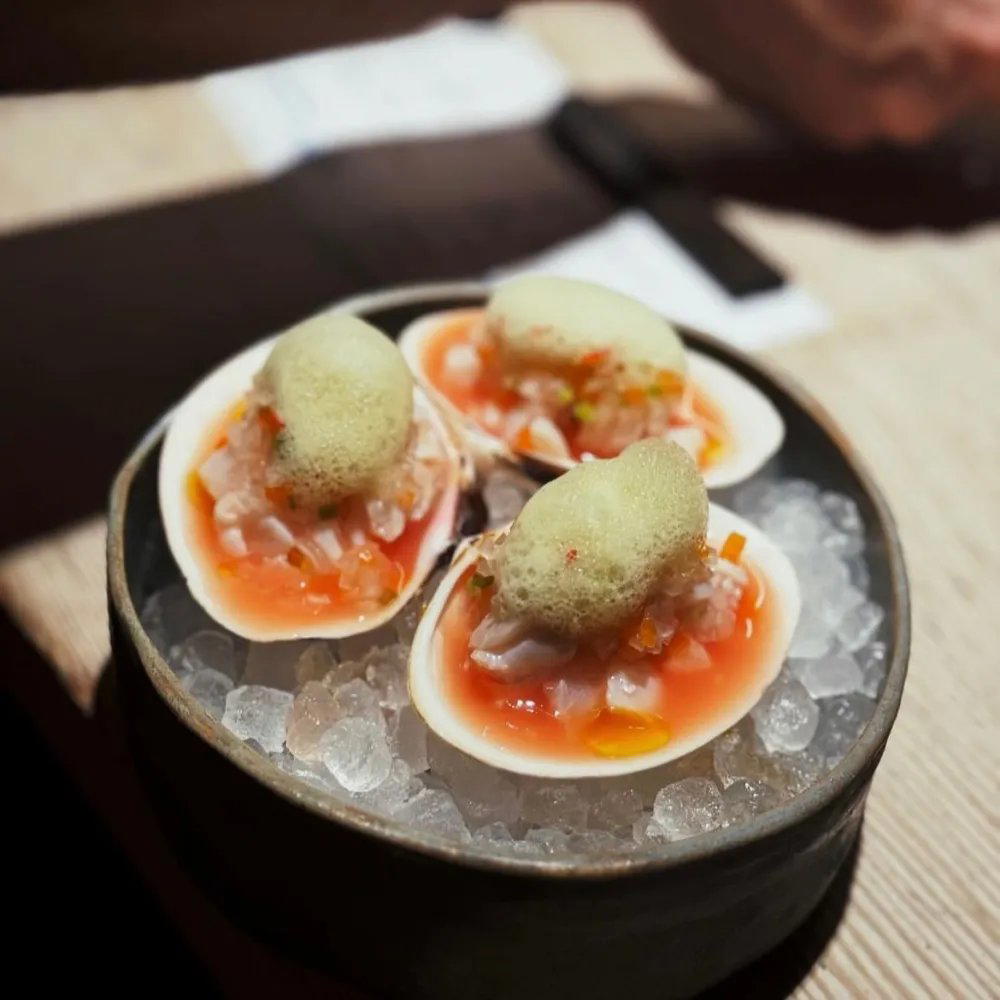
Clon occupies a compact space on Avenida Almirante Grau in Barranco, where Venezuelan chef Juan Luis Martínez folds high-end Peruvian ingredients into a menu shaped by his South American roots. Recognised by the We're Smart Green Guide team for its vegetable-forward creativity, this is the third restaurant from Martínez and the one that most clearly defines his direction.

Pearl is the En Primeur Club membership app, where members save venues, book tables and use the concierge.
Barranco as a Dining Address
Barranco has spent the better part of two decades accumulating the conditions that serious restaurants need: foot traffic from the arts crowd, proximity to Miraflores money, and just enough bohemian looseness to tolerate genuine experimentation. The district sits at Lima's southern coastal edge, its colonial houses converted into galleries, bars, and the occasional small restaurant that earns its place through cooking rather than branding. It is the part of Lima where a chef can open a compact room with an unconventional proposition and be taken seriously from the first service. Clon, on Avenida Almirante Grau, fits that pattern precisely.
The address itself is telling. Almirante Grau runs through the heart of the district, close enough to the Bajada de los Baños to pick up the coastal light, far enough from the tourist cluster around Parque Municipal to operate on its own terms. The room is small, which in Barranco reads less as a limitation and more as a declaration of intent: this is a restaurant built around a specific cooking idea, not a machine scaled for volume.
Where This Restaurant Sits in Lima's Current Scene
Lima's restaurant conversation is dominated by a handful of names that have defined Peruvian cooking for a global audience. Central and Maido operate at the formal tasting-menu tier, drawing international visitors who plan their trips around tables. Astrid & Gastón holds a different kind of institutional weight. Below that bracket, the more interesting question is what the next cohort of Lima restaurants looks like, and that is where Clon becomes worth examining.
Martínez is Venezuelan by formation, and he brings to Lima's ingredient wealth a set of references that sit outside the local culinary inheritance. That cross-pollination, Venezuelan technique and instinct applied to Peruvian produce, is not new as a concept in Lima. The city has absorbed Japanese, Chinese, and Italian influences over generations and made them local. What Clon represents is a more recent layer of that process: South American migration patterns producing kitchens where the border between Peruvian and Venezuelan cooking is treated as a creative variable rather than a fixed line. The comparison set here is less Kjolle or Mayta and more the small group of restaurants rethinking what Peruvian identity means when the chef arrived from somewhere else.
The Vegetable Question
The We're Smart team, whose Green Guide tracks restaurants placing serious culinary weight on vegetables, flagged Clon as a discovery worth following. Their assessment was direct: the vegetable dishes showed creativity and taste that went beyond token inclusion, with vegetables occupying a starring role at points in the meal rather than filling space around a protein anchor. For context, We're Smart's recognition system is calibrated for kitchens that make vegetable cookery a genuine discipline, not a marketing posture. That Clon earned attention at this early stage places it in a small category of Lima restaurants where plant-based thinking is driving the menu rather than trailing it.
This matters beyond the sustainability angle. In a city where ceviche, causas, and lomo saltado anchor most restaurants' identities, a kitchen that builds around vegetables is making an argument about what Peruvian ingredients can do when freed from their traditional supporting roles. The biodiversity available to Lima chefs, from Andean tubers to Amazonian herbs, gives that argument genuine material to work with. Clon appears to be using it.
Third Restaurant, Clearer Direction
Clon is Martínez's third Lima project, which places it in a different context than a debut. By a third restaurant, a chef has typically clarified what they are actually trying to cook, resolved the operational decisions that distract from the kitchen, and found the format that suits the food. The intimate scale at Clon suggests that Martínez has landed on a proposition he can execute consistently: a small room, a specific culinary argument, and a guest experience built on proximity to the cooking rather than spectacle around it.
This is the format that tends to produce the most coherent meals at the premium casual tier in Lima. The counter-to-table distance shrinks, the menu can change with ingredients rather than seasonality cycles, and the evening has a defined character rather than feeling like a larger restaurant with a smaller footprint. Whether Clon has fully delivered on that structure is something the We're Smart team indicated they would examine further, but the initial reading was encouraging enough to warrant continued attention.
How It Compares Beyond Lima
The fusion of Venezuelan and Peruvian culinary references at a serious level has parallels in how other migration-informed kitchens operate globally. Atomix in New York City demonstrated how a non-local culinary inheritance, Korean in that case, could be applied to fine dining in a way that neither erases the chef's origin nor recreates it wholesale. The more instructive comparison in Peru's own geography is what chefs like those behind Mil in Cusco and Cirqa in Arequipa are doing with regional ingredients outside Lima: making the case that Peruvian cooking is not a single tradition but a set of overlapping ones. Clon in Barranco contributes a different strand to that argument.
Planning a Visit
Clon sits at Av. Almirante Miguel Grau 203A in Barranco, Lima 15065. The district is accessible by taxi or app-based car service from Miraflores in under fifteen minutes depending on traffic, and the walk from Parque Municipal takes roughly five minutes. Given the small size of the room and the recognition Clon has already attracted from the We're Smart community, booking ahead is the sensible approach. For broader context on what else is happening in Lima's dining scene, our full Lima restaurants guide covers the range from formal tasting menus to neighbourhood standbys. Barranco's bar scene, mapped in our Lima bars guide, makes the district a logical candidate for a full evening rather than a single restaurant stop.
Frequently asked questions
Where do I go for Clon?
Clon is located at Av. Almte. Miguel Grau 203A, Barranco 15065, Peru, Lima.
Has Clon won any awards?
Clon has received recognition including: Clon is the latest discovery from the We're Smart Team. An advantage of a contemporary hip restaurant where vegetables have their place, sometimes the starring role. This little restaurant has everything to make it into the Green Guide! The….
What should I eat at Clon?
The vegetable dishes are where Clon has drawn the most specific critical attention. The We're Smart Green Guide team flagged them as genuinely creative and worth the visit on their own terms, with vegetables taking a starring role rather than a supporting one. Chef Juan Luis Martínez builds these around high-end Peruvian ingredients filtered through Venezuelan culinary references, which produces combinations you won't find on more conventional Lima menus.
Is Clon reservation-only?
Clon is described as an intimate restaurant, and the early attention from the We're Smart Green Guide team has likely tightened availability. Booking ahead is the practical approach given the room's scale. The address is Av. Almirante Miguel Grau 203A in Barranco, Lima 15065.
The Essentials
| Venue | Cuisine | Price | Awards | Notes |
|---|---|---|---|---|
| ClonThis venue (the venue you are viewing) | Peruvian-Venezuelan Fusion | $50–100 | World's 50 Best #66 · We're Smart World 2 Radishes | Not listed |
| Astrid & Gastón | Modern Peruvian Fine Dining | $100–150 | World's 50 Best #81 · La Liste Top Restaurants | Modern Peruvian |
| Kjolle | Modern Peruvian Fine Dining | $300–500 | World's 50 Best #9 · La Liste Top Restaurants | Modern Peruvian |
| Mérito | Modern Venezuelan-Peruvian Fusion | $50–100 | World's 50 Best #26 · La Liste Top Restaurants | Venezuelan/Fusion |
| Mayta | Modern Peruvian Fine Dining | $200–300 | World's 50 Best #39 · La Liste Top Restaurants | Peruvian Modern |
| Isolina Taberna Peruana | Traditional Peruvian Criollo Tavern | $30–50 | La Liste Top Restaurants | Peruvian |
Recognition history
Dated appearances from independent guides and award organizations, with the underlying list record or original source where available.
World's 50 Best Latin America's Best Restaurants #66
World's 50 Best
We're Smart World 2 Radishes
We're Smart World
Continue exploring
More in Lima
Restaurants in Lima
All restaurants in Lima →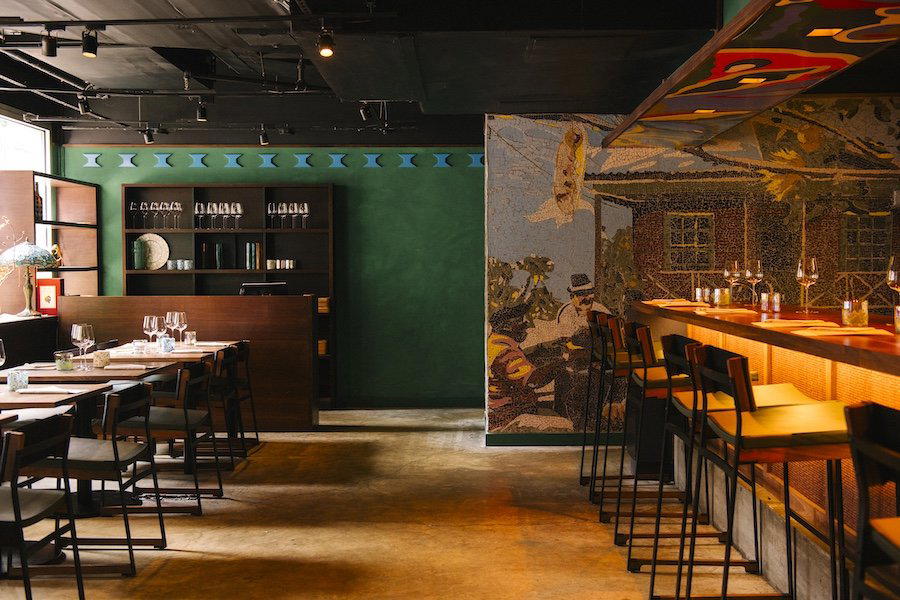
Bars in Lima
All bars in Lima →
Hotels in Lima
All hotels in Lima →

Wineries in Lima
All wineries in Lima →
Details
- Cozy
- Intimate
- Modern
- Date Night
- Special Occasion
- Open Kitchen
- Sommelier Led
- Local Sourcing
- Small Plates
- A La Carte
- Vegetarian Friendly
Current opening hours
- Monday
- 12:30–3:30 PM, 7–10 PM
- Tuesday
- 12:30–3:30 PM, 7–10 PM
- Wednesday
- 12:30–3:30 PM, 7–10 PM
- Thursday
- 12:30–3:30 PM, 7–10 PM
- Friday
- 12:30–3:30 PM, 7–10 PM
- Saturday
- 12:30–3:30 PM, 7–10 PM
- Sunday
- Closed
Hours can change for holidays and private events. Hours as of .
Cozy and intimate with a relaxed, laid-back atmosphere, warm lighting, and an open kitchen allowing guests to watch the culinary process.