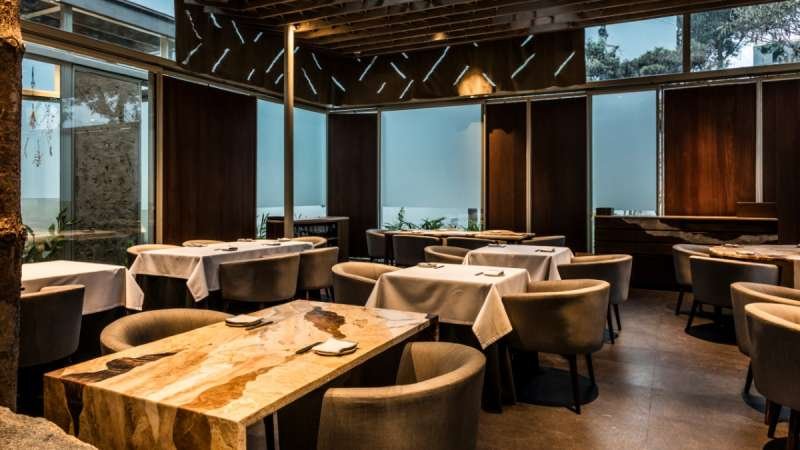
Arlotia occupies a heritage address on Avenida Almirante Miguel Grau in Barranco, Lima's most culturally saturated dining district. The restaurant sits within a neighbourhood that has shaped the city's modern food conversation, placing it alongside a wave of kitchens reinterpreting Peruvian tradition on their own terms. Specific menu, pricing, and booking details are best confirmed directly with the venue.
Pearl is the En Primeur Club membership app — saves, bookings, and concierge access live there. Same editors, same standards.
- Address
- Av. Almte. Miguel Grau 340, Barranco 15047, Peru
- Phone
- +51 1 2562269
- Website
- facebook.com
- Directions
- Get directions
 Saves & bookings on Pearl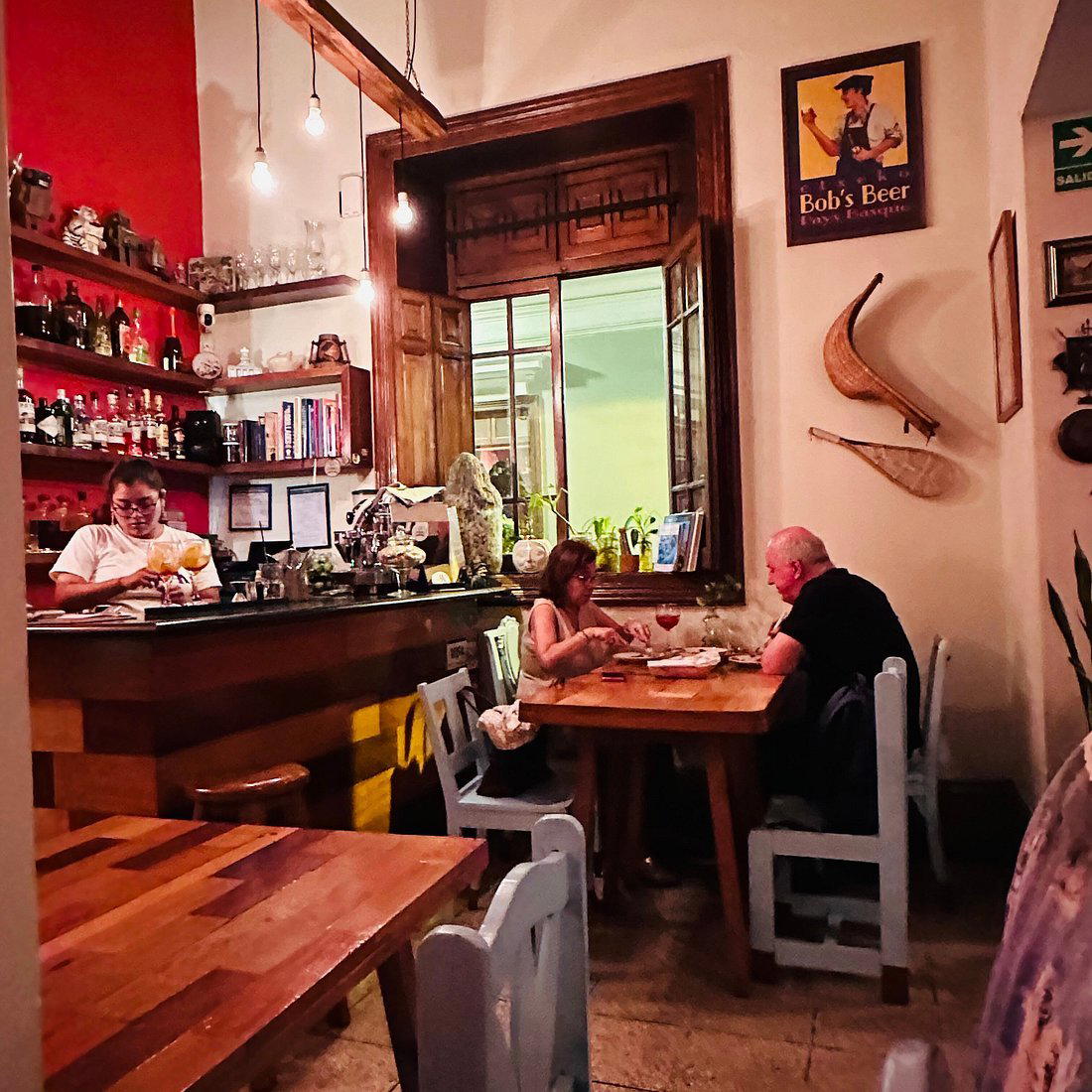
Barranco and the New Logic of Lima Dining
Lima's dining conversation has long been anchored in Miraflores and San Isidro, where addresses like Astrid & Gastón and Osaka Nikkei in San Isidro operate with the institutional weight of long-established fine dining. Barranco represents a different gravitational pull. The district runs along a clifftop above the Pacific, its early-twentieth-century architecture now colonised by galleries, independent bars, and a younger cohort of kitchens more interested in questioning convention than confirming it. Arlotia is a Peruvian-Basque Fusion restaurant in Barranco at Av. Almirante Miguel Grau 340, Lima, Peru.
The address matters. Grau is one of Barranco's principal arteries, the kind of street where the built fabric still carries the memory of Lima's belle époque prosperity, mansions subdivided into studios and restaurants, their tiled floors and high ceilings repurposed rather than replaced. A restaurant on this stretch inherits a particular atmosphere before a single plate arrives: the neighbourhood itself is doing editorial work.
What Peruvian Cuisine Is Actually Doing Right Now
To understand where Arlotia fits, it helps to understand the size and complexity of the tradition it draws from. Peruvian cooking is not a single cuisine; it is a layered negotiation between Andean, Amazonian, African, Japanese, and Chinese culinary inheritances, each with distinct ingredient logics, cooking methods, and social histories. The Nikkei strand, represented by Maido at the upper end of the market, fuses Japanese technique with local seafood in ways that have earned sustained global attention. The progressive tasting-menu model, led by venues like Central and Kjolle, maps Peru's altitude zones onto the plate, treating geography as a menu structure. Then there is a third current, less codified but no less serious: kitchens that approach Peruvian tradition through the lens of everyday cooking, neighbourhood memory, and the city's informal food culture rather than the language of haute cuisine.
Barranco's dining scene has increasingly become home to this third current. The district's relative distance from the polished hotel corridors of Miraflores gives its kitchens a different latitude. Where Central Restaurante operates as a controlled, research-led environment, Barranco restaurants more often read as places that trust the ingredients and the diner in equal measure.
The Cultural Weight of a Lima Neighbourhood Address
Barranco's relationship with Peruvian creative culture is not incidental. The neighbourhood has been Lima's bohemian quarter for over a century, associated with poets, painters, and musicians in ways that shaped its social texture long before food became the city's primary export identity. Mario Vargas Llosa set scenes here; the municipal bridge connecting Barranco to Chorrillos became a literary and cultural reference point. That accumulated symbolism filters into how restaurants in the district are perceived and, more importantly, how they position themselves. The expectation is not spectacle but character.
For a diner arriving from elsewhere in Peru, or from abroad, this context is worth holding. Lima is often experienced through its headline venues, the internationally ranked tasting counters and the hotel dining rooms. Barranco offers a different register: smaller, more neighbourhood-scaled, closer in feeling to the city's own daily relationship with food. Mil Centro in Moray and El Rey in Oxapampa each point to how deeply regional Peru's cooking traditions run outside the capital; Barranco kitchens often serve as the urban translation point for those traditions.
Where Arlotia Sits in the Broader Lima Conversation
Lima's mid-market and independent restaurant tier has expanded considerably over the past decade, driven by a generation of cooks who trained either in Peru's serious kitchens or abroad and then returned with a preference for smaller, more direct formats over the elaborate tasting-menu model. The competitive set for a Barranco address like Arlotia is not Central or Maido; it is the cohort of neighbourhood-scale restaurants that have made Barranco and adjacent districts genuinely interesting to visit on their own terms, rather than as an afterthought to a Miraflores itinerary.
Across Peru, this pattern repeats at different scales. Mapacho Craft Beer Restaurant in Urubamba and Cantina Vino Italiano in Cusco each occupy specific local niches that resist easy categorisation within the national fine-dining narrative. Arlotia reads similarly: a restaurant whose value lies partly in its specificity to place.
Visitors planning a broader Lima itinerary that includes Costanera 700 in Miraflores or a longer journey to Delfin Amazon Cruises in Iquitos or Delfin I dining room in Nauta will find Barranco a natural complement to the high-production dining Lima is known for internationally. It is a district that rewards the kind of lateral exploration that a city as gastronomically complex as Lima demands.
Planning Your Visit to Arlotia
Arlotia's address on Av. Almirante Miguel Grau places it within walking distance of Barranco's central plaza and the cluster of bars, galleries, and restaurants that define the district's evening character. The neighbourhood is leading explored on foot; the streets between the Bajada de Baños and the Puente de los Suspiros form a compact circuit that most visitors cover in an hour or less. Arriving by taxi or rideshare from Miraflores takes roughly fifteen to twenty minutes depending on traffic, with Barranco sitting directly south along the coast road.
Arlotia is open Tue to Sat from 12 to 11 PM and Sun from 12 to 5 PM; it is closed on Monday. Reservations are recommended. The district draws both local diners and internationally curious visitors, and reservations are recommended. International comparisons are instructive here: at venues like Lazy Bear in San Francisco or Le Bernardin in New York City, demand consistency makes planning ahead a baseline expectation. In a district like Barranco, the dynamics are less formal, but the logic of confirming in advance applies equally when a restaurant has built a following within its neighbourhood comparable set.
For context on other areas of Peru worth combining with a Lima visit, Marañón Province in Maranon offers a window into Peru's northern food and agricultural traditions that sit at the source of ingredients increasingly present in Lima kitchens. The supply chain that feeds the capital's serious restaurants runs through regions like this, and understanding it adds depth to what ends up on plates in Barranco.
Price and Recognition
Comparable venues nearby, for context on price, style, and recognition.
| Venue | Cuisine | Price | Notes |
|---|---|---|---|
| ArlotiaThis venue — the venue you are viewing | Barranco, Peruvian-Basque Fusion | $$ | Not listed |
| Siete | Not listed | $$ | Barranco, Modern Peruvian-Mediterranean Fusion |
| Popurrí | San Isidro, Peruvian Food Hall | $$ | Not listed |
| Chez Wong | La Victoria, Peruvian Ceviche | $$$ | Not listed |
| Panchita | Miraflores, Authentic Peruvian Creole | $$$ | Not listed |
| Isolina Taberna Peruana | Not listed | $$ | Barranco, Traditional Peruvian Criollo Tavern |
Continue exploring
More in Lima
Restaurants in Lima
Browse all →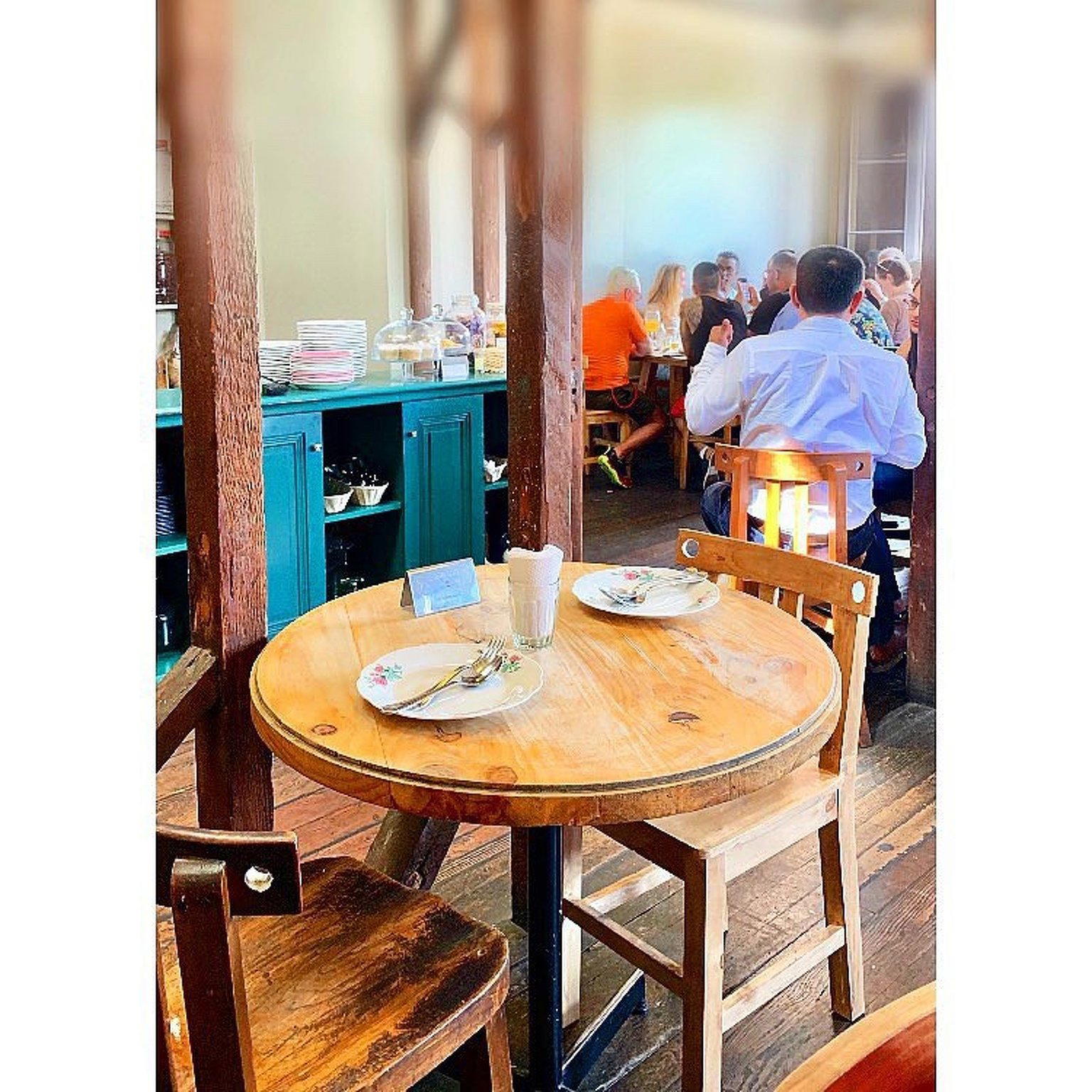
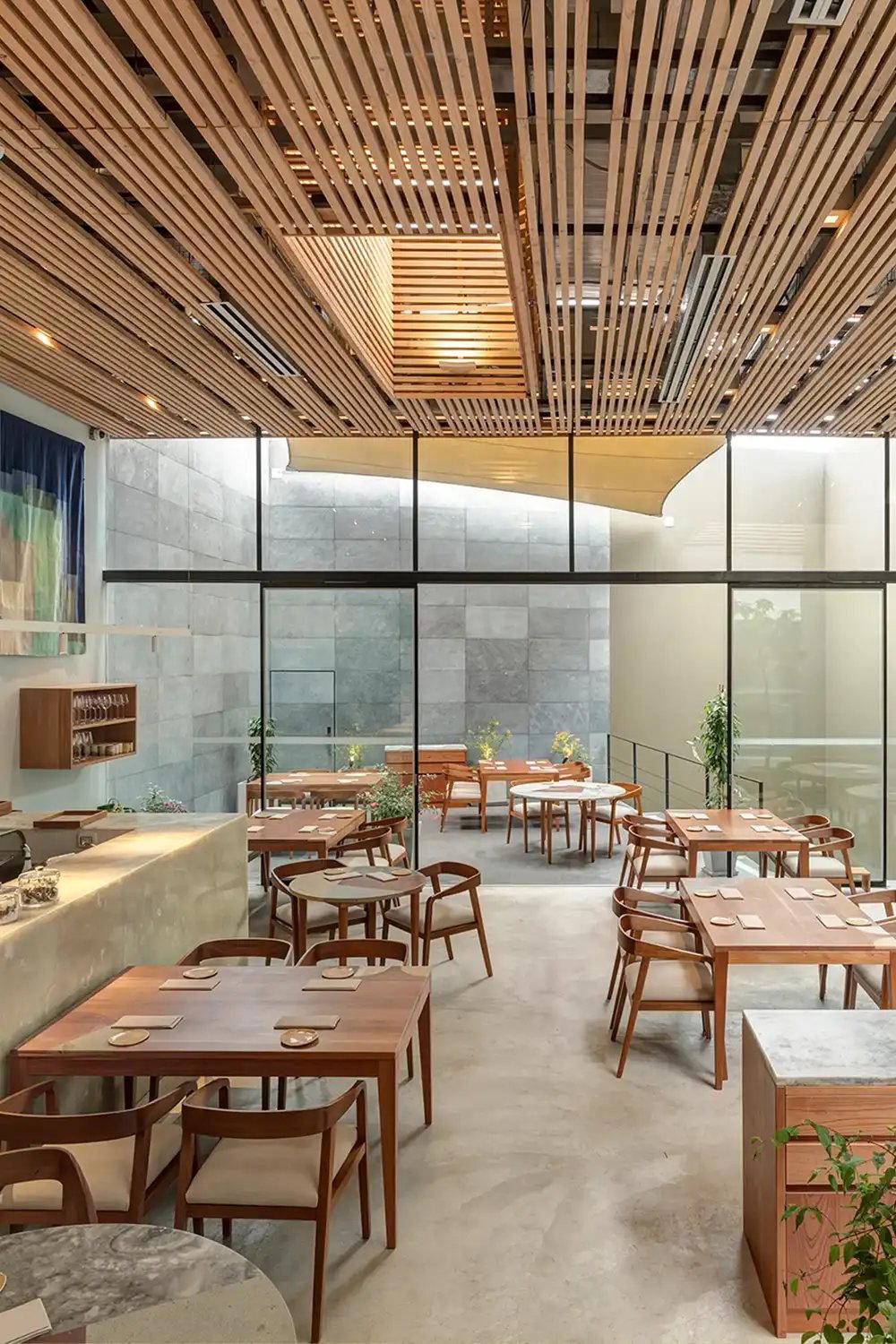
Bars in Lima
Browse all →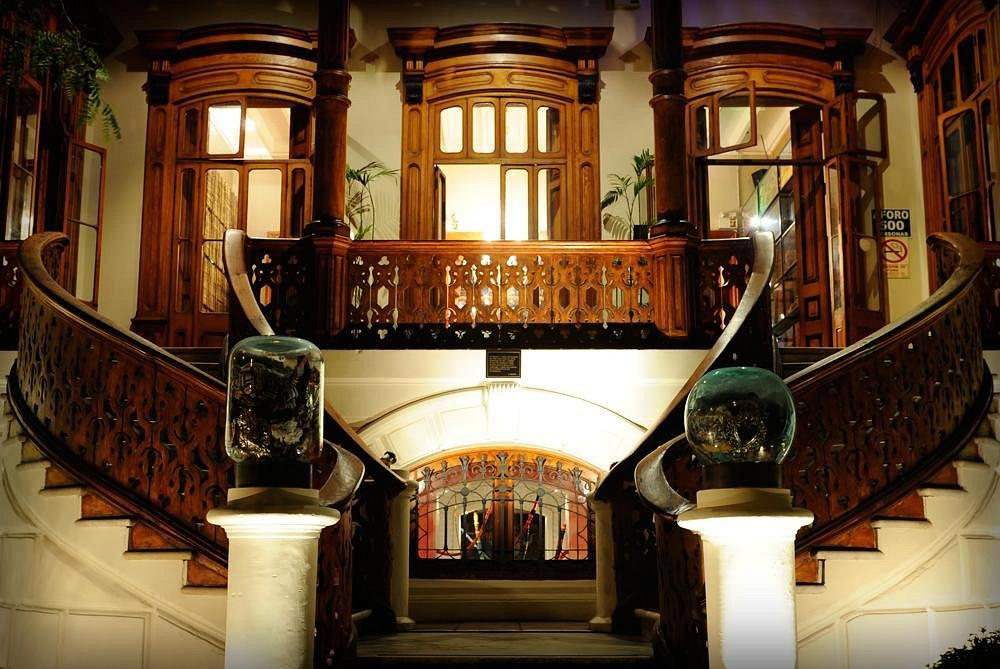
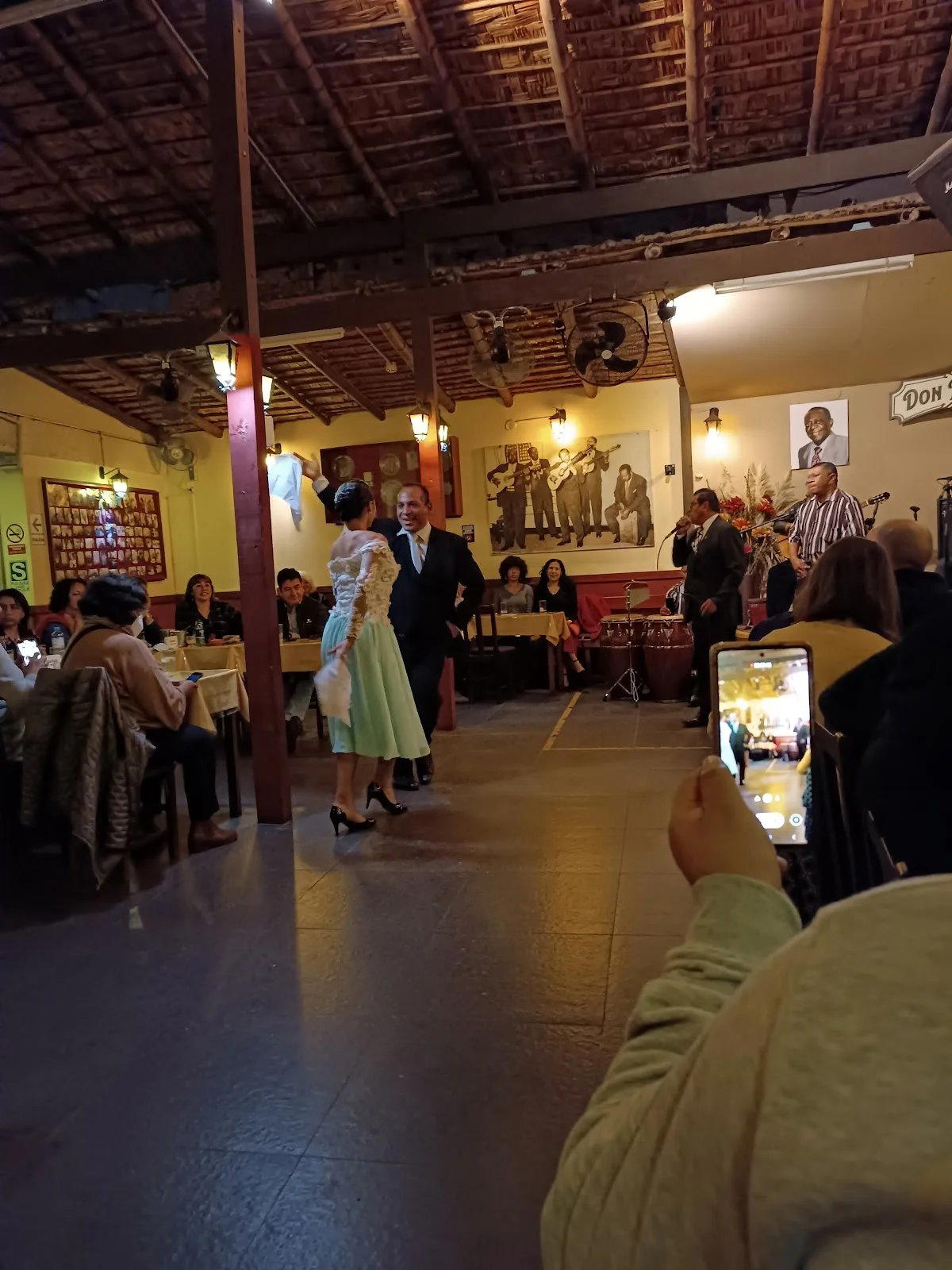
Hotels in Lima
Browse all →
Wineries in Lima
Browse all →
At a Glance
- Cozy
- Bohemian
- Group Dining
- Family
- Casual Hangout
- Historic Building
- Extensive Wine List
Current opening hours
- Monday
- Closed
- Tuesday
- 12–11 PM
- Wednesday
- 12–11 PM
- Thursday
- 12–11 PM
- Friday
- 12–11 PM
- Saturday
- 12–11 PM
- Sunday
- 12–5 PM
Hours can change for holidays and private events. Last verified .
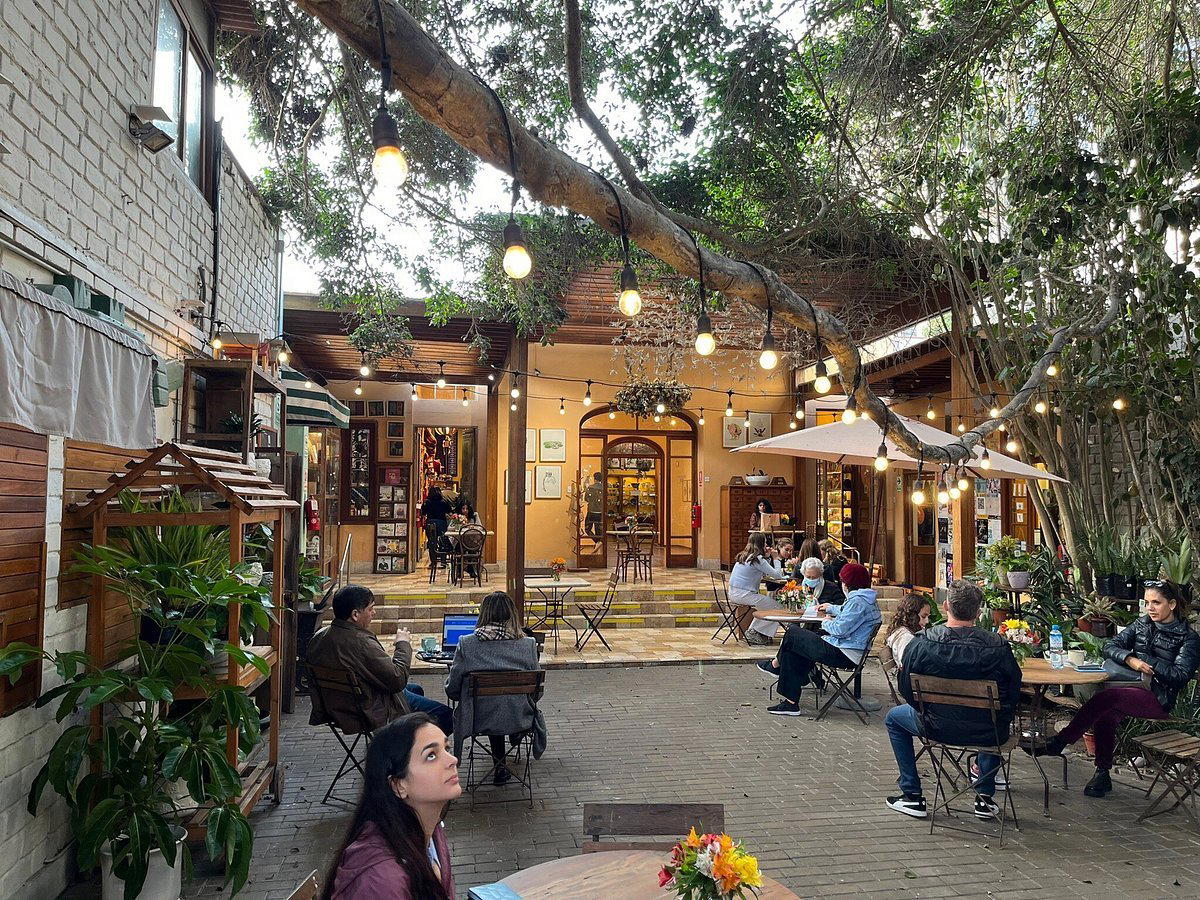
Sun-filled dining room in a traditional casona with wood furniture, mismatched chairs, and a homey, welcoming atmosphere.