Our verdict
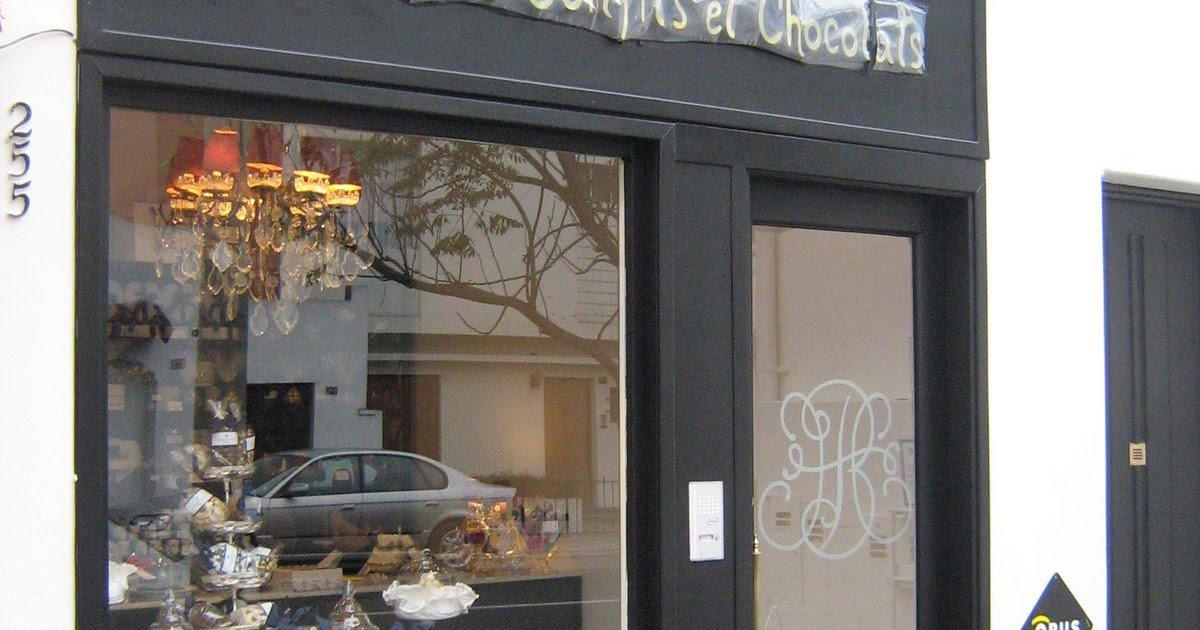
A confectionery and chocolate specialist on Calle Ernesto Plascencia in San Isidro, Bonbons Confits et Chocolats occupies a niche that Lima's broader fine-dining scene rarely addresses: the focused, European-inflected sugar craft that sits apart from Peru's restaurant-led cocoa narrative. For visitors moving between San Isidro's polished dining corridor and the city's cacao-origin story, it offers a different register entirely.
San Isidro's Confectionery Register
Lima's international food reputation runs almost entirely through its restaurants. The names that anchor the city's global standing, from Central (Progressive Peruvian) and Astrid & Gastón (Modern Peruvian) to Maido (Nikkei) and Kjolle (Modern Peruvian), are defined by savory tasting menus, Andean ingredient sourcing, and progressive kitchen technique. What sits between those celebrated counters and the city's everyday street food is a smaller, quieter category: the specialist confectioner. Bonbons Confits et Chocolats, on Calle Ernesto Plascencia in San Isidro, operates in that gap.
San Isidro is Lima's most formally composed district, home to corporate headquarters, embassies, and the dining corridor that feeds both. The neighbourhood's food addresses tend toward the polished and the international, with venues like Osaka Nikkei in San Isidro representing the kind of precision-led, cross-cultural format the district favours. A specialist chocolate and confectionery shop fits that context more naturally than it might in, say, Barranco or Surquillo. The register here is European in orientation, closer to a Parisian confiserie than to anything the ceviche circuit produces.
What the Name Signals About the Format
The French name, combining bonbons (sweets), confits (preserved or candied preparations), and chocolats, is itself a menu architecture. It announces three distinct product families rather than a single specialty, which tells you something about how the offer is organised. In European confectionery tradition, these categories have different technical demands: bonbons require shell work and ganache precision; confits depend on sugar saturation and controlled crystallisation; chocolates involve tempering, sourcing decisions, and flavour pairing. A shop that names all three is claiming range, not just depth in one area.
That kind of structured specialisation is rare in Lima at the retail confectionery level. Peru has an extraordinary cacao story, with origin regions across the Amazon basin producing fine-flavour beans that have drawn attention from European and North American craft chocolate makers. But the domestic retail expression of that story has historically lagged behind the export narrative. A specialist confectioner in San Isidro working across bonbons, confits, and chocolates is operating in a format that the city's broader dining culture doesn't duplicate in many places.
For comparison, consider how the savory side of Peru's food culture handles similar category depth. Central Restaurante organises its tasting menu by altitude zones, each course mapped to a distinct ecosystem. Mil Centro in Moray structures its offer around Andean agricultural traditions at elevation. The structural logic, using the menu to communicate a taxonomy of ingredients or place, translates across formats. At Bonbons Confits et Chocolats, the taxonomy is confectionery technique rather than geography, but the principle of using product organisation to signal expertise is the same.
Lima's Chocolate Position in a Wider Context
Peru is among the world's significant fine-flavour cacao producers, with varieties including Chuncho, Piura Blanco, and several Amazonian strains that command premiums in specialty markets. That agricultural depth gives Lima-based chocolatiers access to raw material that their counterparts in Paris or New York source at a distance and at higher cost. Venues elsewhere in Peru that sit near those origin regions, including operations along the Amazon corridor that operations like Delfin Amazon Cruises in Iquitos and Delfin I dining room in Nauta serve travellers passing through cacao country, are geographically closer to the source. Lima sits at the distribution and commercial end of that chain, but proximity to Peru's food industry infrastructure gives local specialists access to relationships and supply that matter.
The craft chocolate category in Lima has developed alongside the broader restaurant boom, though it remains smaller and less internationally publicised than the savory side. Where Le Bernardin in New York City or Lazy Bear in San Francisco have shaped their respective city's premium dining conversations through sustained critical attention, Lima's specialist confectioners operate without that same institutional scaffolding. Recognition has come slowly, driven more by local word of mouth and the city's expanding food-aware visitor base than by formal award structures.
Placing the Address
Calle Ernesto Plascencia 255 puts Bonbons Confits et Chocolats squarely inside San Isidro's residential and commercial core, within reasonable walking distance of the district's main hotel concentration and the financial district streets. For visitors building a San Isidro itinerary, the location sits in the same general zone as several of Lima's more formally structured dining options. The address alone makes it a plausible stop between a lunch reservation and an afternoon in the Bosque El Olivar, the park that anchors the neighbourhood's pedestrian character.
The Broader Peru Trip
For travellers combining Lima with Peru's interior, the confectionery register at Bonbons Confits et Chocolats offers a different texture from the savory-led experiences that dominate most itineraries. The restaurant-focused traveller who builds around Mapacho Craft Beer Restaurant in Urubamba, Cantina Vino Italiano in Cusco, or Cirqa in Arequipa is tracking a Peru that runs through regional cuisine, fermented drinks, and agricultural specificity. A specialist chocolate and confectionery address in San Isidro is a different signal: European technique applied to locally available raw material, in a district that rewards that kind of formal precision. For those with specific interest in Peru's cacao culture, the broader supply chain connects to remote regions including Marañón Province in Maranon, one of the origin areas that has drawn sustained attention from international fine chocolate buyers.
Lima's dining scene extends well beyond its award-circuit names. Our full Lima restaurants guide covers the city's wider range, from neighbourhood cevicherias to the Miraflores seafood addresses like Costanera 700 in Miraflores and the El Rey in Oxapampa for those extending into Peru's central highlands. Bonbons Confits et Chocolats represents a quieter, more specific corner of that map.
Frequently asked questions
Where exactly is Bonbons Confits et Chocolats?
Bonbons Confits et Chocolats is located at C. Ernesto Plascencia 255, San Isidro 15073, Peru, Lima.
Does Bonbons Confits et Chocolats use Peruvian cacao, and which varieties?
Peru ranks among the world's documented fine-flavour cacao producers, with varieties including Chuncho from the Cusco region, Piura Blanco from the northern coast, and several Amazonian strains carrying distinct flavour profiles. A chocolate-focused confectionery operating in Lima, the country's commercial centre, is positioned to source from those domestic supply chains in a way that imported European chocolate operations are not. No sourcing policy has been formally published for this San Isidro address, but the combination of Lima's location and the shop's chocolate focus makes domestic cacao the logical foundation of the offer.
What do regulars order at Bonbons Confits et Chocolats?
The shop's French name maps the three categories on offer: bonbons (individually portioned sweets), confits (candied or preserved preparations), and chocolates. Regulars drawn to the San Isidro address tend to work across all three formats rather than anchoring to a single item. Peru's position as a producer of distinct fine-flavour cacao varieties gives the chocolate selection a regional specificity you won't find replicated in European-sourced equivalents.
Do I need a reservation for Bonbons Confits et Chocolats?
Confectionery and chocolate boutiques at this address type in San Isidro typically operate as walk-in retail rather than seated reservation formats. Given the shop sits at Calle Ernesto Plascencia 255 within the residential and commercial core of San Isidro, foot traffic from the neighbourhood makes weekday midmorning visits generally less crowded than weekend afternoons.
What's the signature at Bonbons Confits et Chocolats?
The shop's name is the clearest guide: the confit element, representing candied or slow-preserved preparations, is the format most specific to this address and the least commonly found in Lima's broader dessert scene. Peru produces several cacao varieties with documented fine-flavour status, including Chuncho and Piura Blanco, and a chocolate operation based in San Isidro is positioned to work with those domestic sources. That combination of preserved-fruit technique and local cacao is what differentiates the offer.
How does Bonbons Confits et Chocolats handle allergies?
Any shop working with chocolate, candied fruits, and confectionery preparations will handle nuts, dairy, and high-sugar ingredients as standard, so guests with specific requirements should make direct contact before visiting. The address at Calle Ernesto Plascencia 255, San Isidro, is the most reliable starting point for reaching the shop in person.
Is eating at Bonbons Confits et Chocolats worth the cost?
What can be said is that Lima's broader fine-dining reputation, anchored by restaurants with international recognition, rarely extends to its confectionery specialists, which means shops like this one in San Isidro operate in a less scrutinised segment. For travellers already spending on Lima's restaurant circuit, adding a confectionery stop at this address represents a low-friction extension of the same interest in Peruvian ingredients.
Credentials Lens
A short peer table to compare basics side-by-side.
| Venue | Cuisine | Price | Awards | Notes |
|---|---|---|---|---|
| Bonbons Confits et ChocolatsThis venue (the venue you are viewing) | Peruvian Confectionery and Chocolates | Not listed | Not listed | Not listed |
| Astrid & Gastón | Modern Peruvian Fine Dining | $100–150 | World's 50 Best #81 · La Liste Top Restaurants | Modern Peruvian |
| Kjolle | Modern Peruvian Fine Dining | $300–500 | World's 50 Best #9 · La Liste Top Restaurants | Modern Peruvian |
| Mayta | Modern Peruvian Fine Dining | $200–300 | World's 50 Best #39 · La Liste Top Restaurants | Peruvian Modern |
| Mérito | Modern Venezuelan-Peruvian Fusion | $50–100 | World's 50 Best #26 · La Liste Top Restaurants | Venezuelan/Fusion |
| Fiesta | Northern Peruvian Gourmet | $50–100 | We're Smart World 4 Radishes | Contemporary Peruvian |
Continue exploring
More in Lima
Restaurants in Lima
All restaurants in Lima →
Bars in Lima
All bars in Lima →
Hotels in Lima
All hotels in Lima →




Wineries in Lima
All wineries in Lima →
Details
- Elegant
- Cozy
- Casual Hangout
- A La Carte
Cozy and elegant chocolate shop atmosphere.