Insumo Rooftop
Perched above the Miraflores malecón at Mal. de la Reserva 729, Insumo Rooftop trades on one of Lima's most dramatic Pacific-facing positions. The kitchen draws from Peru's extraordinary geographic range of ingredients, coast, Andes, and Amazon, and places them in an open-air format that few rooftop venues in the district can match. It is a strong argument for the elevation of ingredient sourcing as a dining philosophy in its own right.
Pearl is the En Primeur Club membership app — saves, bookings, and concierge access live there. Same editors, same standards.
- Address
- Mal. de la Reserva 729, Miraflores 15074, Peru
- Phone
- +51924547424
- Website
- opentable.com
- Directions
- Get directions
 Saves & bookings on Pearl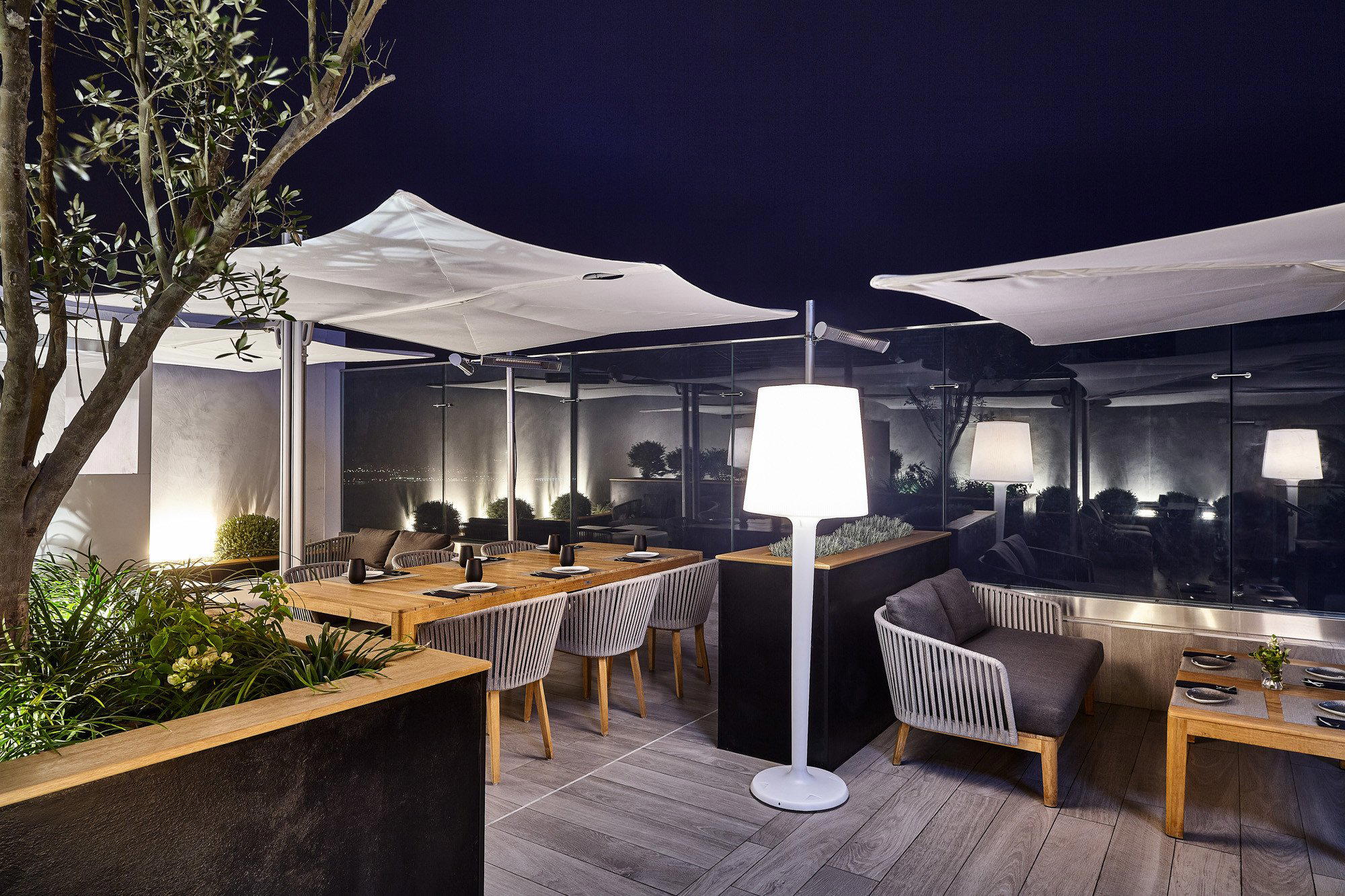
Above the Malecón: Lima's Rooftop Dining Tier
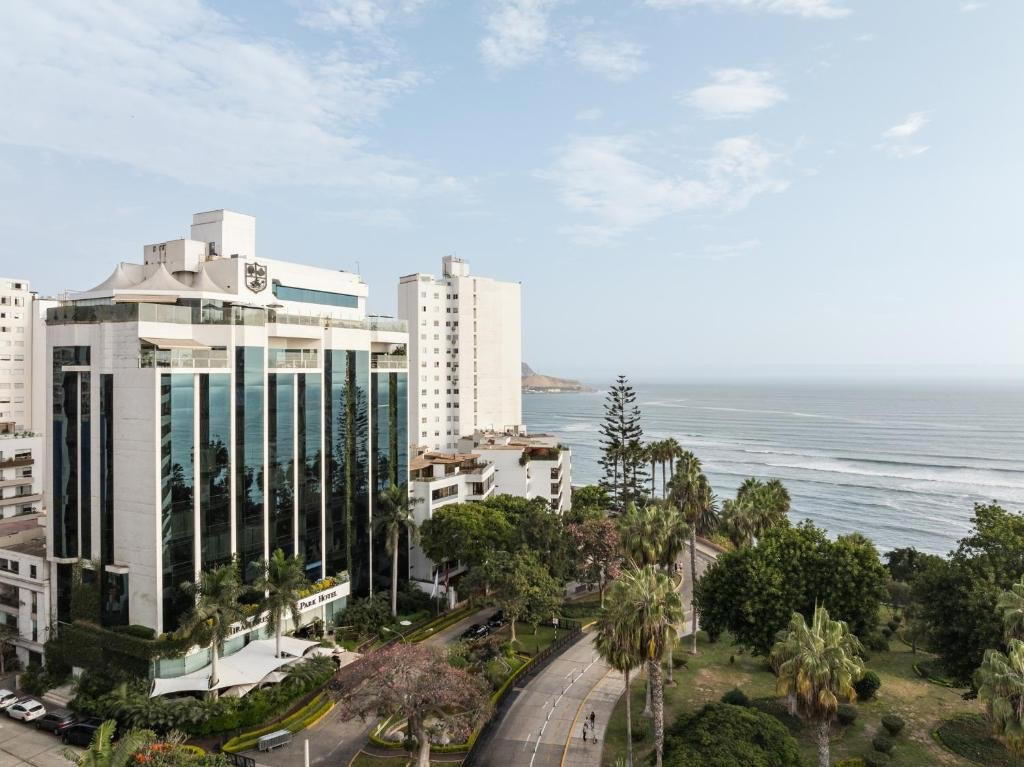
Insumo Rooftop is a restaurant in Miraflores, Lima, with a smart casual dress code and an average price of about $50 per person. Lima's rooftop dining circuit has matured considerably over the past decade. Where the format once traded almost entirely on views, a second generation of refined venues has folded serious kitchens into the proposition, meaning the Pacific panorama is no longer sufficient on its own. Insumo Rooftop, positioned at Mal. de la Reserva 729 in Miraflores, sits in this more demanding tier, where the sourcing of ingredients and the coherence of the menu are evaluated alongside the sightline. The address places it directly on the clifftop edge of the malecón, one of the city's most reliably dramatic urban vantage points, where the Pacific appears at the horizon line and the sound of Lima's coastal wind fills the space after sundown.
Miraflores itself operates as Lima's dining centre of gravity for international visitors, concentrating a disproportionate share of the city's most-discussed restaurants within a walkable corridor. Our full Miraflores restaurants guide maps the district's full range, from ceviche counters to tasting-menu operations. Insumo's position within that ecosystem is rooftop-specific: it occupies a niche that rewards guests who want a full kitchen alongside the altitude, rather than simply a cocktail terrace with snacks.
Peru's Ingredient Geography as a Kitchen Framework
What distinguishes serious Peruvian kitchens from their peers globally is not technique in isolation but access. Peru spans four distinct ecological zones, the arid Pacific coast, the western Andean slopes, the high-altitude plateau, and the Amazon basin, and each zone contributes ingredients that are not interchangeable with anything imported or farmed elsewhere. The country is home to over 3,000 varieties of potato, more than 50 species of corn, and a coastal current (the Humboldt) that produces particularly biodiverse Pacific waters in the Southern Hemisphere. Kitchens that take this geography seriously use it as a sourcing framework rather than a marketing narrative.
This approach is most visible at the category's upper tier. Central Restaurante in Lima made the vertical geography of Peru, what its kitchen calls ecosystems by altitude, the explicit architecture of its tasting menu, earning it a position at the summit of the World's 50 Best Restaurants rankings. Mil Centro in Moray operates at 3,500 metres in the Sacred Valley, sourcing entirely from its immediate Andean altitude band. These are extreme, research-led expressions of the same sourcing logic that rooftop-format kitchens in Miraflores draw from at a different scale and price point. The principle, that the ingredient's origin is the dish's primary credential, has filtered through the Lima dining scene broadly enough that it now operates as a baseline expectation rather than a differentiator.
At street and neighbourhood level in Miraflores, that same sourcing ethic runs through cevicherías like Costanera 700, which has built its reputation around coastal Peruvian seafood, and El Mercado, whose Peruvian cuisine format centres on market-sourced product. The question for any rooftop kitchen is whether it can maintain comparable sourcing discipline when the format itself, the view, the cocktail program, the social context, is pulling significant attention.
The Rooftop Format and Its Constraints
Open-air dining at altitude introduces conditions that conventional restaurant formats do not face. Temperature variation along Lima's coast, where the garúa sea mist can drop visibility and ambient warmth unpredictably between May and November, affects both the guest experience and the kitchen's approach to serving temperature and dish complexity. The garúa season, running through the southern hemisphere winter, is worth factoring into visit timing. The dry-season months of June through August can still produce enjoyable evenings, but the coastal mist is a variable that no venue controls.
Practically, visitors planning an evening at Insumo Rooftop should reserve ahead. Lima's dining scene has grown substantially in international profile since the mid-2010s, and malecón-adjacent venues with sunset exposure tend to fill the prime evening slots ahead of walk-in availability. The address at Mal. de la Reserva 729 is accessible from the central Miraflores grid and sits within the corridor served by the city's main taxi and ride-share operations.
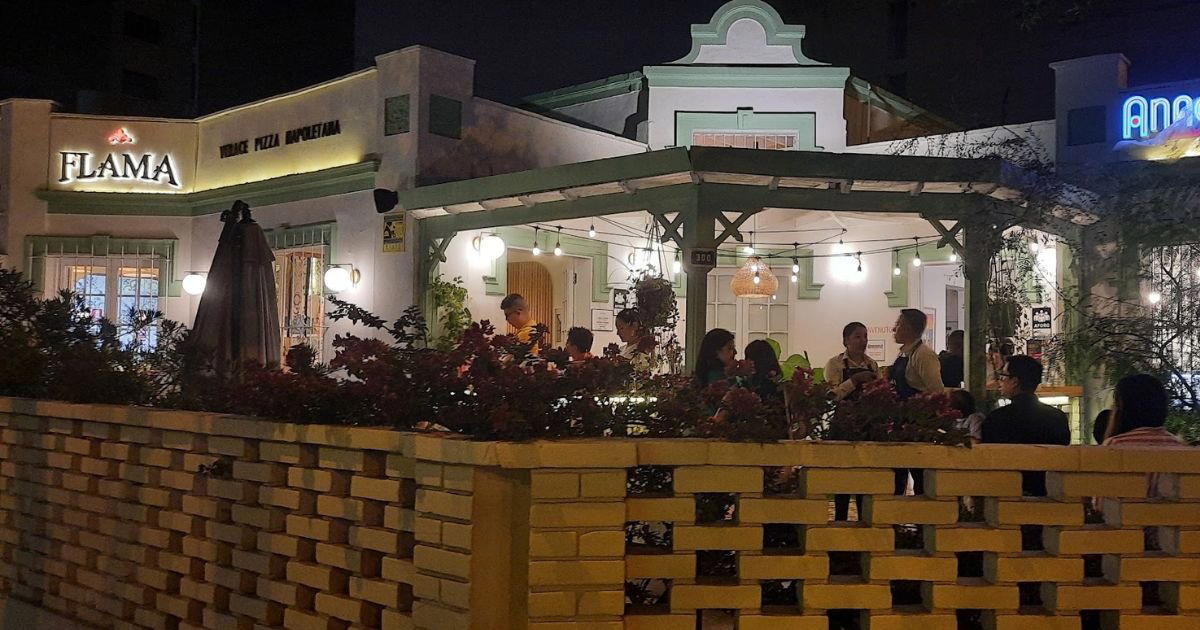
For broader Miraflores context, adjacent dining options include Flama, Asianica, and Factory Steak and Lobster Lima Miraflores, each representing a different category and format within the district's range.
Lima in a Wider Peruvian Context
Miraflores operates as the arrival point for most international dining itineraries in Peru, but the country's ingredient geography rewards travel beyond the capital. KUSHKA Restaurant in Cuzco and LIMO Cocina Peruana and Pisco Bar in Cusco demonstrate how Andean sourcing operates at altitude. Inti House in Aguas Calientes and Mapacho Craft Beer Restaurant in Urubamba represent Sacred Valley formats that lean into local product. Further afield, La Nueva Palomino in Yanahuara District near Arequipa and El Rey in Oxapampa show how distinctly regional the ingredient sourcing logic becomes outside Lima. Bistrot Bastille in Ica District sits in Peru's wine-producing coastal south, while Marañón Province in Maranon represents the northern Amazon sourcing corridor that increasingly supplies Lima kitchens with Amazonian ingredients. Understanding Lima rooftop dining is easier with that full geographic picture in place.
For reference points outside Peru, the sourcing discipline that defines the country's leading kitchens operates on comparable terms to what Le Bernardin in New York City does with Atlantic seafood provenance, or what Atomix in New York City does with Korean regional ingredients inside a tasting-menu format. The underlying logic is the same: ingredient origin as primary editorial and culinary credential.
Planning Your Visit
The restaurant is located at Mal. de la Reserva 729, Miraflores 15074, Peru. Given the malecón position and sunset-hour demand, advance contact or booking is advisable for evening visits, particularly between December and April when outdoor dining conditions are at their most reliable on Lima's coast. Confirming reservation arrangements directly is one dependable approach for first-time visitors.
A Quick Peer Check
Comparable venues nearby, for context on price, style, and recognition.
| Venue | Cuisine | Price | Notes |
|---|---|---|---|
| Insumo RooftopThis venue — the venue you are viewing | Modern Peruvian Seafood Rooftop | $$$ | Not listed |
| Matria | Modern Peruvian Fusion | $$$ | Miraflores |
| Statera | Modern Peruvian Contemporary | $$$ | Miraflores |
| Flama | Authentic Neapolitan Pizza | $$$ | Miraflores |
| La Gloria | Mediterranean-Peruvian Fusion | $$$ | Miraflores |
| Asianica | Vegan Asian-Peruvian Fusion | $$ | Miraflores |
Continue exploring
More in Miraflores
Restaurants in Miraflores
Browse all →
Hotels in Miraflores
Browse all →
Wineries in Miraflores
Browse all →
At a Glance
- Elegant
- Modern
- Scenic
- Sophisticated
- Trendy
- Date Night
- Special Occasion
- Group Dining
- Rooftop
- Terrace
- Panoramic View
- Hotel Restaurant
- Craft Cocktails
- Extensive Wine List
- Local Sourcing
- Waterfront
- Skyline
Current opening hours
- Monday
- 12:30 PM–12 AM
- Tuesday
- 12:30 PM–12 AM
- Wednesday
- 12:30 PM–12 AM
- Thursday
- 12:30 PM–12 AM
- Friday
- 12:30 PM–1 AM
- Saturday
- 12:30 PM–1 AM
- Sunday
- 12:30–10 PM
Hours can change for holidays and private events. Last verified .
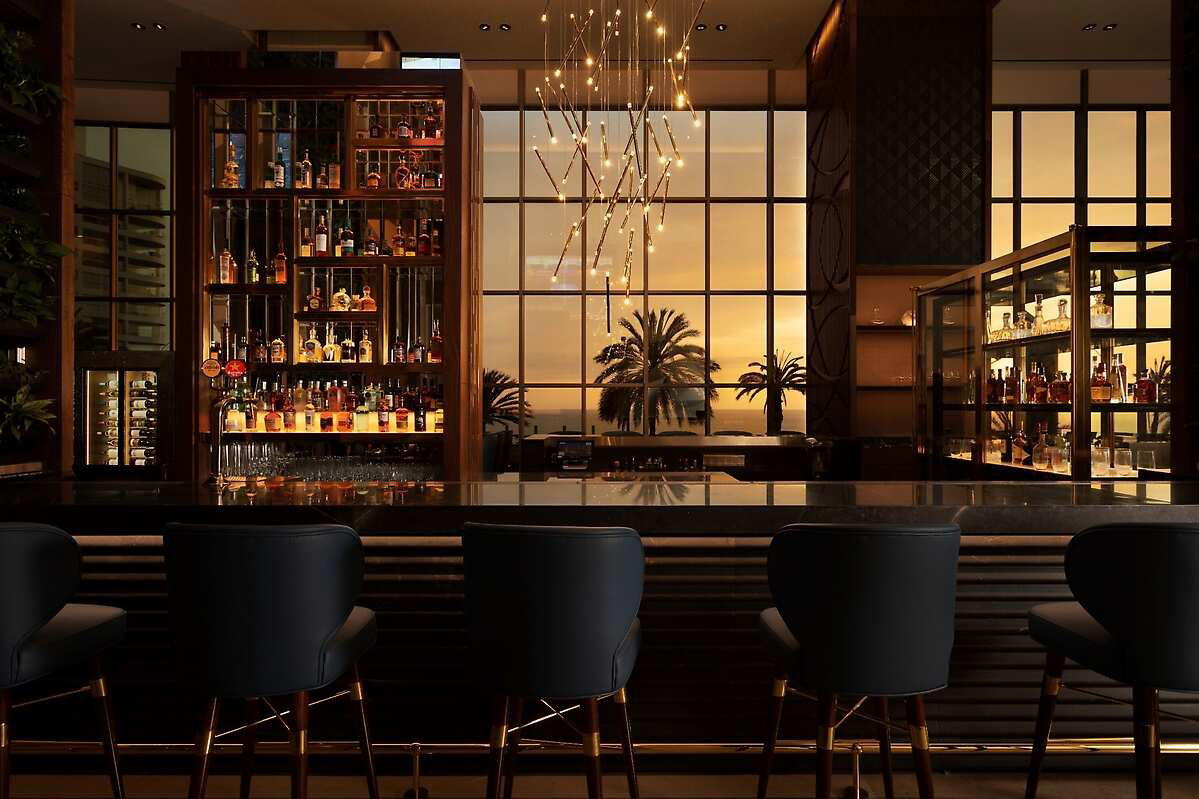
Modern and elegant terrace atmosphere with ocean views, pleasant music, and a relaxed yet upscale vibe.