Or'esh
Or'esh brings Eastern Mediterranean cooking to New York City at a moment when the cuisine is gaining serious critical attention across the country. The kitchen draws on the layered traditions of the Levant, where mezze, fire, and ferment define the rhythm of a meal as much as any single dish. It occupies a specific and increasingly contested space in the city's dining conversation.
 Discover on Pearl
Pearl is the En Primeur Club membership app — saves, bookings, and concierge access live there. Same editors, same standards.
- Address
- 450 W Broadway, New York, NY 10012
- Phone
- (212) 292-8999
- Website
- oresh.com
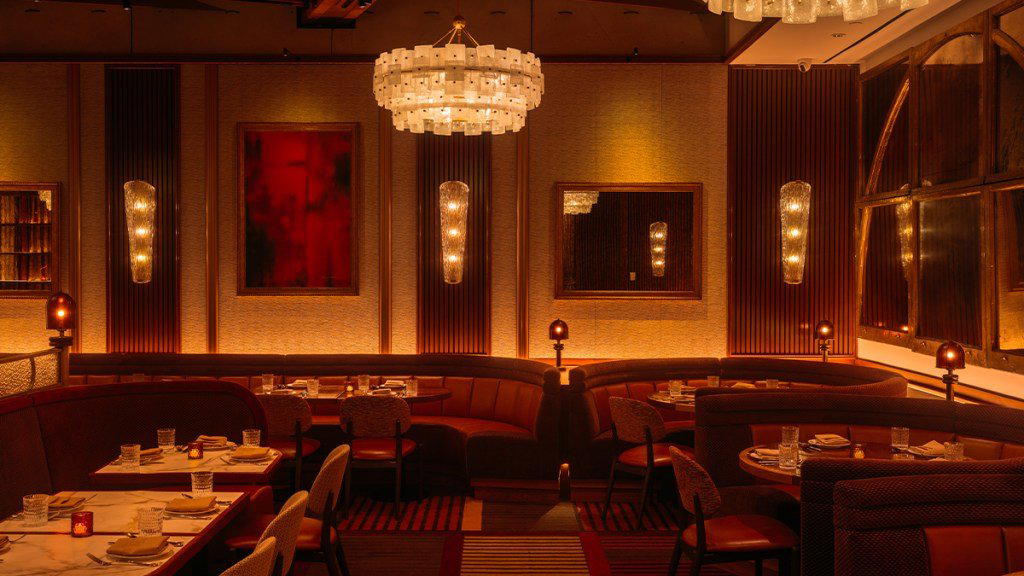
The Ritual Before the Plate
Eastern Mediterranean dining has always been structured around a different logic than the French-derived tasting menu that still anchors New York's most decorated rooms. At Le Bernardin or Per Se, the meal moves in a linear sequence, each course discrete, each transition announced. Or'esh is a restaurant in New York City serving Modern Levantine Mediterranean cuisine at about $95 per person. At a table shaped by Levantine tradition, the meal arrives in clusters: spreads first, then fire-touched proteins, then a long, unhurried middle where bread and shared plates define the pace. Or'esh operates inside that second tradition, and understanding it requires adjusting the frame through which you approach the table.
That adjustment is not incidental. It is the point. The Eastern Mediterranean dining ritual is communal by architecture. Dishes are sized and ordered to create overlap rather than sequence. The table fills, then refills, and the conversation threads between bites rather than pausing for them. New York diners accustomed to the rhythm of a tasting counter or a chef-directed omakase will need to recalibrate. Here, the diner sets the pace, not the kitchen.
Where Or'esh Sits in New York's Eastern Mediterranean Moment
New York has absorbed waves of Middle Eastern influence at various price tiers, from fast-casual falafel counters to upscale Levantine rooms with wine programs drawing on Lebanese and Israeli producers. The current wave is more considered. Chefs and restaurateurs working in the Eastern Mediterranean register are increasingly engaging with specific regional sourcing, fermentation traditions, and the kind of technique-meets-tradition tension that once defined the Scandinavian new wave. Or'esh arrives in that context.
Among New York City's fine-dining cohort, the Eastern Mediterranean is still underrepresented relative to French, Japanese, and Korean formats. Rooms like Jungsik New York and Atomix have demonstrated that non-French cuisines can compete at the city's highest critical tier. The question Or'esh raises is whether Eastern Mediterranean cooking can claim that same space, not by mimicking the tasting-menu format, but by asserting its own ritual logic as a legitimate counterproposal.
That is a harder argument to win. The mezze-led format resists the kind of singular authorship that award bodies and critics tend to reward. But it is also a more honest representation of how the cuisine actually functions.
The Cuisine: What the Eastern Mediterranean Table Actually Means
The term Eastern Mediterranean covers significant geographic and culinary range: Turkish, Lebanese, Israeli, Greek, and Egyptian traditions share certain building blocks while diverging sharply in technique, spice vocabulary, and hospitality customs. What unifies them at the table is a structural preference for abundance over scarcity, for shared plates over individual portions, and for bread as a primary vehicle rather than an accompaniment.
Fire is central. Grilling over wood or charcoal, roasting in cast iron, slow-cooking legumes until they collapse into themselves: these techniques produce the textural contrasts that define the tradition. Fermentation also runs through it, from yogurt-based sauces to preserved vegetables to the long-aged cheeses that appear at the edges of a spread. A kitchen working seriously in this register is managing multiple time horizons simultaneously, the slow ferment and the fast char.
That complexity is easy to underestimate from outside the cuisine. It is one reason why Eastern Mediterranean restaurants have historically been priced and positioned below their technical difficulty. The trend in cities like London and Tel Aviv has been toward reassessing that gap, with chefs applying fine-dining discipline to traditional forms without abandoning the communal table structure. New York is beginning to follow that trajectory, and Or'esh is part of that renegotiation.
The Meal as Architecture
Ordering at a table shaped by this tradition is itself a skill. The instinct for a first-time diner is often to under-order, treating spreads as starters rather than foundations. The more productive approach is to think in terms of layers: cold preparations first, then warm mezze, then a central protein or two, with bread threading through the entire meal. The table should look full before it starts to empty.
This is the dining ritual that Or'esh is built around. The pacing is unhurried in a way that reads as generous rather than slow, because the food is designed to be present at the table for longer than a single composed plate. A grilled preparation might improve over fifteen minutes as it rests and the flavors settle. A spread gains depth as bread works through it course after course. The meal has a shape, but the shape is organic rather than prescribed.
That experience places Or'esh in conversation with a different set of global references than its New York peers. The communal fire-and-mezze format has more in common, structurally, with the farm-to-table ritual at Blue Hill at Stone Barns or the producer-led narrative at Single Thread Farm in Healdsburg than it does with the sequenced tasting menus at Alinea in Chicago or The French Laundry in Napa. The thread connecting them is a commitment to meal structure as a form of argument about what dining should feel like.
That argument is also being made at fine-dining tables elsewhere. Lazy Bear in San Francisco, Providence in Los Angeles, Addison in San Diego, Emeril's in New Orleans, Bacchanalia in Atlanta, and The Inn at Little Washington each represent a distinct regional position on what a serious American dining experience should prioritize. Or'esh enters that national conversation from a specific cultural vantage point, one rooted in the Eastern Mediterranean. International comparisons also apply: the theatrical formalism of Alain Ducasse at Louis XV in Monte Carlo and the precision of 8½ Otto e Mezzo Bombana in Hong Kong illustrate how cuisine-specific ritual becomes a signature at this level.
Planning Your Visit
Or'esh operates in New York City as an Eastern Mediterranean restaurant. Given the communal nature of the cuisine, the table is better suited to groups of three or more, which allows enough spread and protein variety to experience the meal in its intended form. Reservations are advisable given the attention this style of cooking is currently drawing in the city.
Side-by-Side Snapshot
Comparable venues nearby, for context on price, style, and recognition.
| Venue | Cuisine | Price | Awards | Notes |
|---|---|---|---|---|
| Or'eshThis venue — the venue you are viewing | Modern Levantine Mediterranean | $$$$ | , | |
| Dejavu | Modern Mediterranean with Turkish & Italian Influences | $$$$ | , | West Village |
| Bustan | Modern Pan-Mediterranean | $$$ | , | Upper West Side (Central) |
| HaSalon | Modern Mediterranean | $$$$ | , | Hell's Kitchen |
| Golden Steer | Classic American Steakhouse | $$$$ | , | Greenwich Village |
| Sugiyama | Traditional Japanese Kaiseki | $$$$ | , | Midtown West |
Continue exploring
More in New York City
Restaurants in New York City
Browse all →
Bars in New York City
Browse all →
Hotels in New York City
Browse all →




At a Glance
- Elegant
- Trendy
- Sophisticated
- Lively
- Date Night
- Special Occasion
- Celebration
- Open Kitchen
- Standalone
- Design Destination
- Extensive Wine List
- Local Sourcing
- Farm To Table
Upscale, carefully designed space with artwork on walls, attentive service, and a sophisticated clubstaurant atmosphere with a sexy crowd and energetic dining scene.