HaSalon
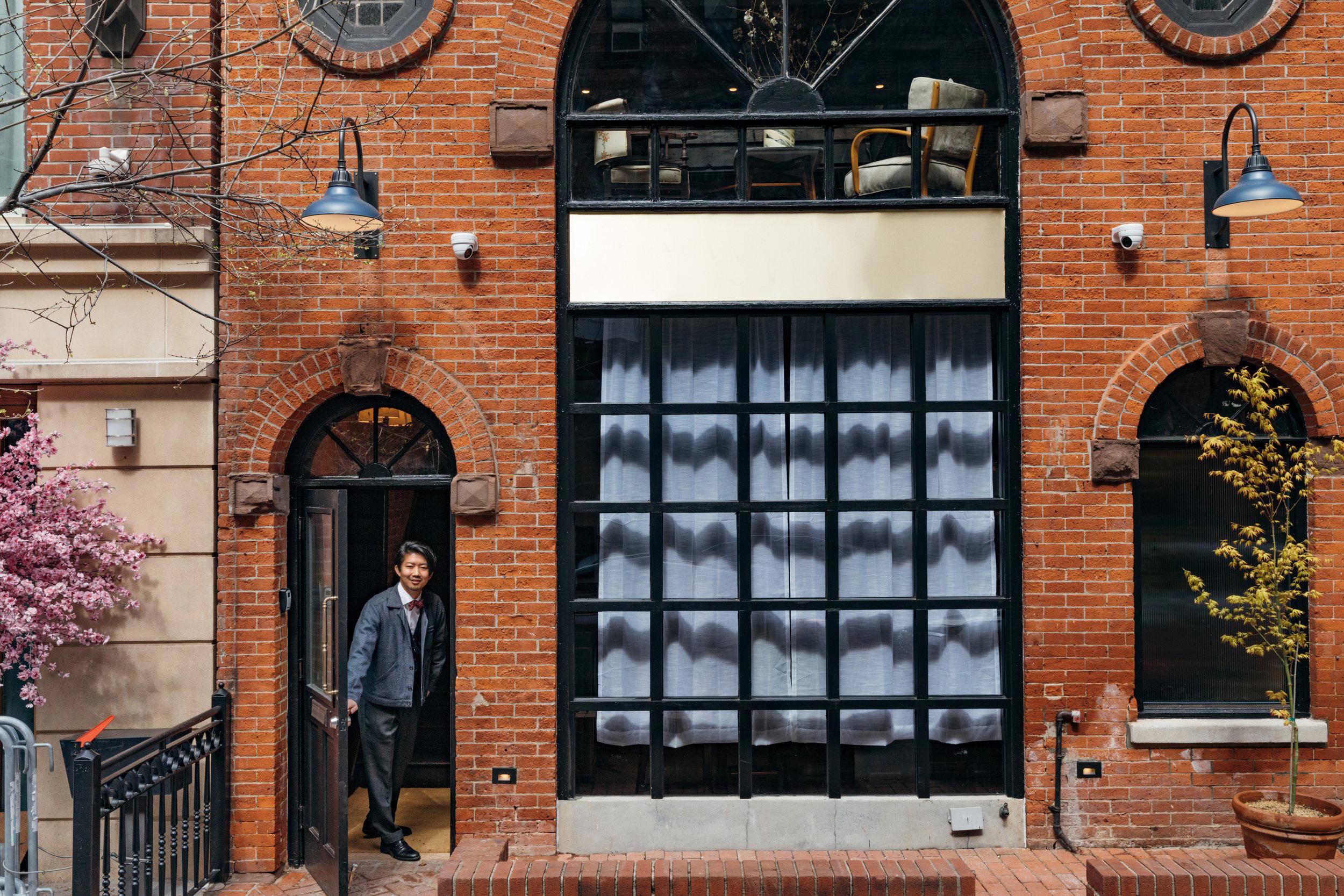
HaSalon operates from a converted space on 10th Avenue in Hell's Kitchen, bringing an Israeli party-dining format to New York City's increasingly varied Mediterranean scene. The atmosphere runs loud, social, and deliberately theatrical, a counterpoint to the hushed tasting-menu norm that dominates the upper end of Manhattan dining. It sits in a distinct tier of New York restaurants where the event and the food are inseparable.
 Discover on Pearl
Pearl is the En Primeur Club membership app — saves, bookings, and concierge access live there. Same editors, same standards.
- Address
- 735 10th Ave, New York, NY 10019
- Phone
- +12124959024
- Website
- hasalonnyc.com
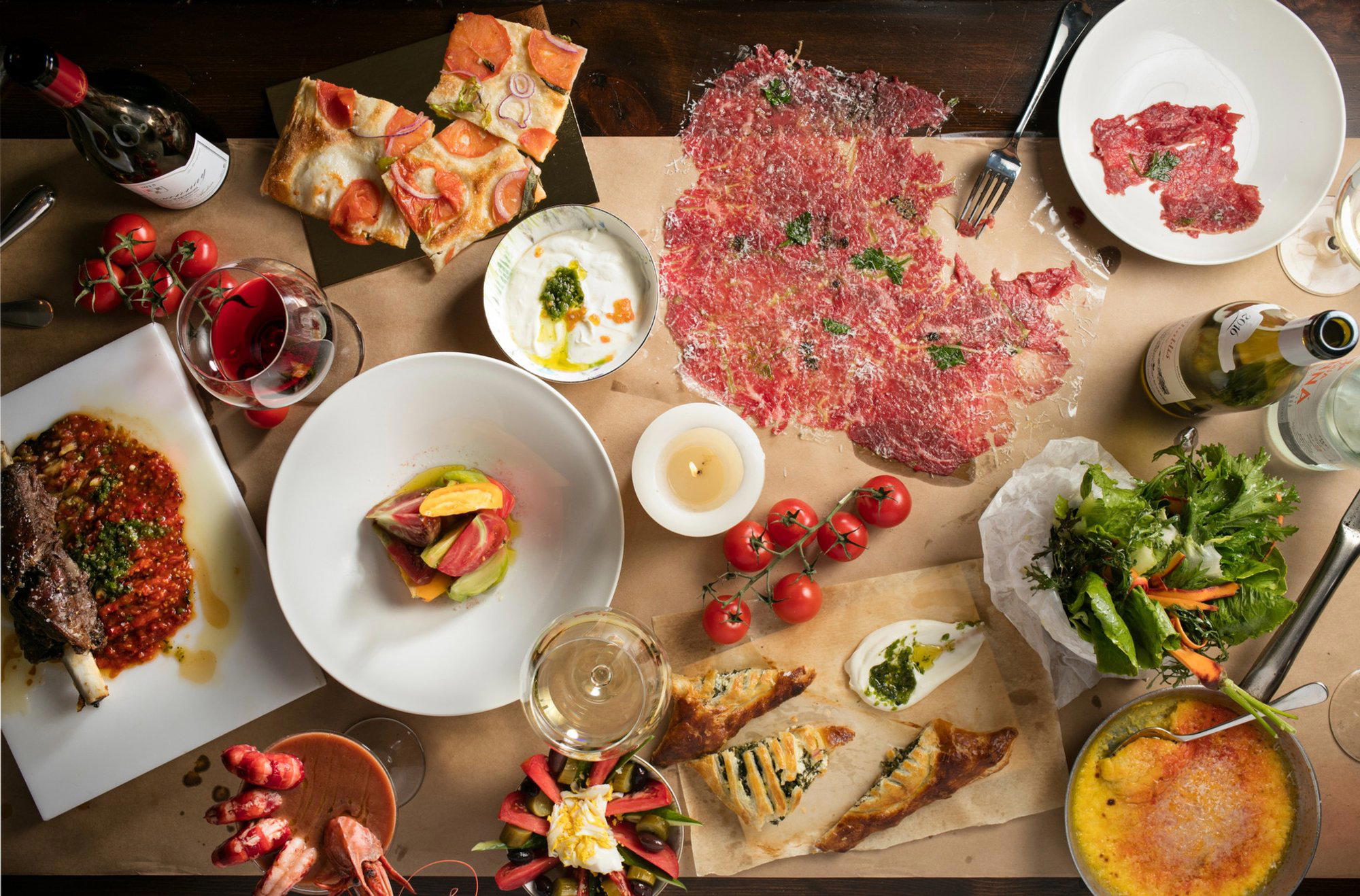
Hell's Kitchen and the Case for Loud Dining
HaSalon is a modern Mediterranean restaurant in New York City, located at 735 10th Ave in Hell's Kitchen. Hell's Kitchen, the stretch of 10th Avenue that now holds HaSalon at number 735, has become one of the places where that orthodoxy gets tested. The neighbourhood sits far enough from the white-tablecloth corridors of Midtown to develop its own dining personality, one that accommodates formats the more formal blocks would not.
HaSalon belongs to a category of Israeli dining export that has grown in global significance over the past decade. Tel Aviv's restaurant culture, built around long communal tables, abundant small plates, and a hospitality philosophy that treats the meal as a social occasion rather than a performance to be observed, has found genuine traction in cities where the tasting-menu format has started to feel like an obligation. In New York, where diners can choose between the precision of Atomix, the studied formality of Per Se, or the seafood rigour of Le Bernardin, a room that turns up the music and expects participation rather than contemplation occupies a clearly different space.
The Source Logic Behind Israeli-Inflected Menus
The ingredient sourcing philosophy embedded in Israeli cooking is worth understanding on its own terms, because it shapes what arrives on the table more than any single technique does. The tradition draws from Levantine agriculture: legumes, alliums, herbs, preserved citrus, tahini from slow-ground sesame, and dairy from sheep and goats rather than the cattle-dominant systems that underpin most European-derived cuisines. These are ingredients with short farm-to-table chains in their home context, and restaurants working in this tradition, wherever they operate, tend to reproduce that logic by leaning on high-turnover, often seasonal, plant-forward components.
Formats like HaSalon that transplant this philosophy to New York are working within a city that has developed the supplier infrastructure to support it. The greenmarkets, the Hudson Valley producers, and the specialist importers who supply preserved goods and specific dairy styles have given Israeli-influenced kitchens in Manhattan access to analogous ingredients without needing to compromise the sourcing logic. This matters because the flavour profiles that define this cuisine depend heavily on produce quality rather than long preparation times or elaborate technique. A hummus or a roasted vegetable dish reveals its sourcing almost immediately.
The broader American context for farm-driven, ingredient-first formats includes operations like Blue Hill at Stone Barns in Tarrytown and Single Thread Farm in Healdsburg, where sourcing is the explicit editorial frame for the entire menu. HaSalon works from a different cultural tradition but shares the underlying premise: that the quality and origin of the ingredient, more than the elaborateness of its preparation, determines the ceiling of the dish.
Where HaSalon Sits in New York's Competitive Dining Map
New York's top-end restaurant tier is densely populated with kitchens that have accumulated Michelin stars and James Beard recognition across French, Japanese, and Korean formats. Masa operates at the absolute ceiling of omakase pricing. Jungsik New York and Atomix have established that Korean-rooted progressive cooking belongs in that upper conversation. HaSalon is not competing with those rooms on their own terms. It occupies a different position: a high-energy, socially structured format where the experience is collective rather than individual, and where the evening is designed to escalate rather than progress through predetermined courses at a predetermined pace.
That positioning has international analogues. The experience-driven, party-format restaurant has emerged as a distinct category in cities from London to Dubai, where the format itself is the differentiator rather than the cuisine alone. Within the United States, kitchens that have built reputation on atmosphere as much as plate include Alinea in Chicago, though Alinea works through theatrical precision rather than social looseness, and Lazy Bear in San Francisco, where the communal format serves a different register of intimacy. HaSalon's version runs closer to the Tel Aviv original: louder, more celebratory, and explicitly designed for groups.
For readers mapping the broader American fine dining spread, the EP Club covers comparable operations including Providence in Los Angeles, Addison in San Diego, Emeril's in New Orleans, Bacchanalia in Atlanta, and The Inn at Little Washington, each representing distinct regional takes on what premium dining means in the American context. Internationally, the format contrast is sharpest against rooms like Alain Ducasse at Louis XV in Monte Carlo or 8½ Otto e Mezzo Bombana in Hong Kong, where European formality defines the upper register. See our full New York City restaurants guide for broader context on where HaSalon fits within the city's dining geography.
Timing and Seasonal Relevance
Israeli-influenced menus tend to track seasonal produce more visibly than European-style menus built around preserved stocks and slow-cooked proteins. Spring and summer bring the vegetable abundance that suits this style of cooking most naturally: herbs at peak intensity, alliums with moisture still in them, tomatoes that need no embellishment. Autumn shifts the palette toward roasted and preserved preparations. Visiting HaSalon in the warmer months aligns the format's ingredient logic with the peak of what New York's regional suppliers can offer, though the room's energy is not seasonal in the same way the kitchen's sourcing is.
Planning Your Visit
HaSalon is located at 735 10th Avenue in Hell's Kitchen, Manhattan. The format skews toward group bookings and evening visits, and the room's social design means solo diners or quiet-night expectations require some recalibration. Given the venue's profile and the format it operates, advance reservations are the standard approach for this category of New York dining.
Quick reference: 735 10th Ave, Hell's Kitchen, New York, NY 10019. Price: about $150 per person. Reservations are essential. Hours: Thu to Sat, 6 PM to 12 AM; closed Mon, Tue, Wed, and Sun.
Peers Worth Knowing
Comparable venues nearby, for context on price, style, and recognition.
| Venue | Cuisine | Price | Notes |
|---|---|---|---|
| HaSalonThis venue — the venue you are viewing | Modern Mediterranean | $$$$ | |
| Pera Soho | Eastern Mediterranean with Turkish & Greek Influences | $$$ | SoHo-Little Italy-Hudson Square |
| Gaia Restaurant | Modern Mediterranean | $$$$ | Midtown-Times Square |
| Marlow Bistro | Modern Mediterranean Bistro | $$$ | Morningside Heights |
| Temperance Wine Bar | Mediterranean Wine Bar with Small Plates | $$$ | West Village |
| Fushimi Times Square | Modern Japanese Fusion Sushi | $$$$ | Hell's Kitchen |
Continue exploring
More in New York City
Restaurants in New York City
Browse all →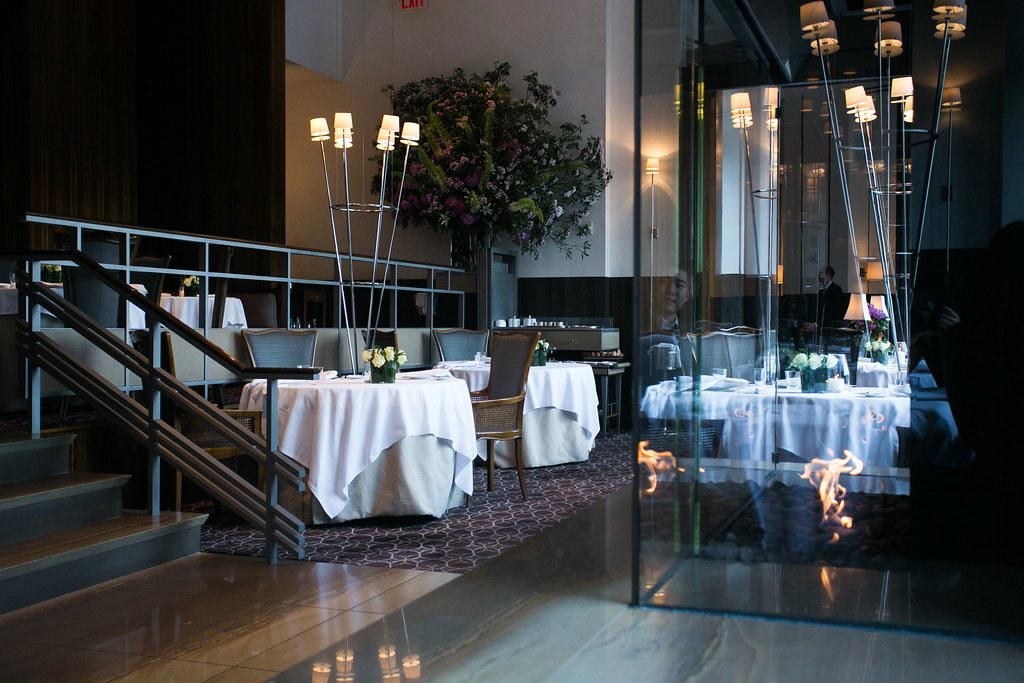
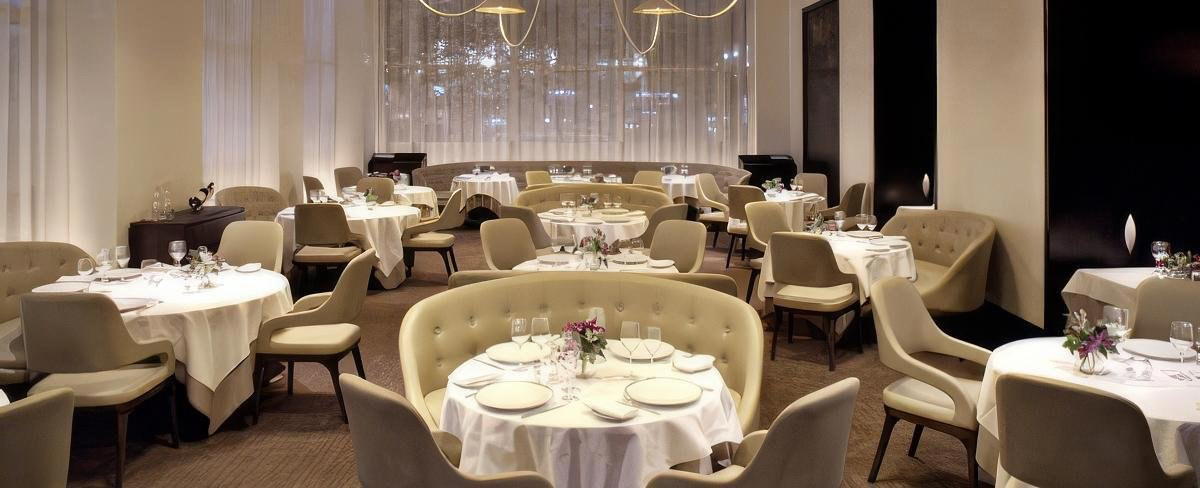
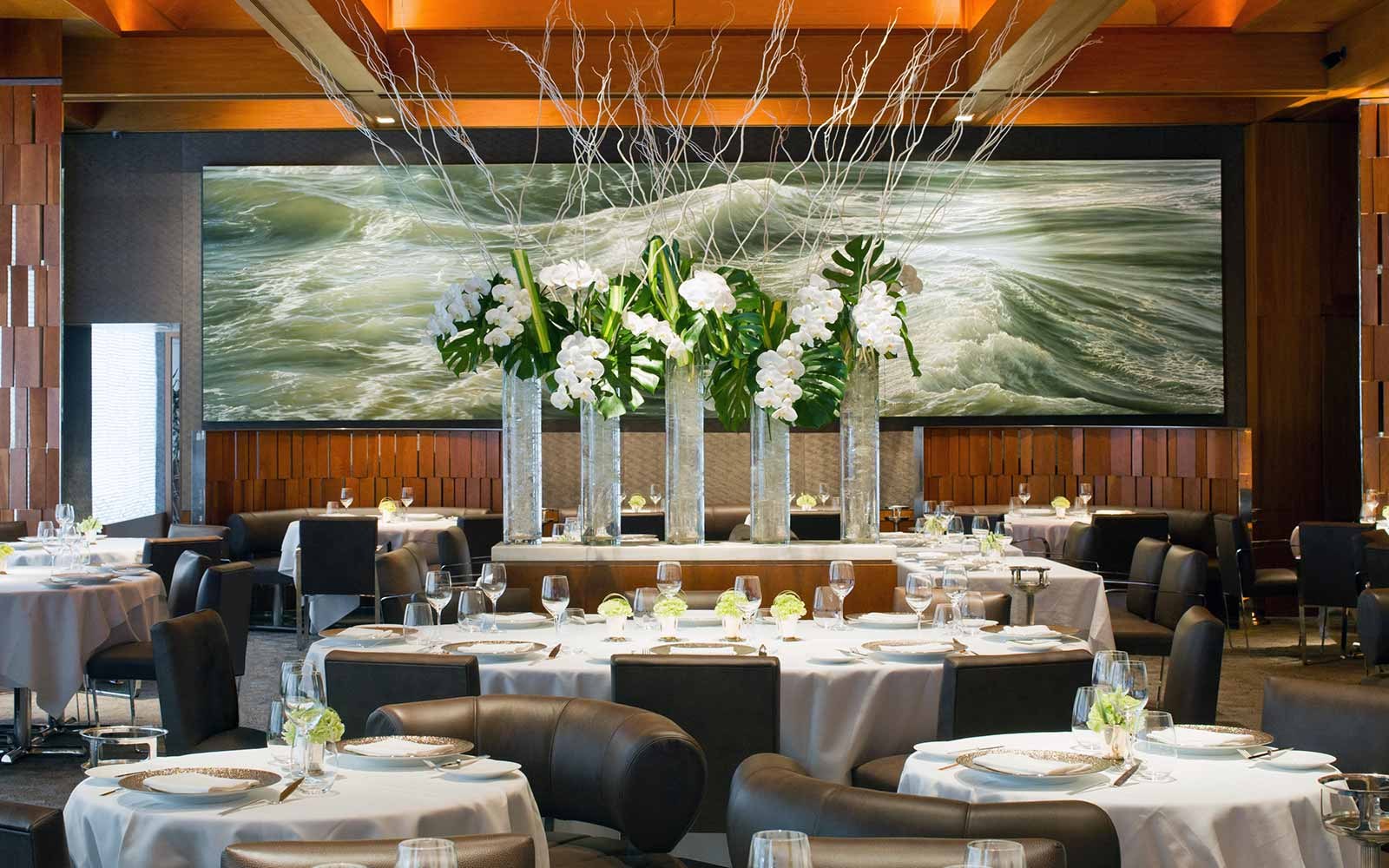
Bars in New York City
Browse all →
Hotels in New York City
Browse all →


At a Glance
- Lively
- Energetic
- Trendy
- Sophisticated
- Special Occasion
- Celebration
- Date Night
- Group Dining
- Open Kitchen
- Local Sourcing
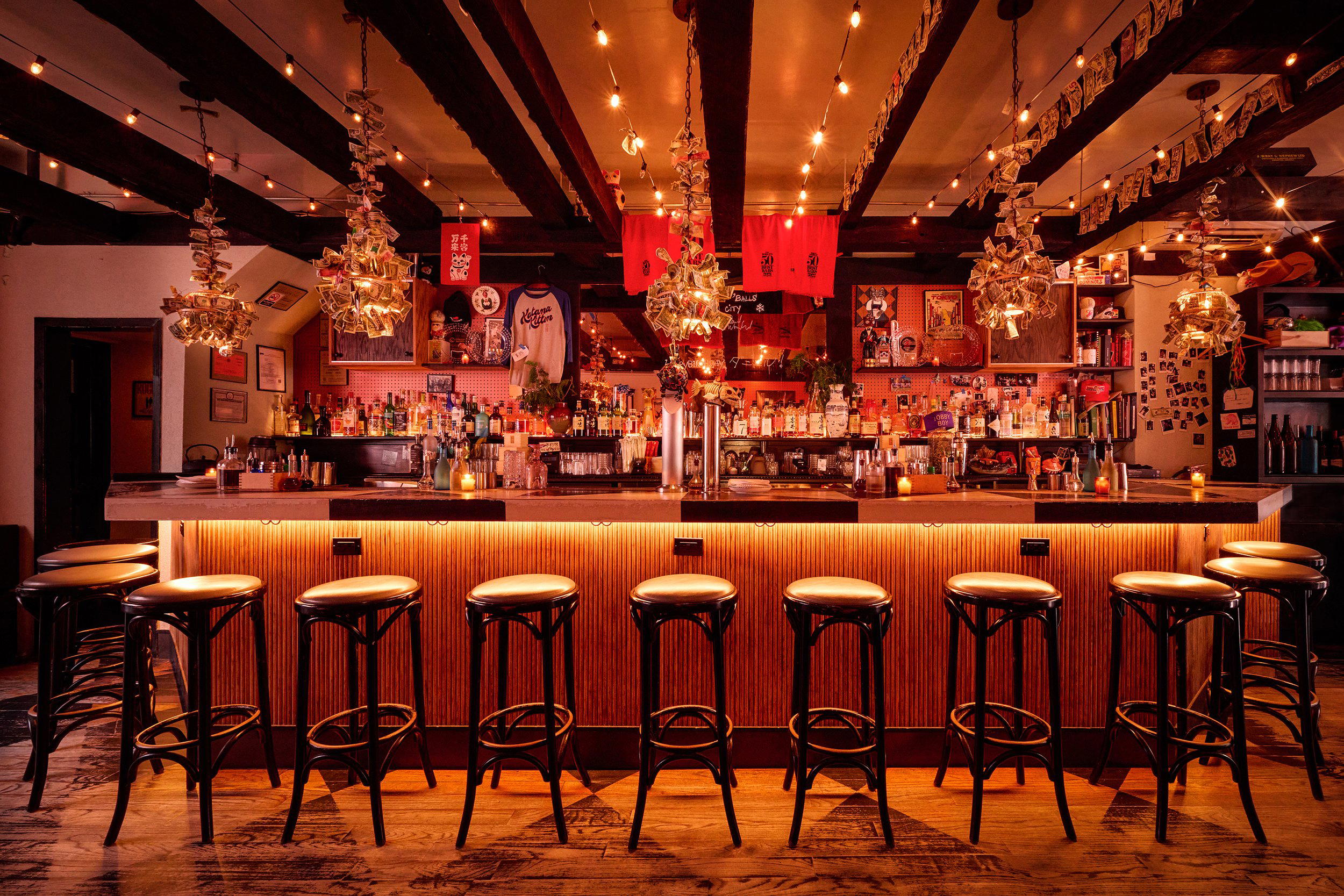
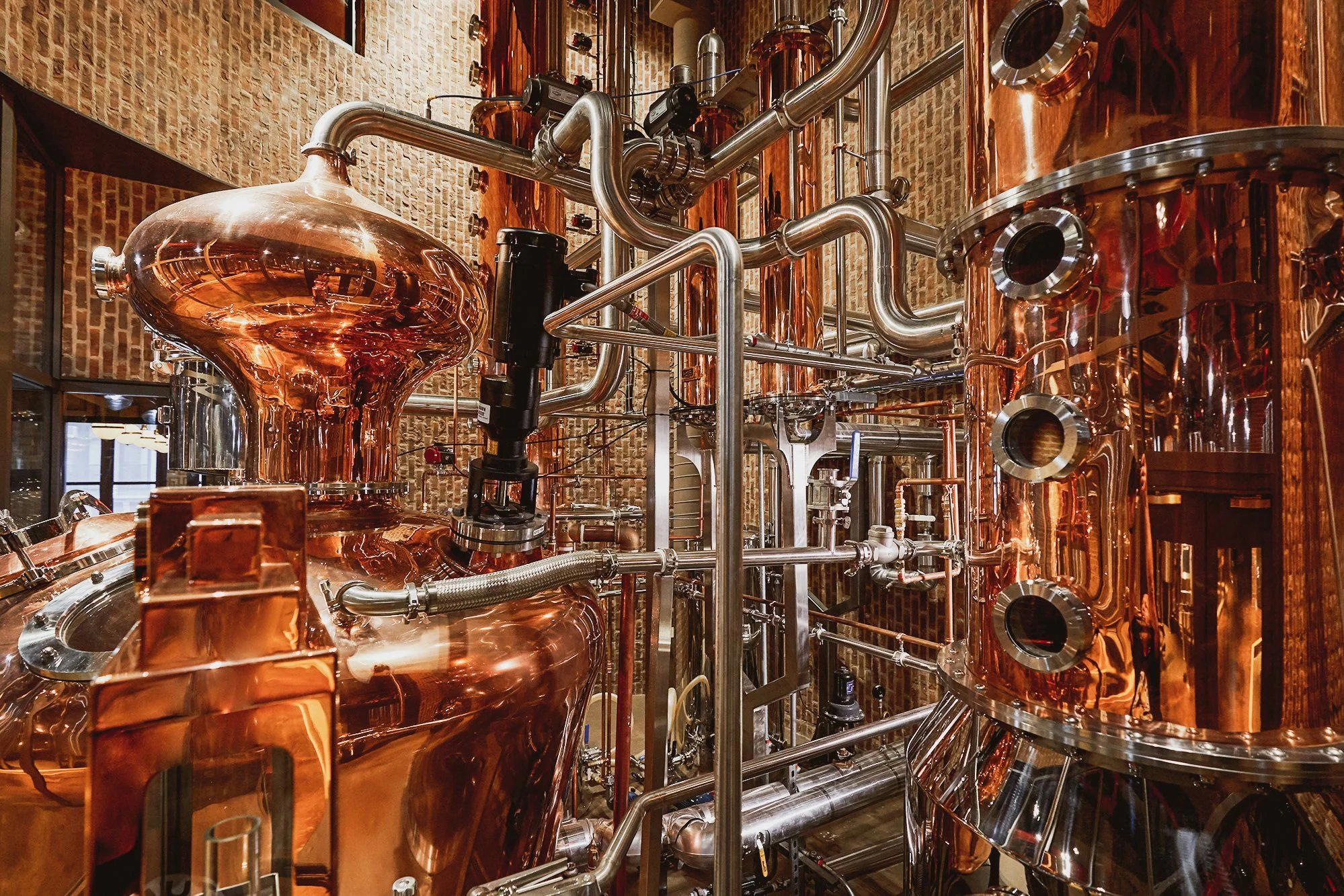
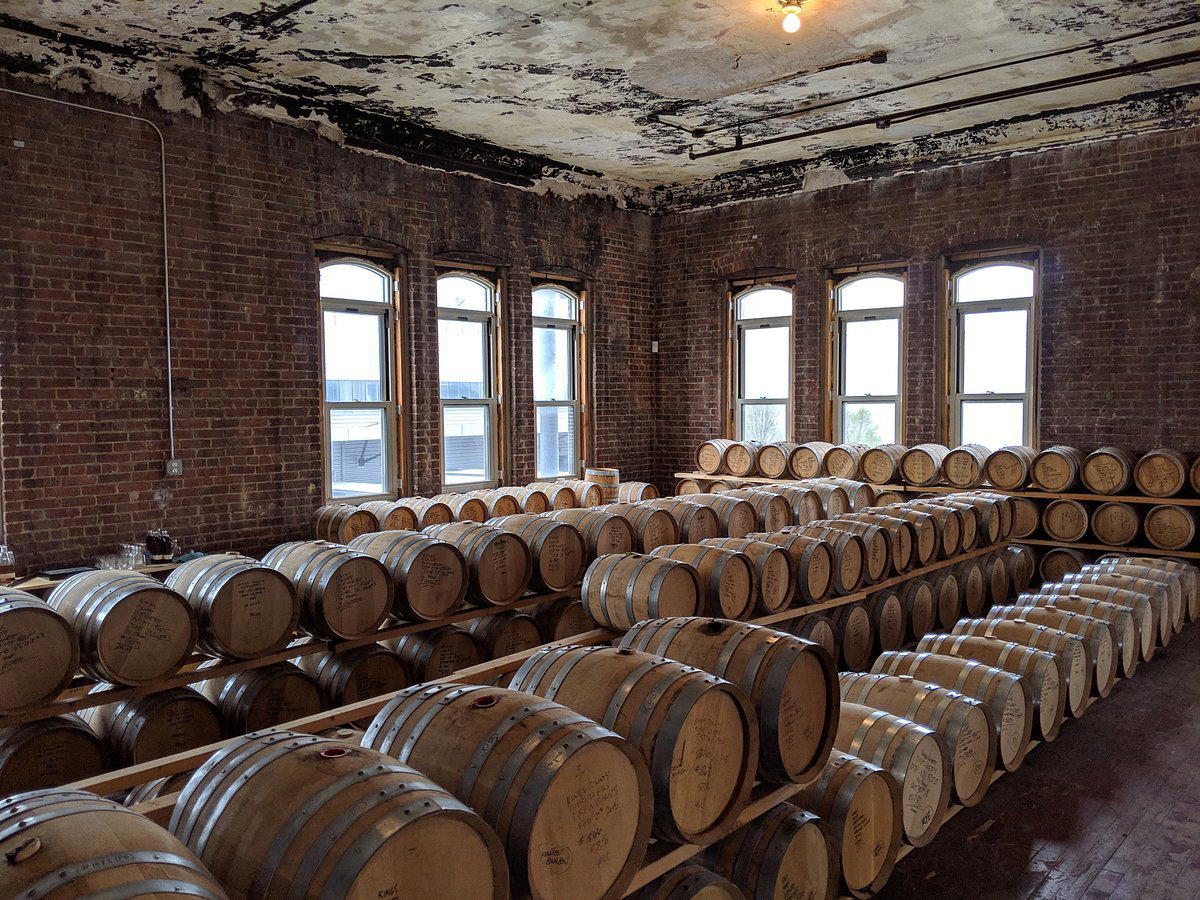
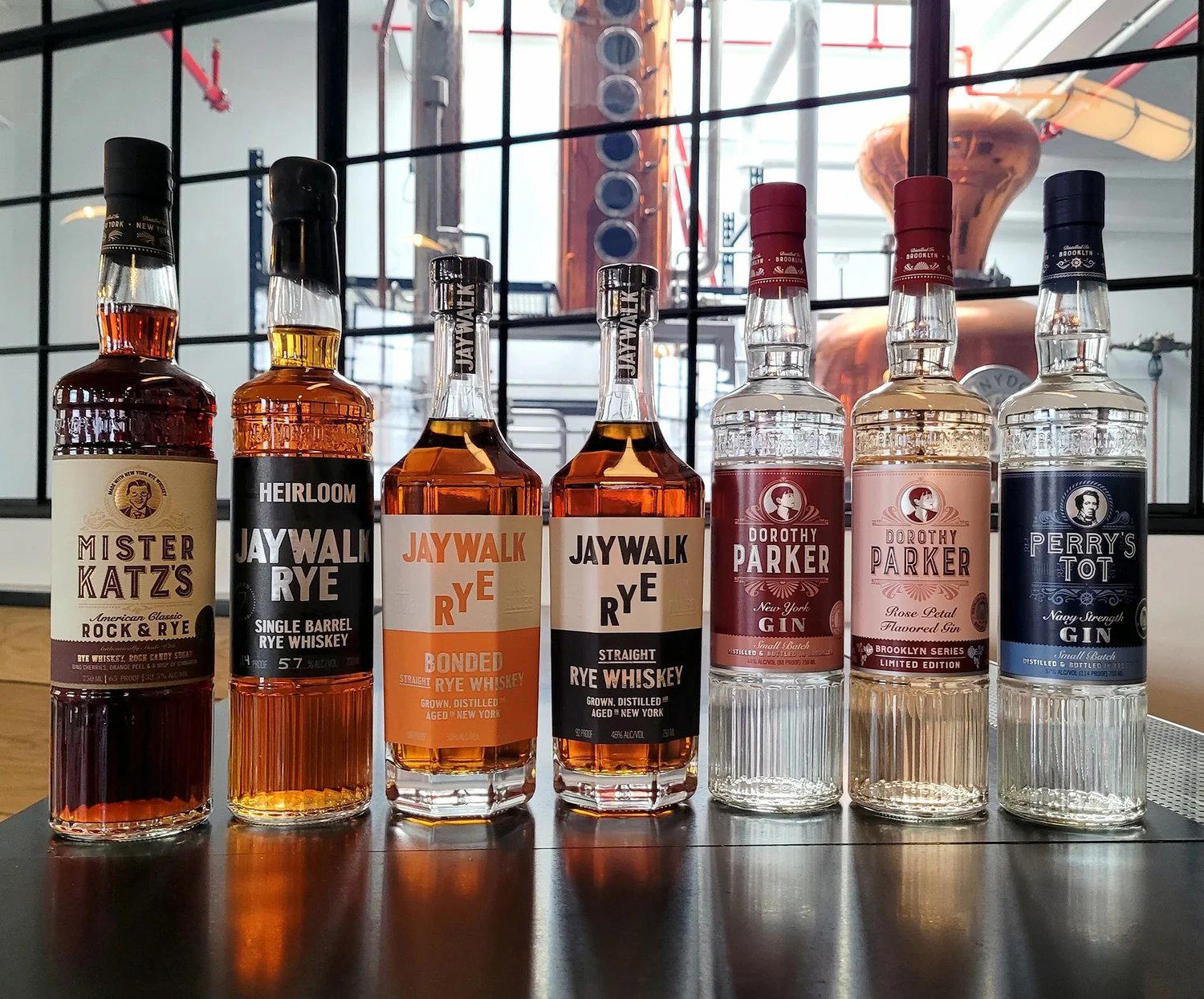
Playful and energetic living room-like space with bold tiles, vintage decor, classical music in early seating transitioning to disco and strobes later.