Sugiyama
Kaiseki in Manhattan has always been a hard sell outside the Japanese expatriate community, which makes Sugiyama's sustained critical recognition in Midtown West all the more telling. The New York Times awarded the restaurant three stars, a rating echoed by Forbes, and Zagat ranked it fourth among all New York City restaurants in 2000 — a trifecta of recognition that placed it alongside the city's most serious dining rooms at a time when Japanese haute cuisine was still finding its footing in America. Chef Nao Sugiyama, originally from Okayama Prefecture, built his tasting menus around the kaiseki principle of seasonal progression: courses move from light to substantial, with ingredients shifting as the calendar does. The format at 251 West 55th Street offered both a traditional and a modern kaiseki path, with dinner running from $45 to $150 per person depending on the menu selected. That range reflects a deliberate accessibility uncommon in kaiseki rooms, which elsewhere tend to lock guests into a single, fixed price point. The room itself departed from the austere minimalism associated with Kyoto-style kaiseki. Booth seating and a food bar gave the space a more approachable register, though the cooking maintained the precision and visual arrangement that define the form. Dishes drew on ingredients such as sea urchin, sawagani crab, and mountain yam — components that signal genuine seasonal sourcing rather than a fixed repertoire dressed up in Japanese aesthetics. For a restaurant in the Theater District, a neighbourhood not typically associated with serious Japanese dining, Sugiyama occupied an unusual position: critically decorated, relatively under the radar with the broader dining public, and committed to a cuisine that demands both kitchen discipline and an informed guest. That combination rarely sustains itself in Midtown, which is precisely why the restaurant's track record across multiple credible rating systems warrants attention from anyone tracing the history of kaiseki in New York.
- Address
- 251 W 55th St (at 8th Ave), New York, NY 10019
- Directions
- Get directions
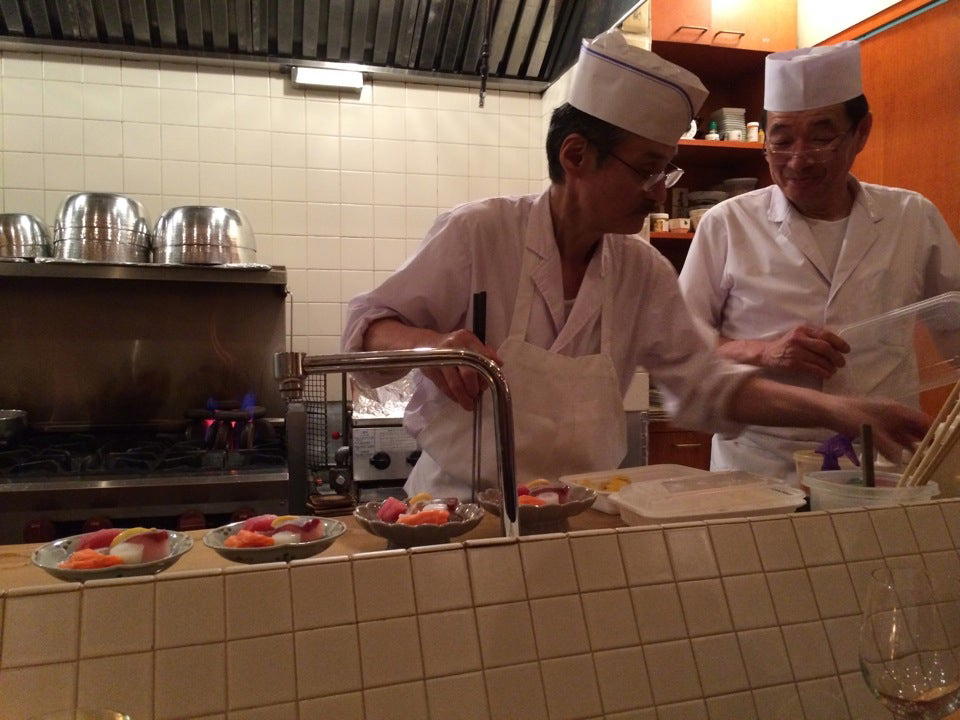
Kaiseki in Manhattan has always been a hard sell outside the Japanese expatriate community, which makes Sugiyama's sustained critical recognition in Midtown West all the more telling. The New York Times awarded the restaurant three stars, a rating echoed by Forbes, and Zagat ranked it fourth among all New York City restaurants in 2000 — a trifecta of recognition that placed it alongside the city's most serious dining rooms at a time when Japanese haute cuisine was still finding its footing in America.
Chef Nao Sugiyama, originally from Okayama Prefecture, built his tasting menus around the kaiseki principle of seasonal progression: courses move from light to substantial, with ingredients shifting as the calendar does. The format at 251 West 55th Street offered both a traditional and a modern kaiseki path, with dinner running from $45 to $150 per person depending on the menu selected. That range reflects a deliberate accessibility uncommon in kaiseki rooms, which elsewhere tend to lock guests into a single, fixed price point.
The room itself departed from the austere minimalism associated with Kyoto-style kaiseki. Booth seating and a food bar gave the space a more approachable register, though the cooking maintained the precision and visual arrangement that define the form. Dishes drew on ingredients such as sea urchin, sawagani crab, and mountain yam — components that signal genuine seasonal sourcing rather than a fixed repertoire dressed up in Japanese aesthetics.
For a restaurant in the Theater District, a neighbourhood not typically associated with serious Japanese dining, Sugiyama occupied an unusual position: critically decorated, relatively under the radar with the broader dining public, and committed to a cuisine that demands both kitchen discipline and an informed guest. That combination rarely sustains itself in Midtown, which is precisely why the restaurant's track record across multiple credible rating systems warrants attention from anyone tracing the history of kaiseki in New York.
How It Compares
Comparable venues nearby, for context on price, style, and recognition.
| Venue | Cuisine | Price | Notes |
|---|---|---|---|
| SugiyamaThis venue — the venue you are viewing | Traditional Japanese Kaiseki | $$$$ | Not listed |
| Kappo Sono | Japanese Kaiseki | $$$$ | Greenwich Village |
| ShabuShabu GEN | Japanese Shabu-Shabu | $$$$ | East Village |
| Sushi Yoshitake | Modern Japanese Omakase | $$$$ | Midtown |
| Yoshoku | Kaiseki-inspired Japanese | $$$$ | East Midtown-Turtle Bay |
| Unnamed flagship Japanese fine-dining at One Bryant Park | Japanese Fine-Dining Tasting Menu | $$$$ | midtown manhattan |
Continue exploring
More in New York City
Restaurants in New York City
Browse all →
Bars in New York City
Browse all →
Hotels in New York City
Browse all →




At a Glance
- Intimate
- Elegant
- Classic
- Quiet
- Special Occasion
- Date Night
- Chefs Counter
- Standalone
Current opening hours
- Monday
- 11:30 AM–10 PM
- Tuesday
- 11:30 AM–10 PM
- Wednesday
- 11:30 AM–10 PM
- Thursday
- 11:30 AM–10 PM
- Friday
- 11:30 AM–10 PM
- Saturday
- 11:30 AM–10 PM
- Sunday
- Closed
Hours can change for holidays and private events. Last verified .
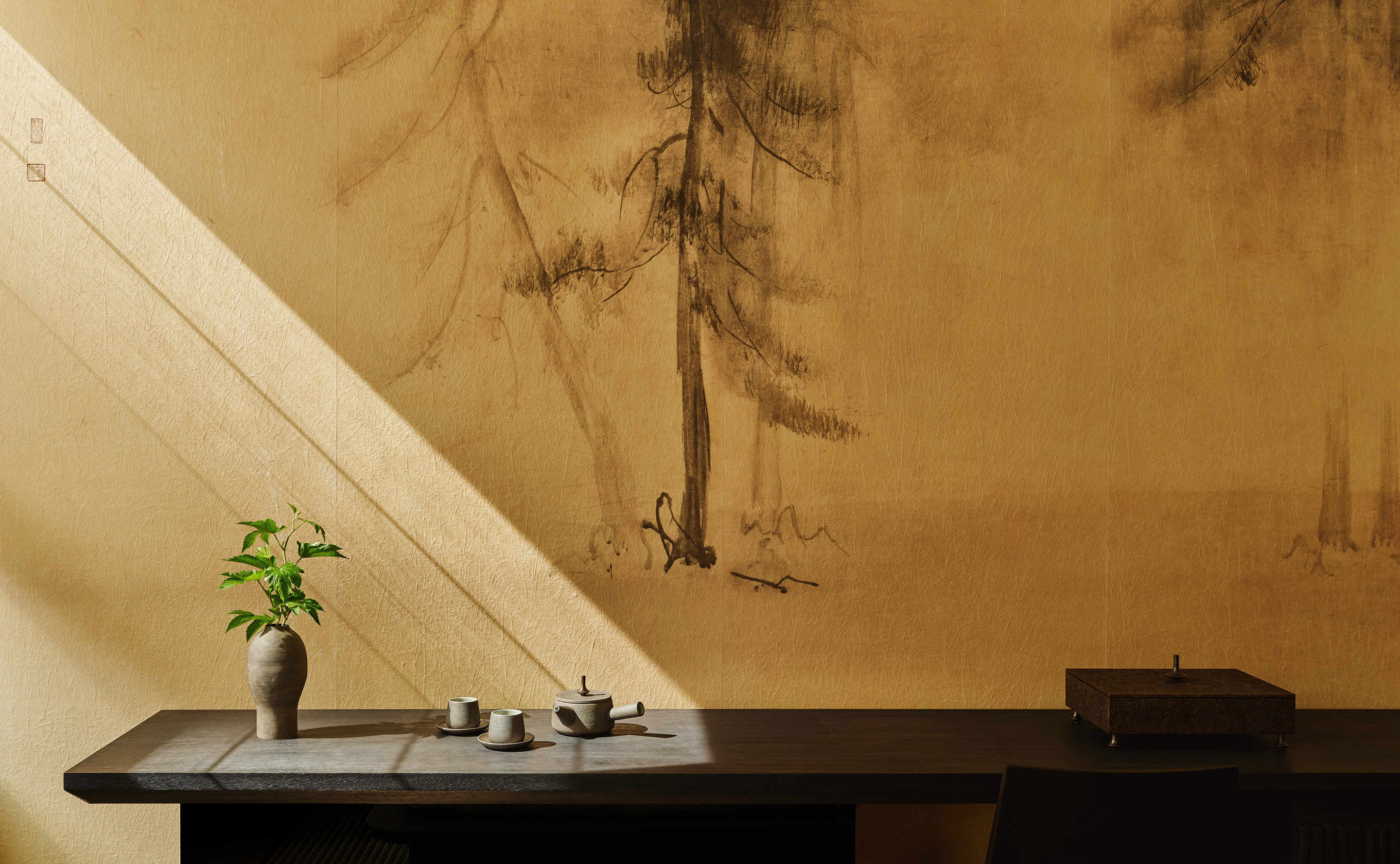
Small, brightly lit intimate space with an authentic Japanese aesthetic enhanced by traditional wooden décor and lanterns, creating a tranquil escape from New York City.