Golden Steer
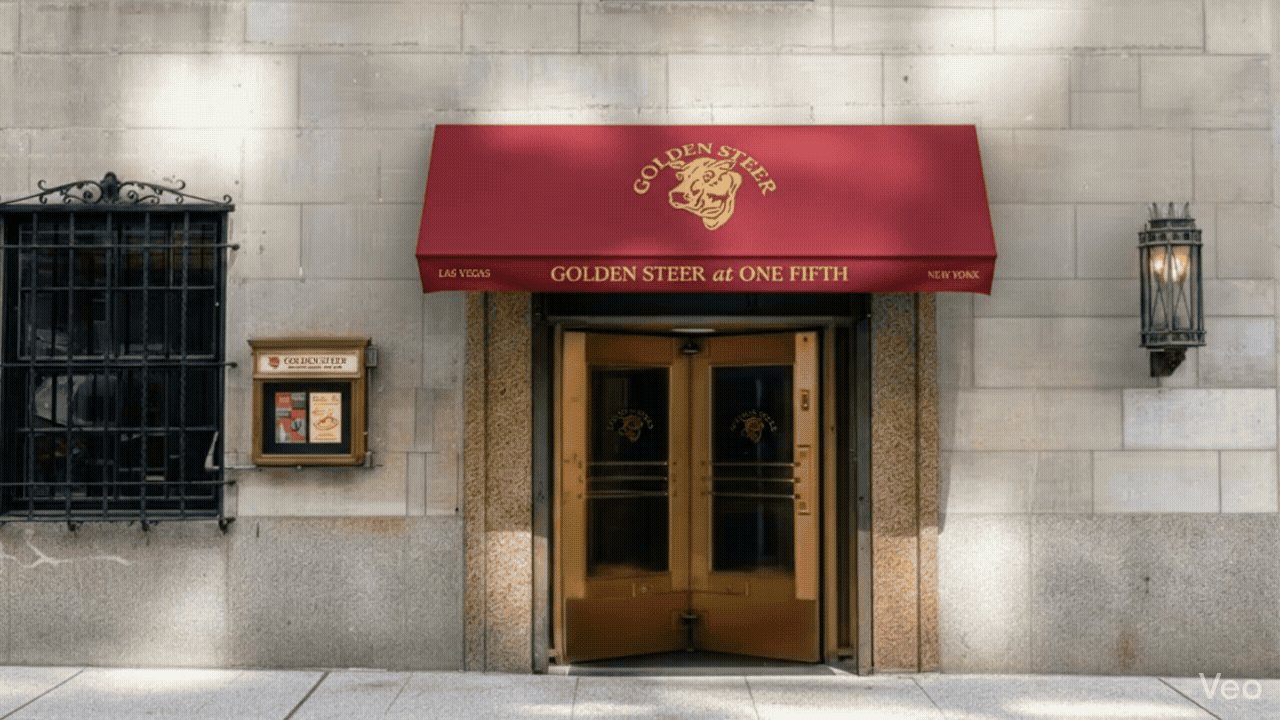
Golden Steer is a classic American steakhouse in New York City, representing the old-guard tradition of dry-aged beef and tableside service that defined the city's carnivore dining culture well before the modern chophouse boom. Where contemporary steakhouses compete on wagyu provenance and wine program depth, Golden Steer holds a position rooted in repetition, regularity, and the kind of institutional confidence that only decades of service can produce.

Pearl is the En Primeur Club membership app — saves, bookings, and concierge access live there. Same editors, same standards.
The Long Arc of the American Chophouse
New York's steakhouse tradition is among the more durable in American dining. Before the wagyu-and-cocktail era reshaped the chophouse format, before places like Le Bernardin and Eleven Madison Park pushed the city's fine dining ceiling into three-Michelin-star territory, there existed a class of New York steakhouse built on an entirely different contract with its guest: no tasting menus, no chef provenance stories, no sourcing narratives. Just beef, heat, and the discipline to repeat it correctly every service. Golden Steer belongs to that older tradition. Its history places it among the generation of Manhattan chophouses that predates the modern American restaurant renaissance.
Fire, Timing, and the Architecture of a Proper Steak
At a steakhouse of this vintage, the editorial focus is the grill itself. The American chophouse at its technical core is an exercise in temperature management and timing. A properly cooked cut requires a grill running at sustained high heat, a cook who reads the meat rather than the clock, and a resting protocol that most high-volume kitchens sacrifice for speed. At the establishments that survive across multiple decades in New York, that discipline at the fire station is the differentiator. It is where reputations are made and, more commonly, lost.
The category comparison is instructive. At the contemporary end of New York's protein-focused dining, some operations foreground the beef itself: regional breed, days of aging, and the particular fat content of a specific ranch's output. That information-forward approach suits a dining public trained by a decade of tasting menus at restaurants like Per Se or the omakase format at Masa to expect detailed provenance at every course. The older chophouse model makes a different argument: that the grill technique, the seasoning discipline, and the consistency of execution across hundreds of covers are themselves the craft. Neither position is wrong; they describe two genuinely different relationships between kitchen and guest.
Where Golden Steer Sits in the New York Steakhouse Spectrum
New York's steakhouse market has stratified sharply since the early 2000s. At one end, you have the expense-account flagships, many of them national chains that operate on volume and brand recognition. At another, a smaller tier of independent houses that survive on neighborhood loyalty and the trust of regulars who have eaten at the same table for fifteen years. Golden Steer occupies the latter position. That kind of longevity does not happen by accident in a city with Manhattan's real estate economics and dining turnover rate. It happens because a specific audience returns consistently, and because the kitchen delivers within a narrow, well-defined range of expectations.
The correct comparable set for the restaurant is not Atomix or the tasting-menu operations that compete for Michelin recognition. The correct comparison is the cluster of mid-century American chophouses that have either closed, been acquired by hospitality groups, or transformed into something unrecognizable from their original format. Against that comparable set, survival is itself a meaningful signal.
Venues like Lazy Bear in San Francisco, Smyth in Chicago, or Single Thread Farm in Healdsburg represent the contemporary American dining mode: seasonal, chef-driven, ingredient-narrative-heavy. The restaurant model represents the opposing tradition: format stability, service familiarity, and the primacy of the grill over the garden. Both are legitimate. They answer different questions about what a restaurant is for.
The Classic American Steakhouse in National Context
The chophouse as a format has proved more resilient nationally than critics predicted two decades ago. Institutions like Emeril's in New Orleans and The French Laundry in Napa represent the chef-forward American restaurant tradition, but the parallel track of the classic American grill, anchored in simplicity and repetition, has continued to draw a loyal audience that has little interest in tasting menus or foraging narratives. Places like Blue Hill at Stone Barns in Tarrytown, Providence in Los Angeles, and Addison in San Diego define one pole of American dining ambition. The classic chophouse defines another, and the audience for both is larger than the critical conversation usually acknowledges.
Even in the European fine dining context, the tension between innovation and tradition is well-documented. Atelier Moessmer Norbert Niederkofler in Brunico and Dal Pescatore in Runate hold their positions through deep commitment to regional tradition rather than constant reinvention. The American chophouse operates from a similar logic, even if the culinary tradition it draws on is narrower in scope.
Planning Your Visit
The restaurant operates as a traditional New York steakhouse in the classic American format. Reservations are essential, particularly on weekend evenings when demand at established chophouses in New York tends to run ahead of capacity. Dress expectations at venues of this generation typically skew toward smart casual at minimum; diners who arrive in athletic wear at a mid-century Manhattan chophouse are likely to find the room does not accommodate the look. The format rewards guests who are not in a hurry. The steakhouse dining pace, with its tableside rhythm and extended service structure, is a deliberate counter-programming to the faster formats that now dominate the mid-market.
Quick reference: Classic American steakhouse, New York City. Reservations essential. Smart casual dress appropriate.
- Wet-aged USDA Prime steaks
- Tableside Caesar salad
- Whole roasted bone marrow
- Jumbo Canadian lobster tail
- Shrimp de Jonghe
- Filet mignon
- Double-cut lamb chops
Side-by-Side Snapshot
Comparable venues nearby, for context on price, style, and recognition.
| Venue | Cuisine | Price | Notes |
|---|---|---|---|
| Golden SteerThis venue — the venue you are viewing | Classic American Steakhouse | $$$$ | Not listed |
| Empire Steak House | Classic Steakhouse | $$$$ | East Midtown-Turtle Bay |
| Wall Street Grill | Kosher Steakhouse | $$$$ | Financial District-Battery Park City |
| Brooklyn Chop House - Times Square | Asian Fusion Steakhouse | $$$$ | Midtown-Times Square |
| Andrew Steak Society | Modern Steakhouse | $$$$ | East Village |
| CUT | Modern Steakhouse | $$$$ | Tribeca-Civic Center |
Continue exploring
More in New York City
Restaurants in New York City
Browse all →
Bars in New York City
Browse all →
At a Glance
- Well Known
- Elegant
- Ornate
- Classic
- Sophisticated
- Date Night
- Business Dinner
- Group Dining
- Celebration
- Special Occasion
- Private Dining
- Historic Building
- Design Destination
- Craft Cocktails
- Extensive Wine List
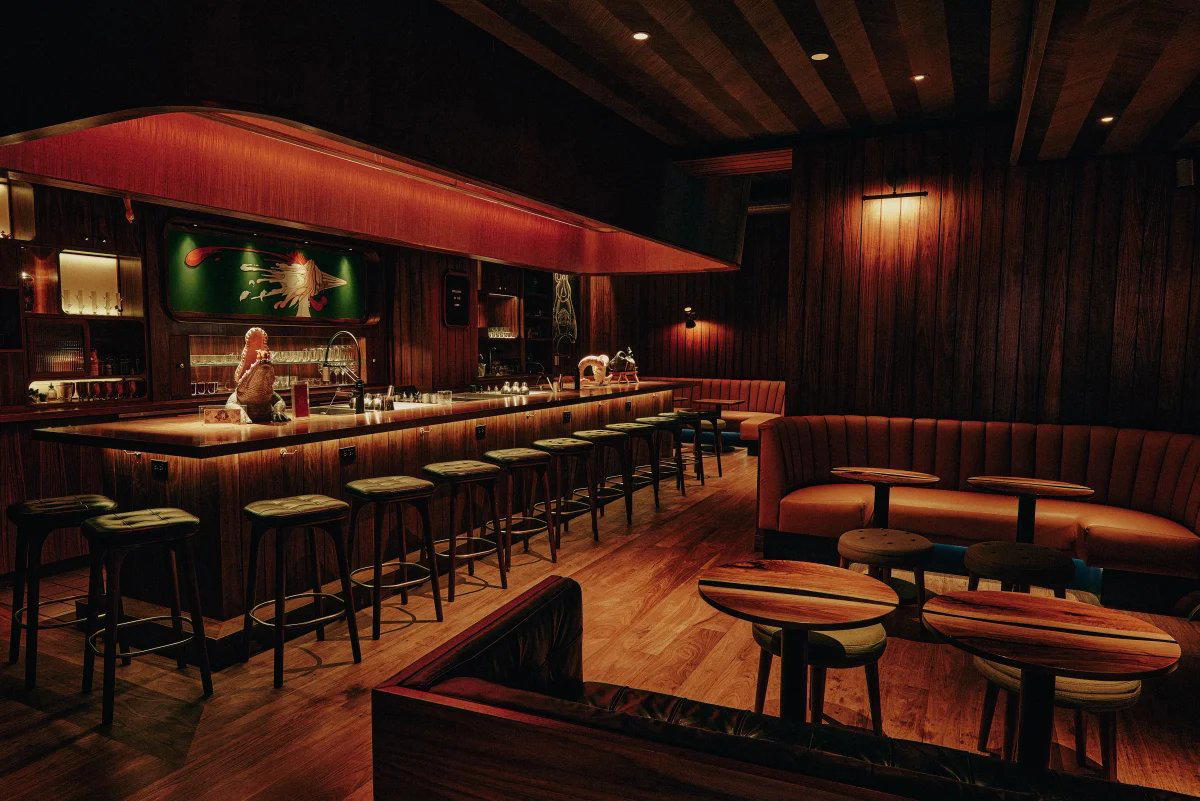
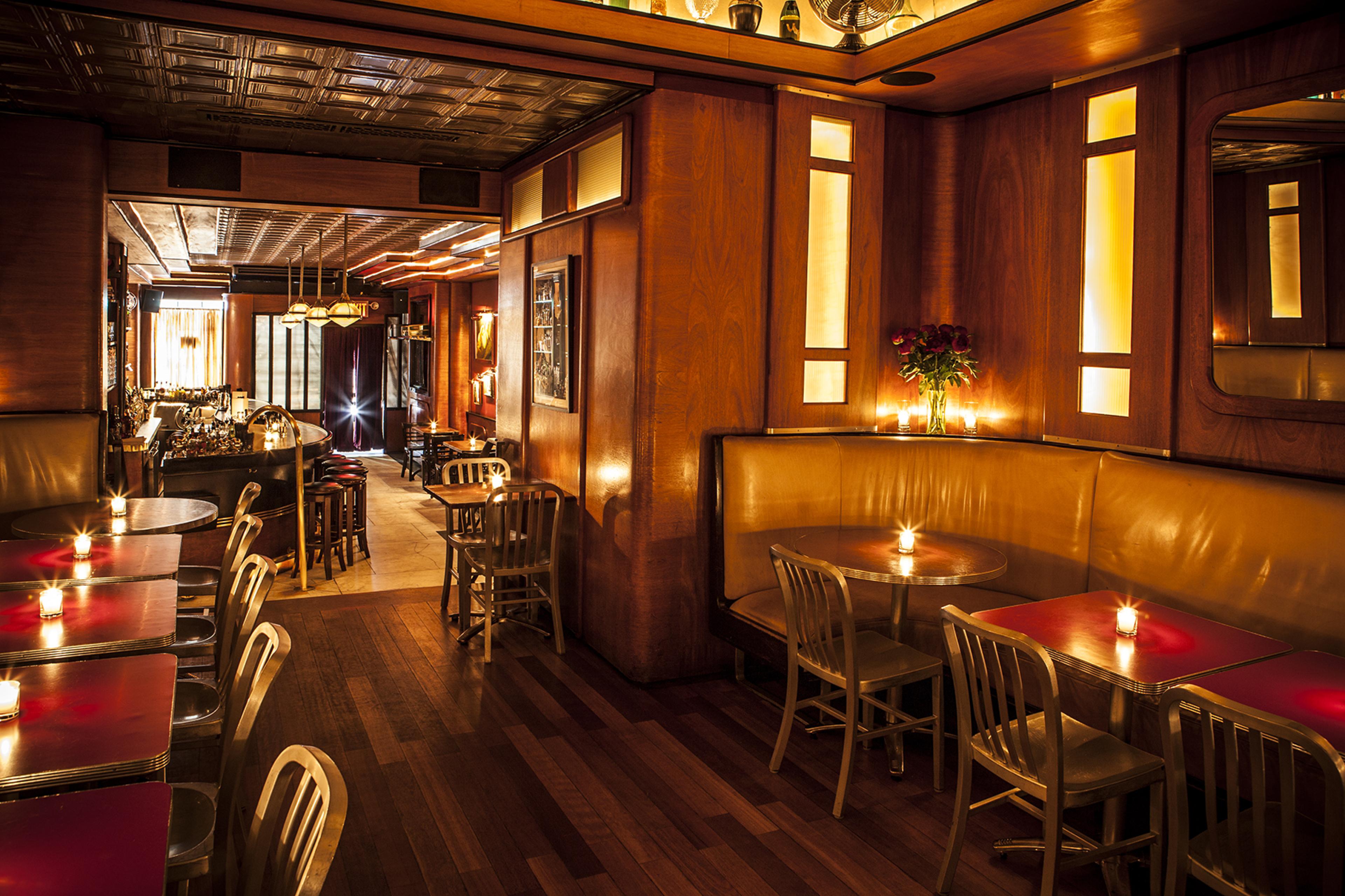
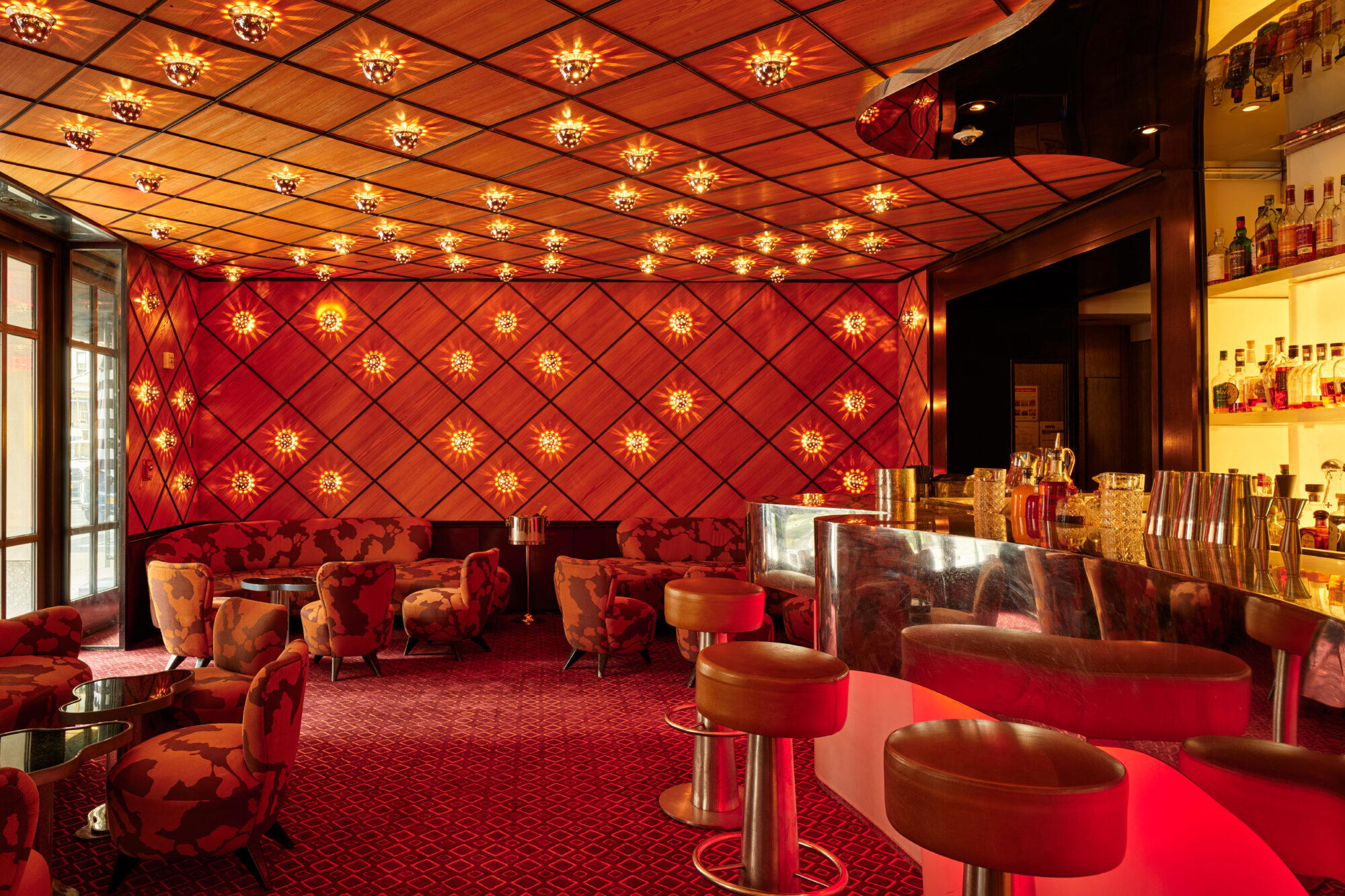
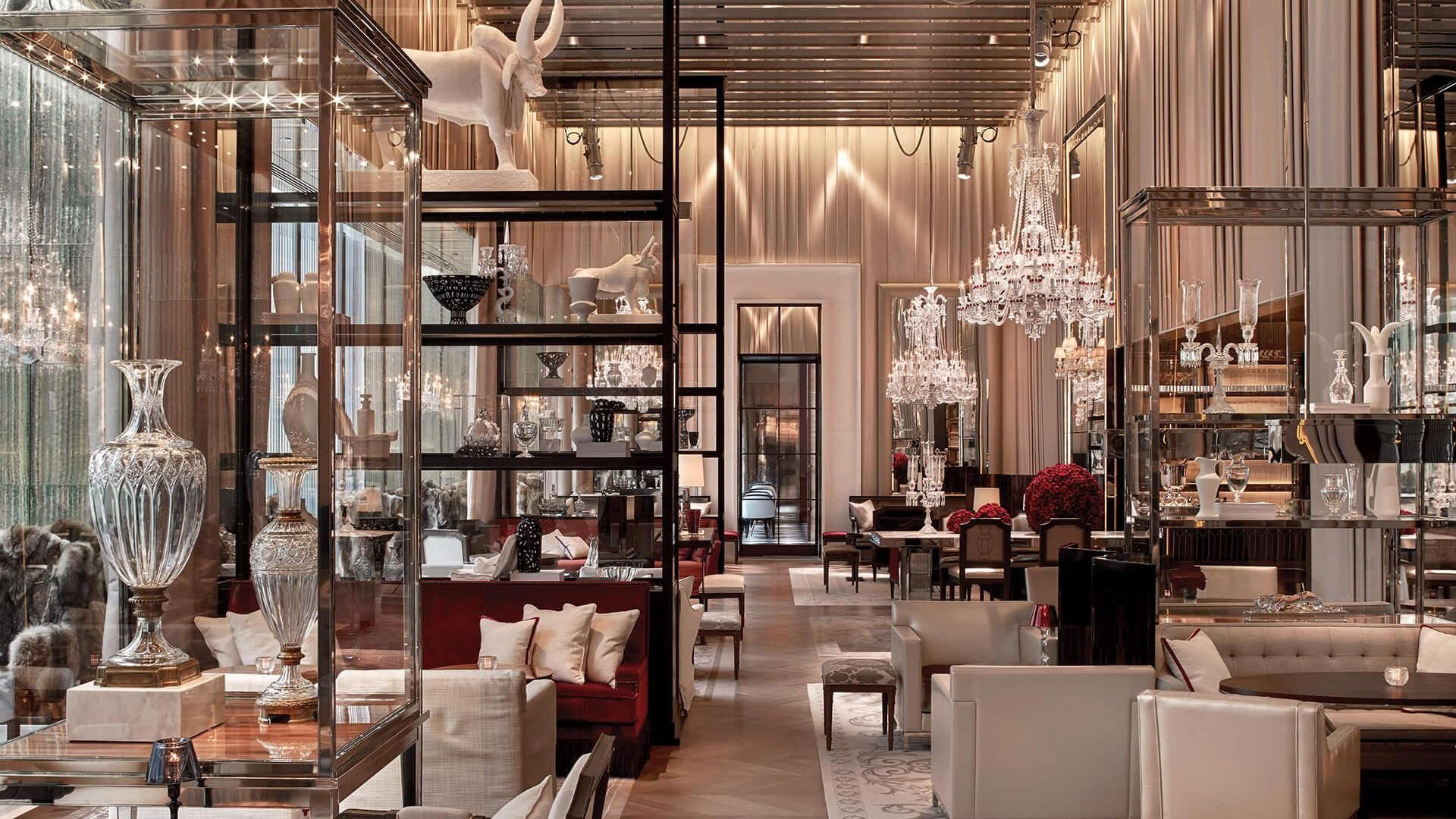
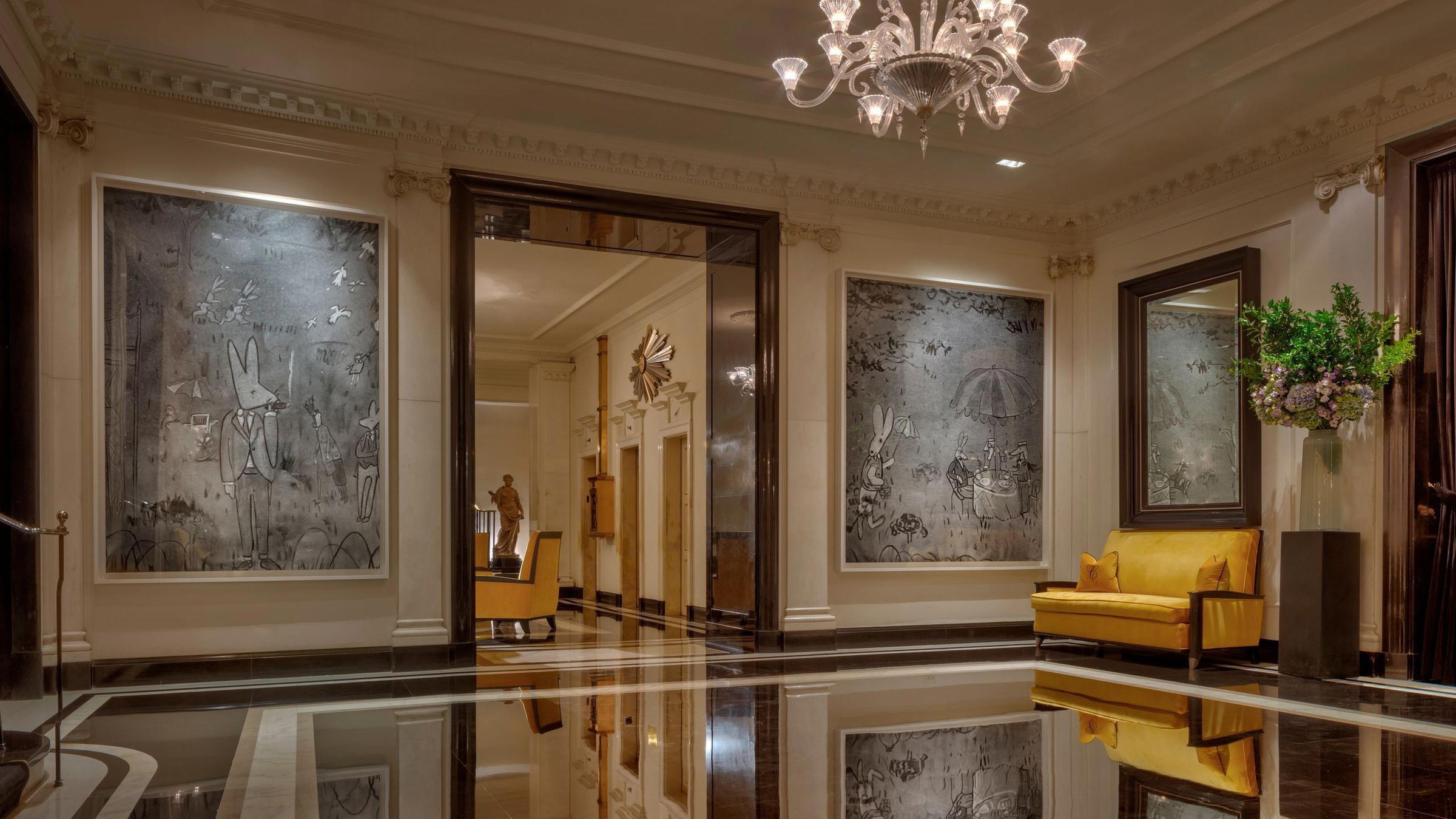
Dark and moody with mahogany-rich entryway, mirrored ceilings, black leather booths, deep red furnishings, golden light fixtures, Western-inspired artwork, and tuxedoed servers in a theatrical space evoking vintage Vegas charm.