Dejavu
Our verdict
Dejavu occupies a West Village address at 394 West St, positioning it within one of Manhattan's most competitive fine dining corridors. The venue sits in the premium tier of New York City dining, where front-of-house coordination and kitchen-to-table teamwork define the experience as much as what arrives on the plate. Sparse public data makes it one of the quieter entries in the neighborhood's current roster.

Pearl is the En Primeur Club membership app — saves, bookings, and concierge access live there. Same editors, same standards.
- Address
- 394 West St, New York, NY 10014
- Phone
- (201) 621-3040
- Hours
- Mon–Wed ClosedThu–Sat 6 PM–2 AMSun Closed
- Website
- dejavunyc.com
- Directions
- Get directions
- Booking
- Book on OpenTable
The menu
What to order
- Lemon Spaghetti with Caviar
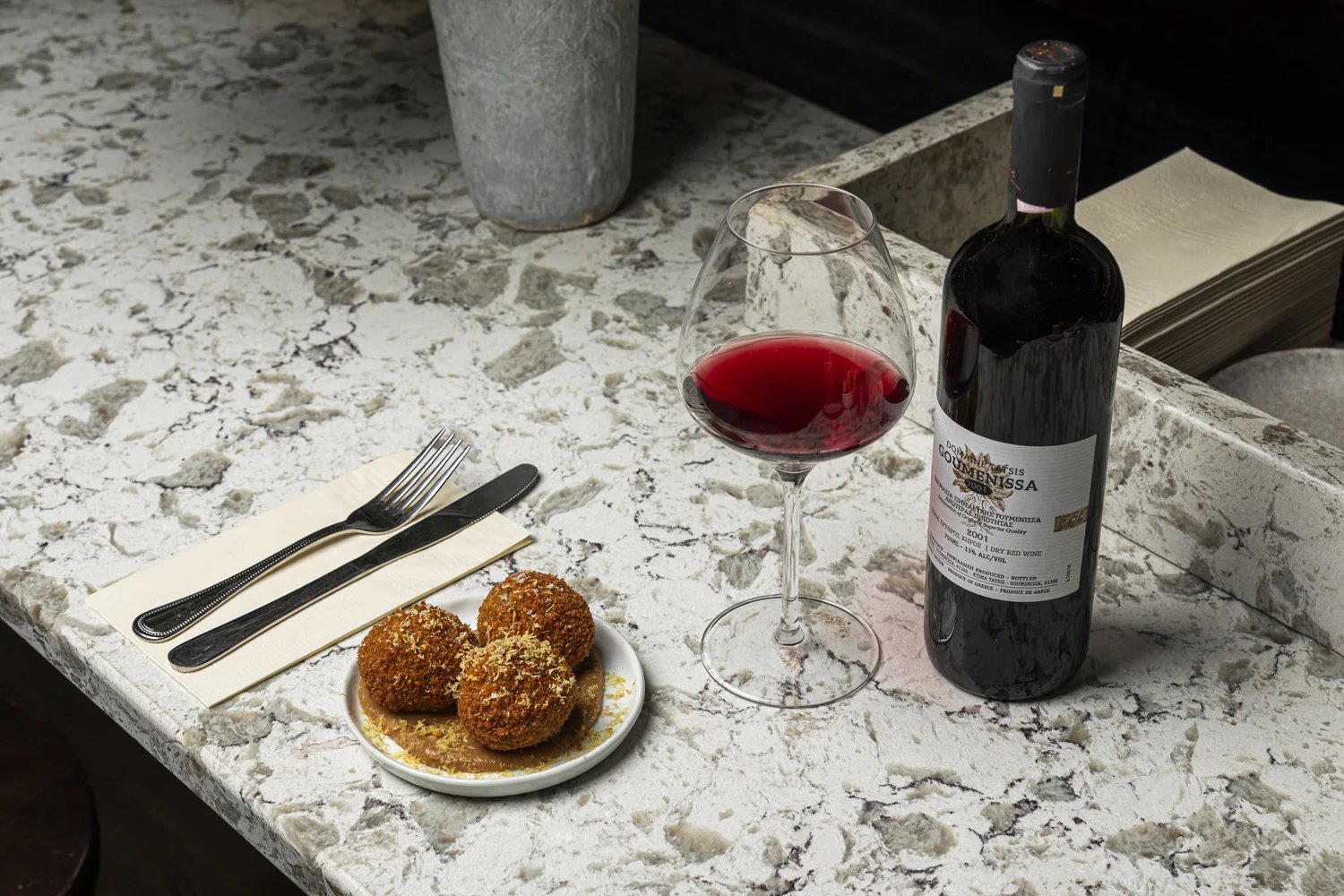
- Pastrami Croquettes
- Scallop Crudo with Fennel and Orange Zest
- Tuna Tartare with Yuzu Ponzu
- Filet Mignon
- Caviar Service
West Village's Premium Dining Tier: Where Dejavu Sits
The stretch of lower Manhattan running from the Meatpacking District through the West Village has, over the past decade, become one of the city's more contested corridors for high-commitment dining. Addresses along West Street and its immediate surrounds attract a specific kind of operation: venues that rely less on foot traffic and more on deliberate reservation-making, where the guest arrives with expectations already set and the room has to deliver on them. Dejavu, at 394 West St, occupies exactly that kind of position. It is an address that signals intention rather than convenience.
That address places it in a peer conversation with New York's better-documented fine dining establishments, even when the venue itself keeps a lower public profile than its ZIP code might suggest. In a city where Le Bernardin and Eleven Madison Park have spent decades earning their reputations through consistent critical attention, a newer or quieter entry at a comparable address is being measured against that bar whether it seeks the comparison or not.
The Coordination Question: How Team Dynamics Shape a Meal
In New York's fine dining tier, the conversation about what makes a restaurant excellent has shifted away from the single-chef-as-auteur model that dominated early 2000s coverage. What critics and regular guests now tend to notice first is how the room works as a system: whether the sommelier's pacing matches the kitchen's output, whether front-of-house reads the table rather than reciting a script, whether the overall experience feels like a coordinated effort or a set of siloed performances happening in parallel.
This shift is visible across the city's most discussed addresses. At Atomix, the tasting card format is as much a front-of-house decision as a culinary one, creating a shared language between kitchen and guest that bypasses the need for extended verbal explanation. At Per Se, the service architecture has always been as deliberate as the menu structure, with timing between courses calibrated to a degree that reflects coordination rather than improvisation. The same pattern appears outside New York: Smyth in Chicago and Single Thread Farm in Healdsburg both operate on the premise that the dining room and kitchen are a single unit, not adjacent departments.
Dejavu enters that conversation from West Street. Without a large public footprint of awards or press documentation, what the venue communicates about its team dynamic is harder to verify from the outside. That opacity is itself worth noting: in New York's current dining climate, quieter venues often either operate through word-of-mouth exclusivity or are still finding their critical footing. Which category applies here remains an open question.
What the West Village Dining Pattern Tells You
The West Village has a track record of supporting restaurants that do not need to shout. The neighborhood's residential density and relative distance from Midtown's corporate lunch circuit mean that the venues that thrive there tend to rely on repeat local guests and deliberate destination diners rather than tourist volume. That dynamic rewards consistency over novelty and front-of-house relationship-building over theatrical presentation.
Across the US, the venues that have most successfully built this kind of loyal guest base tend to share a few structural features: manageable seat counts that allow staff to track individual preferences, beverage programs developed in genuine dialogue with the kitchen rather than as a separate revenue line, and a front-of-house culture that treats pacing as a service decision rather than an operational default. Blue Hill at Stone Barns in Tarrytown and Frasca Food and Wine in Boulder are two examples where this model has produced long-term critical recognition. Providence in Los Angeles demonstrates the same pattern on the West Coast.
Placing Dejavu in the Broader New York Context
New York's fine dining tier is currently occupied by a relatively well-mapped set of institutions. Masa operates at the extreme end of the price spectrum with an omakase format that prices against international peer counters rather than local competition. Le Bernardin and Per Se hold multi-decade critical standing with Michelin recognition that functions as a market signal rather than just an honor. Eleven Madison Park's pivot to a plant-based format repositioned it within a narrower but vocal subset of the city's fine dining conversation.
Dejavu sits outside that well-documented group, which creates both a challenge and a potential advantage. Venues without established critical documentation often have more room to develop a distinct identity without the weight of expectation that comes with three-star comparisons. The risk is that without anchoring signals, guests arrive with less context and leave with more uncertainty about where the experience sits relative to alternatives at similar price points.
For guests considering how Dejavu fits within a broader New York visit, the EP Club New York City restaurants guide maps the full competitive set across cuisines and price tiers. Comparable team-focused dining models outside New York worth examining include Lazy Bear in San Francisco, The French Laundry in Napa, Addison in San Diego, Emeril's in New Orleans, and The Inn at Little Washington. Internationally, Atelier Moessmer Norbert Niederkofler in Brunico and Dal Pescatore in Runate represent European benchmarks for the coordinated team model.
Planning Your Visit
Current public data for Dejavu is limited, which means specific booking windows, pricing tiers, and hours require direct confirmation. The table below positions the venue against its nearest documented West Village and lower Manhattan peers to provide a practical reference point for decision-making.
| Venue | Price Tier | Cuisine Focus | Booking Window | Recognition Tier |
|---|---|---|---|---|
| Dejavu (394 West St) | Unconfirmed | Unconfirmed | Unconfirmed | |
| Le Bernardin | $$$$ | French, Seafood | 4-6 weeks typical | Michelin three-star |
| Per Se | $$$$ | French, Contemporary | 4-8 weeks typical | Michelin three-star |
| Atomix | $$$$ | Modern Korean | 6-8 weeks typical | Michelin two-star |
| Eleven Madison Park | $$$$ | French, Vegan | 4-6 weeks typical | Michelin three-star |
Frequently asked questions
Where exactly is Dejavu?
Dejavu is located at 394 West St, New York, NY 10014, New York City.
Is Dejavu in New York City suitable for a private dinner or group booking?
Dejavu is located at 394 West St in Manhattan's West Village, a neighborhood where many premium dining rooms operate at intimate scale and accommodate private bookings on request.
What should I eat at Dejavu?
No fixed menu or signature dishes are publicly confirmed for Dejavu at this time. Given the West Village address at 394 West St — a neighborhood where restaurants tend toward focused, ingredient-led formats rather than sprawling menus — it is worth contacting the venue directly to confirm the current menu structure before visiting.
Should I book Dejavu in advance?
Advance booking is advisable. Restaurants at the premium end of the West Village dining tier routinely fill several weeks out, and 394 West St sits in a corridor that draws both neighborhood regulars and visitors. Contact Dejavu directly to confirm current reservation availability and lead times.
What's Dejavu best at?
Without published critical assessments or confirmed cuisine documentation, a specific evidence-backed claim about Dejavu's strengths is not possible here. What the West Village address does signal is a dining context where precision and atmosphere tend to be the baseline expectation rather than the exception — the neighborhood's track record supports venues that prioritize quality over volume.
Cost and Credentials
Comparable venues nearby, for context on price, style, and recognition.
| Venue | Cuisine | Price | Awards | Notes |
|---|---|---|---|---|
| DejavuThis venue — the venue you are viewing | Modern Mediterranean with Turkish & Italian Influences | $50–100 | Not listed | Not listed |
| TESSA | Modern Mediterranean | $50–100 | Not listed | Upper West Side (Central), Modern Mediterranean |
| Or'esh | Modern Levantine Mediterranean | $50–100 | Wine Spectator Award of Excellence | SoHo-Little Italy-Hudson Square, Live-Fire Modern Levantine Mediterranean |
| Or'esh | Modern Levantine Mediterranean | $50–100 | Wine Spectator Award of Excellence | SoHo-Little Italy-Hudson Square, Modern Levantine Mediterranean |
| Celestine | Seasonal Mediterranean Waterfront | $50–100 | Not listed | Downtown Brooklyn-DUMBO-Boerum Hill, Seasonal Mediterranean Waterfront |
| Bustan | Modern Pan-Mediterranean | $50–100 | Not listed | Upper West Side (Central), Modern Pan-Mediterranean |
Continue exploring
More in New York City
Restaurants in New York City
Browse all →
Bars in New York City
Browse all →
Hotels in New York City
Browse all →




Dejavu
The wine
- Wine program
- Curated wine list
- Extensive wine list
- Sommelier-led
- Craft cocktails
Details
- Romantic
- Elegant
- Sophisticated
- Lively
- Date Night
- Special Occasion
- Celebration
- Group Dining
- Late Night
- Live Music
- Private Dining
- Design Destination
- Craft Cocktails
- Extensive Wine List
- Sommelier Led
- Sustainable Seafood
- Local Sourcing
- Small Plates
- A La Carte
- Craft Cocktails
- Premium Caviar Service
- Fine Wines
- Vegetarian Friendly
- Pescatarian Friendly
Current opening hours
- Monday
- Closed
- Tuesday
- Closed
- Wednesday
- Closed
- Thursday
- 6 PM–2 AM
- Friday
- 6 PM–2 AM
- Saturday
- 6 PM–2 AM
- Sunday
- Closed
Hours can change for holidays and private events. Last verified .
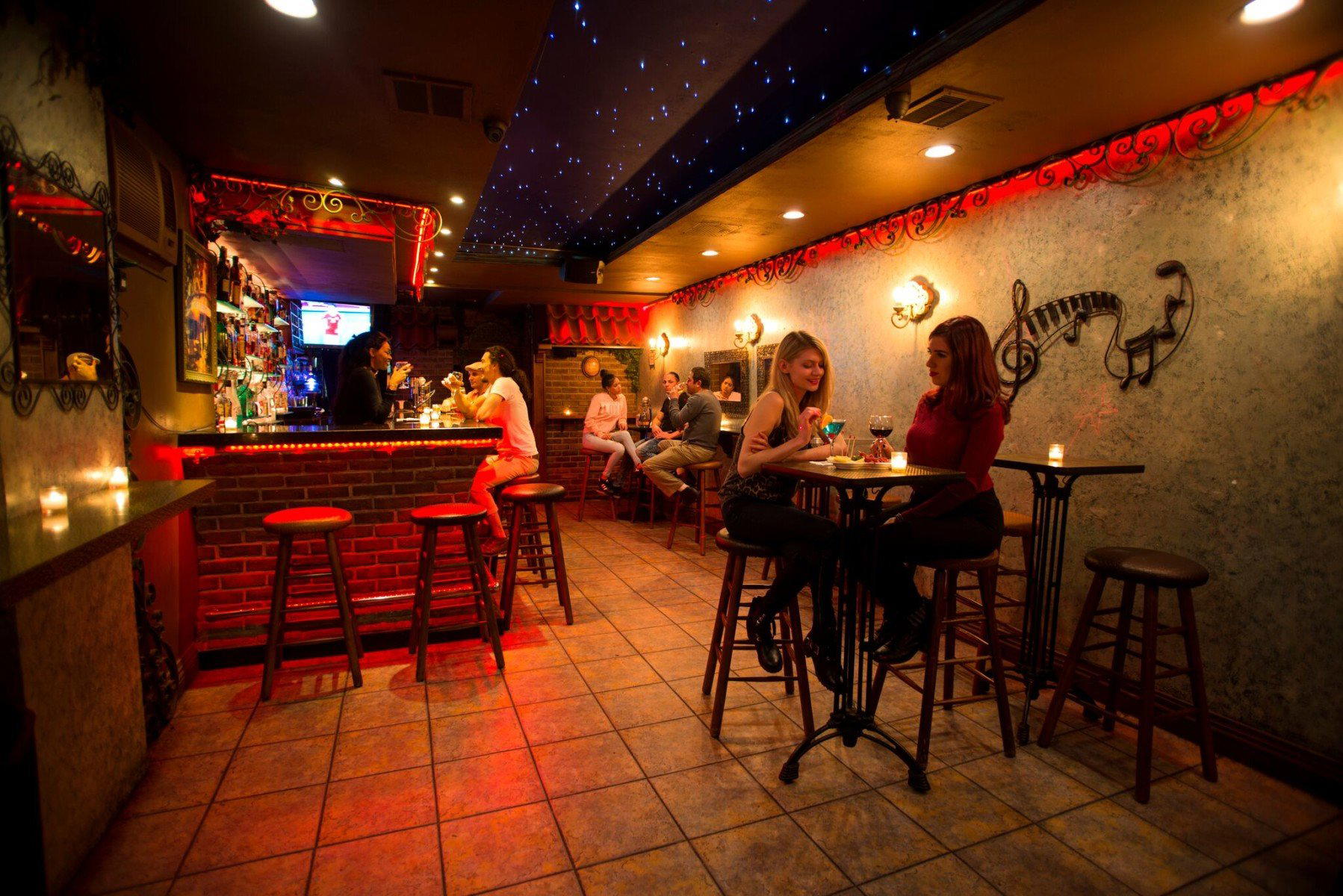
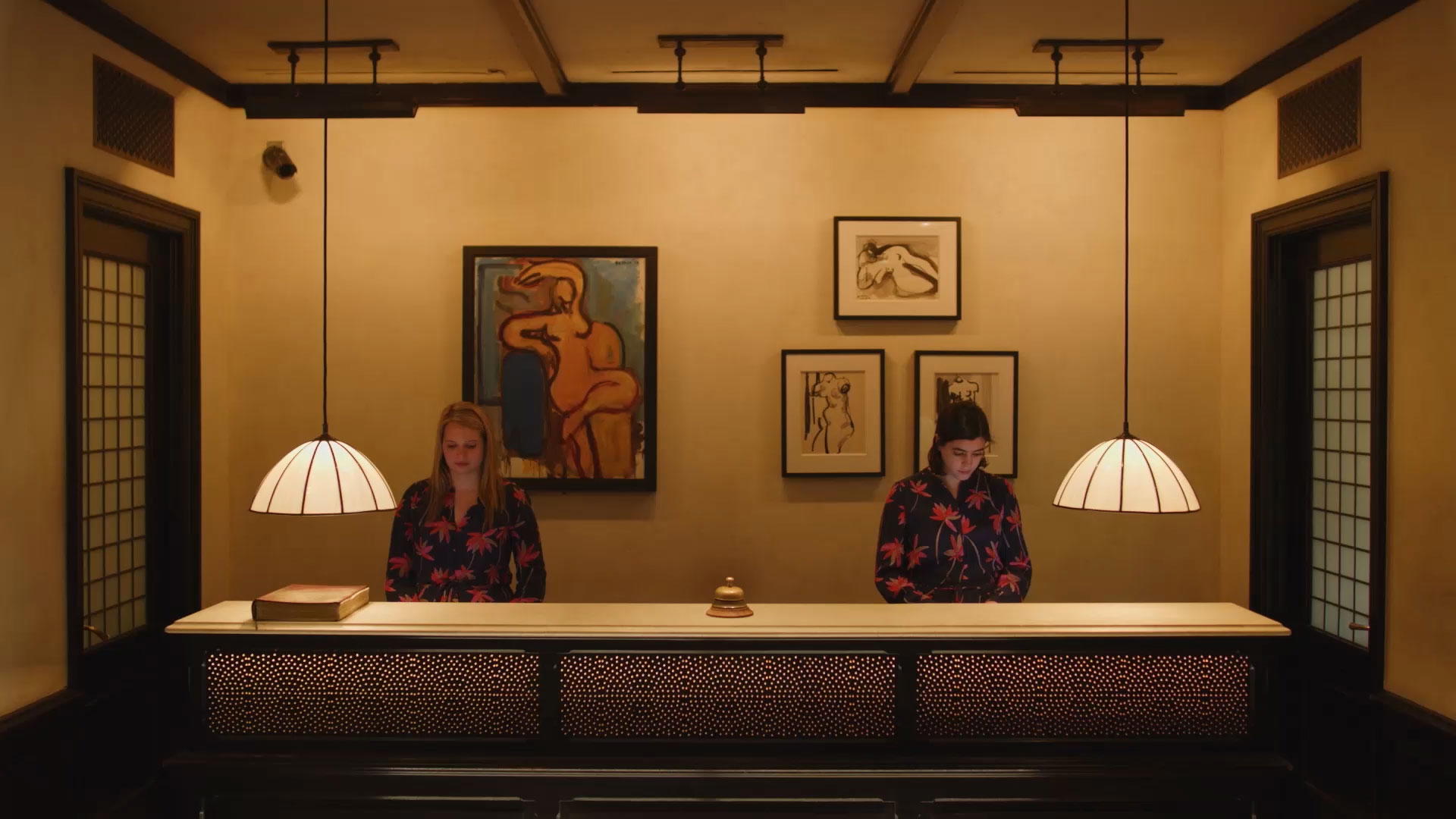
Candlelit and luxurious with live jazz music, featuring plush seating and an ornate atmosphere designed for presence and ritual.