On Carrer d'Aragó in L'Eixample, O'Peregrino occupies a stretch of Barcelona where neighbourhood dining and serious cooking share the same postcode. The restaurant's position in this part of the city places it within a district that has quietly accumulated particularly considered cooking in Spain, offering a counterpoint to the high-production creative restaurants that dominate Barcelona's international reputation.
Pearl is the En Primeur Club membership app — saves, bookings, and concierge access live there. Same editors, same standards.
- Address
- Carrer d'Aragó, 150, L'Eixample, 08011 Barcelona, Spain
- Phone
- +34933233953
- Website
- operegrino.es
- Directions
- Get directions
 Saves & bookings on Pearl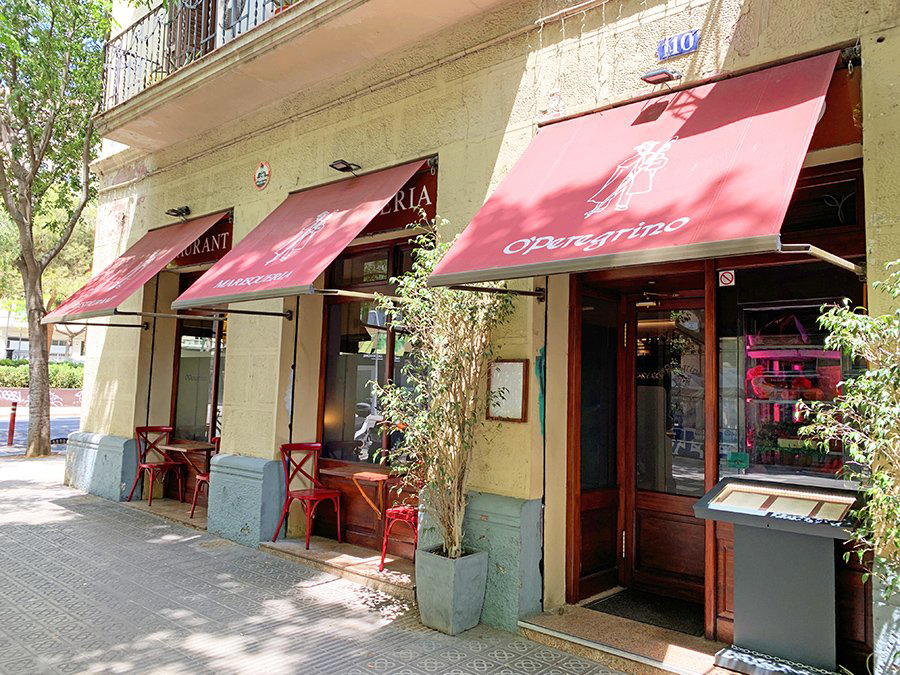
L'Eixample and the Architecture of the Everyday Meal
Barcelona's L'Eixample grid was designed by Ildefons Cerdà in the nineteenth century to be egalitarian: wide pavements, chamfered corners, interior gardens. The dining culture that has grown inside it follows a similar logic. While the city's headliner restaurants, places like Disfrutar, ABaC, and Lasarte, operate at a register where a dinner requires weeks of advance planning and a three-figure budget per head, L'Eixample also sustains a parallel tier: restaurants that treat serious cooking as a daily practice rather than an occasion. O'Peregrino on Carrer d'Aragó belongs to this second category.
Carrer d'Aragó runs the full horizontal span of the district, bisecting it between the Passeig de Gràcia axis and the quieter western blocks toward Sant Antoni. The section where O'Peregrino sits, at number 150, sits closer to the neighbourhood's residential core than to its tourist thoroughfares. Approaching on foot, the transition from the wide commercial avenues is noticeable: the street narrows slightly in character if not in dimension, and the businesses here are more likely to serve the people who actually live in this part of the city than those passing through it.
What the Menu Structure Says About the Kitchen
The menu's architecture often speaks more clearly than any single dish. The name O'Peregrino, meaning the pilgrim, carries an implicit argument about the eating experience: pilgrimage implies intention, a journey with a specific destination, a willingness to follow a route that someone else has designed. That framing, whether deliberate or coincidental, aligns with a style of dining that has become increasingly common in Barcelona's mid-market creative tier: tasting formats or structured menus where the kitchen controls sequence and the diner follows.
This structure contrasts with the à la carte model that dominated Spanish dining for decades. The shift toward structured menus across the city reflects a broader argument that the meal should be read as a composed whole rather than a collection of individual choices. At one ambitious end of this spectrum, you find the multi-hour, multi-course formats of Cocina Hermanos Torres or Enigma, where the menu architecture is itself the primary creative statement. The restaurant operates at a different scale, but the underlying logic of curated sequence over open selection connects it to that wider movement in how Barcelona restaurants organise the dining experience.
Spain's broader creative restaurant scene has invested heavily in menu structure as a signal of culinary seriousness. From El Celler de Can Roca in Girona to Mugaritz in Errenteria, the tasting menu format has become the dominant vehicle for communicating ambition. At the restaurant, the address and neighbourhood context suggest a kitchen making a more intimate argument, one where the Galician reference embedded in the name, the O' prefix is distinctly Galician, points toward a regional identity that anchors the menu in a specific culinary tradition even as it operates within a cosmopolitan city.
Barcelona's Mid-Register Creative Scene in Context
Understanding where the restaurant sits requires a clear picture of how Barcelona's restaurant tiers actually work. At the leading, the Michelin-starred houses, including Disfrutar with its three stars and comparison set that reaches internationally to places like Atomix in New York City or Le Bernardin, command the critical conversation. Below that, a dense middle tier of restaurants operates with real culinary intent but without the production budgets or media infrastructure of the starred houses.
This middle tier is where most of the city's interesting cooking happens on a daily basis. It draws from Spain's deep regional traditions, Galician seafood and meat, Basque ingredient discipline, Catalan market logic, and recomposes them in an urban context. The Galician inflection at the restaurant places it in a well-established niche within Barcelona's dining ecosystem: the city has long absorbed cooking from Spain's other regions, and Galician restaurants in particular have a strong presence, built on the quality of Atlantic seafood and the directness of Galician culinary tradition.
For comparison, the broader Spanish creative scene demonstrates the range within which Barcelona's restaurants operate. Aponiente in El Puerto de Santa María works the Atlantic coast from the south; Arzak in San Sebastián and Azurmendi in Larrabetzu anchor the Basque country's high end; Quique Dacosta in Dénia and Ricard Camarena in València represent the Levantine tradition; Martin Berasategui in Lasarte-Oria and DiverXO in Madrid sit at the outer edge of formal ambition. The restaurant occupies none of these peaks, but it is shaped by the same national conversation about what Spanish cooking is and where it comes from.
Planning a Visit to Carrer d'Aragó
L'Eixample is particularly walkable of Barcelona's central districts and particularly predictably navigable for visitors staying in the city's hotel corridor. Carrer d'Aragó at number 150 is within reach of the Urgell metro station on Line 1, and the surrounding blocks offer the kind of pre- or post-dinner infrastructure, wine bars, small cafés, the Sant Antoni market nearby, that makes an evening here feel like a neighbourhood experience rather than a restaurant visit in isolation.
Know Before You Go
- Address: Carrer d'Aragó, 150, L'Eixample, 08011 Barcelona, Spain
- Nearest Metro: Urgell (Line 1) or Rocafort (Line 1)
- Phone: not listed
- Website: not listed
- Reservations: Recommended
- Hours: Tue-Sat 1-4 PM, 8-11:30 PM; Sun 1-4 PM; Mon closed
- Price Range: About $50 per person
- Dress Code: Smart casual
Same-City Peers
Comparable venues nearby, for context on price, style, and recognition.
| Venue | Cuisine | Price | Notes |
|---|---|---|---|
| O'PeregrinoThis venue — the venue you are viewing | Galician Seafood | $$$ | Not listed |
| El Camarote de Tomás | Traditional Catalan Seafood & Marisqueria | $$$ | Sant Antoni |
| Carballeira | Galician Seafood | $$$ | Sant Pere, Santa Caterina i la Ribera |
| MariscCo | Fresh Seafood Mediterranean | $$ | la Dreta de l'Eixample |
| Restaurante Balmes Marisqueria | Traditional Spanish Seafood | $$$ | el Putxet i el Farro |
| Monster Sushi | Modern Japanese Sushi & Izakaya | $$$ | la Vila de Gracia |
Continue exploring
More in Barcelona
Restaurants in Barcelona
Browse all →
Bars in Barcelona
Browse all →
Hotels in Barcelona
Browse all →

At a Glance
- Classic
- Cozy
- Group Dining
- Family
- Special Occasion
- Standalone
- Extensive Wine List
- Local Sourcing
Current opening hours
- Monday
- Closed
- Tuesday
- 1–4 PM, 8–11:30 PM
- Wednesday
- 1–4 PM, 8–11:30 PM
- Thursday
- 1–4 PM, 8–11:30 PM
- Friday
- 1–4 PM, 8–11:30 PM
- Saturday
- 1–4 PM, 8–11:30 PM
- Sunday
- 1–4 PM
Hours can change for holidays and private events. Last verified .
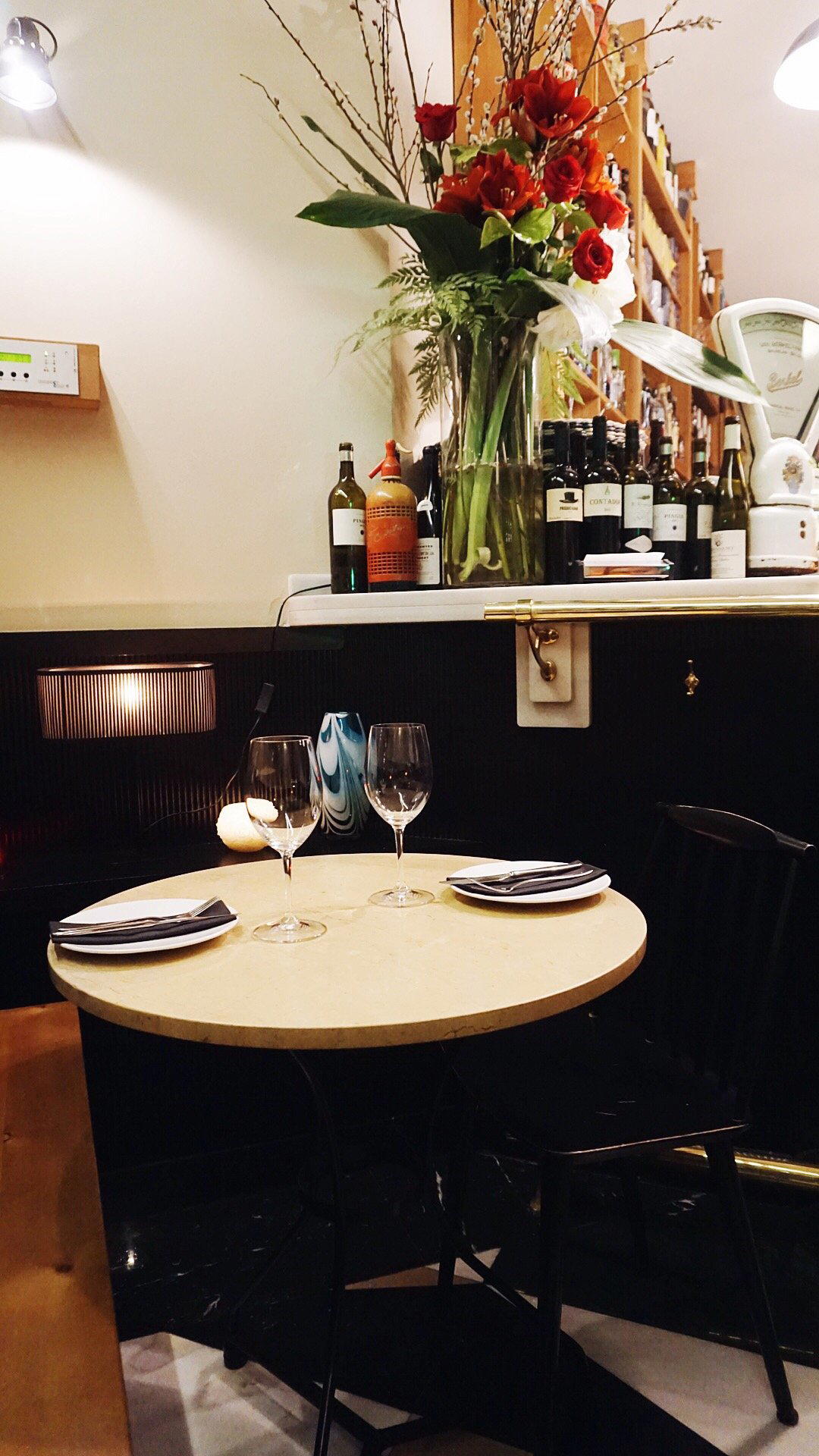
Classic and quiet dining rooms with a cozy, welcoming atmosphere and kind service that makes guests feel at home.