Moinho Velho
Moinho Velho sits along the Rodovia José Bueno de Miranda on the edge of Pinhalzinho, a small São Paulo state municipality where interior Brazilian dining traditions run closer to the land than to the capital's fine-dining circuit. The setting and name, old mill, signal a connection to agrarian heritage that shapes how food is sourced and served in this part of the Vale do Ribeira corridor.
Pearl is the En Primeur Club membership app — saves, bookings, and concierge access live there. Same editors, same standards.
- Address
- Rod. José Bueno de Miranda, km 2, Pinhalzinho - SP, 12995-000, Brazil
- Phone
- +5511930258008
- Website
- wa.me
- Directions
- Get directions
 Saves & bookings on Pearl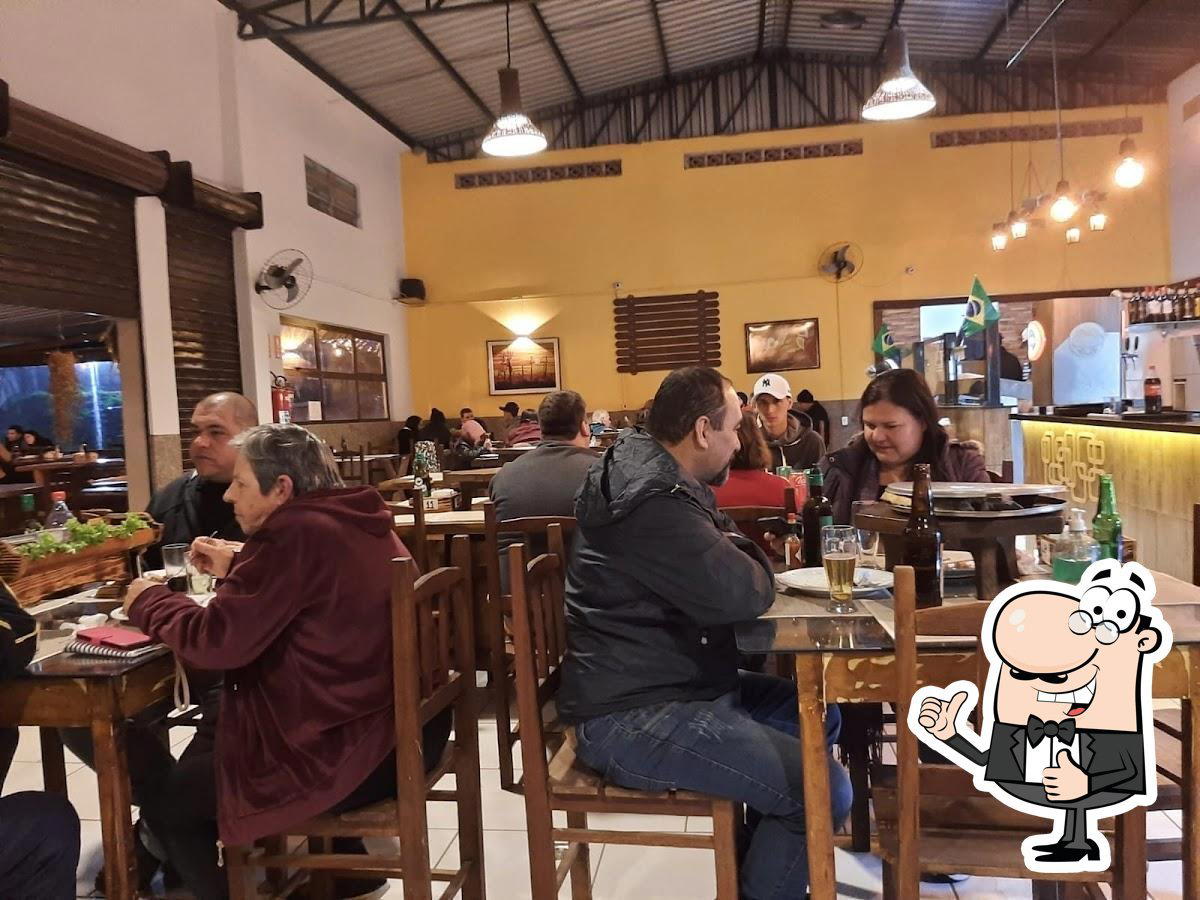
Where Interior São Paulo Meets the Table
Moinho Velho is a Brazilian pizza restaurant in Pinhalzinho, São Paulo, at km 2 of Rod. José Bueno de Miranda. Kilometre by kilometre along the Rodovia José Bueno de Miranda, the urban density of the capital gives way to smallholder farms, processing cooperatives, and the kind of direct producer-to-table supply chains that Brazil's interior has maintained for generations, long before farm-to-fork became a metropolitan marketing phrase. At km 2 of that road, Moinho Velho takes its name and its orientation from that agrarian context. The word moinho means mill, and in rural Brazil a mill is not a decorative metaphor: it is where grain becomes food, where community gathers around production, and where the gap between ingredient and dish is measured in metres, not supply chains.
That positioning matters in a country where particularly discussed restaurant addresses tend to cluster in São Paulo or Rio de Janeiro. Places like D.O.M. in São Paulo and Lasai in Rio de Janeiro have built internationally recognised cases for refined Brazilian ingredient sourcing, but they operate within cosmopolitan contexts where press access and awards infrastructure concentrate. The interior São Paulo dining scene runs on different logic: proximity to production, consistency across seasons, and a local clientele that knows the provenance of what it eats because it lives alongside it.
The Ingredient Question in Interior Brazil
Brazil's agricultural interior is one of the country's defining food stories, and São Paulo state sits at the centre of it. The state produces everything from sugarcane and coffee to pork, freshwater fish, and a range of horticultural crops that feed both the metropolitan belt and the domestic export market. For restaurants positioned along rural state highways, the category Moinho Velho occupies by address, the sourcing question is less about curation and more about proximity. The farm producing the pork or the dairy cooperative supplying the cheese may be within the same municipality.
This dynamic shapes what interior Brazilian restaurants can do that urban counterparts cannot: they absorb seasonal variation naturally, because supply shifts are visible and immediate rather than filtered through distribution layers. A wet winter in the Vale do Ribeira corridor affects what appears at the table that week, not next quarter. That kind of direct responsiveness is a structural feature of rurally situated dining, and it tends to produce cooking with a different relationship to ingredient quality than even well-intentioned sourcing programs in city restaurants can achieve.
For context on how this pattern appears elsewhere in Brazil's interior, compare the community-rooted approach at Cantina Pozzobon in Santa Maria or the regional identity that defines Casa da Dika Restô e Eventos in Bragança. Across Brazil's smaller cities and rural highway stops, the relationship between kitchen and territory tends to be one of the more reliable quality signals, more reliable, in some cases, than formal accolades.
The Setting Along Rod. José Bueno de Miranda
Arriving along a state highway at a venue whose name references a working mill creates a specific kind of expectation. The physical environment of São Paulo's interior agricultural zone, open sky, flat-to-rolling terrain, the rhythm of farm infrastructure punctuating the roadside, frames dining here differently from a city neighbourhood restaurant. The approach is part of the experience: this is not a destination one stumbles into, but one that requires a deliberate drive out from the urban core.
That deliberateness is a filter. The clientele at highway-adjacent rural restaurants in interior Brazil tends toward local regulars who arrive with familiarity, and weekend visitors from regional urban centres who arrive with intent. Neither demographic needs a concept explained to them. They come for food that reflects the land they are sitting within, and the setting reinforces that expectation before the first dish arrives.
For comparison with other highway-proximate and rurally situated dining in Brazil, see Casa da Picanha Penedo in Itatiaia or the regional highway dining culture documented at Aero Burguer e Grill in Santa Cruz do Sul. Across these settings, the structural logic is consistent: location signals identity, and identity shapes what the kitchen can and does deliver.
Pinhalzinho in the São Paulo State Dining Picture
Pinhalzinho is a small municipality in the southwestern corner of São Paulo state, closer to the Paraná border than to the capital. Its food culture draws from the broader caipira tradition, the rural São Paulo interior culinary identity built on pork, corn, beans, and freshwater ingredients, while also reflecting the Italian and German immigrant influence that shaped agriculture across southern Brazil in the nineteenth and early twentieth centuries. That layered provenance tends to produce cooking with deep roots in preservation techniques: cured meats, aged cheeses, fermented preparations, and slow-cooked cuts that require nothing from a global supply chain.
Restaurants operating in this context sit within a different competitive and cultural frame than their São Paulo city counterparts. There is no comparison set built around Michelin recognition or 50 Best positioning. The relevant peers are regional institutions measured by longevity, local loyalty, and the quality of their direct producer relationships. For a broader map of where Pinhalzinho fits within Brazilian dining, our full Pinhalzinho restaurants guide covers the municipality's dining character in more detail.
Across Brazil more broadly, the interior-to-coast divide in dining quality and recognition continues to narrow. Venues in cities like Santos, where Madê represents a coastal São Paulo state dining sensibility, and Bauru, where Bistrô Vila Graziella operates in a mid-sized interior city context, illustrate how São Paulo state's dining geography extends well beyond the capital. Pinhalzinho occupies a quieter tier of that geography, where recognition comes from within rather than from external critics.
Planning a Visit
Moinho Velho sits at km 2 of the Rodovia José Bueno de Miranda, making it accessible by car from Pinhalzinho's centre and from the surrounding municipalities. Given its highway-edge rural position, driving is the practical access mode. The restaurant is open Friday from 6 to 11 PM, Saturday from 6 to 11:30 PM, and Sunday from 6 to 11 PM.
Those building a wider Brazilian dining itinerary alongside a visit to this region can look at the range of regional approaches documented across EP Club's Brazil coverage, from the northeastern seafood tradition at Camarões Potiguar in Natal to the Amazonian pantry logic of Bistrô Fitz Carraldo in Manaus, a useful reminder of how wide Brazil's ingredient geography actually runs.
In Context: Similar Options
Comparable venues nearby, for context on price, style, and recognition.
| Venue | Cuisine | Price | Notes |
|---|---|---|---|
| Moinho VelhoThis venue — the venue you are viewing | Brazilian Pizza | $$ | Not listed |
| Frevo | Brazilian Diner - Beirute Sandwiches | $$ | Jardim Paulista |
| Lanchonete e Pizzaria DOG | Brazilian Pizza and Esfiha | $$ | Francisco Morato |
| Dalva e Dito | Modern Brazilian Comfort Food | $$$ | Jardim Paulista |
| Must Restaurant & Bar | Modern Brazilian with Indigenous Flavors | $$$ | Belem |
| Caçador barbeque house | Brazilian Churrascaria | $$ | industrial zone |
Continue exploring
More in Pinhalzinho
At a Glance
- Rustic
- Casual Hangout
- Family
Current opening hours
- Monday
- Closed
- Tuesday
- Closed
- Wednesday
- Closed
- Thursday
- Closed
- Friday
- 6–11 PM
- Saturday
- 6–11:30 PM
- Sunday
- 6–11 PM
Hours can change for holidays and private events. Last verified .
Rustic and casual pizzeria atmosphere.