Our verdict
Kaizen Japanese Food occupies a spot on Avenida Iguatemi in Vila Brandina, positioning itself within Campinas's growing appetite for Japanese cuisine beyond the mainstream. The name itself — kaizen, the Japanese philosophy of continuous improvement — signals an approach grounded in craft over spectacle. For a city still building its Japanese dining identity, it represents a serious entry in a category where the bar is rising.

Pearl is the En Primeur Club membership app — saves, bookings, and concierge access live there. Same editors, same standards.
- Address
- Av. Iguatemi, 556 - Vila Brandina, Campinas - SP, 13092-500, Brazil
- Phone
- +551926601876
- Hours
- Mon–Thu 12–2 PM, 7–10:30 PMFri 12–2:30 PM, 7–11 PMSat 12:30–3 PM, 7–11 PMSun 12:30–3:30 PM
- Website
- kaizenjapanese.com.br
- Directions
- Get directions
Japanese Dining in Campinas: A Category in Motion
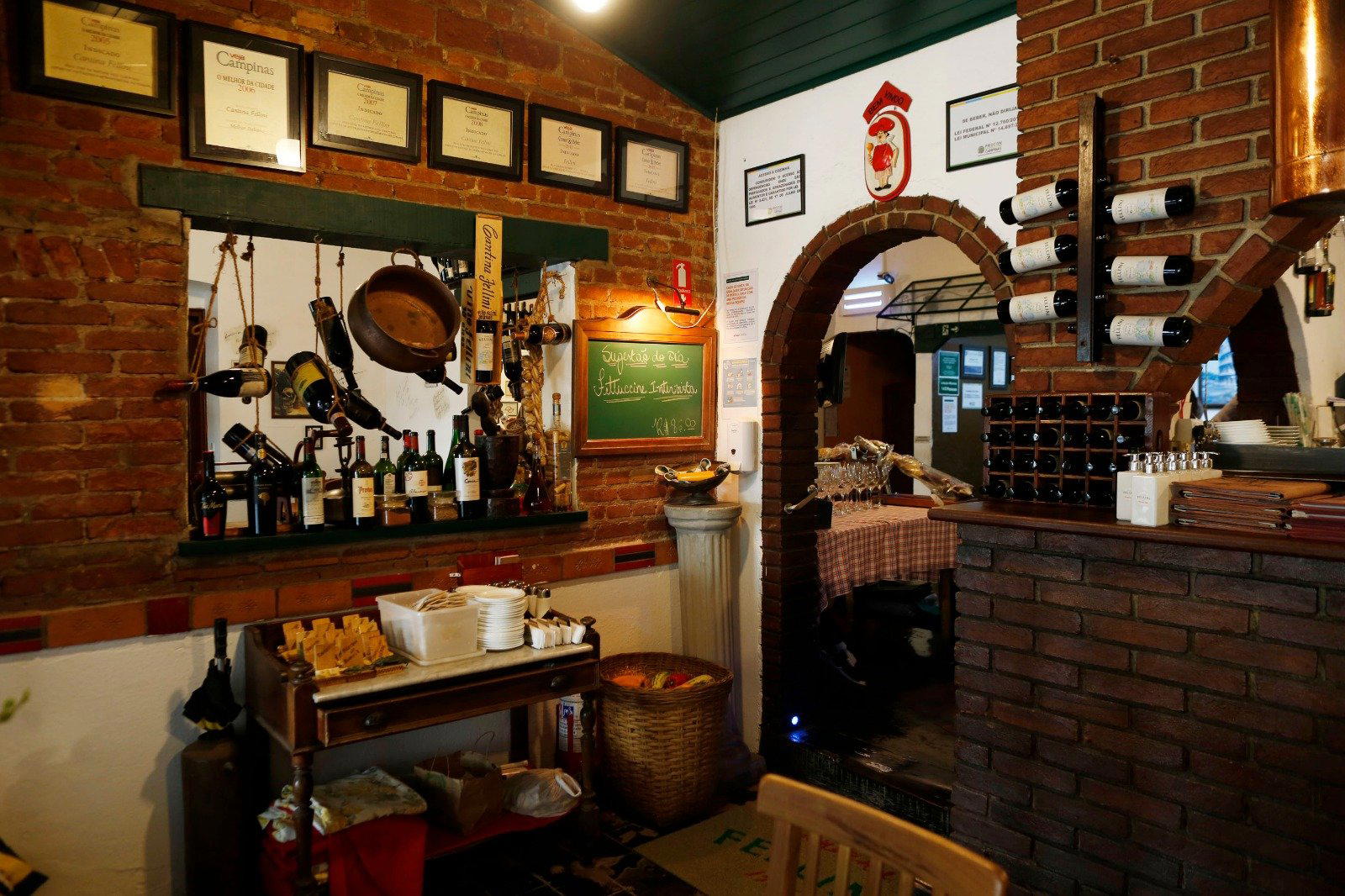
Brazil holds one of the largest Japanese diaspora populations outside Japan, concentrated heavily in São Paulo state, and that demographic reality has shaped dining culture across the interior cities that orbit the capital. Campinas, as the state's second-largest urban economy, has followed a trajectory familiar to mid-sized Brazilian cities with strong professional and academic populations: Italian-inflected cantinas like Cantina Brunelli and Cantina Fellini anchored the dining scene for decades, while European formats like Bellini and Borelli Dom Pedro pushed toward a more international register. Japanese cuisine in this context has moved more slowly, but the direction is clear: the city's appetite for disciplined, technique-forward cooking is creating space for operators willing to take the format seriously.
Kaizen Japanese Food, addressed at Av. Iguatemi, 556 in Vila Brandina, sits on one of Campinas's better-traveled commercial corridors, placing it in reach of the city's business and residential concentration rather than in a peripheral location that would limit its frequency of use. The name is a choice worth pausing on. Kaizen — the Japanese concept of incremental, continuous improvement through practice and discipline — carries specific implications for a restaurant. It frames the kitchen not as a destination that has arrived at some finished state, but as one in deliberate, ongoing refinement. That framing is either a genuine operating philosophy or well-chosen branding; in either case, it sets an expectation that the cooking aspires to consistency and progression rather than novelty.
The Ritual of the Japanese Meal
Japanese cuisine, more than most culinary traditions, is structured around the logic of the meal as a sequence of distinct decisions. Even in casual formats, there is typically an implied order: the cold before the warm, the raw before the cooked, the lighter before the richer. This sequencing is not arbitrary; it reflects a broader Japanese aesthetic principle that each element should be experienced with full attention, without the interference of what came before. In more formal Japanese contexts, the kaiseki progression, the omakase counter, this pacing becomes the central act. The diner's role is not to consume but to receive, in the order and at the tempo that the kitchen determines.
At the level of execution available in most Brazilian cities, the Japanese dining ritual tends to compress and adapt rather than replicate. The full kaiseki format that defines high-end Japanese cooking in Tokyo, as seen internationally at counters that price against venues like Atomix in New York City or the French-Japanese fusion range that Le Bernardin in New York City exemplifies from the other direction, is rare outside São Paulo. What matters in cities like Campinas is whether the kitchen understands and respects the logic of those sequences even when working in a more accessible register. Good sushi service, for instance, still observes the principle that each piece arrives at the right temperature, in the right order, without crowding the diner's attention. That discipline is not about formality; it is about the integrity of each individual preparation.
Brazil's own Japanese-Brazilian fusion tradition adds another layer. The nikkei cuisine that has evolved over more than a century of Japanese immigration in São Paulo state has produced forms, the temaki, the hot roll, the sashimi with local citrus, that are genuinely Brazilian in character while remaining structurally Japanese. How a restaurant like Kaizen positions itself relative to that fusion tradition versus a more traditionally Japanese approach shapes what kind of meal the diner should expect and prepare for accordingly. Operators at institutions like D.O.M. in São Paulo or Lasai in Rio de Janeiro have approached the question of tradition versus local adaptation with documented intentionality; in smaller cities, that conversation is often less explicit but no less present in the cooking.
Placing Kaizen in the Campinas Dining Order
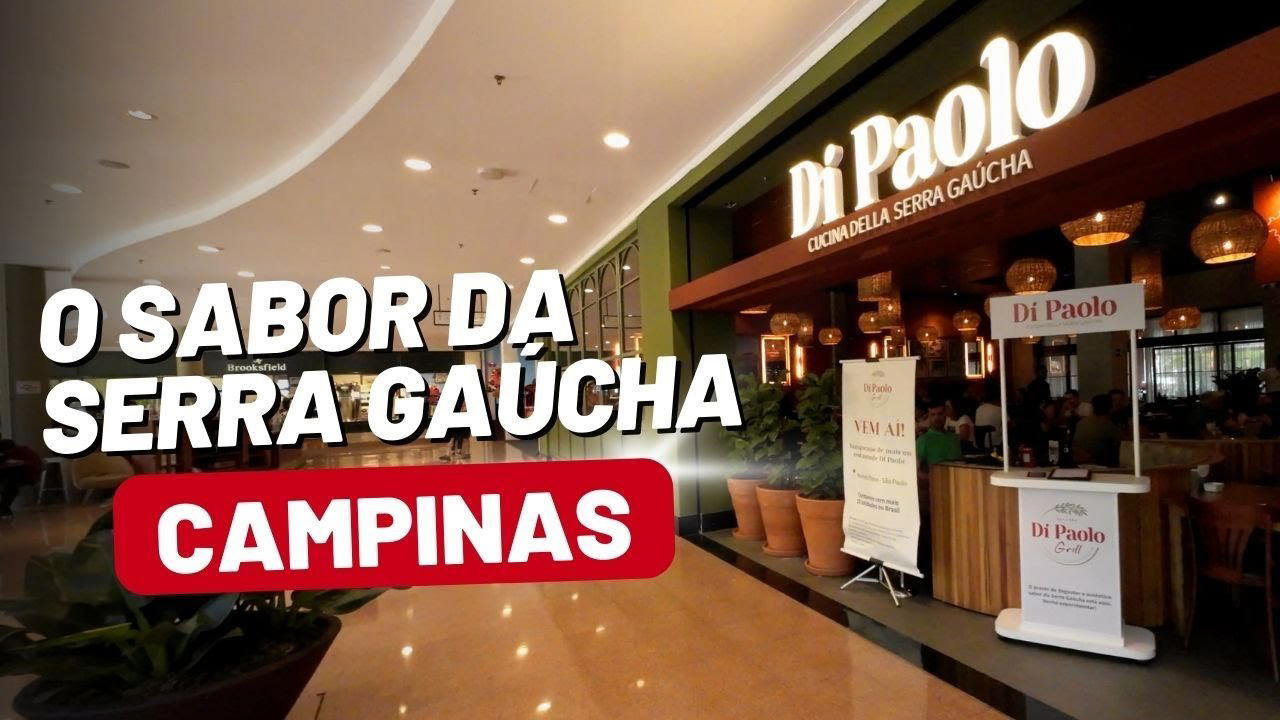
Campinas's dining scene is weighted toward European and Italian formats. Di Paolo Campinas occupies the more formal Italian end, while the cantina tradition extends across several well-established addresses. Within this environment, a Japanese restaurant occupies a structurally different position: it draws from a separate culinary lineage, a different training tradition, and a different set of diner expectations.
The Vila Brandina address on Avenida Iguatemi gives Kaizen access to a commercially active part of the city without requiring the kind of destination travel that might limit repeat visits. For Japanese cuisine, repeat visits matter: the format rewards familiarity, as regular diners learn to pace themselves, to order selectively, and to develop preferences within a menu that may not announce its leading options obviously on first encounter. This is part of the ritual logic of Japanese dining, the meal improves with the diner's understanding of it, which makes the restaurant's proximity and accessibility as significant a factor as the cooking itself.
For context on the broader Brazilian dining scene as it compares to Campinas, consult our full Campinas restaurants guide, which maps the city's dining character across categories. The guide also covers comparative addresses including regional operators like Bistro Fitz Carraldo in Manaus, Aero Burguer e Grill in Santa Cruz Do Sul, and Cantina Pozzobon in Santa Maria, offering a picture of how dining culture varies across Brazilian cities of different scales and profiles. Other regional references include Arte e café Imperial - Matriz in Angra Dos Reis, Casa da Dika Restô e Eventos in Braganca, Casa da Flor Restaurante in Dourados, Casa da Picanha Penedo in Itatiaia, and Famosa Pizza in Ribeirao Preto.
Planning Your Visit
Kaizen Japanese Food is located at Av. Iguatemi, 556, Vila Brandina, Campinas, SP, 13092-500. The address sits along one of the city's main commercial arteries, accessible by car and by public transit from Campinas's central zones.
Frequently asked questions
What's the address for Kaizen Japanese Food?
Kaizen Japanese Food is located at Av. Iguatemi, 556 - Vila Brandina, Campinas - SP, 13092-500, Brazil, Campinas.
Is Kaizen Japanese Food a good option for Japanese dining near the Iguatemi commercial corridor in Campinas?
Kaizen Japanese Food is located at Av. Iguatemi, 556, Vila Brandina, Campinas — one of the city's primary commercial and retail axes — making it geographically accessible for diners in that part of the city. Japanese restaurants are not the dominant format in Campinas, where Italian and European venues occupy most of the formal dining tier, so Kaizen fills a specific gap in the local offer.
What do people recommend at Kaizen Japanese Food?
Specific dish recommendations aren't documented in available editorial records for Kaizen, but the restaurant's name — kaizen, meaning continuous improvement in Japanese — signals a kitchen philosophy oriented around refinement over time. Given Campinas's position within São Paulo state, which holds one of the largest Japanese diaspora communities outside Japan, venues in this corridor tend to draw on both traditional Japanese formats and locally adapted techniques. Visiting and asking the staff directly about the day's specialities is the most reliable approach.
How hard is it to get a table at Kaizen Japanese Food?
No booking data or reservation policy is currently documented for Kaizen Japanese Food at Av. Iguatemi, 556, Vila Brandina, Campinas. The address sits on one of the city's main commercial corridors, which typically generates consistent foot traffic. Contacting the venue directly before visiting is advisable, particularly on weekends.
What's the standout thing about Kaizen Japanese Food?
Kaizen operates in a Campinas dining scene weighted toward European and Italian formats, making a dedicated Japanese kitchen on Av. Iguatemi a less common proposition in the city. São Paulo state's Japanese diaspora — the largest concentration outside Japan — gives the region genuine culinary depth in this category, and Kaizen's positioning on that axis is its clearest point of distinction.
Do they accommodate allergies at Kaizen Japanese Food?
Japanese menus often involve soy, sesame, shellfish, and gluten across multiple preparations, so guests with specific requirements should contact the restaurant at Av. Iguatemi, 556, Vila Brandina, Campinas before visiting. No phone number or website is currently listed in public records, so a direct visit to enquire is the practical alternative.
Style and Standing
Comparable venues nearby, for context on price, style, and recognition.
| Venue | Cuisine | Price | Notes |
|---|---|---|---|
| Kaizen Japanese FoodThis venue — the venue you are viewing | Autêntica Culinária Japonesa Omakase | $30–50 | Not listed |
| Di Paolo Campinas | Serra Gaúcha Italian Galeto | $20–30 | Jardim Madalena |
| Juana Vegan | Vegan Brazilian Esfihas & Pizza | Not listed | Vila Industrial |
| Trankilo Burriteria | Mexican Burritos | Not listed | Cambui |
| Borelli Dom Pedro | Artisanal Gelato | Not listed | Jardim Guanabara |
| Migous Burger | Brazilian Artisanal Burgers & Sandwiches | $1–10 | Ouro Verde, Parque Dom Pedro II |
Continue exploring
More in Campinas
Details
- Elegant
- Cozy
- Sophisticated
- Date Night
- Special Occasion
- Group Dining
- Garden
- Private Dining
- Open Kitchen
- Sake Program
- Garden
- Omakase
- A La Carte
- Sake Program
- Vegetarian Friendly
- Vegan Options
- Gluten Free Options
Current opening hours
- Monday
- 12–2 PM, 7–10:30 PM
- Tuesday
- 12–2 PM, 7–10:30 PM
- Wednesday
- 12–2 PM, 7–10:30 PM
- Thursday
- 12–2 PM, 7–10:30 PM
- Friday
- 12–2:30 PM, 7–11 PM
- Saturday
- 12:30–3 PM, 7–11 PM
- Sunday
- 12:30–3:30 PM
Hours can change for holidays and private events. Last verified .
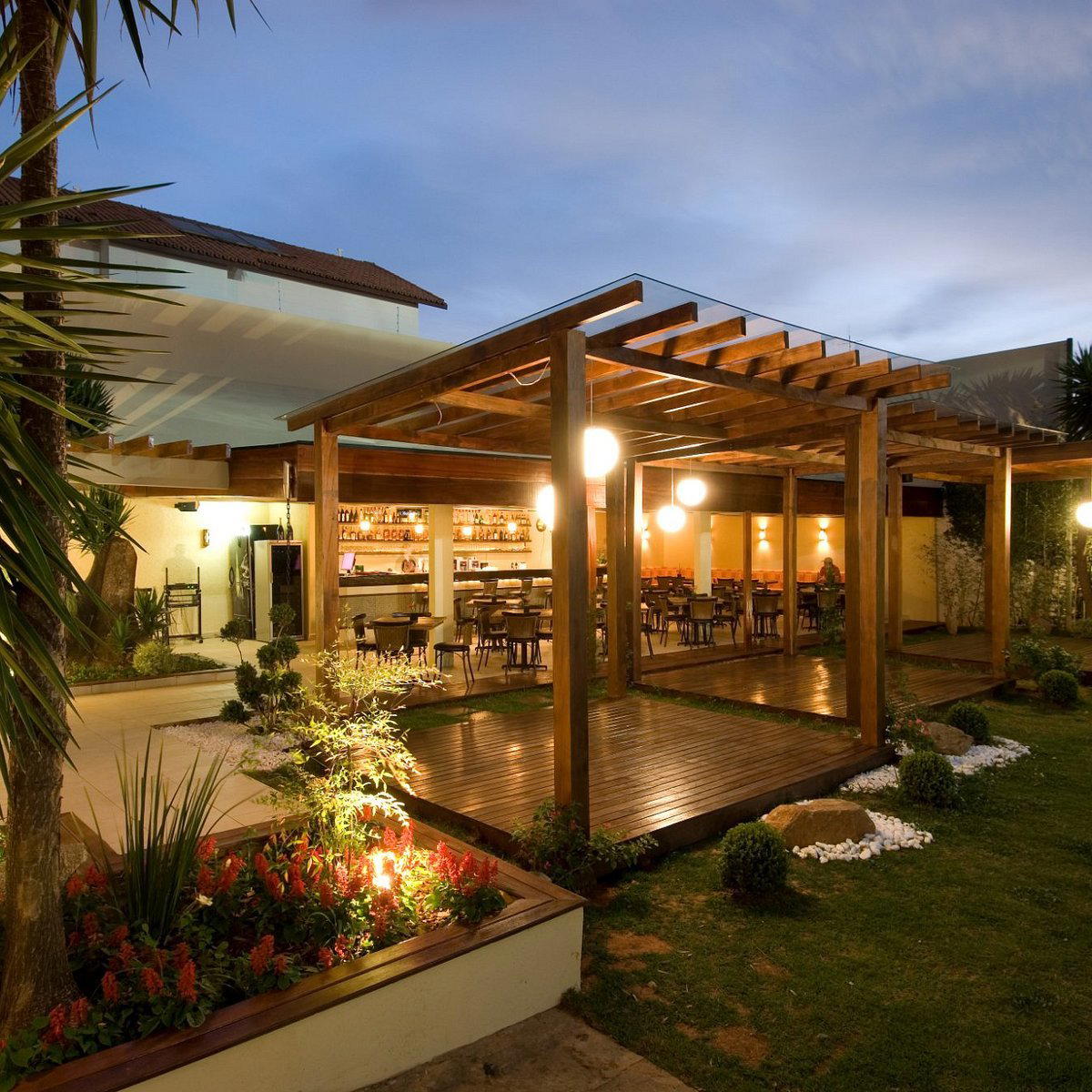
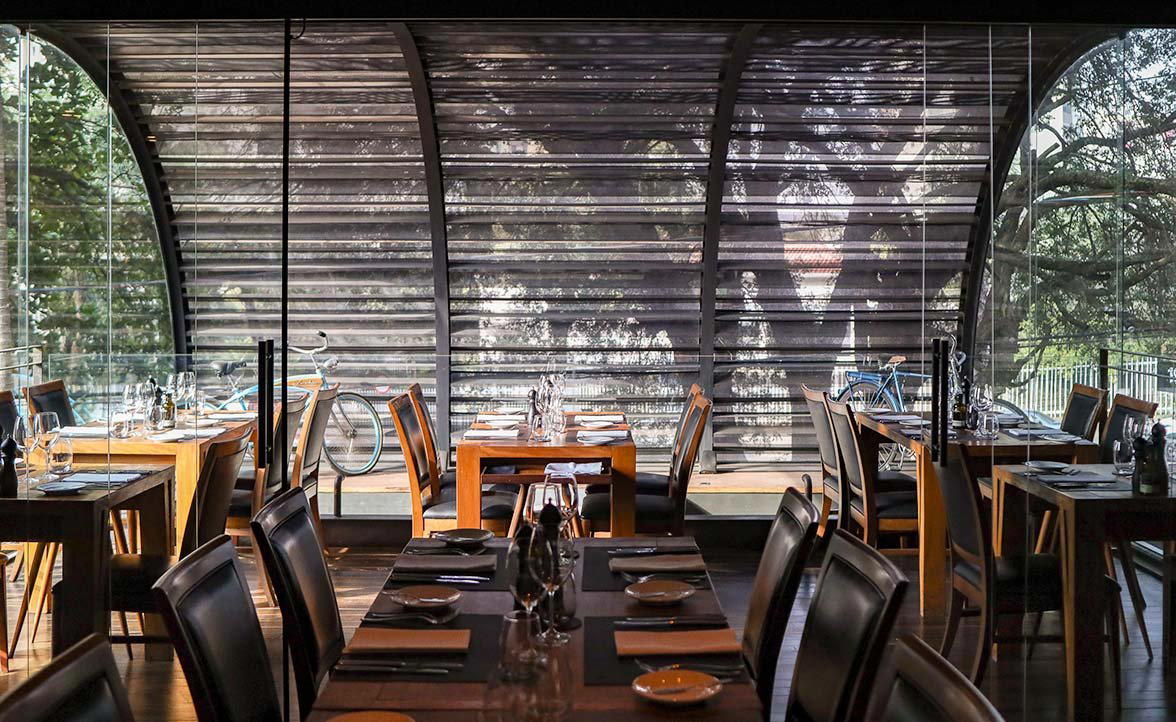
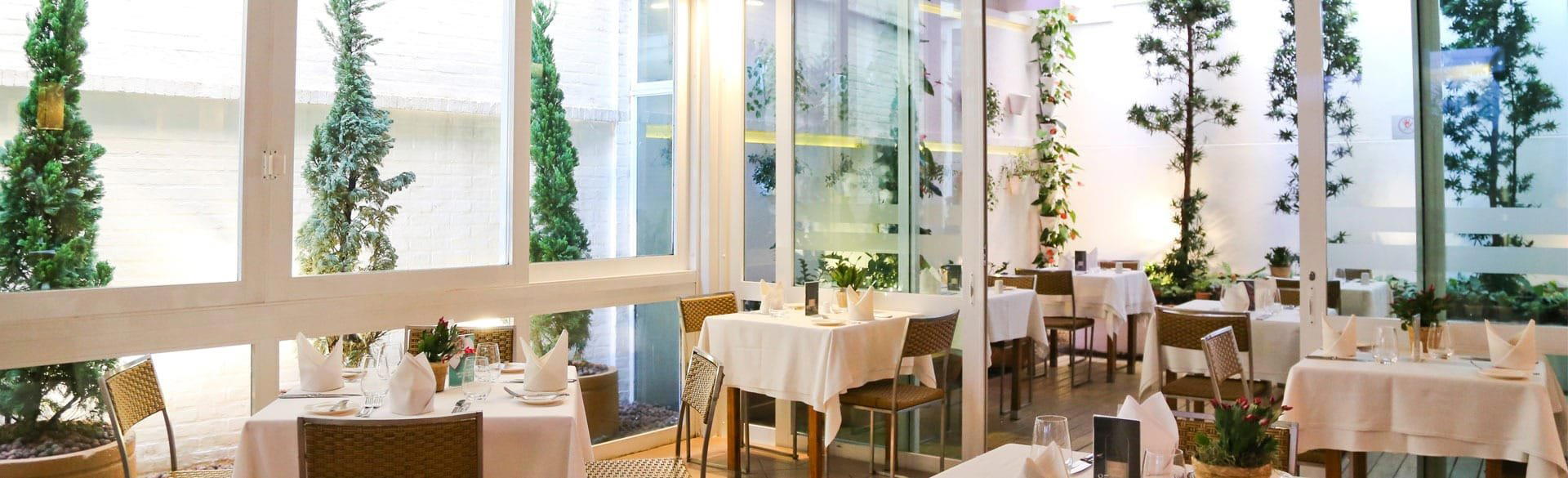
Ambiente acolhedor e sofisticado com jardim japonês sereno, iluminação que cria atmosfera aconchegante e confortável segundo avaliações de hóspedes.