Our verdict
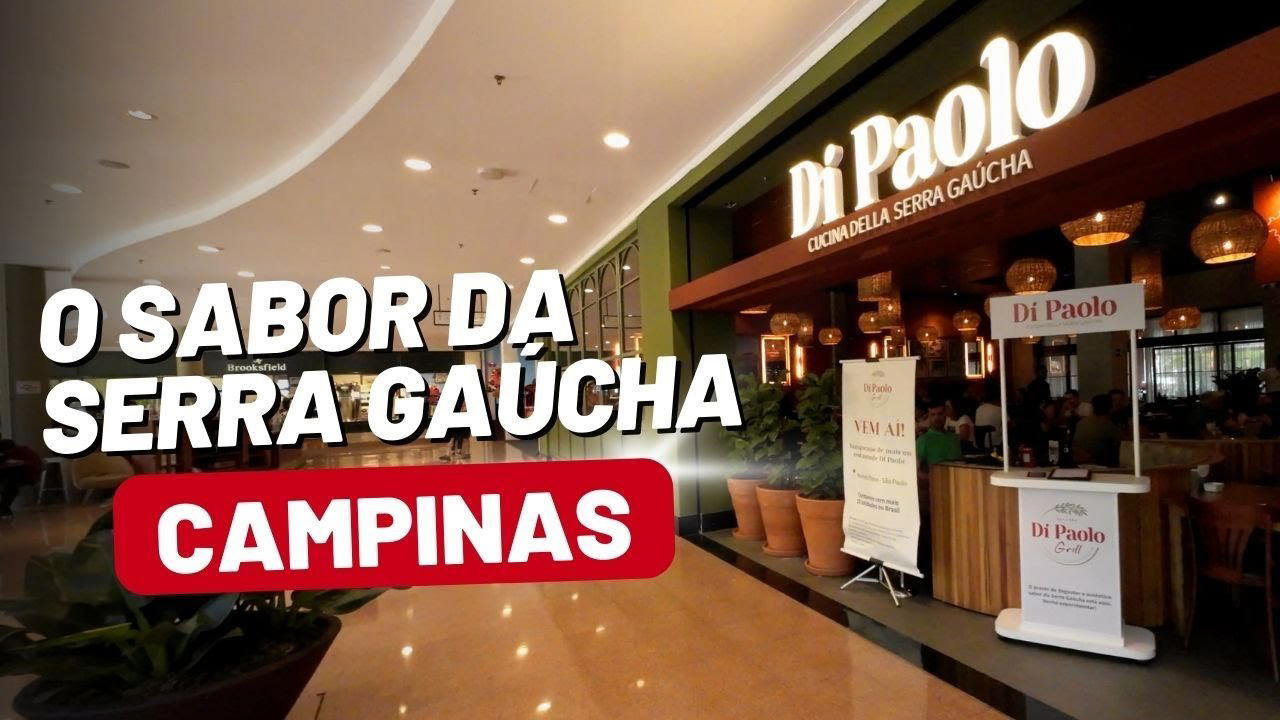
Di Paolo sits in Campinas's Jardim Madalena district, where Italian-rooted dining has carved a distinct niche within the city's broader restaurant scene. The address on Av. Selma Parada places it among a cohort of neighbourhood restaurants that draw regulars rather than one-off visitors. Confirmation of current hours and booking availability is best sought directly through the venue before visiting.

Pearl is the En Primeur Club membership app, where members save venues, book tables and use the concierge.
The menu
What to order
- Galeto Al Primo Canto
- Capeletti in Brodo
Where Campinas Places Its Italian Dining Ambitions
Campinas has never been a city that needed to borrow its food identity from São Paulo. With a population pushing 1.2 million and a history of immigration waves that deposited Italian, German, and Lebanese communities across its bairros, the city developed its own dining grammar, one that values neighbourhood loyalty over destination hype. The stretch of Jardim Madalena where Di Paolo Campinas occupies its address on Av. Selma Parada reflects that logic: a residential district where restaurants earn regulars over years, not algorithms. The approach there contrasts with the more conspicuous dining corridors closer to the city centre, where turnover is higher and the crowd more transient.
Italian-inflected dining sits at the structural centre of Campinas's mid-to-upper restaurant tier. Alongside places like Bellini, Cantina Brunelli, Cantina Fellini, and Borelli Dom Pedro, Di Paolo competes within a set of venues that take the Italian canon seriously without treating it as a museum piece. That peer group tells you something about the audience: diners who grew up with Italian-Brazilian cooking as a baseline and expect restaurants to either honour it with precision or update it with intention.
Reading the Menu as a Document
The way a restaurant organises its menu is rarely accidental. Sequence, proportion, and category weight all carry editorial decisions, about what the kitchen believes in, what it wants to be known for, and where it thinks its technical strength lies. In the Italian tradition as practised in interior São Paulo state, that architecture tends to follow a conservative logic: antipasti to establish the kitchen's craft with raw or lightly treated ingredients, a pasta section that does the heavy lifting in terms of both complexity and expectation, secondi that anchor the meal in protein, and dolci that close without drama.
The fact that Di Paolo has built a following in a neighbourhood already served by several Italian options suggests its menu architecture offers something that holds up under repeat visits. In a district where residents cycle through the same short list of restaurants across seasons, longevity is earned through consistency across all sections of the menu, not through one bankable signature dish. Venues that over-invest in a single marquee item often falter when that item is unavailable or when a regular has simply had it a dozen times. A menu that distributes quality across multiple courses, and that signals to the diner early which direction the kitchen is moving, tends to generate more durable patronage.
Brazil's Italian-heritage restaurant tradition has its own regional inflections. Unlike the Italianate cooking of Rio de Janeiro, which absorbed more tropical produce over the decades, or the Paulistano version that sits closer to the fashion-driven end of the dial, the Campinas iteration tends toward a more grounded register. Richer sauces, long-cooked proteins, and pasta made with some weight to it. That tradition places its practitioners in conversation with places like Mina in Campos do Jordão and the more rustic end of southern Brazil's restaurant spectrum, including Primrose in Gramado and Castelo Saint Andrews in Vale do Bosque, where European culinary inheritance is treated as something to be worked through rather than left behind.
Campinas in the Broader Brazilian Dining Conversation
São Paulo state's interior gets less editorial attention than it deserves. When Brazil's food critics write about the country's restaurant scene, the narrative tends to compress around São Paulo city, where D.O.M. continues to define high-end Brazilian-rooted fine dining, and Rio de Janeiro, where Oteque occupies the best of the tasting-menu tier. Further afield, venues like Manu in Curitiba, Manga in Salvador, and Orixás in Itacaré get occasional recognition. Campinas, despite being the third-largest metropolitan area in the country, mostly escapes that national critical gaze. That gap is partly structural, the city lacks a strong food media infrastructure of its own, and partly because its leading restaurants are neighbourhood-facing rather than destination-facing.
What that means practically is that a restaurant like Di Paolo operates in a market where local reputation carries more weight than press coverage, and where the bar is set by a knowledgeable regular clientele rather than by tourists on a single visit. That context shapes everything from how a kitchen calibrates portion size and pricing to how it handles weeknight versus weekend service. The Brazilian interior has its own rhythm, and restaurants that respect it tend to be more reliable than those built for the press cycle. For comparison, consider how Birosca S2 in Belo Horizonte and State of Espírito Santo in Rio Bananal have built durable local identities outside the major media centres.
At the international level, the structural contrast is even sharper. The omakase discipline of a counter like those in New York or San Francisco, Le Bernardin and Lazy Bear being examples of format-driven, format-defined restaurants, operates by completely different principles than a neighbourhood Italian in Campinas. Neither is more serious than the other; they serve different social functions. What the comparison clarifies is that Di Paolo's context demands consistency and familiarity rather than novelty.
Planning a Visit
Di Paolo Campinas is located at Av. Selma Parada, 505, in the Jardim Madalena neighbourhood of Campinas. Phone and booking details were not available at the time of writing, so confirming current service hours and reservation availability directly with the venue before visiting is the sensible approach. The surrounding area is predominantly residential, which typically means street parking is more accessible than in central Campinas, though this varies by time of day. Visitors with specific dietary requirements, including vegetarian preferences, would do well to contact the restaurant in advance rather than assuming accommodation at the door. For a broader orientation of where Di Paolo sits within Campinas's dining options, see our full Campinas restaurants guide. Those seeking plant-forward alternatives nearby may also find Juana Vegan worth bookmarking.
Frequently asked questions
Where is Di Paolo Campinas in Campinas?
Di Paolo Campinas is located at Av. Selma Parada, 505 - (Bailarina - Jardim Madalena, Campinas - SP, 13091-605, Brazil, Campinas.
Where exactly is Di Paolo Campinas located, and is it easy to reach from central Campinas?
Di Paolo Campinas is at Av. Selma Parada, 505 in the Jardim Madalena neighbourhood, in the north-western residential belt of Campinas, SP 13091-605. The area sits outside the historic city centre, so arriving by car or rideshare is the practical choice for most visitors. Jardim Madalena is a well-established residential district, meaning street parking is generally accessible, though confirming logistics with the venue directly is advisable for first-time visitors.
What do people recommend at Di Paolo Campinas?
Di Paolo Campinas operates an Italian-focused menu at its Jardim Madalena address, and dishes drawing on classical Italian structure tend to be the focal point of repeat visits. The address on Av. Selma Parada, 505 is worth calling ahead to confirm current offerings.
Do they take walk-ins at Di Paolo Campinas?
Given its location in the Jardim Madalena neighbourhood of Campinas, a city of over 1.2 million, demand at a dedicated Italian address can be uneven across the week. Contacting the venue directly before arrival is the practical step, particularly for weekend evenings.
What's the standout thing about Di Paolo Campinas?
Di Paolo Campinas represents a committed Italian dining proposition in a city that receives far less editorial coverage than São Paulo, despite having a substantial population and a deep history of Italian immigration in the region. Its address at Av. Selma Parada, 505 places it in Jardim Madalena, a residential pocket that keeps the focus on the food rather than foot-traffic. That positioning, Italian seriousness in Campinas's interior, is the clearest distinguishing factor.
Can Di Paolo Campinas handle vegetarian requests?
Italian cuisine as a tradition carries considerable vegetarian range, antipasti, pasta with vegetable or cheese bases, and herb-forward dishes are structural to the format. Calling ahead to the Jardim Madalena location is the direct way to confirm options before your visit.
Is a meal at Di Paolo Campinas worth the investment?
What can be said is that Campinas supports a dining scene that outpaces its national reputation, and a dedicated Italian address in Jardim Madalena occupies a specific niche in that market. For context on current pricing, contacting the venue on Av. Selma Parada, 505 directly is the reliable route.
A Credentials Check
Comparable venues nearby, for context on price, style, and recognition.
| Venue | Cuisine | Price | Awards | Notes |
|---|---|---|---|---|
| Di Paolo CampinasThis venue (the venue you are viewing) | Serra Gaúcha Italian Galeto | $20–30 | Not listed | Not listed |
| Olivetto Restaurante E Enoteca | Modern Italian Enoteca | Not listed | Star Wine List · World's Best Wine Lists Awards WBWL 1-Star | Cambuí |
| Kaizen Japanese Food | Autêntica Culinária Japonesa Omakase | $30–50 | Not listed | Vila Brandina |
| Cantina Brunelli | Authentic Italian Cantina | $20–30 | Not listed | Cambuí |
| Bellini | Award-Winning Italian Fusion | $30–50 | Not listed | Nova Campinas |
| Cantina Fellini | Traditional Italian Trattoria | $30–50 | Not listed | Cambuí |
Details
- Rustic
- Classic
- Cozy
- Family
- Group Dining
- Celebration
- Extensive Wine List
- A La Carte
Current opening hours
- Monday
- 11:30 AM–11 PM
- Tuesday
- 11:30 AM–11 PM
- Wednesday
- 11:30 AM–11 PM
- Thursday
- 11:30 AM–11 PM
- Friday
- 11:30 AM–11 PM
- Saturday
- 11:30 AM–11 PM
- Sunday
- 11:30 AM–10 PM
Hours can change for holidays and private events. Hours as of .
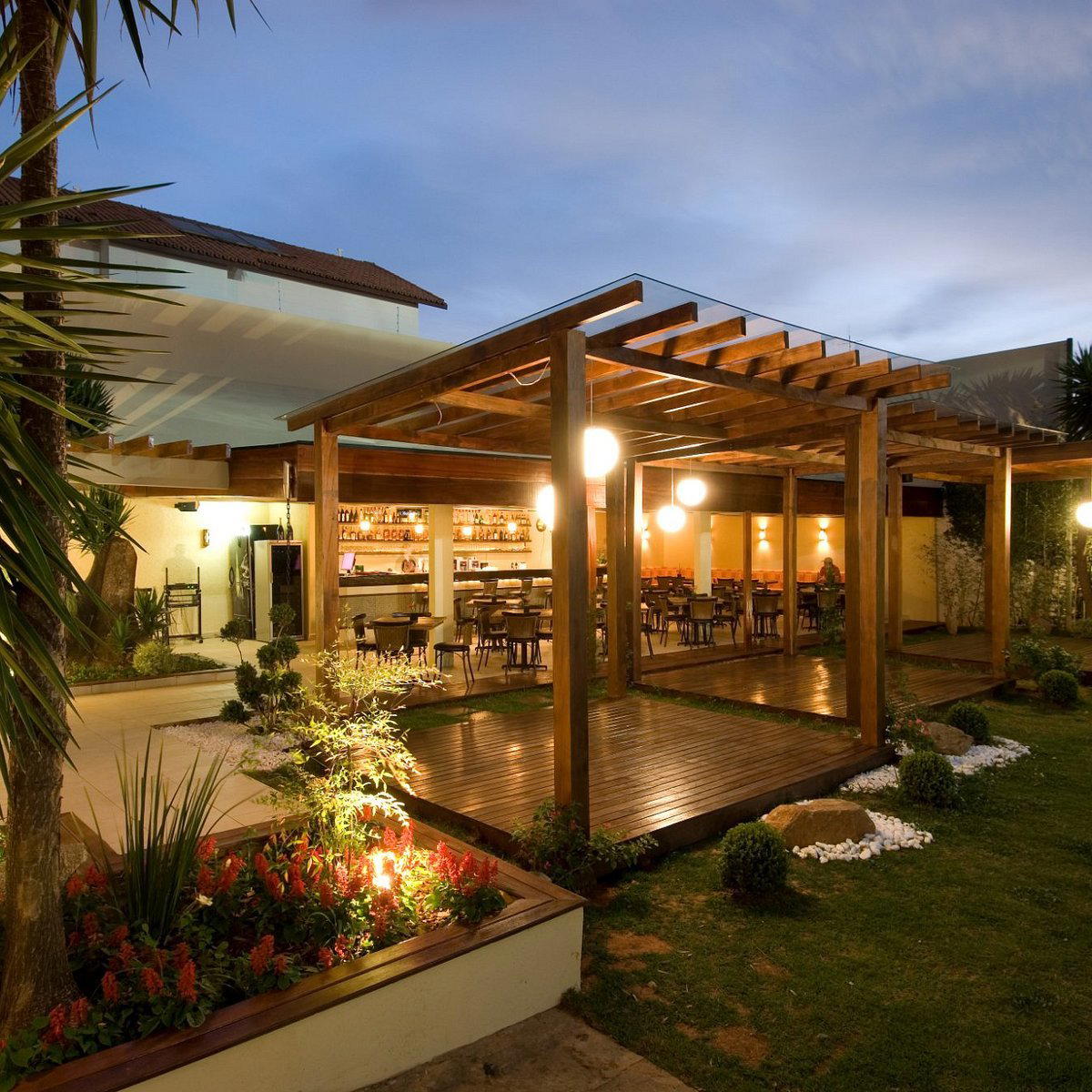
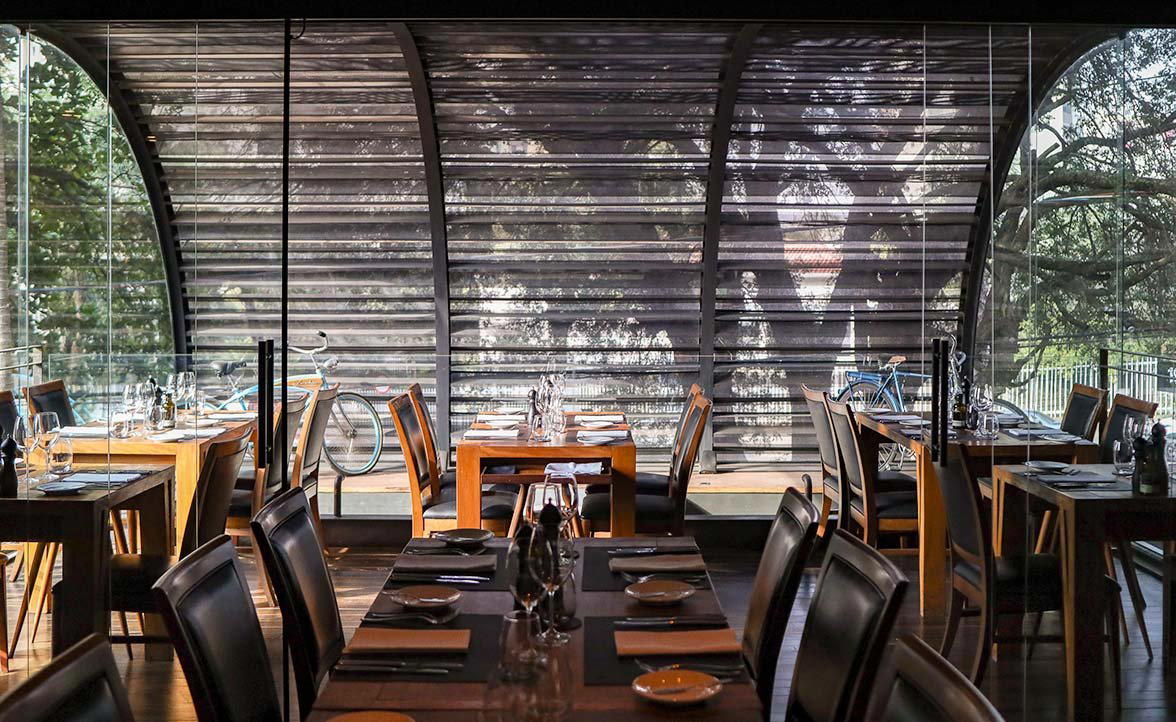
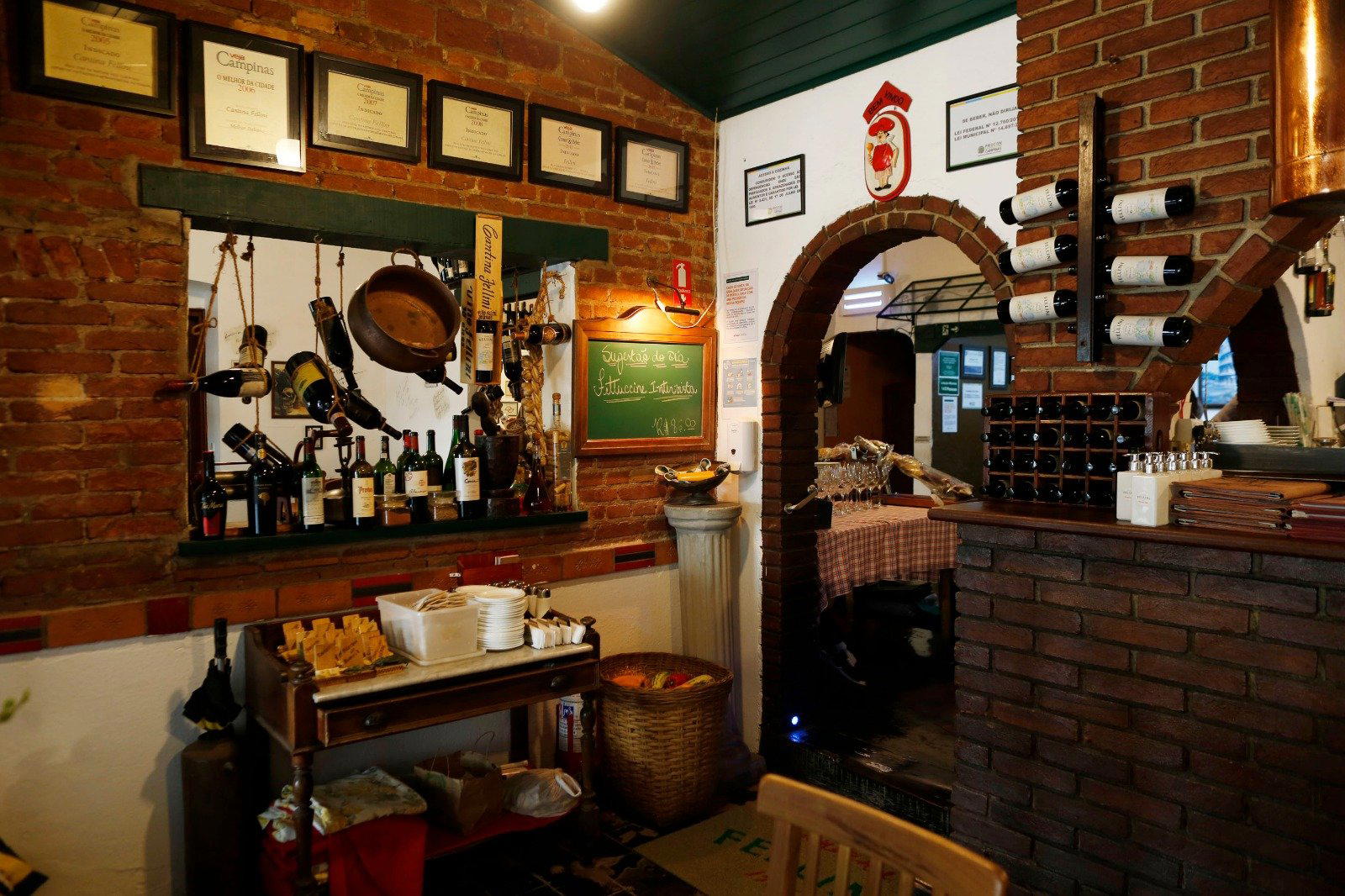
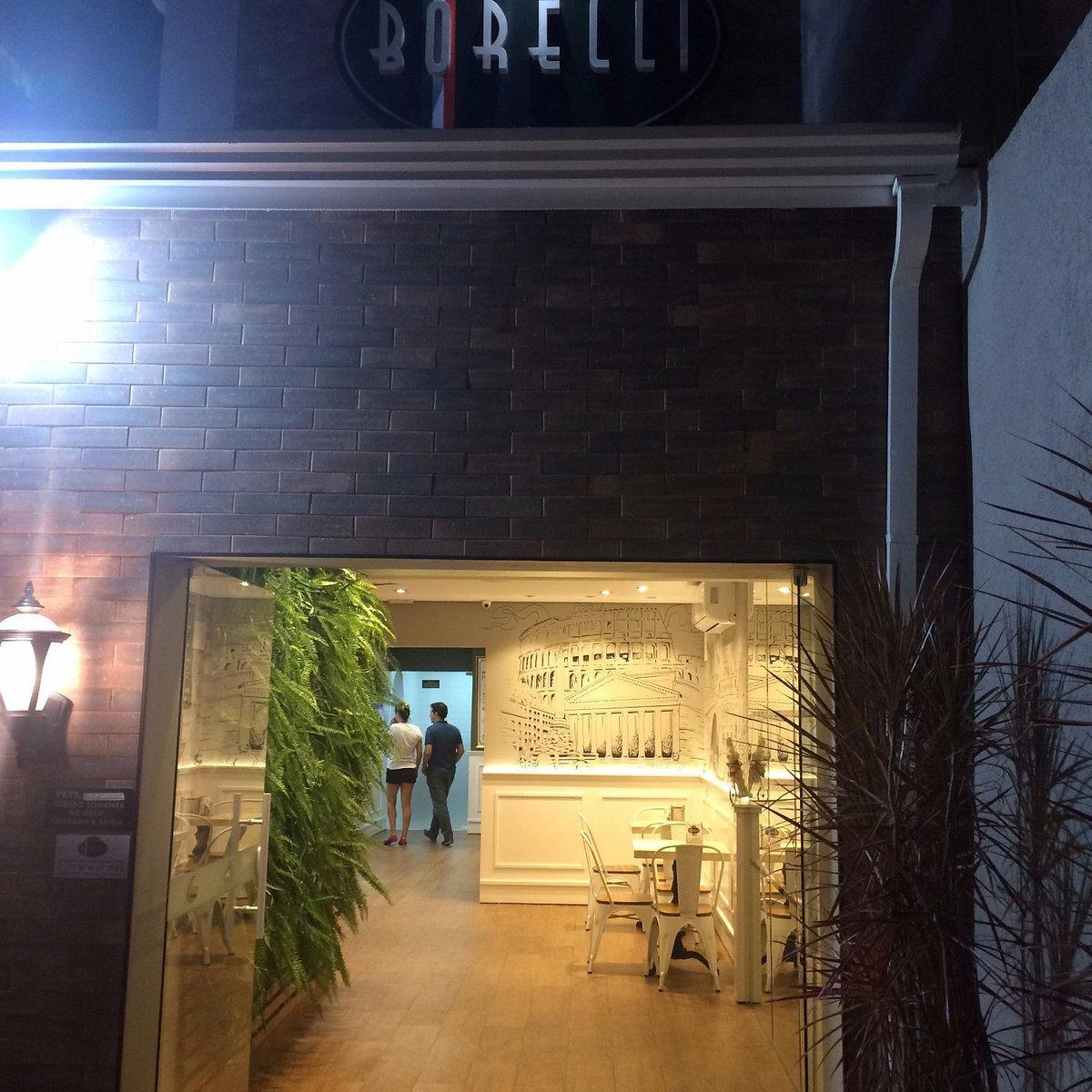
Rustic and traditional environment with Italian-inspired decor, described as comfortable, inviting, and welcoming for families and groups.