Our verdict
Lisboa Culinária Portuguesa brings the culinary traditions of Portugal to Jundiaí's Chácara Urbana neighbourhood, occupying a specific niche in a city whose restaurant scene spans Italian-influenced cantinas, Japanese counters, and Argentine-style grills. For residents and visitors seeking Portuguese cuisine in the São Paulo interior, it represents one of the few dedicated addresses for the tradition in the region.

Pearl is the En Primeur Club membership app — saves, bookings, and concierge access live there. Same editors, same standards.
- Address
- R. Conrado Augusto Offa, 535 - Chácara Urbana, Jundiaí - SP, 13208-070, Brazil
- Phone
- +551127095100
- Hours
- Mon ClosedTue–Fri 11:45 AM–2:45 PM, 6–10 PMSat 11:45 AM–3 PM, 7–10 PMSun 11:45 AM–3:30 PM
- Website
- zaap.bio
- Directions
- Get directions
- Booking
- Book on the venue's website
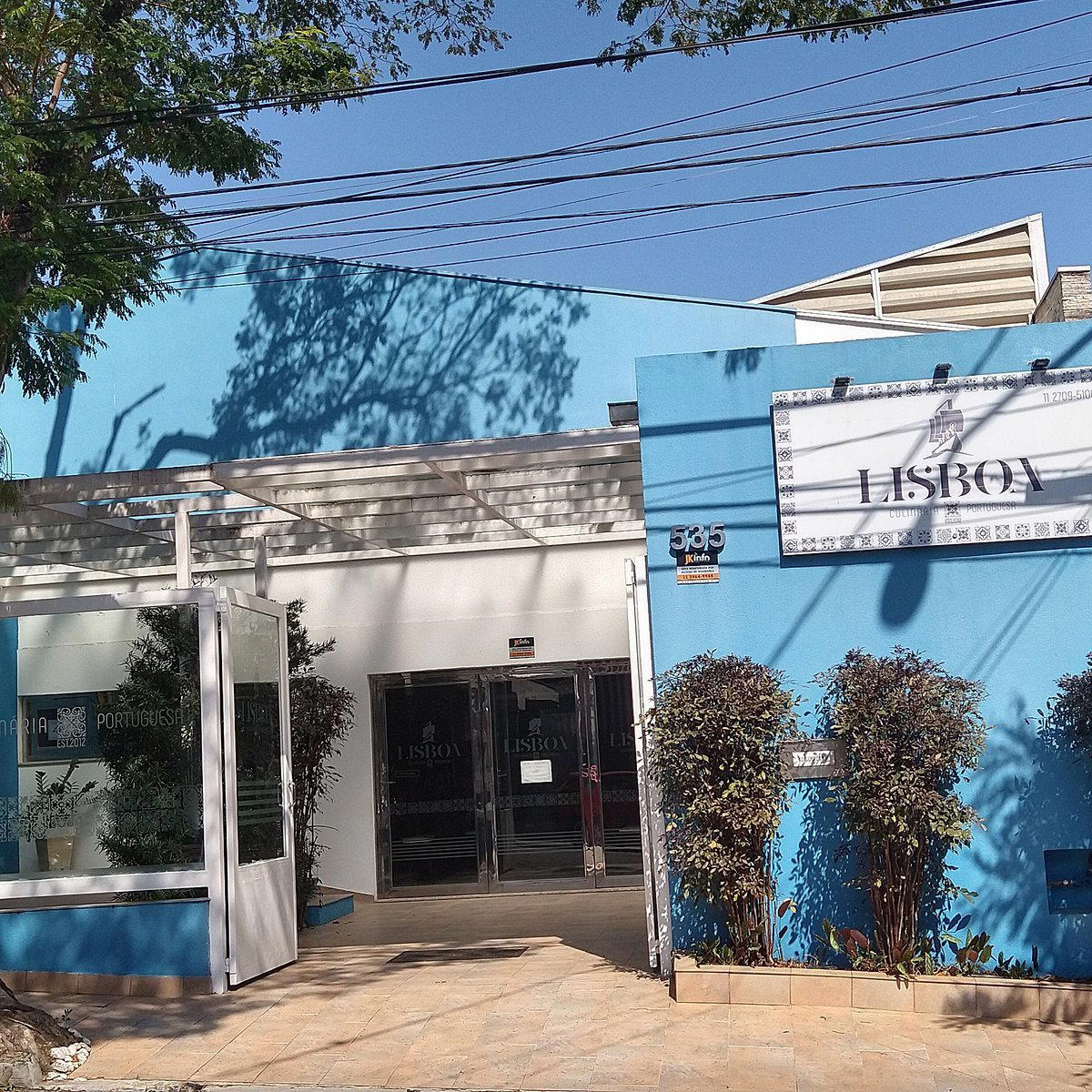
Portuguese Cuisine in the São Paulo Interior
Jundiaí sits roughly 60 kilometres northwest of São Paulo, close enough to the capital's restaurant density to feel competitive pressure, far enough that its own dining identity has developed along distinct lines. The city's culinary mix reflects the waves of European immigration that shaped the interior of São Paulo state: Italian cantinas, German-influenced houses like Uhlen Haus, Argentine-style grills like Camorra Restaurante, and Japanese counters such as Ryuji Sushi House. Portuguese cuisine, despite its foundational role in Brazilian cooking, rarely appears as a dedicated restaurant proposition in mid-sized Brazilian cities. Lisboa Culinária Portuguesa, on Rua Conrado Augusto Offa in the Chácara Urbana district, occupies that particular gap.
The relationship between Portuguese and Brazilian cooking is closer than most dining traditions anywhere in the world. Bacalhau preparations, the use of olive oil as a primary fat, slow-braised meats, rice cooked with aromatics — these techniques arrived with Portuguese settlers and became so thoroughly absorbed into Brazilian domestic cooking that they ceased to register as foreign. What a restaurant like Lisboa does, by naming itself explicitly after the Portuguese tradition, is reframe those techniques as a distinct culinary category rather than an assumed background. That reframing matters, especially in a city where Jundiaí's restaurant scene tends to organise itself around other European inheritances.
What the Cuisine Represents
Portuguese cooking at its core is a cuisine of patience and economy. The bacalhau canon alone runs to hundreds of preparations — the most cited figure in Portuguese culinary writing is 365, one for each day of the year, though the actual documented count is more modest. What matters is that the tradition prizes the transformation of preserved and humble ingredients through technique: long salting, extended soaking, slow oven time, the layering of potato, onion, egg, and cured fish into something that coheres through heat and timing rather than expensive raw material. That discipline puts serious Portuguese cooking closer to the French bourgeois tradition than to anything that relies on premium protein as its foundation.
In Brazil, bacalhau has maintained its prestige partly because the fish is imported and carries a price premium, and partly because it remains central to Catholic feast-day cooking, Christmas and Easter menus in Brazilian homes still frequently feature it. A dedicated Portuguese restaurant in Jundiaí draws on that cultural weight, positioning its menu inside a tradition that has genuine emotional resonance for the Brazilian dining public, not just specialist interest. The comparable dynamic plays out differently at flagship addresses in São Paulo: D.O.M. in São Paulo builds its identity around indigenous Brazilian ingredients, while Lasai in Rio de Janeiro works within a garden-to-table framework. Both are departures from inherited European tradition rather than expressions of it. Lisboa sits at a different point on that spectrum, maintaining the inherited tradition as its explicit subject.
Chácara Urbana and the Address
Rua Conrado Augusto Offa runs through Chácara Urbana, one of Jundiaí's residential districts that has seen incremental commercial development without the density of the city centre. Restaurants in this type of neighbourhood in Brazilian interior cities tend to function as destination addresses rather than walk-in propositions: the clientele arrives by car, knows what it wants, and returns with some regularity. That dynamic shapes the character of the dining room more than almost any design decision, the room functions as a local institution rather than a discovery venue, which places different demands on consistency than it does on novelty.
For visitors arriving from outside Jundiaí, the broader São Paulo state interior offers a reference frame that extends well beyond the city. Famosa Pizza in Ribeirão Preto and Cantina Pozzobon in Santa Maria represent the Italian-influenced strand that runs through the interior's restaurant culture. Kampeki Sushi in Canoas and Fornazzo Pizzaria in Passo Fundo show how other regional cities have organised specific cuisine categories into reliable local institutions. Lisboa's position in Jundiaí follows that same logic: a specific culinary tradition, anchored in a residential neighbourhood, serving a local population that understands what it is coming for.
Planning a Visit
Lisboa Culinária Portuguesa is located at R. Conrado Augusto Offa, 535, Chácara Urbana, Jundiaí, SP 13208-070. In Jundiaí's mid-scale restaurant tier, walk-in availability is generally possible for weekday lunch, while weekend dinner in established neighbourhood restaurants tends to require advance contact. Given the address is in a residential district rather than a commercial strip, arriving without prior confirmation carries more risk than it would at a higher-footfall city-centre location.
For travellers building a broader itinerary across Brazilian restaurant culture, addresses like Bistro Fitz Carraldo in Manaus, Casa da Dika in Bragança, Arte e Café Imperial in Angra dos Reis, Casa da Flor in Dourados, Casa da Picanha Penedo in Itatiaia, and Aero Burguer e Grill in Santa Cruz do Sul each illustrate how Brazilian dining outside the major capitals has developed distinct regional identities. Internationally, the precision-driven formality of Le Bernardin in New York City and the Korean fine-dining rigour of Atomix in New York City represent reference points for how immigrant culinary traditions get reframed at the highest level, a context that makes the quieter, neighbourhood-scale work done at an address like Lisboa legible as part of a larger global pattern.
Frequently asked questions
Where is Lisboa Culinária Portuguesa in Jundiai?
Lisboa Culinária Portuguesa is located at R. Conrado Augusto Offa, 535 - Chácara Urbana, Jundiaí - SP, 13208-070, Brazil, Jundiai.
Is Lisboa Culinária Portuguesa a practical dining option for visitors travelling from São Paulo?
Jundiaí sits roughly 60 kilometres northwest of São Paulo, making Lisboa Culinária Portuguesa accessible as a deliberate day-trip destination rather than a casual stop. The address in Chácara Urbana, a quieter residential district of Jundiaí, means the draw is the cooking itself rather than surrounding foot traffic or nightlife. For anyone tracking Portuguese cuisine across the São Paulo interior, this is one of the few addresses in the region anchored to that specific culinary tradition.
What do regulars order at Lisboa Culinária Portuguesa?
The kitchen's identity is grounded in Portuguese tradition, which means bacalhau preparations are the natural anchor of the menu. Portuguese cooking has codified hundreds of bacalhau treatments, and a Jundiaí restaurant carrying the Lisboa name would be expected to hold that canon seriously. Beyond salt cod, dishes built on slow-cooked meats and olive oil-based sauces represent the cuisine's core economy. Regulars in this style of house tend to follow the kitchen's oldest preparations rather than daily specials.
What's the best way to book Lisboa Culinária Portuguesa?
Conrado Augusto Offa, 535, Chácara Urbana, Jundiaí, SP 13208-070 or asking locally is the most reliable approach. Chácara Urbana is a residential district with incremental commercial activity, so the venue operates within a neighbourhood context rather than a high-traffic dining strip. Calling ahead is advisable, particularly for larger groups, once contact information becomes publicly available.
Price and Recognition
Comparable venues nearby, for context on price, style, and recognition.
| Venue | Cuisine | Price | Notes |
|---|---|---|---|
| Lisboa Culinária PortuguesaThis venue — the venue you are viewing | Authentic Portuguese | Not listed | Not listed |
| Camorra Restaurante | Brazilian Seafood Internacional | $20–30 | Jd. Cica, Brazilian Seafood Internacional |
| Ryuji Sushi House | Traditional Japanese Conveyor Belt Sushi Rodízio | $30–50 | Vila Virginia, Traditional Japanese Conveyor Belt Sushi Rodízio |
| Uhlen Haus | German & International | Not listed | Centro, German & International |
| Splendido Burger | Burger Restaurant | Not listed | Centro, Burger Restaurant |
| Grifo Beer Cervejaria Artesanal Valinhos | Craft Beer Brewery & Brewpub | $10–20 | Jardim Santo Antonio, Craft Beer Brewery & Brewpub |
Details
- Cozy
- Classic
- Family
- Date Night
- A La Carte
Current opening hours
- Monday
- Closed
- Tuesday
- 11:45 AM–2:45 PM, 6–10 PM
- Wednesday
- 11:45 AM–2:45 PM, 6–10 PM
- Thursday
- 11:45 AM–2:45 PM, 6–10 PM
- Friday
- 11:45 AM–2:45 PM, 6–10 PM
- Saturday
- 11:45 AM–3 PM, 7–10 PM
- Sunday
- 11:45 AM–3:30 PM
Hours can change for holidays and private events. Last verified .
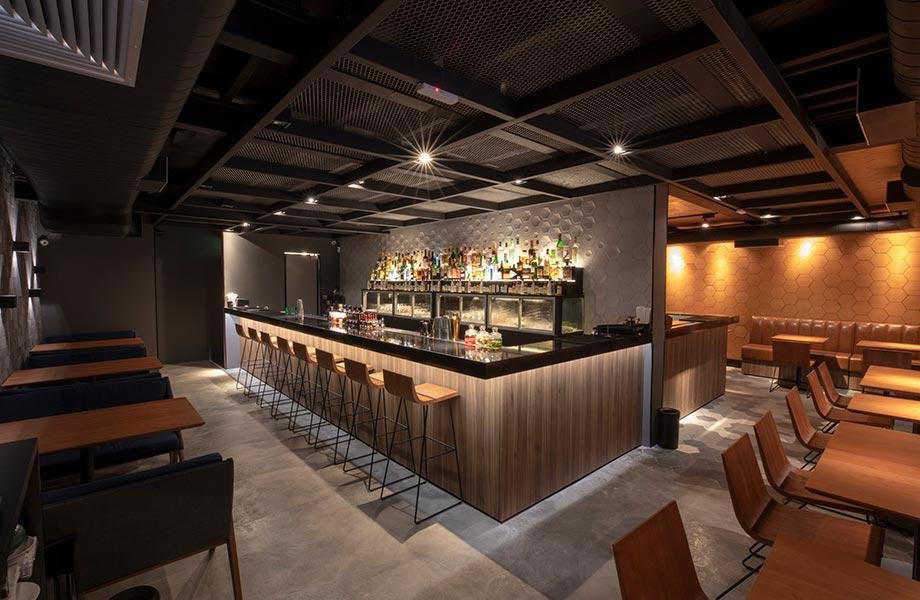
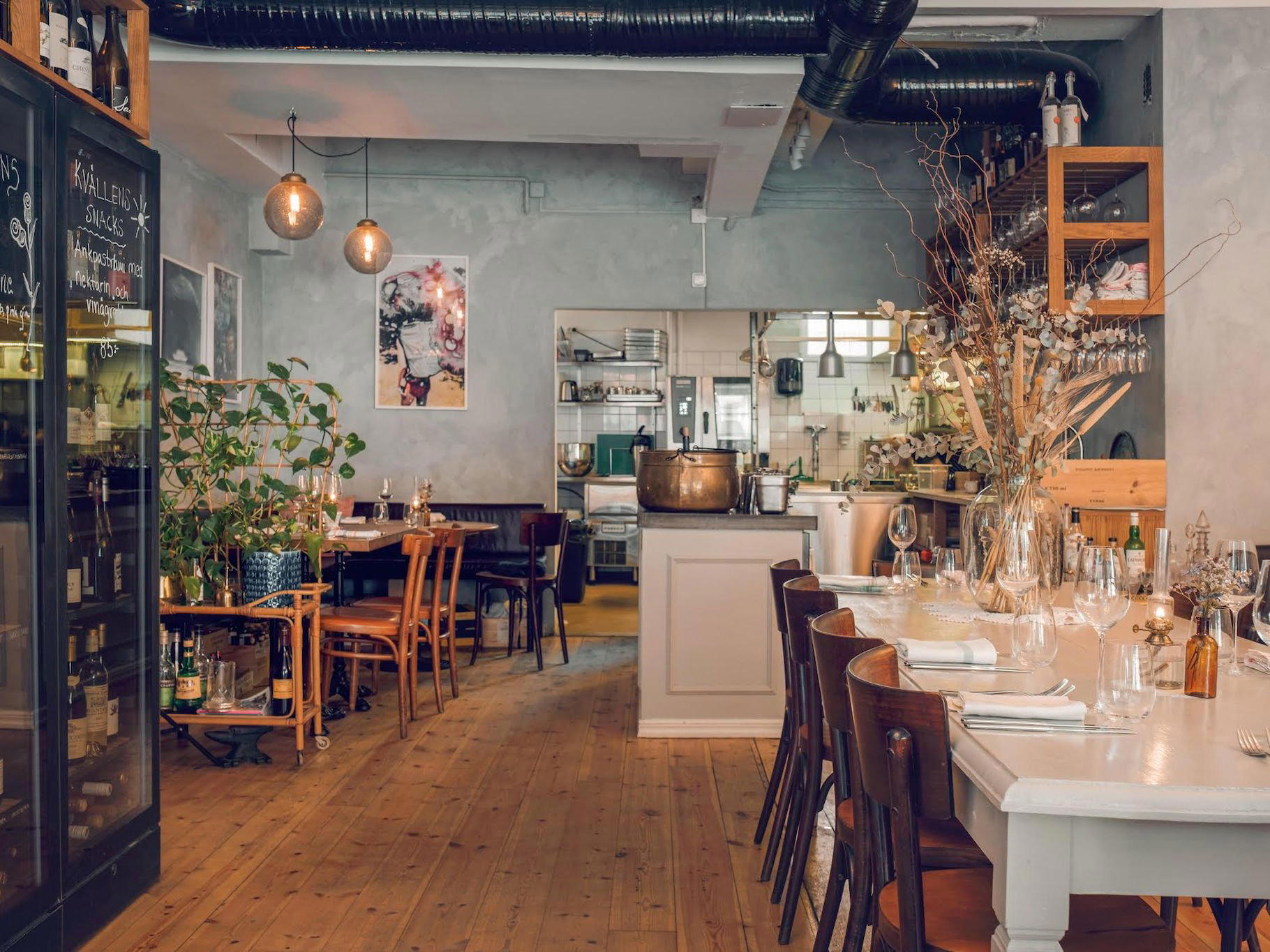
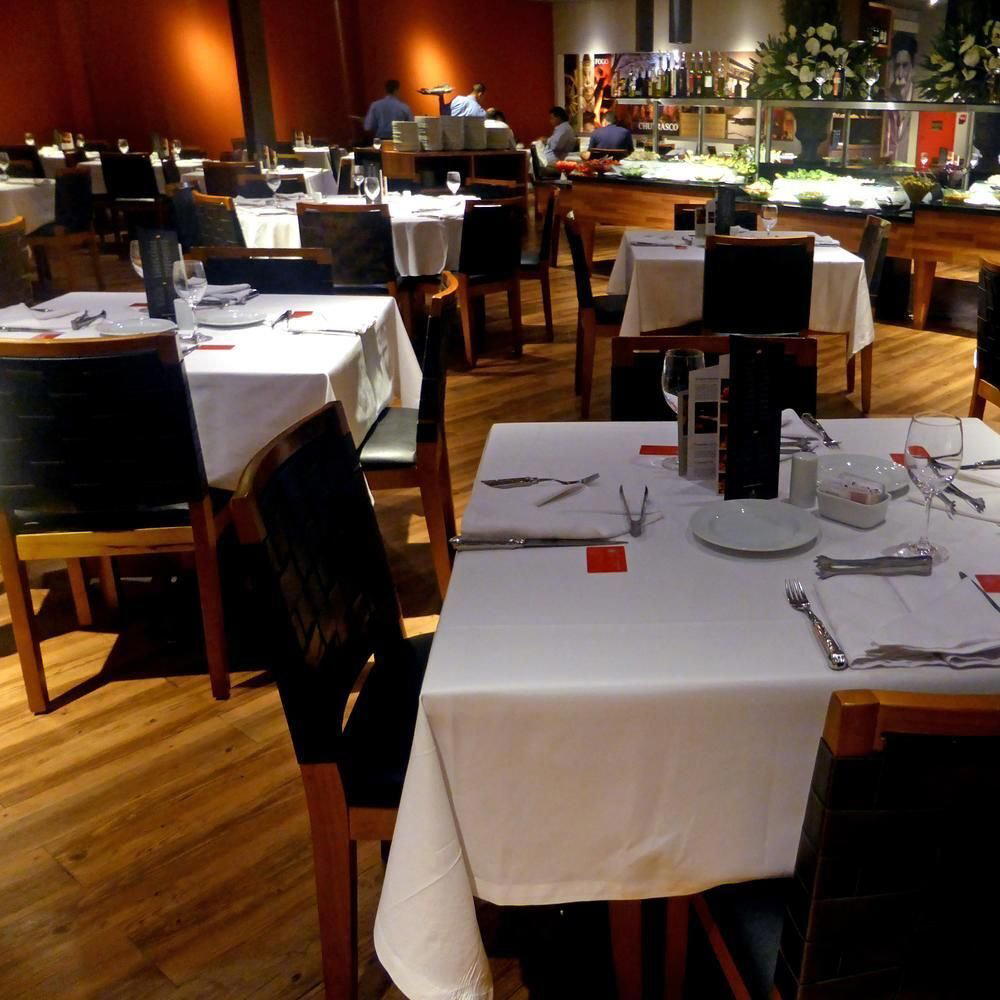
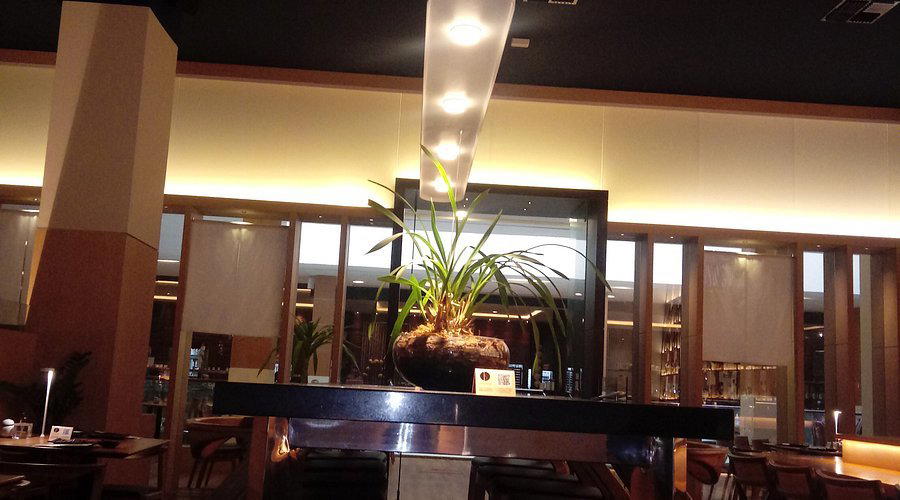
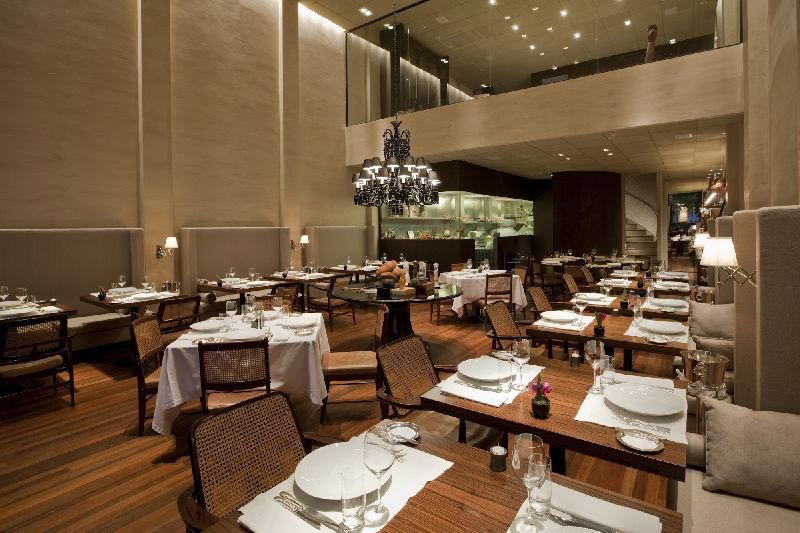
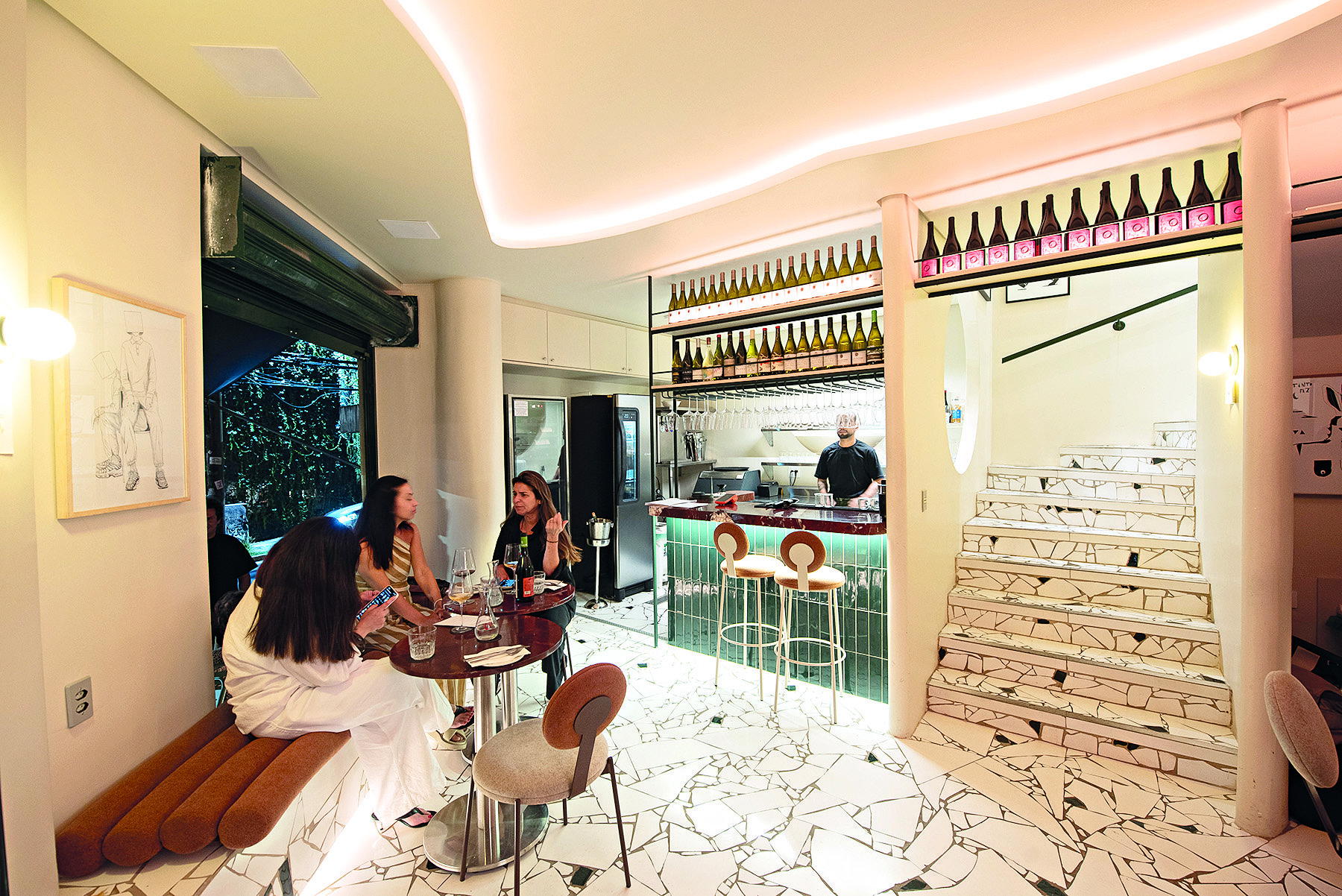
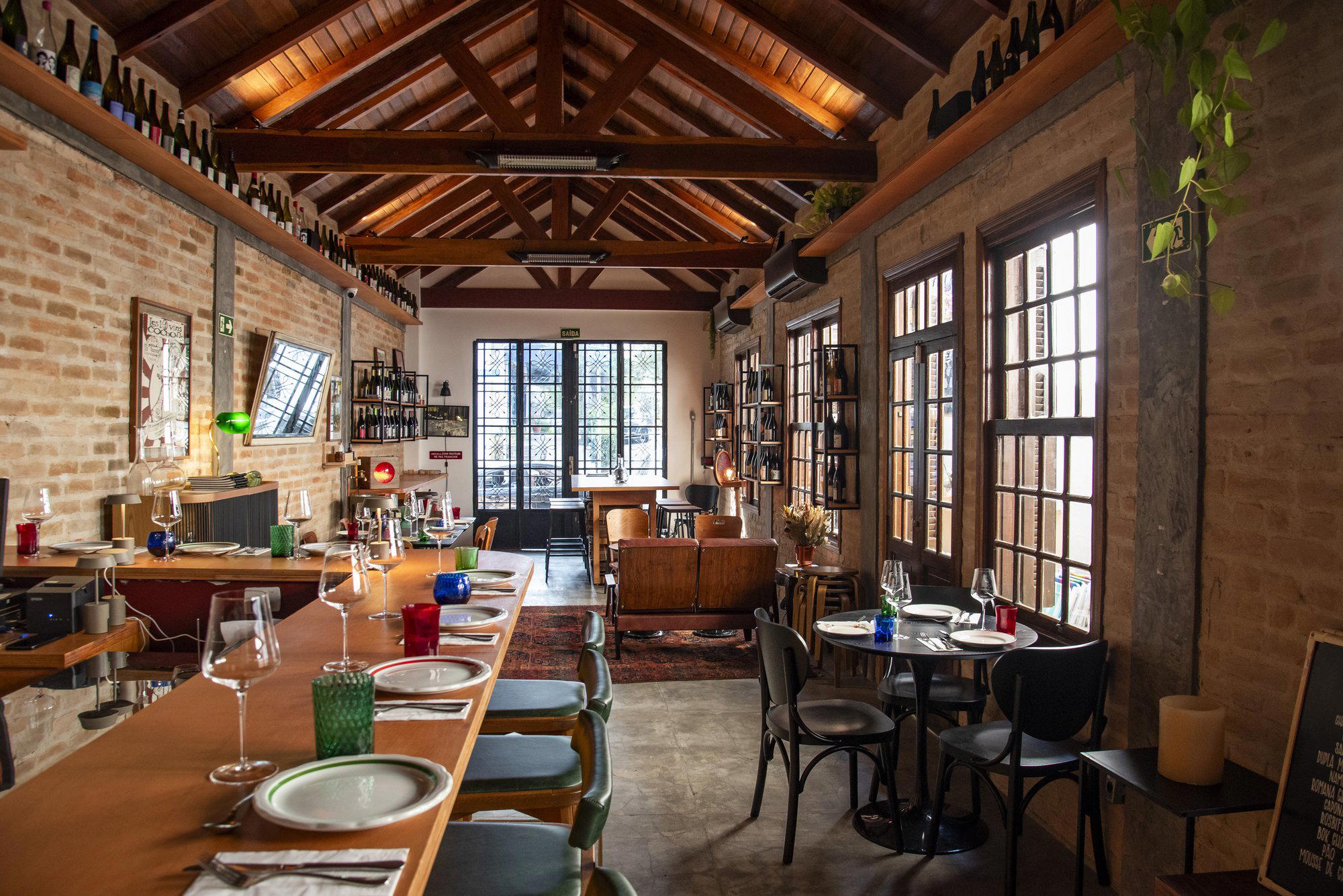
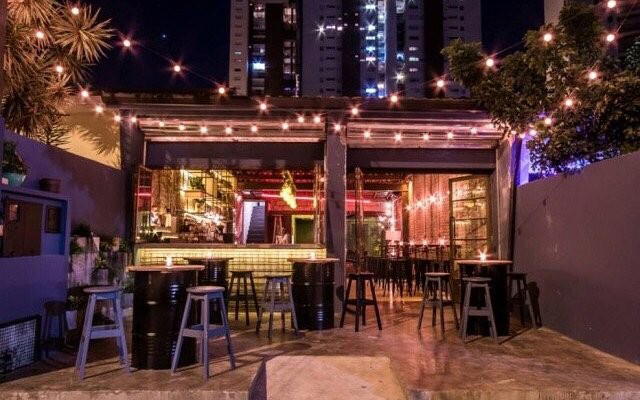
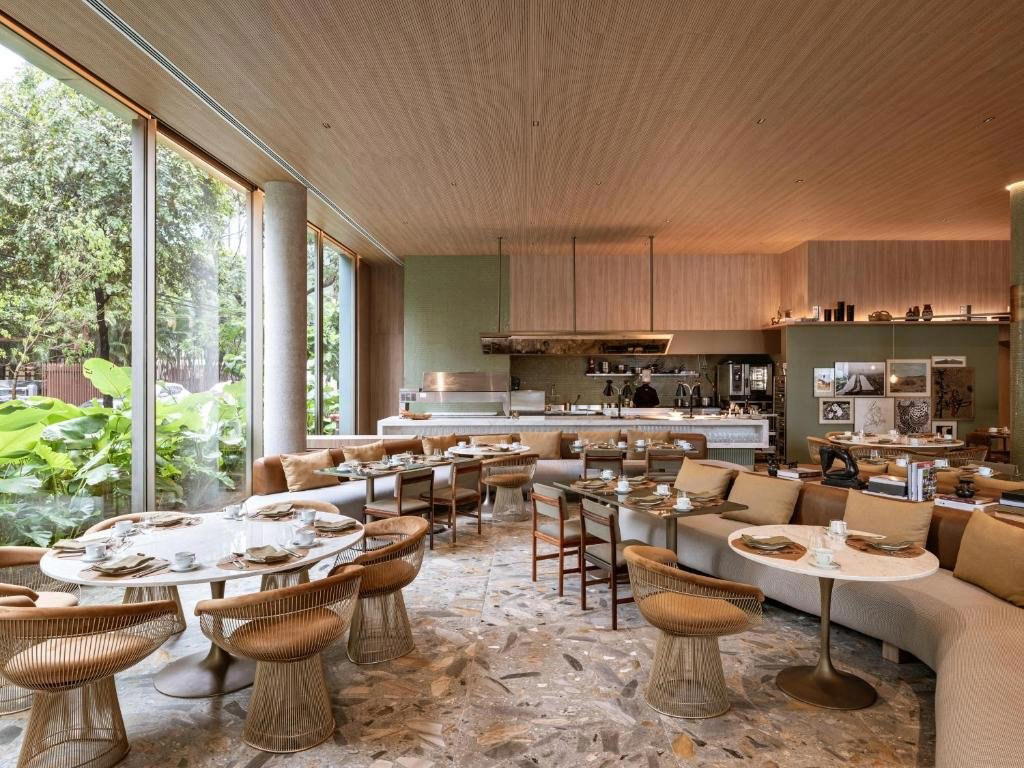
Airy, quiet, and cozy atmosphere praised by guests for family and couple visits.