Okonomiyaki Hiranoya

Okonomiyaki Hiranoya gives Nanao a serious entry in Japan’s okonomiyaki conversation: casual, ingredient-led cooking with Tabelog 100 Okonomiyaki recognition in 2025 and a format built for families, friends, and small groups. Expect a low-key local room rather than ceremony, with value pricing and enough practical flexibility to make it useful beyond a quick solo meal.
Pearl is the En Primeur Club membership app — saves, bookings, and concierge access live there. Same editors, same standards.
- Address
- 20 Motofuchumachi, Nanao, Ishikawa 926-0021, Japan
- Phone
- +81 767-53-3757
- Website
- tabelog.com
 Saves & bookings on Pearl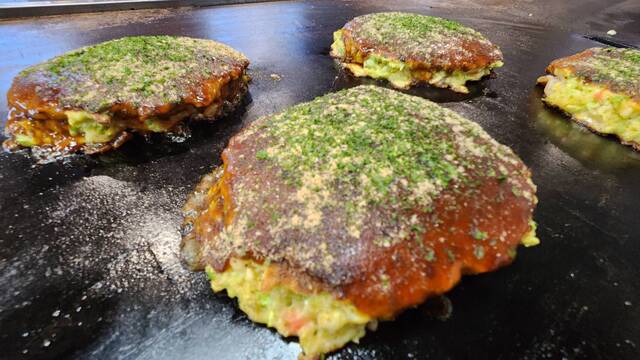
Approaching okonomiyaki in Nanao means entering a different register from the Osaka counter mythology. The rhythm is less about tourist theatre and more about a local room built around griddles, tatami seating, groups, children, and the kind of meal that can stretch without becoming formal. In Motofuchumachi, Okonomiyaki Hiranoya sits inside that everyday tradition, but its repeated Tabelog 100 Okonomiyaki selections, including 2025, put it in a national conversation that usually favours larger cities.
That contrast matters. Okonomiyaki is often treated as an urban comfort dish, shorthand for Osaka or Hiroshima, yet regional restaurants can say more about how the form travels. Batter, cabbage, egg, seafood, meat, sauce, heat control, and timing are not luxury markers on their own. The skill is in balance: enough structure to hold together, enough looseness to avoid heaviness, and enough local appetite to keep the room from feeling like a museum piece.
Nanao okonomiyaki with local-restaurant discipline
The ingredient story here is not a named-farm narrative or a chef’s manifesto. It is the quieter logic of a Japanese regional dining room: a broad okonomiyaki menu, sake and shochu alongside cocktails, take-out, and seating that can handle families as readily as friends. That format tells the reader something useful. The cooking is positioned as repeatable neighbourhood food, not a tasting-menu translation of street cooking.
For travellers, that distinction is valuable. Kanazawa and the Noto Peninsula draw attention for seafood, craft, ryokan culture, and coastal routes, but Nanao’s casual restaurants give a more grounded view of how people actually eat between set-piece meals. Okonomiyaki works especially well in that context because sourcing is expressed through categories rather than spectacle: cabbage freshness, the quality of fillings, the griddle’s management, and the kitchen’s ability to keep texture light under sauce and heat.
Okonomiyaki Hiranoya’s Tabelog score of 3.63 and 2025 Tabelog 100 Okonomiyaki selection are useful signals, not decorative badges. In a category crowded with nostalgic loyalty and regional preference, national list recognition suggests consistency across the basic demands of the form. It also places the restaurant in a sharper competitive frame than a standard local listing, while keeping the experience firmly casual.
The room favours groups, counter diners, and families
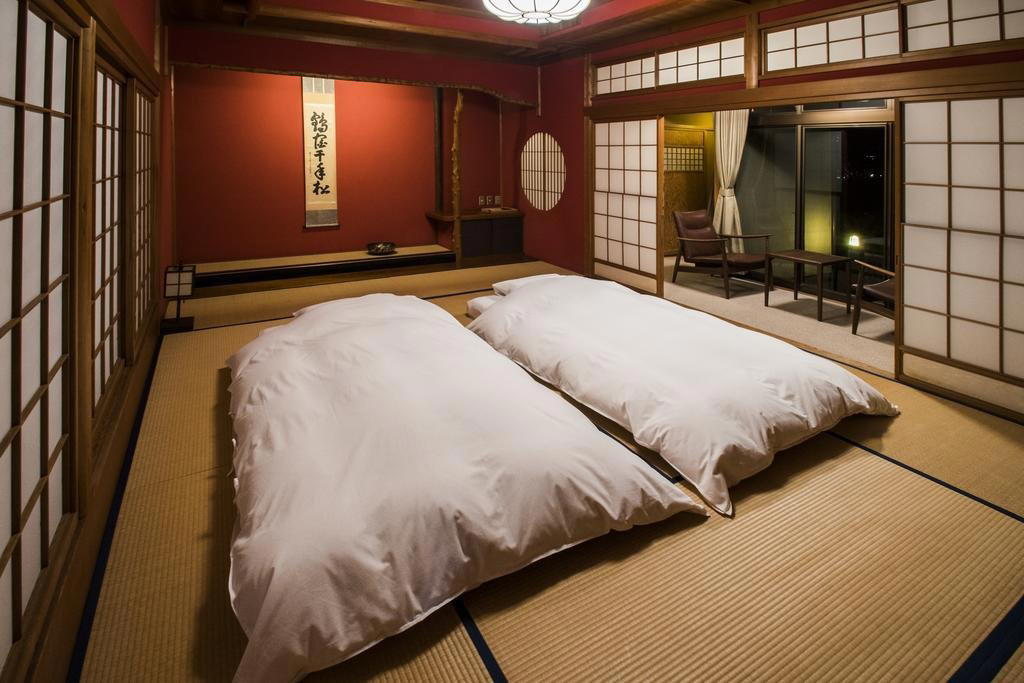
The seating mix explains the social character before the menu does: counter seats for focused eating, tatami seats for longer gatherings, and semi-private tatami areas sized for small parties. That matters in okonomiyaki culture, where the meal is often collaborative even when the kitchen leads the cooking. The dish invites sharing, comparison, second orders, and drinks that do not require ceremony.
The strongest editorial case for the restaurant is not that it offers luxury in disguise. It is that a regional, family-friendly okonomiyaki room has earned recognition in a national comfort-food category without abandoning the format’s practical roots. Children are welcome, strollers are accepted, and non-smoking operation lowers the friction for mixed-age groups. That combination is not glamorous, but it is precisely what makes this kind of meal work in a smaller city.
Compared with Nanao’s more seafood-leaning or patisserie-adjacent stops such as 幸寿し本店, Kawashima, 一本杉 川嶋, and LE MUSEE DE H Wakura ten, the appeal here is earthier and more democratic. It answers a different travel need: not the polished coastal lunch or dessert stop, but a hot-plate meal that can absorb children, drinks, conversation, and a budget-conscious itinerary.
How to place it in a Motofuchumachi itinerary
Motofuchumachi is not a district that needs to be inflated into a dining capital to be interesting. Its value lies in scale. A meal here can sit between Nanao Station logistics, Noto Peninsula travel, and the broader Ishikawa circuit without demanding the advance planning associated with major-city counters. The presence of parking and group seating also makes it more practical for travellers moving by car, especially outside the densest rail-linked dining areas.
The smart use case is simple: choose it when the trip needs a casual Japanese meal with more regional credibility than a convenience stop. It is especially persuasive for families, small groups, and travellers who want okonomiyaki in Ishikawa rather than another seafood-only meal. For broader planning across the city, use Our full motofuchuumachi restaurants guide, then cross-check stays, drinks, and activities through Our full motofuchuumachi hotels guide, Our full motofuchuumachi bars guide, Our full motofuchuumachi wineries guide, and Our full motofuchuumachi experiences guide.
Readers building a wider Japan dining map can also compare category and regional style through -Grilled beef Sukiyaki- KAMAKURA TANUKIAN 鎌倉 たぬき庵 in Kamakura, . 鮪と炭火焼き うお炭 秋葉原店 in Tokyo, .cafe in Osaka, .know in Kumamoto, (Shoku) Vietnam in Kawasaki, [Curry Senmon Ten] Maruyama Kyoju. in Sapporo, [ki:] in Kyoto, #肉といえば松田 奈良本店 in Kashihara, 1/3 HAMBURGER FACTORY in Kanazawa, 1000 in Yokohama, 1000mヒュッテ 1000m Hut in Kutchan, Jōdo Saké Bar in Los Angeles, and Onigiri Time in Pasadena.
Fast Comparison
Comparable venues by cuisine and price in the same metro.
| Venue | Cuisine | Price | Awards | Notes |
|---|---|---|---|---|
| Okonomiyaki HiranoyaThis venue — the venue you are viewing | Okonomiyaki and Teppanyaki | $$ | , | |
| Kawakami-an (軽井沢 川上庵) | Traditional Japanese Soba | $$ | , | Karuizawa |
| Yagiya | Traditional Okinawan Soba | $$ | , | Yaese-cho |
| Nagano Meijitei (明治亭) | Nagano Sauce Katsu-don Specialist | $$ | , | Nagano Station |
| Hakuichi | Kanazawa Gold Leaf Ice Cream Cafe | $$ | , | Higashiyama |
| Aotsuka Shokudo (青塚食堂) | Traditional Japanese Seafood Cafeteria | $$ | , | Shukutsu |
Continue exploring
More in motofuchuumachi
Restaurants in motofuchuumachi
Browse all →
At a Glance
- Lively
- Cozy
- Classic
- Group Dining
- Casual Hangout
- Celebration
- After Work
- Family
- Private Dining
- Standalone
Casual, lively local spot with tatami seating and counter seats around the teppan, suited to everyday meals and relaxed celebrations rather than formal dining.