Oidē occupies a Centro address on Rua Brigadeiro Franco, positioning it inside Curitiba's compact but increasingly serious fine-dining circuit. The restaurant draws attention for its structured approach to menu architecture at a moment when the city's restaurant scene is moving away from casual formats toward more deliberate tasting experiences. For visitors tracing Brazil's regional dining evolution beyond São Paulo, it represents a considered stop.
Pearl is the En Primeur Club membership app — saves, bookings, and concierge access live there. Same editors, same standards.
- Address
- R. Brig. Franco, 1845 - Centro, Curitiba - PR, 80420-200, Brazil
- Phone
- +554130935471
- Website
- flow.page
- Directions
- Get directions
 Saves & bookings on Pearl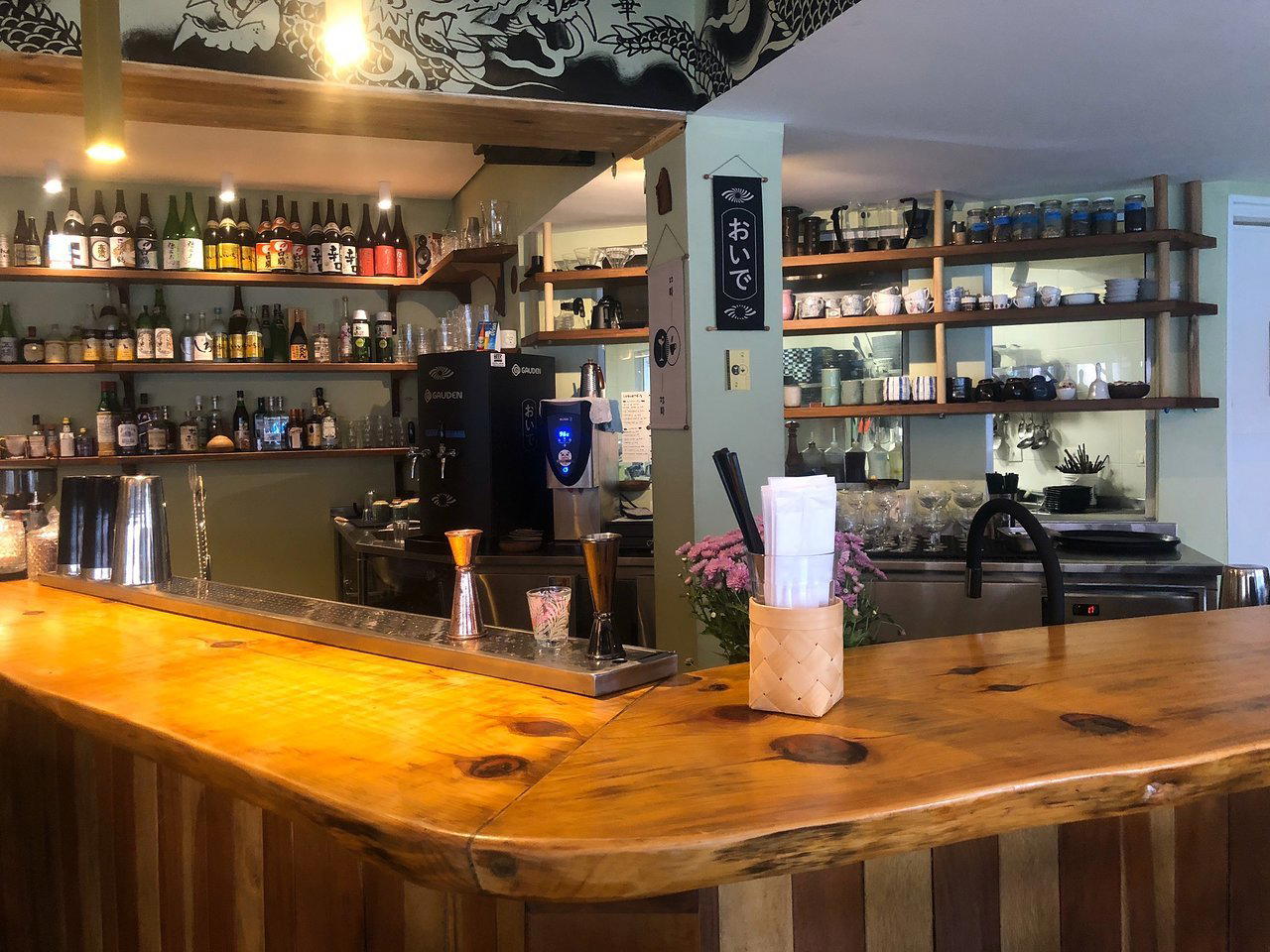
Centro's Quiet Shift Toward Structured Dining
Curitiba has spent the better part of a decade recalibrating what a serious restaurant looks like. The city's dining culture once ran on churrascarias, European immigrant kitchens, and the kind of casual Italian-Brazilian hybrids that still fill neighbourhoods like Batel and Santa Felicidade. That baseline remains, and places like Batel Grill and Calabouço Restaurante e Pizzaria reflect the city's deep comfort with that tradition. But a parallel current has been building, one that treats menu construction as an act of editorial curation rather than volume service. Oidē, a Japanese izakaya at R. Brig. Franco 1845 in Centro, Curitiba, sits inside that current.
The Centro location matters as a signal. Most of Curitiba's premium dining has migrated toward Batel and Água Verde, where real-estate conditions suit the restaurant-as-destination format. A restaurant anchoring itself in Centro is making a statement about proximity to the city's institutional core, its arts venues, its historical fabric. Walking toward Oidē through that part of the city, the architecture shifts from commercial to civic, and the dining room arrival carries a different weight than the more polished neighbourhoods further south.
What the Menu Structure Says About Intent
Menu architecture is one of the more reliable ways to read a restaurant's ambitions. A kitchen that organises its courses by ingredient logic, or that builds progression from lighter to more structurally complex preparations, is signalling something different from one that groups dishes by protein category or international influence. At the level where Oidē operates, a focused address in a city that now takes its tasting formats seriously, the structure of what arrives and in what order is part of the editorial argument.
Brazil's most analytically discussed restaurants, like D.O.M. in São Paulo and Lasai in Rio de Janeiro, have made menu architecture central to how critics read them. Both use seasonal sourcing logic as the spine of their menus, allowing the sequence of dishes to function as a kind of argument about Brazilian ingredients and their possibilities. The conversation they started has filtered down to second-tier cities with serious kitchens, and Curitiba has absorbed it more visibly than most of Brazil's regional capitals.
Within Curitiba's comparable set, restaurants like Aizu and Badida Sete occupy defined positions in the city's structured-dining tier, with Aizu's Japanese-Brazilian framework and Badida Sete's market-led format each representing a distinct editorial approach. Oidē's positioning on Rua Brigadeiro Franco places it in dialogue with that conversation, though the restaurant operates with enough specificity that it reads as a distinct entry rather than a repetition of existing formats.
The Regional Context That Shapes the Kitchen
Paraná is not a neutral culinary backdrop. The state's food culture draws on a collision of Polish, Ukrainian, German, Italian, and Japanese immigration, layered over indigenous and African-descended foodways that shaped the broader Brazilian table. This density of reference means that a kitchen in Curitiba has access to a particularly complex local pantry, from the pinhão seeds harvested from araucária pines to the cured-meat traditions brought by Central European settlers in the late nineteenth century.
The restaurants that have done interesting work in Curitiba tend to treat this complexity not as a liability requiring simplification, but as a resource requiring selection. Manu, long regarded as the city's reference point for contemporary Brazilian technique, built its reputation on exactly that kind of editorial discipline, choosing which elements of Paraná's abundance to work with and how to sequence them. Barolo Curitiba represents the city's confidence in its European-immigrant lineage, working within Italian-Brazilian traditions with a more settled formality. Oidē enters this map at the Centro address, where the question of local identity carries particular charge.
Brazil's broader dining scene has produced restaurants across different cities and scales that grapple with similar questions of regional identity and menu logic. Bistro Fitz Carraldo in Manaus works within Amazonian ingredient frameworks; Cantina Pozzobon in Santa Maria draws on southern immigrant traditions; and Casa da Flor Restaurante in Dourados reflects the agricultural abundance of Mato Grosso do Sul. Each of these reflects how Brazil's regional dining scene has developed its own terms of reference outside the São Paulo axis.
How Curitiba Compares to Brazil's Dining Capitals
There is a standard argument that Brazil's serious restaurant culture concentrates in São Paulo, with Rio de Janeiro and, to a lesser extent, Belo Horizonte as secondary nodes. That argument is increasingly provisional. Curitiba has developed a restaurant scene with enough critical mass and internal competition to generate meaningful distinctions within its own comparable set, a precondition for genuine fine-dining culture rather than isolated ambition.
At the global level of technical ambition and menu sophistication, the reference points sit somewhere like Le Bernardin in New York City or Atomix in New York City, restaurants where menu architecture is an explicit critical framework and where each course's position in the sequence is as deliberate as its composition. That level of conceptual rigor is rare anywhere. What Curitiba's current restaurant generation offers is something more scaled: a meaningful seriousness applied to local ingredients and regional identity, at a price and formality level that remains accessible relative to Brazil's major metros.
Visitors cross-referencing Brazil's wider scene should also note the range of formats across the country, from the casual confidence of Aero Burguer e Grill in Santa Cruz Do Sul to the more heritage-weighted atmosphere of Arte e café Imperial - Matriz in Angra Dos Reis and the event-oriented model of Casa da Dika Restô e Eventos in Bragança. The range illustrates why Curitiba's concentrated fine-dining cluster reads as a distinct and coherent category within the national picture.
Planning a Visit
Oidē's address at R. Brig. Franco 1845 in Centro places it within reasonable distance of Curitiba's central historic zone, walkable from the city's main civic landmarks. Given the limited public contact information currently available for Oidē, one reliable approach is to visit in person or to contact the restaurant directly through its physical address. Reservations are recommended, especially for weekend services. The restaurant's Centro location also makes it a natural anchor for an evening that takes in the neighbourhood's wider cultural offer before or after the meal. For context on how Curitiba's churrascaria tradition sits alongside its contemporary dining scene, Famosa Pizza in Ribeirão Preto and Casa da Picanha Penedo in Itatiaia offer useful points of comparison for understanding how Brazilian regional kitchens operate at different registers.
Recognition, Side-by-Side
Comparable venues nearby, for context on price, style, and recognition.
| Venue | Cuisine | Price | Notes |
|---|---|---|---|
| OidēThis venue — the venue you are viewing | Japanese Izakaya | $$$ | Not listed |
| Poco Tapas | Molecular Spanish Tapas | $$$ | Batel |
| Porcini Trattoria | Tuscan Trattoria | $$$ | Batel |
| Taisho Yakiniku Água Verde | Japanese Yakiniku (Table-Top BBQ) | $$ | Água Verde |
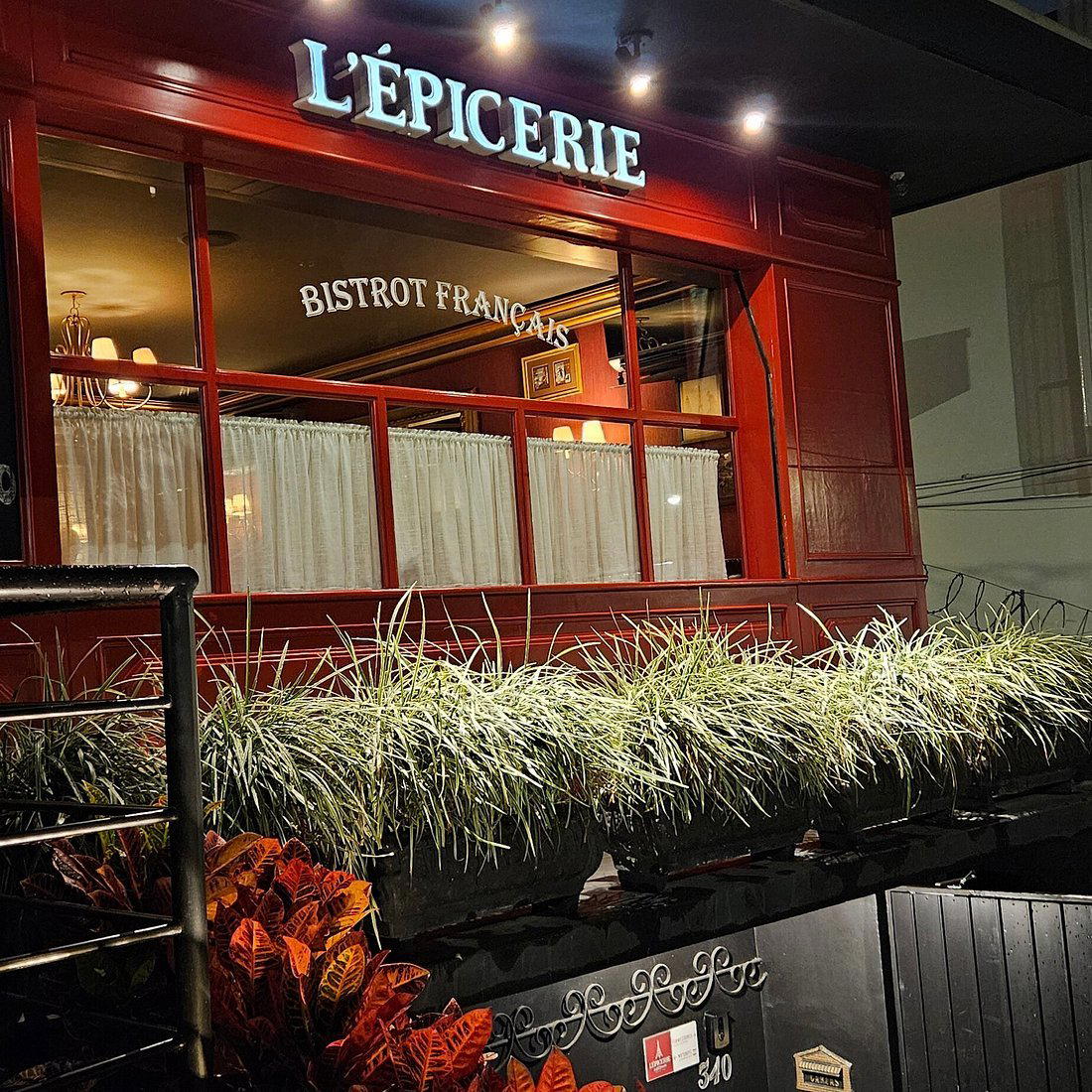
| L'Épicerie | Classic French Bistro | $$$$ | Bigorrilho |
| Doppo Cucina | Authentic Italian Trattoria | $$$ | Batel |
Continue exploring
More in Curitiba
At a Glance
- Trendy
- Cozy
- Modern
- Date Night
- Casual Hangout
- Open Kitchen
- Craft Cocktails
- Beer Program
Current opening hours
- Monday
- Closed
- Tuesday
- 7 PM–12:30 AM
- Wednesday
- 7 PM–12:30 AM
- Thursday
- 7 PM–12:30 AM
- Friday
- 7 PM–12:30 AM
- Saturday
- 12–2:30 PM, 7 PM–12:30 AM
- Sunday
- Closed
Hours can change for holidays and private events. Last verified .
Cozy and well-designed space with warm atmosphere.