Our verdict
Poco Tapas occupies a corner of Batel, Curitiba's most concentrated dining strip, where the tapas format translates into something distinctly South American rather than Iberian. The address on Avenida Vicente Machado places it inside a neighbourhood known for ambitious mid-format restaurants. Confirmed details on pricing, hours, and booking are best verified directly with the venue before visiting.

Pearl is the En Primeur Club membership app — saves, bookings, and concierge access live there. Same editors, same standards.
- Address
- Av. Vicente Machado, 2855 - Batel, Curitiba - PR, 80440-020, Brazil
- Phone
- +5541996828758
- Hours
- Mon–Sat 7–11 PMSun Closed
- Website
- pocotapas.com.br
- Directions
- Get directions
- Booking
- Book on the venue's website
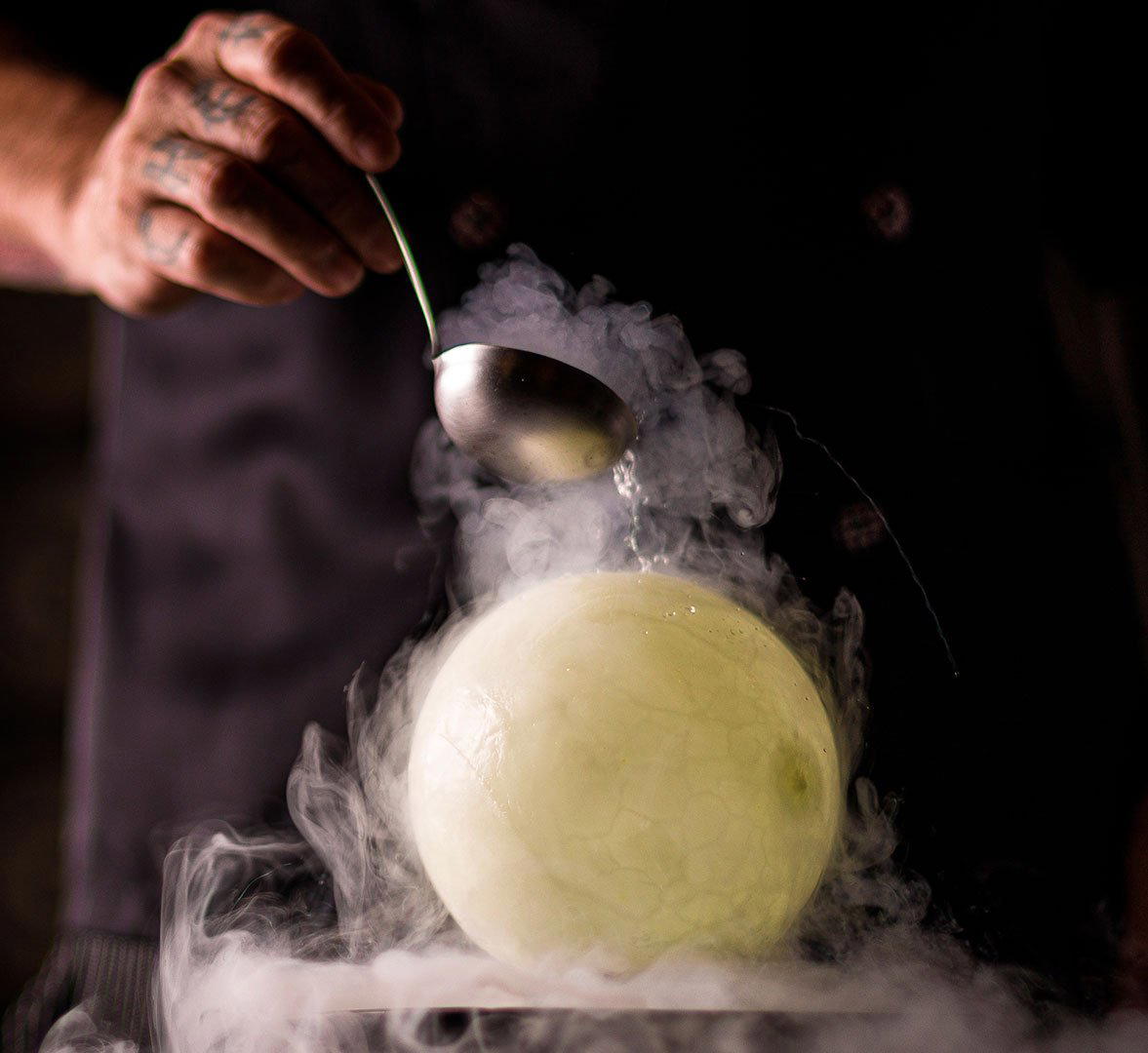
The menu
What to order
- Pipoca bafo do dragão
- Molecular feijoada
Batel and the Small-Plates Question
Curitiba's Batel district has become the reference point for understanding how the city's dining scene diverges from the Brazilian mainstream. Where São Paulo consolidates prestige around a handful of destination addresses — places like D.O.M. in São Paulo — and Rio anchors fine dining in beachside neighbourhoods, Curitiba has built a denser, more neighbourhood-scaled version of serious eating, concentrated along avenues like Vicente Machado. The restaurants here compete less on spectacle and more on format discipline and kitchen consistency.
The tapas format itself carries a specific set of expectations in this context. Originating in Iberian bar culture, the small-plates approach has been reinterpreted across Latin America with varying degrees of fidelity to the original. In Curitiba, the more interesting iterations tend to prioritise southern Brazilian ingredients and wine pairing intelligence over mimicry of Spanish pintxo bars. The city's European immigrant heritage, particularly Italian and German, inflects how chefs and front-of-house teams think about portion architecture and table pacing, giving small-plates restaurants here a distinct operational rhythm compared to counterparts in other Brazilian capitals.
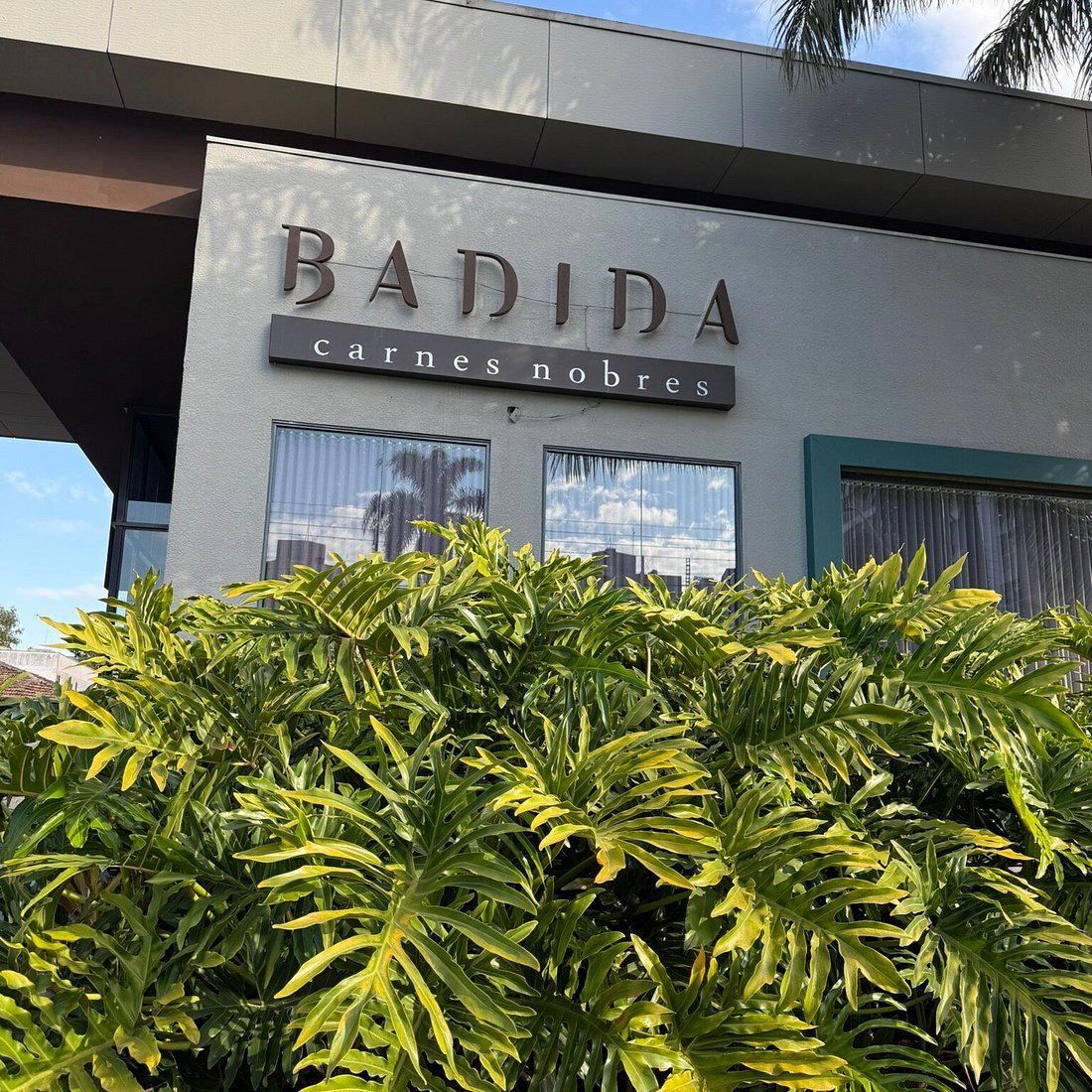
Poco Tapas sits on Avenida Vicente Machado 2855 in Batel, an address that places it inside the neighbourhood's most active dining corridor. Nearby, restaurants like Barolo Curitiba and Batel Grill anchor the area's reputation for mid-to-upper-format dining, while Badida Sete represents a more casual end of the same strip. The competitive set matters: Poco Tapas operates in a neighbourhood where the benchmark for execution is set by kitchens working at a genuinely high standard.
The Room and What It Signals
In small-plates formats, physical space is not incidental to the dining experience, it is part of the editorial statement. The tapas model works well when the room creates conditions for grazing rather than ceremonial dining: lower lighting that encourages conversation, tables spaced for sharing multiple plates, a bar or open kitchen that keeps energy circulating. Batel's better small-format restaurants have understood this, and the neighbourhood now has a cluster of venues where the physical environment reinforces rather than contradicts the menu's logic.
At Poco Tapas, the Batel address suggests a clientele familiar with the format and willing to engage with wine pairing as part of the meal rather than an afterthought. This matters for how the front-of-house team structures the experience. In tapas-format restaurants that work well, the floor staff function as active navigators of the meal's progression, recommending plate sequencing, managing the rhythm between kitchen output and table readiness, and connecting the wine list to each arriving dish. That collaboration between kitchen and floor is where small-plates formats succeed or collapse, and it is where the meaningful differentiation between Batel's tapas-adjacent venues tends to emerge.
Kitchen, Floor, and the Collaboration That Counts
The editorial angle on any serious tapas operation is less about individual dishes and more about the system behind them. Brazilian fine dining has moved toward a model, visible at Lasai in Rio de Janeiro, where kitchen, sommelier, and front-of-house function as an integrated team rather than separate departments. In smaller, format-specific restaurants like Poco Tapas, that integration becomes even more visible because the plate count is higher, the pacing is faster, and the margin for miscommunication between kitchen output and floor service is narrower.
When this collaboration works, the result is a meal that feels coherent across its arc: plates arrive in a sequence that builds in intensity, the wine list tracks the progression intelligently, and the staff read the table well enough to adjust without disrupting. When it does not, tapas formats fracture into a series of disconnected small dishes with no cumulative logic. The distinction between those two outcomes is almost entirely a function of team cohesion rather than ingredient quality or kitchen technique alone.
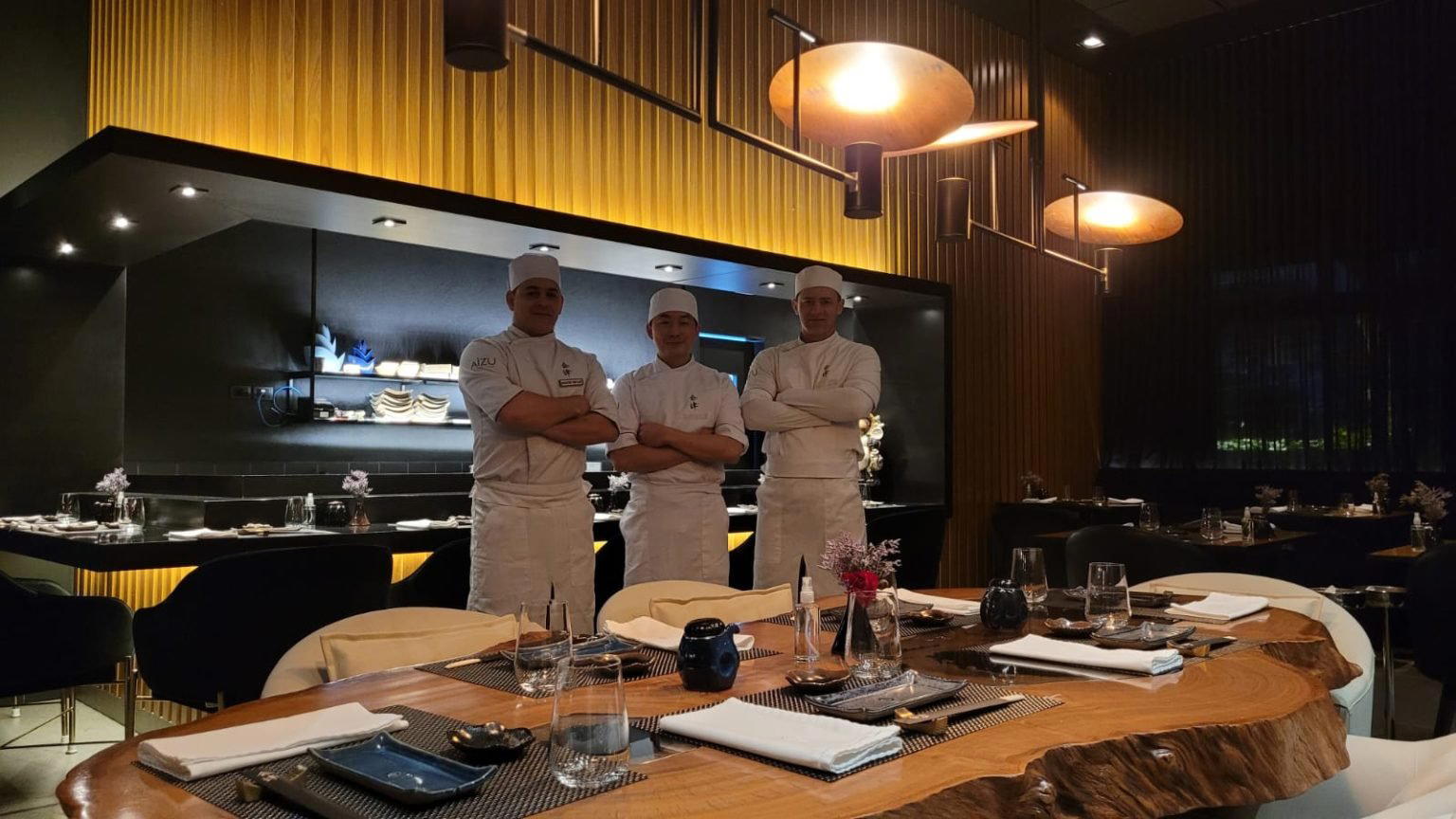
Curitiba has produced restaurants where that cohesion is demonstrably present. Aizu represents a version of this in its own format category, and Calabouço Restaurante e Pizzaria shows how neighbourhood-scale restaurants in the city can maintain consistent standards over time. Poco Tapas operates in that same ecosystem, where the baseline expectations of a Batel dining room are higher than in most Brazilian cities of comparable size.
Where Poco Tapas Sits in a Wider Brazilian Context
Brazil's restaurant scene outside its two major cities is underappreciated in international coverage. Curitiba in particular has a dining culture that rewards attention: the city's income levels, European heritage, and proximity to the wine-producing states of Rio Grande do Sul have produced a drinking culture more attuned to pairing than anywhere else in Brazil outside São Paulo. For context on the range of the country's dining geography, venues like Bistro Fitz Carraldo in Manaus, Cantina Pozzobon in Santa Maria, and Casa da Flor Restaurante in Dourados illustrate how different regional contexts shape what a serious restaurant looks like. Curitiba's version tends toward precision and restraint rather than exuberance.
For international visitors comparing Brazilian dining to reference points in New York, Le Bernardin or Atomix, for instance, the Batel corridor offers something different in register but not necessarily in seriousness. The price-to-ambition ratio in Curitiba still favours the diner in a way that comparable neighbourhoods in New York or São Paulo do not. See our full Curitiba restaurants guide for a broader map of the city's dining options by neighbourhood and format.
Planning a Visit
Poco Tapas is located at Avenida Vicente Machado 2855 in the Batel neighbourhood, a central Curitiba address accessible by taxi or rideshare from most hotels in the city centre. Given Batel's dining density, weekend evenings book faster than weekday slots across most restaurants in the corridor; arriving with a reservation rather than walking in is the more reliable strategy. For further reference on other venues in different Brazilian cities, Aero Burguer e Grill in Santa Cruz Do Sul, Arte e Café Imperial in Angra Dos Reis, Casa da Dika in Bragança, Famosa Pizza in Ribeirão Preto, and Casa da Picanha Penedo in Itatiaia offer context on how the country's dining formats distribute across different regions and price points.
Frequently asked questions
What part of town is Poco Tapas in?
Poco Tapas is located at Av. Vicente Machado, 2855 - Batel, Curitiba - PR, 80440-020, Brazil, Curitiba.
Is Poco Tapas a good option for a group dinner in Curitiba?
The small-plates format at Poco Tapas, located at Av. Vicente Machado 2855 in Batel, is structurally suited to group dining — shared ordering across multiple rounds is how tapas-format restaurants in this category function best. Curitiba's Batel district has a concentration of this type of venue, but Poco Tapas sits on one of the neighbourhood's primary dining addresses. Groups should check the venue's official channels to confirm table configuration and whether a minimum spend applies.
What should I eat at Poco Tapas?
Confirmed menu details for Poco Tapas are not currently available. In tapas-format restaurants at this level in Batel, the standard approach is to order across several rounds rather than treating dishes as fixed courses — the format rewards sharing. Ask floor staff for the kitchen's current priorities on arrival, as Curitiba's small-plates scene tends to rotate offerings around seasonal southern Brazilian produce.
What's the best way to book Poco Tapas?
For Batel district restaurants at this address tier, the most reliable booking method is to visit in person or contact via Google Maps, which often carries direct contact links for Curitiba venues. Reservations are advisable for weekend evenings in Batel, where foot traffic in the mid-to-upper dining bracket runs consistently high.
What's Poco Tapas best at?
Poco Tapas operates in the small-plates format where kitchen-to-floor coordination is the defining variable — the quality of service pacing matters as much as the cooking itself. Its address on Avenida Vicente Machado in Batel places it within Curitiba's most wine-literate dining corridor, suggesting wine pairing is a reasonable expectation alongside the tapas menu. That combination of format and location is what distinguishes this type of operation from casual bar-snack venues elsewhere in the city.
Cost Snapshot
Comparable venues nearby, for context on price, style, and recognition.
| Venue | Cuisine | Price | Notes |
|---|---|---|---|
| Poco TapasThis venue — the venue you are viewing | Molecular Spanish Tapas | $30–50 | Not listed |
| Porcini Trattoria | Tuscan Trattoria | $30–50 | Batel, Tuscan Trattoria |
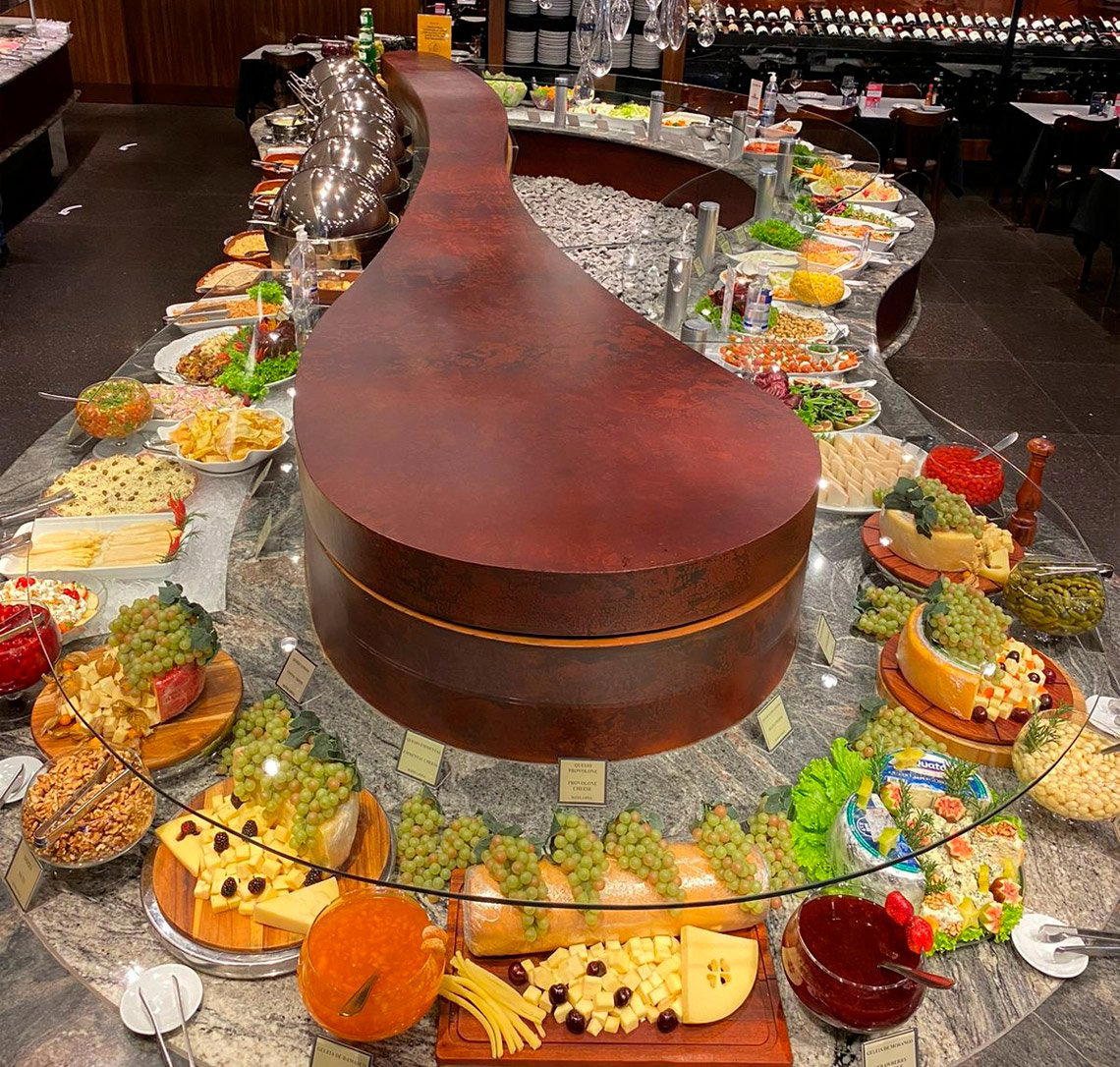
| Churrascaria Jardins Grill | Brazilian Churrascaria Rodízio with Japanese Influences | $30–50 | Rebouças, Brazilian Churrascaria Rodízio with Japanese Influences |
| Batel Grill | Brazilian Churrascaria with Japanese Buffet | $20–30 | Batel, Brazilian Churrascaria with Japanese Buffet |
| Badida Sete | Brazilian Steakhouse | $20–30 | Batel, Brazilian Steakhouse |
| Taisho Yakiniku Água Verde | Japanese Yakiniku | $30–50 | Água Verde, Japanese Yakiniku (Table-Top BBQ) |
Continue exploring
More in Curitiba
Details
- Intimate
- Cozy
- Sophisticated
- Elegant
- Date Night
- Special Occasion
- Group Dining
- Open Kitchen
- Tasting Menu
- Small Plates
- Vegetarian Friendly
- Gluten Free Options
Current opening hours
- Monday
- 7–11 PM
- Tuesday
- 7–11 PM
- Wednesday
- 7–11 PM
- Thursday
- 7–11 PM
- Friday
- 7–11 PM
- Saturday
- 7–11 PM
- Sunday
- Closed
Hours can change for holidays and private events. Last verified .
Cozy with lower, intimate lighting and a warm, sophisticated atmosphere.