
Odre is a Michelin Bib Gourmand-recognised Korean set-menu restaurant on 199 2nd Ave in the East Village, operated by Hand Hospitality. Chef Koebi Nett delivers a compact, precisely portioned menu of Korean-inflected dishes at mid-range prices, making it one of the more accessible serious Korean tables in Manhattan.
Pearl is the En Primeur Club membership app — saves, bookings, and concierge access live there. Same editors, same standards.
- Address
- 199 2nd Ave, New York, NY 10003
- Phone
- (646) 484-6950
- Website
- odrenyc.com
- Directions
- Get directions
 Saves & bookings on Pearl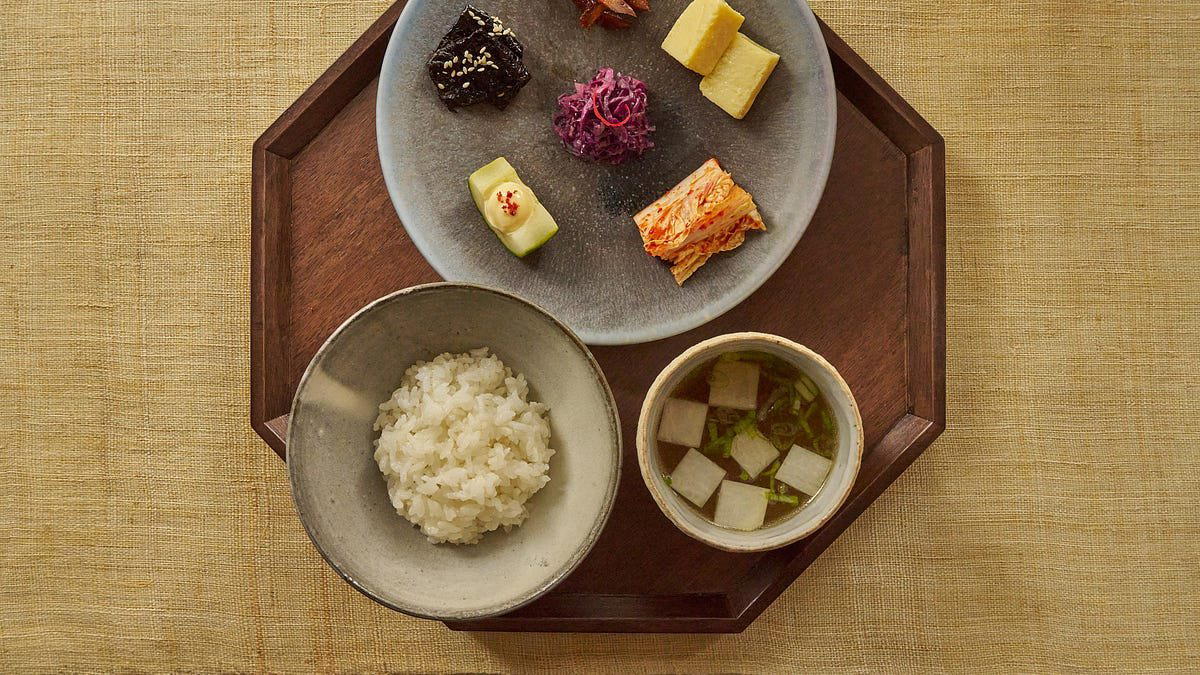
Korean Set-Menu Dining in the East Village
New York's Korean dining scene has stratified sharply over the past decade. At one end sit tasting-menu operations like Atomix ($$$$ omakase, routinely placed on global 50 Best lists), and at the other, the informal neighbourhood spots that built Koreatown's original reputation. Between those poles, a smaller cohort of mid-price, set-menu restaurants has emerged, drawing on classical Korean foundations while applying the kind of care normally reserved for rooms charging twice as much. Odre, a Modern Korean Prix-Fixe restaurant at 199 2nd Ave in New York's East Village, is priced at about $42 per person and delivers composed, ingredient-led Korean cooking.
The Bib Gourmand designation matters here as context rather than ceiling. Michelin awards it to restaurants offering quality cooking at moderate cost, and in New York, where Korean fine dining has produced some of the city's most decorated rooms, the Bib category is where Hand Hospitality has carved its identity: consistent, considered, and accessible without being casual. For readers building a fuller picture of the New York Korean scene, Jua, bōm, and Meju each represent different positions in that broader spread.
The Format and What It Signals
Set menus at this price range in New York tend to fall into two categories: the fixed prix-fixe that functions primarily as a pacing device, and the genuinely composed tasting format where portion size, sequencing, and ingredient relationships are worked through with deliberate intent. Odre operates in the second category. The menu runs through a series of refined Korean preparations, with dishes like asparagus and lobster in a chilled pine nut sauce and snow crab wrapped in thin daikon and set in warm crab broth showing the kind of temperature and textural contrast that takes kitchen planning rather than improvisation.
Notably, all main courses arrive with banchan alongside a bowl of rice and soup, both kept warm in three cauldrons at the bar. That decision, maintaining the communal and functional logic of a Korean meal within a structured tasting format, is the clearest signal of what Odre is doing editorially. It refuses the tendency of some ambitious Korean restaurants to strip away the traditional service grammar in order to read as more broadly contemporary. The Korean dining rituals remain intact, even as the plating and sourcing move toward refinement.
Dessert sits outside the set menu as an optional addition. The misugaru ice cream with rice caramel and cookie crumble is the kind of course that earns its listing: misugaru, a roasted grain powder common in Korean cooking, translates into ice cream with a malt depth that distinguishes it from the neutral sweet finales that often close tasting menus. Ordering it is the obvious move.
Drink Pairing at This Price Tier
Odre's wine list is best read as a supporting part of the meal rather than the focus. What can be said with confidence is contextual. Korean cuisine's flavour architecture, built around fermented elements, umami-rich bases, and dishes that move between warm and cold, presents a specific pairing challenge for wine programs. The formats that tend to work, natural wines with enough texture to hold against gochujang-adjacent intensity, aged white Burgundy against pine nut cream sauces, or low-intervention pet-nats as palate resets between courses, are choices that a kitchen this deliberate about its format has considered in its beverage program.
At the $$ price range, the expectation is a focused list rather than a deep cellar. That is not a limitation so much as a calibration: the room seats a small number of diners in a narrow, minimalist space, and a concise, well-chosen selection suits the format better than a long list that demands a sommelier consultation for every table. At Odre, the food carries the evening.
Hand Hospitality and the Group Context
Odre is one of several New York operations under the Hand Hospitality umbrella, a group that has built a track record in Korean dining across multiple formats and neighbourhoods. That group context matters because it explains the kitchen's consistency: these are not first-generation restaurant operators working out concepts in real time. The execution at Odre benefits from institutional knowledge about pacing, portioning, and ingredient sourcing that a standalone debut rarely has from the outset. Chef Koebi Nett leads the kitchen, and the menu reflects a point of view that is specific enough to hold across seasons.
Odre sits at the more accessible end of that conversation.
The Room and the East Village Setting
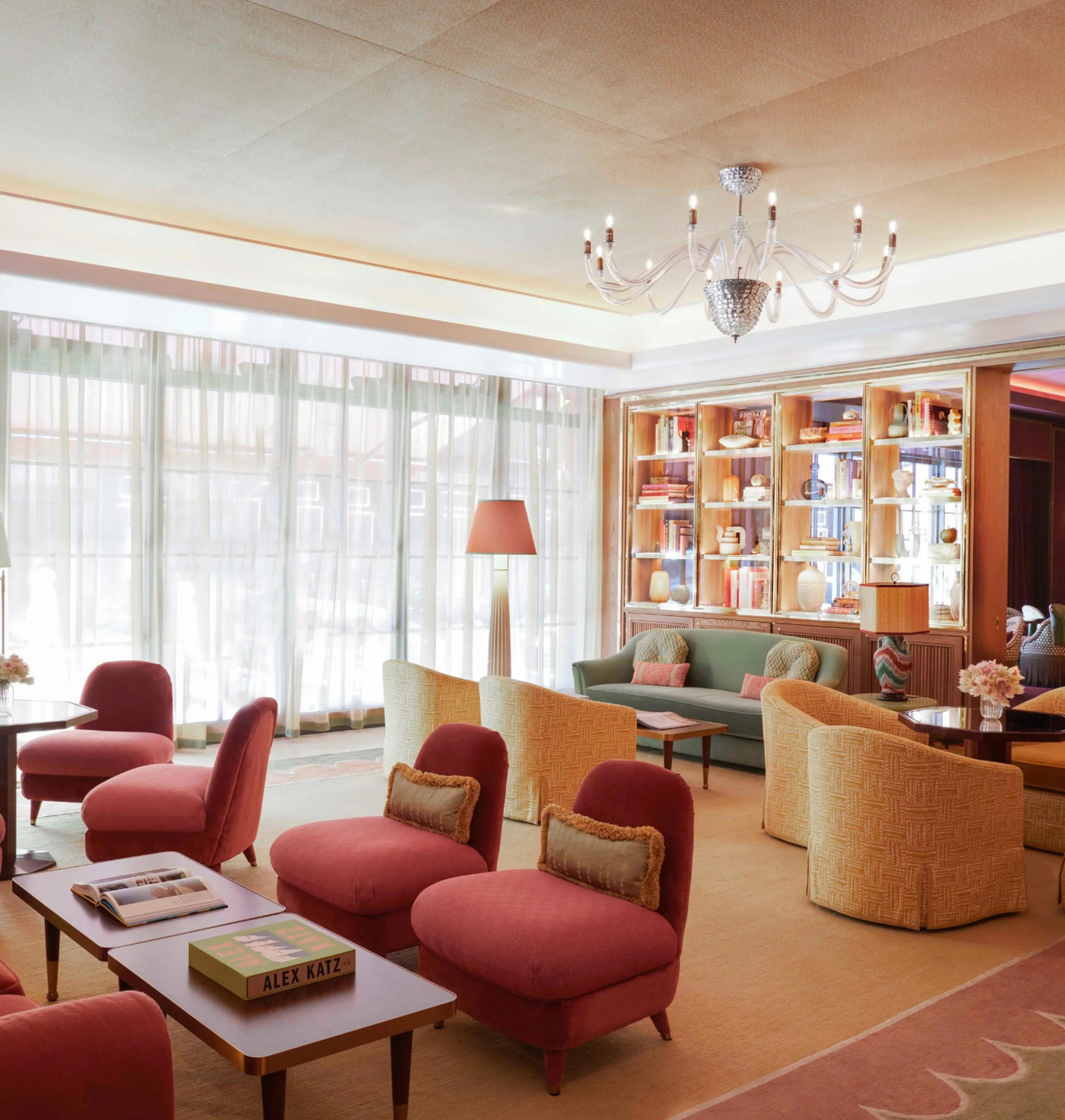
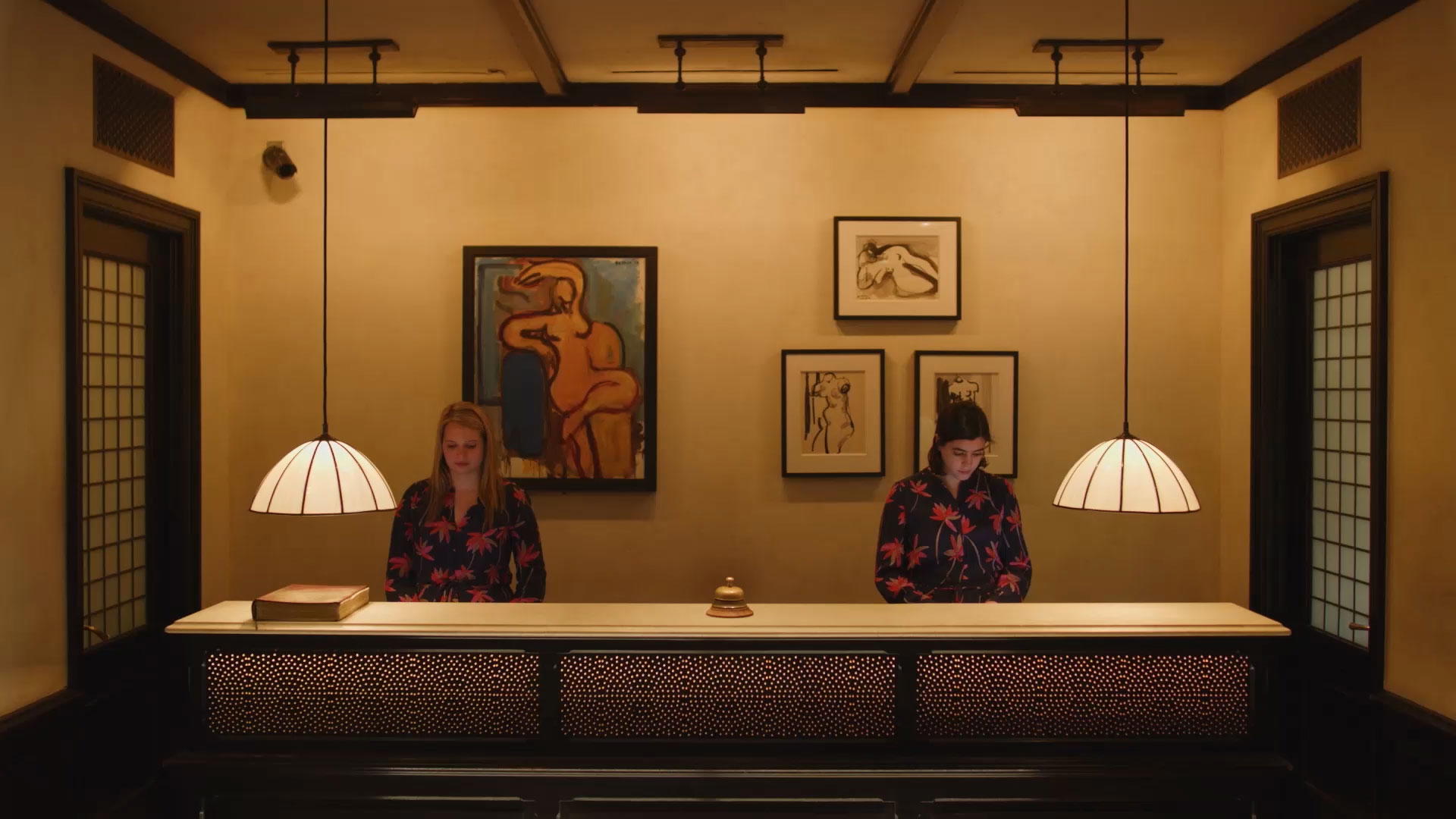
The East Village has long functioned as one of Manhattan's more permeable dining neighbourhoods, where high-ambition kitchens operate alongside legacy cheap-eat institutions without either category feeling out of place. Second Avenue sits at the edge of that mix: accessible from multiple subway lines, at a remove from the tourist density of Midtown, and with a local dining population that skews toward regulars who know what they are looking for rather than visitors working from a broad list. The dining room itself is narrow and minimalist, which places it in a category of New York restaurant where the physical constraints become an asset: focused seating, limited ambient noise, and a kitchen-to-table proximity that reinforces the set-menu format.
For American fine dining comparisons at a different price tier, Alinea in Chicago, The French Laundry in Napa, Providence in Los Angeles, and Emeril's in New Orleans each anchor a different regional expression of the American tasting-menu tradition.
Know Before You Go
- Address: 199 2nd Ave, New York, NY 10003
- Cuisine: Korean set menu
- Chef: Koebi Nett
- Price range: $$ (mid-range)
- Awards: Michelin Bib Gourmand (2024) 5 from 164 reviews
- Format: Set menu with optional dessert add-on
- Group: Hand Hospitality
- Booking: Reservations recommended; hours are Mon to Thu 5:30 to 10 PM, Fri and Sat 5 to 10:30 PM, and Sun 5 to 10 PM
Booking and Cost Snapshot
Comparable venues nearby, for context on price, style, and recognition.
| Venue | Cuisine | Price | Awards | Notes |
|---|---|---|---|---|
| OdreThis venue — the venue you are viewing | East Village, Modern Korean Prix-Fixe | $$ | Bib Gourmand | Not listed |
| 8282 | Not listed | $$ | Bib Gourmand | Lower East Side, Modern Korean Anju & Banju |
| C as in Charlie | Not listed | $$ | Bib Gourmand | Greenwich Village, Korean-Southern Fusion Small Plates |
| Cho Dang Gol | Not listed | $$ | Bib Gourmand | Midtown-Times Square, Authentic Korean Tofu House |
| Little Alley | Not listed | $$ | Bib Gourmand | Murray Hill-Kips Bay, Authentic Shanghainese |
| Cardamom | Sunnyside, Goan Indian Cuisine | $$ | Bib Gourmand | Not listed |
Recognition history
Dated appearances from independent guides and award organizations, with the underlying list record or original source where available.
Michelin Bib Gourmand
Michelin
Michelin Bib Gourmand
Michelin
Continue exploring
More in New York City
Restaurants in New York City
Browse all →
Bars in New York City
Browse all →
Hotels in New York City
Browse all →





At a Glance
- Modern
- Minimalist
- Date Night
- Casual Hangout
- Open Kitchen
- Craft Cocktails
Current opening hours
- Monday
- 5:30–10 PM
- Tuesday
- 5:30–10 PM
- Wednesday
- 5:30–10 PM
- Thursday
- 5:30–10 PM
- Friday
- 5–10:30 PM
- Saturday
- 5–10:30 PM
- Sunday
- 5–10 PM
Hours can change for holidays and private events. Last verified .
Minimalist dining room with cement walls, grayscale paintings, and a no-frills modern Korean aesthetic.