C as in Charlie


A Michelin Bib Gourmand recipient on Bleecker Street, C as in Charlie merges Southern American and Korean flavors in a compact, high-energy format. Chef Eric JaeHo Choi's tapas-style menu runs around ten dishes, priced accessibly at $$, a rare combination of award-level cooking and everyday affordability in Lower Manhattan.
Pearl is the En Primeur Club membership app — saves, bookings, and concierge access live there. Same editors, same standards.
- Address
- 5 Bleecker St, New York, NY 10012
- Phone
- +1 929-405-2205
- Website
- c-asincharlie.com
- Directions
- Get directions
 Saves & bookings on Pearl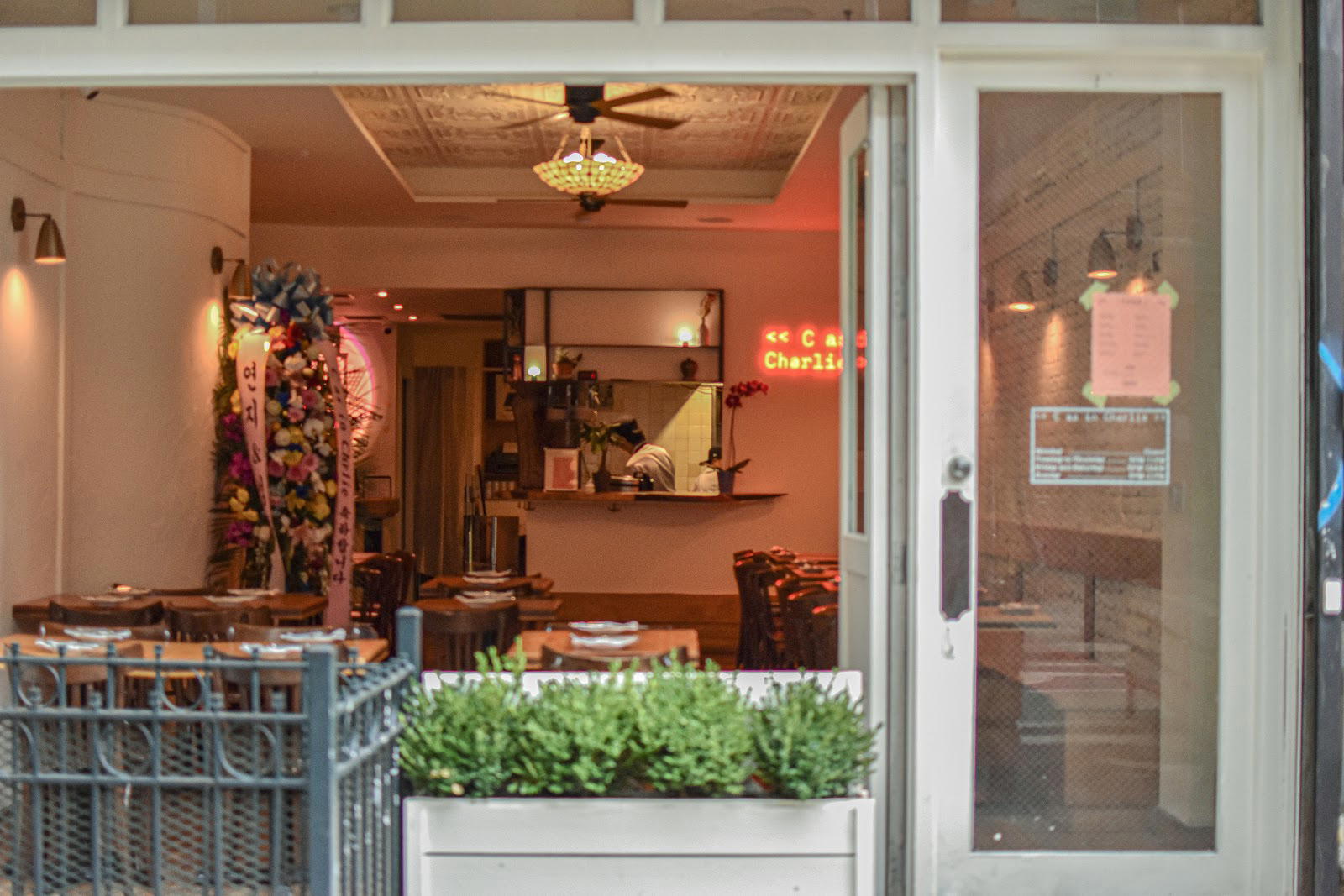
Where Two Pantries Meet on Bleecker Street
C as in Charlie is a Korean-Southern Fusion Small Plates restaurant at 5 Bleecker St, New York, NY 10012. The space at No. 5 is small enough that the sound of conversation from the next table is unavoidable, and the kitchen is close enough that the kitchen's rhythm becomes part of the meal's pacing. New York has plenty of small rooms with big ambitions, but the format here is doing something more specific than most: it is asking what happens when Southern American pantry logic and Korean flavor architecture occupy the same plate at the same time.
That question sits at the center of a broader shift in the city's mid-tier dining scene. Over the past decade, interesting creative cooking in New York has migrated away from the $$$$ tasting-counter format, where places like Atomix and Masa operate at the upper boundary of formal ambition, and toward accessible, high-turnover small-plates rooms where cross-cultural cooking can move faster and take more risks. C as in Charlie sits firmly in that second tier, and the Michelin Bib Gourmand awarded in 2024 is the guide's formal acknowledgment that value and seriousness are not mutually exclusive.
The Ingredient Logic Behind the Menu
The menu's coherence depends on it. Southern American cooking is built on a specific grammar of fermentation, smoke, braising, and fat, deeply ingredient-driven traditions where the quality and preparation of a single component (the grits, the glaze, the cut of rib) determines everything. Korean cooking shares that commitment to process and depth, with galbi marinades, fermented pastes, and slow-cooked proteins doing similar structural work. When Chef Eric JaeHo Choi places galbi jus alongside gruyere grits in a dish called Seoul'sbury steak, the dish is not a novelty act. It is a demonstration that two ingredient-driven traditions can share a plate without either one yielding.
That sourcing logic extends across the compact menu, which runs around ten dishes in a tapas-style format. Shrimp toast rolls draw on both East Asian street-food technique and Southern coastal tradition. Banana pudding with misugaru and meringue borrows a dessert format that carries enormous cultural weight in the American South and introduces the Korean roasted-grain powder that functions in a similar comfort register. Baby back ribs finished with harissa glaze and plum coulis bring a third culinary tradition into the conversation, adding North African spice work to the mix without making the dish feel crowded. The ingredients are doing the cultural reasoning; the cook is providing the edit.
This kind of ingredient-level fusion is more demanding than concept-level fusion. A restaurant can claim Korean-Southern identity without the cooking having to prove it dish by dish. What distinguishes a place like this from theme-driven crossover menus is that the components themselves justify the pairing, rather than the branding doing the work. A similar discipline operates at Shalom Japan in Brooklyn, where Jewish and Japanese ingredient logic meets at the level of technique and product rather than at the level of marketing language.
The Format and the Room
The physical scale of the room shapes the cooking. A small table count creates a specific kind of accountability: there is nowhere to hide behind spectacle or ceremony. The warm staff presence noted by reviewers across 748 Google responses averaging 4.8 out of 5 reflects a deliberate service posture that suits the format. In a small space, the staff either make the room feel generous or the tightness becomes uncomfortable. Here, the former is clearly the operating principle.
The tapas-style structure means the menu moves at the diner's pace rather than the kitchen's. Around ten dishes across a shared table rewards a certain kind of eating: curious, un-precious, and willing to work through the full card rather than anchoring to a single main. That approach aligns with how the mid-market creative dining scene has evolved in cities like New York, where the prix-fixe as a format has bifurcated sharply between the multi-course monument experience, as delivered by Eleven Madison Park or Le Bernardin, and the looser, share-everything small-plates room where the diner assembles their own sequence.
For comparison within the fusion category internationally, the structural ambition here is not unlike what Ajonegro in Logroño or Arkestra in Istanbul are doing in their respective contexts: anchoring cross-cultural cooking in a specific, disciplined ingredient logic rather than in a trend-driven framework.
Where It Sits in the New York Picture
The Bib Gourmand designation places C as in Charlie in a specific tier: Michelin-recognized, priced at $$, and operating outside the formal dining register that defines the city's most prominent Korean-inflected rooms. The comparison table below maps the logistics against a relevant comparable set.
| Venue | Cuisine | Price | Michelin Recognition | Google Rating |
|---|---|---|---|---|
| The restaurant | Fusion (Korean-Southern) | $$ | Bib Gourmand 2024 | 4.8 (748) |
| Atomix | Modern Korean | $$$$ | 2 Stars | , |
| Shalom Japan | Japanese-Jewish Fusion | $$$ | , | , |
| Le Bernardin | French Seafood | $$$$ | 3 Stars | , |
The price-to-recognition ratio at the restaurant is among the more favorable in the city's current Bib Gourmand cohort. For a diner benchmarking against the $$$$ tier represented by Masa or Eleven Madison Park, the spend here is a fraction of the outlay for a meal that Michelin has formally flagged as worth attention. The Bib Gourmand exists precisely to name this gap.
Across the US, mid-market creative cooking with serious cultural grounding has produced strong rooms in other cities too: Lazy Bear in San Francisco, Alinea in Chicago, Emeril's in New Orleans, Single Thread in Healdsburg, The French Laundry in Napa, and Providence in Los Angeles all represent the range of what serious intent looks like at varying price points. The restaurant operates at the accessible end of that national conversation.
Planning Your Visit
The venue is located at 5 Bleecker St, New York, NY 10012, placing it at the edge of NoHo. Given the small room size, booking ahead is advisable. The dress code is smart casual.
Budget and Context
Comparable venues nearby, for context on price, style, and recognition.
| Venue | Cuisine | Price | Awards | Notes |
|---|---|---|---|---|
| C as in CharlieThis venue — the venue you are viewing | Fusion | $$ | Bib Gourmand | Not listed |
| Odre | East Village, Modern Korean Prix-Fixe | $$ | Bib Gourmand | Not listed |
| MáLà Project | East Village, Sichuan Dry Pot | $$ | Bib Gourmand | Not listed |
| Gahm Mi Oak | Not listed | $$ | Not listed | Midtown South-Flatiron-Union Square, Authentic Korean Seolleongtang Specialist |
| 8282 | Not listed | $$ | Bib Gourmand | Lower East Side, Modern Korean Anju & Banju |
| Caleta 111 Cevicheria | Richmond Hill, Peruvian Cevicheria | $$ | Bib Gourmand | Not listed |
Recognition history
Dated appearances from independent guides and award organizations, with the underlying list record or original source where available.
Opinionated About Dining Casual in North America Recommended
Opinionated About Dining
Michelin Bib Gourmand
Michelin
Michelin Bib Gourmand
Michelin
Continue exploring
More in New York City
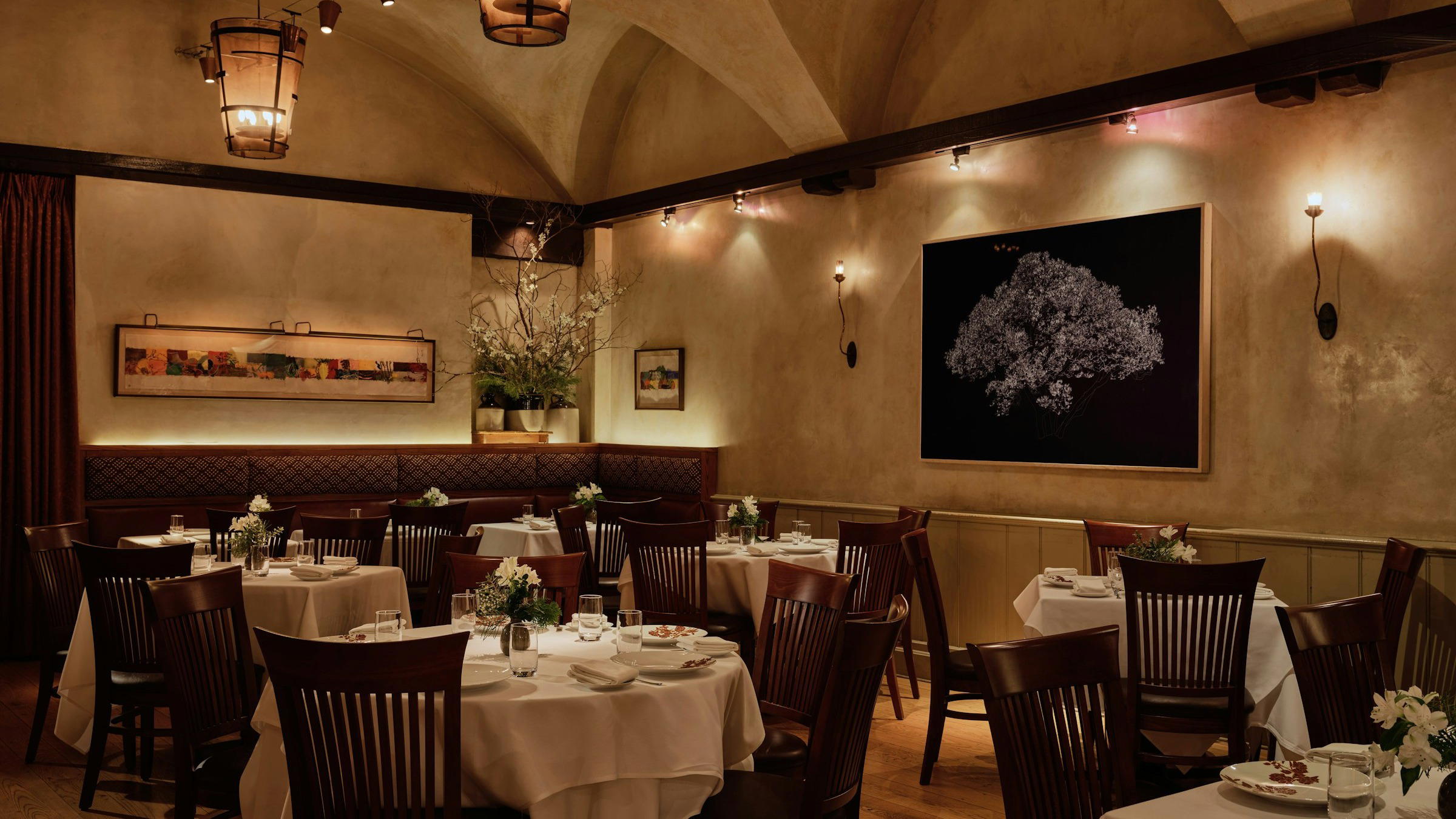
Restaurants in New York City
Browse all →

Bars in New York City
Browse all →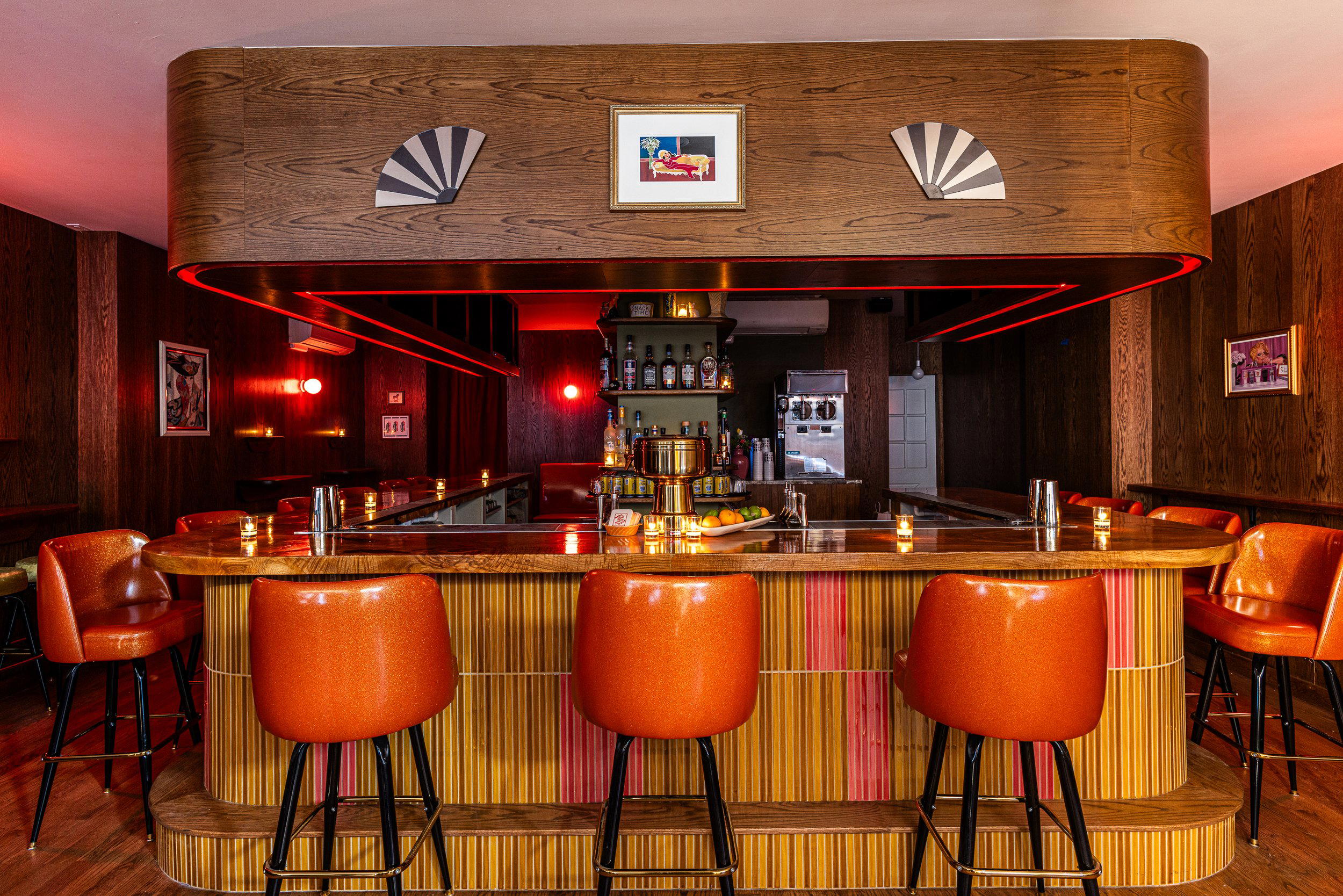
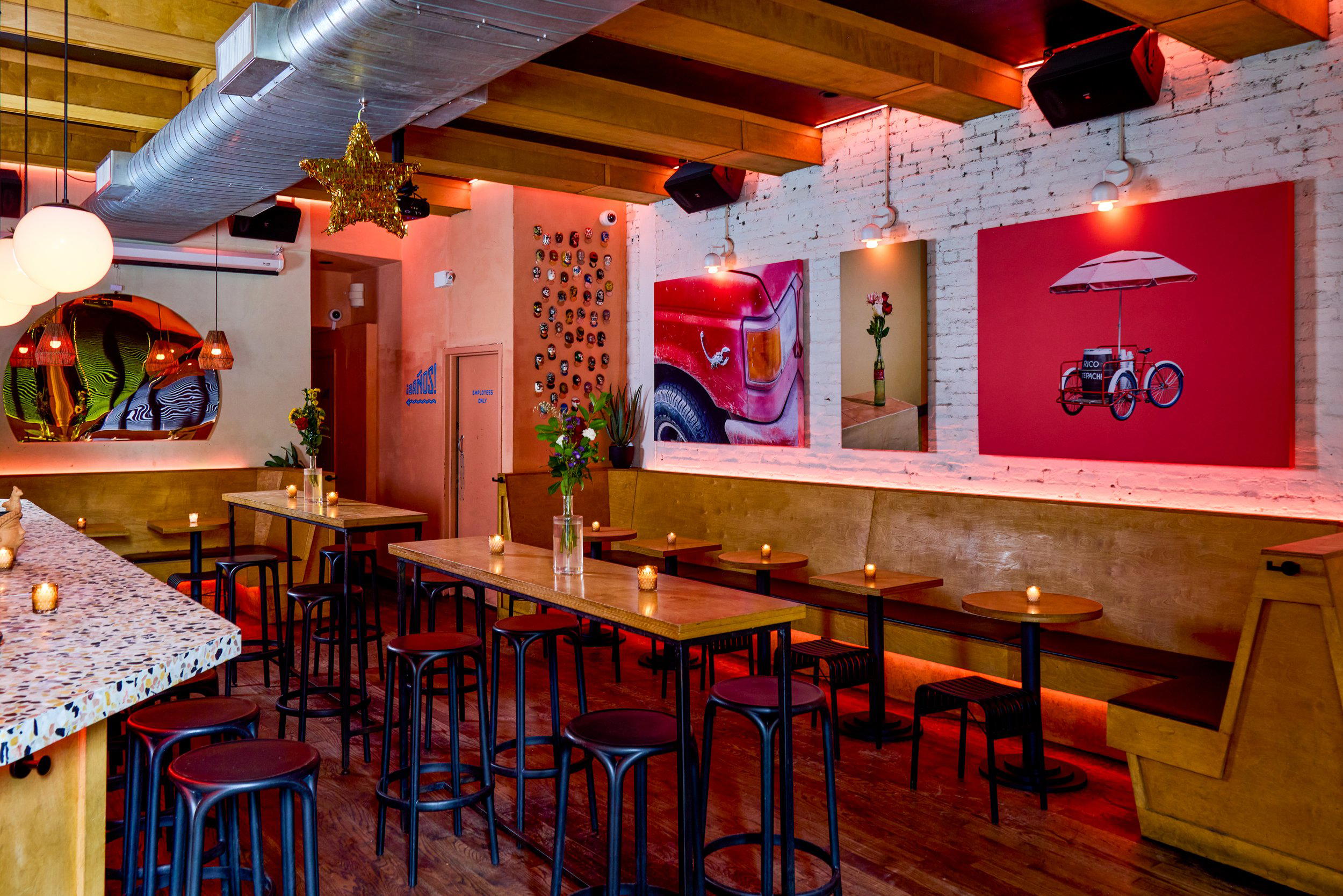
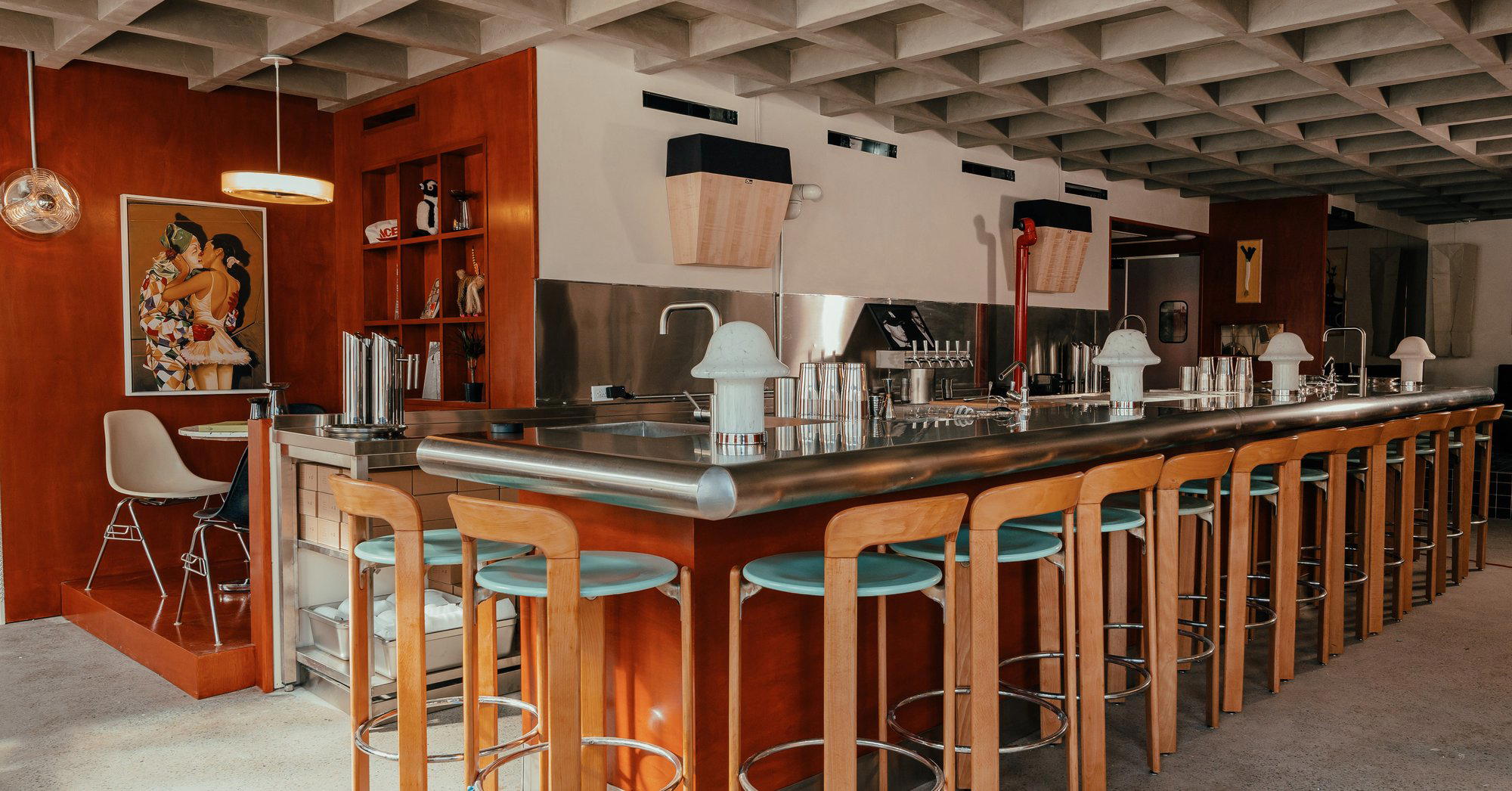

Hotels in New York City
Browse all →






At a Glance
- Intimate
- Lively
- Trendy
- Cozy
- Date Night
- Casual Hangout
- Late Night
- Open Kitchen
- Craft Cocktails
- Sake Program
Current opening hours
- Monday
- 6–10:30 PM
- Tuesday
- 6–10:30 PM
- Wednesday
- 6–10:30 PM
- Thursday
- 6–11:30 PM
- Friday
- 5–11:30 PM
- Saturday
- 5–11:30 PM
- Sunday
- 5–10:30 PM
Hours can change for holidays and private events. Last verified .
Intimate space lit by red neon sign with boisterous, lively atmosphere and close tables fostering a hospitable, fun vibe.