
La Scene Ronde holds a Michelin Plate for 2024 and 2025, placing it among Shanghai's recognised innovative dining addresses on Huangpi South Road in Huangpu. The format follows a multi-course progression built around contemporary technique, positioning it in the same serious-dining tier as the city's more decorated tasting-menu counters. Guests seeking a structured meal at the upper end of the Shanghai price range will find it a credible option within that cohort.
Pearl is the En Primeur Club membership app — saves, bookings, and concierge access live there. Same editors, same standards.
- Address
- China, L207 Huangpu, 838, Huangpi Rd (S), 838号CN 上海市2层 邮政编码: 200020
- Phone
- +86 21 5309 9977
- Directions
- Get directions
 Saves & bookings on Pearl
Huangpu's dining corridor along Huangpi South Road has, over the past decade, accumulated a concentration of serious tasting-menu restaurants that read less like a neighbourhood cluster and more like a curated shortlist. The addresses here tend to occupy upper floors or interior spaces, positions that demand a diner arrive with intention rather than impulse. La Scene Ronde, on the second floor of 838 Huangpi South Road, follows that pattern. Before a course is served, the spatial logic of the room communicates something about the meal ahead: this is a place oriented around sequence and deliberation, not casual grazing. La Scene Ronde is a French-Japanese fusion omakase restaurant in Shanghai, priced at about $180 per person.
That physical context matters when assessing the Michelin Plate recognition La Scene Ronde has held consecutively in 2024 and 2025. The Plate designation in Michelin's Shanghai guide signals a kitchen producing food of a standard the inspectors consider worth noting, a tier below the Star categories but meaningfully above the broader restaurant population. In a city where the innovative-cuisine category spans everything from fusion novelty to rigorous technique-driven menus, the Plate provides a reference point. It places La Scene Ronde inside a specific competitive set: restaurants with demonstrable culinary seriousness operating at a ¥¥¥¥ price position.
What the Innovative Format Means Here
The "innovative" classification in Shanghai's fine-dining taxonomy covers a wide range. At its weakest, it describes kitchens that graft international technique onto Chinese ingredients without a coherent logic. At its most considered, it describes menus where the progression of courses builds an argument, about season, about region, about the tension between Chinese culinary memory and contemporary method. The restaurant's classification at the ¥¥¥¥ tier and its sustained Michelin recognition together suggest it operates in the latter register, though
The multi-course format that defines this category in Shanghai is worth understanding on its own terms. A meal structured as a tasting progression asks something different of a diner than an à la carte selection. The kitchen controls the arc: early courses tend toward precision and restraint, establishing a vocabulary; middle courses typically carry the structural weight, where technique and ingredient quality face direct scrutiny; closing savory and sweet sequences resolve or complicate the themes established earlier. How well a kitchen manages that internal logic is often a more revealing test than any single dish. For a restaurant in the innovative category at this price level, the progression itself is the primary critical measure.
Comparable tasting-menu formats in Shanghai's innovative tier include Taian Table, which operates at a similar price position with a modern European-meets-Chinese approach, and Obscura, whose menu draws on Chinese cultural references through a contemporary technical lens. Les Nuages represents the French-influenced end of Shanghai's upper-tier scene, while Fu He Hui (two Michelin Stars, ¥¥¥¥) shows what the vegetarian variant of serious multi-course dining looks like at a higher award level. 102 House anchors the Cantonese end of the same price bracket. The restaurant's position in this set reflects a city dining scene that has, over the past several years, developed enough density in the ¥¥¥¥ tasting-menu tier to sustain genuine comparison shopping rather than a default choice.
Reading the Meal Across Courses
In the innovative-cuisine category at this level, the early courses typically function as calibration: small in volume, high in precision, signalling the kitchen's technical preferences before heavier commitments arrive. A diner paying attention at this stage will usually learn whether the kitchen leans toward clarity and restraint or toward density and accumulation. Both are legitimate approaches, but they produce fundamentally different meal experiences, and a well-structured menu declares its intentions early.
The structural middle of the meal in a format like this tends to be where protein and primary seasonal ingredients arrive. In Shanghai's innovative category, that often means the kitchen is making a decision about how much Chinese culinary grammar to incorporate into what might otherwise be a European tasting architecture. Particularly coherent menus in this tier manage that tension by treating it as compositional rather than as a problem to resolve, courses that feel genuinely integrated rather than hyphenated. The repeat Michelin Plate recognition suggests the restaurant's kitchen has a consistent answer to that question, even if the specific current menu is not verifiable from outside the room.
Dessert progressions at ¥¥¥¥ tasting venues in this region have moved away from simple sweetness toward closer dialogue with the savory courses that precede them. The better kitchens in this category use the closing sequence to return to or reframe flavours introduced earlier, giving the meal a formal coherence that justifies the multi-course commitment. It is at this stage that the difference between a restaurant with genuine menu architecture and one that has assembled individual dishes into a list becomes most apparent.
Shanghai in a Broader Regional Context
Shanghai's innovative fine-dining scene exists in ongoing conversation with comparable formats elsewhere in the region. In the same category, alla prima in Seoul and MAZ in Tokyo both represent how the innovative tasting-menu format is developing across East Asian capitals. Within China, the picture is similarly distributed: Xin Rong Ji in Beijing, Xin Rong Ji in Chengdu, Ru Yuan in Hangzhou, Dai Yuet Heen in Nanjing, Imperial Treasure Fine Chinese Cuisine in Guangzhou, and Chef Tam's Seasons in Macau each represent the serious-dining tier in their respective cities, providing reference points for a traveller calibrating expectations across a Greater China itinerary.
The consistent thread across these venues is that the ¥¥¥¥ tasting-menu category in this part of the world has professionalized rapidly. Kitchens that held Michelin recognition five years ago have generally had to raise their standard to maintain it, because the competitive set has expanded. The restaurant's back-to-back Plate recognition in 2024 and 2025 is therefore not a static credential; it reflects a kitchen that has kept pace with that upward drift.
Know Before You Go
Planning Notes
- Address: 838 Huangpi South Road (S), 2F, Huangpu District, Shanghai 200020
- Price tier: ¥¥¥¥ (upper end of Shanghai's tasting-menu range)
- Recognition: Michelin Plate 2024; Michelin Plate 2025
- Cuisine type: Innovative (multi-course tasting format)
- Booking: Essential reservations are recommended
- Dress code: Smart casual
- Getting there: 838 Huangpi Rd (S), 2F, Huangpu District, Shanghai 200020
- Ibérico ham sushi
- Wagyu beef stock
- Sea urchin cake with mushroom cookies
- Horsemeat tartare with Osetra caviar
- Roast pigeon with red wine jus
- Porcini sorbet with bamboo charcoal ash
The Essentials
Comparable venues nearby, for context on price, style, and recognition.
| Venue | Cuisine | Price | Notes |
|---|---|---|---|
| La Scene RondeThis venue — the venue you are viewing | Innovative | $$$$ | Not listed |
| Les Nuages | Lan Ni Du, Modern Chinese-French Fusion | $$$$ | Not listed |
| Bai Rong | Da Pu Qiao, Modern Shandong Seafood | $$$$ | Not listed |
| Aster | Not listed | $$$$ | Jing'an, Borderless Modern French-leaning Bistro |
| Yong Jiang Zhen | Jing'an, Zhejiang Cuisine | $$$$ | Not listed |
| Nan Xing Yuan | Not listed | $$$$ | Jing'an, Polished Sichuan Banquet Cuisine |
Recognition history
Dated appearances from independent guides and award organizations, with the underlying list record or original source where available.
Michelin Plate
Michelin
Michelin Plate
Michelin
At a Glance
- Elegant
- Sophisticated
- Modern
- Intimate
- Special Occasion
- Celebration
- Date Night
- Open Kitchen
- Chefs Counter
- Sommelier Led
- Local Sourcing
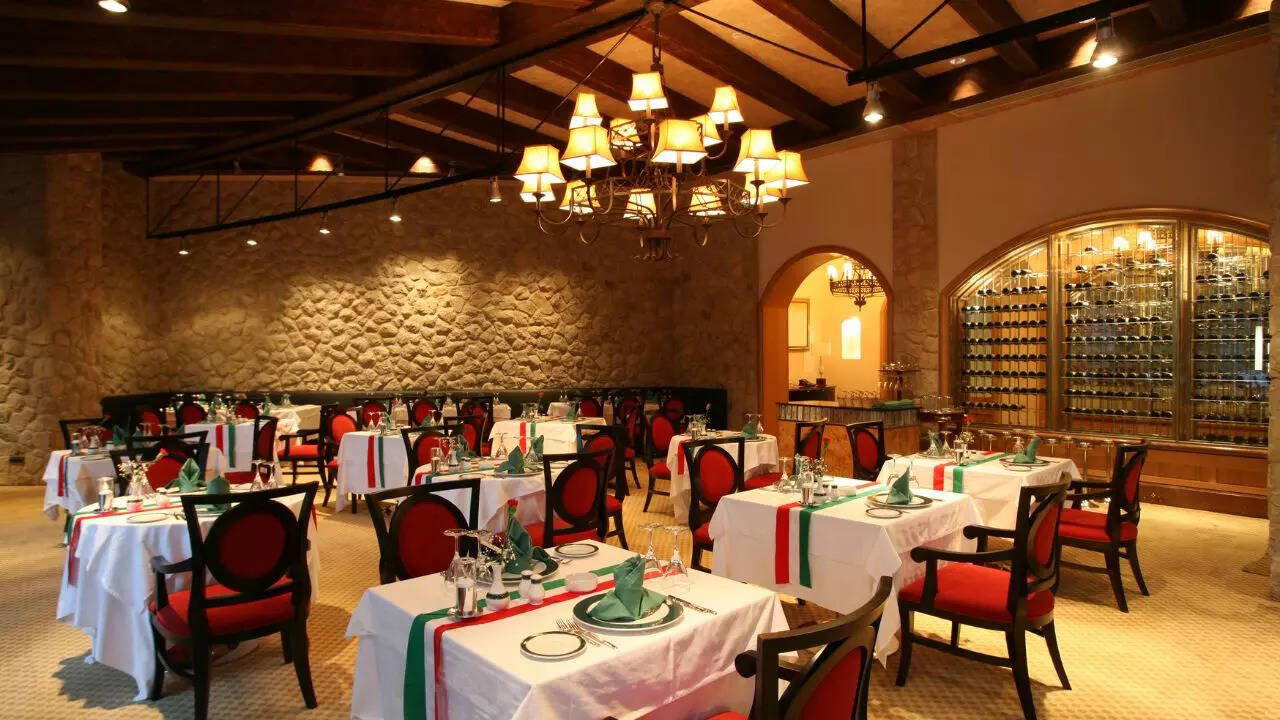
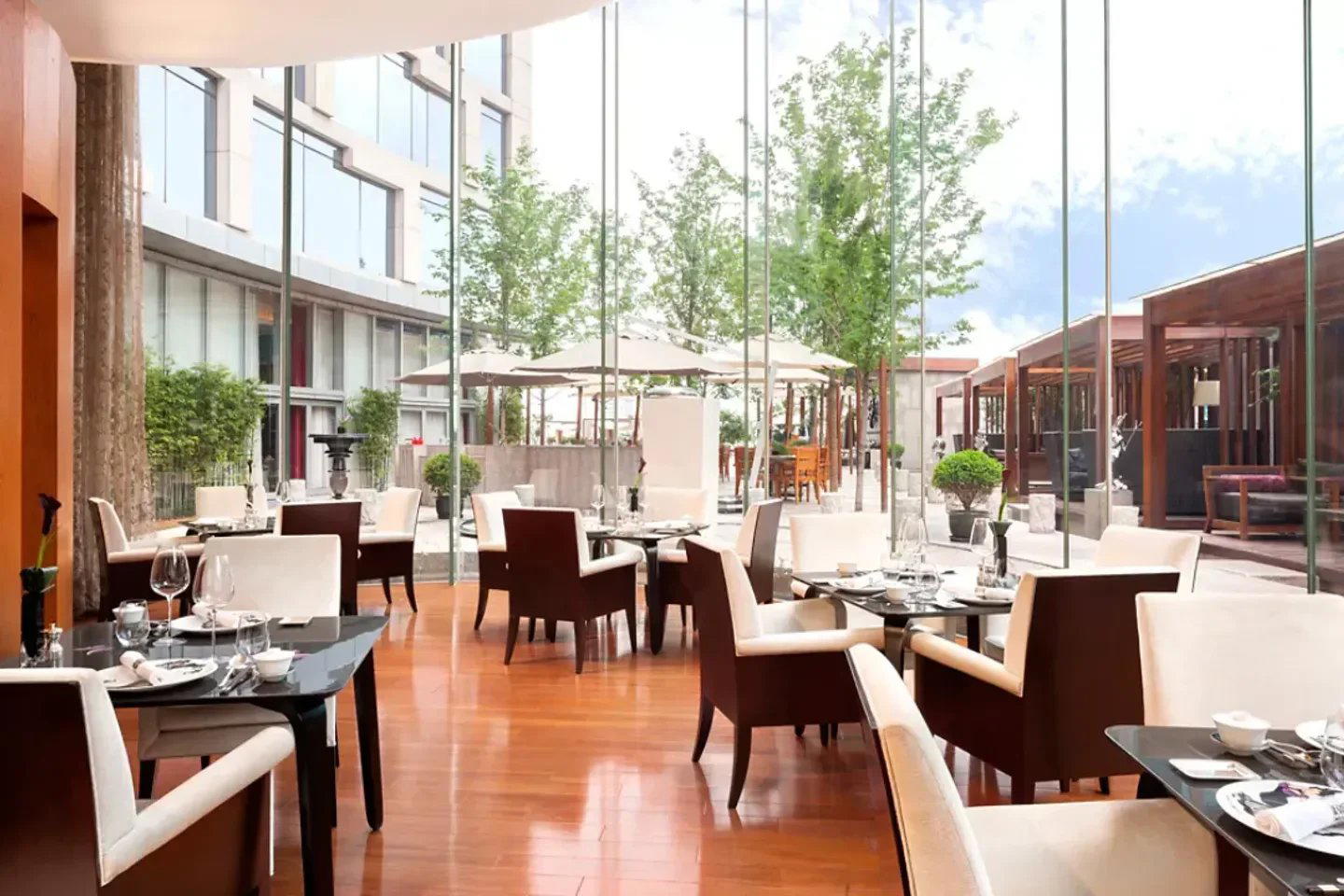
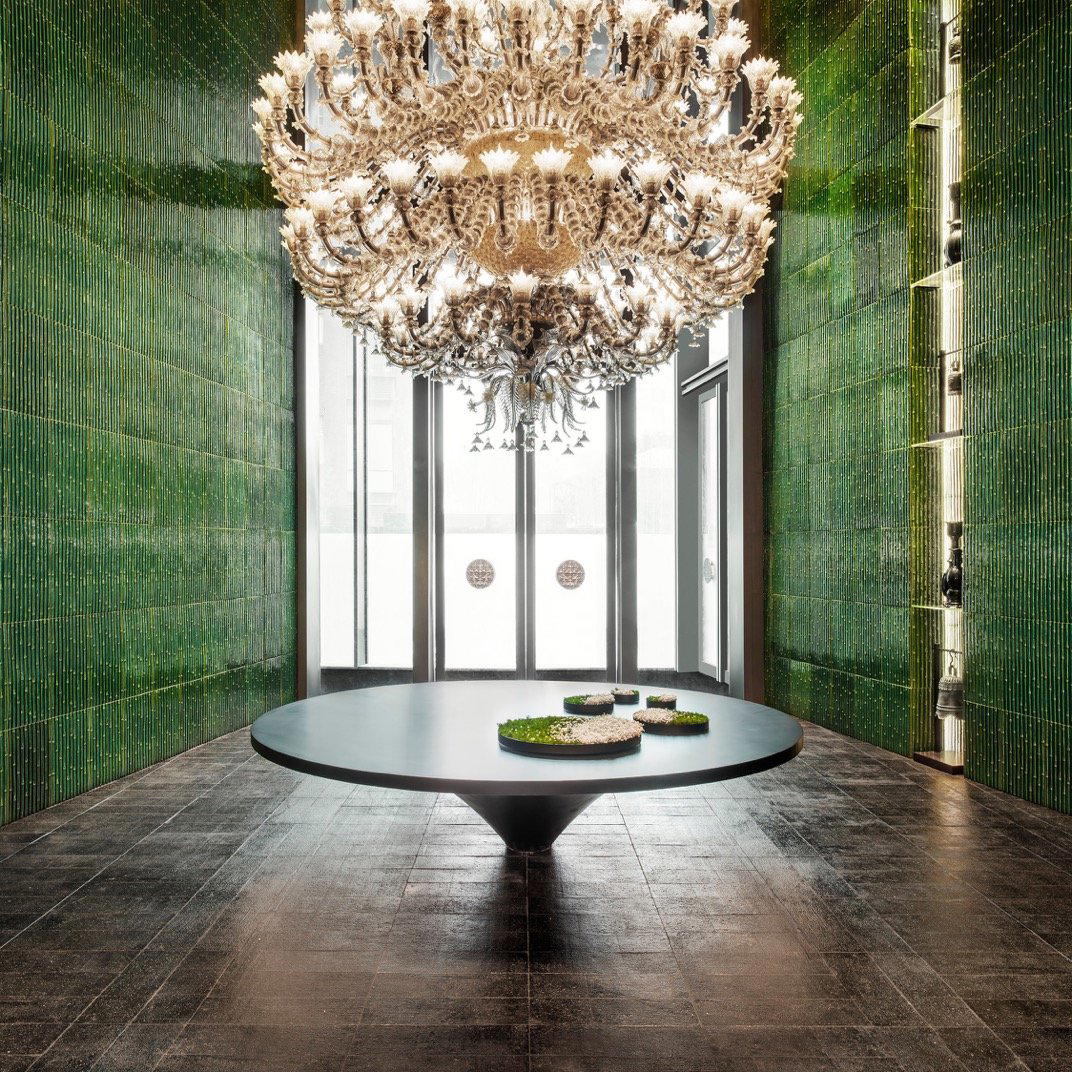
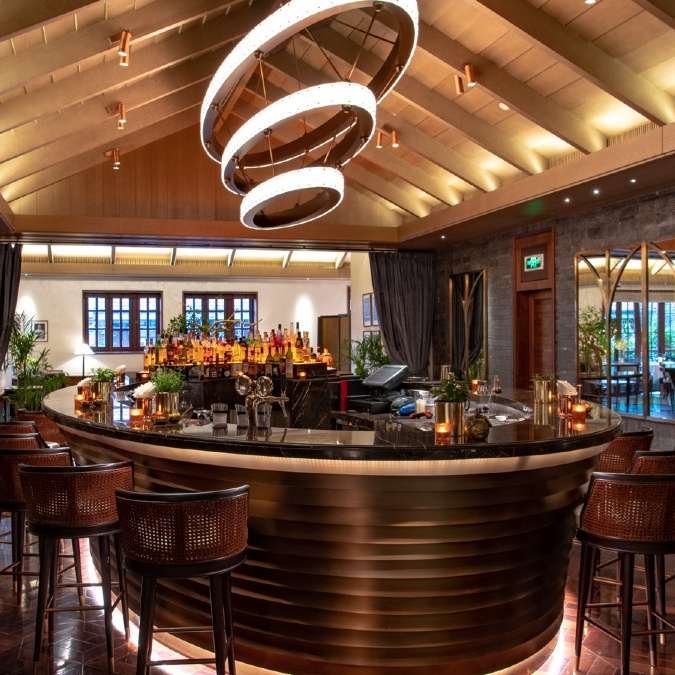
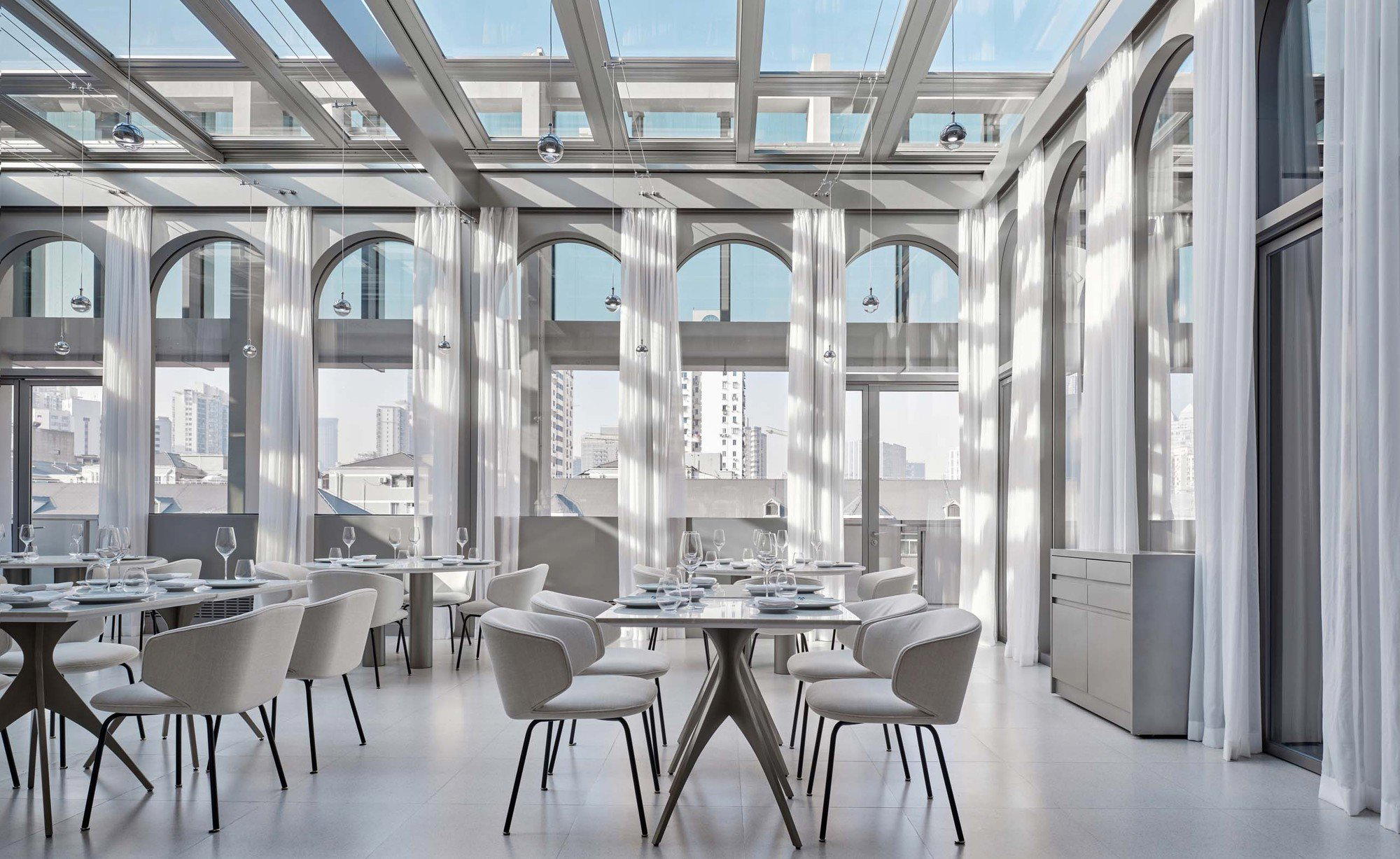
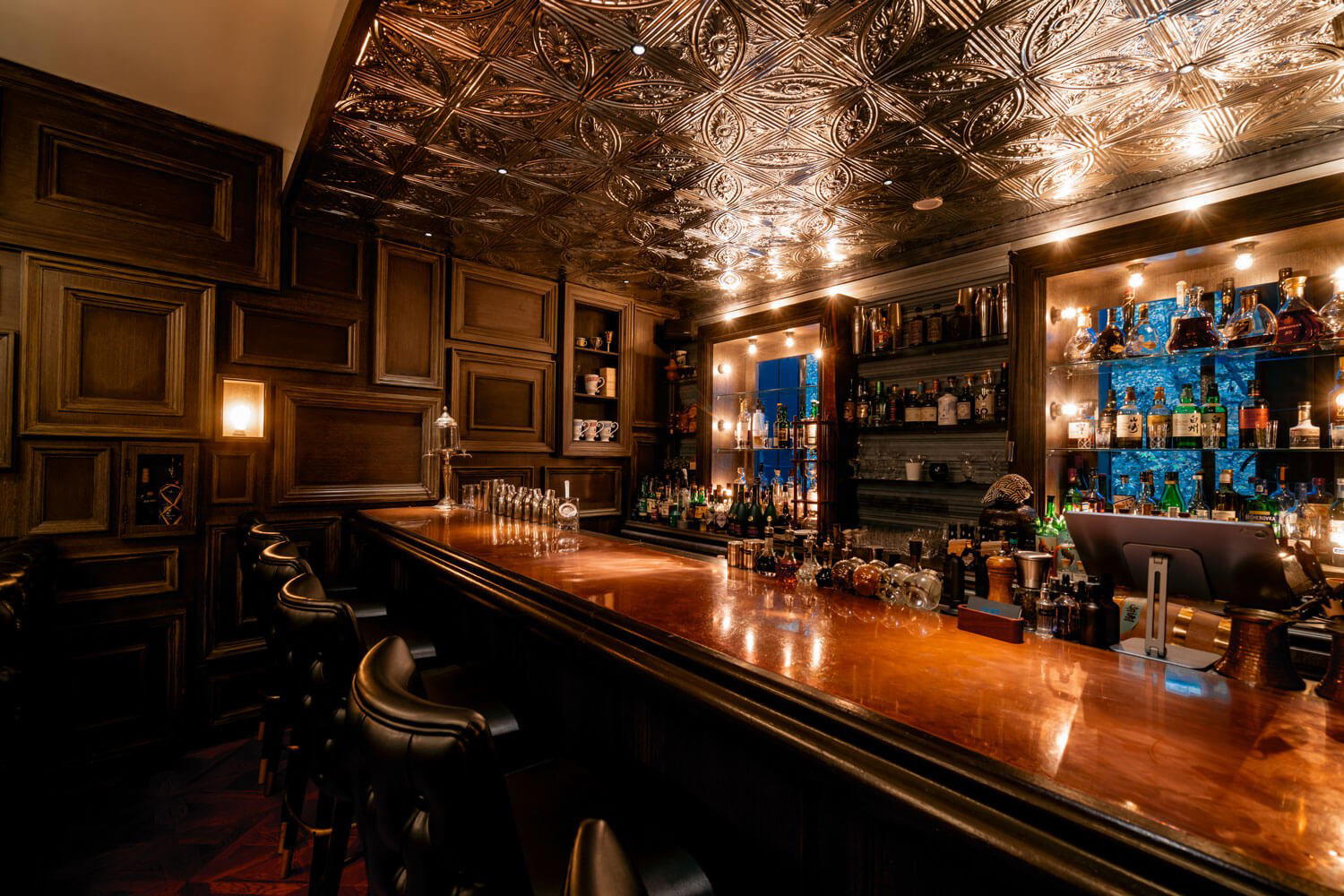
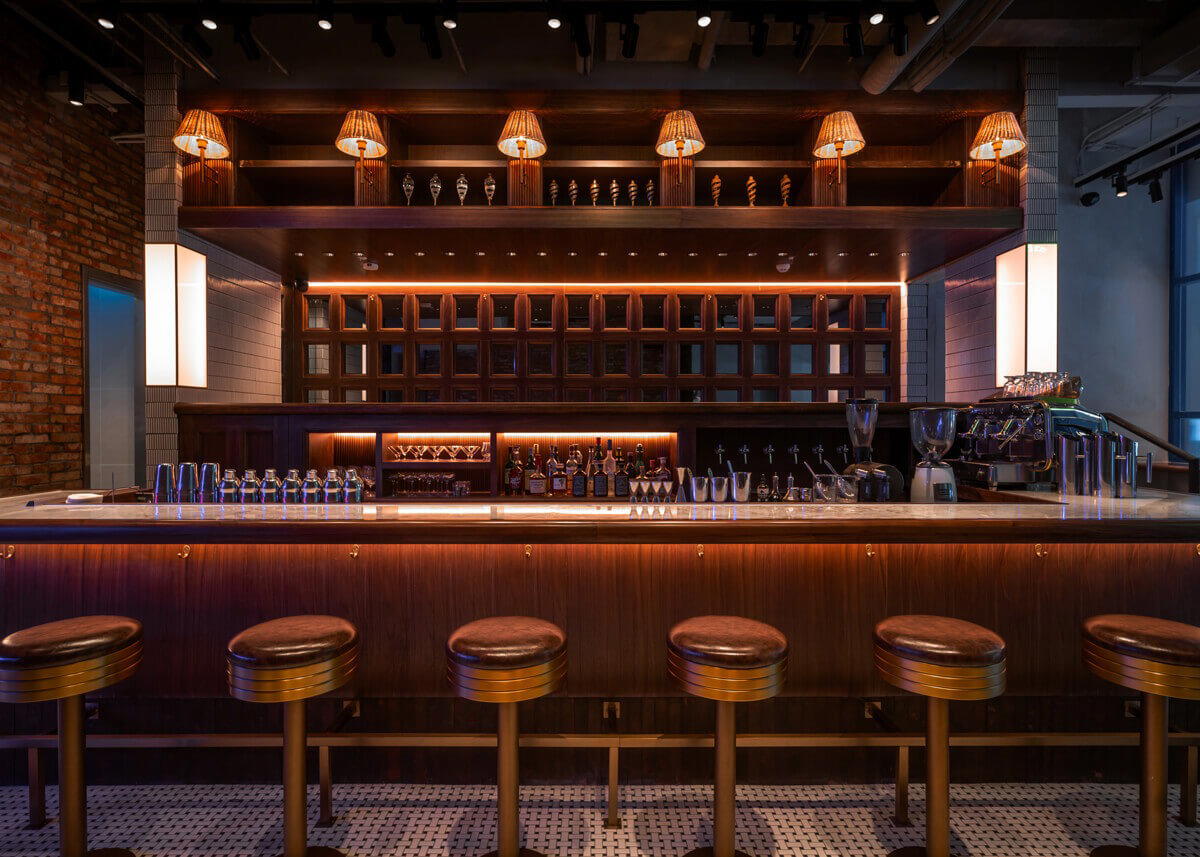
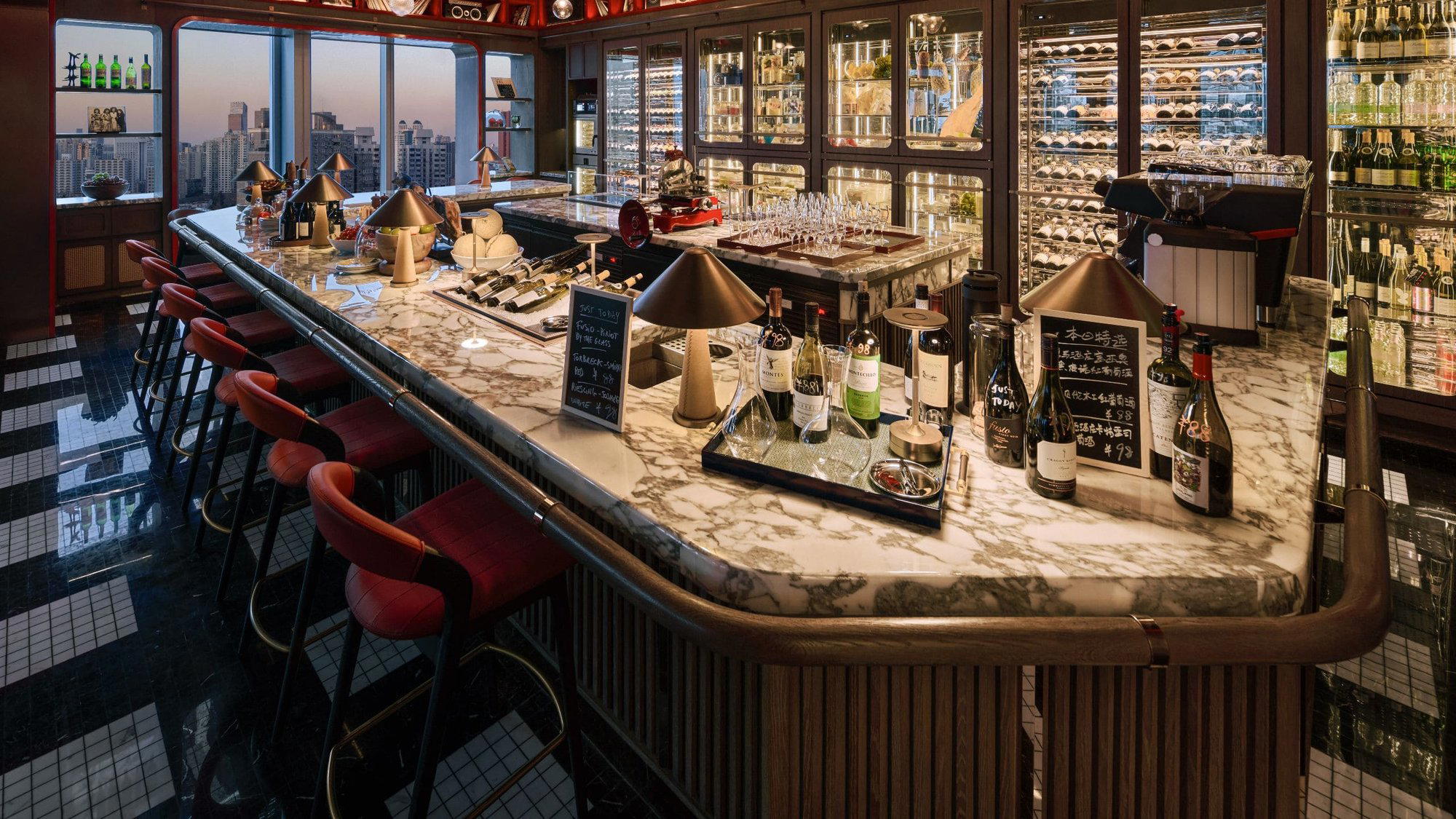
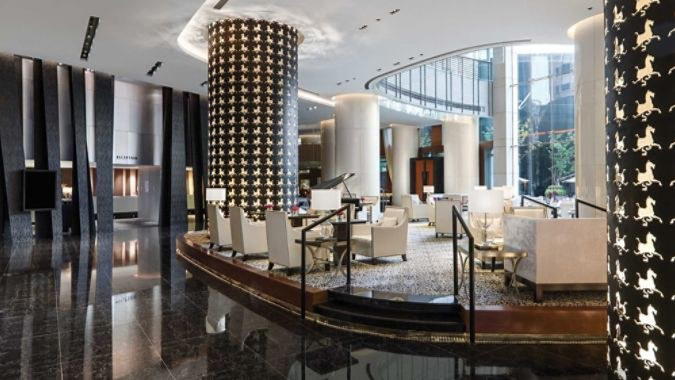
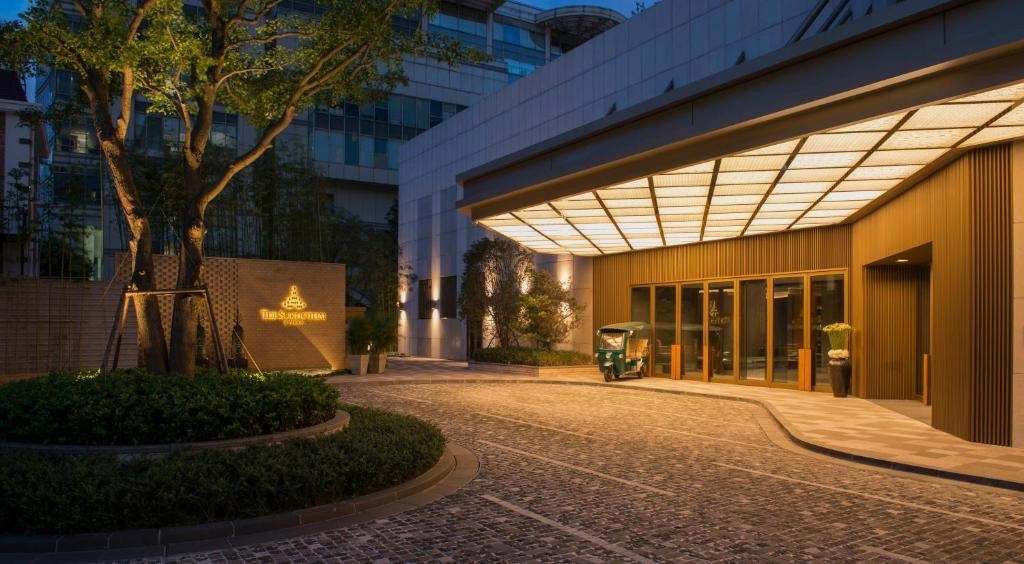
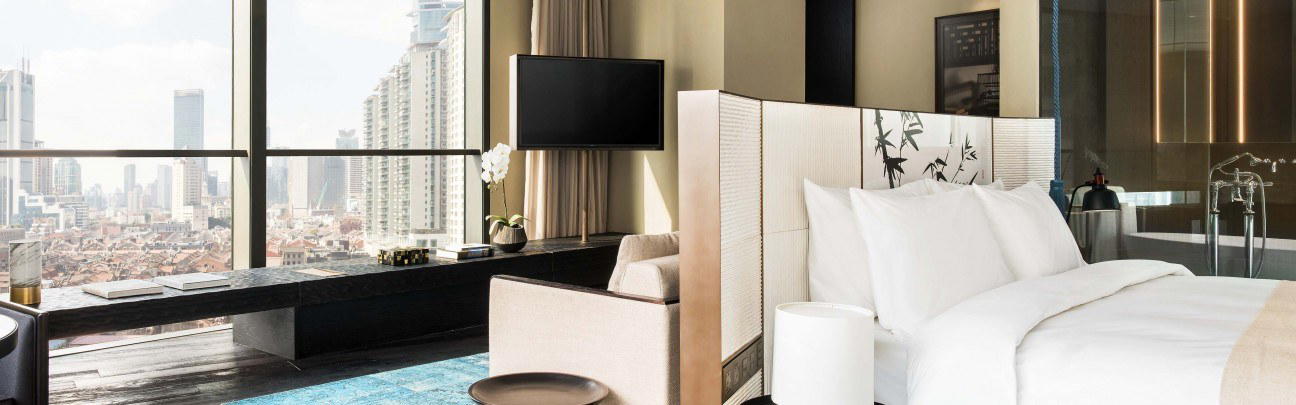
Minimalist, nondescript decor with dramatic lighting in the open kitchen area that resembles a theatrical stage; simple and understated interior design that prioritizes the food experience over visual spectacle.