
Tokyo’s sweets culture is not confined to Ginza counters or department-store basements; Setagaya has its own serious patisserie circuit. Noriette belongs to that quieter map: a cake and café address in Akatsutsumi, selected for Tabelog 100 Sweets Tokyo 2023, with a take-out-led format and prices that keep it closer to daily neighbourhood use than special-occasion dining.
Pearl is the En Primeur Club membership app — saves, bookings, and concierge access live there. Same editors, same standards.
- Address
- 5 Chome-43-1 Akatsutsumi, Setagaya City, Tokyo 156-0044, Japan
- Phone
- +81 3-3321-7784
- Website
- noliette.jp
 Saves & bookings on Pearl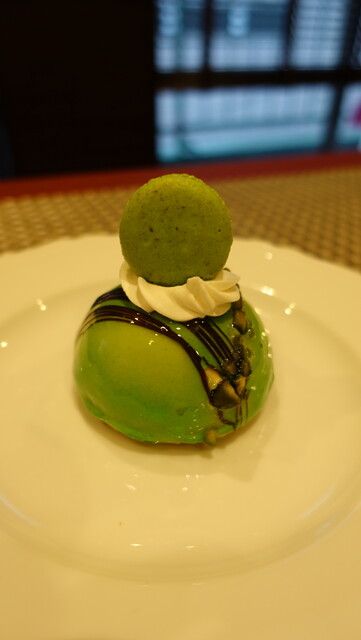
Approaching Akatsutsumi from the Shimo Takaido side, Tokyo changes register. The city’s dessert conversation is often framed by polished hotel lounges, Ginza counters and basement food halls, but the western wards tell a different story: smaller patisseries, station-adjacent shops, and customers buying cake as part of an ordinary afternoon rather than a staged occasion. Noriette sits inside that tradition, where French technique has been absorbed into Tokyo’s neighbourhood rhythm rather than treated as theatre.
That distinction matters. Tokyo has one of the densest high-level pastry cultures in Asia, yet its strength is not only at luxury addresses. The city’s cake shops often operate as precise local institutions, measured by consistency, packaging, freshness, and how naturally they fit into commutes and family visits. A Tabelog 100 Sweets Tokyo 2023 selection places this address in a recognised citywide sweets group, but the format remains modest: cake and café categories, take-out service, non-smoking, and no private-room apparatus. The signal is not spectacle. It is durability within a competitive dessert city.
Setagaya patisserie culture, not hotel-lounge dessert
Setagaya’s food character is different from central Tokyo’s expense-account dining zones. The ward rewards places that can serve repeat local demand: bakeries near train lines, curry shops with loyal followings, ramen counters, and patisseries that need to work on a weekday as much as on a weekend. In that context, a sweets specialist near Shimo Takaido competes less with grand dining rooms than with the city’s everyday pastry benchmark, where the test is whether a customer returns for a box rather than a table.
The comparison set around this part of Tokyo is telling. Sakurajosui Funakoshi occupies a similar low-price neighbourhood register, while MASSIMOTTAVIO and La Piccola Tavola sit in the Italian casual-dining bracket nearby, both running higher dinner budgets than a cake-shop visit. OLD NEPAL TOKYO, by contrast, moves into a much more expensive dinner category. Against that spread, Noriette’s price band keeps the decision casual: sweets rather than a full restaurant commitment, a short detour rather than an evening built around reservations.
French pastry in Japan has long been shaped by adaptation rather than imitation. The point is not simply importing Parisian forms; it is calibrating sweetness, portion size, gifting culture, and takeaway precision for Japanese use. Tokyo customers tend to judge cakes with unsentimental discipline: construction, temperature management, neat boxing, and whether the item survives the trip home. That is why recognised sweets shops outside the central luxury belt are worth paying attention to. They show how a foreign-rooted craft becomes part of the city’s domestic food grammar.
A take-out-led sweets address with café DNA
The operating model says almost as much as the pastry category. Eat-in service is suspended, and take-out is the practical frame. That shifts the experience from lingering café culture to selection, packaging, and timing. It also makes the address useful for travellers who want to understand Tokyo’s sweets habits without dedicating a full meal slot. The open terrace is part of the physical setup, but the core rhythm is closer to a patisserie counter than a seated dessert course.
For visitors mapping Tokyo by food rather than monuments, this is a useful corrective to the idea that every serious meal requires ceremony. Some of the city’s sharper eating happens in narrow, quick formats: a cake box, a curry plate, a yakitori counter, a standing bar, a station bakery. The same itinerary can move from sweets in Setagaya to Akihabara grilling at . 鮪と炭火焼き うお炭 秋葉原店, Shinjuku dining at 12/10 Shinjuku ten, or a more focused skewers stop at 124. KAGURAZAKA (Yakitori). For a lighter café contrast, 2D Cafe belongs to a different visual-café strand, while 3 Chome no Curry Ya San shows how Tokyo’s casual food culture can be just as destination-worthy without moving into formal dining.
The editorial case here is narrow but persuasive: this is not a long lunch address or a tasting-menu substitute. It is a Setagaya sweets stop with recognised Tokyo standing, better understood as part of the city’s patisserie network than as a café for extended seating. That makes it especially useful on days built around the western wards, when a traveller wants a precise local food errand rather than another central Tokyo reservation.
How to place it in a Tokyo food itinerary
Tokyo rewards clustering. A sweets stop in Setagaya can pair naturally with neighbourhood walking, train-line eating, or a day that avoids the Ginza-Shibuya-Shinjuku loop. The area’s value is its ordinary pace: residential streets, station commerce, and food businesses that serve repeat customers rather than only visitors. That context is the point. Dessert here reads as civic habit, not luxury performance.
Travellers building a broader Japan dining file should treat this as one tile in a larger mosaic. EP Club’s full Tokyo restaurants guide is the primary map for restaurants, while the Tokyo hotels guide, Tokyo bars guide, Tokyo wineries guide, and Tokyo experiences guide help build the rest of the trip around it. For wider comparison beyond the capital, the same casual-specialist logic appears in places such as -Grilled beef Sukiyaki- KAMAKURA TANUKIAN 鎌倉 たぬき庵 in Kamakura.cafe in Osaka.know in Kumamoto, (Shoku) Vietnam in Kawasaki, [Curry Senmon Ten] Maruyama Kyoju. in Sapporo, and [ki:] in Kyoto. Even outside Japan, focused-format addresses such as Jōdo Saké Bar in Los Angeles and Onigiri Time in Pasadena show how specific Japanese food formats travel when they are kept disciplined.
The verdict is practical: choose this for a sweets-focused stop in western Tokyo, not for a long sit-down meal. Its credibility comes from recognised placement in Tokyo’s sweets category, a neighbourhood format that suits repeat local use, and a price level that keeps the visit low-risk. In a city where dessert can be either luxury ritual or daily purchase, Noriette belongs to the latter camp, which is often where Tokyo’s pastry culture feels sharpest.
The Minimal Set
Nearby venues at a similar price tier for orientation.
| Venue | Cuisine | Price | Notes |
|---|---|---|---|
| NorietteThis venue — the venue you are viewing | Not listed | $ | Not listed |
| AIGRE DOUCE | Not listed | $ | Shinjuku, French-style patisserie and cake shop |
| L'Occitane Cafe Shibuya Tokyo | Shibuya, French-Provençal cafe | $$ | Not listed |
| Cafe 1894 | Chiyoda, Western Bistro Cafe | $$ | Not listed |
| Frederic Cassel Ginza mitsukoshi ten | Not listed | $$ | Chūō, French patisserie & chocolate boutique |
| MAISON LANDEMAINE Azabudai | Minato, French Bakery-Cafe | $$ | Not listed |
Recognition history
Dated appearances from independent guides and award organizations, with the underlying list record or original source where available.
Tabelog 100 #42 · No. 42
Tabelog · Tabelog 100 - Sweets - TOKYO - 2023














At a Glance
- Cozy
- Classic
- Casual Hangout
- Family
- After Work
- Solo
- Standalone
- Terrace
Current opening hours
- Monday
- 10 AM–7 PM
- Tuesday
- Closed
- Wednesday
- Closed
- Thursday
- 10 AM–7 PM
- Friday
- 10 AM–7 PM
- Saturday
- 10 AM–7 PM
- Sunday
- 10 AM–7 PM
Hours can change for holidays and private events. Last verified .
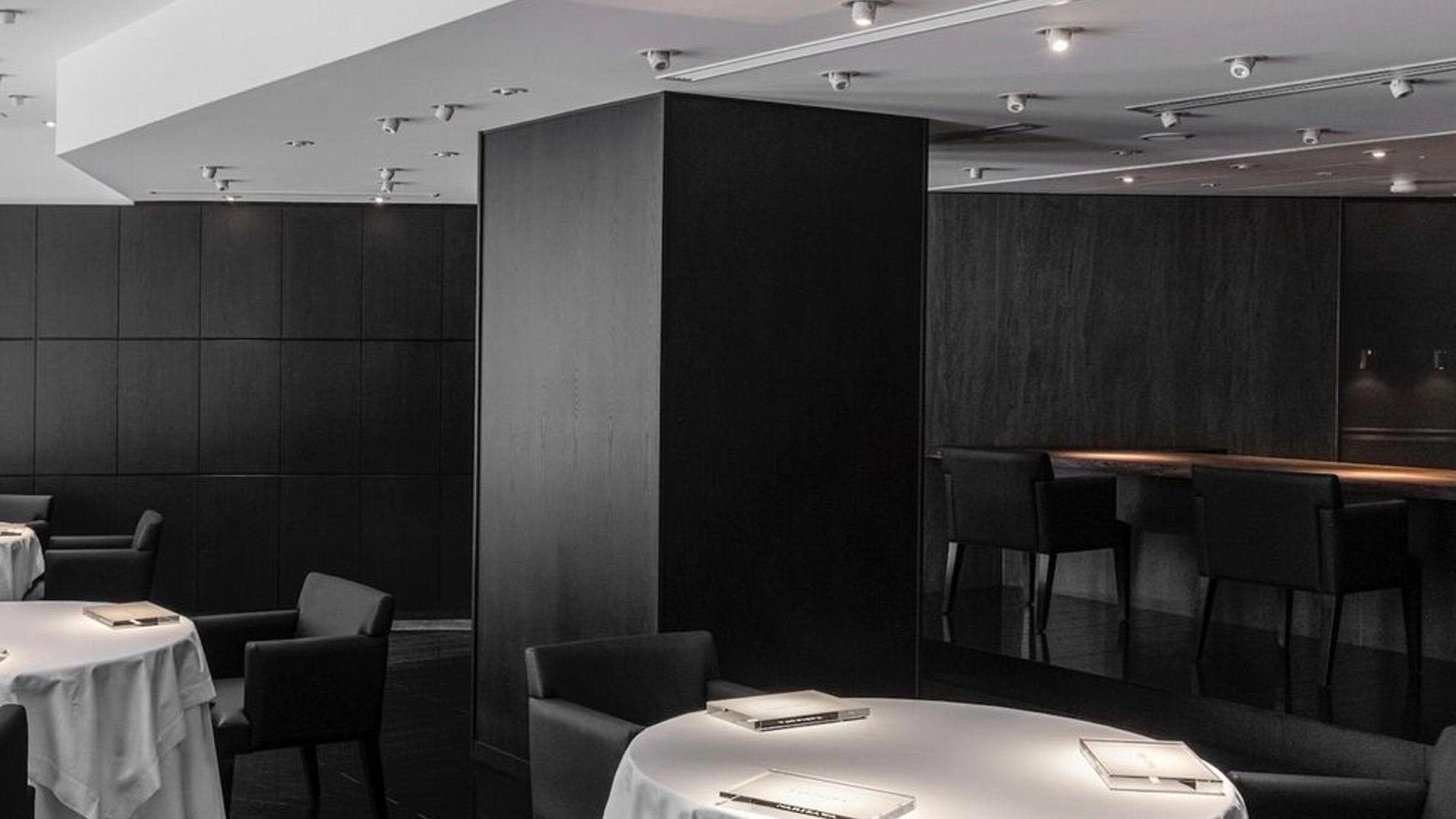
Warm, everyday‑use patisserie atmosphere with a small shopfront and open terrace seating, focused on showcasing traditional French pastries in a relaxed neighborhood setting.