
Cafe 1894 places Tokyo’s museum-cafe tradition inside Marunouchi’s business-and-culture corridor, with bistro and dining-bar range rather than a pastry-only format. Its Tabelog Cafe EAST 100 selection in 2025, 94-seat room, and all-day service make it a useful counterpoint to smaller dessert counters and quick cafe stops around Tokyo Station.
Pearl is the En Primeur Club membership app — saves, bookings, and concierge access live there. Same editors, same standards.
- Address
- Japan, 〒100-0005 Tokyo, Chiyoda City, Marunouchi, 2 Chome−6−2 三菱一号館美術館 1F
- Phone
- +81 3-3212-7156
- Website
- mimt.jp
 Saves & bookings on Pearl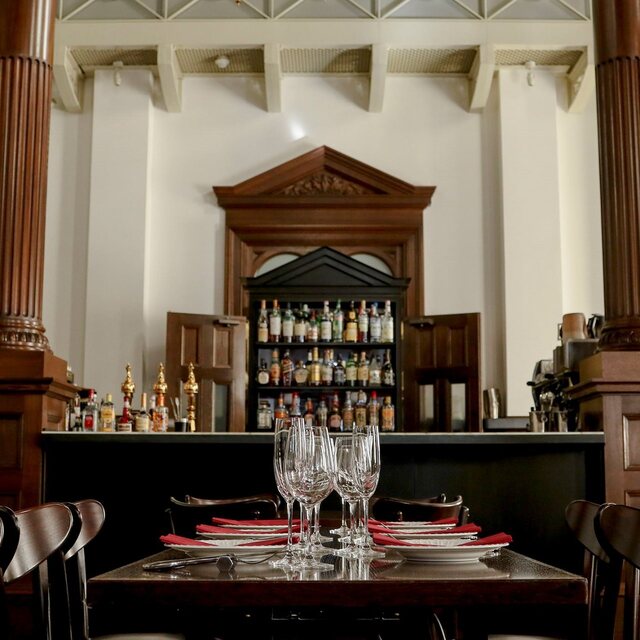
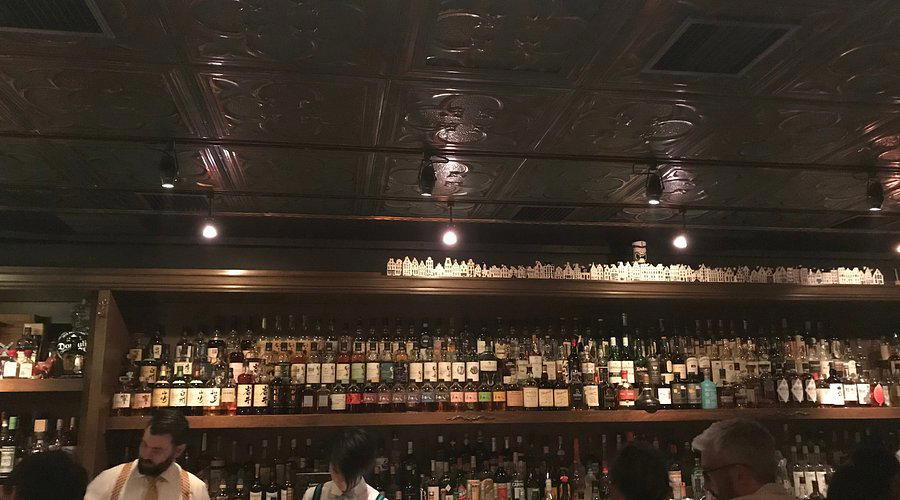
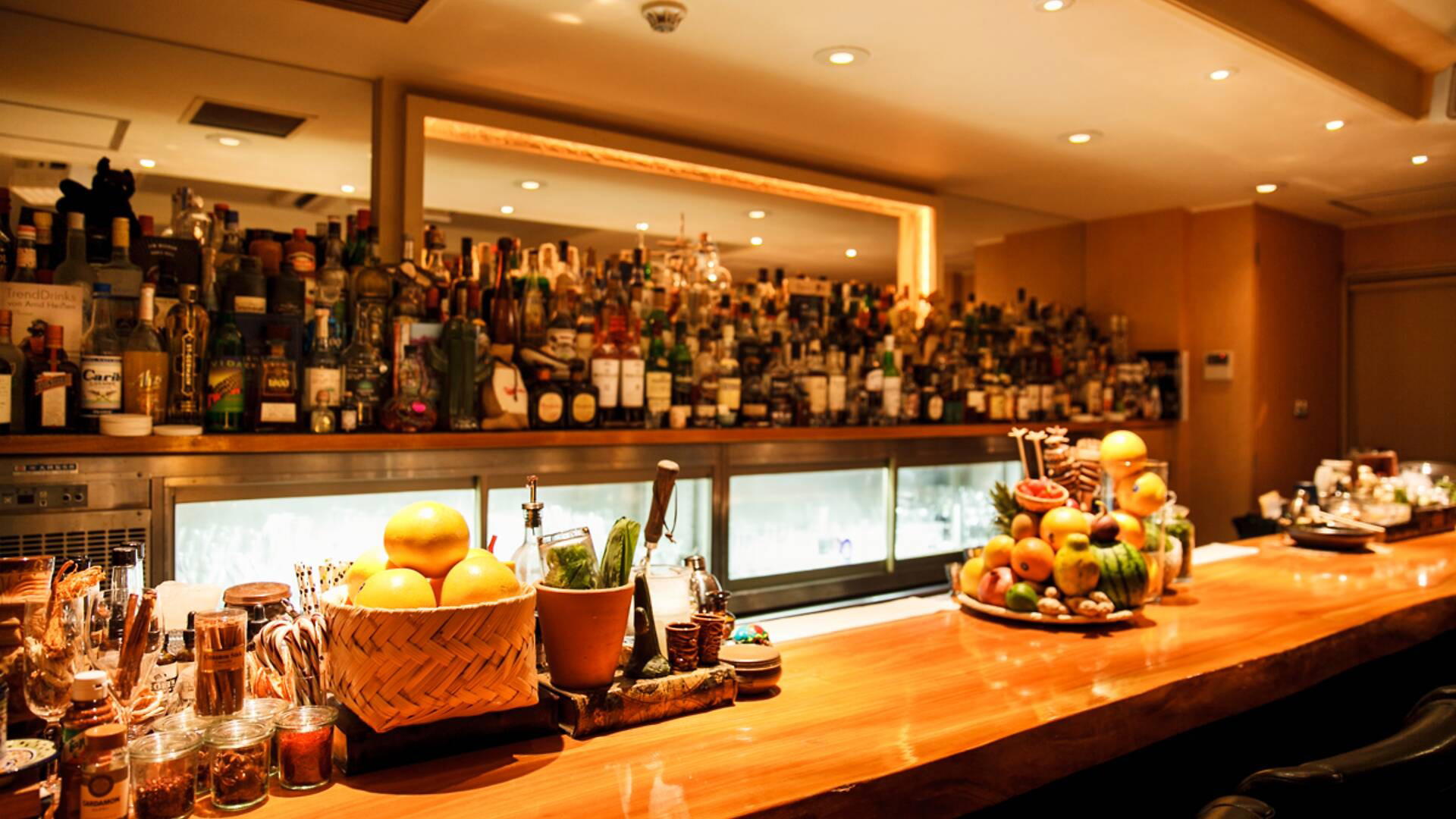
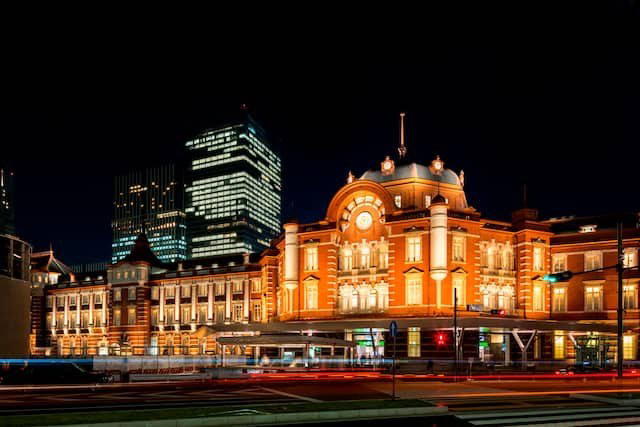
The room reads first as Marunouchi architecture rather than restaurant theater: high-ceilinged, orderly, and scaled for a district where office schedules, museum visits, and station-side errands overlap. Cafe 1894 sits inside Mitsubishi Ichigokan Museum, which matters because Tokyo’s museum cafes often function as pause buttons, while Marunouchi’s better addresses have to do more than serve coffee between appointments. Here the format stretches from cafe to bistro to dining bar, so the meal can move in stages rather than end at cake and a cup.
That progression is the useful way to understand the place. Tokyo has plenty of specialized counters, dessert rooms, and compact lunch spots, but Marunouchi rewards flexible pacing: a light midday stop, a longer afternoon, or a dinner that does not demand the ceremony of a tasting counter. Cafe 1894’s selection for Tabelog Cafe EAST 100 in 2025 places it in a curated cafe bracket rather than in the high-ritual restaurant tier, and that distinction is helpful. The point is not chef-driven spectacle; it is an all-day room with enough structure to carry a meal from lunch into evening.
A Marunouchi cafe built for a full meal arc
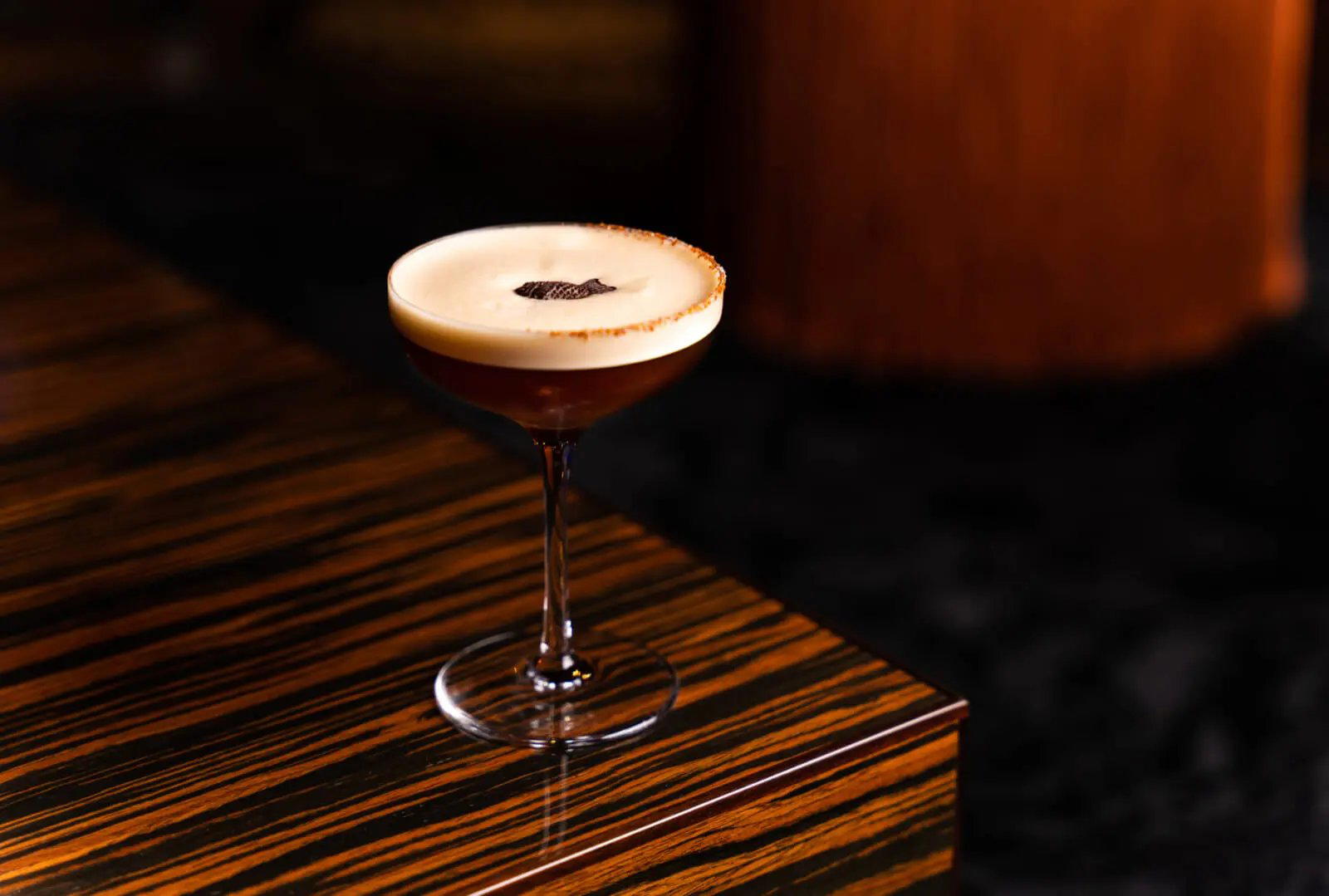
The category mix, cafe, bistro, and dining bar, gives the experience its editorial shape. In Tokyo, a cafe label can mean anything from a two-seat espresso bar to a dessert salon with strict turnover. This room sits closer to the European cafe-brasserie model, where the table can support food, alcohol, and conversation without forcing a single use case. Drinks run beyond coffee into sake, shochu, wine, and cocktails, which signals an evening mode rather than an afterthought appended to lunch service.
The sequencing is strongest when treated as three acts: a composed lunch or late-afternoon cafe stop, a slower transition into drinks, then a dinner sitting with bistro logic. That arc separates it from Marunouchi neighbors that operate in narrower lanes. La Boutique de Joël Robuchon Marunouchi burikkusukuea ten sits in a lower everyday spend band, Echire Maison du Beurre works at a richer butter-and-pastry register, CACAO SAMPAKA Marunouchi honten is more dessert-led, and Rose Bakery Marunouchi belongs to the casual cafe rhythm. Cafe 1894’s value is breadth without turning into a hotel-lobby compromise.
Scale also changes the mood. A 94-seat dining room in central Tokyo is not intimate counter culture; it is civic hospitality, more forgiving for groups and families than the city’s tighter specialist formats. Private rooms are not part of the offer, but private use is listed, which reinforces the room’s function as a larger Marunouchi gathering space. The non-smoking policy, wheelchair accessibility, free Wi-Fi, sofa seating, and stroller-friendly family notes put it closer to practical urban dining than destination minimalism.
Why the cafe category matters in Tokyo
Tokyo’s cafe scene has split into two strong currents. One prizes visual identity and rapid social traffic, the sort of category represented by addresses such as 2D Cafe. The other treats the cafe as a serious hospitality format, with food, seating comfort, and drink range carrying equal weight. The restaurant belongs to the second current. Its Tabelog score of 3.65 and repeated Cafe 100 selections, including 2021, 2022, and 2025, give it a measurable position in that field without confusing it with Tokyo’s omakase or French fine-dining economy.
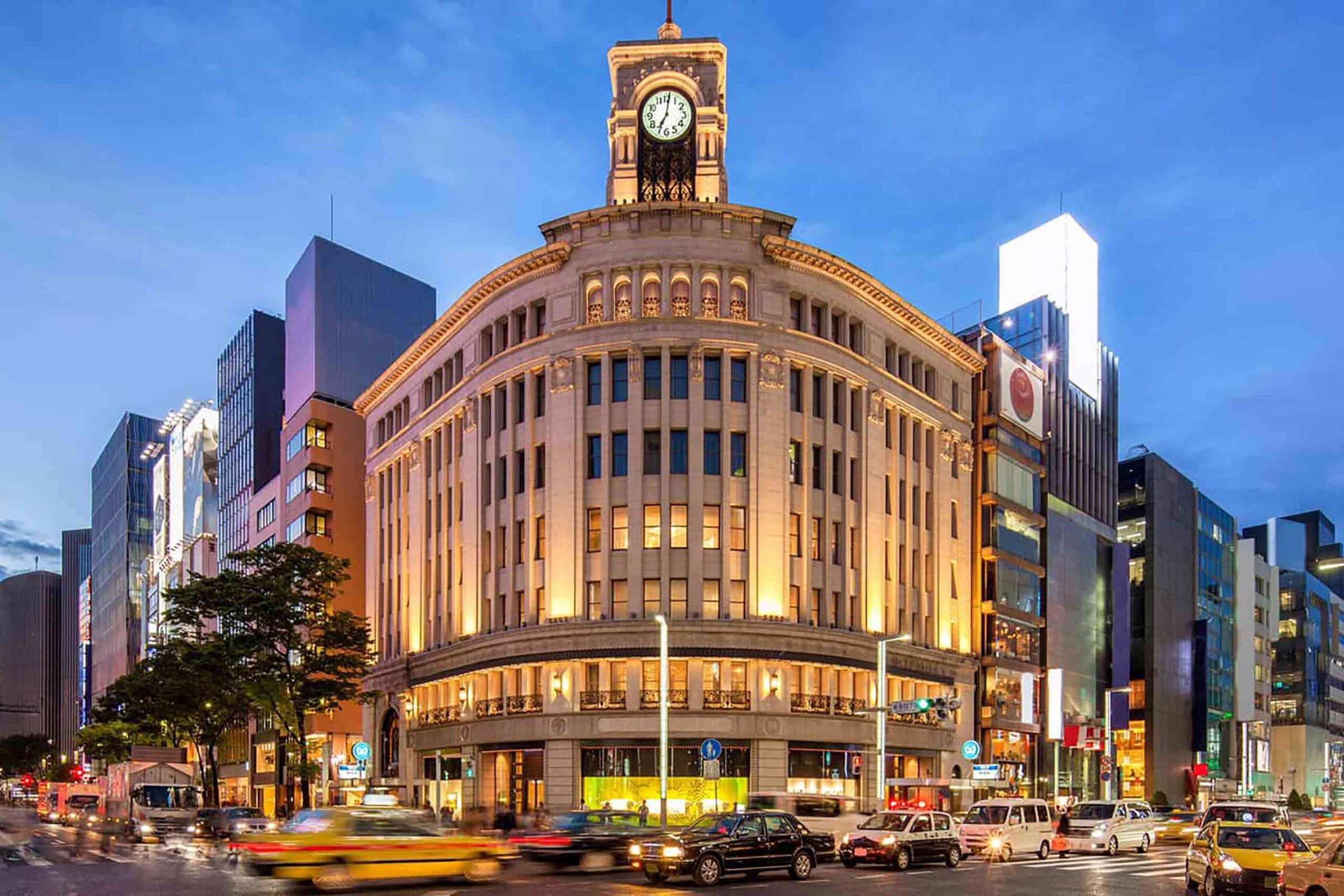
That matters for travelers building a day around Tokyo Station, the Imperial Palace side of Marunouchi, or a museum-heavy itinerary. The area can be brutally efficient: basement food halls, polished retail, and restaurants tuned to corporate timing. A cafe with a full dining-bar register softens that grid. It also gives visitors a different reading of Tokyo hospitality, less about rare seats and more about how the city supports long, cleanly run public rooms in expensive commercial districts.
For a broader Tokyo dining map, compare this kind of all-day Marunouchi utility with the sharper formats elsewhere: charcoal and tuna at . 鮪と炭火焼き うお炭 秋葉原店, Shinjuku dining at 12/10 Shinjuku ten, yakitori at 124. KAGURAZAKA (Yakitori), or curry at 3 Chome no Curry Ya San. The contrast is instructive: those addresses clarify a craving; this one clarifies a day.
The right use case: culture, conversation, and low-friction dining
The practical appeal is strongest for travelers who need a polished central room without committing to a formal restaurant. Lunch and cafe periods serve the museum-and-shopping rhythm; evening service adds the bistro and bar dimension. A small seating fee applies after 5 PM, and dinner seat-only use comes with a food-and-drink expectation, so the smartest approach is to treat the evening as an actual meal rather than a coffee stop.
Families are part of the calculus. Children are welcomed across age ranges, strollers are accepted, and the room’s size gives it more tolerance than Tokyo’s narrow counters. That does not make it casual in the convenience-store sense; it means Marunouchi polish with enough physical space for a multi-generation table. For travelers comparing Tokyo options by neighborhood, the city guide structure is useful: Our full Tokyo restaurants guide maps the dining field, while Our full Tokyo hotels guide, Our full Tokyo bars guide, Our full Tokyo wineries guide, and Our full Tokyo experiences guide help place it within a wider itinerary.
Seen nationally, the restaurant also shows how Japan’s cafe category changes by city and purpose. Compare it with.cafe in Osaka.know in Kumamoto, (Shoku) Vietnam in Kawasaki, [Curry Senmon Ten] Maruyama Kyoju. in Sapporo, [ki:] in Kyoto, and -Grilled beef Sukiyaki- KAMAKURA TANUKIAN 鎌倉 たぬき庵 in Kamakura. Abroad, the Japanese casual-dining idea splinters again at Jōdo Saké Bar in Los Angeles and Onigiri Time in Pasadena. Marunouchi’s version is neither export nostalgia nor subculture cafe; it is a disciplined urban room for a meal that can expand or contract with the day.
What It’s Closest To
Comparable venues for orientation by cuisine and category.
| Venue | Cuisine | Price | Notes |
|---|---|---|---|
| Cafe 1894This venue — the venue you are viewing | Western Bistro Cafe | $$ | Not listed |
| Patisserie l’abricotier | French Patisserie | $$ | Nakano |
| Bon Bonheur | French dessert café and casual French | $$ | Chūō |
| patisserie Paris S'eveille | Paris‑style patisserie & cafe | $$ | Meguro |
| patisserie de bon coeur Musashikoyama honten | French Patisserie | $$ | Shinagawa |
| MATTERHORN | Japanese-Western Pâtisserie | $$ | Meguro |
Recognition history
Dated appearances from independent guides and award organizations, with the underlying list record or original source where available.
Tabelog 100 #16 · No. 16
Tabelog · Tabelog 100 - Cafe - EAST - 2025




At a Glance
- Classic
- Quiet
- Elegant
- Sophisticated
- Date Night
- Business Dinner
- Group Dining
- Casual Hangout
- Special Occasion
- Private Event
- Historic Building
- Design Destination
- Standalone
- Extensive Wine List
- Craft Cocktails
- Beer Program
Current opening hours
- Monday
- 11 AM–11 PM
- Tuesday
- 11 AM–11 PM
- Wednesday
- 11 AM–11 PM
- Thursday
- 11 AM–11 PM
- Friday
- 11 AM–11 PM
- Saturday
- 11 AM–11 PM
- Sunday
- 11 AM–11 PM
Hours can change for holidays and private events. Last verified .
Classical and refined, with a restored bank interior, high ceilings, period details, and a calm museum-side setting that feels elegant and historically immersive.