
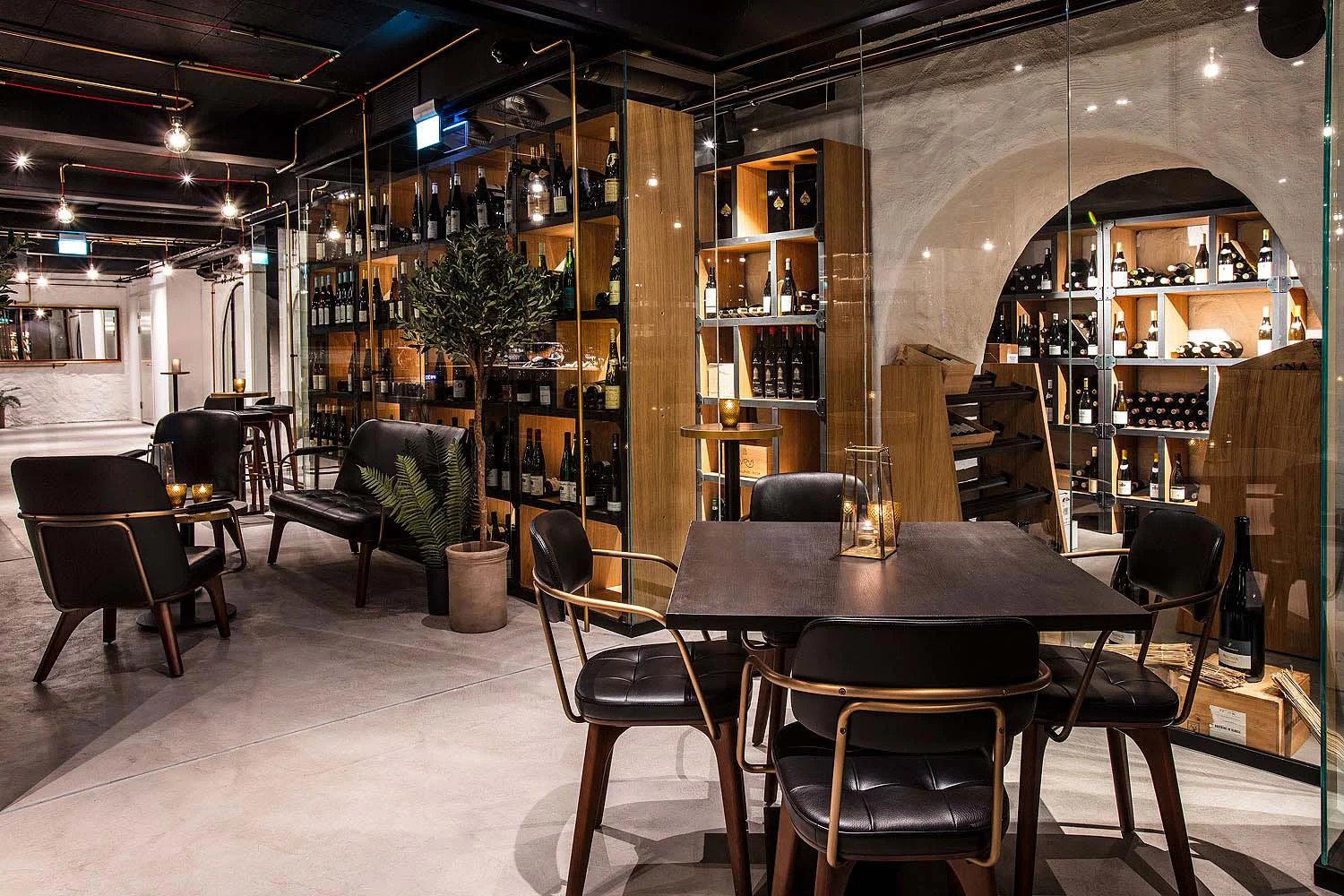
Norda Oslo sits in central Oslo near Oslo S and holds a White Star recognition from Star Wine List, signalling a wine program that operates well above the city's casual dining tier. The address at Biskop Gunnerus' gate 3 places it within easy reach of the city's broader dining circuit, making it a practical anchor for a serious evening in the Norwegian capital.
 Discover on Pearl
Pearl is the En Primeur Club membership app — saves, bookings, and concierge access live there. Same editors, same standards.
- Address
- Biskop Gunnerus' gate 3, 0155 Oslo, Norway
- Phone
- +47 23 10 80 80
- Website
- nordarestaurant.com
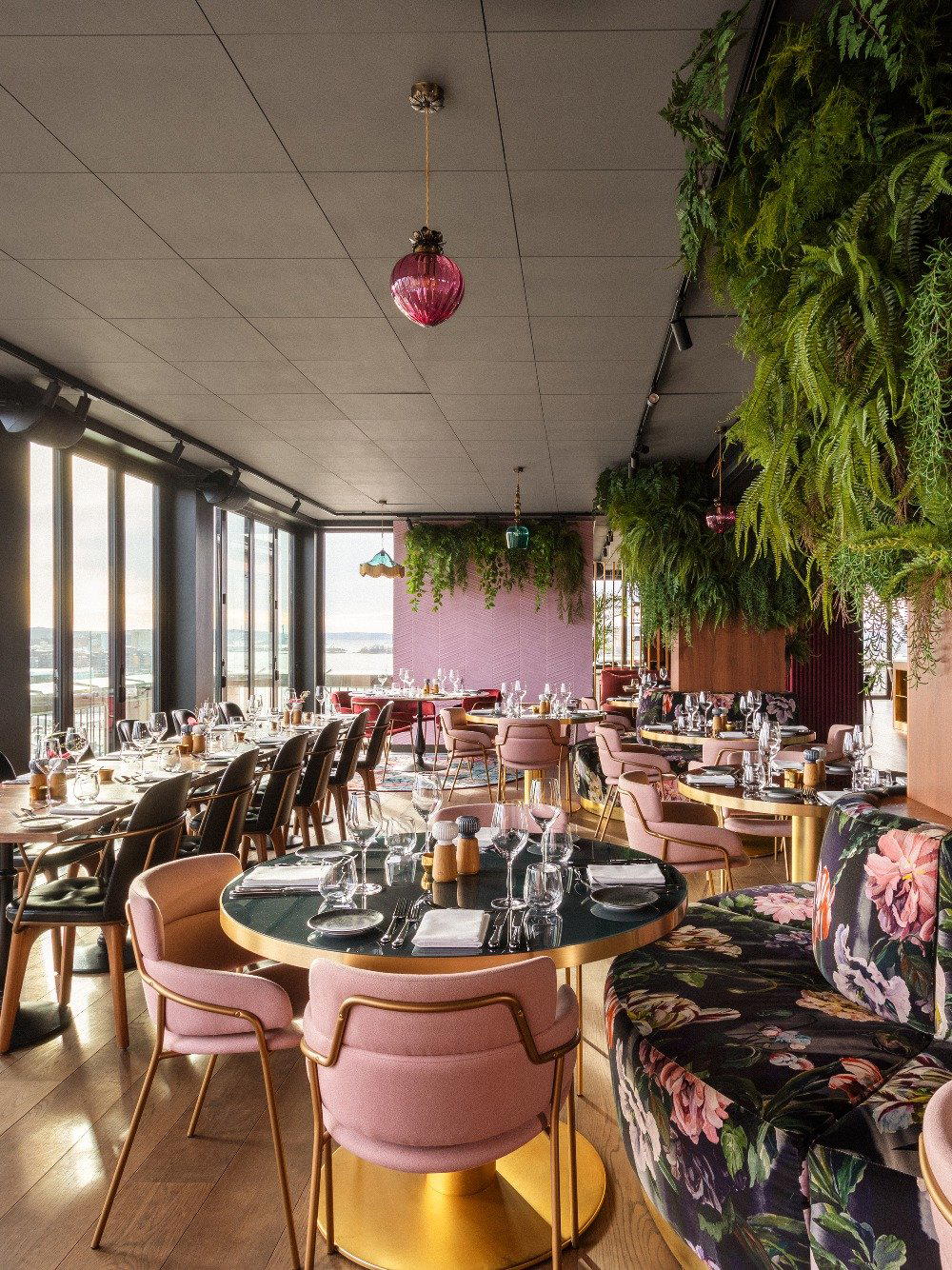
Where Oslo's Wine Culture Meets the Northern Table
Oslo's restaurant scene has matured considerably over the past decade, moving from a city known primarily for expensive simplicity toward one with a genuinely layered dining identity. At one end sits the Maaemo tier, where New Nordic tasting menus operate at European fine-dining prices and ambitions. At the other end, a growing cohort of neighbourhood-anchored spots, including Bar Amour and Mon Oncle, have built followings on more relaxed formats. Norda Oslo, at Biskop Gunnerus' gate 3 in Oslo, is a restaurant with a 3.9 Google rating and a White Star designation from Star Wine List, published in December 2021, placing it among a select group of Oslo restaurants recognised specifically for the quality and seriousness of their wine offering.
That White Star credential matters in context. Star Wine List's White Star is not a volume award or a list-length prize; it identifies venues where the wine program demonstrates genuine curation, knowledge depth, and a considered relationship between the cellar and the kitchen. In a Scandinavian capital where natural wine bars have proliferated and fine-wine service at the top tier is clustered around a handful of addresses, receiving that recognition signals that Norda operates with intent on the wine side of the equation, not as an afterthought.
The Norwegian Table and Its Wine Relationship
To understand what a wine-focused recognition means at a Norwegian restaurant, it helps to understand how wine culture developed in Scandinavia at all. Norway operates a state alcohol monopoly through Vinmonopolet, which controls retail wine sales and has historically limited the kind of organic, small-producer, or import-driven wine culture that developed earlier in Denmark and Sweden. That regulatory context made building a serious restaurant wine list in Oslo a more deliberate act than in, say, Copenhagen or Stockholm, where access and import routes matured earlier.
The result is that Oslo's leading wine programs tend to be the product of significant effort: relationships with importers, a willingness to hold stock, and a kitchen direction that gives the sommelier something to work with. Restaurants like Kontrast built their reputations in part on exactly this kind of program discipline, pairing New Nordic cooking with wine lists that moved beyond the predictable. The White Star recognition at Norda positions it within this more considered tier of Oslo's wine-restaurant relationship.
Norwegian culinary identity itself has undergone significant repositioning since the early 2010s, when the New Nordic movement, which grew from Copenhagen but took deep root across the region, shifted the conversation toward locality, seasonality, and technique applied to indigenous ingredients. Preserved fish, foraged greens, aged game, and fermented dairy are not novelties in this tradition; they are the baseline. What has changed is how those ingredients are treated technically and how they are framed for an international dining audience. Venues like Hot Shop represent one end of how that tradition evolves in Oslo's current moment, while the broader Norwegian fine-dining circuit extends well beyond the capital, to addresses like RE-NAA in Stavanger, FAGN in Trondheim, and further afield to Under in Lindesnes, the submerged restaurant that has drawn international attention to what Norwegian dining can mean in a broader sense.
A Central Address in a Walkable Dining City
Oslo is a compact capital, and the central district around Oslo S functions as both a transit hub and an increasingly active dining zone. Biskop Gunnerus' gate 3 is a direct address to reach: the central station is within walking distance, and the neighbourhood connects easily to the Aker Brygge waterfront and Kvadraturen, two areas where Oslo's hospitality density is highest. For visitors building an evening around a single serious dinner, this location reduces logistical friction considerably.
That practicality matters when planning across a city where dining ambitions can run ahead of public transport convenience. Unlike some of Oslo's destination restaurants, which sit in residential neighbourhoods requiring trams or taxis, Norda's central position makes it a natural anchor point. The broader dining circuit is accessible on foot: the bars and wine-focused spots covered in our full Oslo bars guide include several addresses within reasonable walking distance, and the hotels documented in our full Oslo hotels guide cluster in this same central corridor.
Placing Norda in Oslo's Current Competitive Set
Oslo's mid-to-upper dining tier has become more crowded and more interesting simultaneously. The tasting-menu format at the highest price points, represented by Maaemo and, at a step below, by Kontrast, still dominates critical attention. But a secondary layer has developed around restaurants where the wine list is as much of a draw as the kitchen, where the format is less structured, and where the evening is built around the table rather than a predetermined sequence.
Norda's White Star places it in that secondary layer with a specific credential attached. For a dining traveller who has already experienced the full tasting-menu tier, or who prefers an evening built around wine discovery alongside food rather than food punctuated by wine service, that distinction matters. The credential from Star Wine List is verifiable and specific; it is not a general-excellence award but a category judgment about wine program quality.
Across Norway, a handful of addresses have built reputations that rest on similar foundations: genuine cellar investment, service knowledge, and a kitchen that understands what it is working alongside. Gaptrast in Bergen, Iris in Rosendal, and Boen Gård in Tveit each represent different regional expressions of that same seriousness. Norda is Oslo's entry in that conversation.
Planning a Visit
The address at Biskop Gunnerus' gate 3 is confirmed, and reservations are recommended. Oslo's better restaurants tend to book several weeks ahead for weekend sittings, though midweek availability is often more open. For context on the full range of Oslo dining options across formats and price tiers,
Cost and Credentials
Comparable venues nearby, for context on price, style, and recognition.
| Venue | Cuisine | Price | Awards |
|---|---|---|---|
| Norda OsloThis venue — the venue you are viewing | $$$ | 1 recognition | |
| Ekspedisjonshallen | Ruselokka, Classic Brasserie | $$$ | 1 recognition |
| STOCK Restaurant | Vaterland, Modern Norwegian Fine Dining | $$$ | , |
| Madonna | Vaterland, Modern Global Small Plates | $$$ | Michelin Plate |
| Code Restaurant | Vaterland, Modern European | $$$ | 1 recognition |
| Vinoteket | Ruselokka, Modern Neapolitan-Style Pizza | $$$ | 1 recognition |
Continue exploring
More in Oslo
Restaurants in Oslo
Browse all →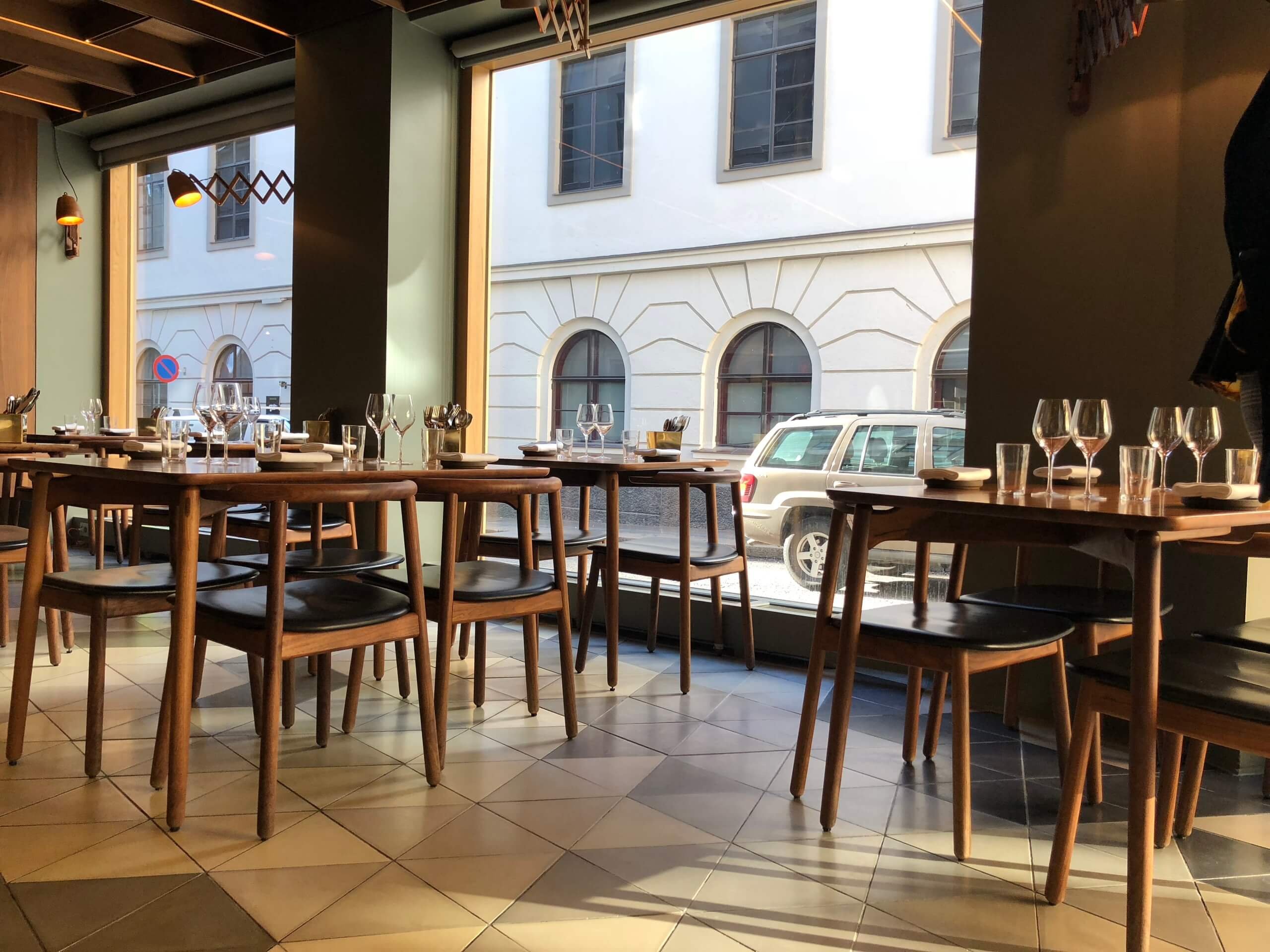
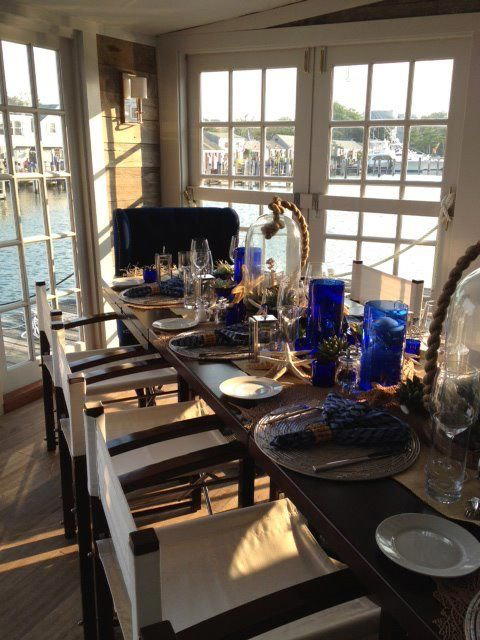
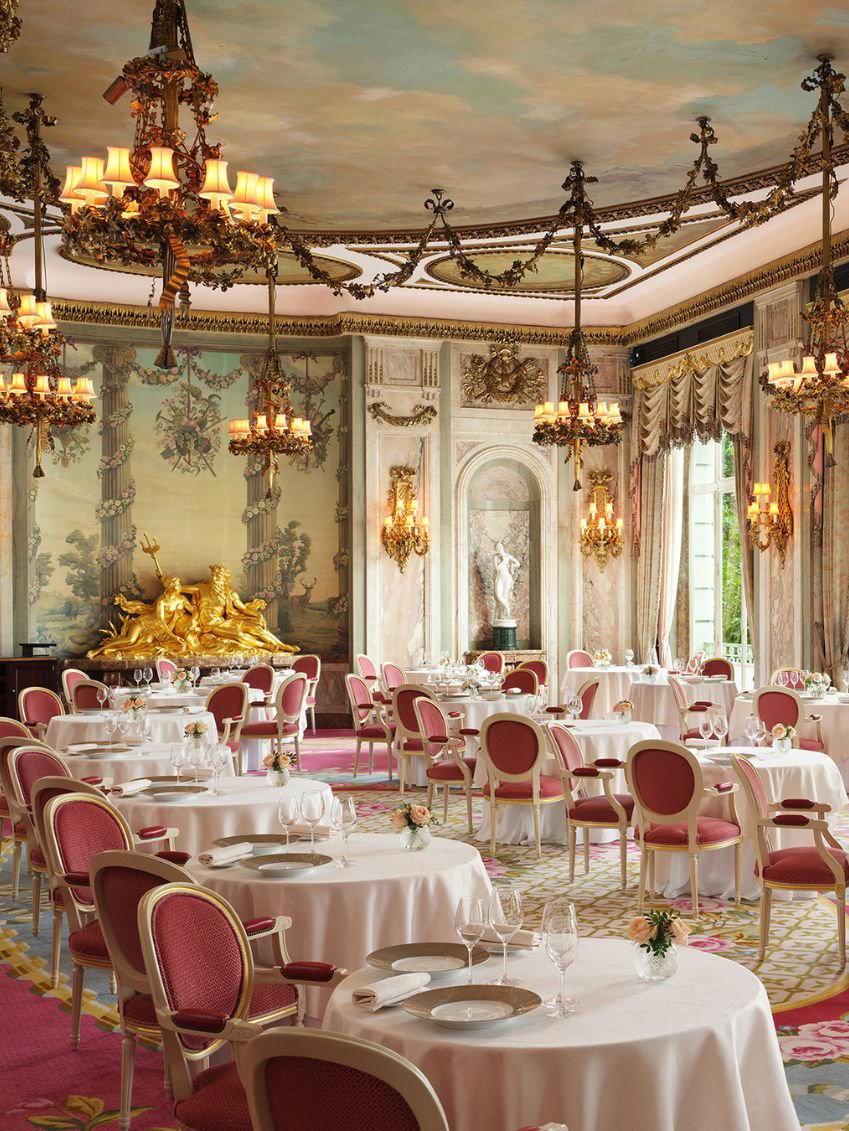

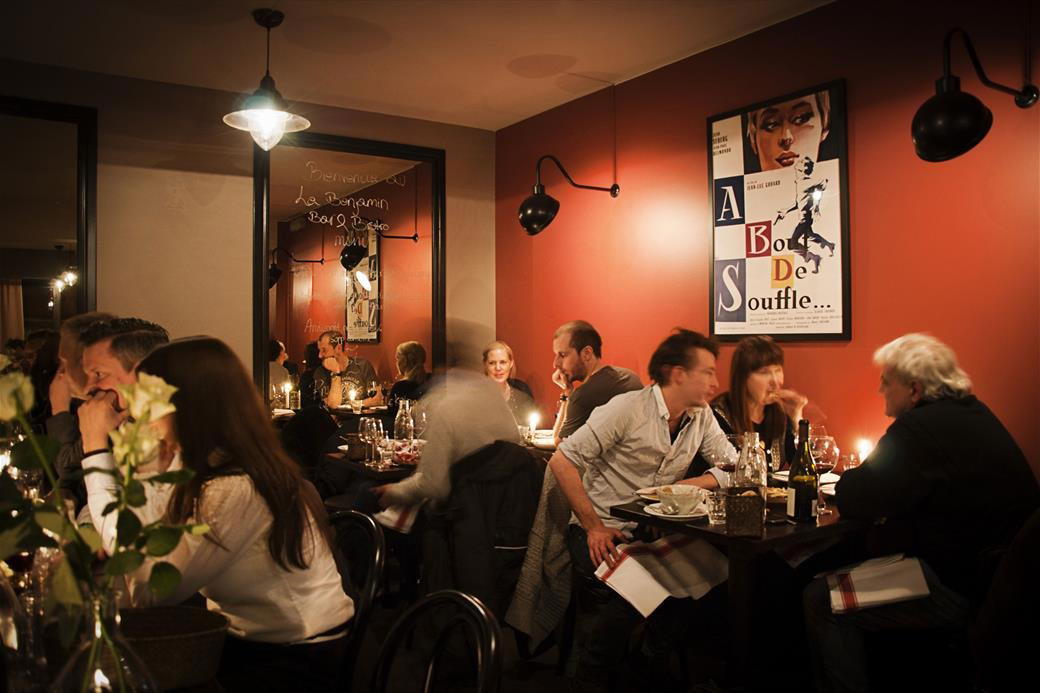
Hotels in Oslo
Browse all →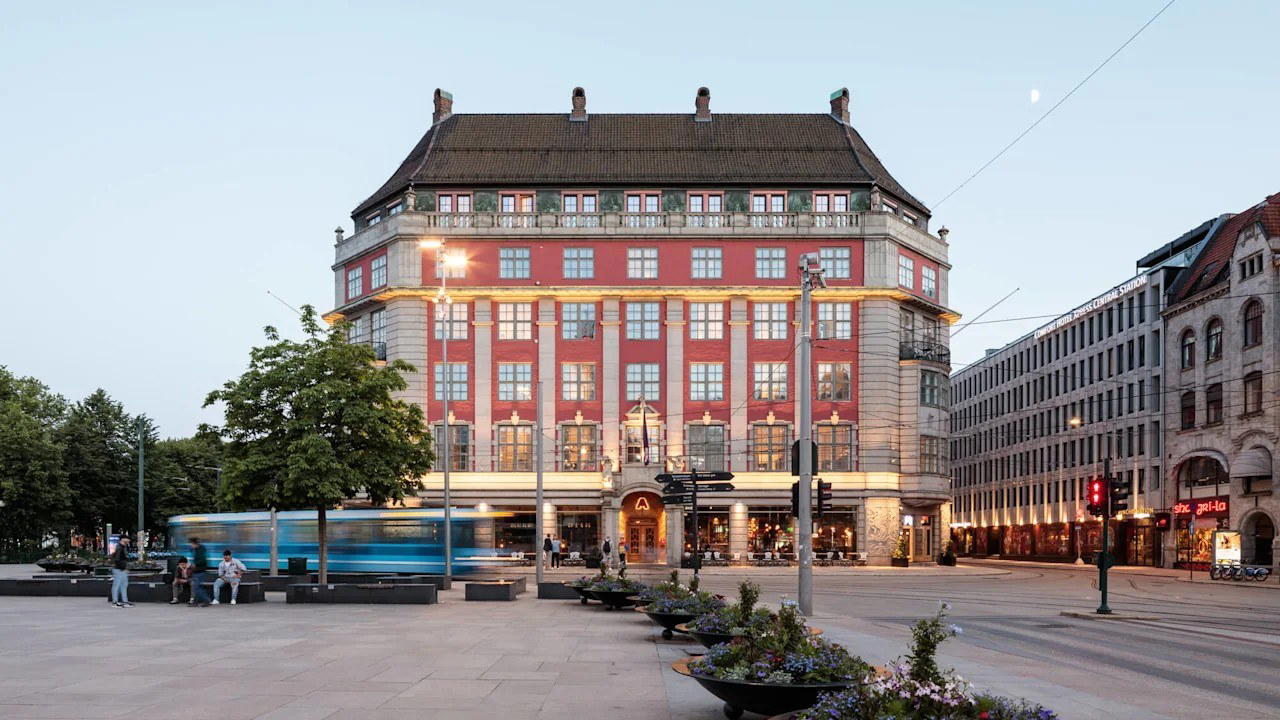

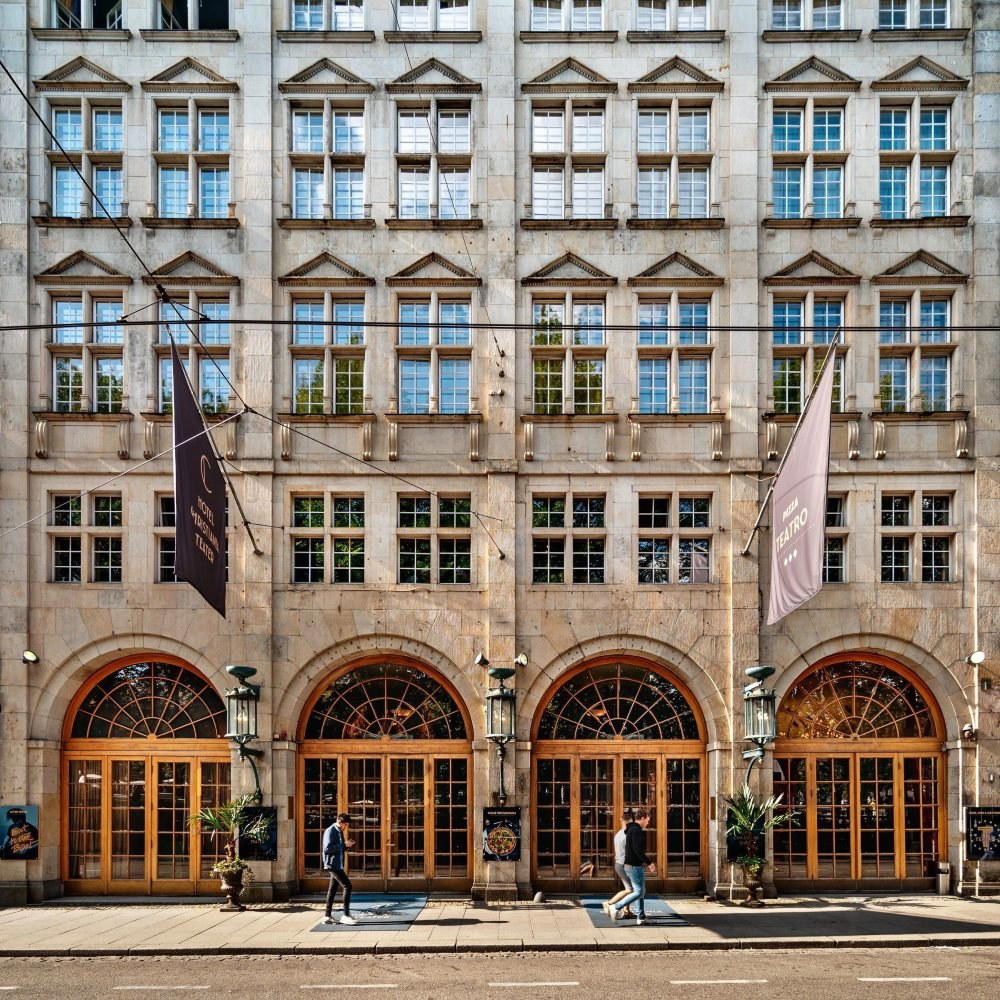
Wineries in Oslo
Browse all →
At a Glance
- Modern
- Trendy
- Scenic
- Sophisticated
- Date Night
- Special Occasion
- Business Dinner
- Rooftop
- Panoramic View
- Open Kitchen
- Hotel Restaurant
- Extensive Wine List
- Craft Cocktails
- Local Sourcing
- Skyline
- Waterfront
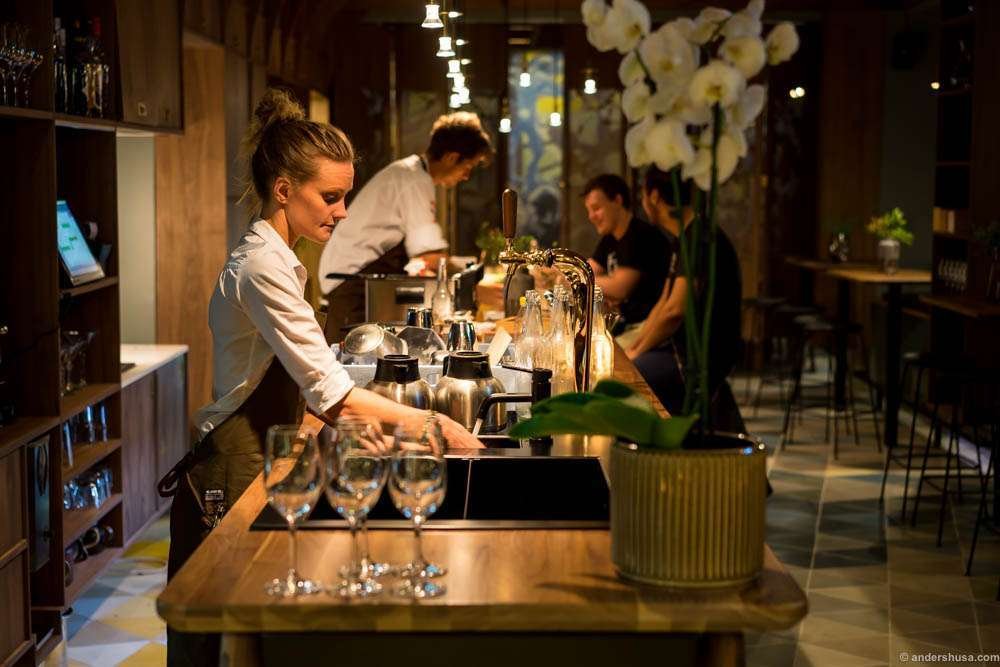
Vibrant and scenic with panoramic city and water views through large windows, lively atmosphere enhanced by DJ music at times, and warm lighting from low-hanging chandeliers.