
Star Wine List
Our verdict
Code Restaurant occupies a deliberate position in Oslo's wine-forward dining scene, recognised by Star Wine List with a White Star designation for the depth and curation of its cellar program. Located on Dronning Eufemias gate in the Bjørvika district, it draws a returning clientele for whom the wine list is as central to the meal as what arrives from the kitchen. For visitors with a serious interest in Norwegian fine dining and its relationship with European viticulture, Code is a considered stop.

Pearl is the En Primeur Club membership app — saves, bookings, and concierge access live there. Same editors, same standards.
- Address
- Dronning Eufemias gate 18, 0191 Oslo, Norway
- Phone
- +47 92 22 27 00
- Hours
- Mon–Fri 11 AM–4 PM, 5–11 PMSat 3–11 PMSun Closed
- Website
- coderestaurant.no
- Directions
- Get directions
- Booking
- Book on the venue's website
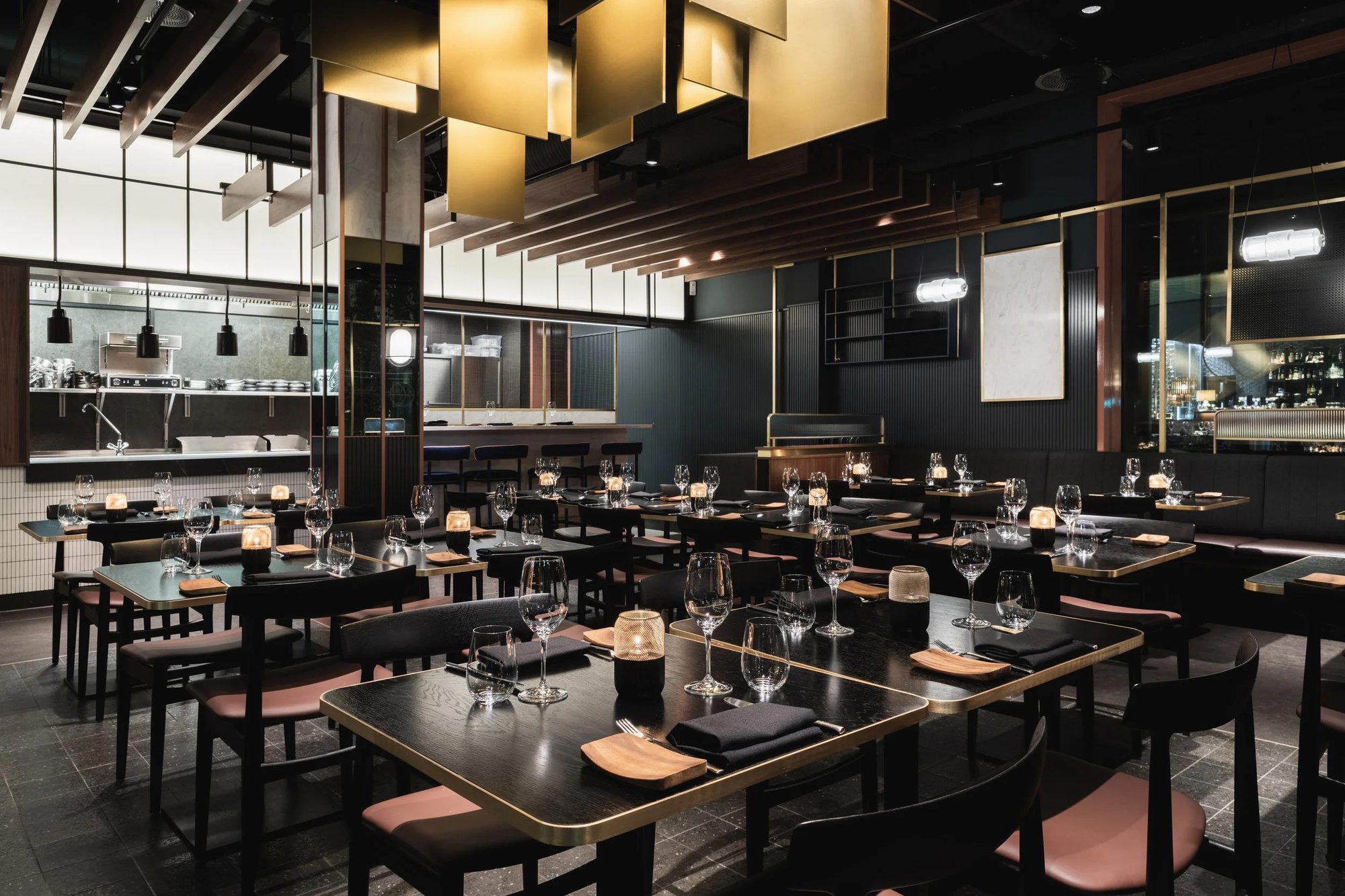
Oslo's Wine-Serious Dining Tier and Where Code Sits Within It
Oslo's fine dining scene has spent the past decade sorting itself into recognisable strata. At the leading, places like Maaemo and Kontrast operate at the intersection of New Nordic philosophy and international critical attention, running tasting menus that demand planning months in advance. Beneath that tier sits a smaller cohort of restaurants where the wine program is treated with equivalent seriousness to the food, and where the returning guest — not the first-time tourist chasing a stamp in their dining passport — is the implied audience. Code Restaurant, on Dronning Eufemias gate in Bjørvika, belongs to this second group.
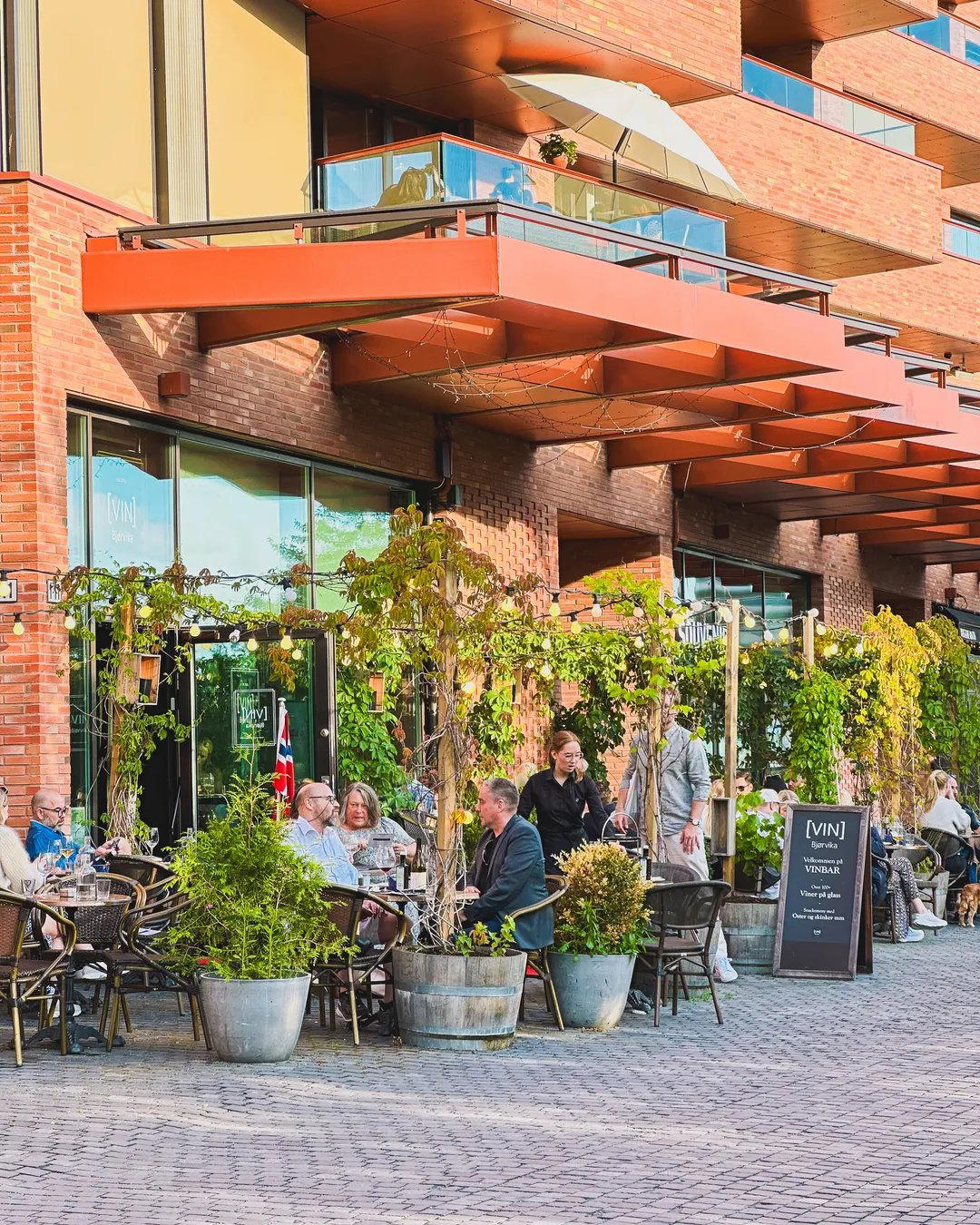
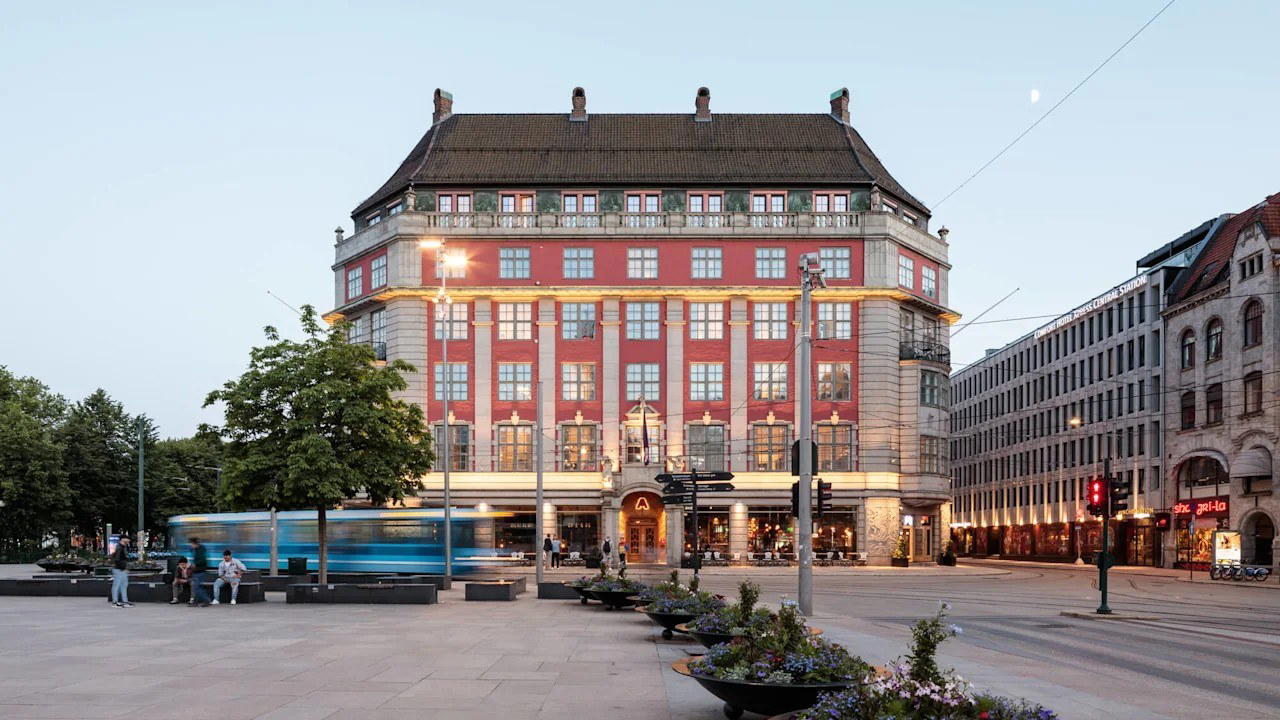
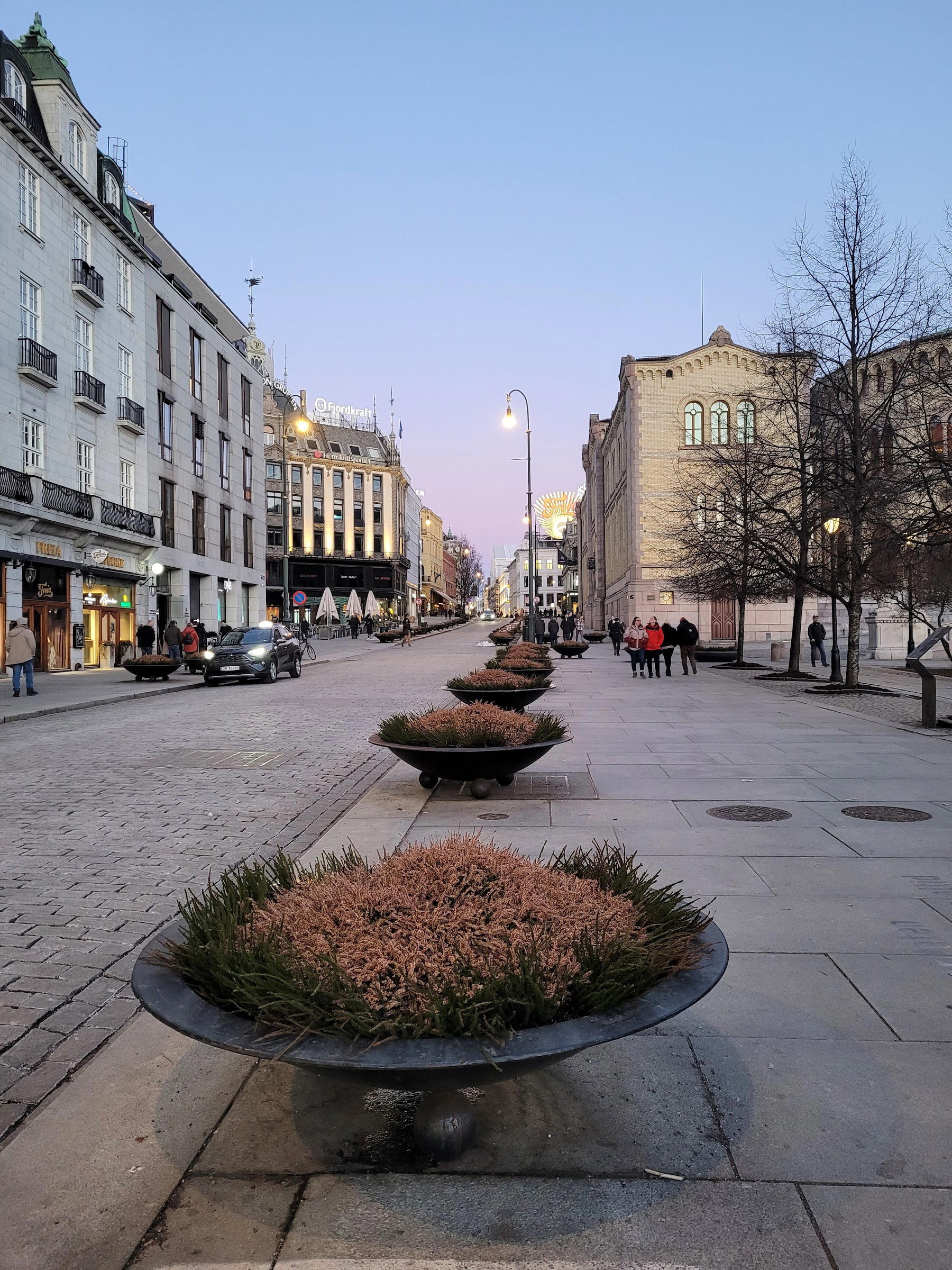
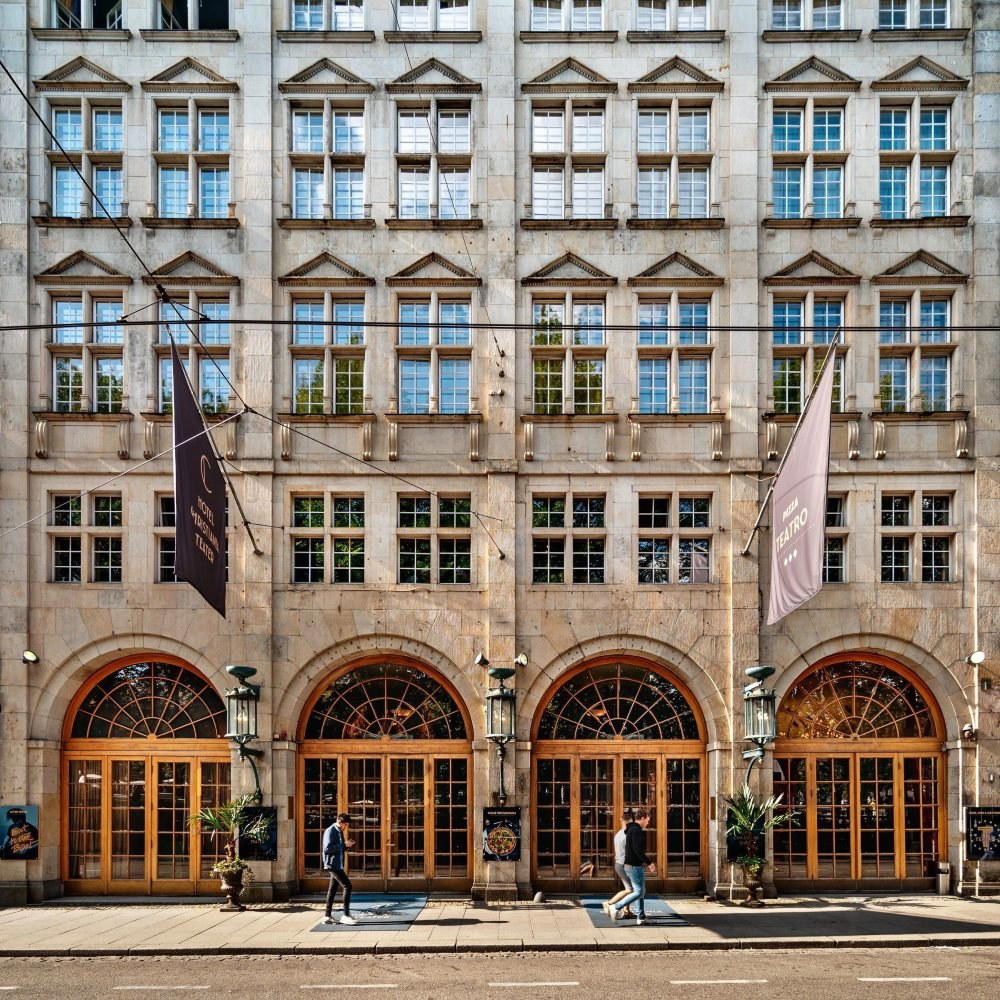
The Bjørvika district frames the experience before you reach the door. This is the part of Oslo that was remade from a former industrial waterfront into a cultural and commercial quarter over roughly fifteen years, home to the Oslo Opera House and a succession of new-build addresses that have gradually acquired neighbourhood character. The approach along Dronning Eufemias gate has that particular quality of a city district still finding its rhythm: architectural confidence at the large scale, quieter on a weekday evening at street level. Code sits inside that context without appearing to fight it.
The Star Wine List White Star: What the Designation Actually Means
Code's primary verifiable credential is a White Star from Star Wine List, awarded following publication on the platform in February 2022. Star Wine List evaluates restaurant wine programs across depth of selection, breadth across regions and styles, pricing structure, and the presence of genuinely interesting bottles beyond the safe commercial tier. A White Star represents a meaningful threshold: it places Code among a set of Oslo restaurants where the list is not merely adequate but editorially considered. For context, this is the designation tier that wine-focused regulars use as a reliable shorthand when the question is whether to spend serious attention on what's in the glass, not just what's on the plate.
Within Oslo's wine-serious dining category, this kind of recognition does real sorting work. It signals that the cellar program has been built with intention rather than assembled by default, and that at least some bottles on the list are there because someone made a considered argument for their inclusion. Compared with peers like Hot Shop or Bar Amour, which occupy adjacent positions in Oslo's creative dining tier, Code's wine credential is a specific differentiator rather than a generic claim.
The Regulars' Logic: What Draws the Returning Guest
Restaurants that accumulate a loyal clientele in a city like Oslo do so on terms that rarely have much to do with novelty. Oslo diners with serious food and wine interests have options that extend from casual Nordic at the Hot Shop end of the spectrum to French-influenced rooms like Mon Oncle. The guest who returns to a wine-forward room like Code is generally not returning for the surprise. They are returning because the list rewards re-engagement: bottles they didn't order last time, the ability to track how a program develops, the kind of conversation with a sommelier that requires a shared history rather than an introduction.
This is the dynamic that distinguishes a wine-serious restaurant from one that simply has an extensive list. The latter can be impressive on first encounter and exhausting thereafter. The former creates a relationship between guest and cellar that accumulates value. For a Bjørvika address that does not carry the immediate name-recognition of Oslo's most decorated rooms, this is a functional competitive advantage: the regulars are not there because the table was the hardest to book in the city. They are there because returning is more rewarding than arriving for the first time.
The geographic context matters here too. Bjørvika is not yet the kind of neighbourhood where guests drift in speculatively after a walk. It is a destination in the purposeful sense. The guest who arrives at Code has usually made a specific decision to be there, which self-selects for the kind of diner who has done the homework on the wine list before sitting down.
Code in the Broader Norwegian Fine Dining Picture
Norway's serious restaurant geography extends well beyond Oslo. RE-NAA in Stavanger holds three Michelin stars and operates as a benchmark for Norwegian fine dining outside the capital. FAGN in Trondheim and Gaptrast in Bergen demonstrate that the country's culinary ambition is geographically distributed rather than concentrated in the capital. At the more conceptually distinctive end, Under in Lindesnes and Iris in Rosendal use location itself as part of the proposition, while Boen Gård in Tveit works from an estate format. Against this wider Norwegian context, Code's wine-led positioning in Oslo's newest major district is a specific niche rather than a default.
Internationally, the wine-serious restaurant model that Code represents has strong precedents. Rooms like Le Bernardin in New York City or Emeril's in New Orleans each demonstrate how a distinctive program, whether technically rigorous or personality-driven, becomes the axis around which a loyal regular audience organises. The format is consistent: credentialed excellence in at least one dimension creates a reason for a specific type of guest to return.
Planning Your Visit
Code Restaurant is located at Dronning Eufemias gate 18, 0191 Oslo, in the Bjørvika district, within walking distance of Oslo Central Station. For visitors building a broader Oslo itinerary, the full Oslo restaurants guide covers the city's dining range across price points and formats. The Oslo bars guide, hotels guide, wineries guide, and experiences guide provide further planning depth.
Frequently asked questions
What's Code Restaurant's location?
Code Restaurant is located at Dronning Eufemias gate 18, 0191 Oslo, Norway, Oslo.
What's Code Restaurant known for in terms of accolades?
Code Restaurant has received recognition including: Code Restaurant is a restaurant in Oslo, Norway. It was published on Star Wine List on February 16, 2022 and is a White Star..
What dish is Code Restaurant famous for?
What the record does establish is that the wine program earned editorial recognition from Star Wine List in February 2022, suggesting the list rather than any single plate may be the sharper draw.
Should I book Code Restaurant in advance?
Advance booking is advisable. Code's Star Wine List White Star places it among Oslo's editorially recognised restaurants, and venues at this tier in Bjørvika fill tables from a repeat-guest base rather than walk-in traffic. Contact details are best confirmed via current Oslo dining platforms before your visit.
What makes Code Restaurant worth seeking out?
The Star Wine List White Star, awarded in February 2022, is the documented credential: it signals that Code's wine program was assessed and found editorially considered rather than incidental to the kitchen. In Oslo's fine dining tier, where Maaemo and Kontrast absorb most of the international attention, that designation marks Code as a reference point for wine-first diners working through the city.
Compact Comparison
Comparable venues nearby, for context on price, style, and recognition.
| Venue | Cuisine | Price | Awards | Notes |
|---|---|---|---|---|
| Code RestaurantThis venue — the venue you are viewing | Modern European | Not listed | Star Wine List | Not listed |
| St. Lars | Norwegian Grill Steakhouse | Not listed | Star Wine List | Bislett, Norwegian Grill Steakhouse |
| Fuglen | Specialty Coffee & Cocktails | Not listed | Not listed | Oslo Sentrum, Specialty Coffee & Cocktails |
| Becco | Natural Wine Bar | Not listed | Star Wine List | Nationaltheatret, Natural Wine Bar |
| Brasserie Rivoli | French Brasserie with Norwegian influences | $50–100 | Star Wine List | Vaterland, French Brasserie with Norwegian influences |
Recognition history
Dated appearances from independent guides and award organizations, with the underlying list record or original source where available.
Star Wine List
Star Wine List
Continue exploring
More in Oslo
Restaurants in Oslo
Browse all →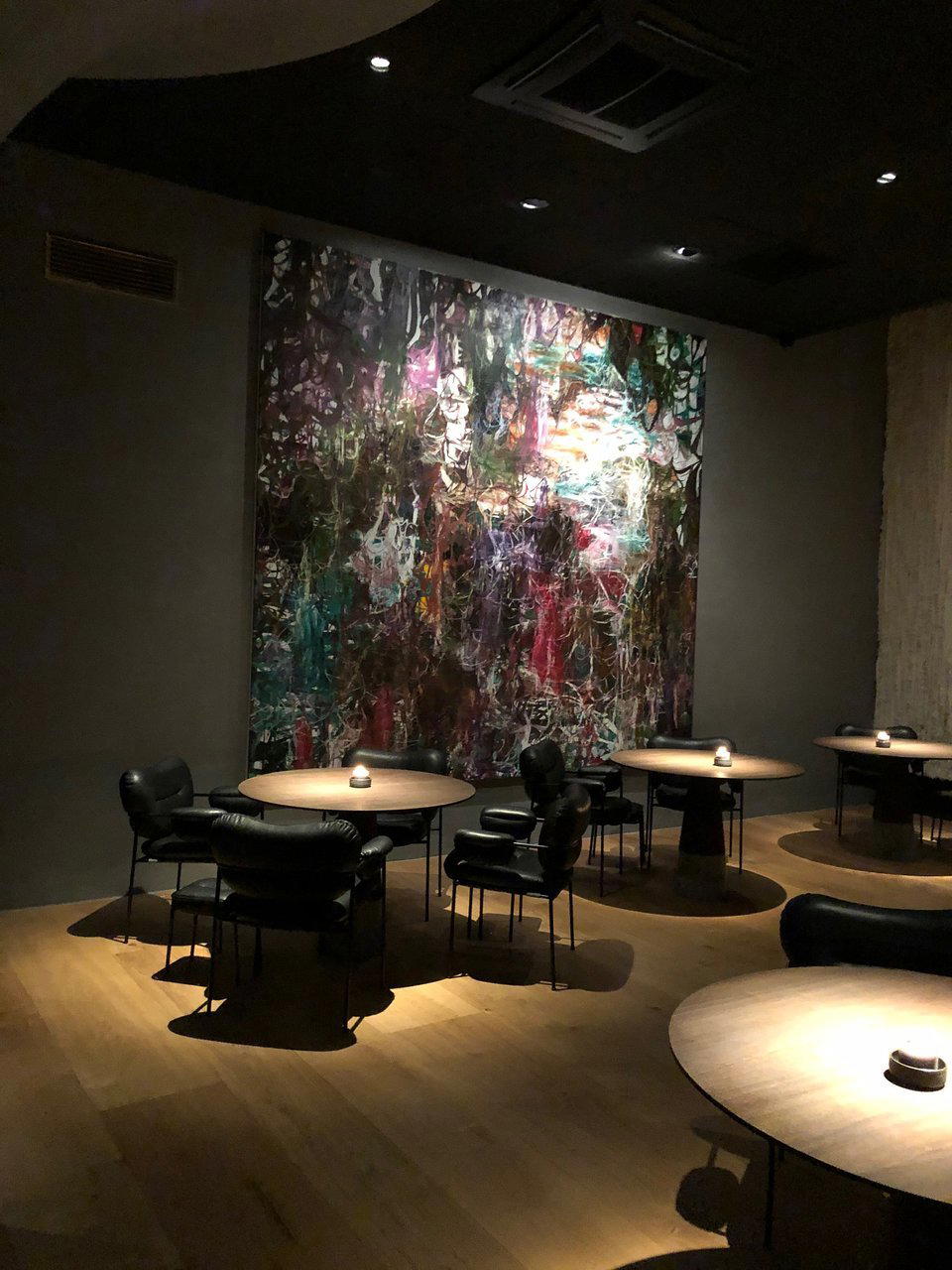

Code Restaurant
The wine
- Wine program
- Curated wine list
- Extensive wine list
Details
- Cozy
- Elegant
- Modern
- Date Night
- Business Dinner
- Celebration
- Terrace
- Extensive Wine List
- Local Sourcing
- Street Scene
- Tasting Menu
- A La Carte
- Set Menu
- Allergy Accommodating
Current opening hours
- Monday
- 11 AM–4 PM, 5–11 PM
- Tuesday
- 11 AM–4 PM, 5–11 PM
- Wednesday
- 11 AM–4 PM, 5–11 PM
- Thursday
- 11 AM–4 PM, 5–11 PM
- Friday
- 11 AM–4 PM, 5–11 PM
- Saturday
- 3–11 PM
- Sunday
- Closed
Hours can change for holidays and private events. Last verified .
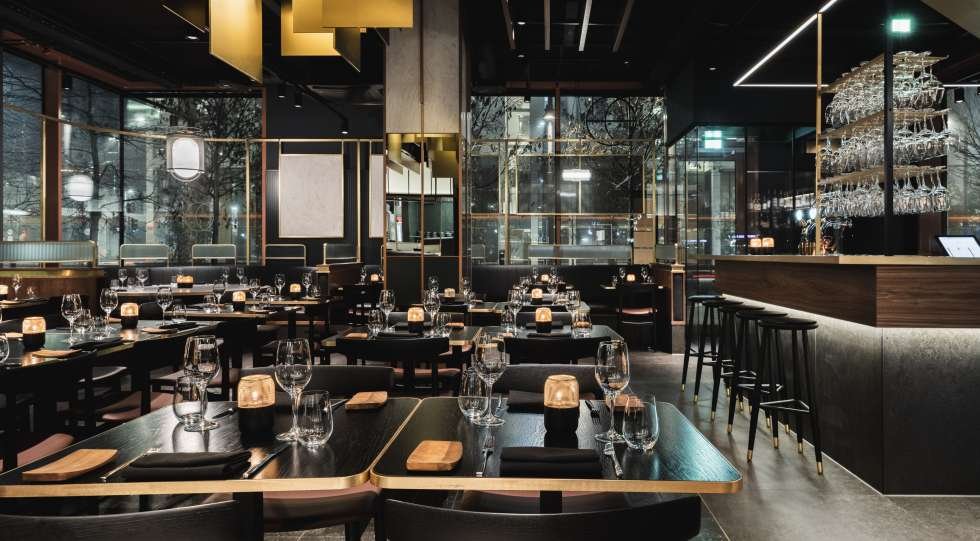
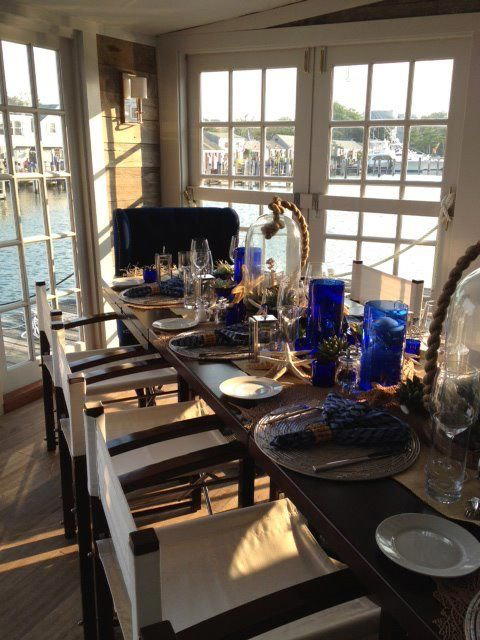
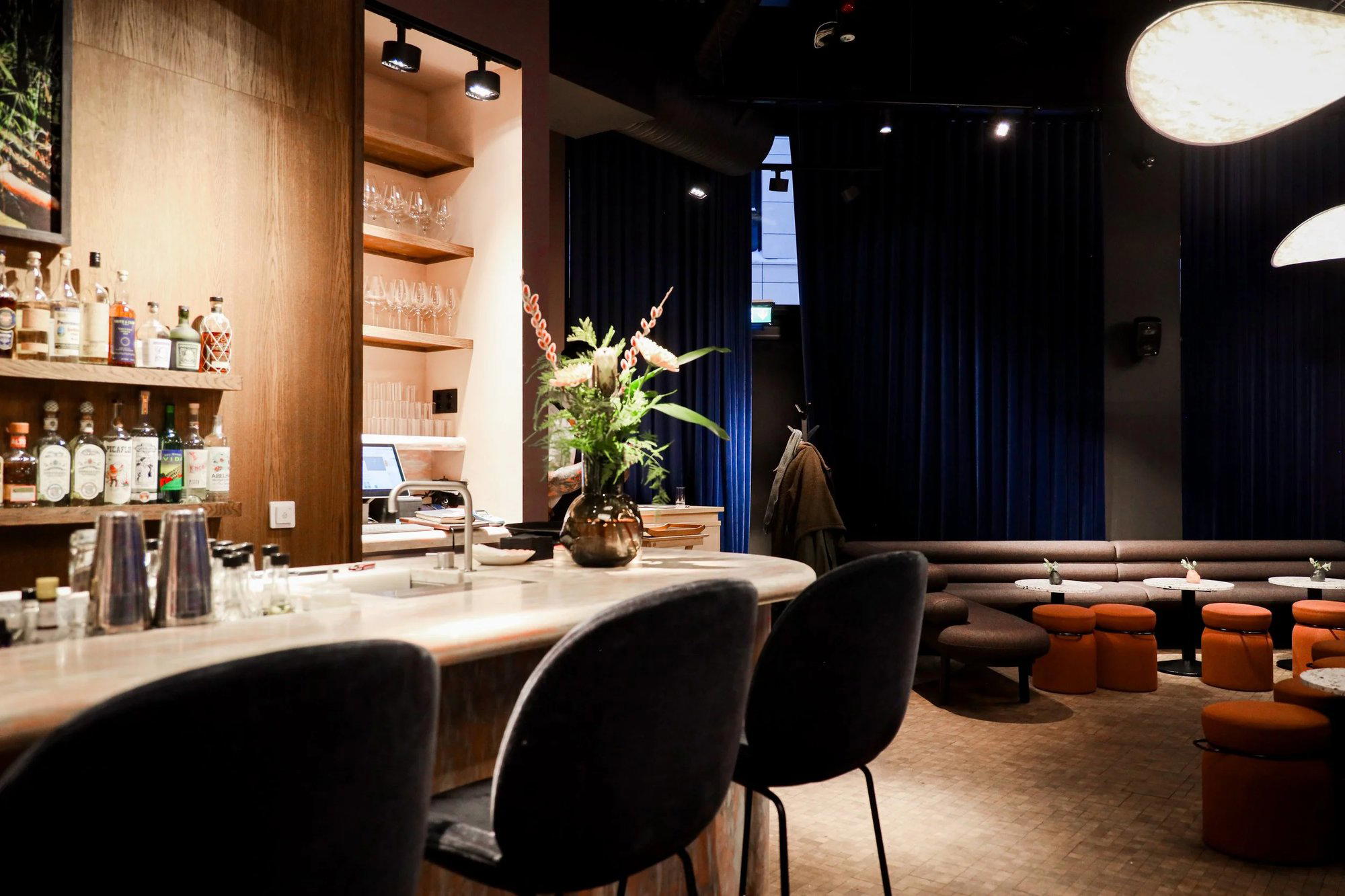
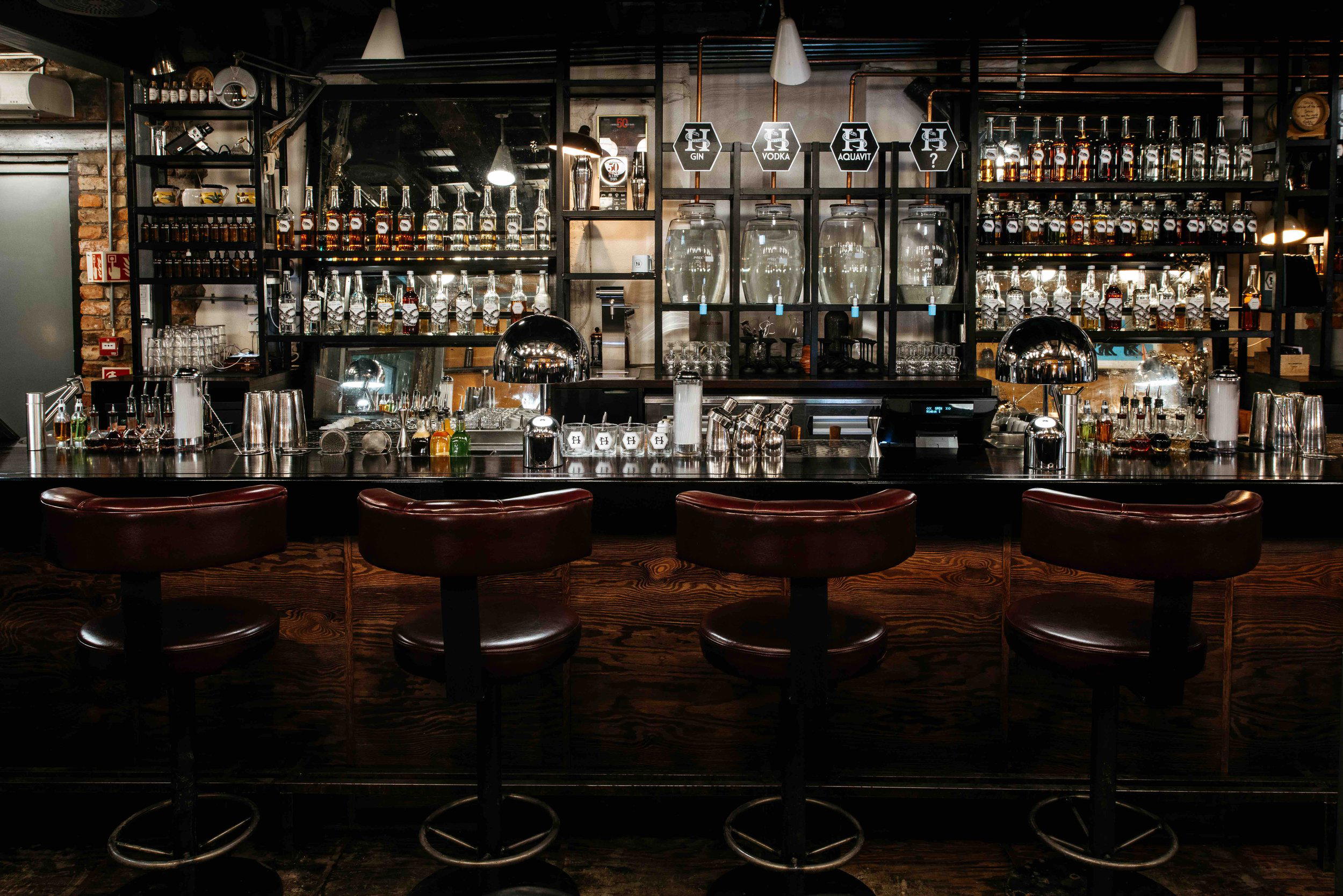
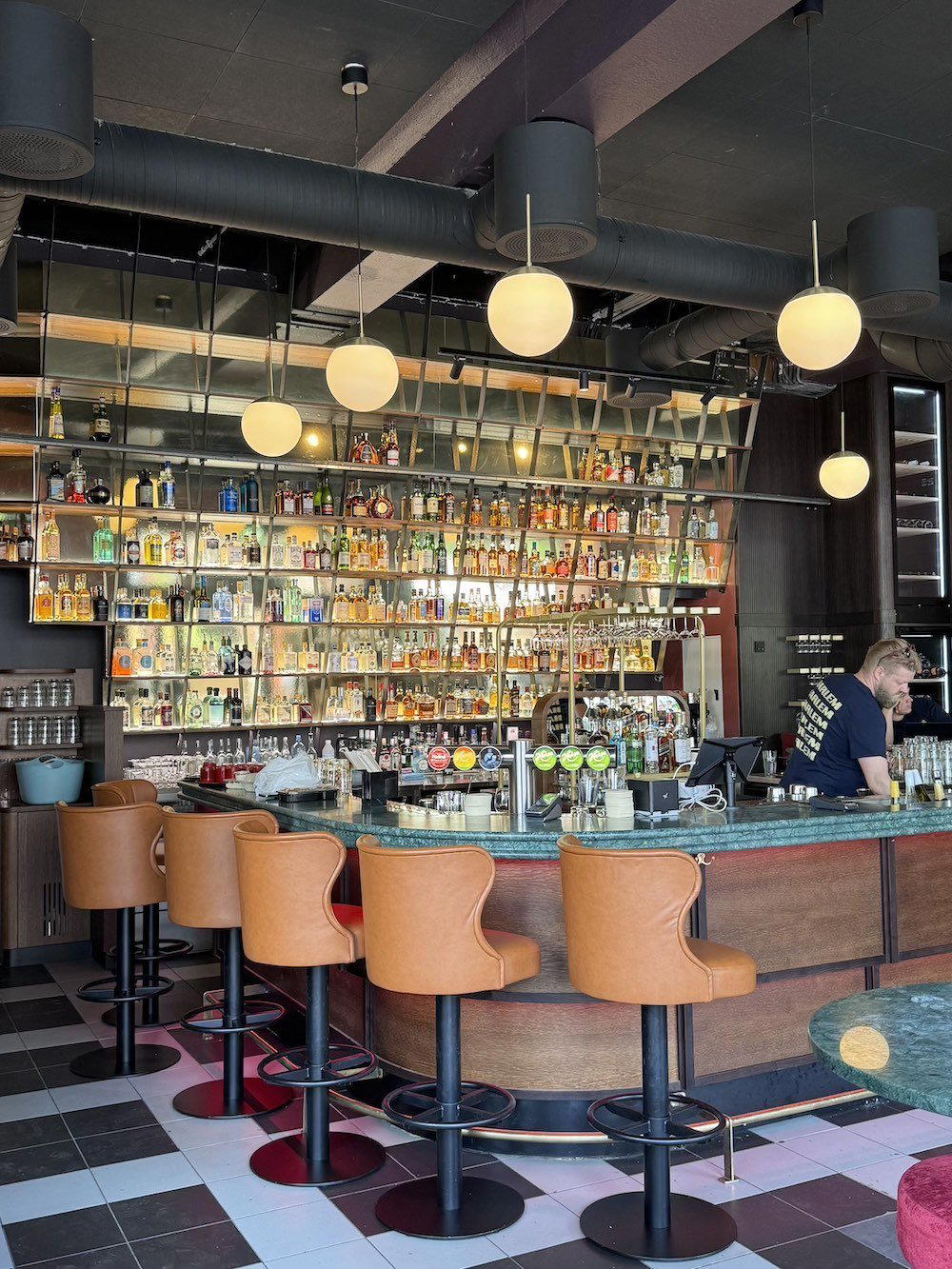
Cozy yet classy with dark-toned modern interior and welcoming terrace atmosphere.