Nobu Chicago
On West Randolph Street in Chicago's Restaurant Row, Nobu Chicago plants the globally recognized Matsuhisa format into the Midwest's most competitive dining corridor. The kitchen operates at the intersection of Japanese technique and South American ingredient influence, a template refined across decades of Nobu locations worldwide. For diners orienting themselves in a city with serious fine-dining credentials, it sits in a distinct tier from Chicago's tasting-menu houses.
Pearl is the En Primeur Club membership app — saves, bookings, and concierge access live there. Same editors, same standards.
- Address
- 854 W Randolph St, Chicago, IL 60607
- Phone
- +13127798800
- Website
- noburestaurants.com
- Directions
- Get directions
 Saves & bookings on Pearl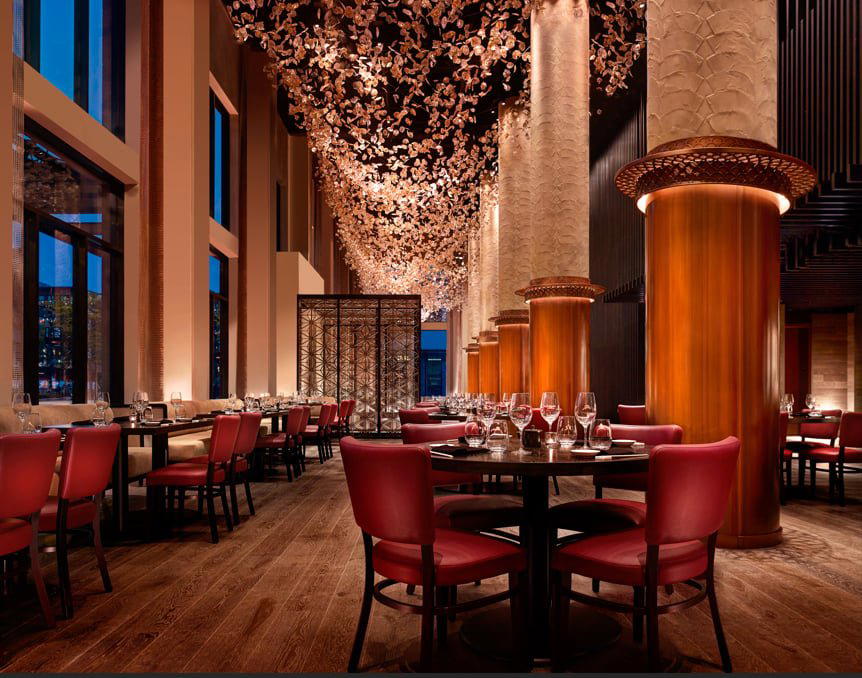
West Randolph Street and the Global Restaurant in a Local Context
Chicago's Restaurant Row on West Randolph Street has become one of the more instructive stretches of American dining real estate. Within a few blocks, the corridor holds some of the country's most discussed tasting-menu operations alongside international brand outposts, and the contrast between those two models tells you something useful about how the city's fine-dining ecosystem has developed. It sits in that corridor as a representative of the latter category: a globally standardized format applied to a city with its own deeply developed culinary identity.
The Nobu template, built around the fusion of Japanese technique with Peruvian and other South American ingredient logic, was codified in New York in the 1990s and has since spread across major cities worldwide. What Chicago's version offers is that same format in a market where diners are accustomed to benchmarking against houses like Alinea, Smyth, and Oriole, all of which operate multi-course tasting structures at the summit of the local price tier. That competitive context shapes how Nobu Chicago reads on the ground: it is not competing with those formats on their own terms, but it occupies a different and recognizable position in the same high-end bracket.
Japanese Technique Meets South American Influence: The Nobu Method
The editorial thread running through the Nobu network globally is the intersection of Japanese culinary discipline with ingredients and preparations associated with South America, particularly Peru. This is not a novel framing in 2024, given how thoroughly Japanese-Peruvian or Nikkei cuisine has entered the broader fine-dining conversation, but the Nobu format predates that broader recognition by decades. When the original Nobu opened in New York in 1994, the combination of tiradito preparations, miso-based glazes, and Japanese fish-handling standards was genuinely cross-referential in a way that the market had not fully absorbed.
Approach relies on applying Japanese knife work and temperature discipline to ingredients that fall outside traditional Japanese sourcing, and then framing those preparations through Peruvian acid and citrus logic rather than Japanese soy-and-dashi orthodoxy. Black cod with miso glaze became the emblematic dish of that method, demonstrating how a long fermented paste marinade could recalibrate a fish that Japanese kitchens would typically treat more neutrally. That dish, repeated across every Nobu location, functions less as a signature of a single kitchen and more as a proof-of-concept for the broader technique argument.
For comparison, the way Le Bernardin in New York City uses French classical structure as a stable frame for progressive seafood cooking, or the way Providence in Los Angeles grounds its California-forward seafood work in French technique, Nobu uses Japanese precision as its structural backbone while allowing South American flavors to provide the lateral movement. It is a coherent method, even if the global rollout has made it feel more institutional than experimental at this stage.
Positioning Within Chicago's Fine-Dining Tier
Chicago's high-end dining scene rewards specificity. The city's most discussed restaurants tend to have clearly defined editorial identities: Kasama brings Filipino-rooted cooking into the tasting-menu format; Next Restaurant operates on rotating concept cycles; Alinea remains the city's most internationally cited progressive American house. Against that backdrop, a globally branded restaurant operating a consistent international format occupies a distinct position. It is recognizable and predictable in the leading sense: diners know the register before they arrive, which is precisely the function a global brand serves in an unfamiliar city.
That predictability is worth taking seriously rather than dismissing. For a visitor to Chicago who has eaten at Nobu in Tokyo, London, or Miami, the Chicago location offers a calibrated reference point. For a local diner, it offers access to a format that does not exist elsewhere in the Midwest at this scale. Neither of those audiences is wrong to find value in it, and neither should approach it expecting the improvisation of a single-chef tasting room.
The broader American fine-dining picture provides useful peer context. Properties like The French Laundry in Napa, Blue Hill at Stone Barns in Tarrytown, and Single Thread Farm in Healdsburg each represent the hyper-local, place-specific end of the spectrum. Nobu Chicago operates at the opposite coordinate: internationally consistent, place-agnostic in its sourcing philosophy, and built for recognizability across markets. Both models have legitimate claims on a serious diner's calendar, and they answer different questions.
For cross-city comparison, Emeril's in New Orleans, Lazy Bear in San Francisco, Addison in San Diego, The Inn at Little Washington, and Bacchanalia in Atlanta each illustrate how American fine dining inflects global technique through local identity. Nobu's model inverts that logic, bringing a globally fixed identity to local markets rather than building outward from local conditions. The contrast is instructive.
For Korean-influenced precision cooking as a counterpoint to the Nobu format's Japanese-Peruvian axis, Atomix in New York City and 8 1/2 Otto e Mezzo Bombana in Hong Kong represent how other Asian culinary traditions are being filtered through Western fine-dining structures with serious critical results.
Planning a Visit: Logistics and Peer Comparison
West Randolph Street is accessible from the Loop and walkable from several Near West Side hotels. Reservations are recommended, particularly on weekends when the corridor draws significant foot traffic from across the city. The address at 854 W Randolph places it within the densest concentration of the street's restaurant offerings.
| Venue | Format | Price Tier | Booking Lead Time |
|---|---|---|---|
| Nobu Chicago | Global brand, à la carte and sharing | High | Moderate; walk-ins possible off-peak |
| Alinea | Progressive tasting menu | $$$$ | Months in advance; ticketed |
| Smyth | Contemporary tasting menu | $$$$ | Several weeks ahead |
| Oriole | Contemporary tasting menu | $$$$ | Several weeks ahead |
| Kasama | Filipino tasting menu and daytime café | $$$$ | Competitive; book early |
Peers You’d Cross-Shop
Comparable venues nearby, for context on price, style, and recognition.
| Venue | Cuisine | Price | Notes |
|---|---|---|---|
| Nobu ChicagoThis venue — the venue you are viewing | Japanese-Peruvian Fusion | $$$$ | Not listed |
| Jōtō Sushi | Dry-Aged Sushi Omakase | $$$$ | West Loop |
| Omakase by Kanemaru | Traditional Japanese Omakase | $$$$ | River North |
| Sushi Dokku | Modern Japanese Sushi | $$$ | West Loop |
| Stetsons Modern Steak + Sushi | Modern Steak + Sushi | $$$$ | Downtown / The Loop |
| Mirai Sushi | Authentic Japanese Sushi | $$ | Wicker Park |
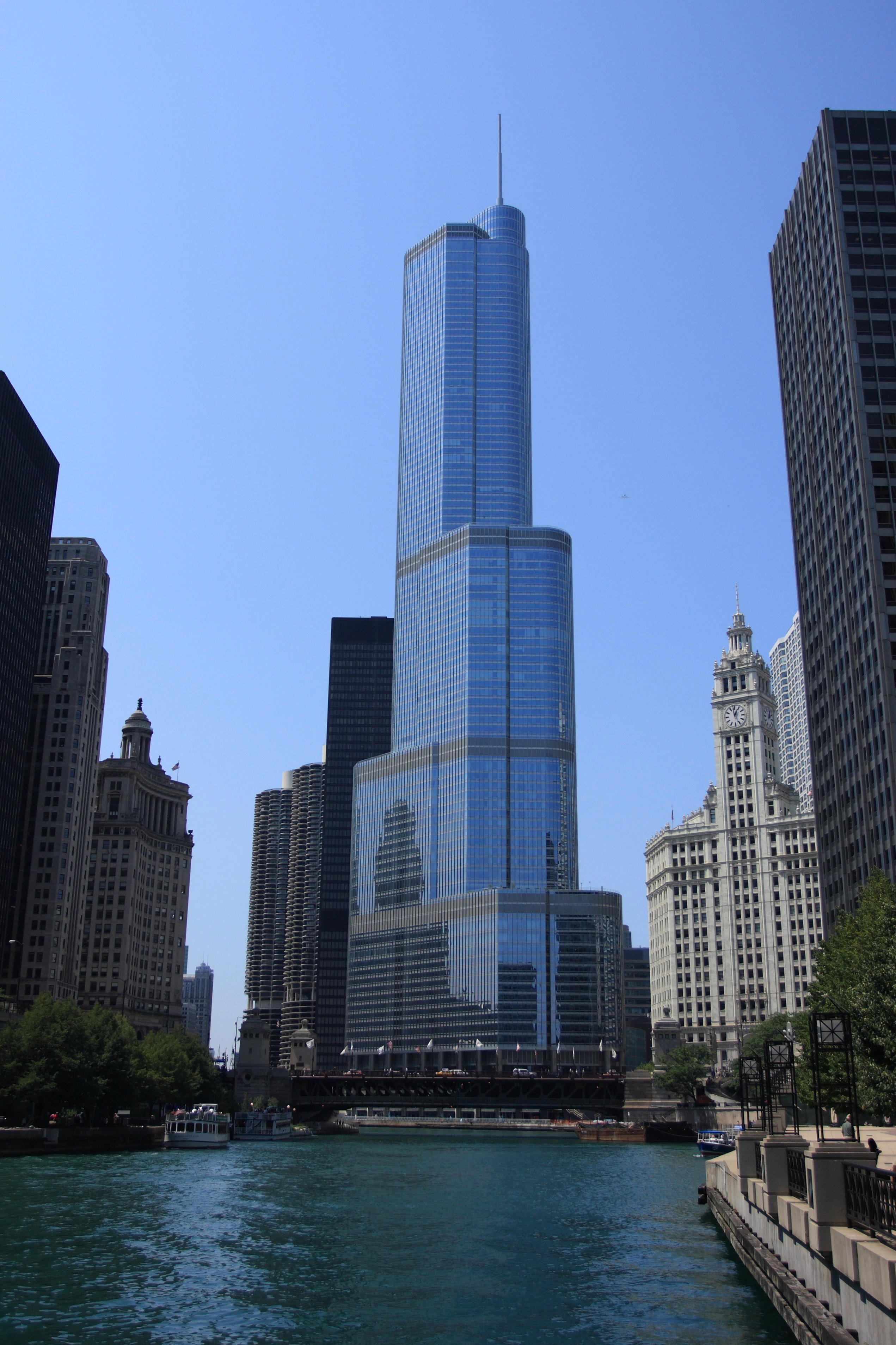
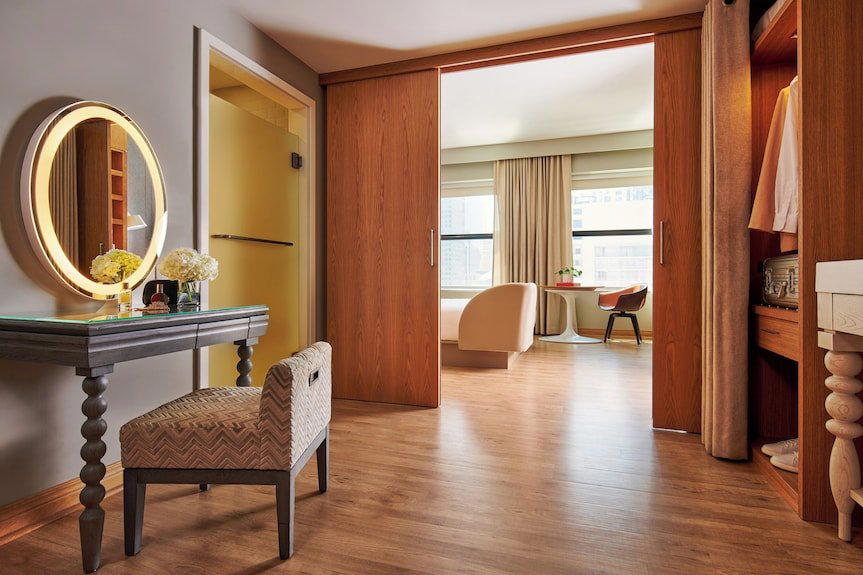
At a Glance
- Elegant
- Sophisticated
- Modern
- Trendy
- Date Night
- Business Dinner
- Special Occasion
- Celebration
- Hotel Restaurant
- Private Dining
- Craft Cocktails
- Sake Program
Current opening hours
- Monday
- 7–11 AM, 11:30 AM–3 PM, 5 PM–12 AM
- Tuesday
- 12–11 AM, 11:30 AM–3 PM, 5–9:30 PM
- Wednesday
- 7–11 AM, 11:30 AM–3 PM, 5–9:30 PM
- Thursday
- 7–11 AM, 11:30 AM–3 PM, 5–10 PM
- Friday
- 7–11 AM, 11:30 AM–3 PM, 5–11 PM
- Saturday
- 7:30–11 AM, 11:30 AM–3 PM, 5–11 PM
- Sunday
- 7:30–11 AM, 11:30 AM–3 PM, 5–9:30 PM
Hours can change for holidays and private events. Last verified .
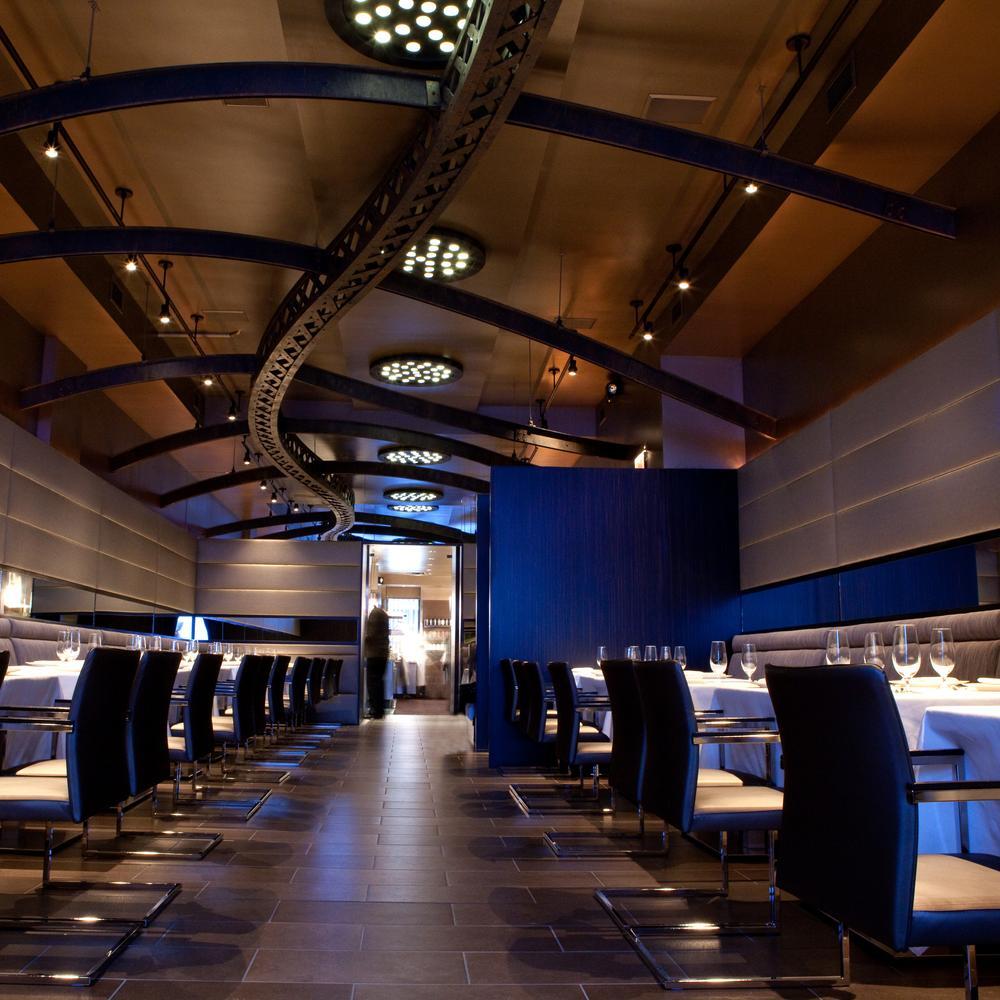
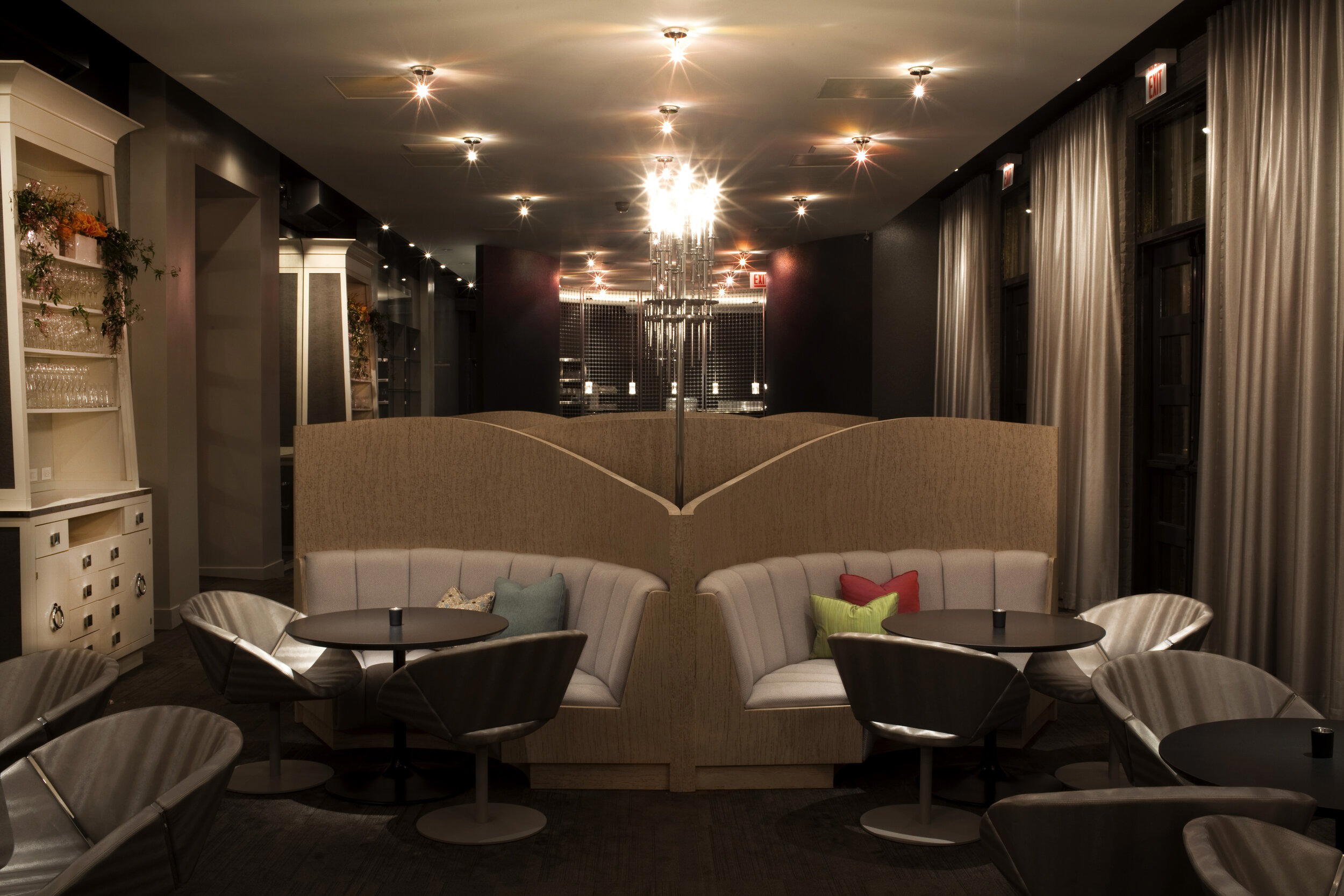
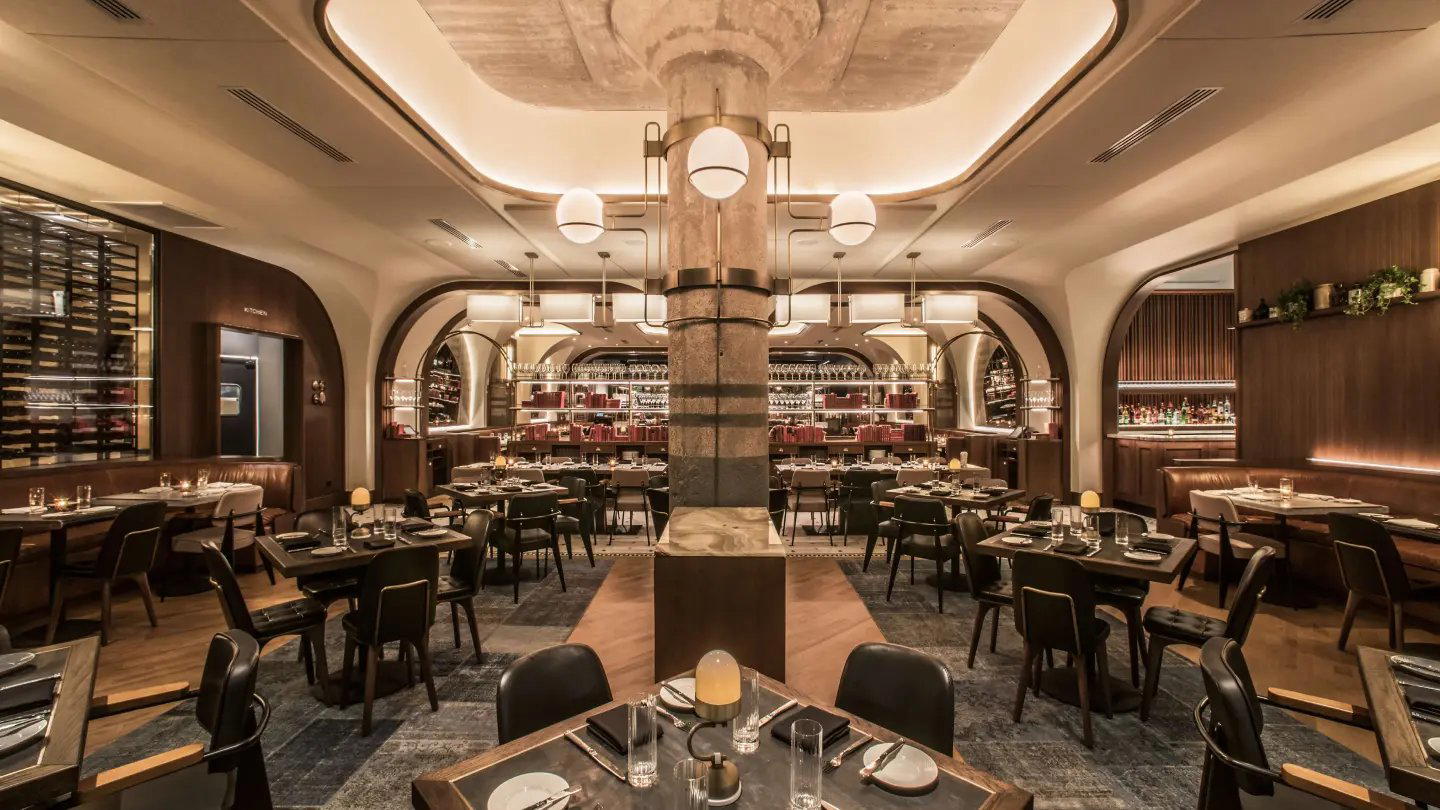
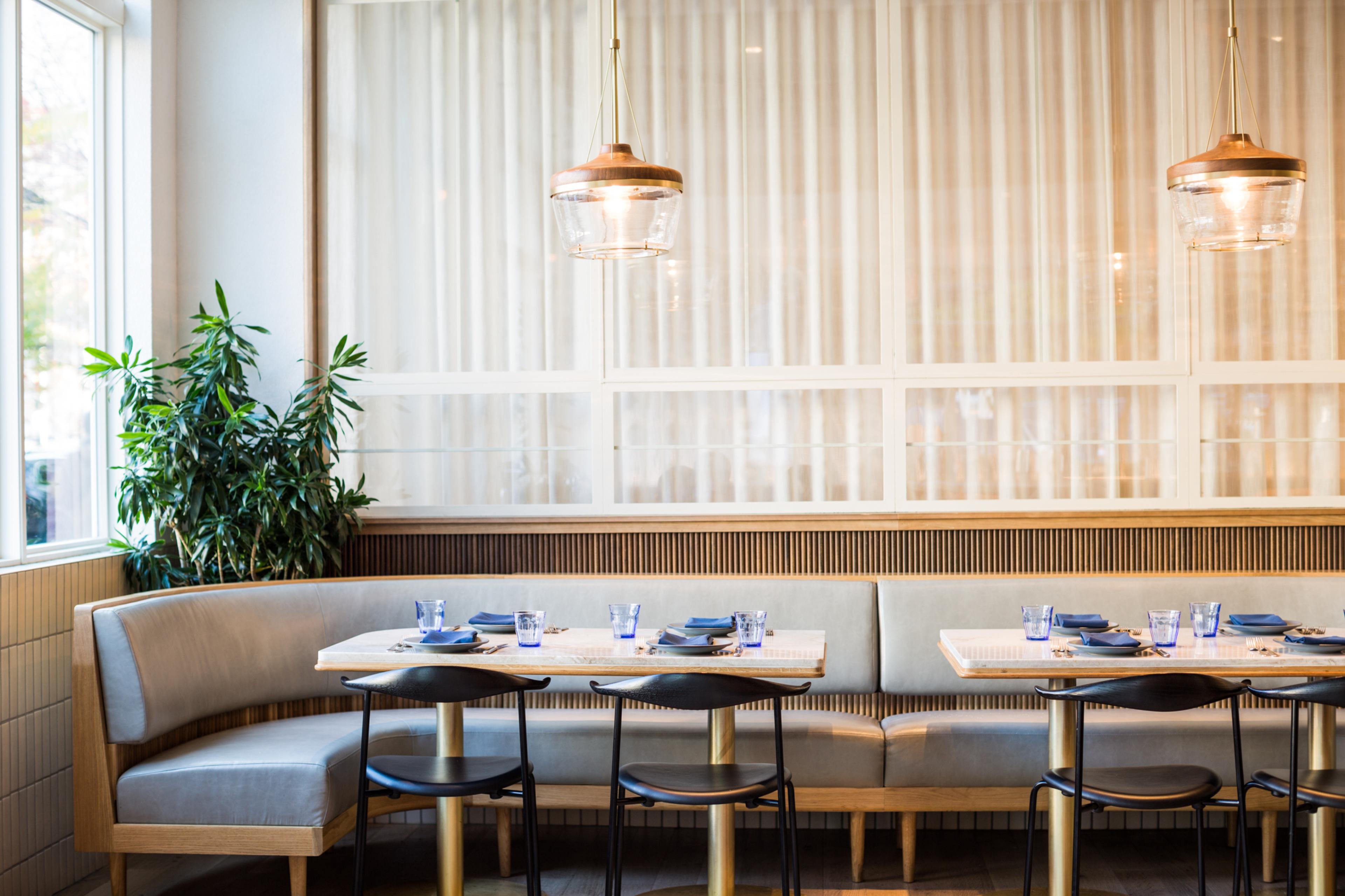
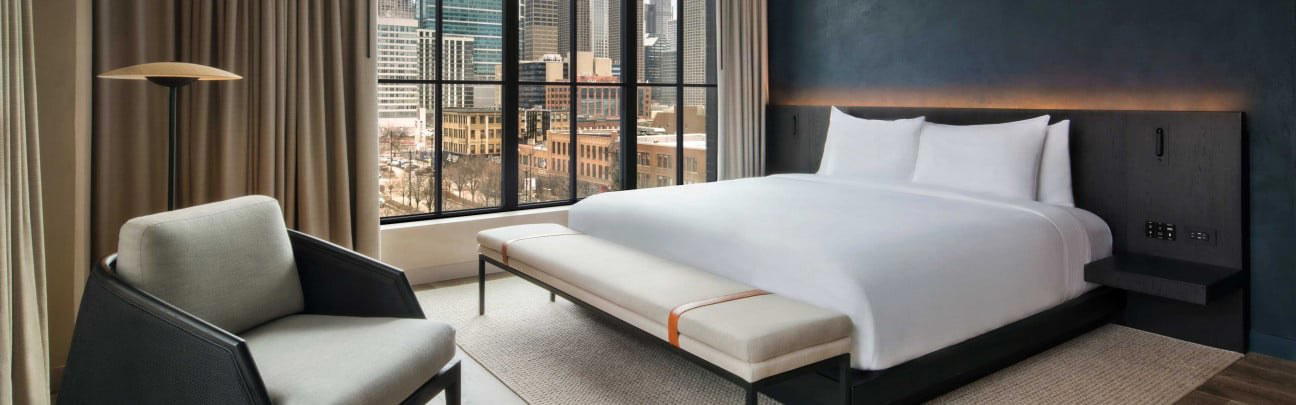
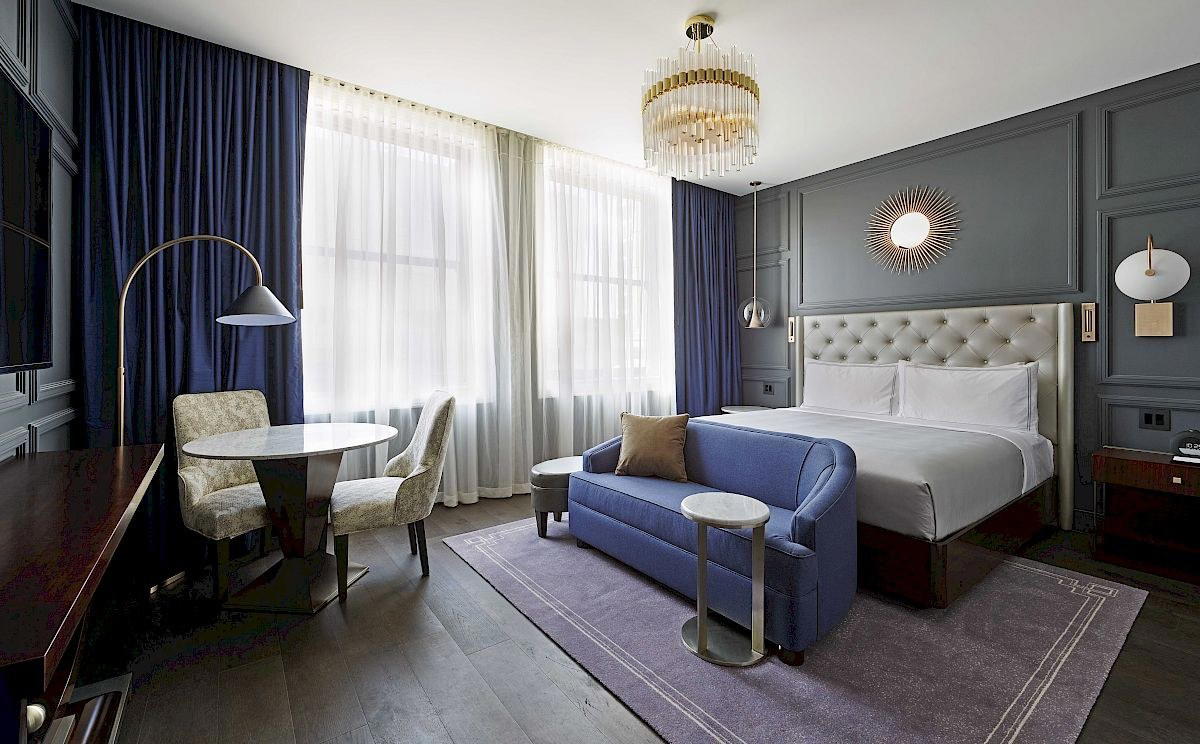
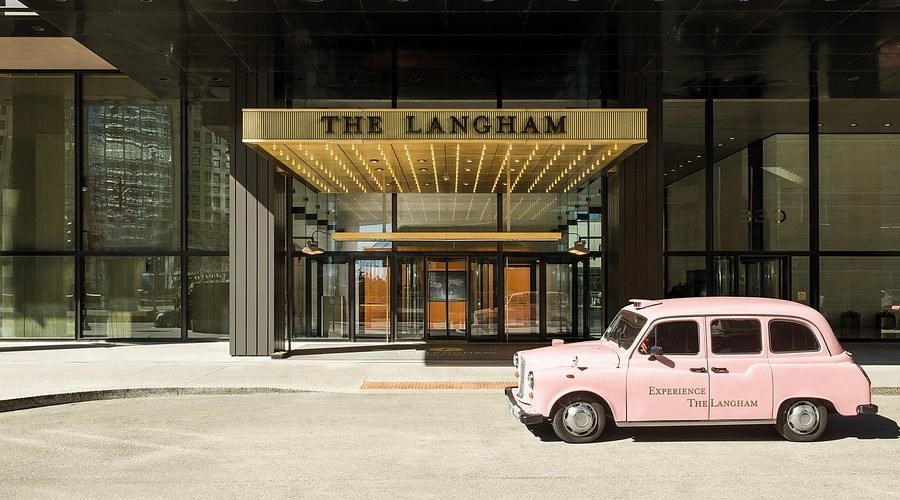
Glitzy and design-forward with an unmistakable sense of place, featuring a sushi bar on the mezzanine and thoughtful, attentive service infused with Japanese hospitality.