Omakase by Kanemaru
Omakase by Kanemaru occupies a precise position in Chicago's small-counter Japanese dining tier, operating from 40 W Hubbard St in the River North corridor. The format follows the classic omakase structure, where the chef sequences the meal and the counter becomes the frame for that conversation. For a city that has built serious depth in tasting-menu culture, this is one of the more focused expressions of that tradition.
Pearl is the En Primeur Club membership app — saves, bookings, and concierge access live there. Same editors, same standards.
- Address
- 40 W Hubbard St, Chicago, IL 60654
- Phone
- +13126243013
- Website
- omakaseroom.com
- Directions
- Get directions
 Saves & bookings on Pearl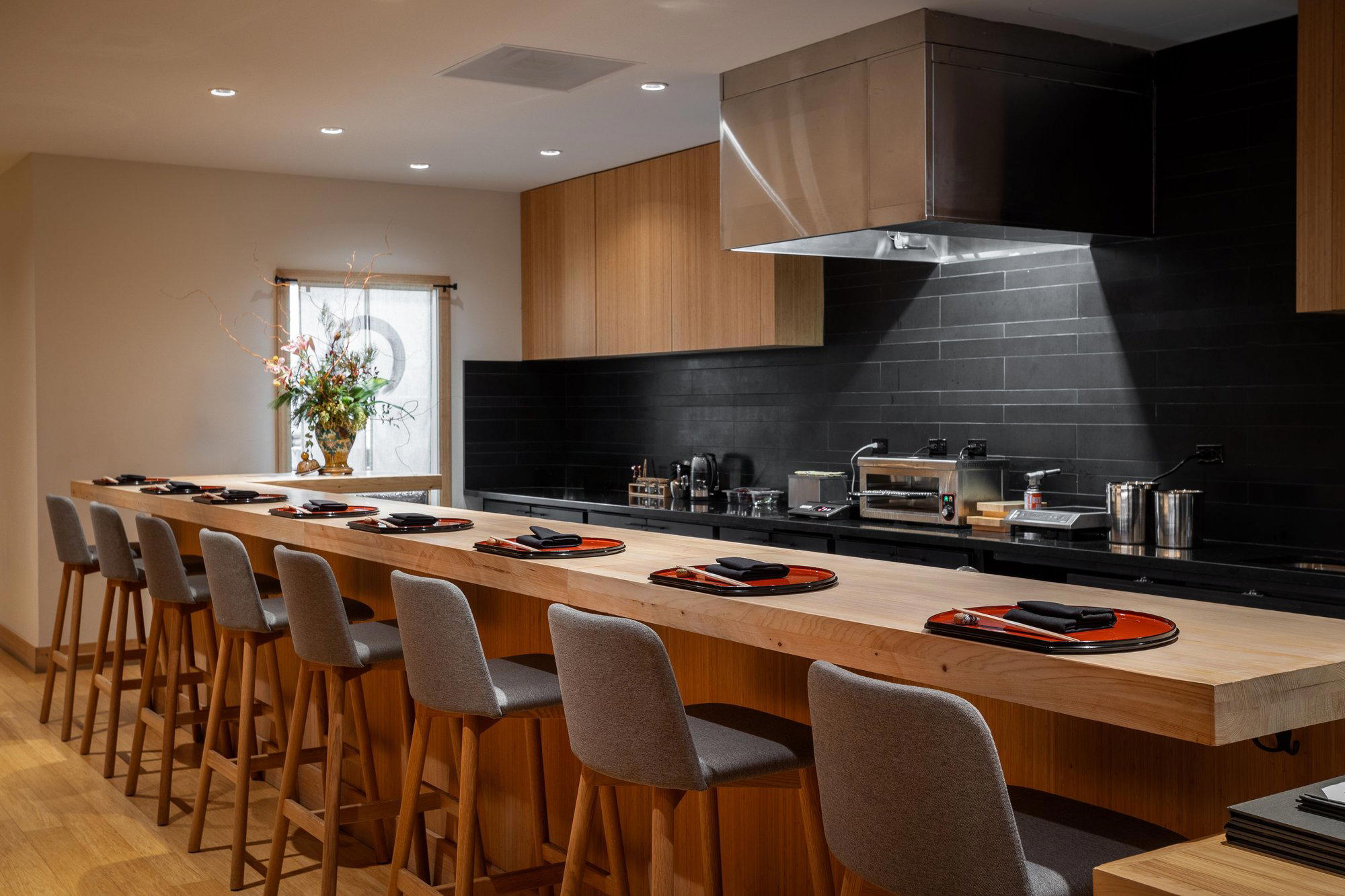
A Counter Format With Deep Roots
The omakase tradition in Japan was never about abundance. It was about trust: a diner surrenders the decision entirely to the chef, who sequences dishes according to what is leading that day, at that moment, from what arrived at the market that morning. That structure traveled to the United States with varying degrees of fidelity. In cities like New York and Los Angeles, the format fragmented into both rigorous adherence and loose approximation. Chicago built its high-end dining identity largely through the progressive American tradition, with places like Alinea, Smyth, and Oriole anchoring the tasting-menu conversation. Omakase by Kanemaru is a Traditional Japanese Omakase restaurant in Chicago. Omakase by Kanemaru operates inside a smaller and more specialized category within that broader scene.
River North, where the restaurant sits at 40 W Hubbard St, is dense with dining options across formats and price points. The neighborhood's character is high-volume and commercially ambitious. Small-counter Japanese dining runs against that grain almost by design. A format that depends on silence, sequencing, and a single counter line of seats does not scale into the surrounding hospitality culture. That friction is part of what gives Chicago's dedicated omakase operators their coherence as a category: they hold a specific position by choosing not to expand into the format that the neighborhood rewards most.
Where Omakase Sits in Chicago's Tasting-Menu Tier
Chicago's tasting-menu scene is one of the more developed in North America. Alinea established the city's international credibility in the progressive American register. Kasama brought Filipino-rooted fine dining into the conversation with significant critical recognition. Next Restaurant runs its rotating concept model from the same Grant Achatz organization. Against that context, Japanese omakase represents a different discipline: less theatrical, more austere, built around product quality and knife skill rather than transformation and presentation spectacle.
Across the country, the premium omakase tier has compressed. In cities where the format has matured, the gap between a credentialed small counter and a more casual Japanese restaurant has widened in both price and expectation. Comparison points at the national level include venues like Le Bernardin in New York City, which represents a parallel commitment to seafood precision in a Western fine-dining frame, and Providence in Los Angeles, which applies similar rigor to California-sourced product. The disciplines differ, but the underlying logic of format and sourcing seriousness aligns them in the same broad tier of American fine dining.
Omakase by Kanemaru enters that national conversation from a city that has historically not been the primary destination for Japanese counter dining. That positioning cuts two ways: Chicago diners with serious interest in the format have fewer local options than their counterparts in New York or Los Angeles, which concentrates demand at the venues that do operate here. It also means the format carries a slightly different weight in Chicago, where it reads as a deliberate specialist choice rather than one option among many.
The Format Itself: What the Counter Demands
The omakase structure places specific demands on both kitchen and diner that most restaurant formats do not. There is no à la carte fallback, no modification negotiation, no menu to study in advance. The sequence is the chef's argument, and the diner's role is to receive it attentively. That dynamic is common in Japan's high-end sushi culture and in the leading American expressions of it, but it remains genuinely unusual in a city whose dining culture rewards personalization and choice.
Across formats, the American small-counter omakase has proven more durable than critics expected a decade ago. The format was briefly fashionable in the mid-2010s and then faced pressure from a more casual sushi-bar wave. What remained after that pressure were the operators most committed to the original discipline: the sequencing logic, the temperature and texture progression, the restraint in presentation. Venues operating in this register now tend to book in advance and run at consistent capacity rather than chasing walk-in volume, a pattern visible at serious small-counter programs nationally.
For diners calibrating expectations, the useful references are not the broader Japanese restaurant category but the other fixed-format, chef-driven tasting programs in the city. The experience of sitting at Smyth or Oriole shares the structural logic of surrendering the sequence to the kitchen, even if the culinary vocabulary is entirely different. That structural overlap is worth understanding before booking: omakase dining rewards the same patience and attention that Chicago's progressive American tasting menus require.
Placing Chicago in the National Omakase Map
American cities with mature omakase cultures tend to have their depth explained by Japanese-American community history, coastal geography, or a specific wave of Japanese immigration to the hospitality industry. Chicago's Japanese restaurant history runs thinner than New York's or Los Angeles's, which shapes the current small-counter tier. Venues elsewhere in the country that demonstrate what the format achieves at full depth include Single Thread Farm in Healdsburg, which runs a kaiseki-influenced tasting sequence with serious Japanese craft influence, and The French Laundry in Napa, which shares the sequencing philosophy from a different culinary tradition entirely. The format logic connects them even when the cuisine does not.
For reference across the broader American fine-dining map, the precision-driven tasting model appears consistently at venues like Lazy Bear in San Francisco, Blue Hill at Stone Barns in Tarrytown, Addison in San Diego, The Inn at Little Washington, Bacchanalia in Atlanta, and Atomix in New York City, the last of which applies Korean culinary tradition to a similar counter-and-sequence framework. The international reference point that sharpens the comparison furthest afield is 8 1/2 Otto e Mezzo Bombana in Hong Kong, which demonstrates how a rigorous tasting format can establish a distinct identity across cultural contexts. Emeril's in New Orleans represents yet another register of American chef-driven dining where the room and the sequence both carry meaning beyond the individual dish.
At-a-Glance Comparison
Comparable venues nearby, for context on price, style, and recognition.
| Venue | Cuisine | Price | Notes |
|---|---|---|---|
| Omakase by KanemaruThis venue — the venue you are viewing | Traditional Japanese Omakase | $$$$ | Not listed |
| Midōsuji | Nouvelle Japanese Omakase | $$$$ | Downtown / Loop |
| Noriko | Modern Japanese Handroll Bar | $$$$ | West Loop |
| Jōtō Sushi | Dry-Aged Sushi Omakase | $$$$ | West Loop |
| AJI | Japanese Omakase | $$$$ | Lakeview |
| Omakase on me | Modern Creative Omakase | $$$$ | Wrigleyville |
At a Glance
- Intimate
- Elegant
- Sophisticated
- Special Occasion
- Date Night
- Chefs Counter
- Sake Program
Current opening hours
- Monday
- Closed
- Tuesday
- 5:30–9:15 PM
- Wednesday
- 5:30–9:15 PM
- Thursday
- 5:30–9:15 PM
- Friday
- 5–10:45 PM
- Saturday
- 5–10:45 PM
- Sunday
- Closed
Hours can change for holidays and private events. Last verified .
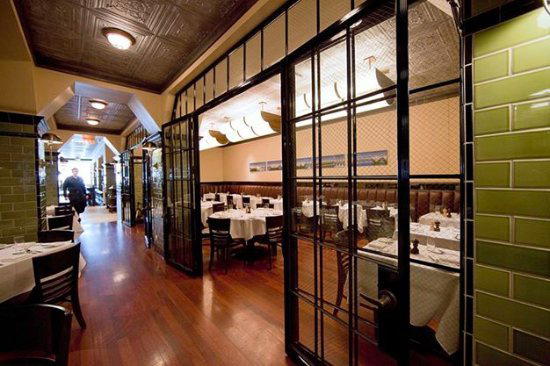
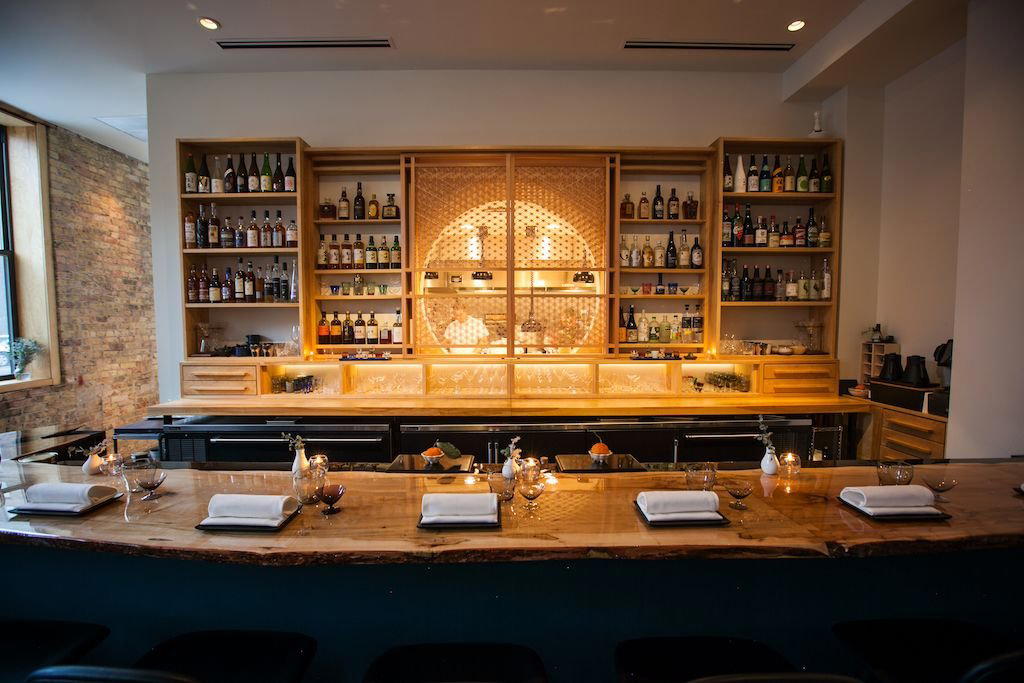
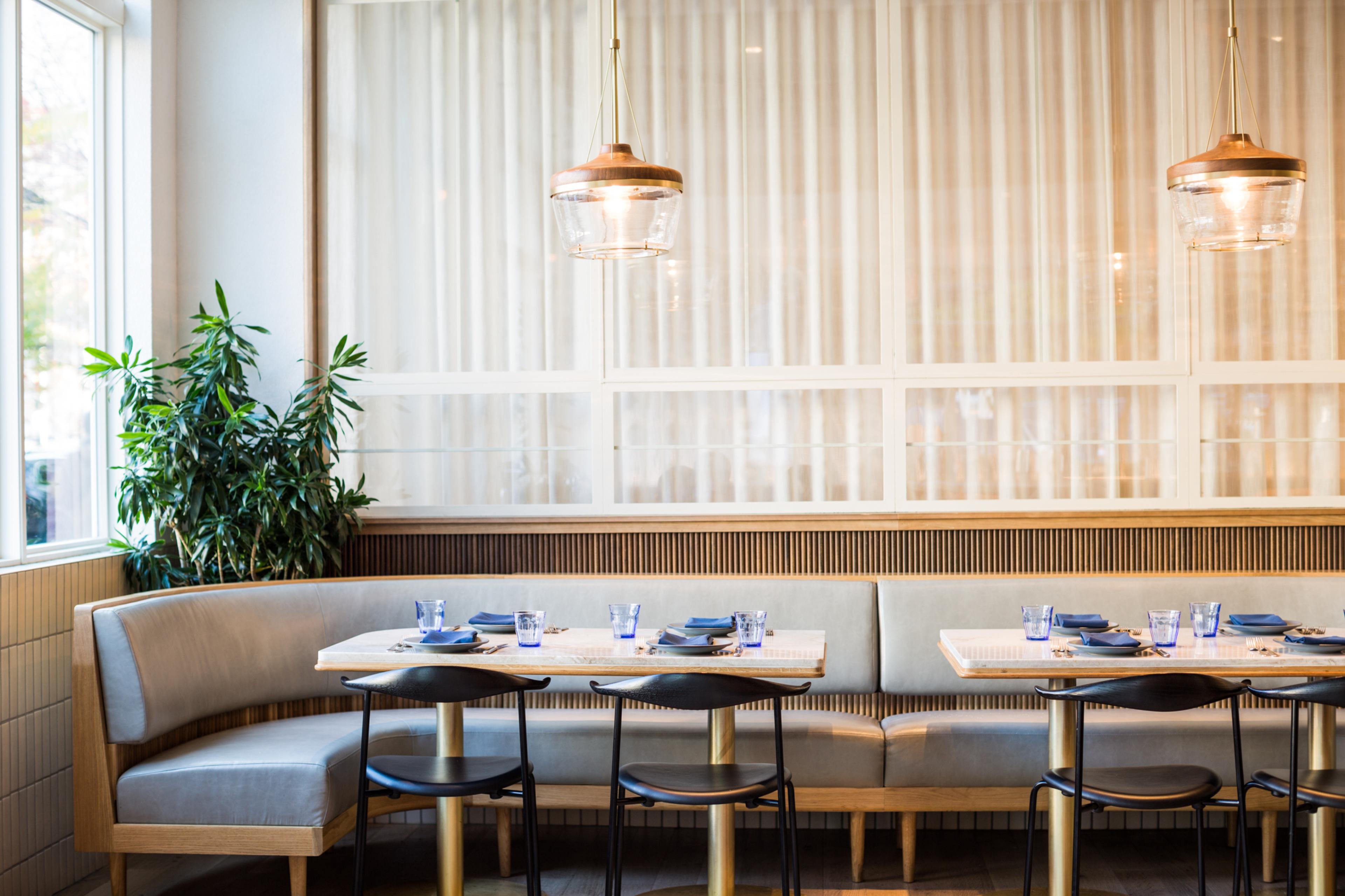
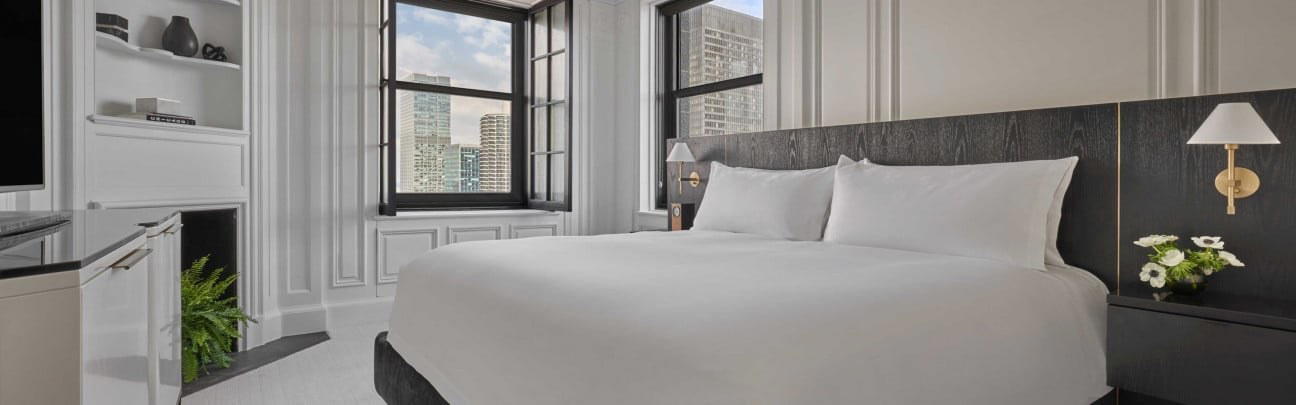
Intimate and elegant sushi counter setting with warm hospitality, though described by some as overlit.