Jōtō Sushi
On West Randolph Street, Chicago's most competitive dining corridor, Jōtō Sushi occupies a position that serious omakase seekers will recognize immediately: a counter-format Japanese restaurant in a city that has grown increasingly sophisticated about what that format demands. The address alone places it inside a conversation about how Chicago's fine dining scene now measures itself against coastal peers.
Pearl is the En Primeur Club membership app — saves, bookings, and concierge access live there. Same editors, same standards.
- Address
- 564 W Randolph St, Chicago, IL 60661
- Phone
- +13127078780
- Website
- chdistillery.com
- Directions
- Get directions
 Saves & bookings on Pearl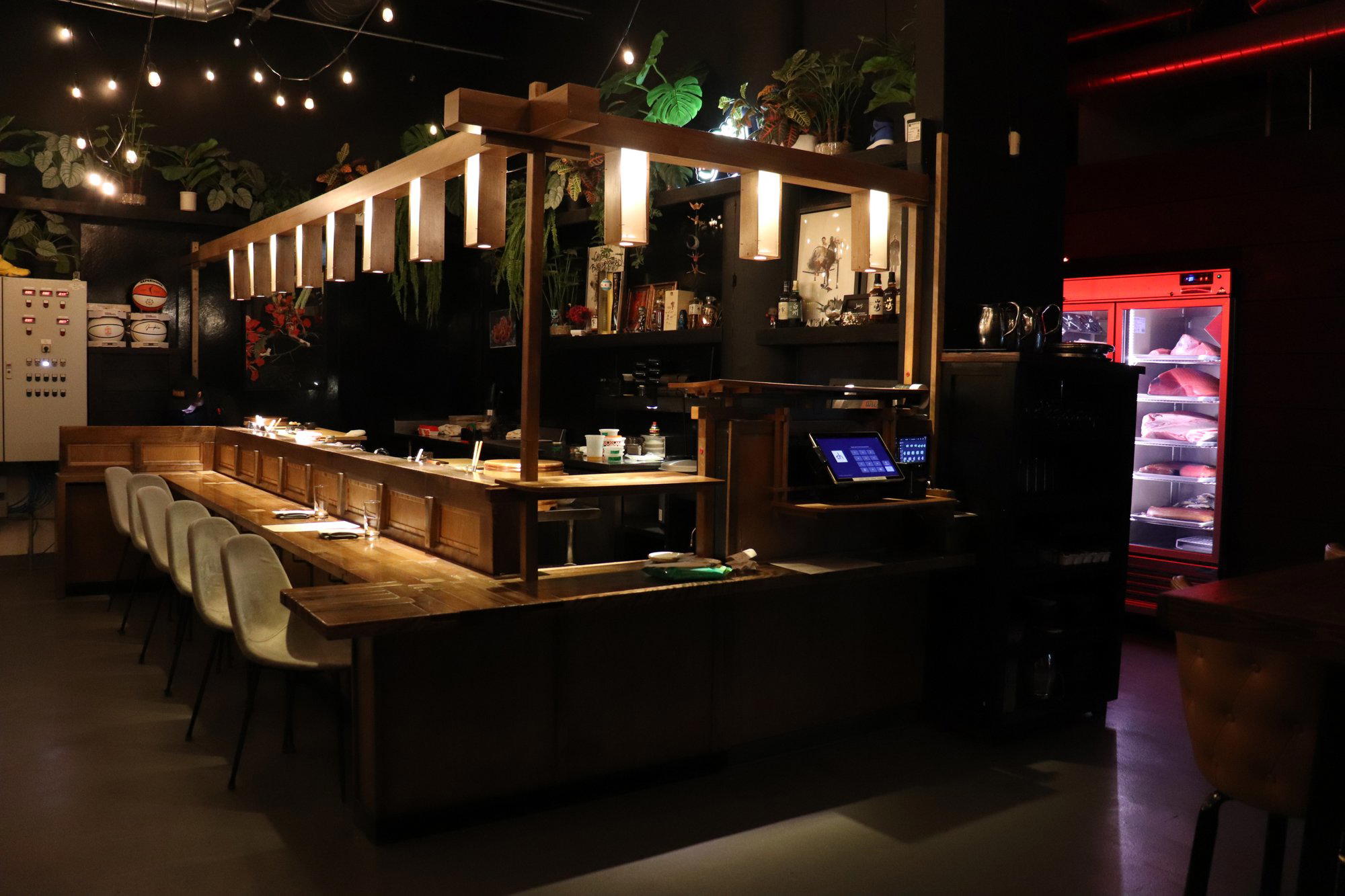
West Randolph and the Omakase Question
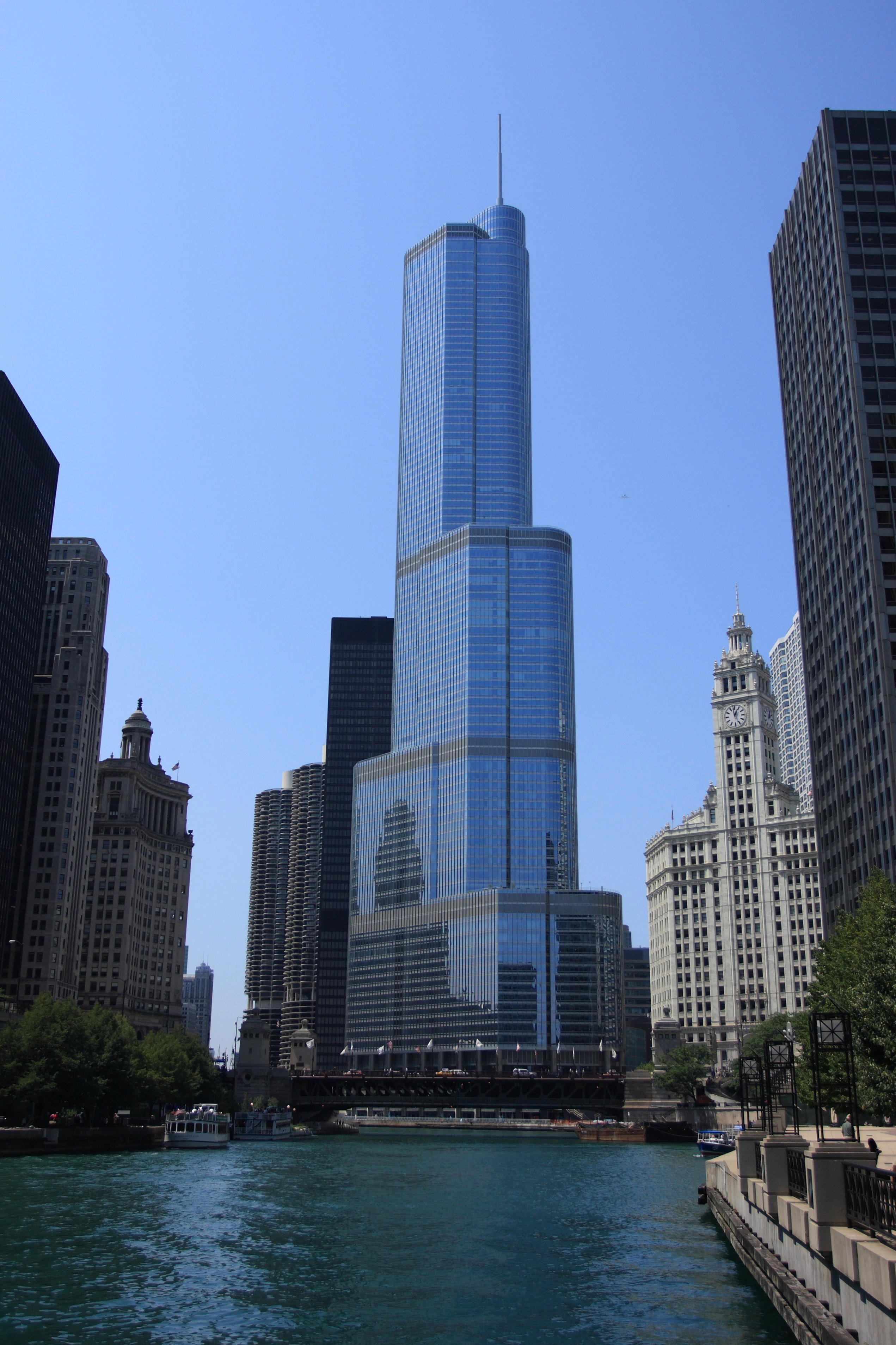
West Randolph Street has become the clearest argument that Chicago's restaurant scene no longer needs to defer to New York or San Francisco. Within a few blocks, diners move between Alinea, Smyth, and Oriole, each representing a different philosophy of what an expensive, serious dinner should do. Into that corridor, Jōtō Sushi at 564 W Randolph St brings dry-aged sushi omakase to Chicago's West Loop.
The question any counter-format sushi restaurant must answer in 2024 is not whether the fish is fresh. That baseline is assumed. The question is what the menu architecture communicates: how many courses, in what sequence, at what pace, and with what level of editorial decision-making from the kitchen about what the guest experiences and when. A well-constructed omakase is not a prix fixe with Japanese ingredients. It is a timed argument about flavor, texture, and temperature, where the order of pieces matters as much as the quality of any single one.
The Structure of the Menu as an Editorial Statement
In Japan's most serious omakase rooms, the menu is rarely written down. The chef reads the season, the day's market, and the progression of the meal in real time. That tradition creates a particular kind of dining experience that differs structurally from the fixed-menu format at, say, The French Laundry in Napa or Next Restaurant here on the same Chicago street. At those venues, the menu is composed weeks or months in advance and executed with precision. At a serious omakase counter, composition happens daily.
This structural difference has real consequences for the diner. You surrender more control, and in exchange you receive something closer to a real-time performance. The leading counters in the United States, including a small tier in New York and an emerging cohort in Chicago, have built their reputations on the quality of that live editorial judgment. Jōtō Sushi's address on Randolph places it inside that competitive conversation, alongside a broader national tier that includes venues like Lazy Bear in San Francisco and Providence in Los Angeles, where the format demands that kitchen decision-making carry the night.
Chicago's fine dining scene has historically rewarded creative American and international formats. Kasama's rise to Michelin recognition via Filipino tasting menus confirmed that the city's dining public has appetite for non-European fine dining structures. The omakase format represents a parallel bet: that Chicago diners will commit to a counter seat, a fixed time, and a menu they do not choose, in exchange for a level of craft and intimacy that larger restaurant formats cannot replicate.
Counter Seating and the Logic of Intimacy
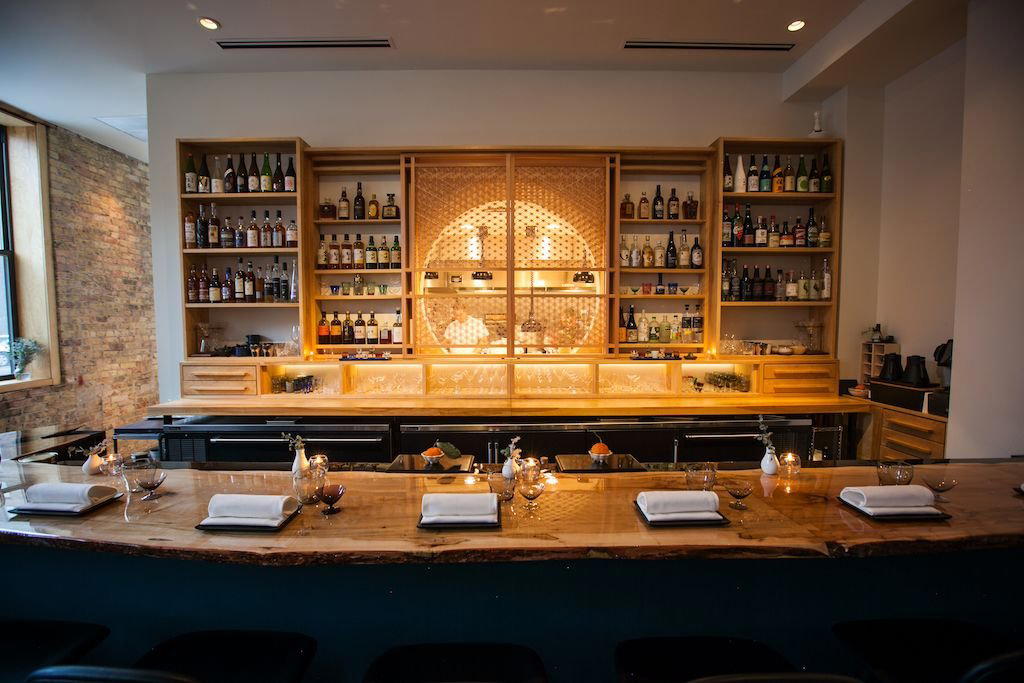
The counter format is not merely aesthetic. It is functional. When a diner sits within arm's reach of the preparation, the temperature of fish at service, the angle of the knife cut, and the moment a piece is presented all become legible in a way they are not from a dining room table. This is why particularly serious omakase seats in any city tend to be small in number: the format only works at close range. Counters of eight to fourteen seats are the norm at the summit tier in the United States, a model that aligns Jōtō Sushi's West Randolph location with a format discipline common to its comparable set nationally.
For context, compare this intimacy-driven model to large-format destination dining: Blue Hill at Stone Barns in Tarrytown or Addison in San Diego operate at a scale where the room itself is part of the offer. The omakase counter inverts that logic entirely. The room disappears. What remains is the counter, the chef, and the sequence.
Chicago's Position in the National Omakase Conversation
Nationally, the premium omakase tier has consolidated around a small number of cities: New York leads in volume and press coverage, with Le Bernardin's long tenure demonstrating that New York supports sustained fine dining credibility across formats. Los Angeles has developed a strong second tier. Chicago, despite its culinary depth, demonstrated through venues like Bacchanalia's Atlanta model that serious fine dining can sustain outside the coastal capitals, has been slower to establish omakase-specific critical mass.
That is changing. The same dining public that turned Kasama into a nationally recognized address and that fills the room at Smyth night after night is the audience that a counter-format sushi restaurant needs. Internationally, the comparison points are counters like 8 1/2 Otto e Mezzo Bombana in Hong Kong, where a specific format and European-Japanese crossover sensibility built a durable reputation in a city already saturated with serious dining options. Chicago is not Hong Kong or Tokyo, but the underlying logic is the same: a city with a sophisticated dining public, a premium address, and a format that rewards commitment.
What to Know Before You Go
The restaurant is located at 564 W Randolph St in Chicago's West Loop, within walking distance of the cluster of fine dining addresses that make this corridor the city's most competitive stretch of restaurants. Reservations are recommended, and the counter runs on a limited-seat service schedule. For anyone building a broader Chicago fine dining itinerary, the West Loop's current roster includes nearby addresses such as Next Restaurant and Oriole.
Dress expectations at omakase counters in the United States vary, but the format's intimacy typically favors understated rather than formal. The counter seat is close quarters, and the experience is focused on the food rather than the spectacle of a dining room. Arriving on time matters more at a counter than at a table: seatings run to a sequence, and a late arrival disrupts every course that follows. If comparable venues at this tier in cities like The Inn at Little Washington or Emeril's in New Orleans are on your radar, the restaurant belongs in the same conversation.
Cuisine and Recognition
Comparable venues nearby, for context on price, style, and recognition.
| Venue | Cuisine | Price | Notes |
|---|---|---|---|
| Jōtō SushiThis venue — the venue you are viewing | Dry-Aged Sushi Omakase | $$$$ | Not listed |
| Omakase by Kanemaru | Traditional Japanese Omakase | $$$$ | River North |
| Sushi Dokku | Modern Japanese Sushi | $$$ | West Loop |
| Gibsons Tavern | American Steakhouse Tavern | $$$$ | Fulton Market |
| LAUREL | Mediterranean with New American influences | $$$$ | Gold Coast |
| Ramen Wasabi | Authentic Japanese Ramen | $$ | Logan Square |
At a Glance
- Modern
- Trendy
- Sophisticated
- Date Night
- Special Occasion
- Chefs Counter
- Sake Program
Current opening hours
- Monday
- Closed
- Tuesday
- 11:30 AM–2:30 PM, 4–9:30 PM
- Wednesday
- 11:30 AM–2:30 PM, 4–9:30 PM
- Thursday
- 11:30 AM–2:30 PM, 4–9:30 PM
- Friday
- 11:30 AM–2:30 PM, 4–10:30 PM
- Saturday
- 4–10:30 PM
- Sunday
- 4–9 PM
Hours can change for holidays and private events. Last verified .
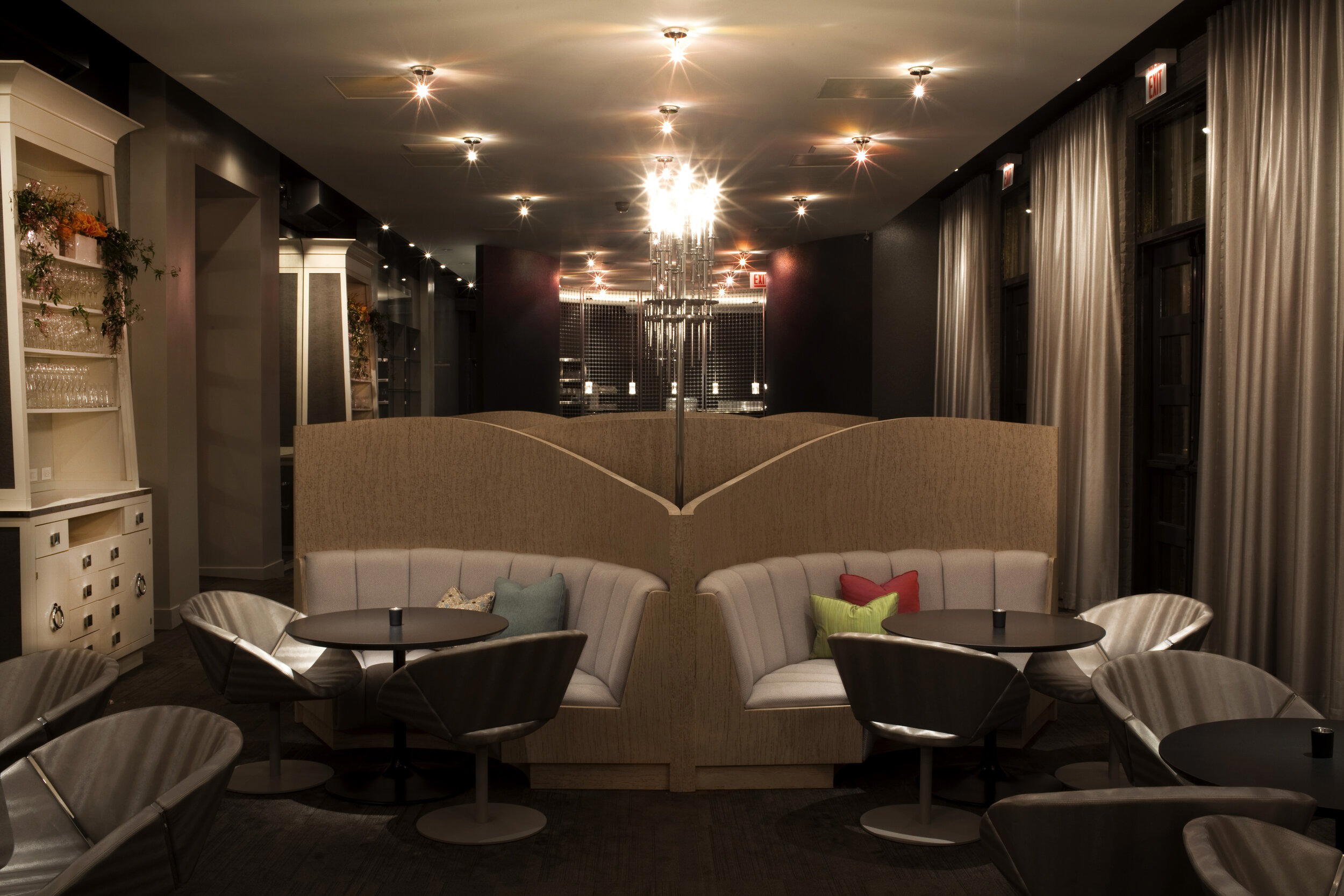
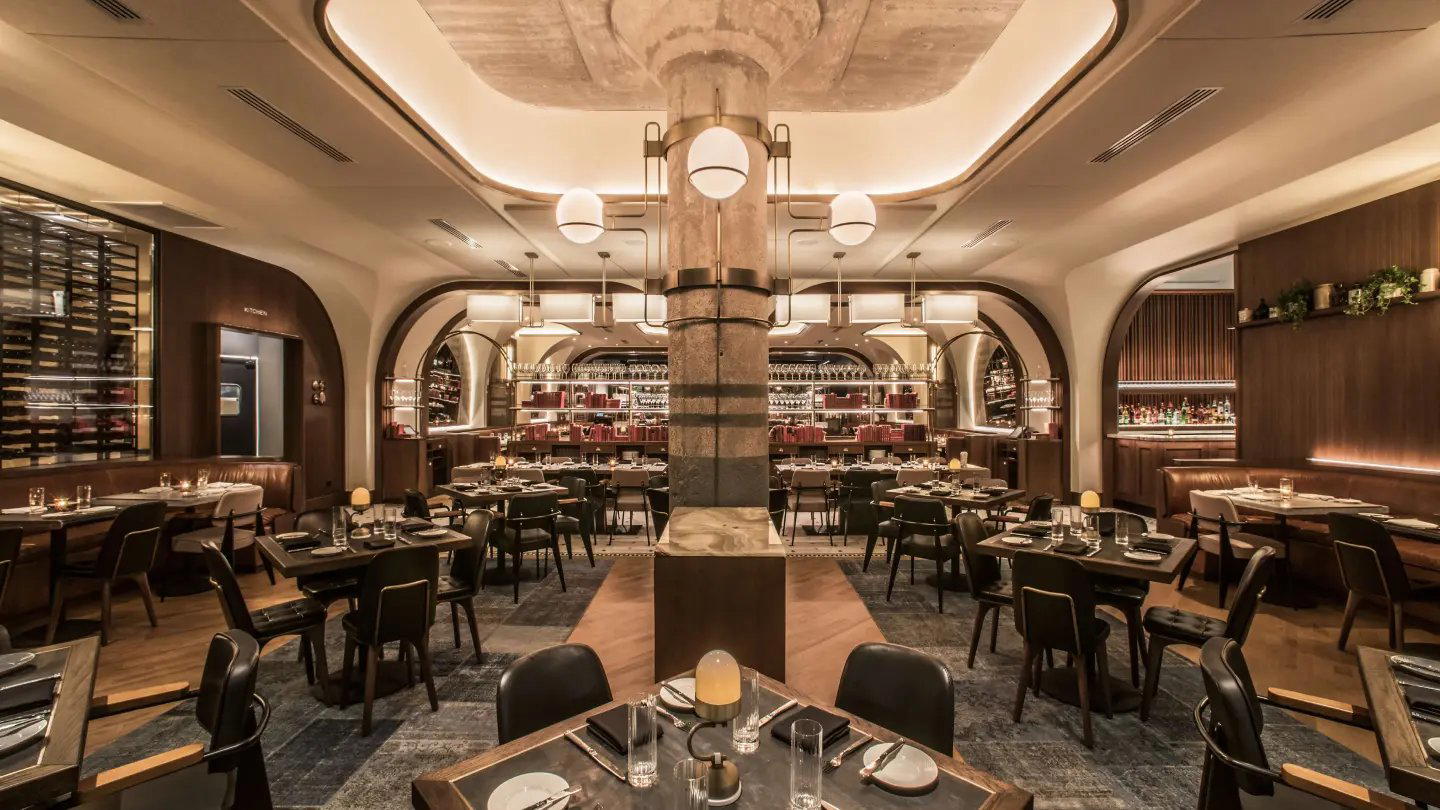
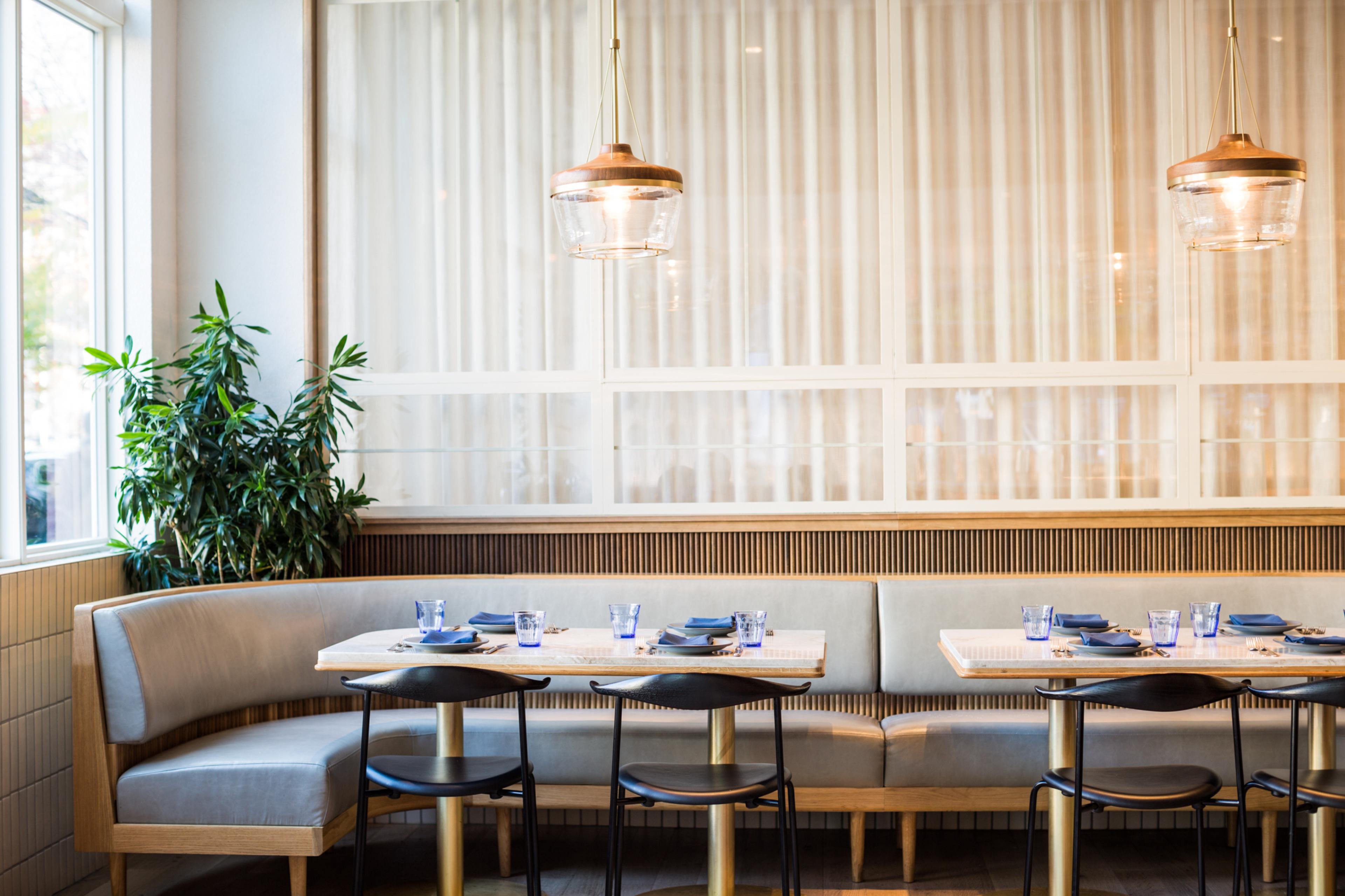
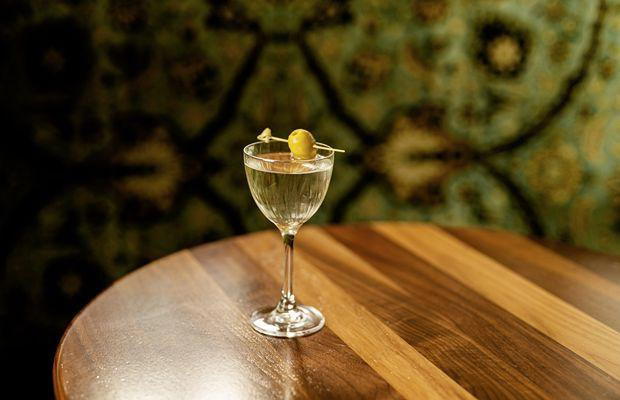
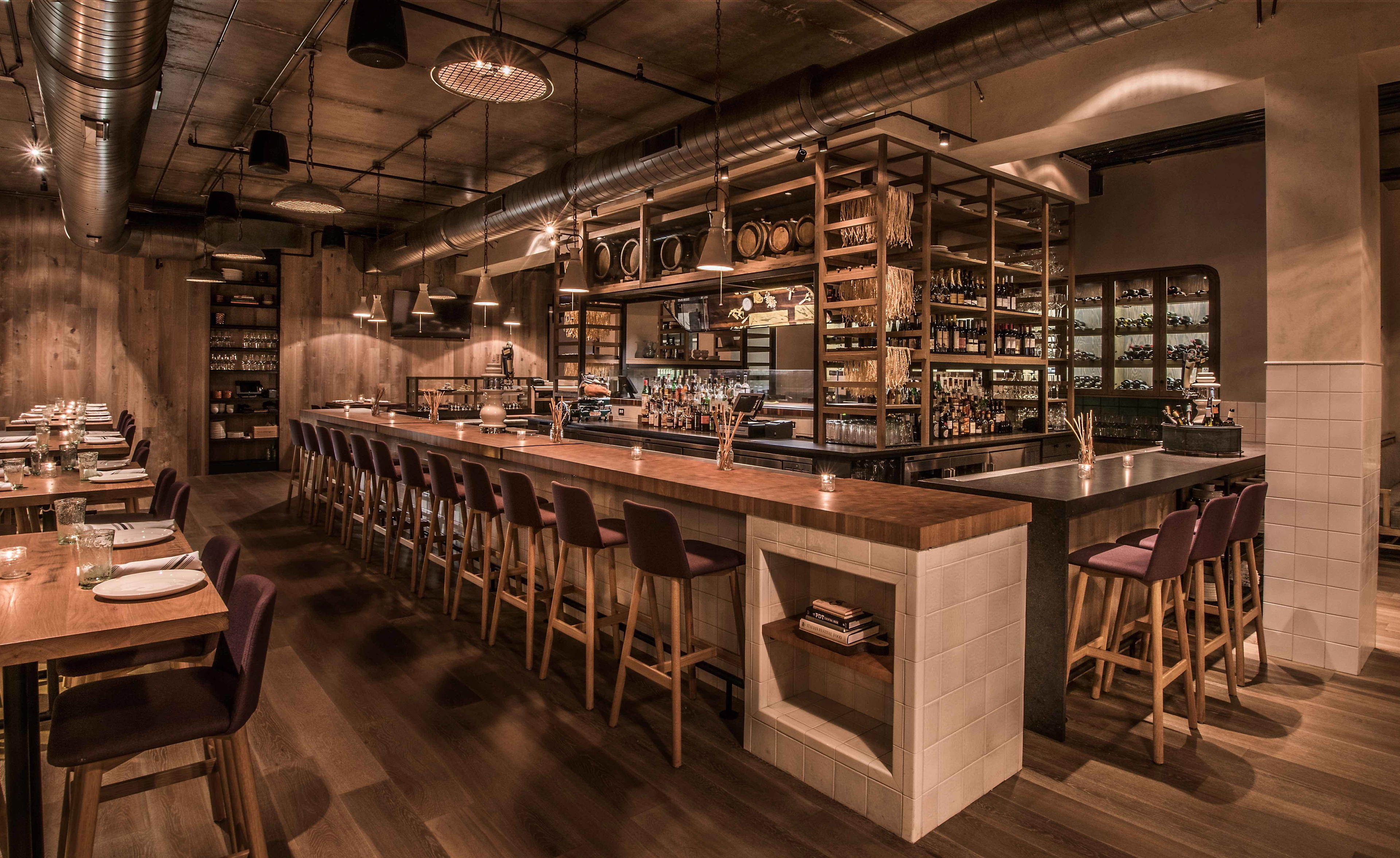
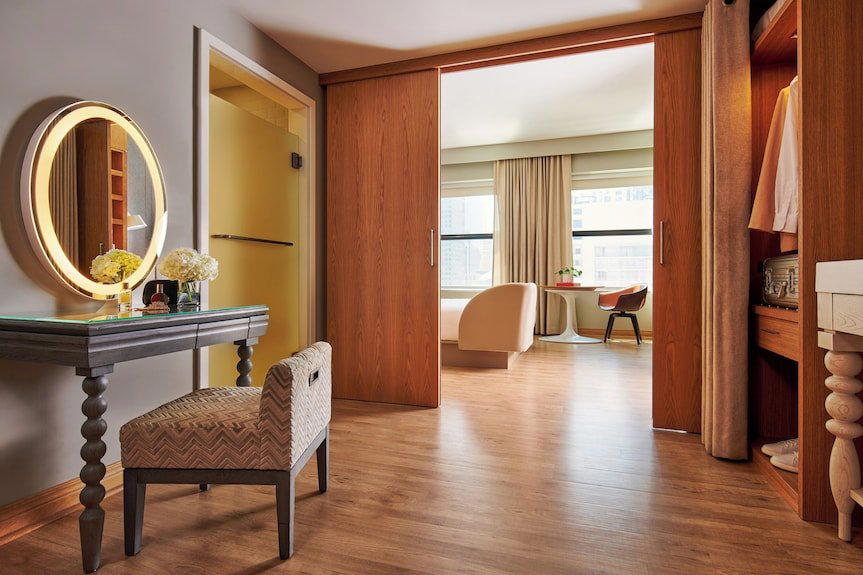
Modern vibe with good energy in a warm, inviting atmosphere blending sophisticated sushi with bold spirits.