Sushi Dokku
On West Randolph Street, Chicago's most competitive dining corridor, Sushi Dokku occupies a position that reflects a broader city-wide curiosity about what Japanese technique looks like when filtered through a Midwestern pantry. The address places it squarely in the market district's dining cluster, where seasonal produce and Great Lakes fish can arrive with the same urgency as Tsukiji-sourced product, a logistical reality that shapes what ends up on the counter.
Pearl is the En Primeur Club membership app — saves, bookings, and concierge access live there. Same editors, same standards.
- Address
- 823 W Randolph St, Chicago, IL 60607
- Phone
- +13124558238
- Website
- sushidokku.com
- Directions
- Get directions
 Saves & bookings on Pearl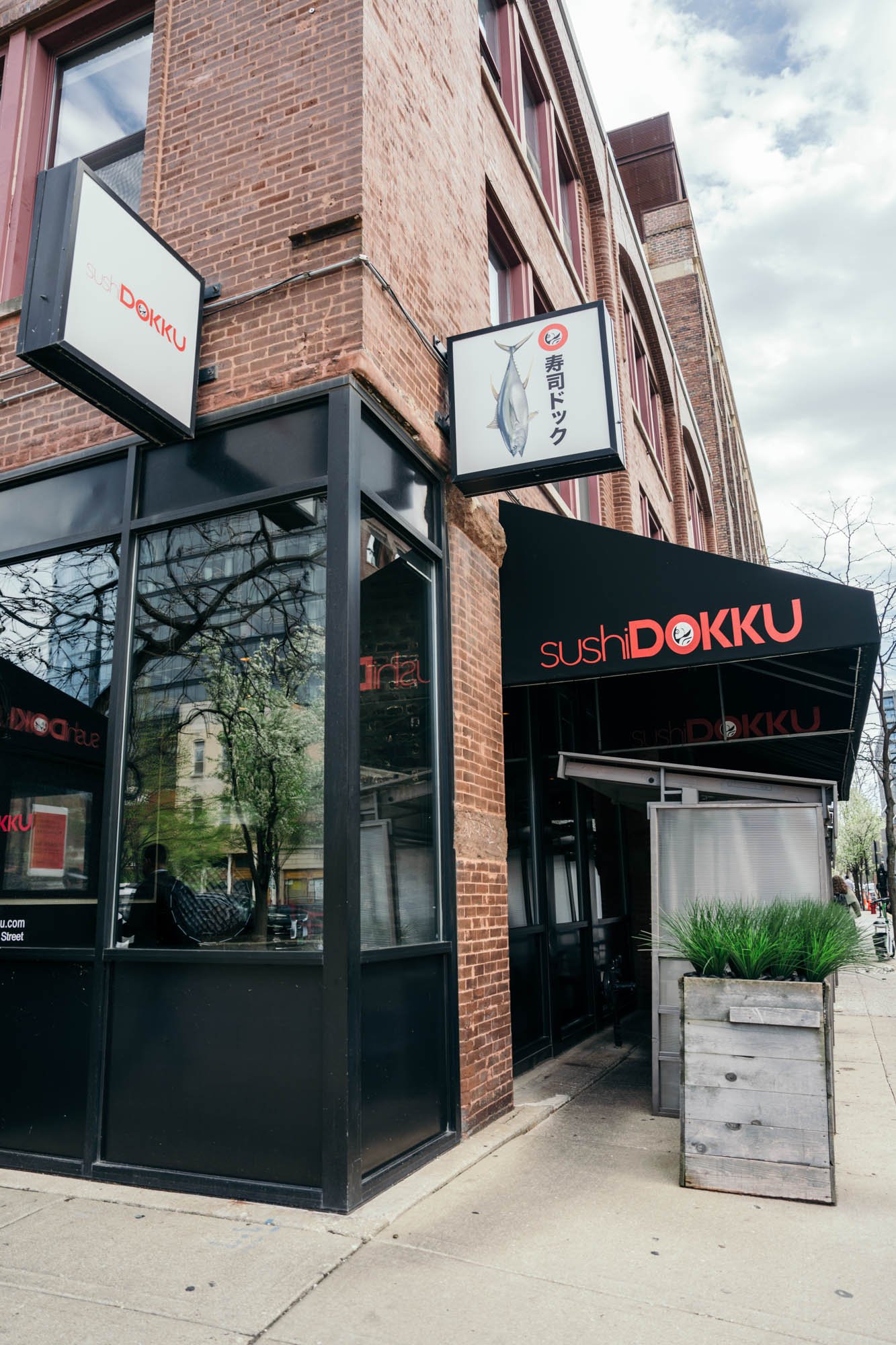
West Randolph and the Case for Midwestern Sushi
The stretch of West Randolph Street between Halsted and Ogden has spent the last decade becoming one of the more consequential dining corridors in the American Midwest. What started as a meat-packing district has absorbed the city's appetite for ambitious cooking, and the address at 823 W Randolph puts Sushi Dokku in immediate proximity to some of Chicago's most scrutinized tables. Alinea, a few blocks north, and Smyth in the same general orbit have established that this part of the city sustains demanding, technique-forward dining year-round. A sushi counter in that environment is not operating in isolation, it is being measured against a neighbourhood standard set by kitchens that treat every plate as an argument.
That competitive context matters when thinking about what Japanese-style sushi means in Chicago specifically. The city is not a coastal market with direct overnight access to Japan's auction system, which forces any serious sushi operation here to think carefully about what it sources locally, what it imports, and where those two streams intersect. That tension, between fidelity to Japanese method and the practical reality of a Great Lakes geography, is the central editorial question for any counter on this street.
The Intersection of Technique and Territory
American sushi has gone through several distinct phases since the California roll era: first the high-volume Americanised format, then the strict omakase counter modelled on Tokyo's Ginza and Minami-Aoyama neighbourhoods, and more recently a hybrid tier that applies Japanese knife discipline and rice temperature control to ingredients sourced from domestic fisheries and regional farms. That third category is where interesting work is happening in cities like Chicago, where proximity to Lake Michigan and the broader Midwest agricultural belt creates a sourcing argument that coastal cities cannot replicate in the same way.
The editorial parallel worth drawing is with Single Thread Farm in Healdsburg, which applies Japanese kaiseki structure to Sonoma County's agricultural calendar. The technique is imported; the ingredients answer to a local season. Chicago's version of that logic runs through the Great Lakes catch, whitefish, yellow perch, walleye, alongside the produce arriving from Illinois and Wisconsin farms from late spring through October. A counter that takes that sourcing seriously is making a statement about place that a Tokyo-replication model, however technically precise, cannot make in this geography.
This is also the angle through which Chicago's broader fine-dining moment becomes legible. Kasama has demonstrated that a cuisine rooted in a specific culinary tradition can find its most interesting expression when placed in conversation with Chicago's ingredients and guest base. Oriole and Next Restaurant have made similar cases from different angles. The pattern across these rooms is consistent: imported discipline applied to local material, with the city's seasons setting the terms.
Seasonal Timing and the Counter Experience
For a sushi counter on West Randolph, the calendar has distinct rhythms. Late spring through early autumn is when the local sourcing argument becomes most compelling: Great Lakes fish are in peak condition, Midwest farms are producing at volume, and the longer days support the kind of unhurried counter service that omakase formats require. Winter tightens the local options but sharpens the focus on imported Japanese product, which is when a kitchen's relationships with distributors and its rice and aged fish programs become more visible on the plate.
The broader American sushi tier that Sushi Dokku occupies sits below the multi-course omakase format typified by New York counters, where prix-fixe seatings of twenty or more courses run well above three hundred dollars per person, but above the casual sushi bar model where the fish case doubles as the menu. This middle register, when it is working well, offers something that neither extreme can: a structured encounter with Japanese technique that remains accessible enough to revisit seasonally rather than treating each visit as a singular financial event. The comparison point in a different format and city is Le Bernardin in New York, where classical French discipline applied to seafood produces a room that is both technically rigorous and genuinely frequented rather than reverently visited once.
Chicago's Sushi Counter in a National Frame
Nationally, the argument for serious sushi outside the coasts has grown more defensible as domestic fisheries have become more integrated into the supply chains that Japanese-trained chefs use. Providence in Los Angeles and Addison in San Diego have both demonstrated that seafood-centred fine dining in American cities can achieve the kind of consistency that earns sustained critical attention. The question for a Chicago counter is whether the city's geography, landlocked but well-connected to freshwater fisheries and overland agricultural supply, can generate an equivalent argument.
The strongest version of that case draws on specificity rather than substitution. A counter that serves Lake Superior whitefish prepared with the same attention to temperature, cut, and rice ratio that a Tokyo counter applies to Japanese flounder is not making an apology for being in Chicago; it is making a case for what Chicago can actually be. That is a different proposition than simply importing the prestigious Japanese fish available and presenting them in a Ginza-adjacent format. Both approaches are defensible, but only one is making a distinctly Chicago argument.
For readers tracking the evolution of Japanese technique in American fine dining, the comparable set worth monitoring runs from Atomix in New York, which applies Korean fine-dining structure to a similar local-versus-imported tension, to Lazy Bear in San Francisco, where California's agricultural depth becomes the primary ingredient argument. Blue Hill at Stone Barns remains the clearest structural model for any restaurant that wants to make its sourcing geography the central editorial statement. Chicago's fine-dining tier, from Alinea downward, is developing its own version of that argument across multiple cuisines.
Planning Your Visit
Sushi Dokku sits at 823 W Randolph Street in Chicago's West Loop, on the city's most actively reviewed dining corridor.
Peers Worth Knowing
Comparable venues nearby, for context on price, style, and recognition.
| Venue | Cuisine | Price | Notes |
|---|---|---|---|
| Sushi DokkuThis venue — the venue you are viewing | Modern Japanese Sushi | $$$ | Not listed |
| Tanoshii - West Loop | Modern Japanese Sushi and Omakase | $$$ | West Loop |
| Ron of Japan | Teppanyaki Japanese Steakhouse | $$ | Near North Side |
| Friends Sushi on Rush | Japanese Sushi | $$ | Near North Side |
| Nomonomo Sushi | Modern Japanese Omakase and Izakaya | $$$ | Logan Square |
| Lucky Trendy Sushi | Fusion Sushi | $$ | Bucktown |
At a Glance
- Modern
- Minimalist
- Intimate
- Trendy
- Date Night
- Casual Hangout
- Solo
- Open Kitchen
- Sake Program
Current opening hours
- Monday
- 4–9 PM
- Tuesday
- 4–10 PM
- Wednesday
- 4–10 PM
- Thursday
- 4–10 PM
- Friday
- 12–11 PM
- Saturday
- 4–11 PM
- Sunday
- 4–9 PM
Hours can change for holidays and private events. Last verified .
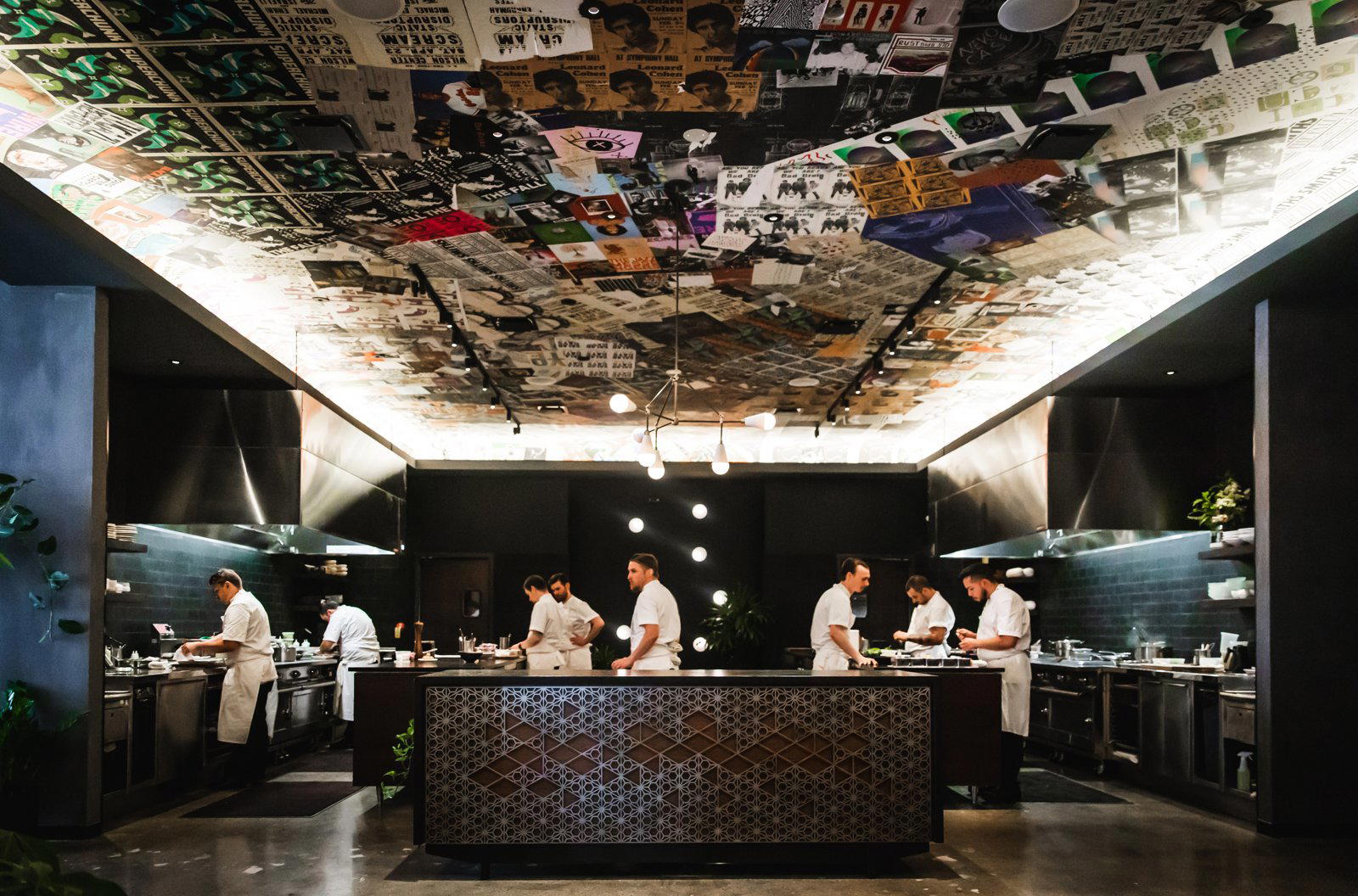
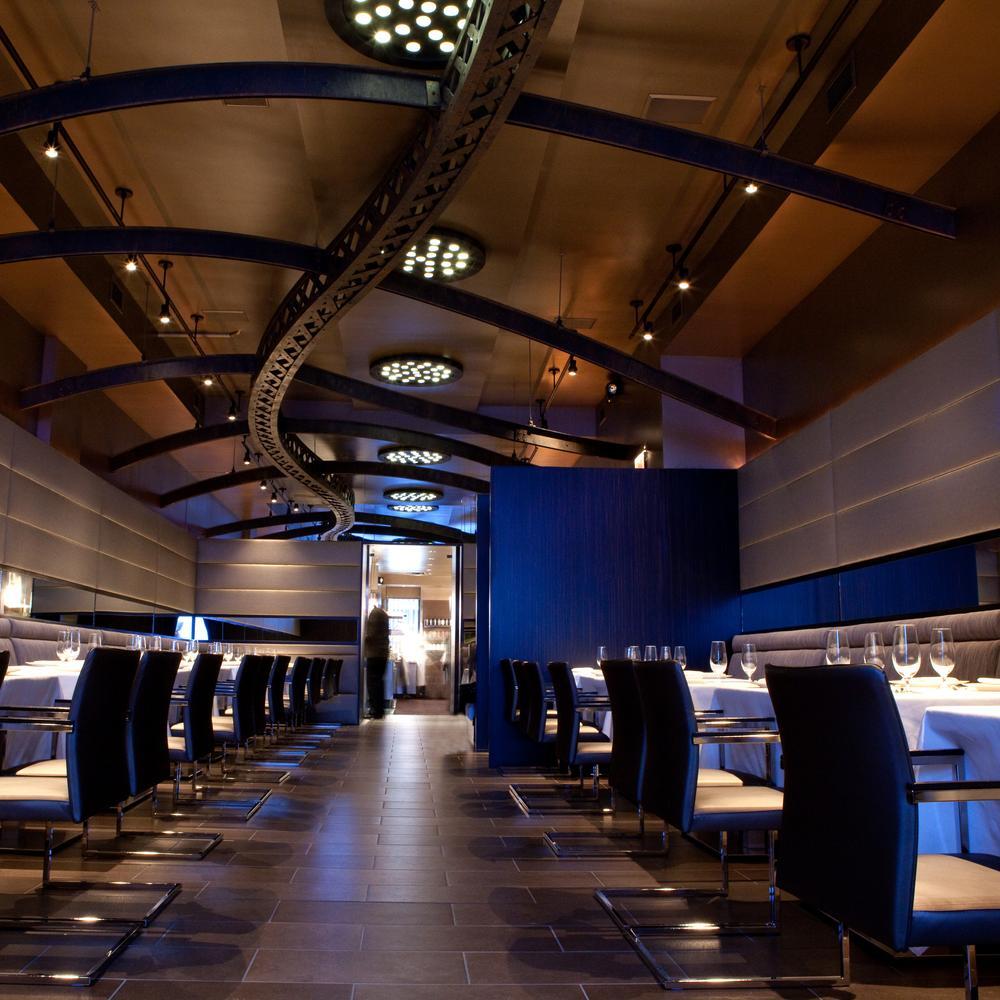
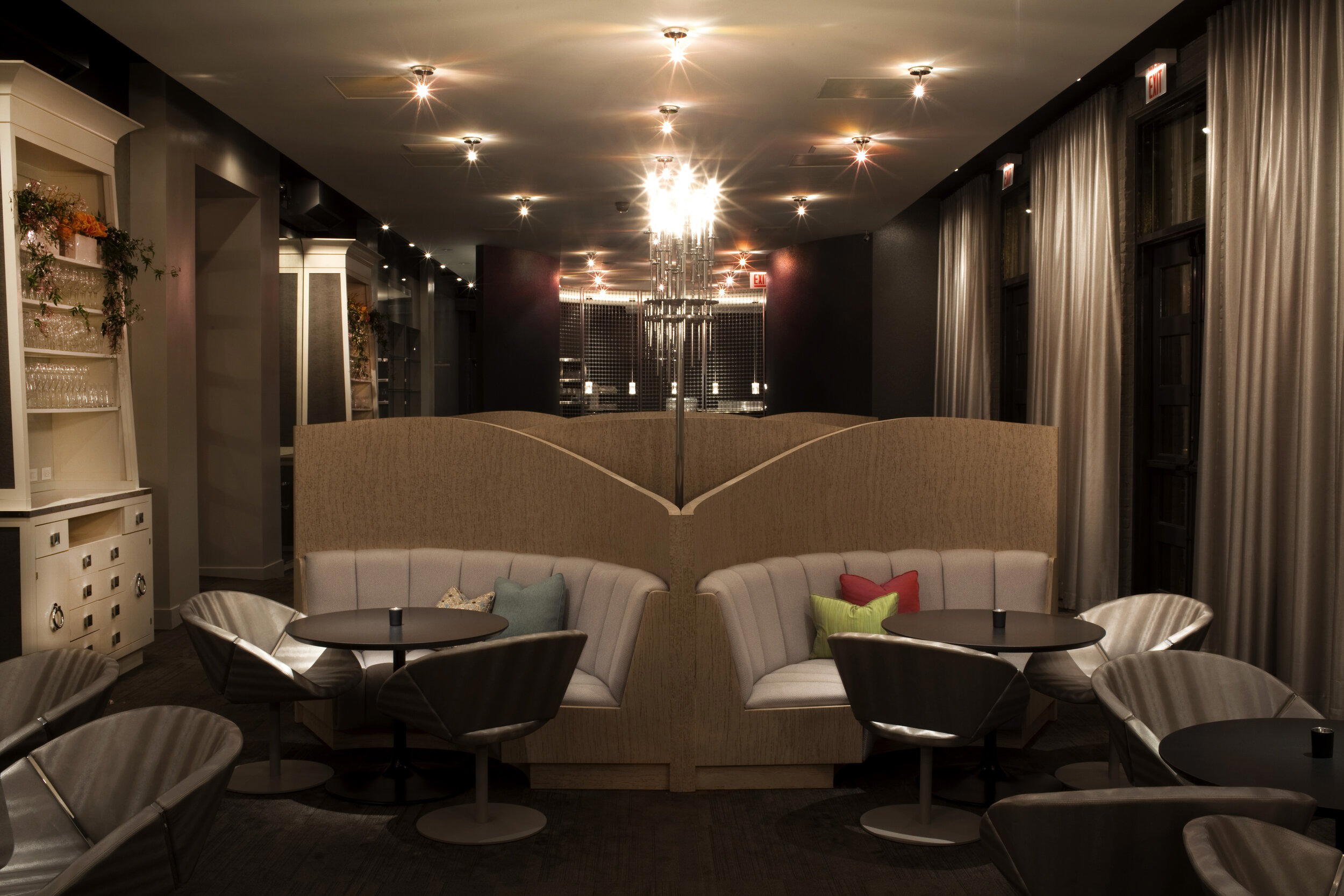
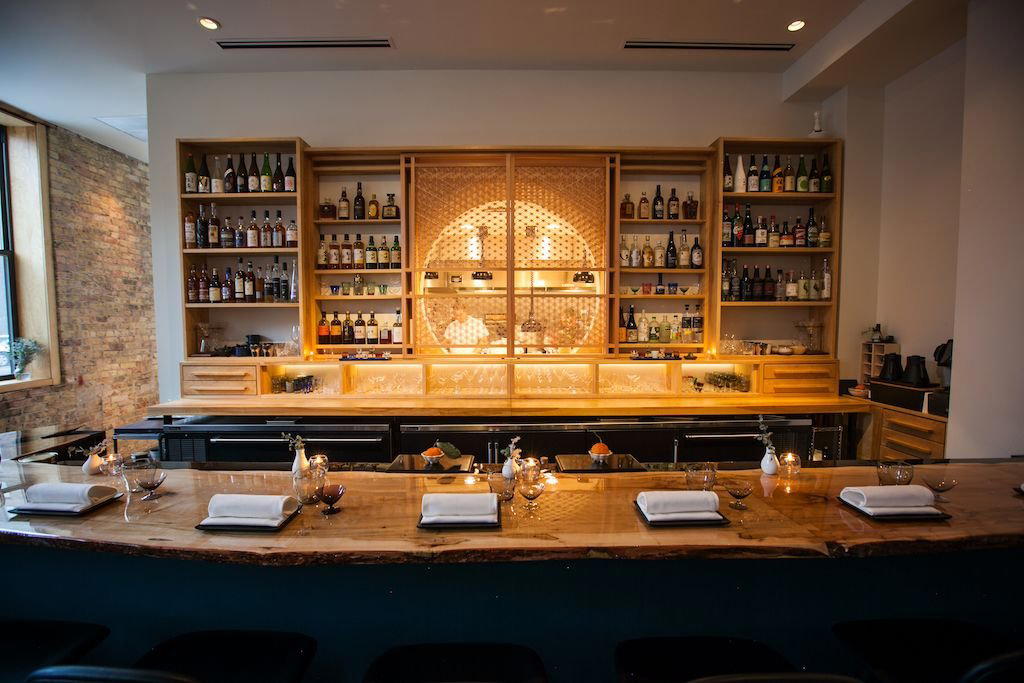
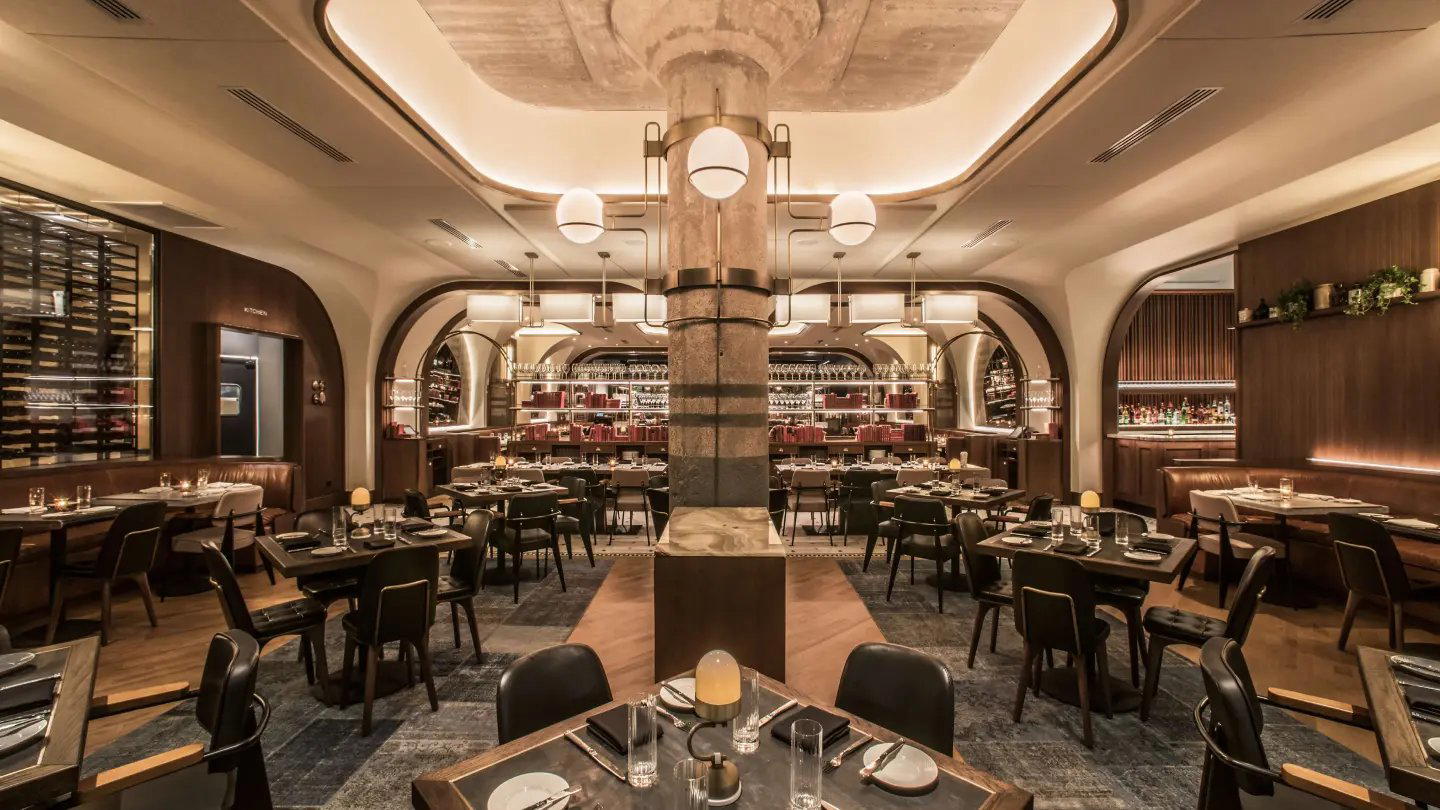
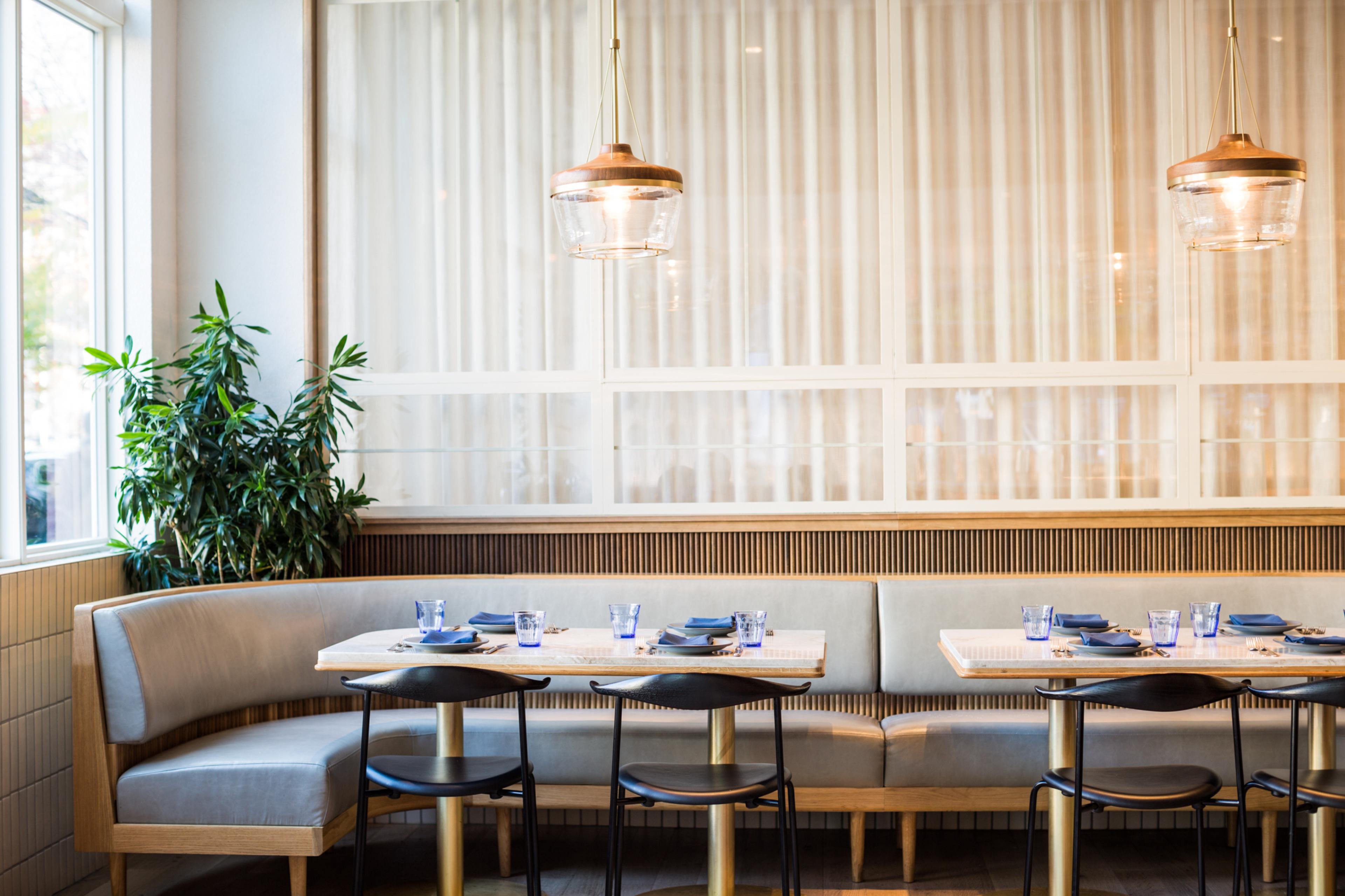
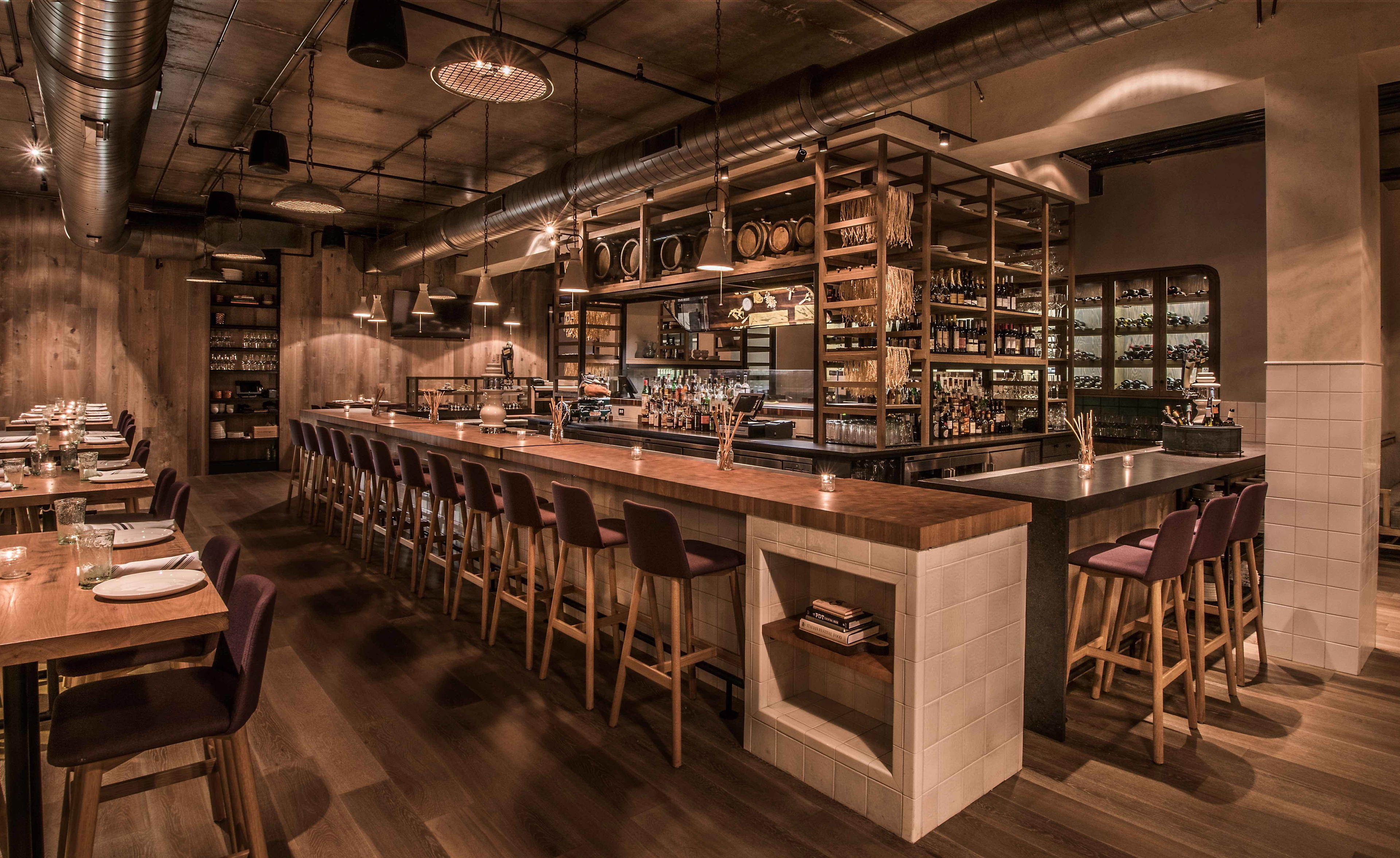
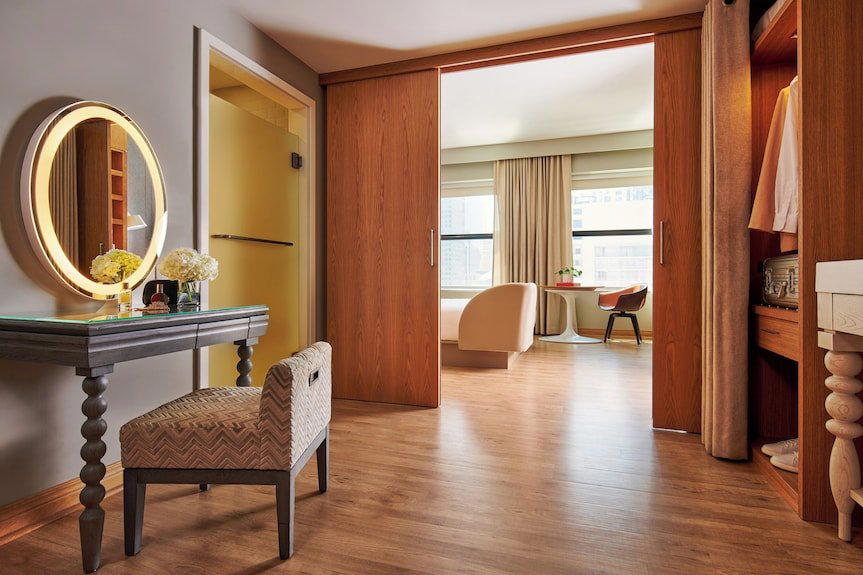
Sleek minimalist decor with clean lines, subdued lighting, warm dark woods, and an intimate urban atmosphere.