Mirai Sushi
Our verdict
The address on North Mies Van Der Rohe Way places it within reach of both the lakefront and River North, making it a practical anchor for a focused evening in Chicago's upper dining tier.

Pearl is the En Primeur Club membership app, where members save venues, book tables and use the concierge.

The menu
What to order
- Spicy Mono roll
- Tuna Tuna Salmon roll
- Nigiri
- Special Salmon Roll
Where the Gold Coast Meets Japanese Discipline
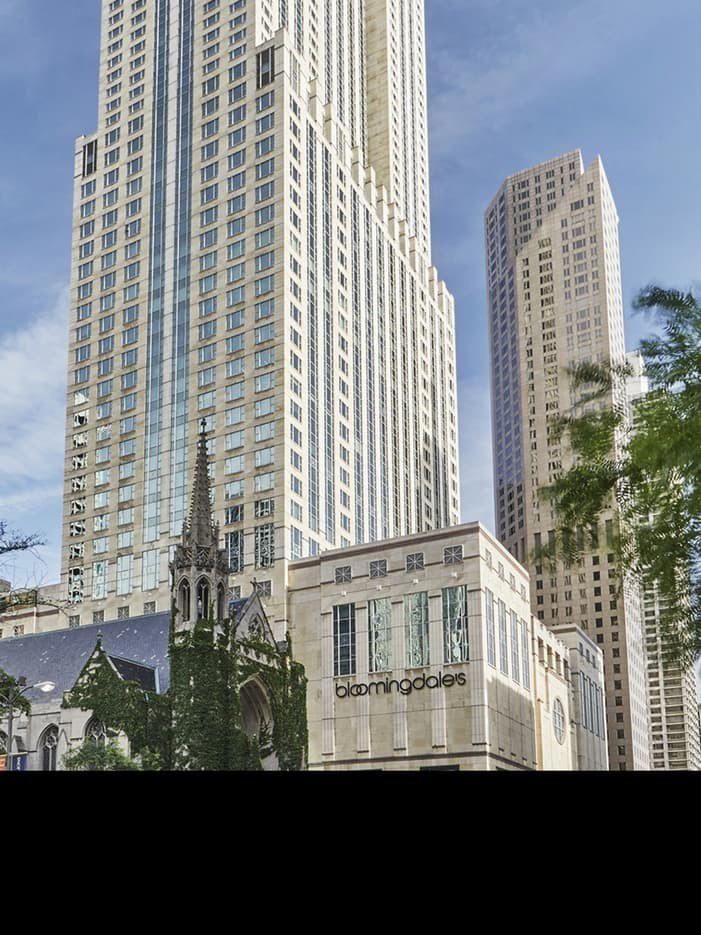
Chicago's Gold Coast has long attracted restaurants with something to prove. The neighbourhood's proximity to the lakefront, its mix of long-term residents and hotel visitors, and its position between River North's energy and Lincoln Park's residential calm create a demand profile that rewards precision over novelty. The address at 990 N Mies Van Der Rohe Way places Mirai Sushi inside that context, a street named for the architect who reshaped the city's relationship with structural honesty, which is, in its own way, an appropriate backdrop for a Japanese kitchen that trades in reduction and restraint.
Chicago's upper sushi tier is smaller than most visitors assume. The city is better known for its progressive American tasting menus, venues like Alinea, Smyth, and Oriole define the city's fine-dining conversation nationally, but a smaller cluster of Japanese restaurants operates in parallel, drawing a clientele that crosses over from those same tasting-menu crowds. That crossover matters because it sets the expectation level: diners arriving at a Gold Coast sushi counter in Chicago have typically spent time at counters in New York and Los Angeles, and they calibrate accordingly.
Menu Architecture and What It Signals
The structure of a sushi menu is itself an argument. At the higher end of the American sushi market, the omakase format has become the dominant grammar, a sequence controlled by the kitchen, where the guest surrenders choice in exchange for coherence. This format migrated from Japan's most serious counters and took hold in cities like New York and Los Angeles before reaching Chicago with enough critical mass to sustain multiple serious practitioners. The counter experience it produces is categorically different from à la carte Japanese dining: pacing, temperature, the order of fish, and the weight of rice are decisions made by the kitchen, not the diner.
What menu architecture reveals about a Japanese restaurant is often more telling than any single dish. A kitchen that sequences lighter, more delicate fish early, flounder, snapper, young yellowtail, before moving toward fattier, more intense cuts demonstrates an understanding of how palates progress through a meal. Kitchens that front-load richness, or that allow the sequence to feel arbitrary, signal a different set of priorities. The same logic applies to the ratio of nigiri to rolls, the presence or absence of cooked courses, and the point at which soy sauce and wasabi are presented versus pre-seasoned by the chef. Each of these choices is a declaration about what kind of sushi restaurant this is and which tradition it aligns with.
Among the American sushi counters that have earned sustained recognition, from New York's Masa and Sushi Yasuda to Providence in Los Angeles, which has built its reputation on precise Japanese-influenced seafood, the common thread is sequence discipline and sourcing transparency. Diners who have experienced these counters arrive at a Chicago sushi restaurant with a comparative frame already in place.
Chicago's Dining Tier and Where Sushi Sits Within It
The city's fine-dining market has consolidated around a handful of formats in recent years. Progressive American tasting menus occupy the most awarded tier, with venues like Kasama and Next Restaurant demonstrating that the city supports format experimentation at the top of the market. But Chicago also has a long relationship with serious Japanese cooking, fed by a substantial Japanese-American community on the North Side and a food culture that has historically rewarded technical discipline over spectacle.
That context places a Gold Coast sushi counter in a specific competitive bracket. It is not competing with the more casual Japanese restaurants of Andersonville or Lakeview. Nationally, the comparison frame extends to Le Bernardin in New York City, The French Laundry in Napa, and SingleThread Farm in Healdsburg, restaurants where the architecture of the meal is treated as seriously as any individual element within it.
Planning a Visit: Practical Orientation
The Gold Coast location means public transit access from the Red Line's Chicago station, with the walk along the lakefront providing a useful decompression between the city's energy and the quieter register of a serious sushi counter. For visitors staying in the Loop or River North, the distance is short enough to walk in moderate weather. Diners arriving from the North Side via bus or rideshare have direct options along Michigan Avenue and Lake Shore Drive.
For those building a broader Chicago evening around the meal, the neighbourhood connects naturally to a walk along the lakefront path before dinner, or to post-dinner options in River North. Visitors constructing a multi-city trip that includes serious Japanese or seafood-focused dining should also note the broader context: Lazy Bear in San Francisco, Atomix in New York City, and Addison in San Diego represent comparable ambition in their respective cities, and Chicago's upper sushi tier fits naturally into the itinerary logic that connects those destinations.
Our full Chicago restaurants guide maps the city's dining tiers in greater detail, including how to sequence multiple visits across the Gold Coast, West Loop, and Logan Square. For reference points further afield, Blue Hill at Stone Barns in Tarrytown, The Inn at Little Washington, Frasca Food and Wine in Boulder, Emeril's in New Orleans, and Atelier Moessmer Norbert Niederkofler in Brunico each offer useful calibration for how serious menus structure themselves across different traditions and geographies.
Frequently asked questions
What's the vibe at Mirai Sushi?
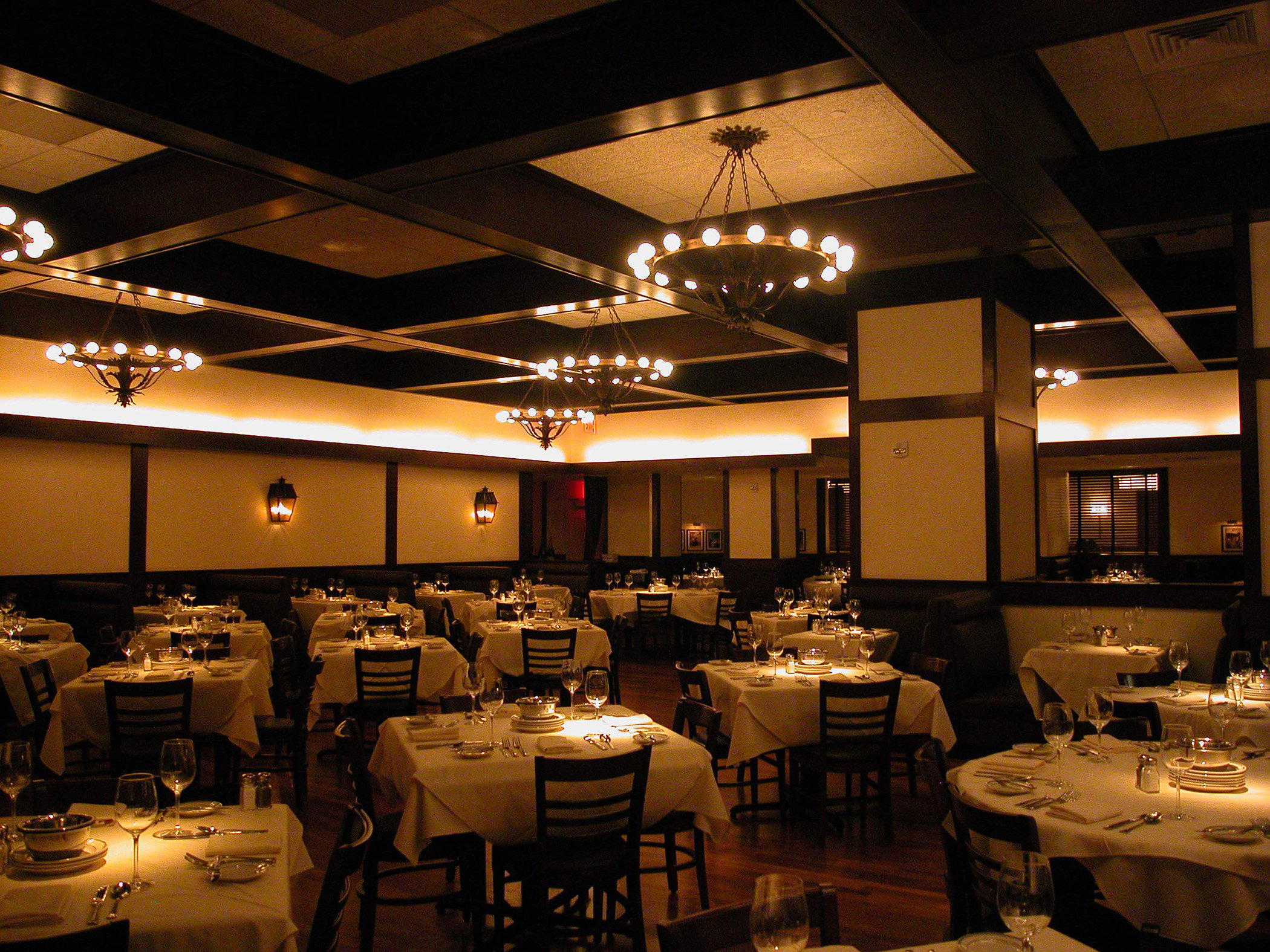
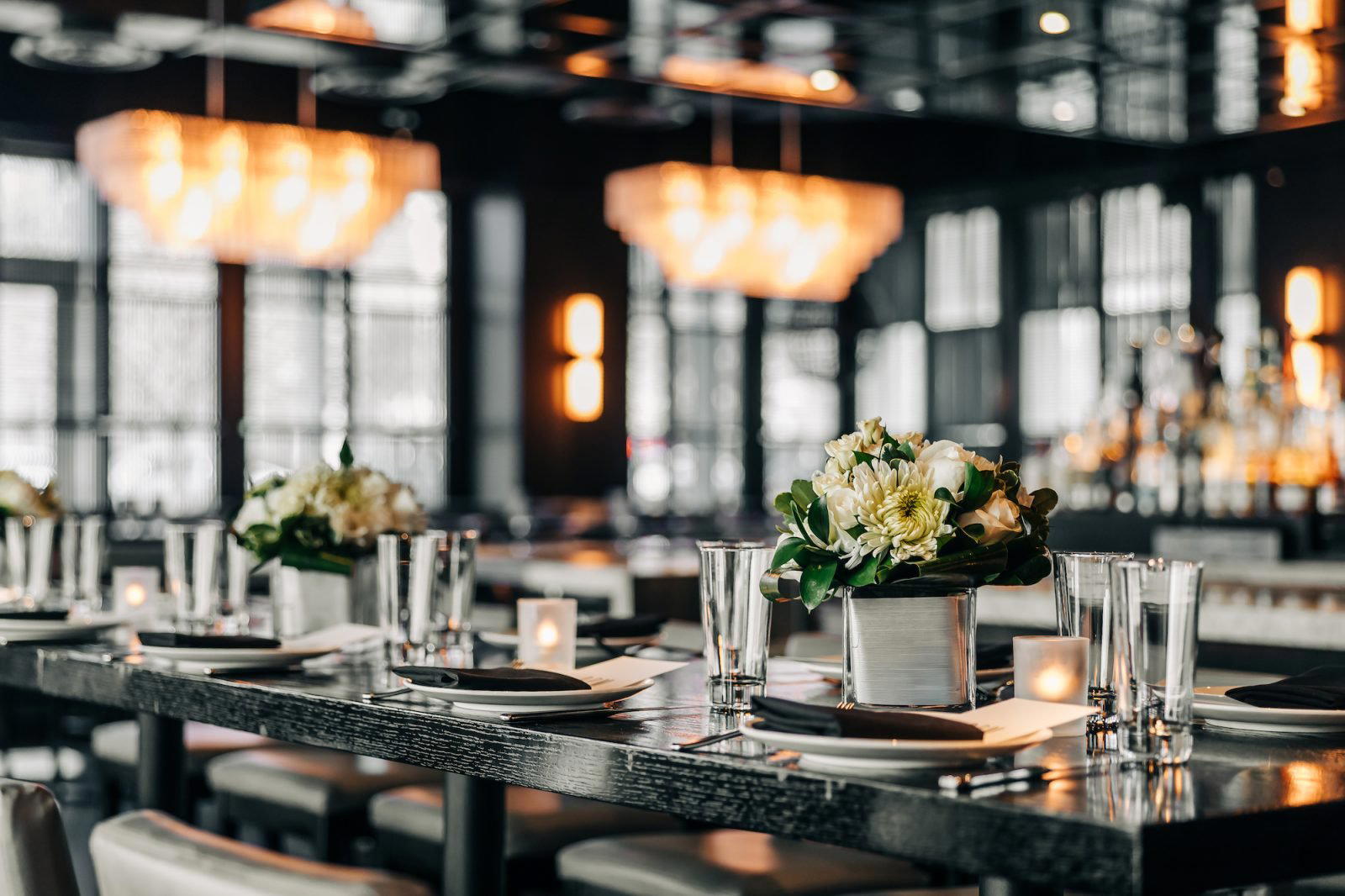
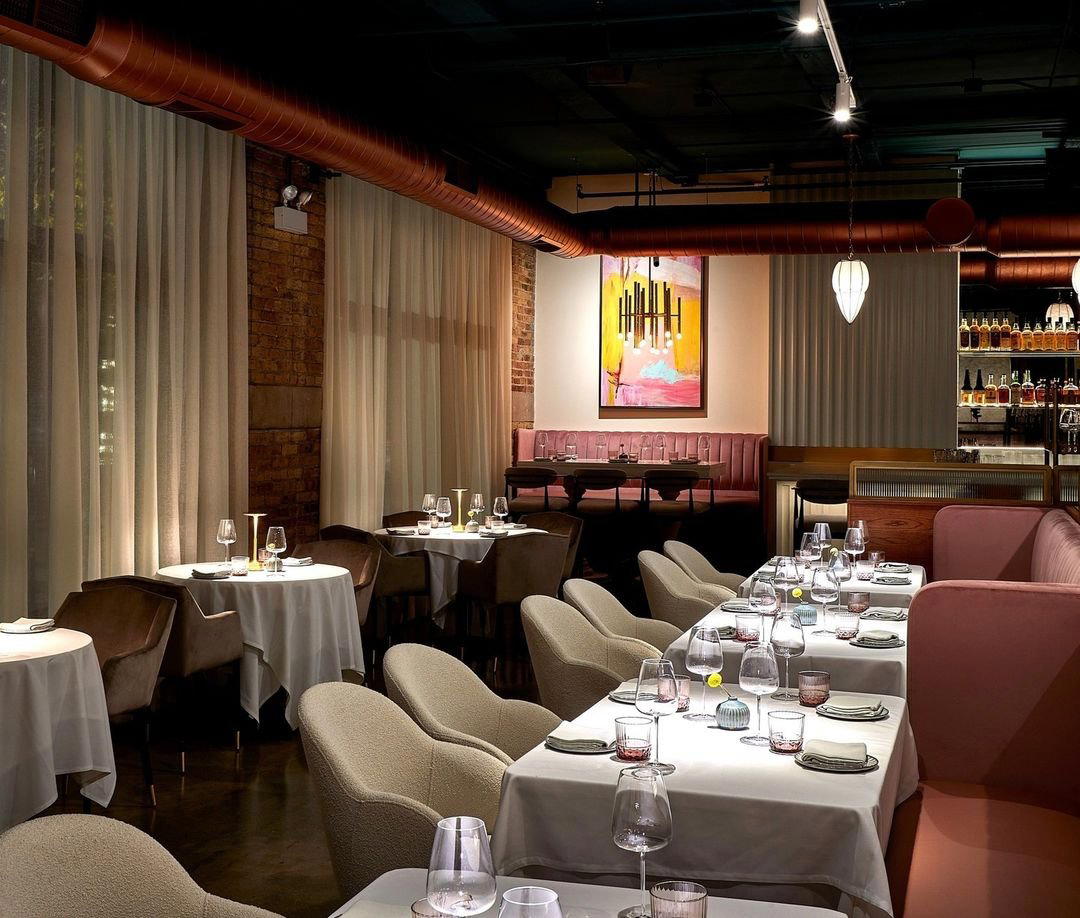
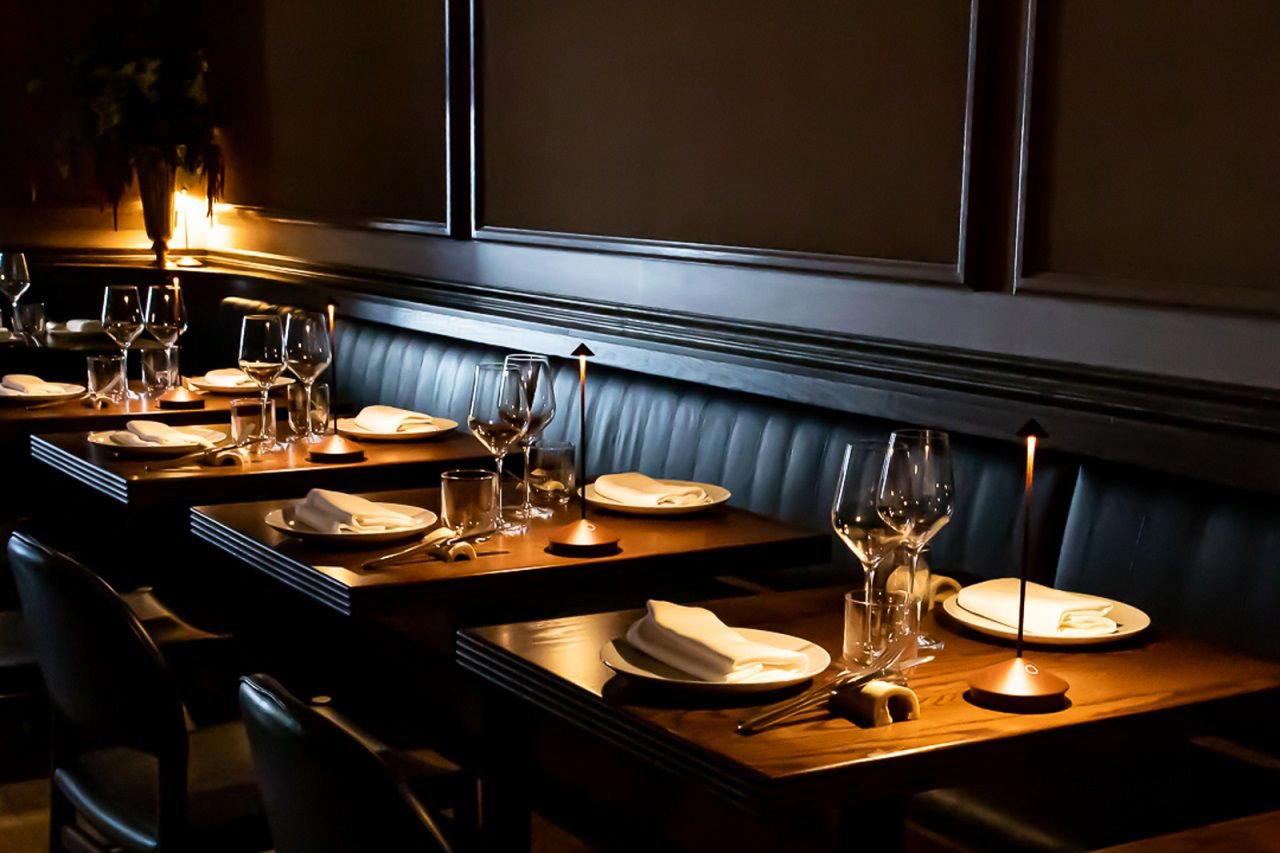
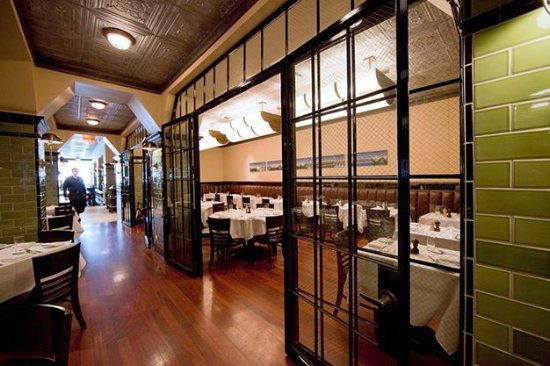
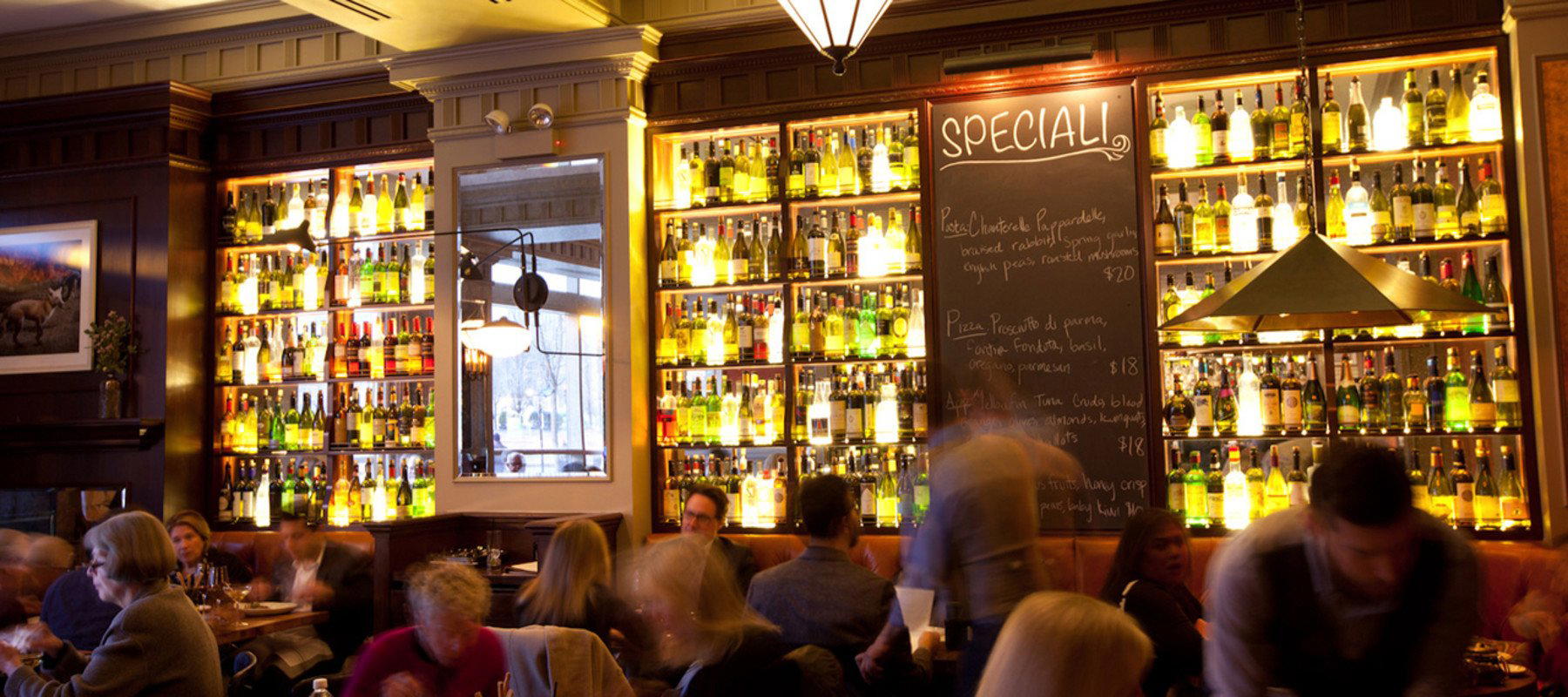
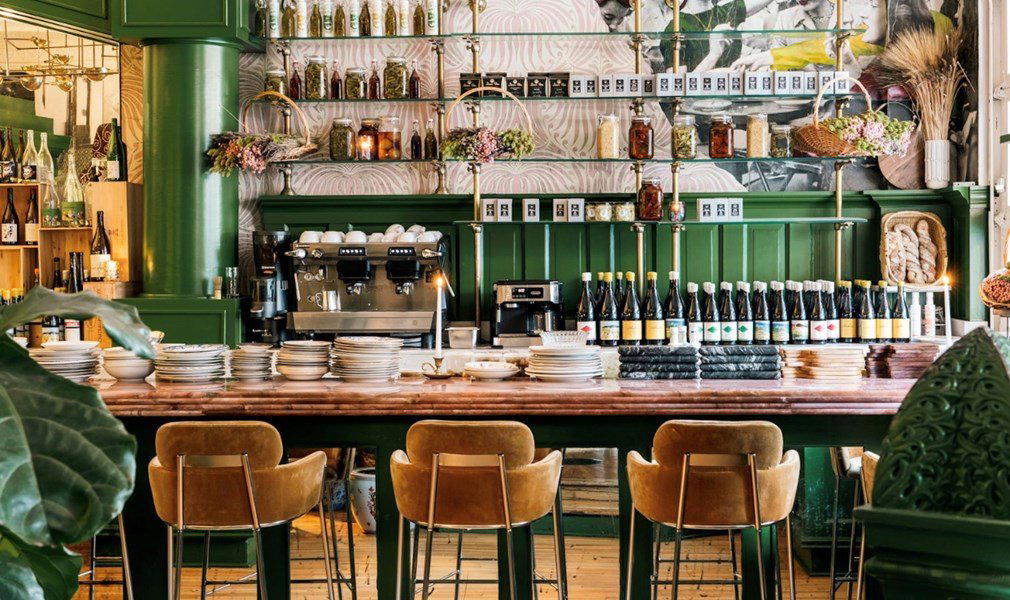
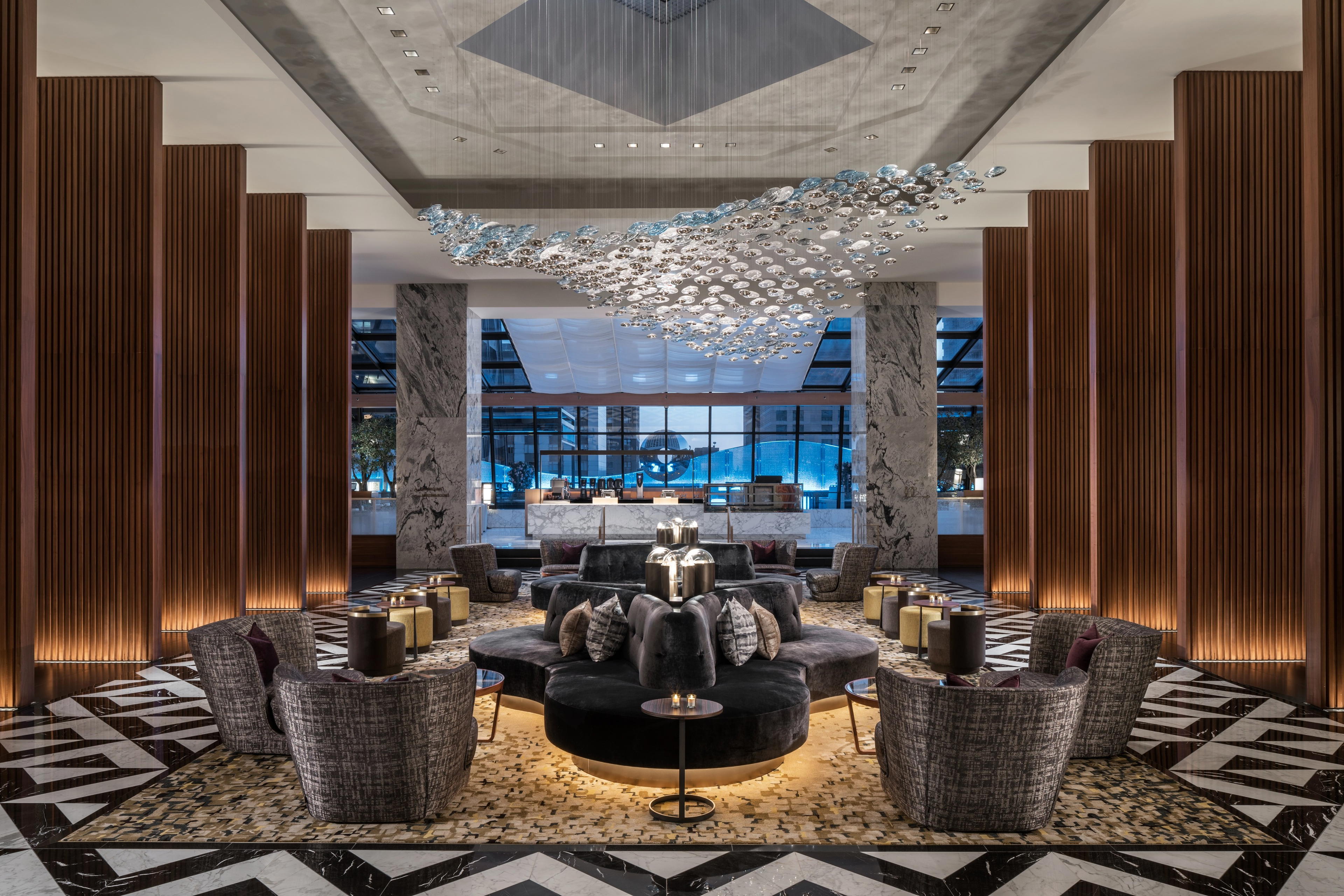
Mirai Sushi sits at 990 N Mies Van Der Rohe Way in Chicago's Gold Coast, a neighbourhood that skews towards quieter, more considered dining rather than high-volume scene restaurants. The address and setting suggest a room calibrated for focused eating rather than social spectacle. Expect an atmosphere closer to a dedicated sushi counter than a casual roll-and-share spot.
How do I find Mirai Sushi?
Mirai Sushi is located at 990 N Mies Van Der Rohe Way, Chicago, IL 60611, USA, Chicago.
Is Mirai Sushi a good option for a special occasion dinner in Chicago?
The Gold Coast location places Mirai Sushi within Chicago's most established fine-dining corridor, where the neighbourhood itself signals occasion dining to local guests. Contacting the restaurant directly before booking is advisable for confirming private or group arrangements.
What's the must-try dish at Mirai Sushi?
What the Gold Coast sushi category consistently rewards is the chef's selection format, where the kitchen controls pacing and sourcing decisions. Ask staff directly what is in season or arriving fresh when you visit 990 N Mies Van Der Rohe Way.
A Lean Comparison
| Venue | Cuisine | Price | Awards | Notes |
|---|---|---|---|---|
| Mirai SushiThis venue (the venue you are viewing) | Authentic Japanese Sushi | Not listed | Not listed | Not listed |
| Smyth | Modern American Tasting Menu | $200–300 | 3 Michelin Stars · World's 50 Best #1 | Progressive American, Contemporary |
| Alinea | Avant-Garde Molecular Gastronomy | $300–500 | 2 Michelin Stars · World's 50 Best #37 | Progressive American, Creative |
| Kasama | Modern Filipino | $30–50 | 2 Michelin Stars · World's 50 Best #31 | Filipino |
| Next Restaurant | Avant-Garde Themed Tasting Menus | Not listed | 1 Michelin Star · We're Smart World 2 Radishes | American Cuisine |
| Moody Tongue | Modern American with Beer Pairings | $200–300 | 1 Michelin Star · La Liste Top Restaurants | Contemporary |