Nirvana Indian Cuisine
On Magazine Street's long corridor of independent restaurants, Nirvana Indian Cuisine occupies a niche that New Orleans dining rarely fills: a full-service Indian kitchen in a city better known for Creole and Cajun traditions. Compared to the French Quarter's tourist-facing menus and Uptown's New American wave, Nirvana operates closer to a neighbourhood local, consistent, specific, and quietly authoritative on its own culinary terms.
Pearl is the En Primeur Club membership app — saves, bookings, and concierge access live there. Same editors, same standards.
- Address
- 4308 Magazine St, New Orleans, LA 70115
- Phone
- +15048949797
- Website
- nirvananola.com
- Directions
- Get directions
 Saves & bookings on Pearl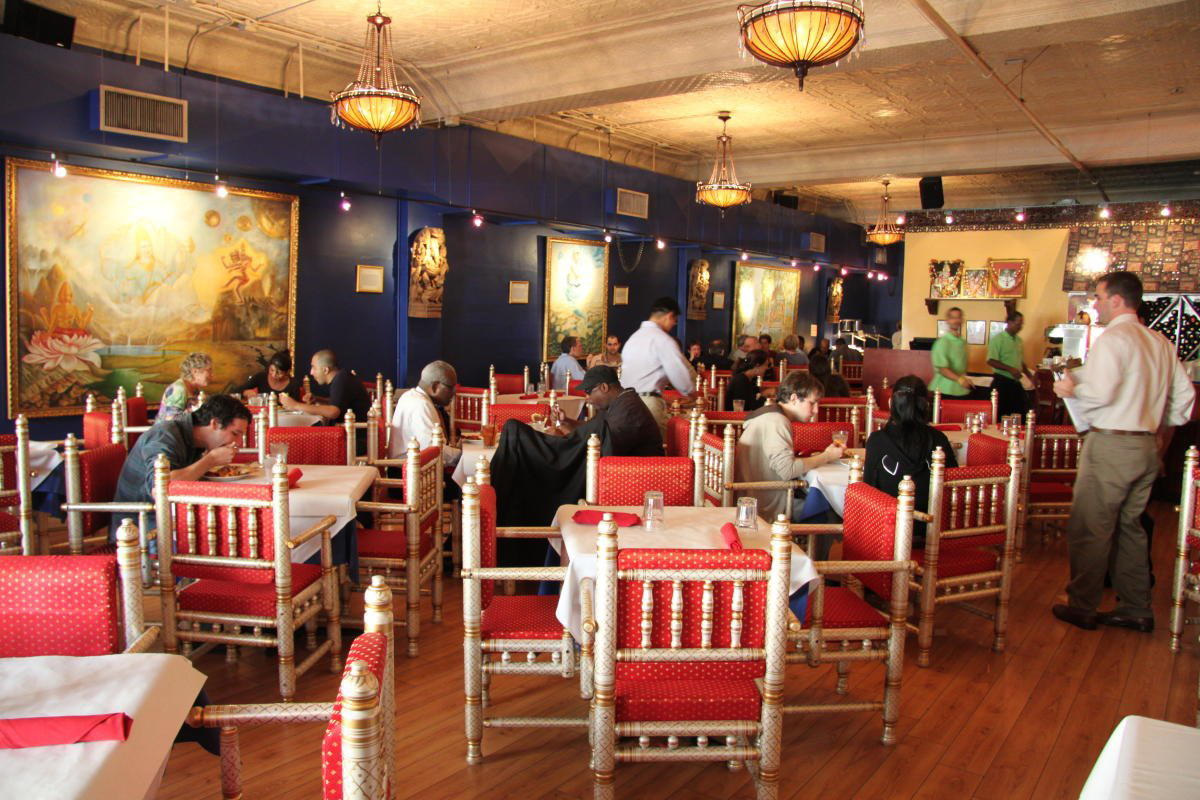
Magazine Street and the Smell of Cardamom
Walk Magazine Street on any given evening and the sensory sequence is familiar: po'boy grease, frying shrimp, the low hum of ceiling fans through open doors. At 4308, something shifts. The warm, layered scent of cardamom, cumin, and slow-cooked ghee cuts through the street-level noise before you reach the entrance. In a corridor defined by Bayona's herb garden and the deep-fried theatre of neighbourhood Cajun kitchens, that aromatic displacement is the first editorial signal about where Nirvana Indian Cuisine sits in New Orleans dining.
The city's restaurant identity is so closely bound to Creole and Cajun traditions, think the commanding legacy of Emeril's, or the precisely sourced menus at Saint-Germain, that an Indian kitchen on Uptown's main dining artery functions almost as a counter-programming choice. That is not a criticism. New Orleans has historically absorbed cuisines from across the Atlantic and Gulf worlds; Indian cooking, with its layered spice architecture and emphasis on long preparation, finds a city that, at its leading, rewards patience and complexity.
What Indian Cuisine Looks Like in a Creole City
The question worth asking of any Indian restaurant operating outside the major South Asian dining corridors, Jackson Heights in New York, Devon Avenue in Chicago, is what version of the cuisine it chooses to represent, and how seriously it pursues that representation. The subcontinent's cooking traditions are not monolithic. A kitchen that defaults to a simplified pan-Indian menu of butter chicken and naan reads differently from one that maintains regional specificity, seasonal preparation, and correct spice ratios.
In a city where the contemporary dining conversation moves quickly toward locally sourced New American (see Zasu on the more accessible end and Re Santi e Leoni on the contemporary fine-dining end), an Indian kitchen occupies a different register entirely. The competition is not lateral, it is categorical. The relevant comparable set is not the white-tablecloth Creole houses but the handful of international cuisine restaurants that serve Uptown's residential population with enough regularity to become genuine neighbourhood anchors.
Magazine Street has that kind of density. It draws a mixed crowd: Garden District residents, Tulane faculty, Loyola students, and long-stay visitors who rent houses in the surrounding blocks rather than staying on Bourbon Street. That population sustains a different kind of restaurant, one where repeat custom matters more than single-visit spectacle. Nirvana's position at 4308 places it in that sustained-use tier of the street.
The Sensory Architecture of North Indian Cooking
For readers arriving from outside Indian dining, the sensory experience of a well-run subcontinental kitchen differs structurally from the French-lineage fine dining that dominates American prestige restaurant culture. There is no single focal protein or reductive sauce built through classical technique. Instead, spice blends are layered at different stages of cooking: whole spices bloomed in hot oil first, then ground aromatics added to build base, then wet masalas, then finishing elements. The result, when the sequencing is correct, is a dish with perceptible depth, warmth that builds rather than hits, and aromatics that shift across the course of a meal.
Tandoor cooking adds another sensory layer: the high heat of the clay oven (typically exceeding 480°C) produces a char and smokiness that no conventional oven replicates. Bread baked against tandoor walls, naan, roti, kulcha, emerges with a blistered crust and interior softness that has a short service window. The gap between tandoor-fresh bread and bread that has sat even ten minutes is significant enough to be the difference between a meal that works and one that does not. These are the technical details that separate an Indian kitchen operating with discipline from one operating on convenience.
The cuisine type, Indian, in a city whose dining culture does not produce many Indian kitchens, positions it as one of the few addresses on the Uptown side of the city where a full Indian meal is the primary offer rather than a secondary one.
Where It Sits in New Orleans Dining
New Orleans has produced nationally significant restaurants across the prestige tier. The American fine-dining conversation regularly references addresses like Le Bernardin in New York City, Alinea in Chicago, The French Laundry in Napa, Lazy Bear in San Francisco, Providence in Los Angeles, Blue Hill at Stone Barns in Tarrytown, Addison in San Diego, The Inn at Little Washington, Bacchanalia in Atlanta, Atomix in New York City, and Single Thread Farm in Healdsburg. Nirvana is not in that conversation, and nothing about its format suggests it intends to be. Its register is neighbourhood restaurant, not destination dining.
That distinction matters because it sets the correct frame for evaluation. A neighbourhood Indian restaurant on Magazine Street is not measured against 8½ Otto e Mezzo Bombana in Hong Kong any more than a local po'boy shop is measured against Commander's Palace. The relevant measure is: does it do what it sets out to do, with sufficient consistency, for the community it serves? For visitors exploring beyond the French Quarter, that framing is worth carrying into any neighbourhood restaurant booking.
Planning Your Visit
Nirvana Indian Cuisine is at 4308 Magazine Street in the Uptown neighbourhood, accessible by the Magazine Street bus line from the Central Business District and Garden District. Magazine Street parking is street-side and generally available in the surrounding residential blocks during evening service. Current hours and reservation guidance are available for planning a visit. Indian cuisine is structurally compatible with vegetarian dining, making it a practical option for plant-forward meals.
Just the Basics
Comparable venues nearby, for context on price, style, and recognition.
| Venue | Cuisine | Price | Notes |
|---|---|---|---|
| Nirvana Indian CuisineThis venue — the venue you are viewing | Touro, Authentic Indian Cuisine | $$ | Not listed |
| Brewery Saint X | Not listed | $$ | Central Business District, American Brew Pub |
| Cowbell | Carrollton, American Gastropub Burgers | $$ | Not listed |
| Johnny's Po-Boys | Not listed | $$ | French Quarter, Classic New Orleans Po'Boys |
| Chada | Mid-City, Thai | $$ | Not listed |
| Petite Amelie | Not listed | $$ | French Quarter, French Quarter Bakery Cafe |
Continue exploring
More in New Orleans
Restaurants in New Orleans
Browse all →
Bars in New Orleans
Browse all →

At a Glance
- Classic
- Cozy
- Family
- Group Dining
- Casual Hangout
- Historic Building
Current opening hours
- Monday
- Closed
- Tuesday
- 11:30 AM–2:30 PM, 5:30–10 PM
- Wednesday
- 11:30 AM–2:30 PM, 5:30–10 PM
- Thursday
- 11:30 AM–2:30 PM, 5:30–10 PM
- Friday
- 11:30 AM–2:30 PM, 5:30–10 PM
- Saturday
- 11:30 AM–2:30 PM, 5:30–10 PM
- Sunday
- 11:30 AM–2:30 PM, 5:30–10 PM
Hours can change for holidays and private events. Last verified .
Cozy atmosphere featuring Indian paintings and sculptures evoking ancient spiritual themes.