Henry Howard Hotel

Michelin Selected
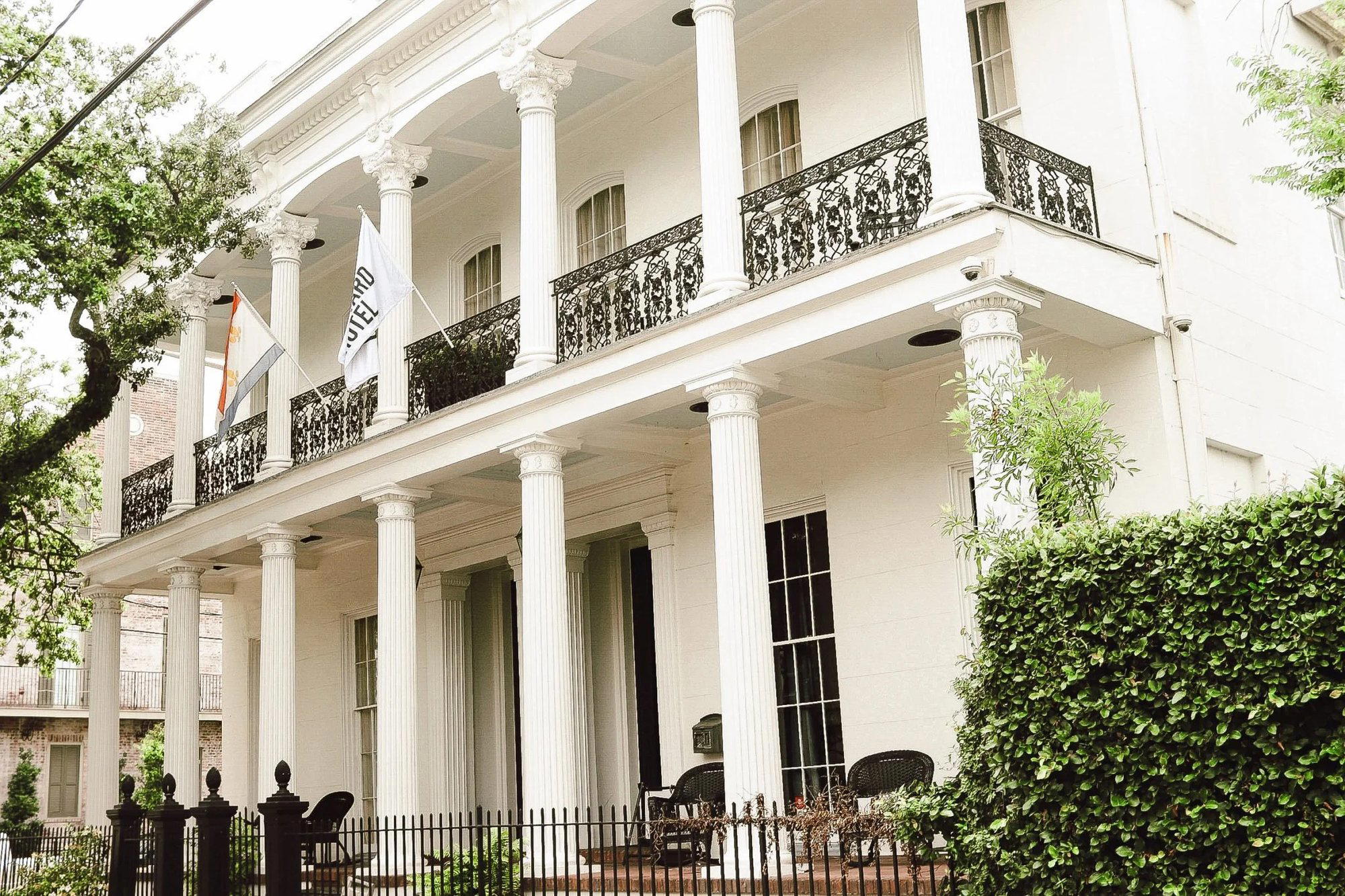
A restored Greek Revival mansion on Prytania Street in the Garden District, Henry Howard Hotel occupies one of New Orleans' most architecturally significant nineteenth-century addresses. The property sits within walking distance of the St. Charles Avenue streetcar line, positioning it as a quieter alternative to the French Quarter hotel corridor. For travellers who prioritise neighbourhood character over convention-centre proximity, it represents a considered choice.

Pearl is the En Primeur Club membership app — saves, bookings, and concierge access live there. Same editors, same standards.
- Address
- 2041 Prytania St, New Orleans, LA 70130
- Phone
- (504) 313-1577
- Website
- henryhowardhotel.com
- Directions
- Get directions
The Garden District as a Hotel Context
New Orleans hotel accommodation has historically concentrated along Canal Street and in the French Quarter, where the density of bars, restaurants, and tourist infrastructure makes location self-explanatory. The Garden District operates on different logic. Prytania Street, where Henry Howard Hotel sits at number 2041, is residential in character, lined with antebellum mansions and oak canopy rather than neon signage. Choosing to stay here is a deliberate act of preference for a specific kind of New Orleans experience: slower, more architecturally immersive, connected to the city's nineteenth-century prosperity rather than its twentieth-century entertainment economy.
That context matters when evaluating the property. Hotels that occupy historic mansion stock in this neighbourhood, including Columns and Pontchartrain Hotel St. Charles Avenue, compete less on amenity count and more on the quality of architectural preservation and the character of their public spaces. Henry Howard Hotel belongs to this cohort. The building itself is named for the architect who designed it in 1867, a detail that frames the property's identity before a guest even checks in.
Architecture as the Primary Amenity
Greek Revival residential architecture in New Orleans reached its most elaborate expression in the Garden District during the mid-to-late nineteenth century, when cotton and sugar wealth produced a building programme of unusual ambition. Henry Howard, the Irish-born architect responsible for dozens of the neighbourhood's most significant structures, designed the Prytania Street house that now bears his name as a private residence. The decision to preserve the building's original proportions and decorative language, rather than gut-renovate toward a generic boutique aesthetic, places this property in a smaller category of New Orleans hotels where the structure itself does meaningful work.
Guests approaching from the St. Charles Avenue streetcar stop, roughly a short walk away, arrive on a street where the hotel reads as a continuation of its surroundings rather than an intervention in them. That restraint is increasingly rare in a city where adaptive reuse projects sometimes prioritise Instagram legibility over neighbourhood coherence. For comparison, Hotel Peter and Paul in the Marigny and Hotel Saint Vincent in the Lower Garden District both converted non-residential historic structures, producing more programmatically dense properties with bars and restaurants that generate their own foot traffic. Henry Howard operates at a different register: quieter, more domestic in scale.
The Food and Drink Question
The editorial angle that matters most for premium travellers evaluating a hotel in New Orleans is always the food and drink programme. This is a city where the culinary identity of a neighbourhood shapes the entire visit, and where hotels that lack a credible on-site offering push guests into a planning gap. The Garden District's restaurant scene along Magazine Street and in adjacent blocks is strong enough that a hotel without a signature dining programme can position that absence as a feature: guests eat at Commanders Palace or at any number of well-regarded neighbourhood restaurants rather than defaulting to an in-house option.
What Henry Howard offers in terms of on-site food and beverage programming is not detailed in publicly at the level of specificity that would allow a meaningful comparison with, say, the beverage-forward approach at Catahoula New Orleans, which built its identity around a rum-focused bar programme, or the more comprehensive hospitality formats at Maison Metier. What can be said with confidence is that the property's scale and residential character suggest a curated rather than expansive food offering. Guests expecting a multi-outlet hotel dining operation should look at larger-footprint properties; those who prefer to treat the hotel as a base and eat outward into the neighbourhood will find the Garden District location advantageous.
For context on how hotel dining programmes at this scale function across the premium American market, consider how properties like Troutbeck in Amenia or SingleThread Farm Inn in Healdsburg use food as a primary identity signal even at small key counts. The question for Henry Howard is whether its architectural identity carries enough weight to anchor the guest experience without that culinary layer. In New Orleans, given the surrounding restaurant density, the answer is plausibly yes.
Positioning Within the New Orleans Boutique Set
New Orleans' boutique hotel market has grown substantially over the past decade, with adaptive reuse projects converting churches, schools, and warehouses into design-forward properties. The Celestine New Orleans and Element New Orleans Downtown represent different points on the spectrum between character-led and amenity-led positioning. Henry Howard sits closer to the character-led end, drawing its authority from the building's provenance and the Garden District's residential prestige rather than from programming density or brand affiliation.
That positioning appeals to a specific traveller profile: those who have done the French Quarter, who know the city well enough to choose a neighbourhood hotel deliberately, and who read a nineteenth-century Greek Revival mansion as a credential rather than a quirk. It is a similar instinct that draws guests to design-led properties outside New Orleans, whether The Fifth Avenue Hotel in New York City or Hotel Bel-Air in Los Angeles, where the physical environment is doing significant identity work independent of the brand group behind it.
Planning Your Stay
Henry Howard Hotel's Prytania Street address puts guests within walking distance of Magazine Street's retail and restaurant corridor and a short streetcar ride from the Central Business District and French Quarter. New Orleans' peak travel periods, around Mardi Gras in February and Jazz Fest in late April and early May, compress availability across all boutique properties in the city, and the Garden District's smaller hotel stock means options fill earlier than in the larger French Quarter inventory. Booking well ahead of those windows is a practical necessity rather than optional caution. For travellers considering the property outside peak season, the summer months bring heat and humidity but also meaningfully lower rates and thinner crowds at the city's major attractions. The streetcar along St. Charles Avenue provides reliable access to both the Garden District's core and the Uptown neighbourhoods beyond, making a car unnecessary for most itineraries centred on the hotel's location. For the full context of where Henry Howard sits within New Orleans' broader dining and hotel scene, see our full New Orleans restaurants guide.
Price Lens
A quick peer list to put this venue’s basics in context.
| Venue | Price | Awards |
|---|---|---|
| Henry Howard HotelThis venue — the venue you are viewing | $200–300 | Michelin Selected |
| Four Seasons Hotel New Orleans | $300–500 | 1 Michelin Key · La Liste Top Hotels |
| The Roosevelt New Orleans, A Waldorf Astoria Hotel | $300–500 | Virtuoso Luxury Hotel Partner · Forbes Recommended |
| Columns | $200–300 | 1 Michelin Key · Fodor's Most Incredible Hotels in the World |
| Hotel Peter and Paul | Not listed | 1 Michelin Key · Mr & Mrs Smith Seal of Approval |
| Hotel Saint Vincent | $200–300 | 1 Michelin Key · Fodor's Most Incredible Hotels in the World |
Recognition history
Dated appearances from independent guides and award organizations, with the underlying list record or original source where available.
Michelin Selected
Michelin
Continue exploring
More in New Orleans
Hotels in New Orleans
Browse all →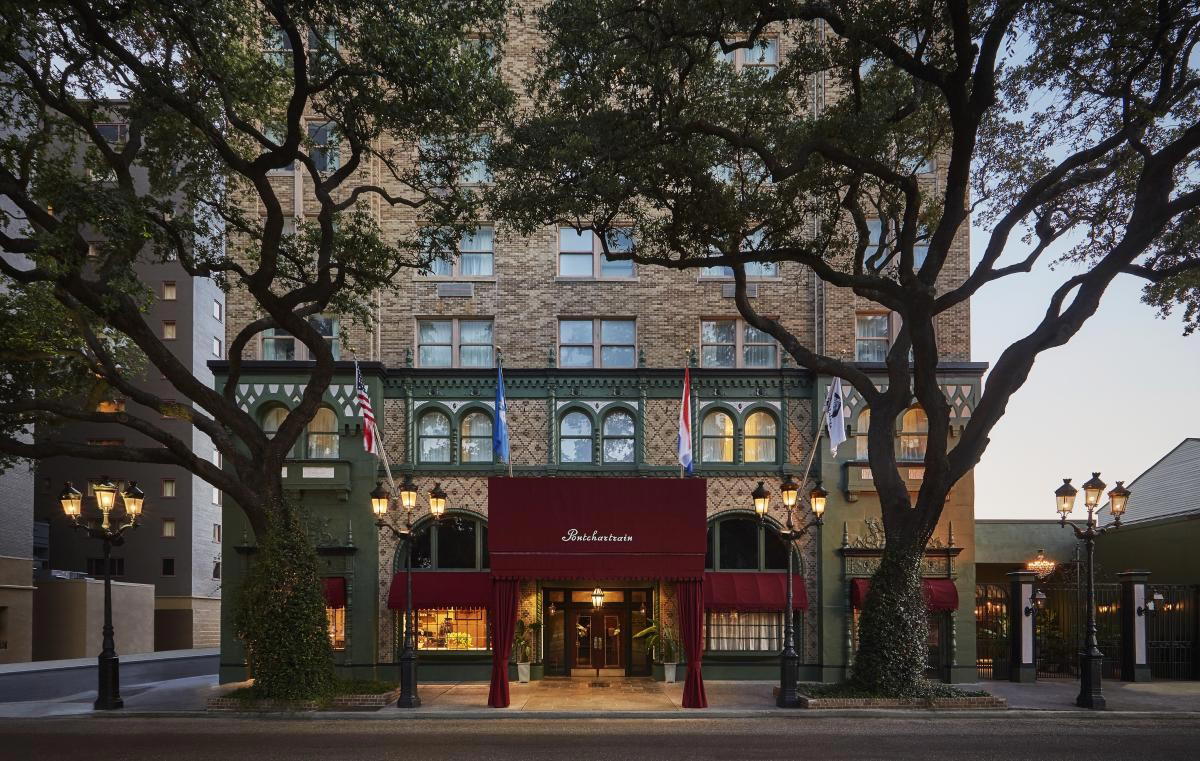
Bars in New Orleans
Browse all →

Details
- Elegant
- Cozy
- Sophisticated
- Intimate
- Classic
- Romantic Getaway
- Anniversary
- Weekend Escape
- Historic Building
- Terrace
- Wi Fi
- Concierge
- Elevator
- Garden
- Room Service
- Street Scene
- Elevator
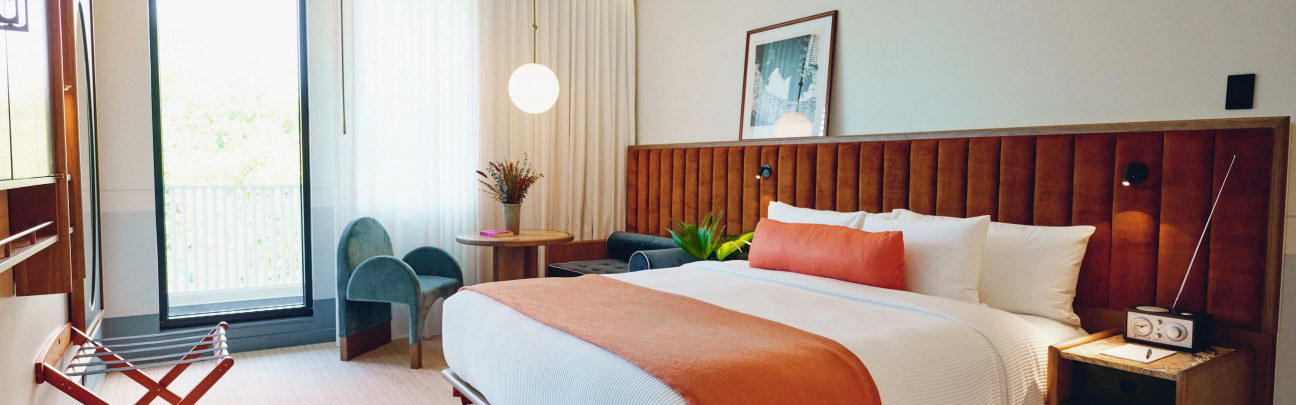
Light-filled rooms with soaring 12-foot ceilings, large windows amplifying natural light, cozy canopy beds, and a harmonious mix of contemporary and antique furnishings creating a relaxing, elegant atmosphere.