Petite Amelie
On Royal Street in the French Quarter, Petite Amelie draws a loyal local following that returns not for novelty but for consistency, the kind of neighborhood reliability that is genuinely hard to find in a city overrun with tourist-facing dining. Its address at 900 Royal St places it deep in one of New Orleans' most atmospheric corridors, where the crowd tends to know exactly what it came for.
- Address
- 900 Royal St, New Orleans, LA 70116
- Phone
- +1 504 412 8065
- Website
- petiteamelie.net
- Directions
- Get directions
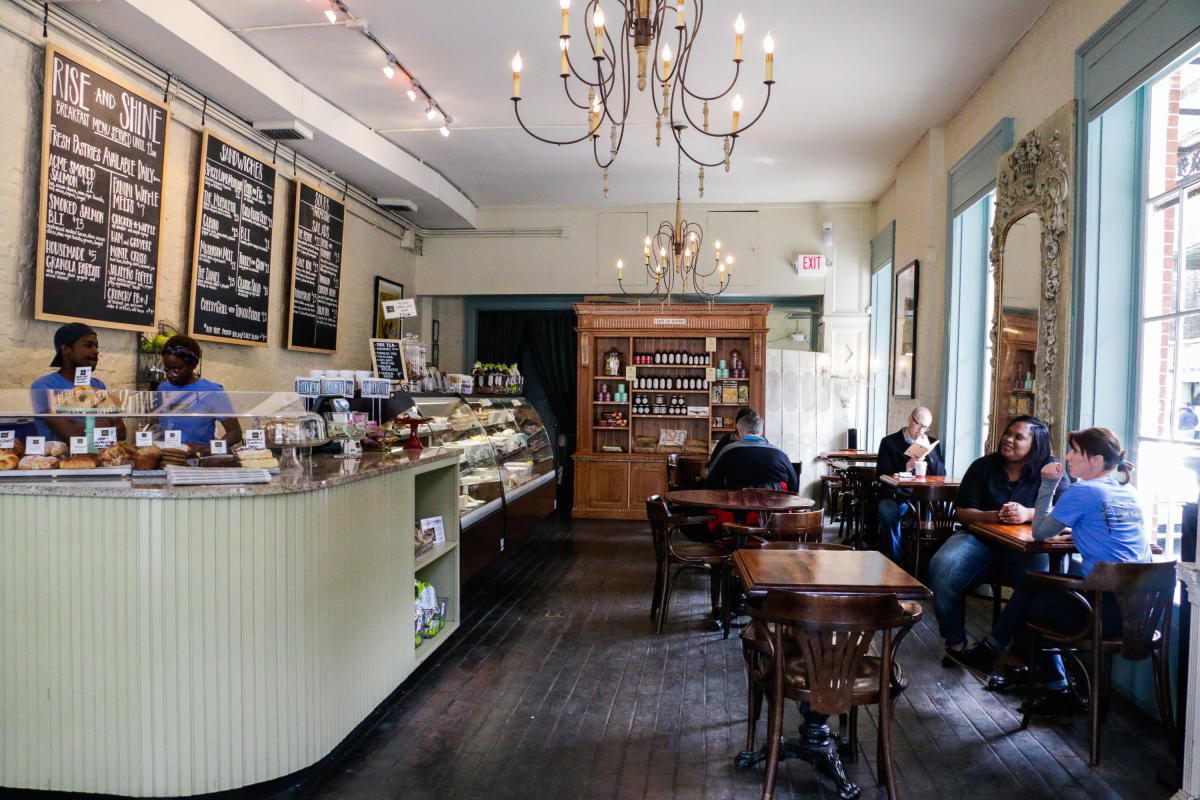
Royal Street and the Regulars Who Keep Coming Back
There is a particular category of French Quarter restaurant that tourists walk past and locals walk into. These are not the flashy names with PR-managed waitlists or tasting menus calibrated for social media. They occupy the middle register of a neighborhood dining ecosystem that, in New Orleans more than almost any other American city, is defined by its regulars. Petite Amelie, at 900 Royal St, is a French Quarter Bakery Cafe and a permanently closed restaurant with a price tier of 2, fits that pattern. The address alone places it on one of the Quarter's most-trafficked corridors, a stretch of Royal Street where antique shops, galleries, and iron-lace balconies form the architectural backdrop that visitors photograph and residents walk through without looking up.
The French Quarter dining scene has always operated on two parallel tracks. One serves the city's millions of annual visitors with Bourbon Street-adjacent noise and predictable Louisiana clichés. The other, quieter track is where neighborhood institutions accumulate their regulars, their unwritten menu of preferred tables, their unspoken understanding with the kitchen. Petite Amelie occupies that second track. Restaurants on Royal Street tend to draw a more considered crowd than those a few blocks west, and the clientele here reflects that, people who chose this address deliberately, not because they stumbled off a tour bus.
What the Loyal Crowd Knows
The regulars' relationship with a restaurant like this is built incrementally. It starts with a first visit that exceeds expectation, then deepens through repeated returns that confirm the consistency. In New Orleans, that consistency is both valued and one fragile quality a restaurant can possess. The city's dining culture is weighted toward tradition: the same dishes prepared the same way across decades, the same welcome extended to familiar faces. Places that hold that line earn a loyalty that is almost impossible to manufacture.
In the French Quarter specifically, the competition for that loyal clientele is intense. Bayona, a few blocks away on Dauphine Street, has held its regular following for decades through Susan Spicer's Mediterranean-inflected New American cooking. Emeril's in the Warehouse District built its reputation on Cajun technique applied at scale. Further along the premium spectrum, Saint-Germain operates at the higher end of the contemporary tier. What Petite Amelie offers is something positioned differently from all of them: a French Quarter address with the feel of a neighborhood room rather than a destination.
That positioning is not accidental. The French Quarter has enough destination dining to satisfy visitors who plan months ahead and enough forgettable tourist traps to fill the gaps. What is harder to find is the middle register, a room with character, cooking with intention, and a clientele that comes back because the experience holds. That is the niche the restaurant occupies on Royal Street, and it is a niche with genuine value in a neighborhood where the tourist economy can quickly flatten everything into sameness.
New Orleans as Context
Understanding any French Quarter restaurant requires understanding what New Orleans asks of its dining rooms. The city's culinary identity is not a simple one. It runs from the deep Creole tradition of Commander's Palace to the Cajun-seafood focus of Emeril's and Pêche, from the contemporary ambition of Re Santi e Leoni to the American contemporary register of Zasu. Against that spectrum, a Royal Street address carries its own set of expectations: the physical environment of the Quarter, the particular energy of that neighborhood at different hours, and the specific pressure of operating in heavily visited part of one of America's most food-obsessed cities.
Nationally, the premium end of American restaurant culture has consolidated around a handful of marquee names. The French Laundry in Napa, Le Bernardin in New York City, Alinea in Chicago, Single Thread Farm in Healdsburg, and Blue Hill at Stone Barns in Tarrytown operate in a tier where the booking process itself signals the category. Providence in Los Angeles, Addison in San Diego, Lazy Bear in San Francisco, Atomix in New York City, Bacchanalia in Atlanta, and The Inn at Little Washington all occupy similar territory. The restaurant is not in that conversation, nor does it need to be. It plays a different and more durable role: the neighborhood room that regulars return to because it does not demand anything from them except showing up.
That is a role New Orleans understands better than most American cities, and one that Royal Street is well-suited to host. For travelers who want to experience the French Quarter as residents do rather than as visitors, finding the rooms where locals eat on a Tuesday is more instructive than following the award trackers. Our full New Orleans restaurants guide maps the broader spectrum, from the destination tiers down to the neighborhood regulars.
Planning a Visit
900 Royal St sits in the lower French Quarter, close enough to the main tourist corridor to be walkable from most Quarter hotels but removed enough that the immediate street feels residential in comparison to Bourbon. For visitors staying outside the Quarter, the address is direct to reach on foot from the CBD or by rideshare. The French Quarter sees peak tourist traffic from late February through early April around Mardi Gras and Jazz Fest, when reservations at most neighborhood restaurants become harder to secure. Outside those windows, the Quarter dining scene is generally more accommodating to walk-ins, though a restaurant with an established regular following tends to fill its preferred tables first regardless of season.
For broader French Quarter planning, Bayona represents one decorated option within walking distance, while Saint-Germain offers the higher-end contemporary experience for those building a multi-night itinerary. Internationally, for those tracking fine dining across cities, 8½ Otto e Mezzo Bombana in Hong Kong represents a useful reference point for how a room with strong regular clientele operates at a different scale and price tier.
Fast Comparison
Comparable venues nearby, for context on price, style, and recognition.
| Venue | Cuisine | Price | Notes |
|---|---|---|---|
| Petite AmelieThis venue — the venue you are viewing | French Quarter Bakery Cafe | $$ | Not listed |
| Sylvain | Southern Gastropub | $$ | French Quarter |
| Johnny's Po-Boys | Classic New Orleans Po'Boys | $$ | French Quarter |
| Mulate's | Authentic Cajun & Creole | $$ | Arts District |
| NOLA Brewing & Pizza Co. | New York-Style Pizza & Craft Beer | $$ | Irish Channel |
| Brewery Saint X | American Brew Pub | $$ | Central Business District |
Continue exploring
More in New Orleans
Restaurants in New Orleans
Browse all →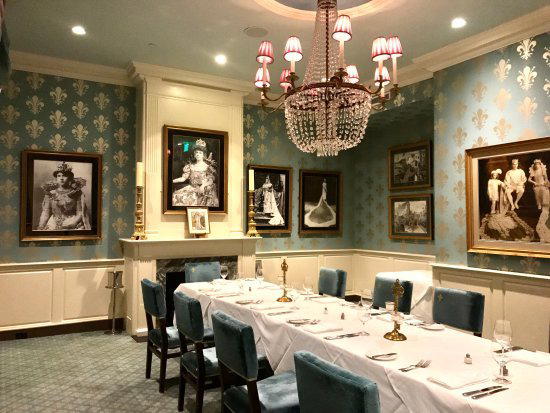
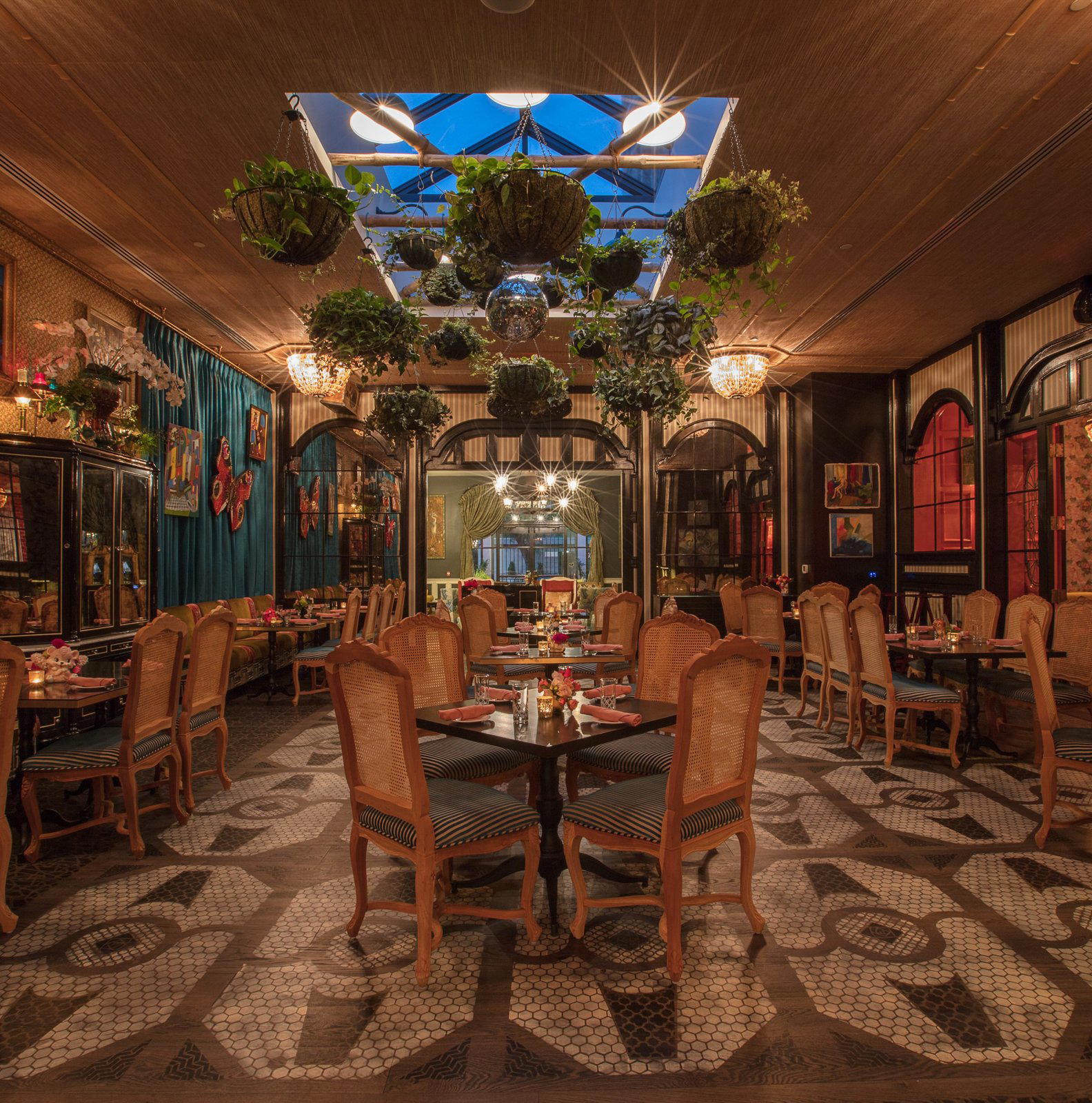
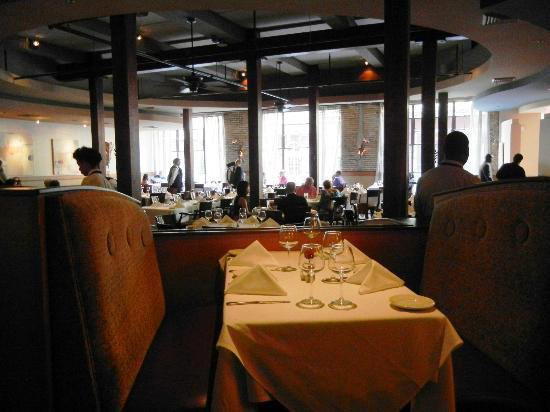
Bars in New Orleans
Browse all →
At a Glance
- Cozy
- Intimate
- Brunch
- Casual Hangout
- Courtyard
- Local Sourcing
- Garden
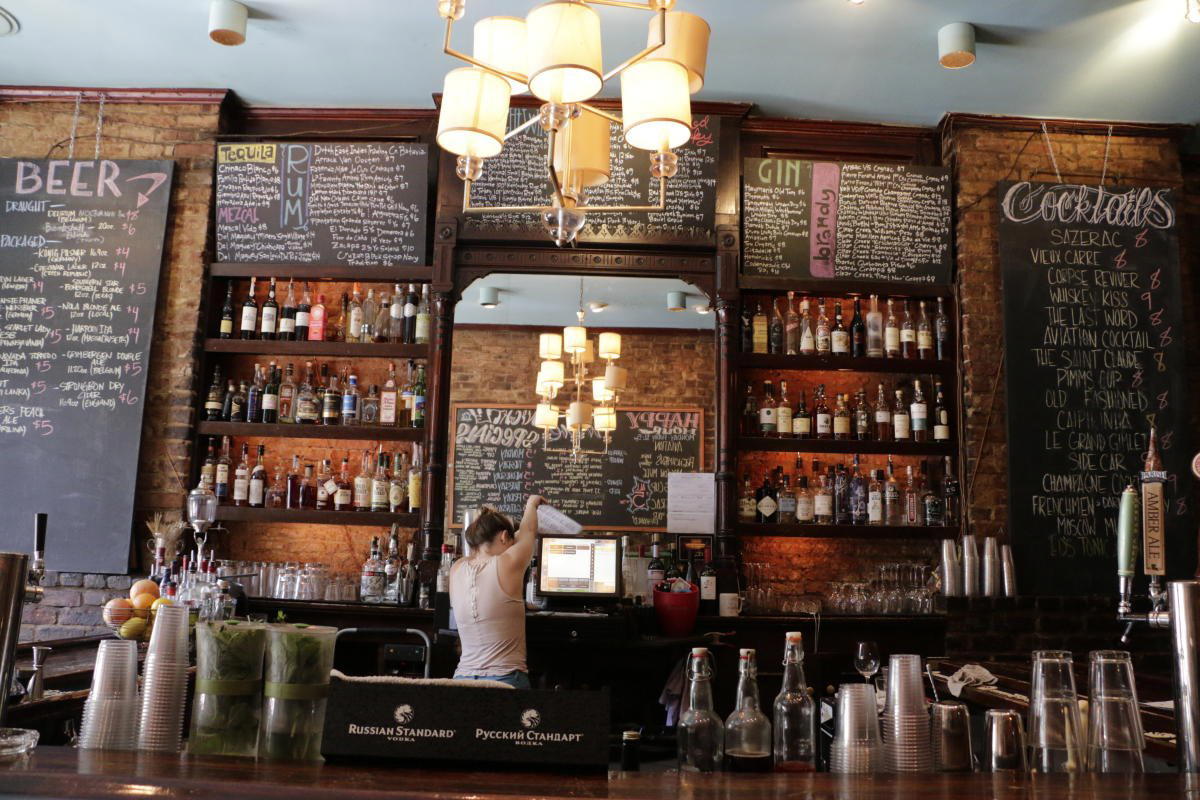
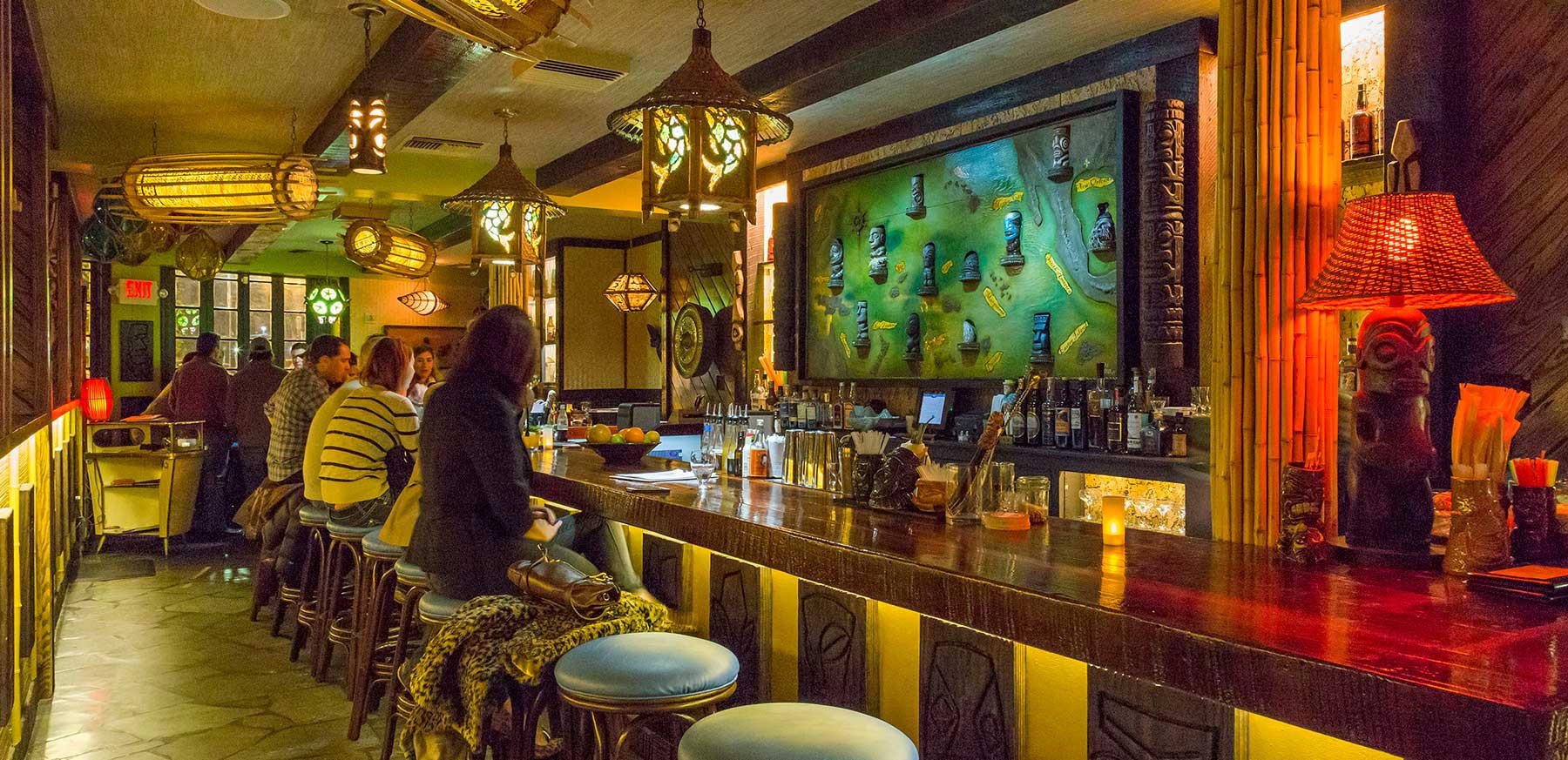
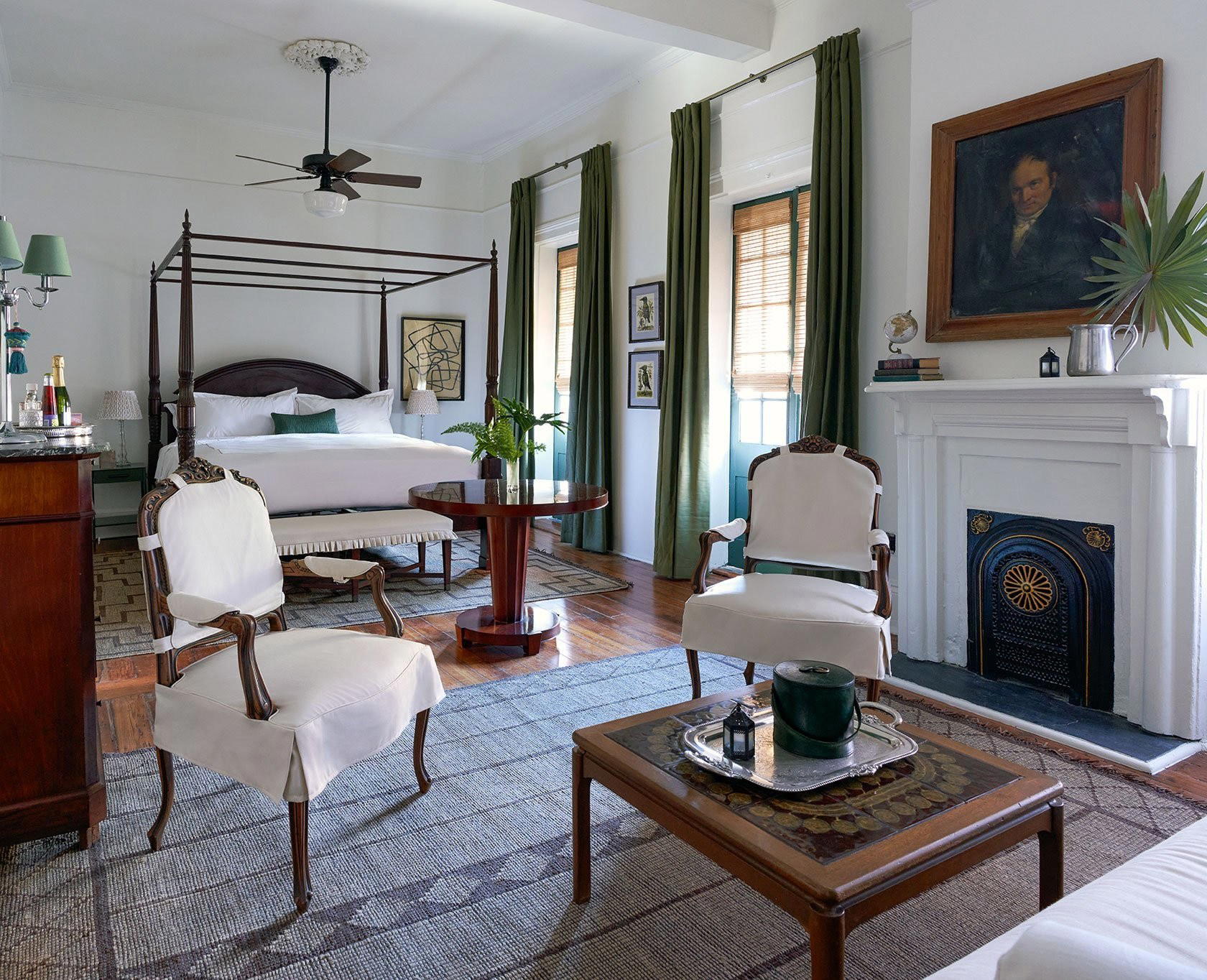
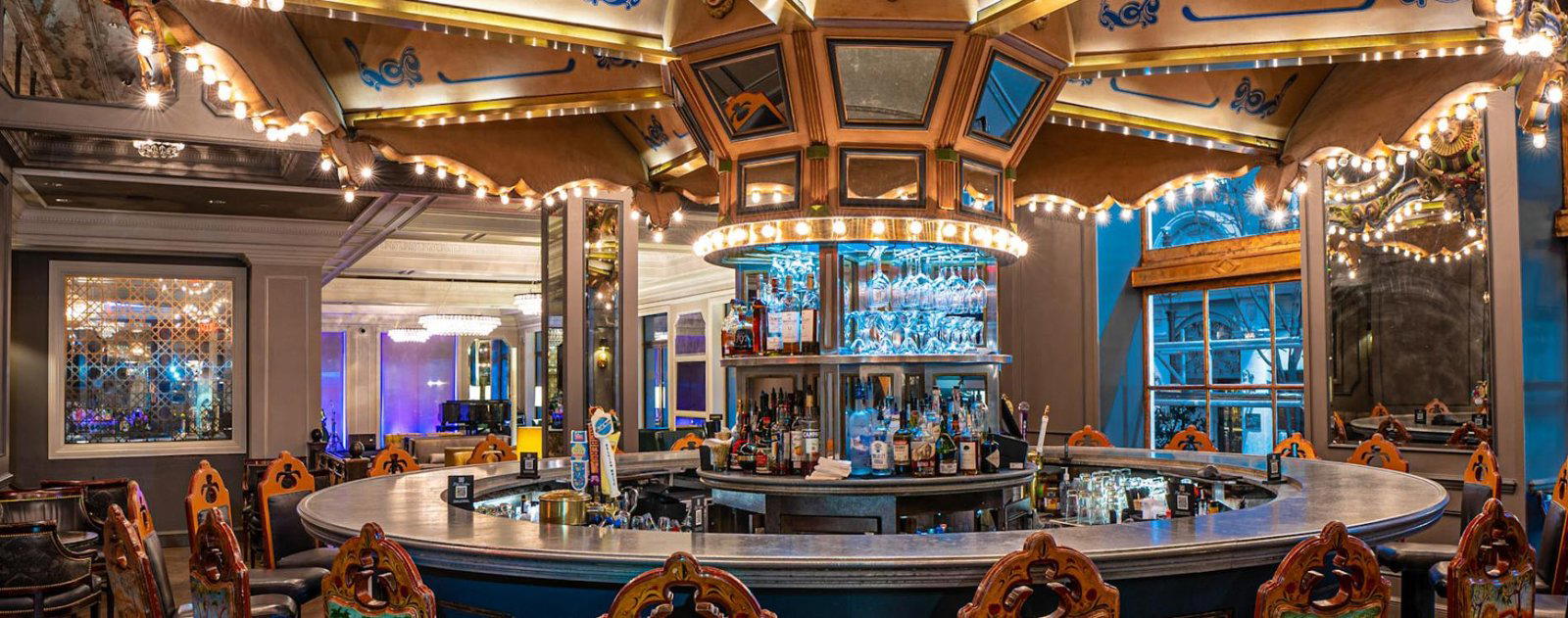
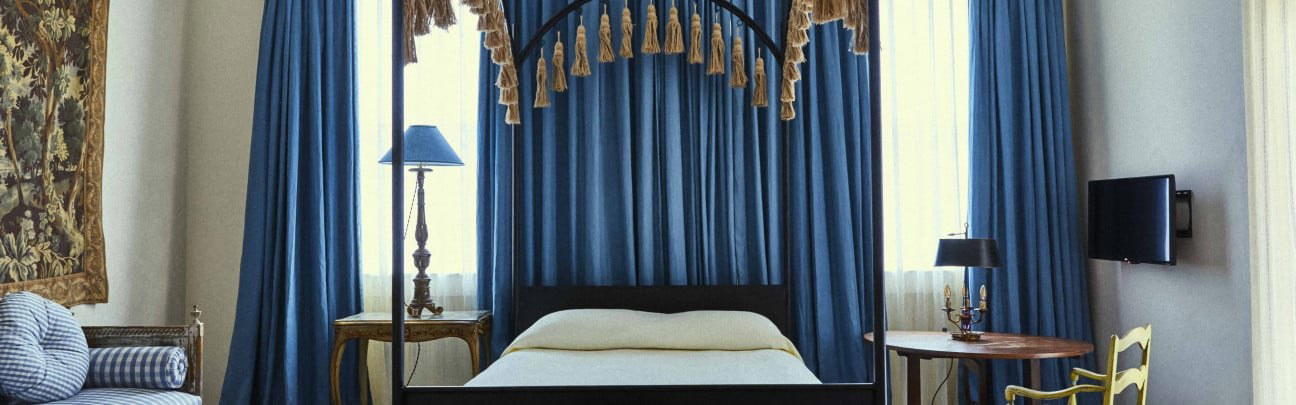
Charming courtyard with garden setting, cozy interior, peaceful atmosphere away from Quarter noise.